Last updated: November 20, 2026
Quick answer: for most washable projects, prewash the fabric once, dry it the way it will be treated later, press it, and then cut it. In Fabric Selection and Preparation: The Complete Guide, the safest default is still to match the fiber, weave, and weight to the job first, because a stable, suitable cloth saves more sewing time than a fancy one. For a fitted item, even 1–3% shrinkage can change the result enough to matter, so fabric prep is part of the pattern, not an optional extra.
Key takeaways
- Pick fabric for how the finished item must behave: hold shape, drape, stretch, or resist wear.
- Check fiber content, weave or knit, weight, and care label before buying.
- Prewashing matters most for washable fabric, because shrinkage and dye bleed can ruin cutting accuracy.
- Pressing and grain alignment are not optional extras; they change how seams hang and how pieces match.
- Skip only the prep step that the fabric genuinely cannot handle, such as a dry-clean-only cloth or a finish the pattern tells you to preserve.
What fabric should you buy first?
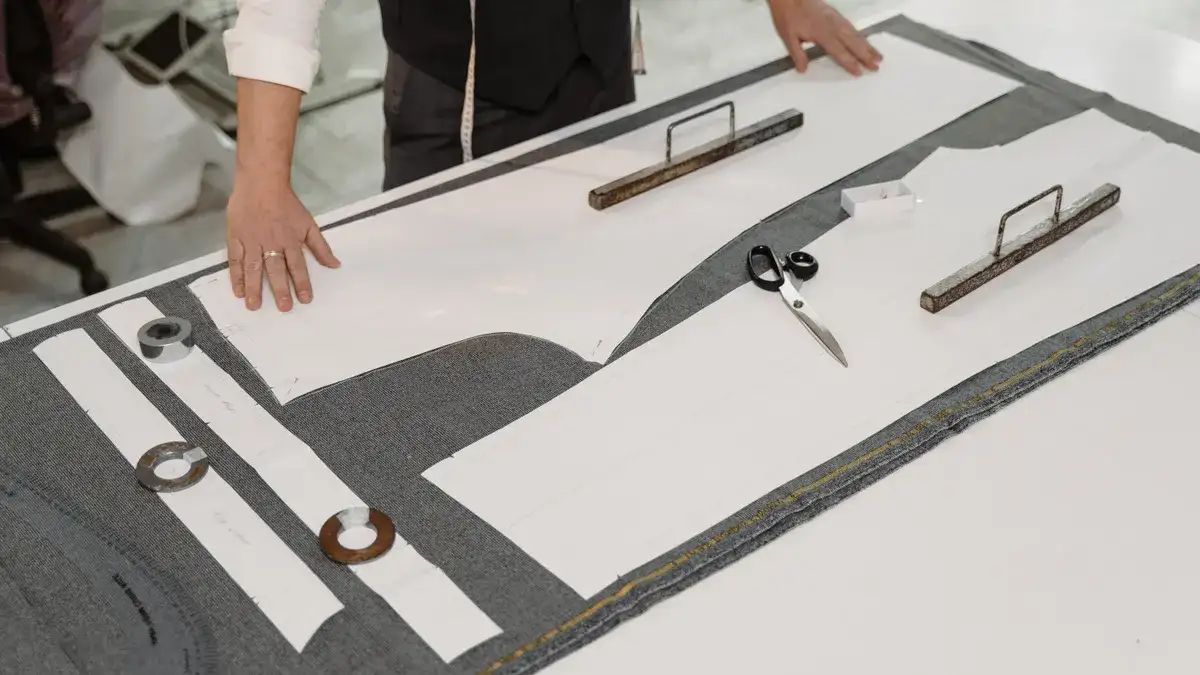
The right fabric is the one that matches the pattern’s job, not the one that looks best on the bolt. A shirt wants a different cloth than a tote, and a curtain needs different behavior than a skirt. Start by asking what the finished item must do: drape softly, keep a sharp edge, stretch with movement, or stand up to repeated washing.
Fiber content gives the first clue. Cotton and linen usually press well and are easy for beginners to control, but they can shrink and wrinkle. Polyester and many blends resist shrinking and keep their shape better, yet they can be less forgiving under the iron. Rayon, silk, and other drapier fabrics can look beautiful, but they often slide, crease, or stretch out while being cut.
Weave or knit matters just as much. Wovens have a fixed grain and usually behave more predictably at seams. Knits stretch, so they need stretch built into the pattern and a plan for keeping the edges from wiggling out of shape. A beginner who buys a slippery satin for the first project is borrowing trouble.
Weight changes the entire feel. A lightweight fabric can become see-through, while a heavy one can turn a simple shape stiff and boxy. Check the pattern envelope or project notes for the intended type of cloth, then stay close to that target. If the project calls for structure, do not swap in a fluid drape just because the color is right.
For care guidance, two official references are worth keeping close: the U.S. Federal Trade Commission’s clothing care labeling rules and the U.S. Consumer Product Safety Commission’s guidance on children’s sleepwear flammability. Those pages matter because the care label is not decoration; it tells you what the cloth can survive and what the finished item may need to survive too. For more help, see our guides to choosing the right sewing pattern, reading a care label, and understanding fabric grain.
How do you prepare fabric before cutting?
Preparing fabric means removing surprises before the scissors do the permanent work. The usual sequence is wash, dry, press, square, and check grain. That order matters because a fabric that shrinks after cutting is hard to rescue, and a fabric that is cut off grain can twist forever.
Start by reading the care label and the pattern instructions. If the cloth is washable, prewash it in the way the finished item will likely be treated, or consult a professional if the fabric is delicate or the care direction is unclear. If the final garment will be machine washed and dried, washing it only gently by hand before cutting leaves room for later shrinkage. If the fabric is dry-clean-only, do not force a wash that can damage it. The FTC’s care-label rules are the best starting point for that decision.
Dry the fabric in a way that will not distort it. A very stretchy knit may sag if it hangs too long while wet, and a rayon weave can change shape if it is handled roughly, so consult a professional or the care label if you are unsure. Then press it flat with the heat the fiber can tolerate. Pressing is not the same as ironing in circles; it means lifting and placing the iron so the cloth does not creep out of shape.
After that, square the ends and check the grain. Fold the fabric so the selvedges line up smoothly, then look for a crosswise edge that sits straight. If the cut edge is crooked, trim it. If the grain twists, the finished piece can hang badly even if the seams are perfect.
This is also the point to test for dye bleed. A dark red or deep blue fabric can transfer color in the wash, especially in the first clean. That matters most for light linings, white tops, and quilts. A quick test on a hidden corner can save a finished project from a permanent stain. For related prep, see our sewing tools guide and how to prewash fabric.
Prewashed or unwashed: which is better?
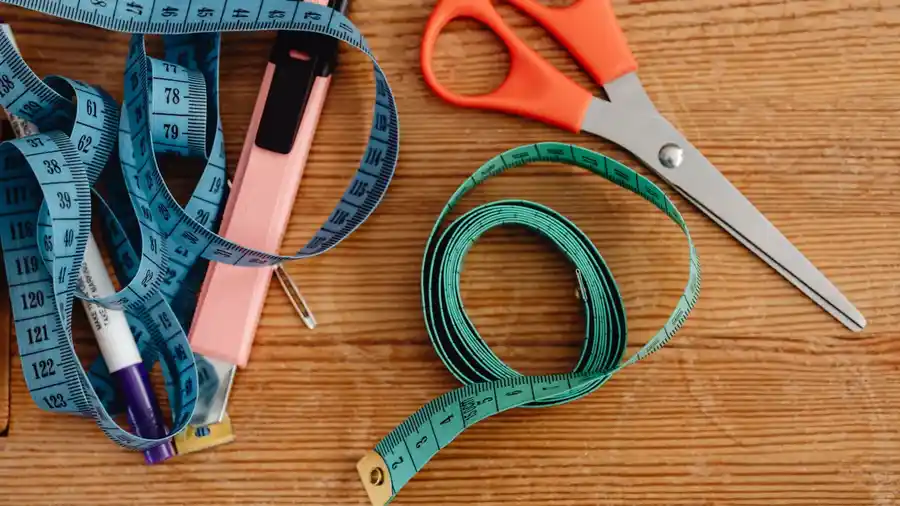
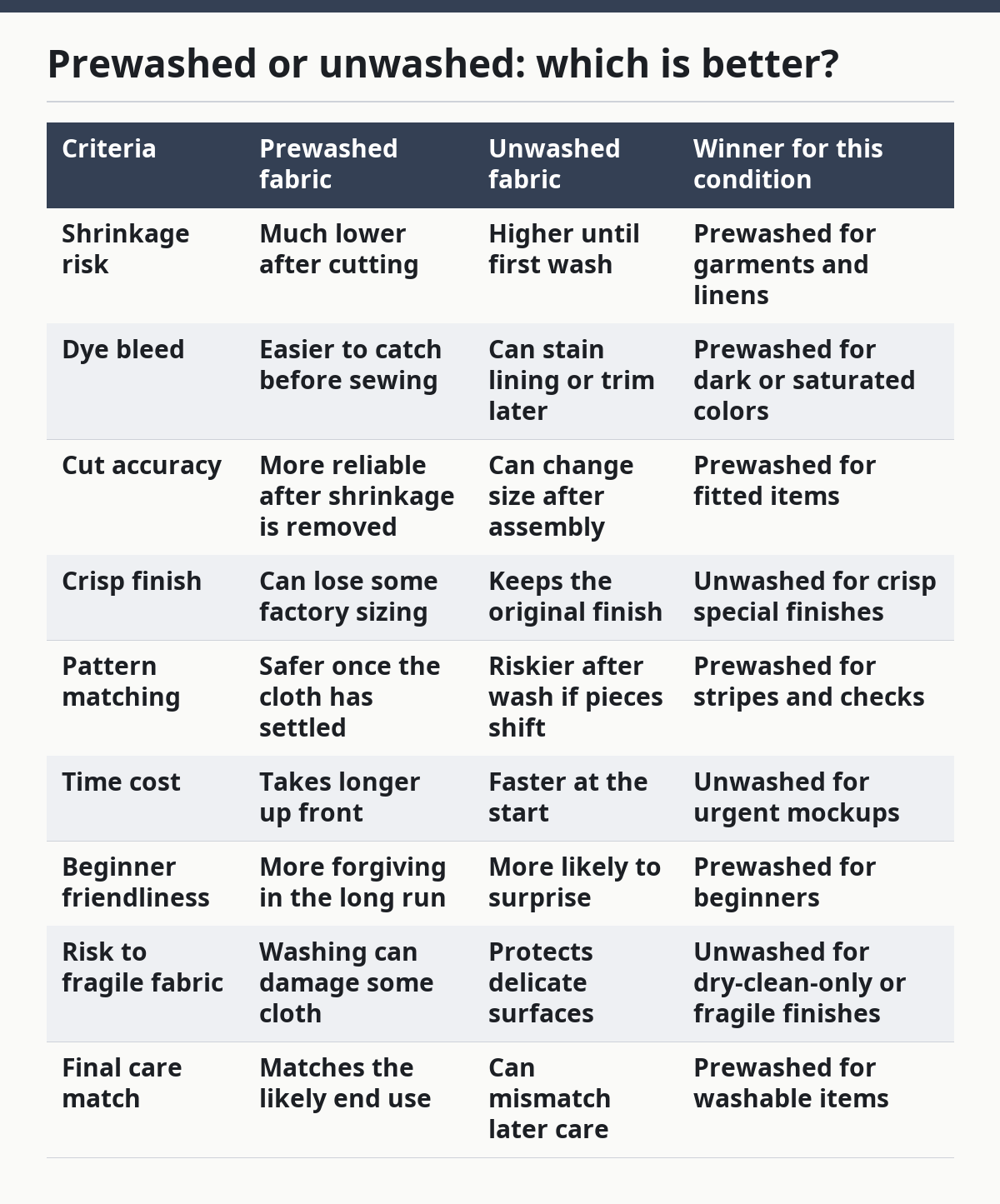
Prewashed fabric wins for most washable projects because it gives the truest picture of how the cloth will behave after its first real cleaning. Unwashed fabric only wins when the pattern or the fabric’s finish needs to stay exactly as it came off the bolt. That is the shortest honest answer.
| Criteria | Prewashed fabric | Unwashed fabric | Winner for this condition |
|---|---|---|---|
| Shrinkage risk | Much lower after cutting | Higher until first wash | Prewashed for garments and linens |
| Dye bleed | Easier to catch before sewing | Can stain lining or trim later | Prewashed for dark or saturated colors |
| Cut accuracy | More reliable after shrinkage is removed | Can change size after assembly | Prewashed for fitted items |
| Crisp finish | Can lose some factory sizing | Keeps the original finish | Unwashed for crisp special finishes |
| Pattern matching | Safer once the cloth has settled | Riskier after wash if pieces shift | Prewashed for stripes and checks |
| Time cost | Takes longer up front | Faster at the start | Unwashed for urgent mockups |
| Beginner friendliness | More forgiving in the long run | More likely to surprise | Prewashed for beginners |
| Risk to fragile fabric | Washing can damage some cloth | Protects delicate surfaces | Unwashed for dry-clean-only or fragile finishes |
| Final care match | Matches the likely end use | Can mismatch later care | Prewashed for washable items |
The practical recommendation is clear: prewash almost everything that will be washed later. That includes shirts, skirts, baby items, kitchen textiles, cushion covers, and most quilts. The reason is not theory; it is simple risk control. If the cloth shrinks after the seams are sewn, the fit can change, corners can pucker, and hems can pull out of line.
Unwashed fabric is the better choice only in narrow cases. A structured fabric that must keep a factory finish, a cloth that the pattern says should not be washed, or a very delicate textile that would be harmed by water may need to stay as bought. Even then, the choice has a cost: the first later cleaning can still alter the shape.
For many beginner projects, it is a sensible habit to prewash, dry, press, and then cut, as long as the fabric can safely take that treatment. That habit removes one of the largest unknowns in sewing. For more on garment prep, see beginner sewing projects and fabric testing tips.
What changes with different fabric types?
Different fabric types need different prep because the cloth itself behaves differently in water, heat, and handling. A one-size-fits-all method works poorly once the material moves away from basic cotton.
Cotton and linen usually handle prewashing well, but they can come out wrinkled and smaller. That means pressing is especially important before cutting. Linen can also soften a bit after washing, which changes how it hangs. A project that looked crisp on the bolt may become looser after prep.
Knits need extra care because they stretch. Washing and drying can relax the fabric, and rough handling can twist the grain. A knit that is cut before it settles can grow uneven seams or rippled hems. Stable folding and a smooth, flat dry matter more here than speed.
Rayon and silk are touchy in different ways. Rayon can shrink, curl, or distort if treated roughly, while silk may react badly to harsh washing or heat, so consult a professional or follow the care label when the fiber is unfamiliar. These fabrics often reward gentle handling and a careful reading of the care instructions. If a pattern calls for one of them, it is there for a reason: softness, drape, or sheen. It is also a clue that preparation matters more, not less.
Synthetics such as polyester often shrink less than natural fibers, but they are not free of problems. Some can hold static, resist heat, or feel slippery under the presser foot. That does not mean they should not be prepped. It means pressing should be controlled and the fabric should be handled in a way that does not stretch the edge or melt the surface.
Special finishes change the rule too. A water-resistant coating, a brushed surface, or a crisp sizing finish can be part of the fabric’s behavior, and washing may reduce that effect. When the finish is part of the design, it is safest to read the care label, check the pattern note, and decide whether the finish matters more than shrink control.
What do beginners usually get wrong?
Beginners usually get the fiber right and the behavior wrong. A cloth can be the right color and still be a bad choice if it slips, stretches, or wrinkles in a way the project cannot tolerate. The wrong pick is often the one that fights the pattern, not the prettiest fabric on the shelf.
One common mistake is ignoring grain. A piece cut off grain can twist after sewing, even if the seam allowance is perfect. Another is skipping prewash because the fabric “feels finished.” Feeling finished and being finished are not the same thing. The first wash can still change size, fade color, or shift the hand of the cloth.
Another trap is using the same prep for every fabric. A thick cotton and a delicate rayon do not want the same handling. Soaking, hot drying, or hard wringing can be harmless for one and harmful for the other. The care label exists because the maker already knows the limits better than guesswork does.
Beginners also underestimate pressing. A flat, properly pressed piece is easier to cut, easier to match, and easier to sew. A wrinkled cloth can hide crooked grain and make accurate cutting harder than it needs to be.
Because of that, a simple rule prevents most of these problems: buy the fabric for the pattern, prep it for the finish it will need, and do not skip a step just because the fabric seems cooperative on day one. The result is not merely cleaner sewing. It is a finished item that still fits and hangs correctly after it has been worn or washed.
When should you break the usual rules?
The usual rule breaks only when the fabric’s behavior or the project’s purpose changes the risk. That means the answer is not “never,” but the exceptions are narrow and specific.
First, break the prewash rule when the fabric is dry-clean-only or the pattern warns against washing it first. In that case, washing can cause more harm than shrinkage would prevent. A delicate surface or special finish may be more valuable than a small gain in size control.
Second, skip aggressive heat if the cloth is synthetic or heat-sensitive. A high iron can flatten texture, leave shine, or even damage the surface. Gentle pressing is safer than brute force. The iron should serve the fabric, not force it into submission.
Third, think twice before prewashing fabric that must stay crisp for design reasons. Some structured fabrics depend on factory finish to keep their shape. If that finish is part of the look, the project may need unwashed cloth and careful allowance for later change.
Fourth, avoid assuming that prewashing solves every problem. It does not fix a bad pattern choice, poor grain alignment, or a fabric that is too slippery for the design. A prewashed wrong fabric is still the wrong fabric.
The cleanest exception is a muslin or test piece. For a mockup, the goal is fit and shape, not finish. That is the one place where a simpler fabric and a faster prep routine can make sense. The final fabric, though, still deserves the full treatment.
The honest verdict: which choice belongs where?
Choose prewashed fabric if the final item will be washed, worn, or used often and if shrinkage would change the fit or finish. Choose unwashed fabric if the pattern or the fabric’s own finish depends on staying exactly as purchased. Neither if the cloth is so delicate, slippery, or special-finish that a guess would cause more damage than help.
That is the right call because sewing is not just about color and pattern. It is about behavior after the first wash, after the first press, and after the first wear. Fabric that looks perfect on the bolt can still fail the job if it has the wrong weight, grain, or care needs. Fabric that is prepared well gives the pattern a fair chance to work.
What should the final fabric check include?
The final fabric check should confirm five things: fiber, weave or knit, weight, care, and grain. If any one of those fights the pattern, the project will be harder than it needs to be. This check takes minutes and can save hours of seam ripping.
Look at the selvedge and the fold before cutting. If the cloth is skewed, correct it. If the print is directional, make sure every piece is laid out the same way. If the fabric is striped or checked, spend the extra time to align the lines now rather than trying to rescue them later.
It also helps to think about the finished use, not just the sewing stage. A pillow cover, a blouse, and a tote bag all ask different things from fabric. A cloth that is perfect for one may be wrong for another, even if the fiber content is identical. The job decides the cloth, not the other way around.
For official care guidance, the FTC’s clothing care labeling rules are the right starting point for what the label should tell you, and the CPSC’s sleepwear guidance matters when the item is meant for children. Those are not side notes. They are part of choosing fabric responsibly. For similar practical help, see our care-label glossary and how to match fabric to a project.
How do I know if fabric will shrink?
The safest answer is that any washable fabric may shrink until it has been cleaned the way the finished item will be cleaned. That is why prewashing matters. If the item will be machine washed and dried, the fabric should go through that same kind of treatment before cutting whenever the care label allows it.
Cotton, linen, rayon, and many blends can change after washing, while some synthetics change less. The exact amount is not something to guess at from feel alone. A smooth hand or a sturdy weight does not guarantee stable size.
If shrinkage would ruin the project, the rule is simple: treat the first wash as part of the preparation, not as an afterthought. That is especially true for fitted clothing, sheets, and anything with matched seams.
Can I skip prewashing if the fabric feels sturdy?
No, sturdy feel does not cancel shrinkage or dye bleed. A thick cotton can still shrink, and a dark fabric can still release color the first time it meets water. Sturdy fabric only means the cloth may survive handling better; it does not mean it will stay the same size.
The better test is the care label and the intended use. If the item will be washed later, and the label allows washing now, prewashing is the safer move. If the cloth cannot be washed, then the choice shifts to careful handling and an acceptance of later change.
What is the biggest beginner mistake with fabric prep?
The biggest mistake is cutting before the fabric has settled. That one shortcut creates the most avoidable problems: shrinkage after sewing, twisted grain, and pieces that do not match after the first wash. A second close mistake is pressing badly or not pressing at all.
A fabric that is washed, dried, pressed, and squared before cutting is much easier to sew accurately. The prep does not make a bad fabric good, but it keeps a good fabric from being ruined by preventable handling.
Do I need to prewash fabric for every project?
No, but the default should be yes for anything washable. The exceptions are narrow: dry-clean-only textiles, fabrics with special finishes that need to stay intact, or cases where the pattern explicitly says not to wash first. In those situations, the care label and the project goal matter more than the general rule.
If the item is a gift, a fitted garment, or something that will be washed often, skipping prewash is a gamble. If the item is decorative and never meant to be cleaned at home, the rule can change. The key is to match prep to the final use, not to habit.
Drafted with AI; not yet reviewed by a person.