Last updated: November 19, 2026
Quick answer: In Fabric Behavior and Preparation — The Complete Guide, the safest starting point is to test a 6-inch swatch, then prewash, dry, press, and square the fabric before cutting. Fabric behavior tells you how a cloth will stretch, shrink, drape, pill, wrinkle, or bleed before you cut a single piece. The right preparation stops most sewing disasters before they start. The sections below settle what changes in the fabric, what to do before cutting, and which prep steps matter for different fibers.
A 15-year sewing and textile practitioner can read a fabric’s weave, fiber, and finish well enough to predict the trouble spots.
Key Takeaways
- Fabric does not stay “as bought.” Heat, water, and handling change it.
- Cotton, linen, wool, silk, rayon, polyester, and knits each need different prep.
- Prewashing is not about making fabric “clean.” It is about forcing shrinkage and dye loss to happen before sewing.
- A bias-cut cloth, a loose weave, and a knit all behave differently under tension.
- Interfacing, staystitching, and pressing tools matter as much as the fabric itself.
- The wrong prep step can ruin the hand, shape, or color of a garment before it is worn once.
What fabric behavior means before you cut a stitch
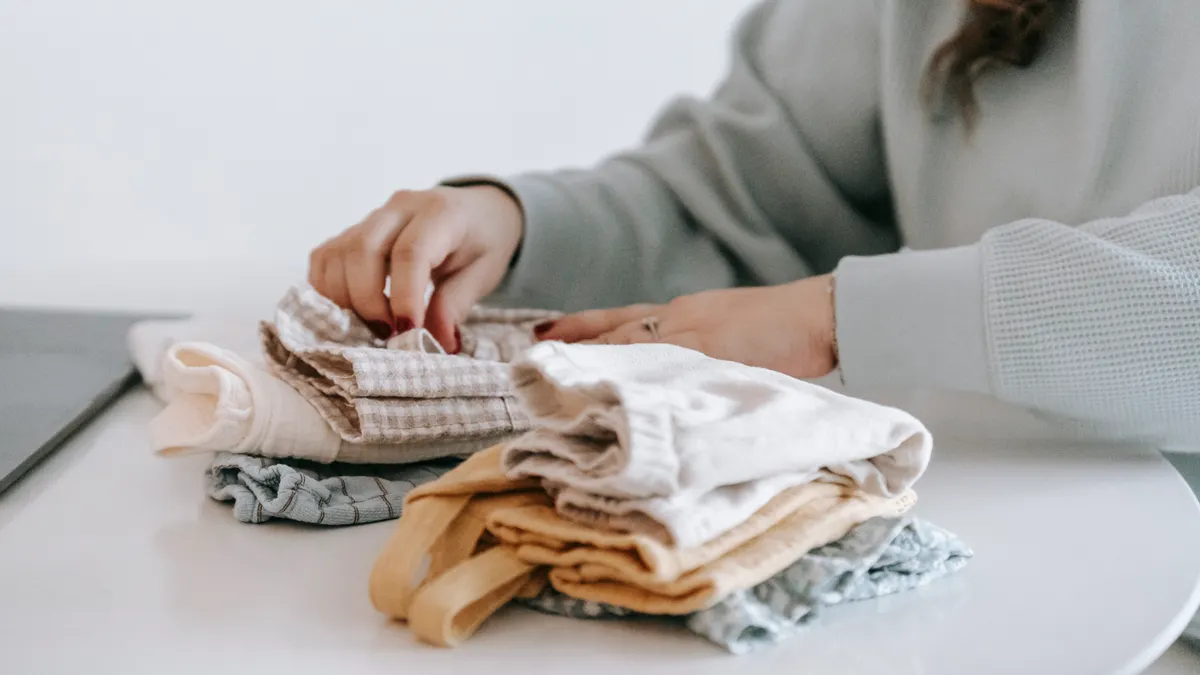
Fabric behavior means how cloth acts under stress, moisture, heat, and time. That includes stretch, shrinkage, slippage, drape, pilling, wrinkling, and color loss, and those traits decide whether a pattern will hang right or fight you.
Picture this: you’ve bought 3 yards of fabric, the pattern is cut, and the first wash pulls the skirt 2 inches shorter. That is fabric behavior doing exactly what it was built to do. The job of preparation is to make that change happen before you sew.
Here’s the catch: a fabric can look stable on the bolt and still move a lot later. Woven cotton poplin, rayon challis, double gauze, ponte knit, and bias-cut silk all behave differently, even when they feel similar in the store.
- Stretch changes fit.
- Shrinkage changes measurements.
- Drape changes shape.
- Pilling changes surface wear.
- Wrinkling changes upkeep.
- Dye bleed changes color safety.
How do different fibers behave?
Different fibers behave differently because their structure, surface, and response to heat are not the same. Cotton and linen usually shrink more than polyester, wool responds strongly to moisture and agitation, and rayon can lose shape when handled roughly.
Picture this: you’re comparing two fabrics that both look smooth and medium weight, but one is cotton and the other is polyester. One may press flat with steam and shrink in warm water; the other may resist shrinkage but hold a crease or melt if you use too much heat.
The truth is, fiber content matters before weave does. A polyester twill and a cotton twill are both twills, but the prep rules are not identical.
Cotton and linen
Cotton and linen usually need prewashing because they can shrink and wrinkle strongly after the first wash. Linen often softens with washing, which is a plus, but it can also lose size and look more relaxed at the seams.
Cotton sateen, poplin, voile, and lawn usually behave better after a wash-and-dry cycle than before it. Linen canvas and shirting can also tighten, then relax, after steam pressing.
- Wash before cutting if the final garment will ever be laundered.
- Use the same water temperature you expect in care.
- Press while slightly damp if the fabric allows it.
- Expect a softer hand after the first wash.
Wool and silk
Wool and silk need gentler handling because heat, agitation, and water can distort them fast. Wool can full or felt under rough treatment, and silk can spot, water-mark, or lose sheen if it is handled carelessly; if the fabric is expensive or dry-clean only, consult a professional cleaner or textile specialist and test a small swatch first. The American Cleaning Institute notes that wool and silk often need special care, and the Textile Institute advises testing before applying heat or moisture to delicate fabrics.
If the fabric is dry-clean only, preparation usually means testing steam, checking for color stability, and pressing a swatch rather than soaking the yardage. That is a very different workflow from a cotton blouse.
- Test press on a scrap first.
- Use low heat and a press cloth.
- Avoid aggressive wringing or twisting.
- Watch for surface shine from the iron.
Rayon and viscose
Rayon and viscose often drape beautifully, but they can shrink, weaken when wet, and distort if hung before cutting. That means the prep step is not optional if the garment depends on exact length or grain.
A rayon skirt may grow at the hem if left hanging for a day, and a rayon top may change shape after a damp press. Those are real consequences, not minor quirks.
- Prewash or at least steam-shrink the fabric.
- Handle flat when wet.
- Dry without stretching.
- Recheck grain lines after prep.
Polyester and synthetics
Polyester and most synthetics usually shrink less than natural fibers, but that does not make them “no prep” fabrics. They can hold press marks, melt under too much heat, and behave badly if the weave is loose or the knit is unstable.
Stretch polyester, mesh, and performance knits can also recover differently from tension. One fabric may snap back; another may bag out at the knees or elbows.
- Use a cooler iron setting.
- Test for heat sensitivity first.
- Do not assume no shrinkage means no prep.
- Watch for static and pin distortion.
What is the right way to prepare fabric before sewing?
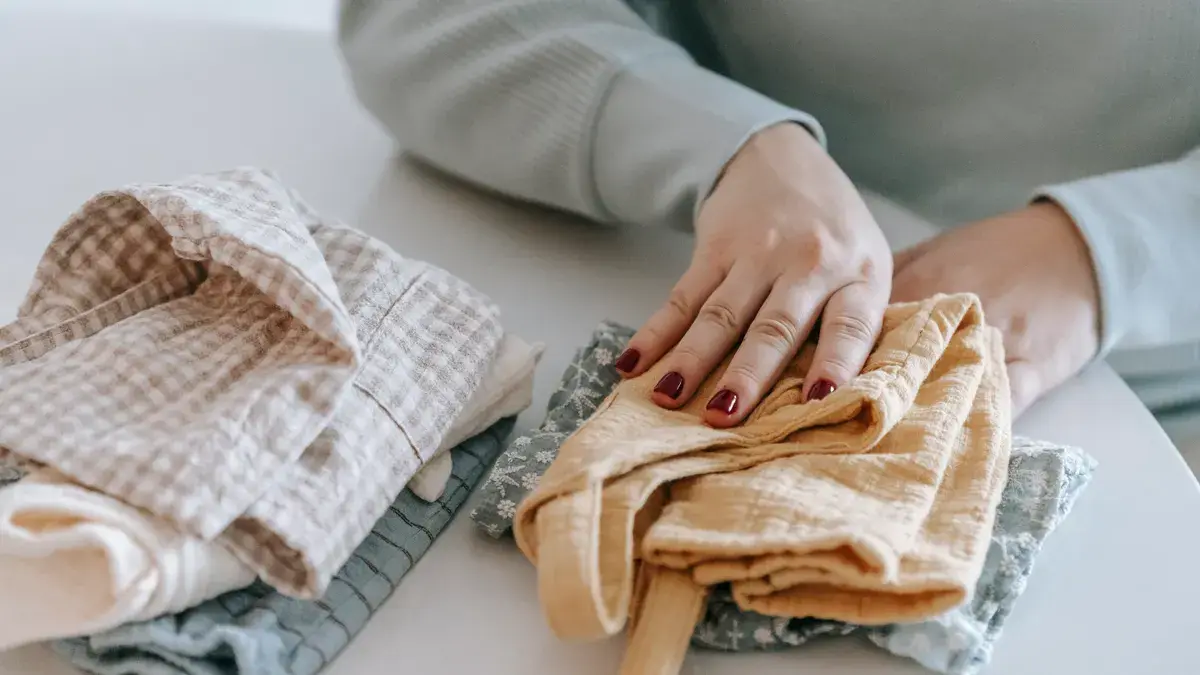
The right way to prepare fabric before sewing is to match the prep to the fiber, the weave, and the final care of the garment. For many fabrics, that means prewash, dry as intended, press, and then square the grain before cutting.
Picture this: you’ve got 4 yards of cotton lawn on the table and a pattern that needs true grain to hang straight. If you skip preparation, you may cut fast and sew faster, but the finished piece can twist, pucker, or turn after the first wash.
A fixed order helps keep Fabric Behavior and Preparation consistent from bolt to pattern.
- Check the bolt end for fiber content and care note.
- Test a swatch for shrinkage, bleeding, and press response.
- Prewash or steam-shrink based on the fiber.
- Dry the fabric the way the finished item will be cared for.
- Press flat without stretching.
- Square the grain and trim frayed edges.
- Lay out and cut only after the cloth is stable.
Prewashing
Prewashing forces shrinkage and dye loss to happen before the garment is sewn. That matters for any fabric that will be washed later, especially cotton, linen, rayon, and many knits.
If a care label says hand wash cold, then your prep should usually mimic that rather than a hot cycle. If you plan to tumble dry the garment, pre-dry the fabric the same way too.
- Use the future wash method when possible.
- Wash like colors together.
- Secure raw edges if the fabric frays badly; if it frays badly or is difficult to control, consult a professional cleaner or textile specialist before changing the edge finish, and follow authoritative care guidance such as the American Cleaning Institute.
- Save a swatch for testing first.
Drying
Drying changes fabric just as much as washing does. A fabric that air-dries may end up a different size and hand than one that goes in a dryer on medium heat.
This is why “I prewashed” is not enough detail. The drying step is part of the change.
- Air dry for delicate fabrics.
- Tumble dry if that matches the final garment care.
- Shake out yardage before hanging.
- Avoid hanging stretchy fabric by the cut edge.
Pressing
Pressing sets the fabric flat after washing and can reveal weak spots, shine, or distortion. Use the iron as a shaping tool, not a sliding tool.
Here’s the catch: pressing can stretch bias edges and ripple knits if you drag the iron. Lift, set, and press instead.
- Use the proper heat setting.
- Add steam only when the fabric tolerates it.
- Press with a cloth for sensitive surfaces.
- Let the cloth cool before moving it.
Which fabrics need the most caution?
Loose weaves, bias-cut cloth, knits, and fabrics with unstable finishes need the most caution because they move while you cut and sew. These are the fabrics that punish rushed prep.
Picture this: you’re working with a slippery silk charmeuse, a double gauze, or a loose rayon weave. The cloth shifts under the scissors, the seam line wobbles, and the garment starts losing shape before the first fitting.
A generic article often says “just prewash everything.” That is too blunt. Some fabrics need prewashing, some need steam, and some need a test swatch plus careful handling.
Knits
Knits stretch by structure, not by magic. Rib knit, jersey, interlock, ponte, and ribbed sweater knit all recover differently, and that affects both cutting and finishing.
If you cut a knit without letting it rest after washing, the hemline can shift. If you hang a soft knit while it’s still damp, it can grow longer than the pattern expected.
- Let knits rest after washing.
- Cut on a flat surface.
- Use a ballpoint needle.
- Stabilize shoulder seams and necklines.
Bias-cut fabrics
Bias-cut fabric stretches diagonally more than on grain. That makes it beautiful for drape and also risky for measurement.
A bias skirt or dress can grow while hanging, even if the fiber itself is stable. That is why many sewists let bias-cut fabric hang before hemming.
- Hang the cut pieces before hemming.
- Check length after the fabric drops.
- Handle gently at the edges.
- Expect some growth at the bias.
Loose weaves and open textures
Loose weaves and open textures can fray, distort, and snag quickly. Gauze, loose linen, loosely woven wool, and some home-decor cloth all need careful prep because the structure itself can move.
If the weave opens easily under tension, think about stabilization before cutting, not after the seam starts to fail.
- Finish raw edges early if needed.
- Avoid yanking the cloth from one corner.
- Use pattern weights instead of heavy pinning.
- Store flat if possible.
How do grain, drape, and stretch affect the final result?
Grain, drape, and stretch decide how fabric hangs on the body and how a seam behaves after sewing. If the grain is off, the drape can twist; if the stretch is uncontrolled, the garment can fit on the table and fail on the body.
Picture this: you’ve followed the pattern, but the side seam swings forward and the hem never sits level. That is often a grain or stretch problem, not a sewing-machine problem.
The safer approach is to think of fabric as a shaped material, not just a flat sheet.
| Criterion | Stable woven cotton | Stretch knit | Winner for condition |
|---|---|---|---|
| Grain control | Holds square lines well | Can distort while handled | Stable woven cotton for crisp tailoring |
| Drape | Moderate and predictable | Varies widely by knit type | Knit for soft garments |
| Seam stability | Easy to sew straight | Needs stretch-aware stitching | Woven cotton for beginners |
| Fit forgiveness | Low stretch, less flex | More body movement room | Knit for comfort wear |
| Press response | Usually presses cleanly | Can shine or flatten | Woven cotton for pressing |
| Edge behavior | Often frays but stays put | Can roll or curl | Woven cotton for clean layout |
| Recovery after wear | Usually stable | Depends on fiber and elastane | Knit for active comfort |
| Accuracy after prep | Good after wash and press | Needs rest before cutting | Woven cotton for exact sizing |
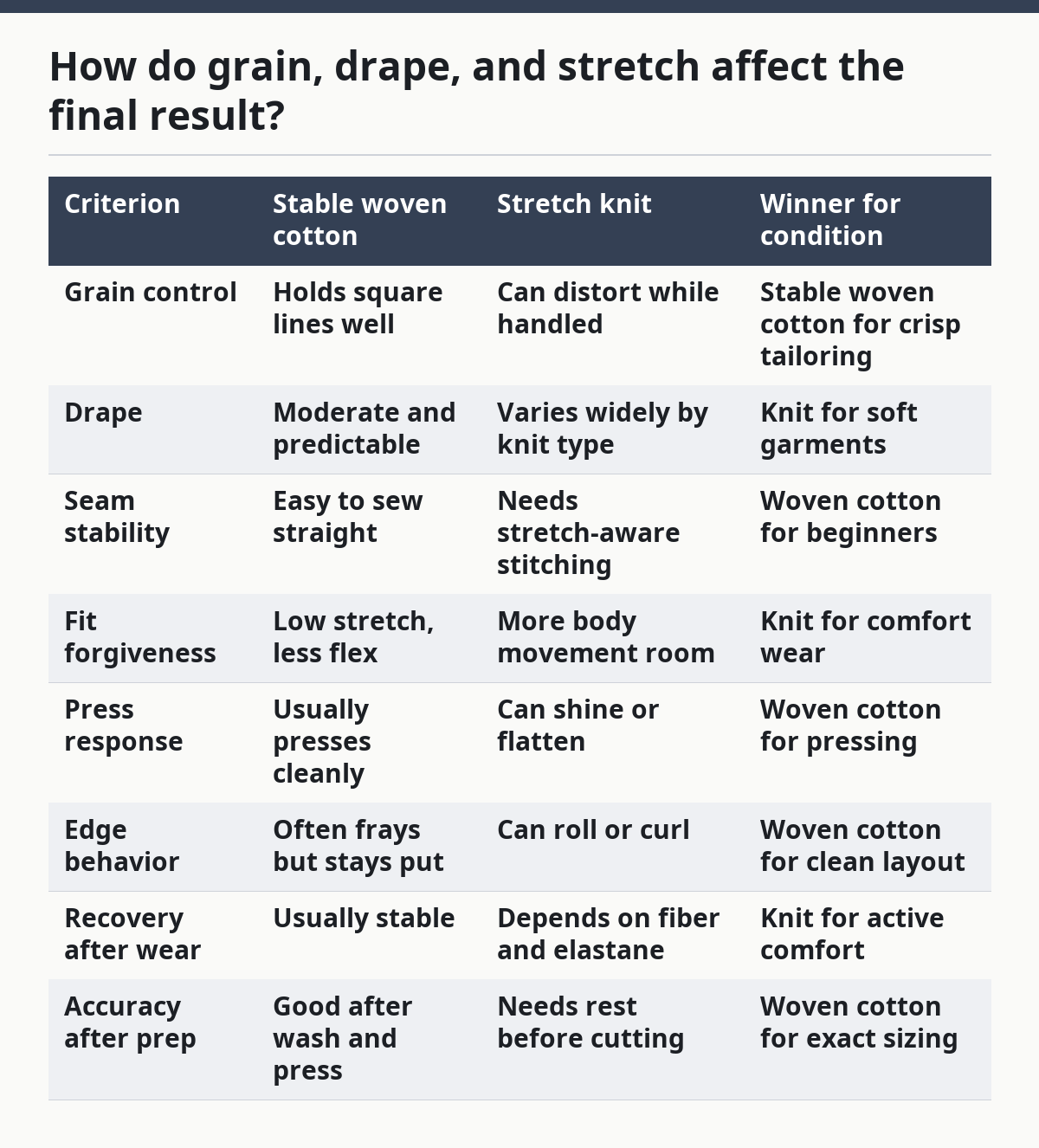
Now, you might be wondering whether drape matters more than stretch. It does when the garment hangs loose, and stretch matters more when the garment must fit close to the body.
- Choose stable wovens for structure.
- Choose knits for movement.
- Choose bias cuts for fluid shape.
- Check grain before every major cut.
What prep mistakes ruin fabric the fastest?
The most damaging prep mistakes are the ones that ignore fiber content, heat, and drying. Hot water, too much dryer heat, rough handling, and the wrong iron setting can shrink, distort, or shine fabric long before sewing starts.
Picture this: you toss a delicate rayon into a hot wash because it’s “just fabric,” then pull it out twisted and shorter. The problem wasn’t the sewing. The problem was prep.
The truth is, bad prep costs more than time. It can waste expensive yardage, change fit, and make a pattern unusable.
The biggest mistakes
- Skipping prewash on washable fabrics.
- Using hot heat on heat-sensitive synthetics.
- Hanging unstable cloth so it grows out of shape.
- Dragging the iron across bias or knit fabric.
- Ignoring dye bleed before sewing with light colors.
- Cutting before the fabric rests after washing.
A beginner often assumes the bolt fold is the final truth. It isn’t. Fabric can relax, shrink, and distort after the first wash and dry cycle, which is why prep is part of construction, not a separate chore.
When should you test a swatch instead of washing the whole cut?
You should test a swatch first when the fabric is rare, expensive, dry-clean only, heat-sensitive, or unclear in fiber content. A small test tells you how much the fabric shrinks, whether it bleeds, and how it reacts to steam.
Picture this: you’ve got one chance with a silk blend or a special occasion fabric. A 6-inch swatch can tell you more than a guess, and it can keep the full yardage safe.
That matters most when the listing or bolt label gives little care detail. A swatch test is cheap insurance.
What to test on the swatch
- Shrinkage after washing or steaming
- Color bleed on a white cloth
- Press response with your iron setting
- Surface change like pilling or shine
- Recovery after gentle stretch
If the swatch twists, dyes, or loses finish, change the prep plan before you touch the main fabric. That is the cleanest way to avoid a bad cut.
What tools make fabric preparation easier?
The right tools make fabric preparation easier because they reduce stretch, heat damage, and handling errors. A good iron, press cloth, cutting mat, pattern weights, and a tape measure do more work than most people expect.
Picture this: you are smoothing a yardage edge, checking the grain, and trying to avoid stretching the cloth while it still has moisture in it. The wrong tool makes that clumsy fast.
A small setup beats a pile of guesses.
- Iron with adjustable heat
- Press cloth
- Pattern weights
- Sharp shears or rotary cutter
- Tape measure
- Grainline ruler or straight edge
The best part is that none of these tools need to be fancy. They just need to match the fabric’s behavior.
Fabric Behavior and Preparation FAQ
Do I need to prewash every fabric?
No, not every fabric needs a full wash, but every fabric needs a prep decision. Washable cotton, linen, rayon, and most knits usually need prewashing; delicate silks, woolens, and dry-clean-only cloth may need steam testing instead.
Why does fabric shrink after I buy it?
Fabric shrinks because fibers relax when they meet water, heat, and agitation. Cotton, linen, rayon, and some knits are more likely to change size than polyester, but even synthetic blends can shift if the finish changes.
Can I skip prewashing if the garment will never be washed?
You can skip full prewashing more safely if the item will truly stay dry-clean only or never be laundered. Even then, pressing, steam testing, and grain checking still matter because cutting and heat can change the cloth.
What is the easiest fabric for a beginner to prepare?
A stable woven cotton is usually the easiest starting point because it presses well, squares easily, and behaves predictably after washing. It still needs prep, but it is less likely to twist, grow, or snag than slippery or stretchy fabrics.
How do I know if fabric will bleed color?
You find out by testing a damp swatch against a white cloth before cutting. If dye transfers in the test, the whole yardage needs care before it is sewn with light colors or mixed with other fabrics.
Drafted with AI; not yet reviewed by a person.