Last updated: November 18, 2026
Quick Answer: choose fabric by matching the pattern’s fabric type, stretch, drape, and weight before you buy; for many projects, that means checking four details, not one. Choosing fabric for sewing in How to Choose Fabric for a Sewing Project starts with one question: what does the finished piece need to do? A quilted tote, a blouse, and a pair of joggers can all look good in the store, but they need different sewing fabric because they behave differently after cutting, stitching, and wearing. The right fabric matches the project’s shape, movement, and care needs, not just its color or name.
Key Takeaways
- Match fabric to the pattern’s structure, movement, and ease requirements.
- Drape, weight, and stretch shape how fabric hangs, moves, and sews.
- Knit fabric usually stretches; woven fabric usually does not.
- Fiber content affects shrinkage, texture, wrinkles, and heat tolerance.
Start with the pattern, then read the fabric clues
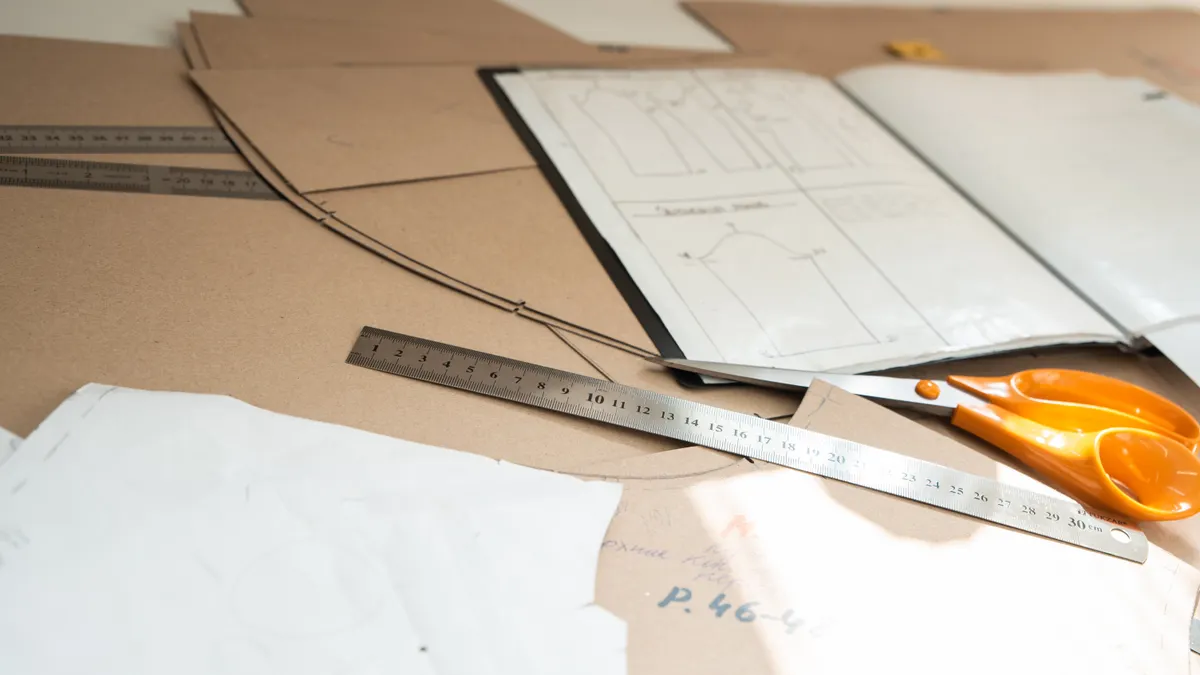
The fabric choice should follow the pattern, because the pattern tells you whether the project needs structure, movement, or both. Look first at the suggested fiber content, fabric type, and any note about weight or stretch. A pattern that calls for a woven in one place and a knit in another is not being picky; it is telling you how the garment is meant to fit.
If the pattern envelope or instructions mention terms like “lightweight woven,” “stable knit,” “drape,” or “contrast fabric,” treat those as design requirements and, if needed, consult a sewing professional or the pattern company’s guidance before substituting. Britannica’s textiles overview is a useful reference for basic fabric construction terms. A linen shirt pattern usually expects a fabric that can hold a collar and placket without collapsing. A close-fitting tee pattern usually expects knit fabric with stretch so the garment can go over the head and move with the body. A pattern may also point to grainline placement, which matters more than many beginners expect. Grainline affects how the cloth hangs and whether the finished item twists or stretches out of shape.
Here is the quickest way to choose well:
- Read the fabric recommendation on the pattern and note the words used, such as “woven,” “knit,” “midweight,” or “drapey.” The result you want is a short list of fabric types, not a shopping guess.
- Match that note to the garment’s job. A structured jacket usually wants a firmer cloth; a gathered skirt usually wants more drape. When this works, the silhouette in the pattern picture makes sense in real life.
- Check whether the fabric has the needed stretch. If the pattern expects 20% stretch or more, a stable woven like quilting cotton will usually feel too tight or impossible to fit.
- Look at the grainline and the fabric’s stability. A fabric that pulls diagonally, slides, or distorts easily will make cutting and sewing harder, and the finished seams may twist.
- Hold the fabric up and ask whether it can support the details in the pattern. If the fabric collapses under its own weight, facings, collars, and cuffs will usually look limp.
This step narrows the field before you fall in love with a print. It also keeps you from buying fabric that works for curtains or craft projects but not for garments. The cost of skipping this step is usually wasted yardage and a project that looks wrong even when stitched cleanly.
What do drape, weight, and stretch actually change?
Drape, weight, and stretch change how the fabric moves, how it hangs from the body, and how forgiving it is during sewing. These three properties explain most “why does this not look like the pattern photo?” problems.
Drape is how softly fabric falls. A fabric with lots of drape, such as some viscose-rayon or silk blends, forms soft folds and sways easily. A fabric with little drape stands away from the body and makes sharper shapes. That difference changes the whole look of a garment. A gathered blouse in a fluid fabric will hang in loose folds. The same blouse in a stiff cloth may puff out at the gathers and feel boxy.
Weight is not just whether the fabric feels heavy in your hand. In sewing, it usually describes how substantial the cloth is for its type. A lightweight cotton poplin behaves differently from a midweight denim, even if both are cotton. Weight affects how the fabric feeds through the presser foot, how seams stack, and how much body the finished item has. A very lightweight fabric can be slippery and transparent. A very heavy one can be bulky at seams and hems.
Stretch matters because it changes fit. Knit fabric can stretch across the body and recover after wearing, while woven fabric usually has little or no give unless it includes elastane, spandex, or a similar fiber. A knit top pattern designed for 15% to 30% stretch will usually not work well in a plain woven. The garment may be too tight at the bust, shoulders, or arms. The reverse problem happens too: a loose woven pattern made in a stretchy knit may lose its shape and hang oddly.
A useful test is to pinch and pull a 10 cm section of fabric. If it stretches noticeably and returns close to its original length, it behaves like a stretch fabric. If it barely moves, it behaves like a stable woven. This is not a lab test, but it tells you enough to avoid obvious mismatches.
The wrong choice here is often made for style alone. A beautiful cloth with the wrong drape will fight the pattern. A fabric with the right stretch but the wrong weight may fit and still look cheap or saggy. The fabric guide on the site can help you compare these properties quickly before you buy.
How do I tell knit fabric from woven fabric?
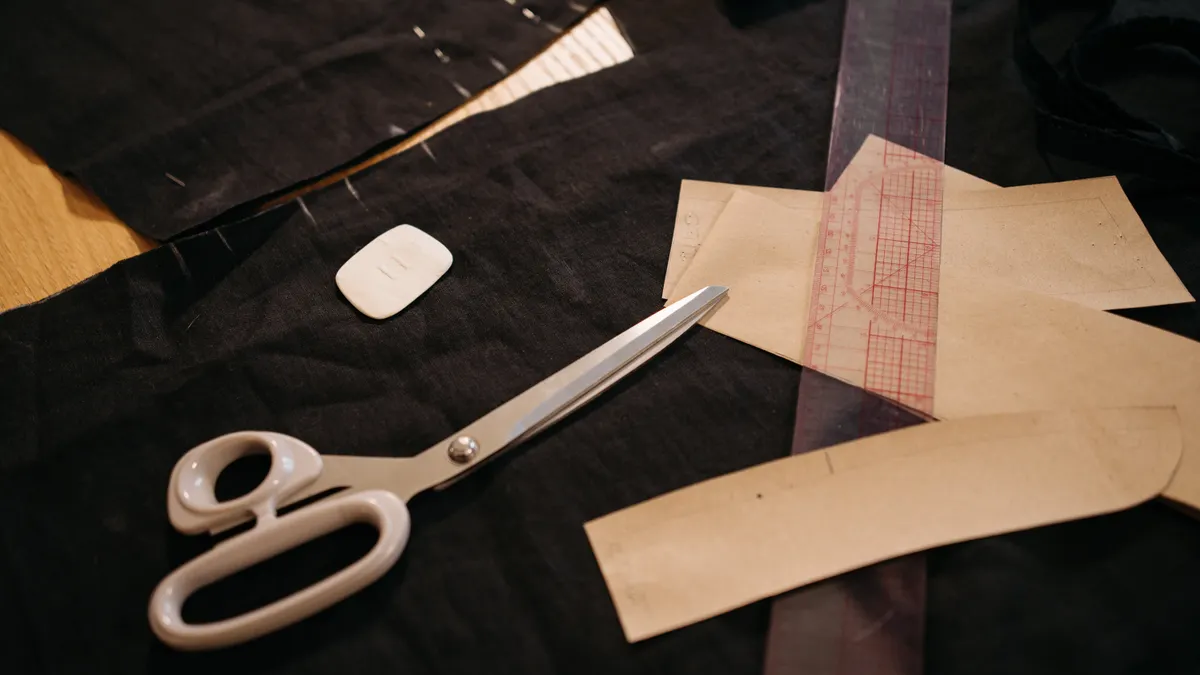
Knit fabric usually stretches; woven fabric usually does not. That is the simplest answer, and it is the one that matters most before you buy.
Woven fabric is made from two sets of threads crossing at right angles, like a basket. Cotton broadcloth, linen, chambray, and denim are common woven fabrics. They tend to hold shape, press crisply, and respect grainline in a very visible way. Cut them off grain and they can skew or twist.
Knit fabric is made from loops. T-shirt jersey, rib knit, and interlock are common examples. The loop structure gives knit fabric stretch and recovery. A jersey tee pattern usually expects that behavior, because a knit can move with the body without needing darts or extra ease in the same way a woven shirt does.
To tell them apart in the shop, look at the edge and the structure of the cloth. A woven has clear perpendicular threads and usually frays more. A knit looks like rows of small loops or columns, and the edge may curl. You can also pull gently across the width. If the fabric stretches 2 cm or 3 cm from a 10 cm length, it is likely a knit or a stretch woven. If it barely changes, it is likely woven.
This distinction is not a small detail. A beginner who buys “a nice cotton” may still end up with the wrong category entirely. Cotton can be woven or knit, and that difference changes everything. Cotton jersey behaves like knit fabric. Cotton lawn behaves like a very fine woven. Linen is usually woven. Wool can be woven or knit depending on construction. For more detail, the sewing fabrics page gives a broader overview of common cloth types.
However, the main trade-off is control versus comfort. Woven fabric gives cleaner structure and simpler grainline behavior. Knit fabric gives comfort and flexibility, but it can distort more while sewing and may need a ballpoint needle, walking foot, or more careful handling. A project that needs a crisp collar is usually not a knit project. A project that needs to skim the body and move is often not a woven project.
Choose fiber content for how the fabric will behave and be cared for
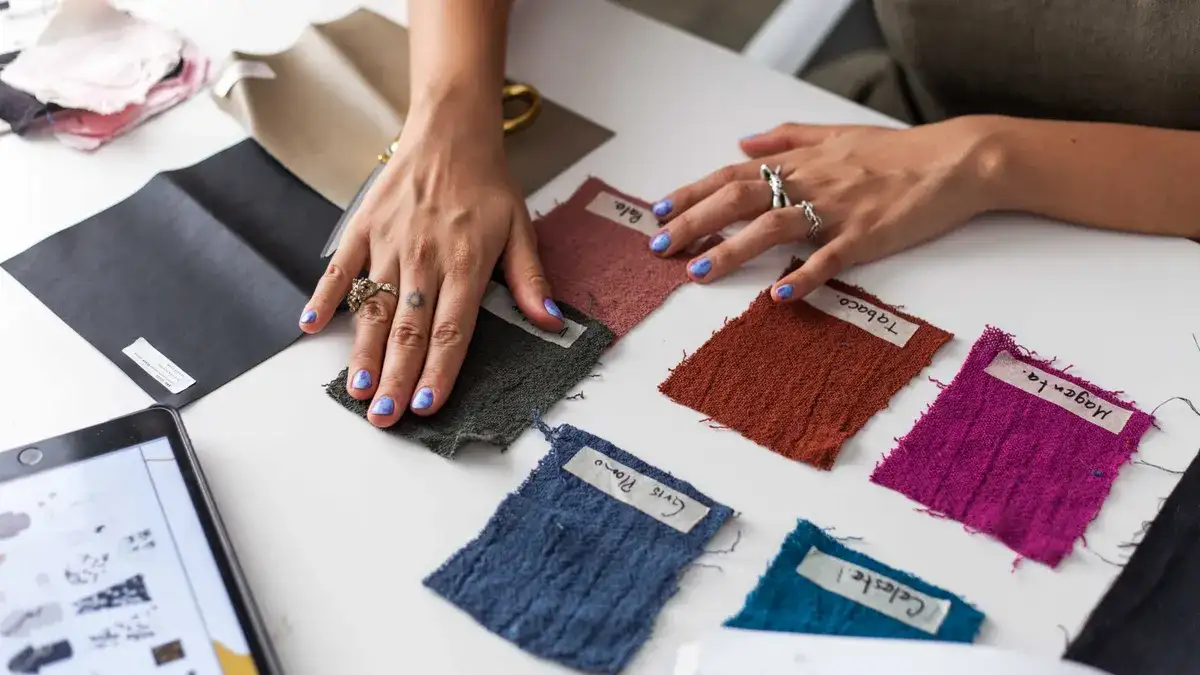
Fiber content tells you what the cloth is made from, and that affects shrinkage, texture, wrinkle behavior, and heat tolerance. A label that says cotton, linen, polyester, rayon, wool, or silk is giving you clues about wear and care, not just marketing.
Cotton is a common starting point because it is stable, familiar, and available in many weaves and weights. It can be crisp, soft, dense, or airy depending on construction. It also wrinkles in many forms, which can matter for a shirt or dress that needs to look neat all day.
Linen is prized for breathability and texture. It usually has visible slubs and a relaxed look. It can be excellent for summer garments, but it wrinkles readily and may feel too casual for a project that needs a polished finish. A linen dress can look elegant or rumpled depending on the cut and the maker’s goal.
Synthetic fibers such as polyester often bring wrinkle resistance and durability, but they can feel less breathable and sometimes less natural against the skin. Rayon-family fabrics often drape well, but they may be more delicate when wet and can shift while cutting and sewing. Wool adds warmth and structure, but it is a different category of handling altogether.
The point is not to memorize a list of fibers. The point is to ask what the project needs from the fiber. For a summer shirt, breathability may matter more than wrinkle resistance. For a jacket lining, low bulk may matter more than absorbency. For a garment that will be washed often, stable care may matter more than a luxurious hand. For general guidance on fiber behavior, Textile Learner’s fiber properties overview is a helpful reference, and the fabric care guide on this site covers washing and pressing basics.
A generic article often says “choose natural fibers” and stops there. That advice is too simple. Natural fibers can shrink, wrinkle, and vary wildly in weight. Synthetics can be exactly right when the garment needs shape retention or easy care. The better question is not “natural or synthetic?” but “what behavior does this garment need after three washes and a long day of wear?”
Pick by project behavior, not by fabric name alone
The fabric name matters less than the behavior you need from it. A pattern for a fitted blouse, a loose shirt, a gathered skirt, and a structured tote can all mention cotton, but they should not all use the same cotton. The weave, weight, and stretch decide whether the result will look intentional.
For a structured garment, look for a fabric that holds shape. Linen, denim, canvas, twill, and some poplins can work when the pattern wants crisp seams and visible edges. For a garment with folds, gathers, or soft silhouettes, look for fabric with more drape, such as rayon challis, viscose blends, or lightweight jersey depending on whether the pattern is woven or knit. For a close-fitting tee, a stable jersey with enough stretch is more useful than a woven cotton that only sounds versatile.
Here is a practical way to shop by behavior at the cutting table or online description:
- If the design has collars, cuffs, button bands, or topstitching, favor a fabric that presses cleanly and stays put.
- If the design has gathers, flounces, or bias-cut pieces, favor a fabric that falls softly.
- If the design hugs the body, confirm stretch and recovery, not just softness.
- If the design depends on clean corners or bag structure, avoid fabrics that collapse or fray aggressively.
When shopping online, look for fabric listings that name the weave and the content, not only the color or print. “100% cotton” can be a starting point, but “cotton voile,” “cotton canvas,” and “cotton jersey” are different materials in practice. If a seller lists weight in grams per square meter, use that as a rough guide. A 120 gsm fabric behaves very differently from a 280 gsm fabric, even when both are cotton.
This is the section where the wrong fabric choice usually becomes expensive. A pretty print can hide a poor match. The project may still be sewable, but the result will not behave the way the pattern was designed to behave. A fabric store can tempt a buyer into choosing by touch alone, so use the pattern and the fabric description together. The beginner sewing projects page can be a useful place to practice those choices on simpler makes.
Check grainline before you cut, because fabric can lie flat and still be wrong
Grainline is the direction of the threads in woven fabric, and it controls how the cloth hangs and stretches. If the grainline is off, even a good fabric can twist, skew, or droop oddly after stitching.
For woven fabric, find the straight grain first. The straight grain runs parallel to the selvedge. The cross grain runs from selvedge to selvedge. The bias runs on a 45-degree angle and stretches more than either straight direction. Pattern pieces often show a grainline arrow for a reason: the designer wants the piece cut in the direction that gives the right hang. A skirt cut off grain can swing unevenly. A pant leg can twist. A bodice front can hang differently from the bodice back.
For knit fabric, grainline still matters, even though the structure is different. Knit fabrics usually have more stretch across the width than along the length, and the pattern pieces are often drafted with that in mind. Cutting the wrong direction can change how much stretch the garment has across the body. That can make a comfortable top feel tight at the bust or loose at the hem.
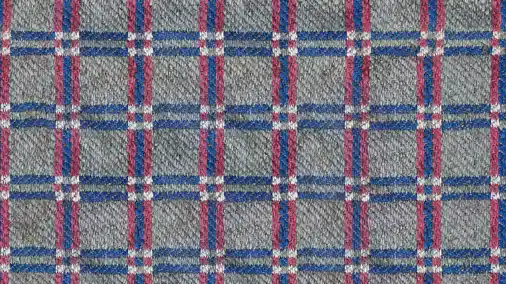
To check grainline, pull a single thread from woven fabric if the cloth allows it, then align your cut edge to that thread. On knit fabric, use the direction of least and greatest stretch as your guide. If the fabric print has stripes, checks, or a visible nap, those also need attention. A plaid blouse that ignores grainline and motif alignment can look homemade even if the stitching is good.
The common mistake is assuming that a fabric lying flat on the table is already straight. Many fabrics relax and shift after unrolling. If you cut before the weave settles, the garment can grow uneven once it is sewn and hung up. The fix is to straighten the fabric before cutting and respect the grainline arrow on the pattern. Because of that, it helps to press and true the cloth before layout, and to check printed motifs before the first cut.
A quick buying checklist that keeps mistakes small
A quick buying checklist keeps the fabric choice aligned with the project’s structure, stretch, and drape before you buy a yard. Use this checklist in the shop or on a product page:
- Confirm whether the pattern needs woven or knit fabric.
- Check whether the fabric has enough or too much stretch for the project.
- Match drape to silhouette: crisp for structure, fluid for soft folds.
- Match weight to the garment’s job, not just the season.
- Read fiber content for care, wrinkle behavior, and hand.
- Confirm grainline behavior, especially for stripes, checks, and directional prints.
- If possible, buy a swatch or a small amount first rather than committing to several meters.
A fabric store can tempt a buyer into choosing by touch alone. That works only if the project is already simple. For anything fitted, tailored, or draped, behavior matters more than first impressions. Cotton and linen are excellent materials when they fit the pattern. Knit fabric is excellent when stretch is part of the design. Woven fabric is excellent when the garment needs structure. The wrong choice is not usually a bad fabric; it is a good fabric doing the wrong job.
A useful final filter is this: if the fabric fights the pattern sample in your head, choose something else.
Drafted with AI; not yet reviewed by a person.