Last updated: November 18, 2026
Quick Answer: In Fabric and Pattern Selection: The Complete Guide, the best results usually come from matching the pattern to the fabric’s stretch, weight, and drape before you buy; one wrong match can turn a good design into a poor garment.
The right fabric and the right pattern solve different problems: fabric determines how a garment feels, moves, and lasts, while pattern determines how it fits, flatters, and functions. If the wrong one is chosen, even an expensive project can look awkward, wear badly, or be miserable to sew. I write about textile and garment construction choices in Fabric and Pattern Selection: The Complete Guide, and the most reliable way to avoid regret is to match the cloth to the pattern’s intended drape, structure, and seam demands before you buy anything.
Key takeaways
- Fabric choice comes first when drape, stretch, opacity, or durability will make or break the finished piece.
- Pattern choice comes first when fit is the main issue, especially for shoulders, bust, hips, rise, or armhole shape.
- A pattern that looks beautiful in the photos may be wrong for your fabric weight, weave, or stretch percentage.
- The safest pairings are usually simple: stable woven fabric with tailored patterns, knit fabric with knit-specific patterns, and low-friction fabrics with unstructured silhouettes.
- The biggest mistakes are ignoring care instructions, choosing a fabric that is too slippery or too stiff for your skill level, and buying pattern yardage without checking layout and nap.
- If a project needs structure and you pick a drapey cloth, the result usually hangs poorly; if it needs drape and you pick a crisp cloth, it often looks boxy.
Should fabric or pattern come first?
Fabric should come first when the garment’s silhouette depends on drape, stretch, or weight; pattern should come first when precise fit is the real challenge. That sounds simple, but most project failures happen when the order is reversed.
Start with the end use. A bias-cut slip dress, for example, depends heavily on fabric behavior. Silk charmeuse, rayon challis, and viscose satin all move differently even before sewing begins. A boxy chore jacket, by contrast, depends more on the pattern’s shape and construction; medium-weight denim, twill, canvas, or linen all can work if they have enough body.
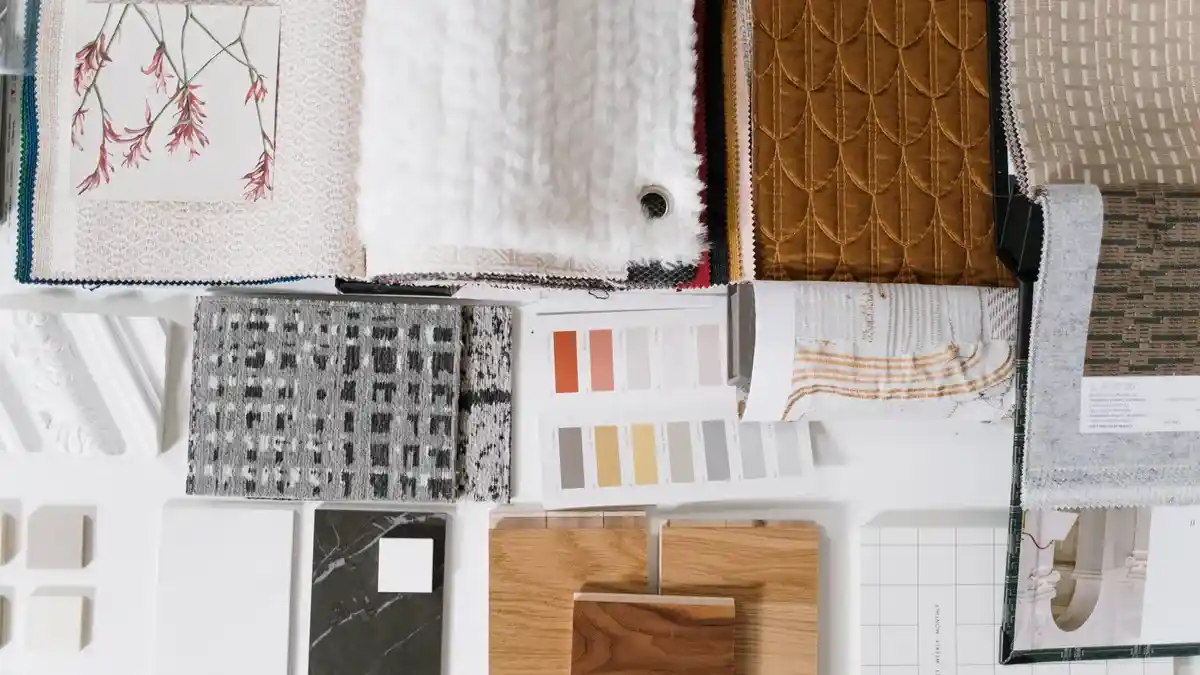
The industry language helps here. Fabrics are usually described by weave or knit, fiber content, weight, hand, drape, and stretch. Patterns are described by size range, ease, seam allowance, and intended fabric types. If a pattern envelope says “lightweight woven fabrics with good drape,” that is not decorative copy. It is a warning label.
A generic article often misses one thing: fabric behavior can overpower a good pattern, but a good pattern cannot fully rescue the wrong fabric. A sharply tailored blazer in very soft rayon will collapse at the lapel. A flowing wrap dress cut from heavy upholstery-weight cotton will fight the body instead of moving with it.
The practical rule is this:
- Pick fabric first if the garment is meant to hang, swing, cling, or stretch.
- Pick pattern first if the garment is meant to fit closely, contour the body, or solve a proportion issue.
One concrete check saves a lot of waste: compare the pattern’s recommended fabric categories with the fabric bolt’s actual description. If the pattern calls for a woven with 20% drape and the cloth is crisp canvas, stop there. The mismatch is not minor; it changes the design.
How do I match fabric to a pattern without guessing?
Match fabric to pattern by comparing four things in order: stretch, weight, structure, and surface behavior. That sequence is more reliable than shopping by color or fiber content alone.
Stretch comes first for knit patterns. A T-shirt pattern drafted for 30% to 50% stretch will not behave like one drafted for stable rib knit. If the pattern requires negative ease or specifies a stretch percentage, the fabric must meet that requirement or the garment may be too tight to pull on. A stable woven does not belong in a pattern designed for jersey unless the pattern explicitly allows it.
Weight affects how seams, hems, and collars hang. Lightweight cotton voile, lawn, rayon challis, and silk crepe tend to suit gathered blouses, floaty dresses, and unlined tops. Midweight linen, twill, chambray, denim, and ponte tend to suit shirts, trousers, skirts, and jackets. Heavy canvas, coating wool, and upholstery-weight textiles belong to outer layers, bags, and hardwearing pieces.
Structure decides whether the garment should stand away from the body or collapse softly. Structured fabrics are crisp and hold shape. Drapey fabrics fall in fluid lines. The same pattern can look elegant in one and awkward in the other. A princess-seamed dress cut in a crisp cotton sateen reads formal and defined; the same pattern in a very fluid viscose may need interfacing or may simply lose the shape at the waist and bust.
Surface behavior matters more than people expect. Slippery satins, napped fabrics, pile fabrics, stripes, plaids, and directional prints all change cutting and sewing. Satin can shift under the presser foot. Velvet has pile direction. Plaids and stripes require matching, which raises yardage needs and makes pattern layout more restrictive. Directional prints affect “one-way” cutting and can change the amount you need by a full garment length in some layouts.
A pattern label is not enough. Read the back of the envelope or the digital pattern details for:
- Recommended fabric types
- Required stretch percentage if it is a knit pattern
- Suggested notions and interfacing
- Fabric width assumptions
- Layout diagrams for nap or directional print
A useful source for fabric terminology is the Federal Trade Commission’s textile labeling guidance, the American Association of Textile Chemists and Colorists, and the British Standards Institution. If a seller cannot clearly state weave, fiber content, and care instructions, treat that as a warning and consult a professional if the fabric will be used for a critical project. FTC textile labeling guidance and AATCC textile resources, plus BSI standards.
Which fabrics are best for structured garments?
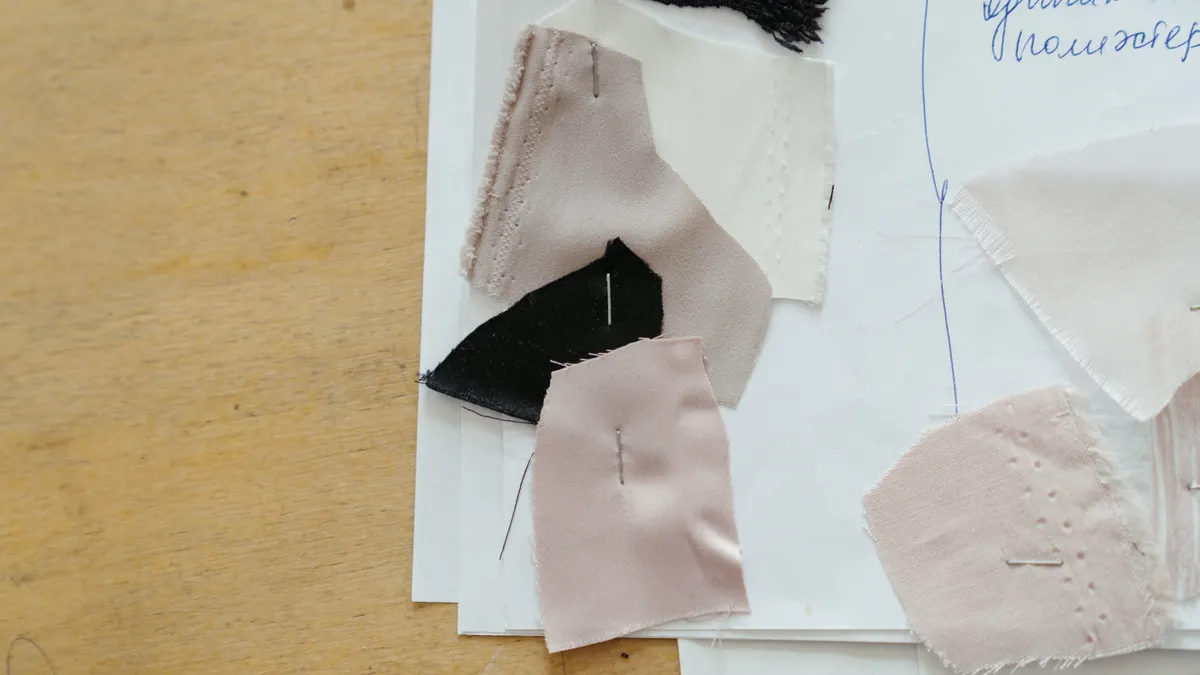
Structured garments do best in fabrics with body, moderate weight, and predictable seam behavior. That includes cotton twill, denim, canvas, wool suiting, ponte with strong recovery, and some cotton sateens.
Structured fabric wins for jackets, trousers, pencil skirts, shirt dresses, and boxy tops because it supports seams, hems, collars, and pockets. It gives clean edges and makes tailoring details visible. For example, a lined blazer depends on fabric that can support lapels and darts without collapsing. A crisp cotton poplin can work for a shirt dress because it holds pleats and topstitching better than a slippery rayon.
There is a price for that stability. Structured fabrics are less forgiving of fit mistakes, more likely to feel bulky at seam intersections, and sometimes harder to press into shape. Heavy twill can make narrow facings thick. Denim can distort under repeated handling. Some wool suiting frays, which means seam finishing matters more than in a stable polyester blend.
This is the right choice for a reader who wants a garment that looks intentional and lasts through repeated wear. It is the wrong choice if the pattern depends on fluid movement, soft gathers, or a close drape around the body. A full-circle skirt in thick canvas will stand out like a tent. A cowl neck in heavy twill will lose the cowl.
A simple rule: if the pattern includes darts, collars, cuffs, facings, welt pockets, or sharp pleats, a fabric with some body is usually safer. If the project is your first attempt at that silhouette, avoid highly textured or bulky cloth. A plain weave or smooth twill is easier to read, mark, and sew than a bouclé or lofty brushed fabric.
For durability, check abrasion-prone areas. Seat seams, inner thighs, underarms, and pocket openings fail first. A denim or twill with enough density and a sensible fiber blend usually outlasts a very soft fashion fabric. If the garment will be washed often, care labels matter as much as appearance.
Which fabrics are best for fluid, drapey garments?
Fluid garments do best in fabrics that fall cleanly and return a soft line, such as rayon challis, viscose, silk crepe de chine, lightweight modal blends, and some lightweight linen-rayon mixes. These fabrics suit wrap dresses, bias-cut skirts, wide-leg trousers with movement, gathered blouses, and softly tailored tops.
Drape wins when the pattern is supposed to skim rather than stand away from the body. It is the right answer for garments with gathers, ruffles, cowl necks, bias cuts, and soft waistlines. A pattern drafted with ease and movement in mind can look expensive in a fabric with elegant drape because the cloth does the visual work.
The drawback is control. Drapey fabrics can be slippery, translucent, and easy to distort while cutting. They often need pattern weights, a very sharp rotary cutter or shears, and careful handling so seams do not stretch out. Rayon and viscose can also wrinkle heavily, and some versions shrink or change texture after washing. Silk can be beautiful and unforgiving at the same time. If the pattern requires crisp edges, a soft fabric can make the garment look underbuilt.
This choice fits a reader who wants movement, softness, and a less rigid silhouette. It is not ideal for anyone who wants a beginner-friendly project or a garment that can take abuse. If the pattern calls for patch pockets, topstitching, or precisely aligned seams, very fluid cloth raises the difficulty level fast.
One practical test is to hold the fabric by the cut edge. If it drops in loose folds and barely resists gravity, it will probably suit a drapey pattern. If it stands out from the hand or springs back sharply, it belongs with a more structured design.
Keep in mind that drape is not only about fiber content. A heavier polyester crepe may drape more cleanly than a cheap lightweight polyester satin that looks shiny but hangs stiffly. The fiber label helps, but the fabric’s actual hand and weight matter more than marketing language.
How do I choose a pattern that fits my fabric stash?
Choose a pattern that matches the cloth you already own by checking the fabric’s stretch, weight, and width before you fall in love with the design line art. This is the smartest way to use stash fabric without forcing a bad pairing.
Start by measuring what you have. A fabric that is 44 inches wide behaves very differently from one that is 60 inches wide, because the layout changes, the yardage demand changes, and the grainline options shrink. If the pattern requires a nap layout, a one-way print, or wide pieces like circle skirts and long sleeve cuts, narrow fabric may not be enough no matter how many yards are in the pile.
Then identify the cloth:
- Knit or woven?
- Lightweight, midweight, or heavyweight?
- Crisp or drapey?
- Stretch percentage, if it stretches at all?
- Transparent, opaque, or semi-sheer?
- Smooth, napped, or textured?
If the fabric has no stretch, do not pair it with a body-hugging knit pattern unless the design specifically allows woven substitutions. If it is very lightweight and sheer, a pattern with linings, facings, or layered construction may be needed. If it is bulky, avoid patterns with narrow sleeves, sharp corners, tiny facings, or dense gathers.
The stash trap is emotional, not technical. People often choose patterns because they want to “use up” a fabric. That is the wrong priority. A project that uses 3 yards and wears badly is a waste. A simpler pattern that uses 2.25 yards and fits the fabric is a better outcome.
For a woven stash fabric with medium body, the safest bets are usually simple shirts, elastic-waist skirts, straight-leg trousers, and sleeveless tops with clean facings. For knit stash fabric with good recovery, choose a T-shirt, leggings, slim dress, or cardigan pattern that states the needed stretch percentage.
A pattern that seems plain on the hanger can be ideal for stash matching because it asks less of the cloth. That is not boring; it is efficient. The more decorative the pattern, the more exacting the fabric must be.
What do pattern details actually tell me?
Pattern details tell you whether the design will work with your fabric, your skill level, and your time budget. The key lines are fabric recommendation, skill rating, notions, finished measurements, and layout.
The fabric recommendation is the most useful line on the page. If it says “light to medium weight woven fabrics with drape,” that excludes crisp canvas and many thick twills. If it says “medium weight knit with 4-way stretch,” that rules out most stable wovens. The maker is telling you what the garment was drafted around, and that is worth more than the mood photo.
Finished measurements matter just as much as body measurements. Two patterns in the same size range can have very different ease. Ease is the extra room built into a garment beyond body size. Positive ease creates looseness; negative ease creates compression in knitwear. A boxy linen shirt may have inches of ease built in, while a close-fitting knit tee depends on stretch rather than room.
Notions also matter. If the pattern needs invisible zippers, fusible interfacing, elastic, shoulder pads, or special buttons, those pieces affect both cost and difficulty. A beginner often underestimates the importance of interfacing. Without it, collars and facings may droop; with too much, the garment can feel stiff and cardboard-like. That is why pattern instructions often specify a particular fusible weight or type.
Layout diagrams show how the fabric is expected to be cut. This is where many readers lose money. A pattern can claim 2 yards, but if the fabric has nap, a plaid, or a one-way print, the true requirement may be higher. Use the layout as a reality check.
One thing most generic guides skip: seam finishing. A pattern that calls for French seams, serging, binding, or flat-felled seams is telling you something about the fabric’s fraying behavior and the garment’s interior cleanliness. If the fabric frays badly and you dislike finishing seams, choose a fabric that behaves better or choose a simpler pattern.
The honest side-by-side
Structured fabric wins for shape; drapey fabric wins for movement. The table below shows where each choice changes the result in a meaningful way.
| Criteria | Structured fabric | Drapey fabric | Winner for [condition] |
|---|---|---|---|
| Silhouette control | Holds collars, pleats, and seams with more definition | Falls softly and blurs hard edges | Structured fabric for jackets, trousers, and shirt dresses |
| Sewing difficulty | Easier to cut and press, but bulk can build at seams | Slippery and harder to control on the table | Structured fabric for beginners |
| Fit forgiveness | Less forgiving of mismatched fit | More forgiving around the body, less forgiving in shape | Drapey fabric for relaxed garments |
| Durability | Often better for abrasion and repeated wear | Can snag, fray, or wrinkle more easily | Structured fabric for hardwearing clothes |
| Comfort and movement | Can feel stiff or warm if heavy | Moves with the body and feels lighter | Drapey fabric for soft garments |
| Detail visibility | Topstitching, darts, and pockets show clearly | Details can disappear into the cloth | Structured fabric for visible construction lines |
| Seam finish demand | Some stable fabrics fray less | Many light fabrics require careful finishing | Structured fabric if you want simpler interior work |
| Pattern matching ease | Easier to align on plains and subtle textures | Prints, sheen, and slippage complicate cutting | Structured fabric for stripes and plaids |
| Best use case | Tailored, boxy, or architectural designs | Fluid, gathered, or bias-cut designs | Depends on silhouette, but structured wins for shape |
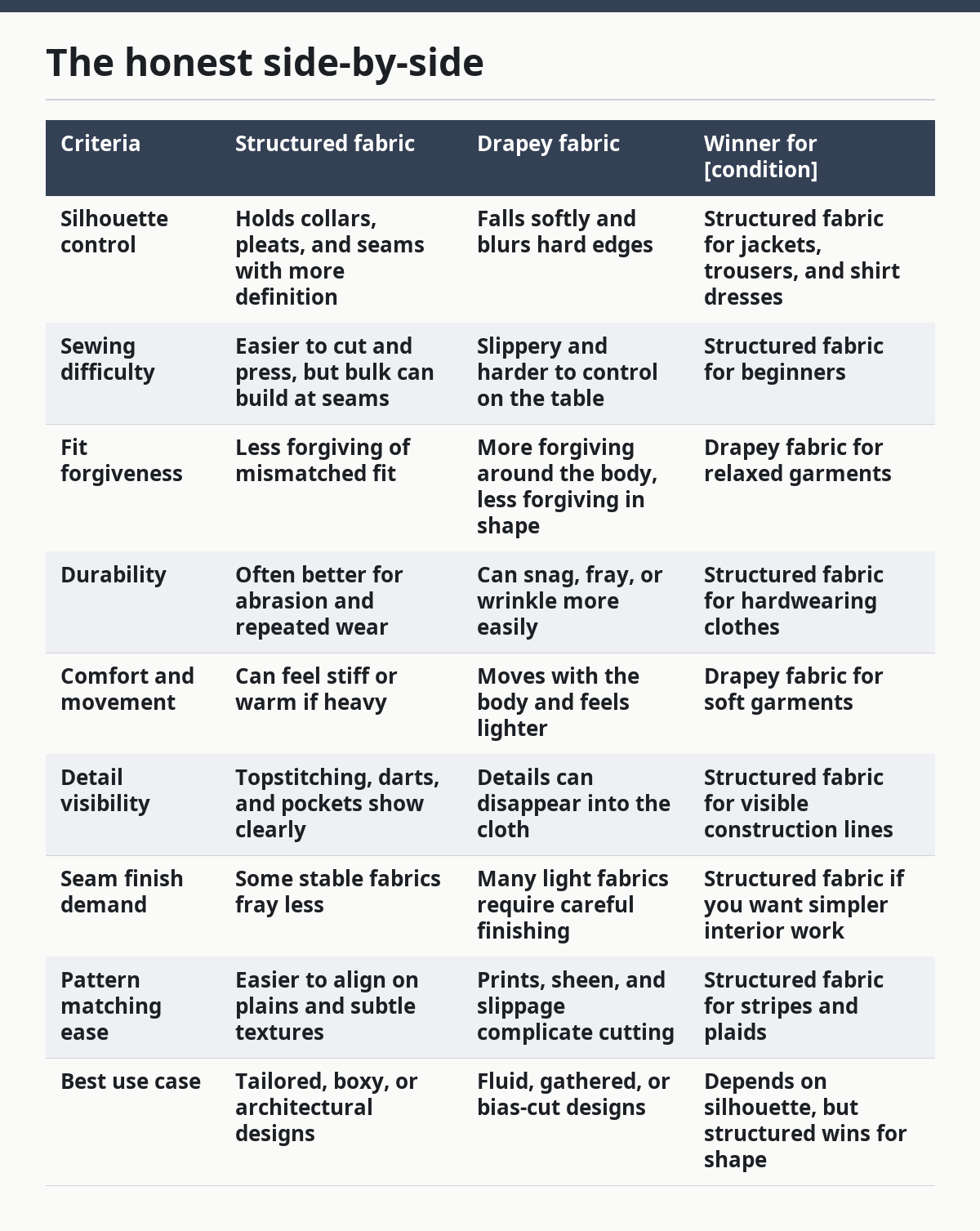
The pattern choice is usually the bigger decision when body fit is the main problem; fabric choice is usually bigger when drape or structure defines the design. That distinction saves time because it prevents a common mistake: buying the prettiest cloth first and hoping the pattern will adapt later. It usually will not.
A straight answer is more useful than polite ambiguity. If the project is a coat, blazer, or fitted trouser, choose the pattern carefully and let the fabric follow the structure. If the project is a slip dress, gathered blouse, or fluid skirt, choose the fabric carefully and let the pattern stay simple enough to showcase it.
What should I avoid if I want a clean result?
Avoid mismatching stretch, ignoring nap or direction, and choosing fabric that is too advanced for the pattern’s construction. Those three mistakes explain a large share of disappointing sewing results.
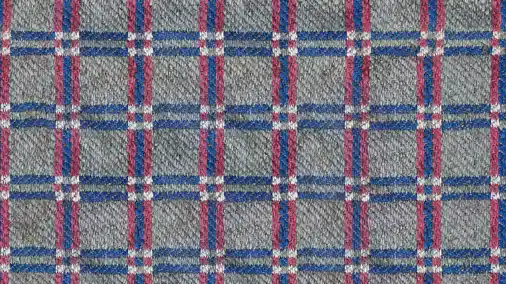
Do not put a non-stretch woven into a knit pattern unless the pattern specifically supports that substitution. The garment will likely not fit as intended. Do not choose a fabric with a strong nap, such as velvet, corduroy, or brushed fleece, unless you are prepared for one-way cutting and visible shading differences. Do not buy a plaid without planning for matching, because the yardage and cutting complexity rise quickly.
A major trap is fabric that is beautiful but difficult. Satin, chiffon, lightweight silk, sheer rayon, and very stretchy knits can all be gorgeous, but they ask for different tools and techniques. If the pattern already has zippers, darts, set-in sleeves, or fitted waist shaping, that difficulty stack can become too steep. A beginner does better with a fabric that presses well and stays put on the cutting surface.
Another mistake is ignoring the garment’s life after sewing. A delicate fabric in a frequently washed item is a poor pairing. A dry-clean-only textile in a child’s school garment is worse. Care instructions are part of pattern selection because they determine whether the finished piece is practical.
There is also the issue of transparency. Lightweight fabrics often need lining, underlining, or careful layering. If the pattern photos show a modest opaque garment, but your chosen cloth is sheer, the result may require more planning than the instructions describe. That is not a defect in the pattern; it is a mismatch in material.
One last warning: don’t confuse fiber content with performance. Cotton can be crisp or limp. Polyester can be stiff or fluid. Linen can be breezy or structured. The weave, finish, and weight matter as much as the fiber name on the bolt.
When does the choice flip completely?
The usual advice flips when the garment’s performance feature is not its silhouette but its function. In those cases, fabric matters more than pattern, or the pattern needs to be redesigned to match the material.
First, activewear and close-fitting knitwear flip the priority. A leggings or sports bra pattern can be perfect on paper, but the fabric must have the right stretch, recovery, and opacity. If the cloth bags out, pills quickly, or turns sheer when stretched, the pattern cannot save it. Look for the stretch percentage and recovery notes before anything else.
Second, outerwear flips toward structure and interfacings. A raincoat, wool coat, or lined jacket depends on shell fabric, lining, interfacing, and seam management more than a trendy shape. A soft, drapey fabric in a coat pattern usually underperforms unless the design is intentionally unstructured.
Third, costumes and stagewear often flip because visual effect outranks daily wear. Sequins, lamé, stretch velvet, organza, and mesh can demand a custom pattern or heavy adaptation. A standard pattern may not be enough, and seam finishing, lining, and movement allowance become the real design problem.
Fourth, if the pattern is very simple and the fabric is very complex, the fabric wins the decision. A plain slip skirt in couture-level silk is still hard because the fabric shifts, frays, and shows every pin hole. A plain boxy top in stable cotton is much easier, even if the pattern itself is less exciting.
Use this rule when the normal advice stops working: the more the garment depends on material behavior, the less the pattern can compensate for a bad cloth choice. In technical clothing, function beats aesthetics every time.
What is the best overall choice?
Choose structured fabric if you want shape, durability, and clearer sewing lines in jackets, trousers, shirts, and tailored skirts. Choose drapey fabric if you want movement, softness, and a forgiving silhouette in blouses, wrap dresses, bias skirts, and loose tops. Neither is the best overall choice if the pattern’s recommended fabric, stretch requirement, or care instructions conflict with the cloth you already have, because that mismatch usually produces a disappointing garment no matter how good the design looks.
That is the simplest verdict, and it is the one that saves the most time. If the pattern is built around precision and architecture, pick fabric that supports that architecture. If the pattern is built around flow and ease, pick fabric that can move. A beautiful print or expensive yardage is not a substitute for compatibility.
For a safe first project, use a stable woven with a straightforward pattern that names the fabric type clearly. For a more advanced project, let drape, nap, transparency, and stretch become the design language. The best sewing results usually come from respecting what the cloth is already trying to do instead of forcing it into the wrong silhouette. According to the U.S. Federal Trade Commission’s textile guidance, labeling and fiber identification are part of making that choice well, and the American Association of Textile Chemists and Colorists provides textile testing standards that can help verify performance. FTC textile labeling guidance AATCC textile resources
What if I still want to make it work?
Make it work only when the mismatch is small and the garment has room for adaptation. A slightly heavier fabric can sometimes be softened with a different interface choice, a lining, or a simpler finish. A slightly sheer fabric can sometimes be lined or layered. A slightly too-crisp fabric can sometimes be used in a more structured view of the same pattern.
That said, some problems are not worth solving. A non-stretch fabric will not become a true knit substitute. A very heavy cloth will not suddenly become suitable for a delicate gathered blouse. A slippery fabric does not become beginner-friendly because the print is pretty. At some point, the alteration cost exceeds the value of the project.
The best way to decide is to ask one question: what is the garment trying to be? If the answer changes after you change the fabric, the project is no longer the same design. In that case, pick a different pattern or a different cloth rather than rescuing the wrong pairing by force.
Drafted with AI; not yet reviewed by a person.