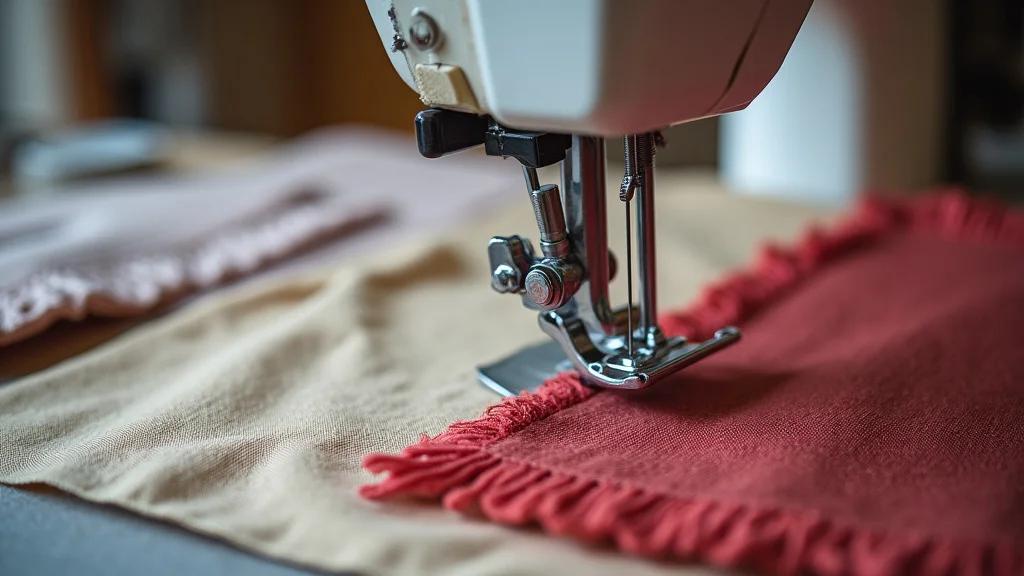
Remember that frustrating moment when your favorite jacket’s zipper got stuck, or your new dress refused to close? Learning to sew a zipper is a game-changer! It’s a fundamental skill for any sewing enthusiast, allowing you to repair clothes, create new garments, and add a professional touch to your projects. This guide will explore everything you need to know about sewing zips, from the basic techniques to more advanced methods, ensuring you can tackle any zipper challenge with confidence. You’ll gain practical knowledge to elevate your sewing projects and increase your skills. Let’s get started and learn how to master this essential skill.
Key Takeaways
- Understand the different types of zippers and their uses.
- Learn the essential tools and materials needed for sewing zippers.
- Master the basic techniques of inserting a standard zipper.
- Discover how to troubleshoot common zipper problems.
- Explore advanced methods like invisible zipper insertion.
- Gain the skills to confidently sew zippers on various projects.
Choosing the Right Zipper for Your Project
Selecting the correct type of zipper is the first step towards a successful sewing project. Zippers come in various styles, lengths, and materials, each suited for different applications. Matching the zipper to your fabric and project design will prevent issues down the line. A properly selected zipper ensures both functionality and a polished finish. There are several factors to consider. Choosing the right zipper is about more than just matching colors. You’ll ensure the longevity of your projects and streamline the sewing process.
Types of Zippers
Different types of zippers are available, each designed for specific purposes. Selecting the right one is about functionality and aesthetics. Considering the fabric weight and the garment’s design requirements is important. Let’s explore several common types.
- Standard Zippers: These are the most common type, featuring visible teeth and are suitable for various applications, including jackets, skirts, and pants. They are generally made of metal or plastic.
- Invisible Zippers: Designed to be hidden within the seam, creating a clean and seamless look. They are ideal for skirts, dresses, and other garments where you want the zipper to be discreet.
- Separating Zippers: These zippers are designed to separate completely, typically found in jackets and coats. They have a box and pin mechanism that allows the two sides to detach.
- Closed-End Zippers: These zippers do not separate and are commonly used in skirts, pants, and other garments where a full opening is not needed. The zipper slider stops at the bottom.
- Coil Zippers: Known for their flexibility and smoothness, coil zippers have a continuous coil of plastic that forms the teeth. They are often used in bags, wallets, and other projects where flexibility is required.
Standard zippers are your go-to choice for a wide variety of sewing projects. Their versatility and durability make them popular. They come in different lengths and materials, allowing you to select the best option for your fabric weight and project. They are generally easy to insert, making them excellent for beginners. Always check the zipper’s length to ensure it aligns with the garment’s opening. Choosing standard zippers provides a reliable and accessible solution for your everyday sewing needs.
Invisible zippers offer a sleek and polished appearance. The zipper teeth are concealed within the seam, making them perfect for formal wear or any garment where a clean finish is desired. These zippers require a special foot for your sewing machine, which helps guide the fabric and allows the zipper to sit perfectly within the seam. The installation process may require additional care and precision. The result is a professional-looking finish that elevates the overall design.
Separating zippers are specially engineered for items like jackets and coats where the two sides of the garment need to come fully apart. The box and pin mechanism on these zippers allow the two sides to separate easily. These zippers are durable and designed to withstand regular use. The quality of the separating zipper is crucial for the longevity of your garment. Select a separating zipper based on the weight of your fabric and the intended use of the garment to ensure both function and durability.
Closed-end zippers are a simple and reliable option for projects that do not require a full separation. They are perfect for skirts, pants, and other clothing items. This type of zipper has a fixed bottom, ensuring that it remains closed. Their straightforward design makes them easy to sew. You’ll find these zippers readily available in various colors and sizes, making them a great choice for various designs.
Coil zippers are flexible and smooth due to their continuous coil design. This structure makes them an excellent choice for items that need to bend, such as bags or wallets. Coil zippers come in various colors and can be more flexible than other types, adding to their adaptability. They are a good choice for projects where the zipper line needs to curve or conform to a shape. Their smooth operation and flexibility make them a practical choice.
Zipper Length Considerations
The length of the zipper is critical for the appearance and functionality of the finished garment. Measuring the opening accurately and selecting a zipper slightly longer than needed will ensure a professional result. Too short, and the project won’t close fully. Too long, and it requires extra steps to adapt. Precise measurements will provide a clean finish.
- Measure the Opening: Always measure the opening where the zipper will be inserted. This could be a skirt opening, a jacket front, or a pocket.
- Add Extra Length: It’s advisable to select a zipper that is slightly longer than the opening. This provides more room to adjust.
- Consider the Design: The design of the garment may influence the zipper length. For example, a dress with a high neckline will require a longer zipper.
- Check the Pattern: Most sewing patterns provide specific guidelines on the recommended zipper length for the design.
Always consult the sewing pattern instructions for the recommended zipper length. The pattern will usually specify the correct size for the chosen design. The pattern designers will often consider factors like seam allowances. Adhering to the pattern’s instructions guarantees the best outcome. Deviating from the pattern guidelines might lead to improper fit or unnecessary adjustments. Use the pattern as your starting point. You will achieve the best results by following the recommended measurements.
Accurate measurement is the key to selecting the appropriate zipper length. Measure from the top edge to the bottom edge of the opening. Be precise to ensure a good fit. Check the pattern instructions for specific guidelines on the recommended zipper length. Consider any seam allowances when measuring. Double-checking your measurement will help avoid errors.
Choosing a zipper slightly longer than your opening gives you flexibility during the sewing process. This extra length can be trimmed off. It also offers some wiggle room if your measurements aren’t exact. It allows for the zipper to extend slightly beyond the opening. It is always better to have a zipper slightly too long than too short. Extra length offers you the option to create a neat finish at the top or bottom of the zipper. Always ensure the extra length is within your project design. This is a simple step to guarantee a professional result.
The garment’s design plays a significant role in determining the appropriate zipper length. A dress with a high neckline or a fitted jacket will need a longer zipper to accommodate the opening. The pattern instructions will often suggest the recommended zipper length based on the style and fit. Think about the overall aesthetic. If you want the zipper to be visible, then you can choose a different length. Consider how the zipper integrates into the garment design. This ensures both functionality and an aesthetically pleasing outcome.
Essential Tools and Materials for Sewing Zips
Gathering the right tools and materials is essential for success in sewing zips. Having all the necessary items at hand will streamline the process and make it more enjoyable. Proper equipment will improve the quality of your work. It also helps to prevent common sewing mishaps.
Necessary Tools
Several tools will make the sewing process simpler and more accurate. These essential tools are must-haves for anyone learning how to sew zips. They help to achieve professional results.
- Sewing Machine: A standard sewing machine with a straight stitch is sufficient for most zipper projects. An adjustable foot helps.
- Zipper Foot: A specialized foot designed to stitch close to the zipper teeth, available for both standard and invisible zippers.
- Needles: Select the correct needle type and size for your fabric.
- Pins: Pins are used to hold the fabric and zipper in place before stitching. They’re essential for accurate alignment.
- Seam Ripper: This tool helps remove stitches. It’s important for fixing mistakes.
- Fabric Scissors or Rotary Cutter: Use sharp scissors or a rotary cutter for accurate fabric cutting.
- Measuring Tape: Used for accurate measurements.
A reliable sewing machine is the central tool for any zipper project. It should have a straight stitch setting, as this is the most common stitch for inserting zippers. An adjustable foot, often included with the machine, is recommended for stitching close to the zipper teeth. Regular maintenance will improve its performance. Always follow your machine’s manual for proper use. A functioning machine will ensure smooth and accurate stitching. Proper setup ensures the best performance.
A zipper foot is one of the most important attachments for your sewing machine. It allows you to sew the zipper close to the teeth. The foot’s design enables the needle to pass next to the zipper’s coils or teeth, providing a neat finish. The type of zipper foot you’ll need depends on the type of zipper you’re using. When working with invisible zippers, you’ll need a special foot designed specifically for that purpose. Using the correct zipper foot guarantees precise and professional results.
The right needle type and size are crucial for the best outcome. Different fabrics require different needles. For example, a universal needle will work for woven fabrics, while a stretch needle is needed for knits. Select a needle size appropriate for your fabric’s weight. A fine fabric will require a smaller needle. The proper needle prevents fabric damage and ensures smooth stitching. Always check your fabric type and choose the right needle. Your choice will help achieve the best stitching results.
Pins are simple tools, but essential for accuracy. They hold the fabric and zipper in position during sewing. The pins keep the layers aligned. Place them perpendicular to the seam line. This prevents the fabric layers from shifting. Choose pins that are fine enough to avoid leaving holes in your fabric. They are critical for ensuring precision during the sewing process. Proper pinning prevents wrinkles. They create a neat and professional finish.
A seam ripper is a lifesaver when fixing errors. It has a small blade and a pointed end. Use it to gently lift and cut stitches. Be careful not to damage the fabric. This tool allows for corrections. Proper use will preserve the fabric. Having a seam ripper on hand reduces frustration. It helps to ensure that you get the best outcome. This tool helps ensure a neat and professional finish.
Sharp scissors or a rotary cutter is crucial for clean and accurate fabric cutting. Sharp blades ensure that the fabric edges are clean. This also helps to prevent fraying. Rotary cutters are often used with a cutting mat for precise cutting. Fabric scissors should be used only for fabric to prevent dulling. Good cutting tools save time and guarantee that the fabric edges are precise. It promotes a professional look. Clean, precise cuts are an essential part of achieving professional-looking results.
A measuring tape is essential for precise measurements throughout the sewing project. Use the tape to measure the opening of the garment. It’s also important for determining the zipper length and seam allowances. It must be flexible, durable, and marked clearly in both inches and centimeters. Accurate measurements are the foundation of a well-fitting garment. A reliable measuring tape guarantees consistent measurements. Proper use of the measuring tape will lead to a professional finish.
Additional Materials
Along with the basic tools, you’ll need a few additional materials. These materials are essential for sewing zips and will improve the overall quality of the finish.
- Thread: Select thread that matches your fabric and is strong enough to withstand the stress of the zipper.
- Fabric: The fabric of your garment.
- Interfacing (Optional): Interfacing can be used to stabilize the fabric around the zipper area.
- Tailor’s Chalk or Fabric Marker: Useful for marking placement lines.
The correct thread choice is critical for strength and appearance. Choose a thread that coordinates with your fabric’s color. Make sure it is strong enough to resist the pull and friction. Polyester thread is a good choice for most projects. It offers durability and resilience. Using the wrong thread can lead to breakage. Always ensure your thread is compatible with your needle and fabric to guarantee smooth and reliable stitching. Matching your thread color to your fabric will create a polished finish.
The choice of fabric influences your entire project. Different fabrics require different techniques. The type of fabric influences zipper selection, thread choice, and the needle type. Heavy fabrics, such as denim or canvas, will need strong zippers and needles. Lightweight fabrics need lightweight zippers. Always prepare your fabric before starting. This involves pre-washing and ironing the fabric to prevent shrinkage. The fabric must be well-matched to your project for the best results. Proper fabric selection will lead to an aesthetically pleasing outcome.
Interfacing is a non-woven fabric used to add structure and stability to your garment. It’s typically applied to areas like the zipper to prevent stretching and distortion. The use of interfacing improves the longevity. The correct interfacing will depend on the fabric type. Lightweight interfacing will be used with lighter fabrics. Heavier interfacing will work better with heavier fabrics. Attaching the interfacing is typically done by fusing with an iron. Always test the interfacing on a scrap piece. This helps prevent any damage to the main fabric. The best result is a garment that fits well and wears well.
Tailor’s chalk or fabric markers are essential tools for marking your fabric. They help create visible lines and guides for sewing. They are especially useful for marking the zipper placement. These tools help prevent errors and provide a clear reference. Tailor’s chalk is a traditional option that can be brushed off. Fabric markers come in different types, including ones that disappear with water or heat. Always test your marker on a scrap piece of fabric to ensure it doesn’t stain. Accurate markings will ensure professional-looking results.
Basic Techniques for Inserting a Standard Zipper
Inserting a standard zipper is a core skill for any sewer. Mastering the basic techniques opens the door to numerous projects. Following these steps carefully will help you gain confidence. Correct placement improves the finished look.
Preparing the Fabric
Prepping the fabric is a critical step in a successful zipper installation. This step sets the stage for accurate and professional-looking results. Doing the steps below will prevent problems.
- Cut the Fabric: Cut the fabric pieces to the pattern specifications, including seam allowances.
- Mark the Zipper Placement: Mark the placement of the zipper opening on the fabric using tailor’s chalk or a fabric marker.
- Apply Interfacing (Optional): Apply interfacing to the fabric edges around the zipper opening to stabilize the fabric.
Precision in cutting is the starting point for a professional finish. Cut the fabric according to the pattern directions, ensuring the seam allowances are accurate. Check the pattern markings. These markings guide the placement of the zipper. Double-check your measurements before cutting. The proper cutting will make the sewing process easier. This prevents unnecessary adjustments. Proper cutting ensures the correct fit and alignment. Following these steps helps streamline the sewing process.
Marking the zipper placement ensures accuracy. Use tailor’s chalk or a fabric marker to mark the opening of the zipper. Mark the position of the zipper tape. Accurate markings will create a neat finish. Always double-check your measurements. This will guarantee that the zipper is correctly aligned. Precise marking helps to align the zipper. Using a ruler can help achieve straight lines. Accurate markings will simplify the sewing process. They will guarantee a professional outcome.
Interfacing adds structure to the fabric, which prevents stretching. Cut the interfacing to the width of the zipper opening. Use a low-heat setting on your iron. Follow the manufacturer’s instructions. Interfacing provides a stable foundation for the zipper. It helps prevent wrinkles and puckering. Stabilized fabric makes the insertion of the zipper easier. Adding interfacing improves the longevity of the garment. It will also help the finished project look better.
Sewing the Zipper
The sewing process demands patience and precision. Following these steps closely will ensure an excellent outcome. You’ll be able to create a professional finish.
- Pin the Zipper: Place the zipper face down on the right side of the fabric, aligning the zipper teeth with the marked opening. Pin it in place.
- Baste the Zipper (Optional): Baste the zipper in place using a long stitch on your sewing machine.
- Sew the Zipper: Using a zipper foot, sew along the edge of the zipper tape, close to the zipper teeth.
- Finish the Seams: After sewing the zipper, finish the seam allowances. This can involve overlocking, serging, or zig-zag stitching.
Pinning the zipper accurately ensures correct alignment. Position the zipper face down on the right side of the fabric. Align the zipper teeth with the marked opening. The zipper tape should be close to the fabric edge. Place the pins through the fabric and the zipper tape. Pin the zipper from the top to the bottom. This prevents the fabric from shifting during the sewing. Proper pinning prevents wrinkles. It also guarantees that the zipper is securely attached. This will ensure a professional outcome.
Basting is an optional, but helpful step. It ensures that the zipper stays securely in place. Use a long stitch setting on your sewing machine. Sew close to the zipper teeth. Basting holds the zipper in place. It prevents any shifting or movement. This simplifies the sewing process. You can remove the basting stitches after the zipper is securely sewn. Always test your stitch on scrap fabric. This gives you time to make adjustments. Basting is a useful technique, especially for beginners.
The zipper foot is your friend when sewing the zipper. Attach the zipper foot to your sewing machine. Position the needle to stitch as close to the zipper teeth as possible. Stitch slowly. This guarantees that you are stitching straight. Secure the stitching at the top and bottom. Take your time to achieve the best result. Slow, careful stitching will guarantee a smooth finish. You’ll avoid puckering or shifting of the fabric. The result will be a secure and professional-looking zipper.
Finishing the seam allowances gives your project a professional look. The method you use depends on your fabric type and project. Finishing prevents fraying and increases durability. Overlocking or serging creates a clean edge. You can also use a zig-zag stitch. This will lock the raw edges. Trim the excess seam allowance, if needed. Properly finished seams enhance the quality of your garment. It helps to ensure that it lasts longer. Neat finishing touches create a high-quality outcome.
Checking and Finishing
Once you’ve sewn the zipper, it’s essential to check your work and make any necessary adjustments. These final steps make sure that you have a perfect finish.
- Check the Zipper: Test the zipper to ensure it opens and closes smoothly.
- Remove Basting Stitches (If Used): If you used basting stitches, carefully remove them.
- Press the Seams: Press the seams with an iron. This helps to create a crisp and professional look.
After you’ve sewn the zipper in place, test it. Slowly slide the zipper up and down. Make sure it moves smoothly without snagging. If the zipper gets stuck, carefully check the fabric for any threads or obstructions. Check the stitching. If the zipper is not working properly, carefully remove any stitches. Once you’re happy with the function of your zipper, you can move to the next steps. Taking your time will guarantee your zipper works.
Basting stitches help to keep the zipper in place. Once the zipper is secure, remove those temporary stitches. Use your seam ripper to gently remove the basting stitches. Be careful not to damage the fabric. This process will create a clean and finished look. Removing the basting stitches also helps to prevent any unnecessary bulk. Remove the stitches one by one. This will guarantee that the garment is neat and professional-looking.
Pressing your seams gives a professional finish. Use your iron to gently press the seams flat. Use the correct temperature for your fabric. Avoid pressing directly on the zipper teeth. Pressing helps to remove any wrinkles and sets the stitches. The correct pressing will create a crisp appearance. The process will refine the overall look. Proper pressing creates a high-quality finished garment. The process is a key step in achieving a professional finish.
Advanced Methods for Sewing Zips
Once you master the basic techniques, you can explore more advanced methods. These techniques provide a more polished appearance. They also allow for creative applications. These techniques may require extra skill, but the outcome will be rewarding.
Inserting an Invisible Zipper
Invisible zippers offer a sleek, seamless finish. Special tools and extra care are required. This technique adds a professional touch to your sewing projects.
- Prepare the Fabric: Mark the zipper placement and apply interfacing.
- Install the Zipper: Use an invisible zipper foot to sew the zipper to the fabric. Place the zipper teeth down.
- Close the Seam: Sew the remaining seam below the zipper.
Precise preparation is vital. Mark the placement of the zipper on the fabric accurately. Using tailor’s chalk or a fabric marker, mark the zipper placement on the fabric. You should also add interfacing to the edges. Apply the interfacing to the edges of the zipper opening. This will stabilize the fabric. Double-check your measurements to avoid any errors. Proper preparation helps create the foundation for a flawless outcome. Doing these steps will simplify the process.
The invisible zipper foot is essential for this technique. Attach the specialized foot to your sewing machine. Position the fabric with the right sides facing up. Place the zipper face down. Align the zipper teeth with the seam allowance. Carefully sew the zipper in place, following the curve of the zipper teeth. The foot guides the fabric away from the teeth. It ensures that they are hidden in the seam. Sew the zipper along each side. Check the results. The goal is to create a seamless, invisible finish.
After the zipper is attached, finish closing the seam below the zipper. Pin the fabric pieces together below the zipper. Sew the seam from the bottom. Sew up to, but not over, the end of the zipper. Sew in a straight line. Use your regular sewing foot. Make sure to backstitch at the beginning and the end of your stitching. Doing this ensures the seam is secure. This will finish the closure. The result will be a seamless, professional finish.
Zipper with a Facing
A facing can provide a clean finish. Facing can also reinforce the zipper area. This method creates a polished look. You’ll use this method for both function and aesthetics.
- Cut and Attach the Facing: Cut and attach a facing piece to the garment.
- Sew the Zipper: Sew the zipper to the facing and the garment. Use the correct type of zipper for the project.
- Finish the Edges: Finish the edges of the facing for a professional look.
Create a facing by cutting a separate fabric piece. It must be the same shape as the zipper opening. Attach the facing to the garment along the zipper edge. Use the correct seam allowance. Make sure that the facing lines up. This will help to provide a clean and finished edge to the garment. The facing should be ironed. It should be stitched for the neatest result. Proper execution will result in an excellent outcome.
Sew the zipper in place after attaching the facing. Pin the zipper along the edge of the facing. Use your zipper foot. Follow the steps for installing a standard zipper. The facing will create a clean and finished look. Make sure the stitching is straight and even. The result will be a professional look. The facing ensures that the zipper is both secure and well-integrated into the design.
After sewing the zipper, complete the process by finishing the edges of the facing. There are several ways to complete this step. You can use a serger, a zig-zag stitch, or simply turn and stitch. Trim any excess seam allowance. This ensures a clean and neat result. Proper finishing ensures that the edges won’t fray. It adds to the overall quality of the garment. This step helps create a professional outcome.
Troubleshooting Common Issues
Even with the best preparation, zipper issues may arise. Knowing how to fix common problems can save your project. Being able to problem-solve makes sewing easier.
- Zipper Gets Stuck: Carefully inspect the area for obstructions, such as threads or fabric caught in the zipper teeth.
- Zipper Isn’t Straight: If the zipper isn’t straight, carefully remove the stitches and realign the zipper before sewing again.
- Zipper Pulls Apart: Reinforce the stitching at the top and bottom of the zipper to prevent it from pulling apart.
A stuck zipper is a common issue. Carefully check for any obstructions. Look for threads or fabric caught in the teeth. Use tweezers or a seam ripper to gently remove any caught threads. Try gently wiggling the zipper. This can help to dislodge the obstruction. Be patient and gentle. This will prevent damage to the zipper or fabric. Fixing this issue will help keep the zipper running smoothly.
If the zipper isn’t straight, you need to correct it. Use the seam ripper to remove the existing stitches. Then, realign the zipper. Pay attention to the markings and the fabric edges. Pin the zipper correctly. Sew the zipper again. By taking your time and being careful, you can ensure that the zipper is straight. The correct alignment is essential for the functionality and appearance of the garment.
A zipper that pulls apart is frustrating. To fix this, reinforce the stitching. The goal is to secure the zipper at the top and bottom. Use a back-and-forth stitch. This guarantees that the zipper doesn’t pull apart. If the zipper teeth are damaged, you might need to replace the zipper. Regular maintenance and proper stitching will prolong the life of the zipper. These actions prevent the zipper from separating.
Sewing Zips in Different Projects: Examples and Scenarios
Sewing zips into different projects is a fun way to improve your skills. Zippers add functionality and style to various items. The more projects you do, the more you will learn.
Skirts and Pants
Zips in skirts and pants are essential for both function and fit. Correct installation will give the garment a professional finish. Proper methods will help create a perfect result.
- Scenario: Inserting a zipper into a skirt with a back seam.
- Scenario: Replacing a broken zipper in a pair of pants.
Follow the pattern instructions. First, prepare the fabric by marking the zipper placement. Install the zipper using a standard or an invisible zipper method. Make sure to align the zipper teeth with the seam. Ensure that the placement is precise. Sew the seam below the zipper. Finish the seams and press to complete the look. Accurate execution of this process will guarantee a perfect fit and appearance.
First, remove the old zipper using a seam ripper. Prepare the fabric. Then, measure the opening. Select a replacement zipper of the correct length. You can use a standard zipper installation technique. Once the zipper is in place, sew the remaining seam. You will be able to restore the pants to their former function. This skill can save time and money. It also extends the life of the garments.
Jackets and Coats
Zips in jackets and coats are functional and stylish. They need extra care to ensure both durability and aesthetics. The result should look and feel great.
- Scenario: Sewing a separating zipper into a jacket.
- Scenario: Inserting a zipper into a hoodie.
Follow the pattern instructions carefully. First, prepare the jacket pieces. Attach interfacing. Use the appropriate size and type of separating zipper. Pin and baste the zipper into place. Sew the zipper with the correct seam allowance. Press the seams. Ensure that you test the zipper to guarantee it functions correctly. This will create a stylish and functional garment.
Prepare the fabric by cutting and marking the hood. Install a separating zipper along the center front. The zipper will act as the closure. Align the zipper teeth with the fabric edges. Sew the zipper in place using a standard or a separating zipper method. Finish the seam edges to prevent fraying. A well-sewn zipper enhances the appearance and usability of your hoodie. The result will look great.
Bags and Purses
Zips in bags and purses add functionality and security. They enhance both the functionality and design of the bag. Properly installed zippers will ensure the longevity of your projects.
- Scenario: Adding a zipper to a tote bag.
- Scenario: Sewing a zippered pocket into a purse.
Prepare the bag’s main fabric and lining. Measure and mark the zipper placement on the top edge of the bag. Attach the zipper tape to the fabric. You can use the standard zipper method. Make sure to align the zipper correctly. Test the zipper after installing it. The project will be both functional and secure. Properly installed zippers will extend the life of your projects.
Prepare your fabric and cut the pocket pieces. Mark the zipper placement on the purse’s exterior. Attach the zipper tape to the fabric. Place the zipper on top of the marked opening. Sew the zipper in place. Sew the pocket. Your purse will be both functional and secure. The overall result will be enhanced by the zipper.
Common Myths Debunked
Sewing zips can seem intimidating, but knowing the facts can make the process easier. These are common misconceptions about sewing zips.
Myth 1: Sewing Zippers Is Difficult
In reality, with patience, the right tools, and practice, sewing zippers becomes easier. Start with simple projects. Break the process down into manageable steps. Soon, you will be able to sew zippers with confidence.
Myth 2: You Need a Special Machine
You can sew most zippers with a standard sewing machine. A zipper foot is highly recommended. Special machine features are useful. They are not required to sew zippers.
Myth 3: Invisible Zippers Are Impossible
Invisible zippers can be inserted. You’ll need an invisible zipper foot. Follow the steps correctly. Practice will make it easier. You can achieve professional-looking results.
Myth 4: Zippers Always Ruin the Garment
With careful preparation and following instructions, you can install zippers properly. Take your time, and correct any mistakes as you go. You’ll improve the outcome and prevent damage.
Myth 5: All Zippers are the Same
Zippers come in different types and sizes, each suited for particular applications. Choose the correct zipper based on your fabric. This will ensure both function and an attractive finish.
Frequently Asked Questions
Question: What is a zipper foot?
Answer: A zipper foot is a special sewing machine foot that allows you to sew very close to the zipper teeth. It can be used for both standard and invisible zippers.
Question: How do I measure for a zipper?
Answer: Measure the opening where you’ll be inserting the zipper. It’s often best to choose a zipper slightly longer than the opening.
Question: What is the best type of thread for sewing zippers?
Answer: Polyester thread is a good choice for sewing zippers because it is durable and strong.
Question: Can I use a regular needle to sew zippers?
Answer: While you can use a universal needle for many zippers, it’s best to use a needle designed for your fabric. Use a finer needle for delicate fabrics.
Question: How do I fix a zipper that gets stuck?
Answer: Inspect the area for any obstructions, such as threads caught in the teeth. Use tweezers or a seam ripper to remove obstructions gently.
Final Thoughts
Mastering the skill of sewing zips will significantly expand your sewing capabilities. You can create a variety of garments and projects. The key lies in understanding the different types of zippers, utilizing the appropriate tools, and mastering the basic insertion techniques. Start with simple projects, such as a basic skirt or a tote bag, and gradually work your way up to more complex designs. Remember to take your time, prepare your fabric carefully, and don’t hesitate to practice until you perfect the technique. With patience and persistence, you’ll be able to confidently insert zippers into any project, adding a professional and polished touch to your creations. Embrace the journey and enjoy the process of learning.