Remember that old t-shirt you loved, but it had a hole right in the front? You wished you knew how to fix it instead of tossing it. Well, imagine being able to mend clothes, create unique accessories, and even make your own outfits! This post will guide you through sewing 101 for beginners, providing you with the skills and confidence to begin your creative adventure. You’ll gain a solid base in fundamental techniques and learn about the necessary tools. Get ready to transform your ideas into reality, whether it’s fixing a simple tear or crafting something entirely new.
Key Takeaways
- Discover the essential tools and materials needed to begin sewing.
- Learn how to thread a needle and get your sewing machine ready.
- Master fundamental stitches, including the running stitch and back stitch.
- Grasp basic sewing techniques, such as measuring and cutting fabric.
- Explore easy sewing projects to build confidence and skills.
- Find resources and inspiration to continue your sewing adventure.
Embarking on Your Sewing Adventure
The first step in any new creative endeavor is simply starting. Sewing 101 for beginners is not about instantly creating complicated garments; it’s about building a foundation of knowledge and skills. This starts with gathering the necessary tools and materials. Many beginners get overwhelmed, but this is a straightforward process. Think of it like assembling a toolkit – you begin with the basics, and gradually, as you grow more comfortable and proficient, you expand your collection. The beauty of sewing is that you can start small and build upon your knowledge over time. This section will guide you through this initial stage.
Essential Tools to Begin
Just like a painter needs brushes and canvas, a sewer requires specific tools to create. Fortunately, the basic kit doesn’t require a lot of investment. Investing in quality tools right at the beginning makes a huge difference. Good-quality tools help to refine your skills faster and prevent frustrations. This subsection will cover the essential equipment needed to start your sewing adventure. These are the items that will become your constant companions as you work on different projects.
- Sewing Machine: A basic sewing machine is the cornerstone of your sewing setup. It stitches fabric together quickly and efficiently.
- Needles: A variety of needles is important for different fabrics.
- Thread: High-quality thread is vital for strong seams and lasting projects.
- Scissors and Rotary Cutter: Sharp tools are key for accurate cutting.
- Measuring Tools: A tape measure and ruler help with accurate measurements.
- Pins and Pincushion: Pins hold fabric pieces together.
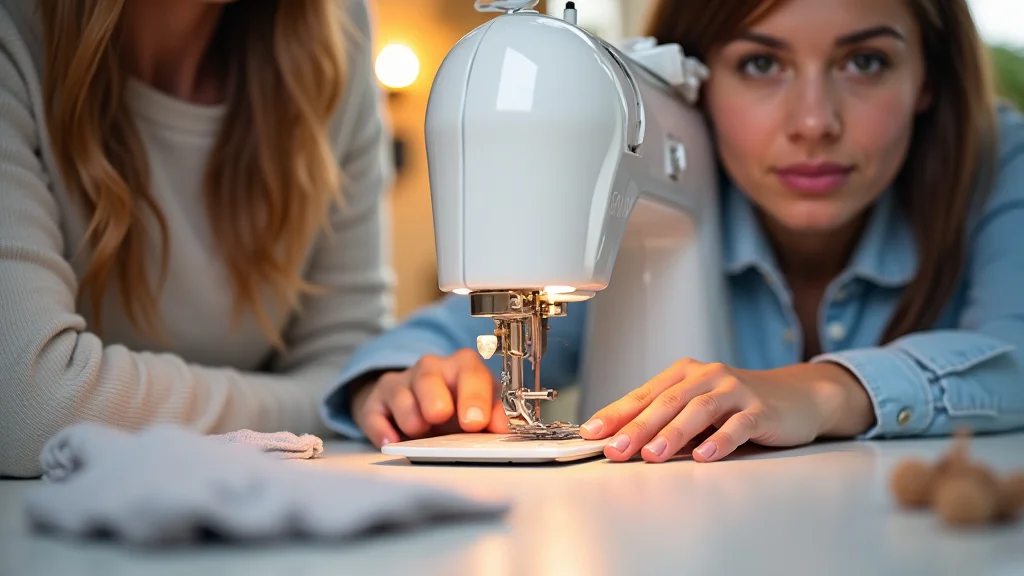
A sewing machine is the primary tool for anyone exploring sewing 101 for beginners. Many machines are available, from simple, mechanical models to more advanced, computerized ones. For a beginner, a mechanical machine is perfectly adequate. Look for a machine with straightforward controls and basic features like straight stitch, zigzag stitch, and buttonhole function. These features will allow you to do most of the basic sewing tasks, such as creating seams, finishing raw edges, and attaching buttons. The mechanical sewing machine offers a direct connection between your actions and the outcome, making it easier to learn and correct mistakes. Always familiarize yourself with your sewing machine’s user manual. It’s filled with helpful information and diagrams.
Sewing needles come in various sizes and types, each designed for specific fabrics and applications. Using the correct needle is critical for achieving good results and preventing damage to the fabric. A universal needle is a great choice to begin, as it can be used for various woven fabrics. As you gain more experience, you’ll want to explore other types of needles. For instance, a ballpoint needle is suitable for knit fabrics, as its rounded tip prevents snags and runs. Denim needles are designed for thick fabrics like denim and canvas. It’s a good idea to have a range of needles on hand to accommodate different projects. Always check your needle regularly, and replace it after about eight hours of use or if you notice any bends or damage.
Thread selection may seem straightforward, but choosing the right thread can impact the durability and appearance of your finished project. All-purpose polyester thread is a safe choice for most fabrics and projects. Cotton thread is great for sewing cotton fabrics. Silk thread is often chosen for delicate fabrics. The thread’s thickness is also important. For most beginner projects, a standard weight thread is appropriate. However, for heavier fabrics, such as denim or canvas, you might need a thicker thread. Always make sure the thread color matches your fabric or is a color that will blend well. When starting, you can buy a small assortment of essential thread colors to ensure you are well prepared for the task at hand.
Sharp cutting tools are essential for achieving precise cuts and clean edges. Fabric scissors are designed specifically for cutting fabric and should only be used for that purpose. Using them on paper or other materials will dull them quickly. Rotary cutters, which are round blades attached to a handle, are another option, particularly for straight cuts and cutting multiple layers of fabric. They are best used with a cutting mat. Small, sharp scissors are also useful for trimming threads and other detailed work. It is advisable to invest in a good pair of fabric scissors. Maintain your cutting tools well, as they are crucial for a good finish and accuracy.
Precise measurements are fundamental to sewing, influencing the fit and appearance of your projects. A flexible measuring tape is used for taking body measurements and measuring curves, while a ruler or quilting ruler is ideal for straight lines and accurate cuts. Also, it’s a good idea to have a seam gauge. Seam gauges are small rulers with a sliding marker, very useful for measuring seam allowances and other short distances. Always double-check your measurements, and when cutting, measure twice and cut once. Accurate measuring tools are not expensive, but they greatly improve the outcome of your sewing projects.
Pins are used to hold fabric layers in place before sewing. They are critical for ensuring that pieces align correctly and preventing shifting during the stitching process. There are several types of pins to choose from. Ballpoint pins are ideal for knit fabrics, as their rounded tips slip through the fabric without snagging. Dressmaker pins are suitable for most woven fabrics and are a good all-around choice. Be sure to use a pincushion or pin holder to keep your pins organized and accessible. When pinning, place the pins perpendicular to the edge of the fabric to prevent them from getting in the way of the sewing machine. Remove the pins as you sew, or sew slowly to avoid breaking needles.
Getting Started with Your Machine
Once you’ve gathered your tools, the next step is getting familiar with your sewing machine. Many beginners are intimidated by this part, but it’s really not that hard. This section breaks down the key steps of preparing your machine. Mastering these will give you the confidence to move forward. This initial stage involves threading the machine, understanding the basic controls, and troubleshooting common issues. It is key to understand how each part of the machine works before starting your first project.
Threading the Needle
Threading a sewing machine can seem tricky at first, but with practice, it becomes second nature. Each machine has a slightly different threading path, so refer to your machine’s manual. The basic steps typically involve placing the spool of thread, guiding the thread through a series of thread guides, and finally threading the needle. This is where the importance of your manual truly shines. Practice threading and unthreading the needle repeatedly to build muscle memory and familiarity with your specific machine. If you are having trouble, the internet is filled with tutorials and videos. Also, make sure your machine is turned off before threading to prevent accidents.
- Place the Spool of Thread: Make sure the thread spool is correctly placed on the spool pin.
- Guide the Thread: Follow the threading path on your machine, usually with several thread guides.
- Thread the Needle: Use the needle threader or manually thread the needle.
Place the spool of thread on the spool pin, which is usually located on the top of the machine. Make sure the thread unwinds easily from the spool and that the spool cap is in place to keep the thread from jumping off.
Your machine will have a specific threading path. This path may include thread guides, tension discs, and levers. These components are designed to control the flow and tension of the thread. Follow the instructions in your manual, as the path varies slightly from machine to machine. The goal is to get the thread from the spool to the needle, ensuring it passes through all the necessary guides. Refer to your manual or any online tutorials if you need help.
Some sewing machines have a built-in needle threader, which simplifies this step. If your machine has one, use it by following the instructions in your manual. If you don’t have a needle threader, you’ll need to thread the needle manually. Use a needle threader to make this easier. This tool helps to push the thread through the eye of the needle, especially helpful for those with vision problems. Keep the needle threaded until the next step to prevent it from slipping out.
Winding the Bobbin
The bobbin is a small spool that holds the lower thread, which interlocks with the upper thread to form a stitch. Winding the bobbin is an important process. The bobbin needs to be correctly filled with thread for your sewing machine to function correctly. The process involves placing the bobbin on the bobbin winder, guiding the thread through the winder, and starting the winding process. Practice winding several bobbins to make sure that they are filled evenly. Following these steps carefully will help to ensure smooth and even stitches.
- Place the Bobbin: Place the empty bobbin onto the bobbin winder.
- Guide the Thread: Guide the thread from the spool to the bobbin winder, following the machine’s instructions.
- Start Winding: Start the machine to wind the thread onto the bobbin.
The bobbin winder is a small spindle on your sewing machine. Make sure the bobbin is positioned correctly on the winder, and that it spins smoothly. Incorrect positioning can lead to uneven winding or prevent the bobbin from filling with thread. Before starting, ensure the bobbin is empty to prevent issues during the winding process. Check the user’s manual for the correct positioning.
The thread needs to pass through the specific path designed to wind the bobbin. This usually involves guiding the thread through tension discs and around a bobbin winder. Your manual will have diagrams for this path. Use the spool pin, and then pass it through the tension discs. This controls the thread tension to ensure it winds evenly onto the bobbin. Incorrectly guiding the thread can lead to thread breakage or uneven winding, which affects the quality of your stitches. Always follow the manufacturer’s directions for this step.
Once the thread is correctly positioned, start the machine. The bobbin should begin winding as the machine runs. Some machines have an automatic stop feature to stop winding when the bobbin is full. Others require you to manually stop the winding. Be sure to cut the thread and remove the bobbin once it’s full.
Basic Sewing Techniques
Now that you’ve got your machine ready, it’s time to explore the fundamental techniques that form the building blocks of sewing 101 for beginners. This part goes into how to measure, cut, and sew fabric. These are all critical skills. You’ll learn to execute the basic stitches and get to understand how to handle the fabric. Practice these techniques until they become second nature. This section will guide you through this process. Practicing these techniques repeatedly helps to build a strong foundation for more advanced sewing projects.
Measuring and Cutting Fabric
Accurate measuring and cutting are essential for any sewing project. A poorly cut piece of fabric can ruin an entire project. Taking the time to measure correctly and cut precisely will save you time and frustration in the long run. Measuring involves using a tape measure to determine the fabric dimensions, while cutting involves using scissors or a rotary cutter to shape the fabric according to your measurements. Practicing these techniques will help you achieve the best results.
- Taking Measurements: Use a tape measure to measure fabric and patterns accurately.
- Marking Fabric: Use fabric markers or chalk to mark cut lines.
- Cutting Fabric: Use scissors or a rotary cutter to cut along marked lines.
When taking measurements, always measure twice to ensure accuracy. If you are working with a pattern, it is often advisable to pin the pattern to the fabric first. Make sure the fabric is flat and smooth, and avoid stretching or distorting it when measuring. Measure carefully to ensure the dimensions needed.
Marking the fabric is an important step that guides your cutting process. You can use various tools, such as fabric markers, tailor’s chalk, or pins to indicate where you need to cut. Fabric markers come in different types, like washable markers, disappearing ink markers, and permanent markers. Choose the marker type according to the fabric type and the project requirements. Tailor’s chalk is a good choice for delicate fabrics and leaves no permanent marks. When marking, ensure your marks are clear and visible. Use a ruler to create straight lines. This will help you to cut accurately. Always test your marking tool on a scrap piece of fabric before applying it to the main fabric.
Cutting the fabric is where you transform your measurements and markings into actual shapes. Ensure your scissors are sharp. Use long, even cuts to maintain accuracy. Alternatively, rotary cutters with cutting mats are suitable for straight lines. Place the fabric on a cutting mat before using a rotary cutter to protect your work surface. To improve precision, cut along your marked lines. Always hold the fabric securely to prevent movement during cutting. Cutting with a rotary cutter requires practice. Practice on scrap pieces of fabric before beginning the main project. Avoid rushing the cutting process.
Basic Stitches
Stitches are the foundation of sewing, and mastering the basic ones will open up a world of possibilities. You will use these stitches to attach fabric pieces, create seams, and add decorative details. Some of the most important stitches are the running stitch, the back stitch, and the straight stitch. Each stitch has a unique function, and understanding how to execute them correctly is essential. It’s helpful to practice these stitches on scrap fabric before beginning any project.
- Running Stitch: A simple stitch used for gathering and basting.
- Back Stitch: A strong stitch that resembles a machine stitch.
- Straight Stitch: The most common stitch used on sewing machines.
The running stitch is the simplest stitch and is made by passing the needle and thread in and out of the fabric in a straight line. It is commonly used for basting, gathering fabric, and making temporary stitches. The stitch length can be adjusted to change the gathering effect. For example, a longer stitch length creates a greater gathering effect. Experiment with stitch lengths to see how they impact your fabric. The running stitch is easy to learn and perfect for sewing 101 for beginners. It is also a good practice for hand sewing.
The back stitch is a strong and durable hand stitch. It is used to create permanent seams and for areas that need extra reinforcement. The back stitch is done by bringing the needle up through the fabric, taking a stitch backward and bringing the needle up again. It is called the “back stitch” because each stitch begins by going backward from the last stitch. This creates a secure, continuous line. Practicing this stitch is important for various projects.
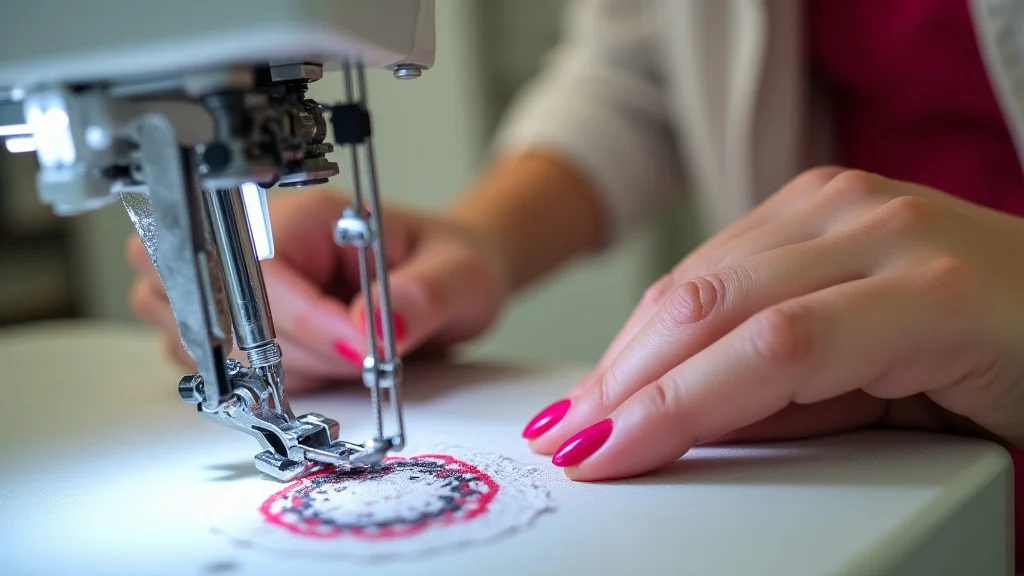
The straight stitch is the most basic stitch on a sewing machine and is used for a variety of tasks, like creating seams, topstitching, and attaching appliques. Set the machine to a straight stitch setting, and position the fabric under the needle. Guide the fabric along the seam. The straight stitch is the most commonly used stitch in all of sewing. Using the right settings on your machine, like stitch length and tension, will ensure a neat and even line. Adjusting these settings will help you achieve the desired results. Also, practice sewing straight lines on scrap fabric to get a feel for the machine.
Easy Beginner Projects
Putting your skills into practice is the best way to learn and grow. This section presents a few easy projects designed for those in sewing 101 for beginners. These projects are simple, fun, and provide a great opportunity to practice the techniques you’ve learned. The projects progress in complexity. You will gain confidence as you complete each one. These are a great way to start.
Simple Pillowcase
Making a pillowcase is a fantastic first project. It’s relatively simple and will help you get familiar with straight seams and finishing edges. You’ll need fabric, thread, scissors, and a sewing machine. This project will teach you to measure, cut, and sew straight lines. The result is useful and beautiful. You can experiment with different fabrics and colors.
- Measure and Cut Fabric: Measure and cut two rectangles of fabric.
- Sew the Pillowcase: Sew the pieces together, right sides facing.
- Finish Edges and Turn: Finish the open edge and turn the pillowcase right side out.
The pillowcase requires cutting two pieces of fabric. Measure the dimensions of your pillow. Add extra fabric for seams. Cut the fabric using scissors or a rotary cutter. Be sure your cuts are accurate. Ensure the fabric is squared. This means the corners are at right angles.
Place the fabric pieces together with their right sides facing each other. Pin along the edges. Sew along the edges using a straight stitch. Leave one side open. Your seam allowances should be consistent. Sew slowly and carefully.
Finish the edges of the open side by folding the fabric and sewing a neat seam. This prevents fraying. Turn the pillowcase right side out. You now have a finished pillowcase. Press the seams if needed. Experiment with decorative stitching or trims.
Simple Tote Bag
The tote bag is another practical project. It requires basic sewing and allows you to practice straight seams, the construction of straps, and the reinforcement of stress points. You will need fabric for the bag, fabric for the straps, thread, scissors, and a sewing machine. This project is useful, and you will learn important techniques. It’s also customizable, so you can choose fabrics to reflect your style. The tote bag is great for carrying books or groceries.
- Cut the Fabric: Cut the fabric for the bag and straps.
- Sew the Bag: Sew the sides and bottom of the bag together.
- Attach the Straps: Attach the straps to the top edges of the bag.
Decide the size of your bag and cut two pieces of fabric. Also, cut the fabric for the straps. Measure and cut the fabric accurately. Make sure the bag pieces are the same size. Then, cut the straps long enough to reach from the top of the bag to your shoulders. If you wish, you can use a pattern.
Place the bag pieces together with the right sides facing. Pin the sides and the bottom edges. Sew the side and bottom seams using a straight stitch. Reinforce the corners of the bag to ensure they are durable. Then, trim any extra fabric from the seams.
Fold the edges of the straps. Pin the straps to the top edges of the bag. Sew the straps securely in place. Sew across the top of the straps to ensure they are attached firmly. Now, your tote bag is ready for use. Always consider reinforcing the stitching at the points where the straps attach to the bag for extra strength.
Common Myths Debunked
Myth 1: Sewing is difficult and only for experts.
In reality, sewing is a skill that can be learned by anyone with practice and patience. The basics of sewing, like threading a needle and stitching simple seams, are not difficult at all. Start with simple projects and gradually work your way up to more complex ones. Many online resources and tutorials will help guide you. It’s like learning to ride a bike – at first, it seems hard, but with practice, it becomes easy.
Myth 2: You need to buy expensive equipment to start sewing.
Although quality tools can enhance your sewing experience, you do not need to spend a lot of money to start. You can begin with a basic sewing machine, a few needles, some thread, scissors, and a measuring tape. As your skills grow, you can add more tools and materials to your collection. The essential items are very affordable, and many used machines are available.
Myth 3: Sewing is too time-consuming.
Sewing can be time-consuming, but the time spent is often less than the time it would take to shop for something. Also, the time spent sewing can be enjoyable and therapeutic. With practice, you’ll become faster. Sewing is a great way to be creative and express yourself. Many smaller projects don’t take a lot of time.
Myth 4: Sewing machines are hard to use.
Modern sewing machines have become easier to use than ever before. Most machines have easy-to-follow manuals and straightforward controls. Many machines have automatic features, like needle threaders and buttonhole makers, that simplify your work. There are many online videos that can help you.
Myth 5: You need a lot of space to sew.
You don’t need a dedicated sewing room to start sewing. You can easily set up a sewing area on a table or even on the floor when you’re starting out. Make sure you have enough space to spread out your fabric and work comfortably. As your interest in the skill increases, you might want to create a more organized sewing space.
Frequently Asked Questions
Question: What’s the best type of fabric for beginners?
Answer: Cotton fabrics are easy to work with because they are easy to cut, sew, and press. They are also widely available and come in many patterns. Fabrics like broadcloth and quilting cotton are ideal for starting.
Question: How do I choose the correct thread?
Answer: All-purpose polyester thread is a good choice for most fabrics and projects. Make sure the thread color matches or complements your fabric color. The thickness of the thread should be appropriate for the fabric’s weight.
Question: How often should I change my sewing machine needle?
Answer: It’s best to change your needle after about eight hours of sewing or more often if you’re sewing through thick materials or notice any bends or damage.
Question: How do I fix skipped stitches?
Answer: Skipped stitches can be caused by various issues, such as using the wrong needle type for the fabric, incorrect threading, or the machine’s tension being off. Check the needle and ensure it is properly installed. Rethread the machine, and adjust the tension dial according to the fabric’s requirements.
Question: Can I sew without a sewing machine?
Answer: Yes, you can do hand sewing using a needle and thread. Hand sewing is perfect for beginners and for small projects. You can practice fundamental stitches and techniques without a machine.
Final Thoughts
The world of sewing 101 for beginners opens doors to endless creative possibilities. By starting with the basics, you’ve taken the first important steps toward mastering a valuable skill. Remember that practice is key. Don’t be afraid to experiment with different fabrics and try out new projects. As you continue your sewing journey, you’ll gain not only technical skills but also a sense of accomplishment and creative freedom. Enjoy the process and don’t get discouraged by mistakes. Instead, learn from them and see each project as a chance to grow. Embrace the creativity, explore various techniques, and always be open to new sewing projects. Keep creating and remember to have fun along the way!