Ever tried to mend a favorite jacket, only to realize the zipper’s seen better days? Or maybe you’re dreaming up a custom-made dress and need the perfect closure. Finding the right sewing zips for sale can be a bit like navigating a maze, right? Don’t worry, we’re here to help! This post will demystify the world of zippers, helping you choose the best ones for your projects, whether you’re a seasoned seamstress or just starting out. You’ll gain a solid grasp of zipper types, materials, and where to find the best deals, improving your DIY projects and saving you time and frustration. Let’s explore how to find the right sewing zips for sale, so you can start creating!
Key Takeaways
- Learn about different types of zippers and their best uses.
- Discover the key materials used in zipper construction.
- Understand the importance of zipper length and its selection.
- Find out how to choose the right zipper for your fabric.
- Get tips on where to buy quality zippers at various price points.
- Explore useful techniques for sewing zippers correctly.
Zipper Basics: Types and Applications
Zippers, those ingenious closures we often take for granted, come in a surprising variety of types, each suited to specific projects. Selecting the appropriate zipper is essential for both function and aesthetics. You want a zipper that works well with your fabric and the intended use of your finished project. Consider the weight of your fabric and the stress the zipper will be under. Knowing the different kinds available will prevent headaches and wasted fabric.
Coil Zippers
Coil zippers are a popular all-purpose choice, known for their flexibility and smoothness. They have a continuous coil of nylon or polyester that forms the teeth. These are the most common type of zipper for clothing, bags, and various other sewing projects. Because of their flexibility, coil zippers work well on curved seams and are less likely to snag delicate fabrics. They offer a good balance of strength and flexibility, making them a versatile option for many applications. This type of zipper is a great choice when looking for sewing zips for sale.
- Versatile Use: Coil zippers are suitable for a wide range of fabrics, from lightweight cotton to heavier materials.
- Smooth Operation: The coil design allows for a smooth, flexible movement, making them easy to open and close.
- Durability: Nylon coil zippers are durable enough to handle regular use in clothing and accessories.
- Wide Color Selection: Available in a vast array of colors, making it easy to match or contrast with your fabric.
Metal Zippers
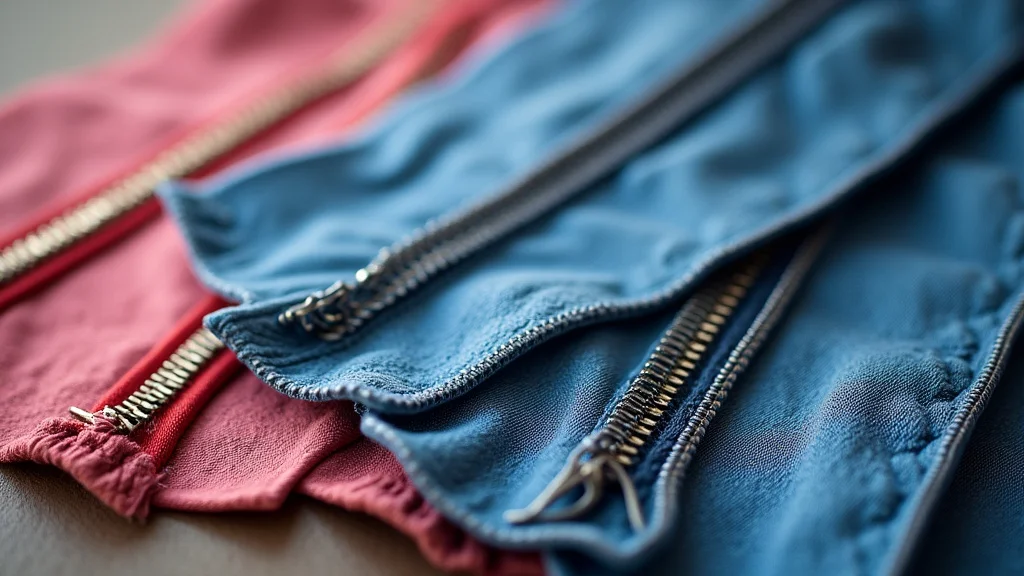
Metal zippers, often made of brass, nickel, or aluminum, are known for their strength and durability. They create a more substantial closure and are often seen in jeans, jackets, and other garments that experience significant wear. Metal zippers give a more rugged look and feel. They’re excellent for heavy-duty applications, such as luggage, denim, and outdoor gear. Due to their robustness, they can endure frequent use and withstand considerable stress. While perhaps not the first choice for delicate fabrics, metal zippers are great when looking for sewing zips for sale if durability is a priority.
- High Strength: Metal teeth provide a strong and reliable closure, ideal for heavy fabrics and applications.
- Distinctive Appearance: Offer a classic, industrial look that adds character to garments.
- Long-Lasting: Metal zippers tend to be more durable than coil zippers, particularly in high-stress situations.
- Variety of Metals: Available in different metals such as brass, aluminum, and nickel, each offering different aesthetic qualities.
Invisible Zippers
Invisible zippers are designed to blend seamlessly into a seam, creating a clean, professional finish. The zipper teeth are hidden behind the zipper tape when closed, making them ideal for dresses, skirts, and other garments where you want the closure to be nearly invisible. They require a special sewing foot and some practice to master, but the result is a sleek, polished look. Although the process requires some expertise, the effect is sophisticated. You will find that invisible zippers often become a necessity when sewing zips for sale is your mission.
- Seamless Appearance: The teeth are hidden, providing a clean, professional finish, perfect for formal wear or items where a discreet closure is desired.
- Specialized Foot: Requires a special zipper foot to sew, enabling the needle to sew close to the teeth.
- Elegant Design: Offers a refined aesthetic that is favored for skirts, dresses, and other garments where the zipper should be invisible.
- Technique: Achieving a professional finish requires some practice and careful sewing, but the results are worth it.
Zipper Materials and Components
Understanding the materials used in zippers helps you choose the right one for your needs. Different materials impact durability, flexibility, and overall performance. The components include the teeth, tape, slider, and stops. Each part contributes to how the zipper functions and how long it will last. Quality materials directly relate to the life of the zipper, so it’s a wise move to consider the materials used when you are looking at sewing zips for sale. Knowing your options empowers you to make wise choices, increasing the longevity and aesthetics of your projects.
Zipper Teeth
The teeth, the part that interlocks to close the zipper, can be made of various materials, each affecting the zipper’s durability and appearance. The material choice influences the zipper’s strength, flexibility, and resistance to wear and tear. Metal teeth provide a robust closure and are preferred for heavy-duty applications, while coil and plastic teeth are more flexible and often used in clothing and accessories. The selection of the teeth material plays a key role in the zipper’s performance and overall look.
- Metal: Brass, nickel, or aluminum teeth provide high strength and durability, typically used in jeans, jackets, and luggage.
- Coil (Nylon or Polyester): Flexible and smooth, suitable for a range of fabrics, common in clothing and bags.
- Plastic (Delrin or Molded Plastic): Durable, often used in sports gear and outerwear, offering a wider range of colors.
Zipper Tape
The zipper tape, the fabric strip to which the teeth are attached, plays a significant role in the overall quality and appearance of the zipper. The material of the tape impacts the strength, flexibility, and the ability of the zipper to blend seamlessly into your project. The tape should be durable and withstand the stress of opening and closing. The color of the tape can also be chosen to match your fabric. This aspect is vital for a nice-looking finish. When you consider sewing zips for sale, it pays to observe the tape.
- Cotton: Provides good flexibility and is suitable for various fabrics, but may shrink.
- Polyester: Durable, doesn’t shrink, and is available in a wide range of colors.
- Blends: Combine different fibers to provide the advantages of each, such as strength and minimal shrinkage.
The Slider and Stops
The slider is the mechanism that moves along the teeth, opening and closing the zipper. The quality and design of the slider significantly impact the zipper’s ease of use and longevity. Stops at the top and bottom of the zipper prevent the slider from coming off the track, ensuring the zipper functions correctly and preventing unraveling. These components might seem small, but they are very important. Keep them in mind as you explore sewing zips for sale.
- Slider: The part that moves along the teeth, designed for smooth operation and durability.
- Top Stops: Prevent the slider from coming off the top end of the zipper.
- Bottom Stops: Prevent the slider from separating from the bottom.
Zipper Length and Fabric Selection
Choosing the right zipper length and matching it to your fabric are vital steps in your sewing project. A zipper that is too short won’t fully close your garment or item, while one that is too long will require alterations. The fabric type also plays a critical role in determining which zipper type is best. You want a zipper that complements your fabric. It is useful to plan these details out beforehand to reduce the risk of wasting resources. Let’s explore these important details of choosing sewing zips for sale that will make your job easier.
Measuring for Zipper Length
Determining the correct zipper length can be achieved by carefully measuring the opening where the zipper will be inserted. Accurate measurement is crucial for a professional finish. If your project has a seam allowance, take that into consideration. Check the measurement against the finished pattern to ensure an accurate fit. Consider what will be around the zipper. Doing so will help ensure a clean appearance. When you shop for sewing zips for sale, the measurement will dictate your selection.
- Measure the Opening: Determine the exact length of the area where the zipper will be sewn.
- Consider Seam Allowances: Add the seam allowances to the length for a correct fit.
- Check Pattern Instructions: Review the pattern instructions for specific recommendations on zipper length.
- Use a Longer Zipper: If in doubt, select a zipper slightly longer than needed.
Matching Zippers to Fabrics
The type of fabric you’re working with determines the best zipper type. Lightweight fabrics require flexible coil zippers, while heavier fabrics can use more robust metal zippers. Consider the weight and texture of your fabric when making your selection. The goal is to choose a zipper that works with your fabric and enhances the overall appearance of your project. Fabrics with a lot of give may require a different zipper than stiff ones. Match the zipper accordingly when choosing sewing zips for sale.
- Lightweight Fabrics: Use coil zippers for smooth operation and a subtle finish.
- Medium-Weight Fabrics: Coil or molded plastic zippers are usually suitable.
- Heavy Fabrics: Metal or heavy-duty plastic zippers provide greater strength.
- Delicate Fabrics: Invisible zippers create a refined appearance for silks or other delicate materials.
Finding and Purchasing Zippers
Once you know the types and materials, it’s time to shop. You can find zippers in various places, from local craft stores to online retailers. Price points vary, as do the quality and selection. It’s crucial to compare options. Consider your needs and budget when making your purchase. The right source provides the best mix of quality, selection, and value. Finding sewing zips for sale doesn’t have to be a chore.
Local Craft Stores vs. Online Retailers
Local craft stores offer the advantage of immediate access and the ability to physically examine the zippers before purchase. Online retailers provide a broader selection, often at lower prices, but you can’t feel the zipper before you buy it. Consider the immediacy you need versus the variety available. Both options have their advantages and disadvantages, depending on your individual preferences and project timeline. Weigh these options before you start your search for sewing zips for sale.
- Local Craft Stores: Offer the convenience of browsing and immediate purchase, with the ability to see and feel the zipper. However, the selection may be limited, and prices could be higher.
- Online Retailers: Provide a wider selection of zippers, often at competitive prices. You might also find bulk discounts. Disadvantages include not being able to physically inspect the zipper before buying and shipping times.
- Specialty Stores: Stores specializing in sewing and fabrics usually have a wider selection of high-quality zippers.
- Comparison Shopping: Compare prices and reviews from different retailers to find the best deals.
Budgeting for Zippers
Zipper prices can fluctuate, so it’s a good idea to consider your budget. The cost varies based on the type, material, and retailer. You can find affordable options by shopping around. Consider your project needs and buy accordingly. For high-end projects, the cost of the zipper may be less important than the quality. Look for discounts and sales, especially if you’re buying in bulk. Finding sewing zips for sale on your budget helps stretch your sewing dollars.
- Price Ranges: Zipper prices vary from a few cents to several dollars, depending on the type and quality.
- Budget-Friendly Options: Nylon coil zippers are generally more affordable than metal or invisible zippers.
- Bulk Buying: Purchasing zippers in bulk often lowers the cost per zipper.
- Sales and Discounts: Watch for sales and discounts, particularly during holidays or seasonal events.
Sewing Zippers: Techniques and Tips
Sewing zippers requires a few key techniques. These ensure a neat, secure, and functional closure. Practice is essential, but these steps will improve the outcome of your projects. You will need a zipper foot, proper pinning, and a steady hand. Achieving a professional finish will elevate your creations. Practicing these techniques is a wise investment when working with sewing zips for sale.
Using a Zipper Foot
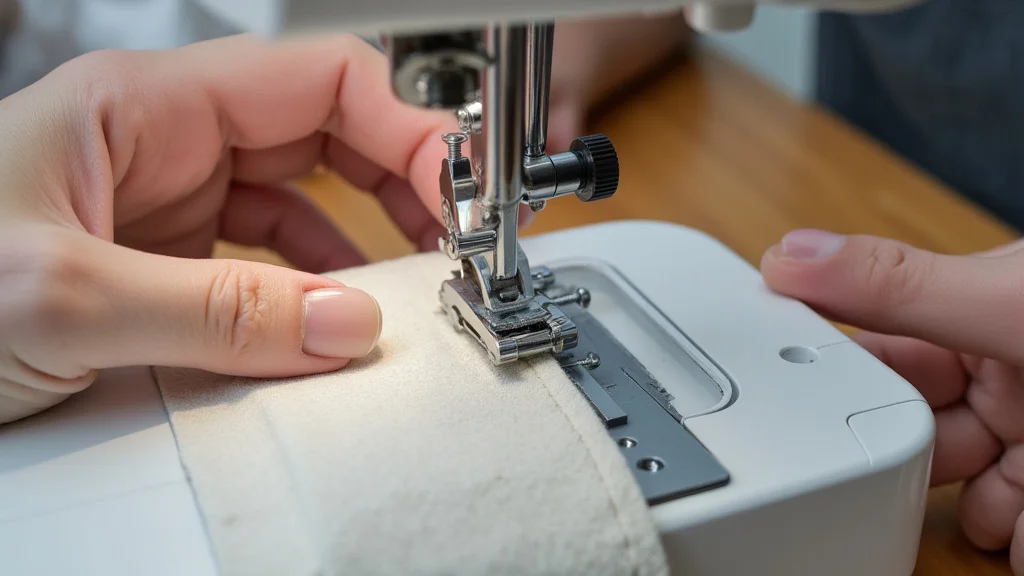
A zipper foot is a sewing machine foot designed to sew close to the zipper teeth. It helps you control the position of the needle. The foot allows you to sew the zipper accurately. There are various types of zipper feet, including adjustable and invisible zipper feet. The choice of foot depends on the type of zipper and your sewing machine. Getting familiar with your zipper foot’s features improves your ability to sew a professional-looking zipper. Don’t hesitate to explore your zipper foot as you work with sewing zips for sale.
- Positioning the Needle: Allows the needle to sew close to the zipper teeth.
- Types of Zipper Feet: Come in various styles, including adjustable and invisible zipper feet, for different zipper types and needs.
- Installation: Easy to attach and adjust to your machine.
- Precision Sewing: Offers better control and accuracy, improving the final appearance of your project.
Pinning and Basting
Pinning the zipper in place before sewing is critical for ensuring that it is straight and correctly positioned. Basting, or using long stitches to temporarily secure the zipper, ensures it stays in place as you sew. Pin the zipper along the seam line. Basting helps prevent the fabric from shifting, especially on curves or angles. These steps might seem simple, but they greatly improve the outcome. The practice of pinning and basting is a powerful tool when using sewing zips for sale.
- Precise Placement: Accurate pinning keeps the zipper aligned with the seam.
- Basting: Use long stitches to hold the zipper in place.
- Fabric Control: Avoids the fabric from shifting during sewing.
- Seamless Finish: Ensure the zipper lies flat and the seams match.
Common Myths Debunked
Myth 1: All Zippers are the Same.
Many assume that all zippers are identical and can be used interchangeably. In reality, zippers vary in type, material, length, and application. Coil, metal, and invisible zippers each serve specific purposes and are designed for different fabrics and garments. A metal zipper designed for heavy-duty applications would not be ideal for a delicate silk dress. It is important to know your options when you explore sewing zips for sale.
Myth 2: You Need Expensive Zippers for Good Results.
While high-quality zippers exist and are appropriate for certain projects, expensive doesn’t always equal better. Coil zippers are a great, affordable option for many projects. The key is to select a zipper suited to your project’s fabric, design, and expected wear. A budget-friendly zipper may work perfectly. Don’t let price dissuade you when you’re checking out sewing zips for sale.
Myth 3: Sewing Zippers is Difficult and Requires Advanced Skills.
Sewing zippers seems complicated, but it is manageable. With the right tools, some patience, and the correct approach, even beginners can accomplish a professional finish. Start with simple projects to hone your skills. There are plenty of tutorials, and practice makes perfect. Try not to be afraid to use sewing zips for sale.
Myth 4: Invisible Zippers are Only for Experts.
Invisible zippers can seem complex, but they are accessible to anyone willing to put in the time and practice. With a special zipper foot and some patience, you can achieve a polished finish. The secret is accurate pinning and following a few basic steps. Give it a try when you buy sewing zips for sale.
Myth 5: All Zippers Should Match the Fabric Color.
Matching the zipper to the fabric color is often preferred, but it is not a must. Sometimes, a contrasting color can create a stylish visual effect. In some applications, a visible zipper is part of the design. The choice depends on your design goals. When choosing your sewing zips for sale, let your creative style be the priority.
Frequently Asked Questions
Question: What is the best zipper for jeans?
Answer: Metal zippers, known for their durability and strength, are the top choice for jeans. They withstand the frequent wear and tear that jeans experience.
Question: Can I use a regular zipper foot for an invisible zipper?
Answer: It is best to use a specialized invisible zipper foot. These feet are designed to sew very close to the zipper teeth.
Question: How do I remove a zipper?
Answer: Using a seam ripper, carefully remove the stitches holding the zipper to the fabric. Be cautious not to damage the fabric.
Question: How do I mend a broken zipper?
Answer: Small issues can often be fixed with a new slider, available at craft stores. Otherwise, the zipper may need to be replaced.
Question: Where can I find a zipper in a specific color?
Answer: Online retailers and specialty fabric stores usually offer a wide variety of colors. Searching online is often the fastest way to get a specific shade.
Final Thoughts
Choosing the right sewing zips for sale is a key step in any successful sewing project. The correct zipper type, material, and length are critical for both functionality and aesthetic appeal. Understanding the various options, from coil to metal to invisible styles, enables you to match the zipper to your fabric and design. Don’t be afraid to experiment, explore, and gain experience. Explore different sources and consider your budget when buying your sewing zips for sale. With a little practice, anyone can master zipper insertion and create polished, professional-looking garments and accessories. Happy sewing!