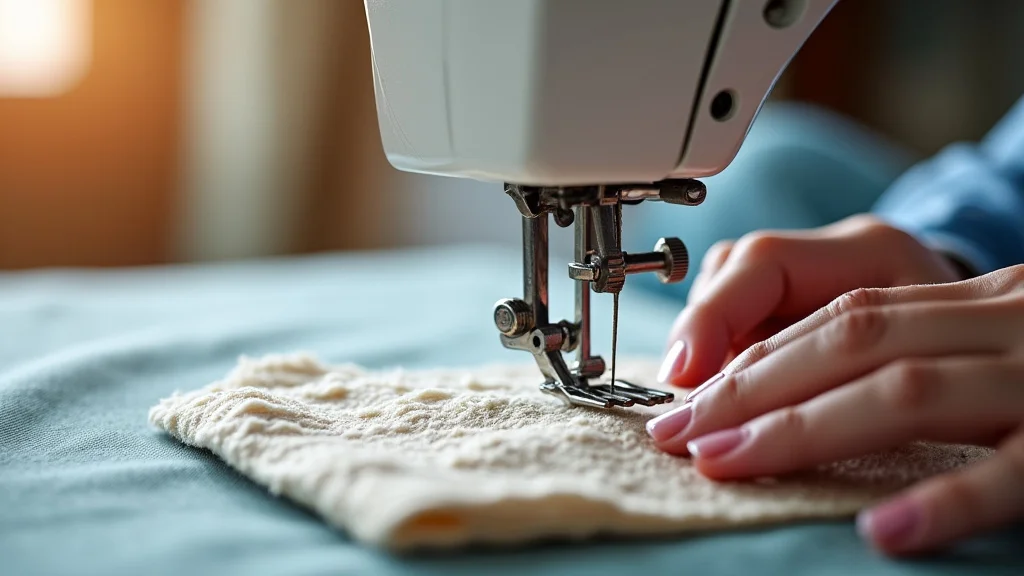
It’s mid-October, the leaves are changing, and suddenly, everyone’s talking about the holidays! Last year, I spent far too much time stressing about finding the perfect gifts, and the store crowds felt like a scene from a movie. This year, I decided to take a different route: I’m planning to make a bunch of sewing christmas gifts. It sounds a little ambitious, I know, but the thought of crafting personalized presents feels so much more fulfilling than clicking “add to cart.” This guide will help you explore the joy of creating unique, thoughtful sewing christmas gifts. You’ll gain practical advice, project ideas, and essential skills to make your holiday season extra special, while also staying on budget.
Key Takeaways
- Learn how to choose the right sewing projects for your skill level and time constraints.
- Discover a variety of easy and intermediate-level sewing gift ideas.
- Gain valuable tips on fabric selection, essential tools, and efficient sewing techniques.
- Get inspired by creative customization ideas to personalize your handmade gifts.
- Find ways to reduce costs without compromising the quality of your presents.
- Understand how to manage your time effectively throughout the holiday season.
Choosing the Right Sewing Christmas Gifts Projects
The first step toward successful sewing christmas gifts is selecting projects that match your skills and available time. Trying a complicated project when you’re short on time or lack advanced skills can lead to frustration. Start by honestly assessing your current sewing abilities. Are you a beginner, intermediate, or advanced sewer? This will guide your project choices. Consider the time commitment. Some projects, like simple tote bags or scrunchies, can be completed in an hour or two, while others, like quilts or tailored clothing, require significantly more time.
Assessing Your Sewing Skills
Self-assessment is key. Don’t be afraid to start small and build confidence. If you’re new to sewing, focus on projects that use basic stitches, straight lines, and simple shapes. Even a basic project like a pillowcase can be a great starting point. As your skills develop, you can explore more complex projects. If you’re intermediate, you might want to try items with curves, buttonholes, or zippers. For advanced sewers, the possibilities are endless; try garments or elaborate home decor items. Remember, practice makes perfect. The more you sew, the more comfortable you’ll become with different techniques and fabrics.
- Beginner: Focus on projects with straight seams, simple shapes, and basic stitches.
- Intermediate: Take on items with curves, zippers, buttonholes, and more intricate details.
- Advanced: Tackle complex garments, quilts, or items with detailed embellishments.
Time Management and Project Planning
Effective time management is a game changer, especially during the busy holiday season. Before you start, create a sewing schedule. Estimate how long each project will take and allocate time accordingly. It’s often helpful to break down each project into smaller, manageable steps. This prevents feeling overwhelmed. Set realistic deadlines. Don’t underestimate how much time it takes to cut fabric, prepare patterns, and sew. Consider setting aside dedicated sewing time each week. Think about incorporating sewing time into your normal weekly routine. Also, plan for unexpected delays or errors. Having extra time allows you to make adjustments without stressing.
- Create a Schedule: Estimate project times and set realistic deadlines.
- Break Down Projects: Divide larger projects into smaller, more manageable steps.
- Plan Ahead: Account for unexpected delays or errors when scheduling.
- Schedule Time: Incorporate regular sewing time into your week.
Fabric and Material Considerations
Fabric selection significantly impacts the final look and feel of your gifts. The appropriate fabric depends on the project. For example, cotton is ideal for beginner-friendly projects, while silk or satin is lovely for scarves. Consider the recipient’s style and preferences when choosing fabrics. Think about color, pattern, and texture. Don’t be afraid to experiment! Buy a small amount of fabric to test the look before committing to a larger order. Don’t forget notions like thread, zippers, buttons, and interfacing. Having everything organized will make your sewing go more smoothly.
- Consider the Project: Choose fabrics appropriate for the project type.
- Think of the Recipient: Select colors, patterns, and textures the recipient will love.
- Test Fabrics: Buy a small amount to check color and texture.
- Gather Notions: Ensure you have thread, zippers, buttons, and interfacing.
Sewing Christmas Gifts Ideas for Every Skill Level
With an understanding of skill level, time constraints, and fabric, let’s explore some sewing christmas gifts ideas that will inspire you. No matter your skill, there is something you can make.
Beginner-Friendly Sewing Projects
If you’re new to sewing, start with projects that are easy to create. These gifts require basic skills, straight stitches, and minimal pattern pieces. These are all perfect projects for beginners to learn the fundamentals of sewing. Simple projects help you build confidence and give you a sense of accomplishment. You can find free patterns online or in sewing books. These beginner projects will help build a foundation of sewing knowledge.
- Pillowcases: A simple and practical gift. Use fun fabrics and personalize them for the recipient.
- Simple Tote Bags: Create reusable bags for groceries or carrying everyday items.
- Scrunchies: A quick and easy project, perfect for using up fabric scraps.
- Fabric Coasters: A useful and quick gift. Experiment with different fabrics and designs.
Intermediate Sewing Projects
Once you are confident with basic techniques, step up to intermediate projects. These gifts will require more time and precision. They might include elements such as curves, zippers, or more complicated shapes. Experiment with different fabrics and embellishments to add a personal touch. Intermediate projects are great for expanding your sewing skills.
- Quilted Mug Rugs: A more complex version of coasters, adding a layer of quilting for warmth.
- Simple Cosmetic Bags: A useful and stylish gift. Add pockets or linings.
- Reusable Produce Bags: A practical and eco-friendly gift.
- Basic Aprons: Useful for cooking or crafting, they can be customized with pockets and embellishments.
Advanced Sewing Projects
If you have advanced skills and enjoy sewing, there are many options. These gifts might include garments, complex home decor items, or highly personalized creations. Detailed projects allow you to use advanced techniques and show off your talents. You may wish to make something especially memorable for your favorite people.
- Clothing: A personalized garment can be an incredibly thoughtful gift.
- Quilts: A time-intensive project, but the result is a cherished keepsake.
- Upholstered Items: Consider things like decorative pillows or footstools.
- Customized Wall Hangings: Create unique and personalized artwork for the home.
Essential Tools and Materials for Sewing Christmas Gifts
Having the right tools is essential for making sewing fun and efficient. Investing in quality tools will save time and improve the quality of your finished gifts. Here’s a breakdown of the essential tools and materials you’ll need for your sewing christmas gifts:
Basic Sewing Supplies
Some basic supplies are vital for every sewing project. These are things you’ll use constantly, no matter the gift. Investing in quality versions of these basics will make your sewing life easier. These are essential for starting your sewing journey.
- Sewing Machine: A basic machine is sufficient for beginners. Look for one with straight and zigzag stitches.
- Scissors: Use fabric shears for cutting fabric, and small scissors for trimming threads.
- Measuring Tape: Essential for taking accurate measurements.
- Pins: Use pins to hold fabric pieces together before sewing.
- Needles and Thread: Have a selection of needles for different fabrics and thread colors to match.
Fabric and Notions
The choice of fabric and notions will depend on the projects you choose. However, some general guidelines will help you make decisions. Selecting the right fabric and notions can elevate your final product. This also includes choosing the right weights of thread for your project.
- Fabrics: Choose fabrics appropriate for your project. Consider the recipient’s style.
- Thread: Use high-quality thread that matches your fabric and is suitable for the sewing machine.
- Zippers, Buttons, and Elastic: These are common notions depending on your gifts.
- Interfacing: Use interfacing to provide structure to your project.
Optional Tools and Accessories
Once you have the basics, consider some optional tools to make sewing easier. These items can increase your efficiency and the quality of your work. These accessories will elevate your sewing experience.
- Rotary Cutter and Mat: Makes cutting fabric quick and accurate.
- Seam Ripper: Used to remove unwanted stitches.
- Iron and Ironing Board: Essential for pressing seams and smoothing fabric.
- Cutting Mat: Protects your work surface when using a rotary cutter.
Tips for Efficient Sewing and Time Management
Making sewing christmas gifts can be time-consuming, but there are methods for making your time more efficient. You can get more gifts made if you use some proven methods. Here are some key tips for efficient sewing and effective time management, helping you complete more projects while enjoying the process:
Organizing Your Workspace
An organized workspace can significantly impact your productivity. A clear and clutter-free space is helpful. The right organization reduces distractions. Consider setting up a dedicated sewing area. This lets you leave projects out and ready to go. You can minimize interruptions. Consider having different areas for cutting, sewing, and pressing. Everything will be in its place.
- Designate a Sewing Space: Set up a dedicated area for your sewing projects.
- Organize Your Supplies: Keep tools and materials within easy reach.
- Use Storage Solutions: Employ bins, shelves, or drawers to store fabrics and notions.
- Clear Your Space: Keep your workspace clutter-free to minimize distractions.
Batch Sewing Techniques
Batch sewing involves working on multiple items at once to maximize efficiency. This is a huge time-saver. Consider doing all the cutting for several projects at the same time. This reduces the need to stop and start the process multiple times. You can also sew all the seams on several items at once. This reduces the number of times you need to set up your machine. It also helps to minimize waste. Batch sewing is very effective for mass production.
- Cut Fabric: Cut all fabric pieces at once for several projects.
- Chain Piece: Sew multiple pieces together without cutting the thread.
- Work in Stages: Complete one step for all items before moving on to the next.
- Prepare Ahead: Pre-cut fabric, prepare notions, and organize your work.
Time-Saving Strategies
There are numerous strategies to help you get more done in less time. Use technology or online resources to find inspiration or patterns. Prioritize your tasks. Try to focus on the essential aspects of your projects. Take breaks to stay refreshed and focused. Remember, it’s okay if not everything is perfect. A handmade gift is all about the thought.
- Use Pre-Cut Fabrics: Save time by using pre-cut fabric squares or strips.
- Simplify Patterns: Choose patterns with fewer details.
- Prioritize Tasks: Focus on key tasks and avoid getting bogged down.
- Take Breaks: Take breaks to prevent burnout.
Customization Ideas to Personalize Your Sewing Christmas Gifts
The beauty of sewing christmas gifts lies in your ability to personalize them. Adding a unique touch can make a simple gift extra special. Personalization shows how much you care.
Adding Monograms and Initials
Monograms and initials are a classic way to personalize gifts. These add a touch of elegance and make the gifts unique. There are numerous ways to add initials to your projects. You can use embroidery, iron-on letters, or fabric markers. Choose a font that matches the recipient’s style. You can use the initials on items such as towels, bags, or pillows.
- Embroidery: Hand-embroidered initials are timeless.
- Iron-On Letters: Quick and easy.
- Fabric Markers: Freehand or use stencils.
- Placement: Choose an appropriate spot for the initials.
Embroidery and Appliqué
Embroidery and appliqué are fantastic methods for adding detail and personality to your gifts. These are great methods for creating unique designs. Embroidery involves stitching designs with needle and thread. Appliqué involves attaching fabric shapes to a base fabric. Both techniques can be used to create intricate designs. You can find pre-made designs or create your own. These are great ways to showcase creativity and skill.
- Embroidery Stitches: Learn basic stitches like the backstitch, satin stitch, and French knot.
- Appliqué Techniques: Use fusible interfacing to make the process easier.
- Designs: Choose designs that match the recipient’s interests.
- Placement: Add embroidery or appliqué to items such as pillows, bags, or clothing.
Fabric Choices and Color Coordination
Fabric selection and color coordination play a large role in personalization. Choosing fabrics that match the recipient’s taste can be really personal. You can pick fabrics based on colors, patterns, and textures. Consider the recipient’s style and favorite colors. You can create themed gifts that align with their hobbies. This helps create a cohesive and well-designed gift.
- Consider the Recipient: Choose fabrics that reflect their style.
- Theme: Create themed gifts, like using sports-themed fabrics.
- Color Coordination: Use colors that complement each other.
- Texture and Pattern: Experiment with different textures and patterns.
Cost-Effective Sewing Christmas Gifts Ideas
Sewing your own gifts can be very cost-effective, but there are ways to minimize costs even more. Many strategies can help keep the prices down. A few creative methods will help you make gifts without breaking the bank. There are many ways to manage your expenses.
Using Fabric Scraps and Remnants
Fabric scraps and remnants are ideal for many sewing projects. Many smaller projects don’t require much fabric. You can use remnants and scraps to avoid buying new fabric. This is a great way to use leftover fabric. You can find scraps at fabric stores or from your own projects. These are perfect for making items like scrunchies, coasters, or small pouches.
- Scrap Projects: Use scraps for projects that require small pieces of fabric.
- Scrap-Friendly Patterns: Find patterns that are designed for scraps.
- Organize Scraps: Store scraps by size and color for easy access.
- Creative Combinations: Mix and match scraps for unique designs.
Sourcing Affordable Materials
There are many places to find budget-friendly materials. Several options will help save money. You can check sales, shop at discount stores, and buy in bulk. Look for deals and special offers on fabrics, notions, and supplies. Consider buying in bulk for frequently used items. This helps lower the overall cost per item. You can purchase online or in local stores.
- Shop Sales: Look for sales and discounts at fabric stores.
- Discount Stores: Explore stores that offer discounted fabrics and notions.
- Online Marketplaces: Buy from online marketplaces.
- Buy in Bulk: Purchase frequently used items in bulk.
DIY and Upcycling
DIY and upcycling are creative ways to reduce costs and create unique gifts. These involve reusing existing materials or modifying items to create something new. This is an awesome way to save money and create one-of-a-kind presents. You can turn old clothing into tote bags or repurpose items like pillowcases. This lets you be environmentally friendly. This can be a fulfilling and cost-effective method.
- Repurpose Clothing: Transform old clothes into new items.
- Upcycle Materials: Reuse items for a second life.
- DIY Accessories: Make your own accessories.
- Creative Projects: Develop unique gifts using repurposed materials.
Common Myths Debunked
Myth 1: Sewing is too complicated for beginners.
Reality: Sewing can start simply! There are plenty of beginner-friendly projects. Many patterns and tutorials will guide you step by step. You can start with basic stitches and simple shapes. Start small and build your skills gradually.
Myth 2: Sewing is expensive and requires a lot of equipment.
Reality: While professional sewing setups can be expensive, you don’t need a lot of tools to start. You can get started with a basic sewing machine, scissors, and a few essential supplies. You can also source materials affordably, like using fabric scraps and buying sale items. Many basic tools are not expensive.
Myth 3: Handmade gifts are not as good as store-bought presents.
Reality: Handmade gifts are far more special! They show thoughtfulness and effort. They can be perfectly customized. The imperfections of handmade items also give them charm. People appreciate the time and care that goes into a handmade gift. Many people love handmade gifts.
Myth 4: Sewing is a time-consuming hobby.
Reality: Sewing does not always need to take a lot of time. You can choose quick projects, such as scrunchies or coasters. You can use batch sewing techniques to make the process more efficient. With good planning, you can make meaningful gifts without spending a lot of time. Planning ahead helps minimize the time needed.
Myth 5: Sewing Christmas gifts requires advanced skills to be considered thoughtful.
Reality: You don’t need to be an expert! Thoughtfulness comes from the effort and care you put into it. Even simple projects, like a hand-sewn pillowcase or a personalized tote bag, are wonderful gifts. It’s the unique touch and personalization that make the gift special. The receiver will appreciate the effort.
Frequently Asked Questions
Question: How do I choose the right sewing machine for a beginner?
Answer: Look for a basic machine with straight and zigzag stitches, automatic needle threader, and adjustable speed control. Read reviews and ask for recommendations.
Question: What are some good fabric choices for beginners?
Answer: Cotton, linen, and broadcloth are easy to work with because they’re stable and don’t slip. Avoid slippery fabrics like silk or stretchy knits until you’re more experienced.
Question: How do I estimate how much fabric I need for a project?
Answer: Read the pattern carefully. It will usually tell you how much fabric is required based on the width and length. Always buy extra in case you make a mistake.
Question: Can I use a regular iron for pressing my seams?
Answer: Yes, but make sure your iron is clean. Also use the appropriate heat setting for the fabric. An ironing board is also useful.
Question: How do I fix a mistake when sewing?
Answer: Use a seam ripper to carefully remove the stitches. If you made a major mistake, re-cut the fabric pieces. Pin the pieces together again and restart sewing the seam.
Final Thoughts
Creating sewing christmas gifts can be a satisfying experience. You can craft gifts that are special, personalized, and made with your own two hands. Don’t be afraid to take on this challenge! With a little planning, the right tools, and some practice, you can create unique presents that will be treasured. Start by assessing your skill level and choosing projects that match your abilities. Gather your materials, organize your workspace, and embrace the joy of sewing. Don’t be afraid to experiment with personalization. Think about using monograms, embroidery, or fabric choices to add a unique touch. And remember, it’s the thought and effort that make these gifts truly special. Get started early, and make this holiday season your most creative one yet!