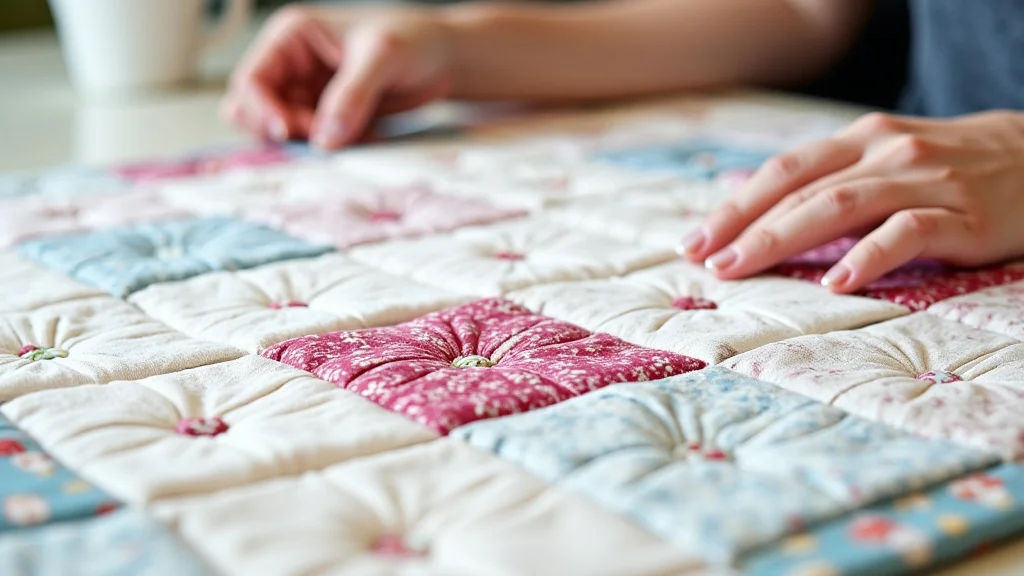
Remember that feeling of starting a new project, overflowing with excitement, only to feel a little lost? Perhaps you’ve dreamt of creating a beautiful quilt, imagining snuggling under it on a chilly evening. The first step, sewing quilt blocks together, can seem a bit intimidating. But fear not! This guide will break down the process into easy-to-follow steps, empowering you to create those stunning patchwork masterpieces. You’ll learn the techniques, the tips, and the tricks to conquer this initial hurdle, transforming your fabric scraps into something truly special. You’ll learn how to approach the first step, and much more.
Key Takeaways
- Learn essential techniques for precise cutting and accurate seam allowances.
- Discover how to choose the right tools and materials for your projects.
- Master the art of piecing together different block designs.
- Understand how to avoid common mistakes and troubleshoot issues.
- Gain confidence in your ability to create beautiful quilts.
- Explore different block patterns and the principles of design.
Getting Started: Essential Tools and Supplies
Before you begin the exciting task of sewing quilt blocks together, assembling the correct tools and supplies is essential. Having the right equipment will make your project smoother, more enjoyable, and ultimately, more successful. Think of it as preparing your art studio. You wouldn’t paint without brushes and paint, and sewing is the same.
This initial investment ensures accurate cuts, precise seams, and a professional-looking finished product. The good news is, you probably have a lot of this already. Let’s explore the necessities to get you started on your quilting adventure!
The Sewing Machine: Your Primary Tool
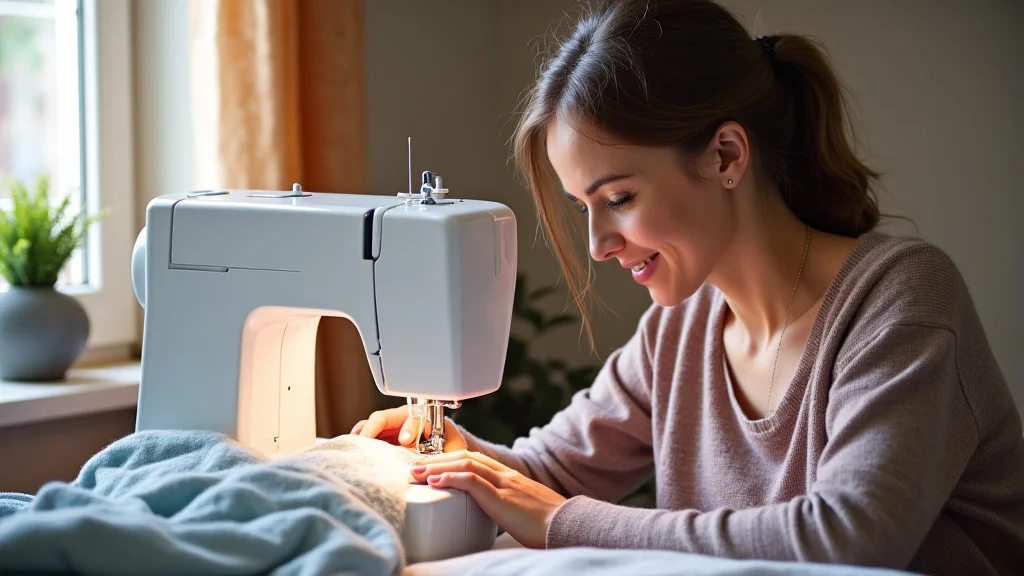
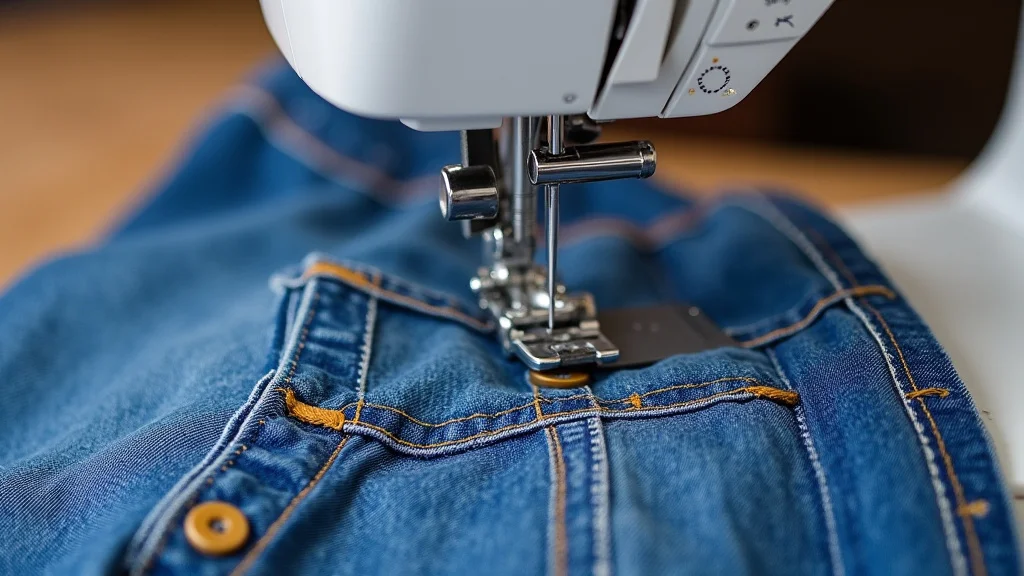
The sewing machine is the heart of any quilting project. Choose a machine that’s dependable and easy to use, especially if you’re a beginner. Basic models usually suffice, offering straight stitch and zigzag capabilities. These two stitches are sufficient for most sewing quilt blocks together. Consider investing in a machine with a free arm, which makes it easier to stitch around curved edges or smaller areas. Features like an automatic needle threader and adjustable presser foot pressure can greatly enhance the overall sewing experience.
- Choose a machine with a straight stitch and zigzag stitch.
- Consider models with a free arm for added flexibility.
- An automatic needle threader saves you time and frustration.
- Adjustable presser foot pressure helps handle different fabric thicknesses.
- Look for a machine with a sturdy build that can handle frequent use.
Cutting Tools: Precision is Key
Accurate cutting is the foundation of every successful quilt. Using the correct tools ensures that your blocks are the right size and shape, leading to a neat and well-fitting finished quilt. The three primary cutting tools used are a rotary cutter, cutting mat, and a clear ruler. These tools work in unison to provide accuracy and efficiency. This process isn’t overly complicated once you get the hang of it.
- A rotary cutter with a sharp blade is used for fast and precise fabric cuts.
- A self-healing cutting mat protects your work surface and blade.
- A clear quilting ruler ensures straight lines and accurate measurements.
- Scissors are still important for trimming threads and cutting smaller pieces.
- Choose a rotary cutter with a comfortable handle and a safety guard.
Fabric and Thread: The Building Blocks
Selecting the right fabric and thread is more than just about aesthetics; it also affects the final result. Choose high-quality, 100% cotton fabrics for their ease of use, durability, and washability. Pre-washed fabrics help to minimize shrinkage. The thread is just as important. All-purpose cotton thread works well for most projects. The thread should blend with your fabrics in both color and weight to avoid the thread standing out. Experimenting with different fabric combinations and thread colors can create unique looks.
- 100% cotton fabrics are ideal for beginners.
- Pre-washing your fabric prevents shrinkage.
- Choose high-quality, all-purpose cotton thread.
- Match thread color to your fabrics for seamless results.
- Consider using quilting-specific thread for extra strength.
Preparing Your Fabric for Sewing Quilt Blocks Together
Now that you’ve gathered your supplies, preparing your fabric is a crucial next step before beginning to sew. Proper preparation ensures that your quilt blocks are dimensionally stable, and it minimizes the chances of issues like shrinkage or color bleeding. Pre-washing, pressing, and accurately cutting your fabric are all essential steps that will set you up for success. Taking the time to do this correctly in advance saves time, energy, and fabric in the long run.
The steps you take here impact the final product, so it’s a step that shouldn’t be overlooked.
Pre-Washing Your Fabric
Pre-washing your fabric is a good practice, even if you’re using quilting cotton. This step removes any manufacturing finishes that might affect the fabric’s behavior. More importantly, pre-washing helps to pre-shrink the fabric. This prevents your quilt from shrinking unevenly after it’s finished and washed, which can distort the blocks and seams. Also, it’s worth pre-washing fabric to eliminate excess dye.
- Wash new fabrics in cold water with a gentle detergent.
- Tumble dry on low or medium heat.
- Iron the fabric after drying to remove wrinkles.
- Separate dark and bright colors to prevent color transfer.
- Pre-washing is particularly important for fabrics with bold colors.
Pressing Your Fabric
Pressing your fabric well before cutting is very important. This eliminates wrinkles and creases, ensuring that your cuts are accurate. A well-pressed fabric lies flat, making it easier to measure and cut. Take the time to iron the fabric thoroughly, pressing each piece from the back to preserve the colors. You can achieve cleaner edges. When pressing, use a moderate heat setting appropriate for the fabric type. You’ll thank yourself later when things line up nicely!
- Use a hot iron appropriate for your fabric type.
- Press each piece from the back to maintain color integrity.
- Ensure the fabric is flat and smooth before cutting.
- A good pressing board or ironing surface makes this easier.
- Avoid ironing over creases; press them out to avoid distortions.
Cutting Accurately
Accurate cutting is arguably the most essential step in making quilts. Use your rotary cutter, cutting mat, and ruler to achieve precise cuts. The most common error in quilting is inconsistent cuts, which can lead to blocks that don’t fit together well. Measure twice, and cut once. Learn to place the ruler correctly on the fabric and align it with the fabric grain. Take your time, and pay attention to detail.
- Use a rotary cutter, cutting mat, and a quilting ruler.
- Align the fabric with the grid lines on your cutting mat.
- Measure twice, cut once to minimize errors.
- Cut on a stable surface for consistent results.
- Ensure the rotary cutter blade is sharp for clean cuts.
Understanding Seam Allowances for Sewing Quilt Blocks Together
Mastering seam allowances is key to successfully sewing quilt blocks together and achieving a professional finish. A seam allowance is the space between the edge of the fabric and the seam line, where the stitches will be sewn. The standard seam allowance for quilting is ¼ inch. This consistent measurement ensures that your blocks fit together accurately and your quilt maintains its shape. Consistent seams are what separates a good quilt from a great one.
Paying attention to this detail is what turns a collection of fabric scraps into a unified piece.
What is a Seam Allowance?
A seam allowance is the distance between the edge of the fabric and the line of stitching. When sewing quilt blocks together, the ¼ inch seam allowance is the norm, because it’s crucial for the precise construction of quilt blocks. Keeping this allowance consistent is how you ensure that your blocks match up and the quilt dimensions are accurate. Sewing accurately means that your blocks will fit together seamlessly.
- A seam allowance is the space between the edge of the fabric and the stitching.
- The standard seam allowance in quilting is ¼ inch.
- Consistent seam allowances create accurate blocks and quilt dimensions.
- Use your machine’s ¼ inch foot for precision or mark the seam line.
- A consistent seam allowance makes the blocks easier to sew together.
How to Achieve Accurate Seam Allowances
Achieving accurate seam allowances requires a combination of tools and techniques. Your sewing machine’s ¼ inch foot is a game changer, guiding the fabric consistently. Checking the distance with your ruler is another good idea. You can also mark the seam allowance on your fabric with a fine-tip marking pen, which ensures precision. Practice makes perfect. These actions help to develop a consistent stitch.
- Use a ¼ inch foot on your sewing machine.
- Check your seam allowance with a ruler occasionally.
- Mark the seam line on your fabric for extra precision.
- Practice sewing straight lines to develop consistency.
- Test your seam allowance on scrap fabric before sewing.
Pressing Seams Open or to the Side
The direction in which you press your seams also affects the look and feel of your quilt. Pressing seams open distributes the bulk, which can be useful when dealing with thick fabrics or complex blocks. However, pressing seams to the side is more common for quilt construction. It creates a smooth surface and allows the seams to nest together, interlocking the blocks. This is a matter of preference and depends on the pattern.
- Pressing seams open reduces bulk.
- Pressing seams to the side is standard for quilting.
- Seams pressed to the side nest together neatly.
- Consider the design of your quilt when choosing a seam direction.
- Both methods can produce great results, so experiment.
Piecing Quilt Blocks: Step-by-Step Instructions
Let’s begin the exciting process of sewing quilt blocks together. We’ll begin with a basic block. This step-by-step guide will walk you through the process, providing clear and concise instructions. With each stitch, you’ll be building confidence and turning individual pieces into a beautiful design. Follow these steps, and you’ll soon be well on your way to creating your first quilt block.
This is where the magic happens.
Choosing a Simple Block Pattern
Before you begin sewing, it’s wise to start with a block pattern that’s suitable for beginners. A simple block, like a basic four-patch or a nine-patch, allows you to master the fundamental techniques without getting overwhelmed. These blocks typically use squares and rectangles. These basic shapes reduce the complexity of cutting and sewing. As you gain experience, you can move on to more complex patterns.
- Start with a simple block pattern.
- The four-patch and nine-patch blocks are perfect for beginners.
- Easy block patterns build confidence.
- Simple designs minimize the complexity of cutting and sewing.
- As you progress, try more complicated patterns.
Cutting the Fabric Pieces
After selecting your pattern, the next step is to cut the fabric pieces according to the pattern’s instructions. Use your rotary cutter, cutting mat, and ruler for accuracy. Take your time. Precision at this stage is crucial. Double-check your measurements before cutting. Cut each piece with care. This ensures that the pieces fit together. Accurate cutting is what guarantees that the block will assemble correctly.
- Cut the fabric pieces according to the pattern.
- Use your rotary cutter and cutting mat.
- Double-check measurements before cutting.
- Cut with care to ensure accurate sizes.
- Accuracy at this stage guarantees well-fitting blocks.
Sewing the Pieces Together
After your pieces are cut, the fun begins – sewing quilt blocks together! Place the pieces right sides together, and align the edges carefully. Pin the pieces to secure them. Sew the pieces together using a ¼ inch seam allowance. Remove the pins as you sew, and keep your stitches straight and consistent. Sewing is a skill that comes with practice. Take your time, and enjoy the process. These steps will result in a perfectly sewn block.
- Place fabric pieces right sides together.
- Pin the edges for alignment.
- Sew pieces using a ¼ inch seam allowance.
- Remove pins as you sew.
- Keep stitches straight and consistent.
Pressing the Block
After sewing the pieces together, the final step is pressing the block. Pressing your seams open or to the side flattens the block and sets the seams, making the block square and accurate. This is an important step to make sure your blocks lay flat. Press carefully to avoid distorting the block. Pressing makes a big difference in the final look and feel of the quilt. The care taken here improves the overall final product.
- Press the seams open or to the side.
- Pressing flattens the block.
- Pressing sets the seams.
- Press carefully to avoid distortion.
- This step improves the final look of the quilt.
Common Mistakes to Avoid While Sewing Quilt Blocks Together
Even seasoned quilters make mistakes, but being aware of common errors can help you prevent them and improve your skills. Here are some pitfalls and tips to avoid them. Sewing quilt blocks together is a fun process, but keeping these in mind will make it easier. By learning from these common errors, you can improve the quality of your quilts.
Knowledge is key to minimizing errors.
Inconsistent Seam Allowances
Inconsistent seam allowances are one of the most common mistakes, leading to blocks that are out of square. This causes issues with the entire quilt. Always use the ¼ inch seam allowance. Use the edge of your presser foot, or consider using a ¼ inch foot designed for quilting. Checking your seam allowance with a ruler from time to time is also a good habit. Consistency is important, so you’ll have accurate blocks that can be sewn together.
- Use a consistent ¼ inch seam allowance.
- Use the edge of your presser foot as a guide.
- Check your seam allowance with a ruler occasionally.
- Inconsistent seams lead to blocks out of square.
- Consistency leads to accurate blocks.
Cutting Inaccurately
Inaccurate cutting results in mismatched pieces and blocks that don’t fit together well. It’s important to use a sharp rotary blade and check measurements carefully. A clear ruler and a good cutting mat are helpful. If you’re unsure, measure twice, and cut once. Double-check the measurements. Accurate cutting will make all the difference, so your blocks will fit together precisely. This will set you up for success, and increase the joy of the project.
- Use a sharp rotary cutter and a clear ruler.
- Double-check measurements before cutting.
- Inaccurate cuts lead to mismatched pieces.
- Precise cutting ensures blocks that fit.
- Take your time and pay attention to detail.
Not Pressing Properly
Failing to press your seams, either open or to the side, can make your blocks bulky and uneven. This negatively affects how the blocks lay and also interferes with piecing together. Press your seams after each step, and be patient with it. Pressing is a key step, because it sets the seams and improves the overall look and feel of the quilt. Take your time, and you’ll see a noticeable improvement in your work.
- Press seams open or to the side after each step.
- Pressing flattens the block.
- Pressing sets the seams.
- Poor pressing results in bulky blocks.
- Proper pressing improves your finished quilt.
Different Block Designs for Sewing Quilt Blocks Together
Now that you’ve mastered the basics of sewing quilt blocks together, it’s time to explore various block designs and patterns. There are endless options, each adding its unique look. Experimenting with different block designs is a great way to improve your skills. Discovering new designs adds interest to your craft. As your skills grow, so will your confidence to start new projects.
The variations are endless, and you can let your creativity soar.
Classic Quilt Block Patterns
Classic patterns, like the Nine-Patch, the Four-Patch, and the Log Cabin, are great choices for quilters of any level. Nine-Patch blocks use simple squares arranged in a grid, and the Four-Patch blocks offer simplicity. Log Cabin blocks feature strips arranged around a central square, and they offer a visual feast. These classic blocks provide a solid foundation for your quilting skills. They are also easily modified for different styles, so the possibilities are endless.
- The Nine-Patch block is a beginner-friendly pattern.
- The Four-Patch block offers simplicity.
- Log Cabin blocks offer a unique visual interest.
- These patterns provide a solid base for quilting.
- Experiment with variations in color and fabric.
Foundation Paper Piecing
Foundation paper piecing involves sewing fabric pieces onto a paper foundation, which is then removed. This technique lets you create intricate designs with precise angles. The paper serves as a guide, providing a level of accuracy that’s hard to get through other methods. This technique is well-suited to complex shapes and designs. While it takes time, the precision is worth it. It gives you an opportunity to test advanced techniques.
- Paper piecing creates intricate designs.
- The paper foundation acts as a guide.
- It provides high accuracy in complex designs.
- This is suitable for shapes that are hard to sew.
- Practice is important for this technique.
Strip Piecing
Strip piecing is a time-saving technique where you sew strips of fabric together, then cut them into segments that can be reassembled into blocks. This method is great for creating blocks with repeated patterns and designs. Strip piecing is faster, and it can reduce the time it takes to create a quilt. This lets you play with patterns in a new way, and speed up your process. The technique lets you try many design options.
- Strip piecing saves time and effort.
- Sew strips of fabric together, then cut.
- Ideal for blocks with repeating patterns.
- It speeds up the quilting process.
- Experiment with strip widths and fabric combinations.
Common Myths Debunked
Myth 1: Quilting is Only for Experienced Sewers
Many people believe that quilting is a hobby exclusively for seasoned sewers with years of experience. The reality is that quilting is accessible to everyone, no matter their skill level. With some patience and the right guidance, even beginners can sewing quilt blocks together. Start with simple patterns and techniques. The beauty of quilting lies in the learning. You will see progress.
Myth 2: Quilting Requires Specialized, Expensive Equipment
It’s commonly thought that quilting demands advanced, expensive equipment to produce good results. While having a high-end sewing machine and specialized tools can be helpful, they are not essential. You can start with basic equipment, such as a regular sewing machine, a cutting mat, a rotary cutter, and a clear ruler. With a little imagination, you can even make some tools at home.
Myth 3: All Quilts Must Be Perfectly Symmetrical
Some believe that a perfect quilt must be perfectly symmetrical to be considered good. Though symmetry is part of a design, it is not a requirement. Quilts can also embrace asymmetry, adding a modern and unique appeal. Asymmetrical designs are as aesthetically pleasing. Explore your creativity, and let your imagination be your guide. Your quilt can be as simple or as complex as you like.
Myth 4: Quilting is a Very Time-Consuming Hobby
Quilting can require time, but the idea that it must be an incredibly time-consuming hobby is not always true. The time you spend depends on your pattern choices, the design’s complexity, and the size of the quilt. Many quilters enjoy working on projects in stages. Remember, quilting is about the enjoyment. It is a hobby that can be as short or as long as you want.
Myth 5: You Must Use Only Quilting Fabric for Quilts
While quilting fabric is often the first choice, this myth limits your creativity. The truth is that you can use many types of fabric for quilting, including cotton blends, linen, and even repurposed clothing. Different fabrics can change the texture of your quilt. The important part is making sure you have the right weight and that your fabric holds up over time. The possibilities are endless.
Frequently Asked Questions
Question: What’s the best way to get accurate corners when sewing quilt blocks together?
Answer: Precise corners come from precise sewing. Align your fabric edges, and use a consistent ¼ inch seam allowance. Accurate cutting and using the right tools can make all the difference. Press the seams to the side or open to reduce bulk. The key to good corners is precision and care.
Question: How do I choose the right batting for my quilt?
Answer: Batting choice depends on your project. Cotton batting is breathable and good for everyday use. Polyester batting is durable and less prone to wrinkles. Consider your climate. Look at your desired loft. The key is to match your batting choice to the needs of the quilt and its intended use.
Question: How can I make sure my blocks fit together well?
Answer: Accuracy is the key to well-fitting blocks. Accurately cut fabric pieces and maintain a consistent seam allowance. Pin your pieces. Check your blocks’ dimensions throughout the process. A little patience and care will ensure that your blocks match up precisely, so that you get the look you want.
Question: What do I do if my seams are crooked?
Answer: If your seams aren’t straight, rip them out and resew. Check your seam allowance, make sure your fabric is flat, and ensure your machine’s needle is correctly placed. Try sewing more slowly. The goal is to obtain neat, straight seams. That extra care will improve the finished product.
Question: What’s the best way to prevent fabric from shifting while sewing?
Answer: Pin your fabric pieces together before sewing, and use a walking foot, which is designed to feed both layers of fabric evenly. You can use a spray starch to provide extra stability, or you can consider using fabric glue to temporarily secure the fabric. Using these methods will help you prevent shifting, making sewing easier and helping you obtain better results.
Final Thoughts
Now that you’ve explored the process of sewing quilt blocks together, you have the knowledge and tools to begin. You can apply the steps, explore new patterns, and enjoy the creative possibilities of quilting. Remember to take your time, focus on accuracy, and embrace the learning process. The initial blocks, and every one after, will be a testament to your hard work. This process provides a sense of accomplishment.
So, gather your fabric, thread your machine, and start sewing. Let your creativity guide you. With each block you create, you’ll gain confidence and skills, transforming your passion into something beautiful. Start your first project, and embrace the joy of creating. Your first quilt is just around the corner!