Remember that gorgeous velvet dress you saw online, the one you just had to have? Well, what if you could make something like that yourself? The thought of sewing velvet can seem a little intimidating, but trust me, it’s achievable with the right techniques and a little patience. Whether you’re a seasoned sewist or just starting out, this guide will provide you with all the necessary insights and practical advice. We’ll explore the unique characteristics of velvet, the best tools and materials to use, and how to avoid common pitfalls. You’ll gain the confidence to create stunning garments and projects using this luxurious fabric. Prepare to be inspired and create amazing pieces! This post will provide a complete guide, so you can start sewing velvet with ease.
Key Takeaways
- Learn about the unique properties of velvet and why it requires special care.
- Discover the best tools and materials to use when sewing velvet.
- Master the essential techniques for cutting, marking, and sewing velvet.
- Understand how to handle nap and direction when working with velvet fabric.
- Find out tips for pressing and finishing velvet projects.
- Receive actionable advice on how to troubleshoot and avoid common sewing mistakes.
Getting Started with Sewing Velvet
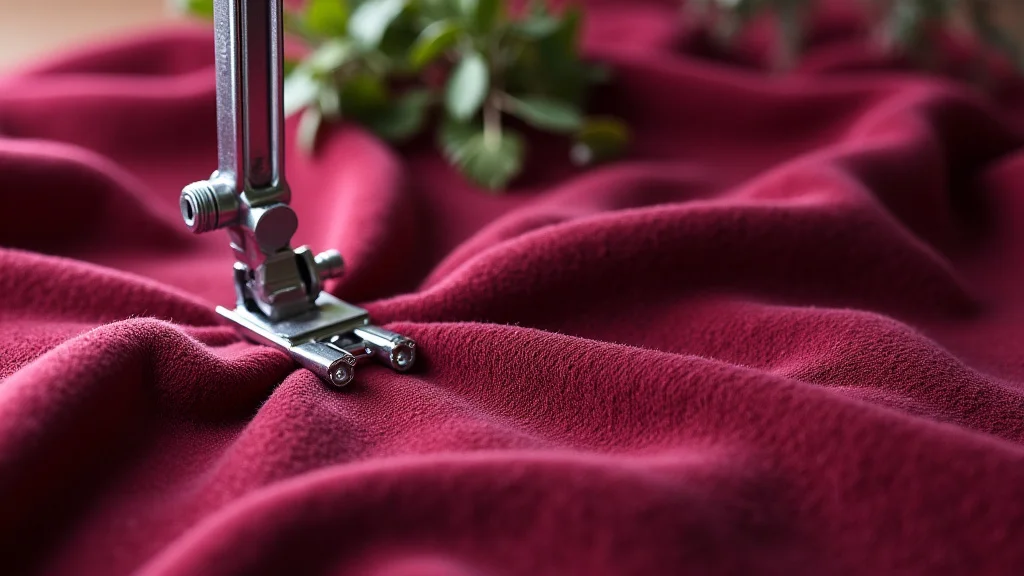
Velvet is a fabric celebrated for its luxurious feel, rich texture, and elegant appearance. Its unique properties, however, mean that sewing velvet requires a different approach than other fabrics. To achieve professional results, it’s essential to understand the fabric’s composition, how the nap works, and the best way to handle it. Velvet is more than just a material; it’s a statement. It adds sophistication to any project. Sewing with velvet can be a fun and rewarding experience.
Understanding Velvet Types
Not all velvets are created equal. The type of velvet you choose impacts how it behaves during the sewing process. Each variety has specific characteristics that dictate how it should be handled and the types of projects best suited for it. Some velvets are more forgiving than others, while some offer specific advantages in terms of drape and durability. Selecting the proper velvet type is crucial to the success of your project.
- Cotton Velvet: This classic choice is made from cotton fibers, known for its soft touch and natural drape. It’s often used for clothing and home décor. Cotton velvet generally has a shorter pile and can be easier to sew than some synthetic versions.
- Silk Velvet: The ultimate in luxury, silk velvet offers a beautiful sheen and a fluid drape. Made entirely of silk, it’s incredibly soft and has a rich visual depth. Silk velvet is often reserved for high-end garments and special occasion pieces.
- Synthetic Velvet (Polyester or Rayon): These velvets, typically made from polyester or rayon, are often more affordable and easier to care for than natural fiber options. They tend to be more durable and less prone to crushing. These fabrics are suitable for projects that require a bit more structure or need to withstand regular wear.
- Stretch Velvet: This type incorporates a small amount of spandex or Lycra, giving the fabric a bit of stretch. This is ideal for fitted garments or projects where ease of movement is important. Stretch velvet molds nicely to the body.
Cotton velvet is a breathable option, making it comfortable to wear in various climates. However, it can shrink after washing, so pre-washing is essential. Its natural fibers make it a great choice for projects that need a softer, more relaxed look, like pillows or lightweight jackets. The price is also very attractive.
Silk velvet needs delicate handling due to its fineness. It’s more prone to crushing and can be tricky to sew without the right techniques. Proper pressing and careful pattern matching are crucial when working with silk velvet. It gives unparalleled elegance.
Synthetic velvets come in a variety of weights and textures, offering versatility for different projects. They may not have the same luxurious feel as silk, but their practicality makes them a good choice for beginners or for projects where durability is a key factor. They are very easy to clean.
Stretch velvet is excellent for creating fitted clothing, such as leggings, bodysuits, or dresses. Its ability to stretch adds both comfort and flexibility. It is important to account for the stretch when selecting your pattern and cutting the fabric to ensure a good fit.
The Nap of Velvet
One of the unique characteristics of velvet is the nap, which refers to the direction in which the fibers are oriented. The nap gives the fabric its distinct texture and sheen. Understanding and managing the nap is key when sewing velvet. This affects how the fabric looks and drapes.
- What is Nap? The nap is created by the cut loops of the velvet pile, which create a soft, directional surface. When you run your hand across the fabric in one direction, it feels smooth, but in the other direction, it feels more textured. The direction of the nap impacts the color and how light reflects off the fabric.
- Identifying the Nap: The easiest way to determine the direction of the nap is to run your hand across the fabric. The nap runs from the smoother feel to the more textured feel. You can also look at how light reflects off the fabric. The nap usually reflects more light from the bottom up, creating a shiny appearance.
- Nap Direction for Pattern Layout: The nap should generally run in the same direction on all pattern pieces to maintain a uniform look. This means you will need more fabric to cut out your project. However, the choice is yours, and you can also use the nap to create effects, like a shimmering effect on a bodice.
The nap is a critical element when working with velvet. It can influence how the fabric drapes, how the color appears, and even how well seams lay. For instance, if you lay all pattern pieces with the nap running in the same direction, you’ll ensure a consistent look. However, you can use the nap strategically to create design effects.
When working with your fabric, always check the nap. The wrong direction can lead to unwanted variations in color and texture across your finished project. Use a pin or a piece of tape to mark the direction of the nap on the wrong side of your fabric.
Before cutting, carefully plan your pattern layout, considering the nap. Consider the visual effects you want to achieve. For a garment, orient the nap upwards (from hem to neckline) to enhance the color depth and create a consistent appearance. Mark the nap direction on your pattern pieces, and always cut with the nap in the same direction.
Essential Tools and Materials for Sewing Velvet
Having the right tools and materials can significantly impact your success when sewing velvet. Knowing your tools and materials before you begin will make the whole process easier. From special needles to the best marking tools, the right equipment will help you achieve clean seams and a professional finish.
Selecting the Right Needles and Thread
The correct needles and thread are essential for sewing velvet. Using the wrong ones can lead to issues like snagging, skipped stitches, and damaged fabric. There are specific tools you’ll need when sewing velvet to get the best results.
- Needles: Use a Microtex needle (also known as a Universal needle) or a sharp needle. These needles have a slim, sharp point that pierces the fabric cleanly. They help minimize the risk of snagging or damaging the pile. Ballpoint needles are not a good choice, as they may cause skipped stitches.
- Thread: Use high-quality all-purpose thread, such as polyester or a cotton-covered polyester thread. These threads are strong and durable, and they blend well with most velvet fabrics. Color matching your thread to the velvet will ensure your seams are less visible.
- Testing and Adjustments: Always test your needle and thread combination on a scrap of the velvet you are using. Check for skipped stitches or any damage to the fabric. If needed, adjust the needle size or the tension settings on your machine to achieve optimal results.
Needle size matters. A size 70/10 or 80/12 is often a good place to start, depending on the weight of the velvet. Always test your needle and thread on a scrap of velvet before starting your project. This will help you identify any potential issues.
Consider the color of your thread to blend in with your fabric. This creates a cohesive look and hides any sewing flaws. If you are uncertain about thread color, test different options on a sample piece of velvet. Avoid thick or textured threads that can cause bulkiness in your seams.
The best time to identify problems is during the testing phase. If your machine is skipping stitches, try a different needle or adjust your tension settings. Inspect your test seams carefully, and adjust as necessary before starting your project.
Other Important Tools
In addition to the right needle and thread, several other tools will make the sewing velvet process smoother and more successful. These items will help with accuracy, and finishing.
- Fabric Scissors or Rotary Cutter: Sharp tools are key. Use dedicated fabric scissors or a rotary cutter with a new blade. This will give clean, precise cuts. Dull blades can crush or distort the pile of the velvet.
- Pins: Use fine pins or silk pins. These have very thin shafts to minimize damage to the fabric. Avoid using pins with large heads, as they can snag or leave marks. Use weights to keep pattern pieces in place when cutting.
- Marking Tools: Use tools that won’t leave permanent marks. Options include chalk pencils, fine-point fabric markers, or tailor’s tacks. Avoid using pens or markers that can bleed or stain the fabric. Test any marking tool on a scrap piece of fabric first.
- Pressing Tools: Invest in a tailor’s ham or a pressing cloth. These tools help to shape seams and avoid flattening the pile. Use a low to medium heat setting on your iron, and always test on a scrap of fabric first.
Fabric scissors or a rotary cutter specifically for cutting fabric will provide the most accurate cuts. Always use sharp cutting tools to avoid fraying or damaging the fabric. Make sure to keep your scissors sharp and in good condition.
When pinning velvet, place pins within the seam allowance to avoid leaving pinholes. If possible, consider using pattern weights instead of pins. This avoids any damage to the delicate pile of the fabric.
When marking, the goal is to make a visible mark without causing damage or leaving permanent residue. Chalk pencils are great, and fabric markers offer precision. Tailor’s tacks are very helpful for transferring markings without marking the fabric itself.
Pressing is crucial for setting seams and shaping the garment. A tailor’s ham provides a curved surface to press curved seams. Using a pressing cloth protects the pile from direct heat and prevents shine.
Techniques for Cutting, Marking, and Sewing Velvet
Mastering the fundamental techniques for cutting, marking, and sewing velvet is essential for creating beautiful projects. Taking the time to use the proper techniques will bring out the best qualities of the fabric. These techniques ensure accuracy, and reduce the chance of damage to the fabric. Learning how to handle velvet ensures your project goes well, and your garment looks great.
Cutting and Marking Velvet
Cutting and marking velvet requires careful attention and precision. The goal is to minimize fabric waste and maintain the integrity of the fabric’s nap. Attention to detail is key when sewing velvet.
- Cutting with the Nap: Lay out all pattern pieces with the nap running in the same direction. Pin the pattern pieces, ensuring the pins are within the seam allowance. Use sharp fabric scissors or a rotary cutter to make clean cuts.
- Using Pattern Weights: Pattern weights can be very helpful to hold pattern pieces in place. They prevent the fabric from shifting during cutting, especially if using a rotary cutter. This eliminates the need for pins, reducing the risk of damaging the pile.
- Marking Techniques: Use marking tools that won’t damage the fabric. Chalk pencils, fine-point fabric markers, or tailor’s tacks are all good options. Mark all pattern markings, such as darts and notches, carefully and precisely.
Before you begin, make sure to consider the nap of your fabric and how it affects the direction of your pattern pieces. This step affects the final look. Accurate cutting means you can place the pattern pieces strategically. If your velvet has a pronounced nap, the color can vary greatly if the pieces are not cut in the same direction.
Pattern weights offer a way to secure pattern pieces without leaving pinholes, making the process smoother. The use of pattern weights is extremely helpful when working with delicate fabrics. Place the pattern weights evenly on your pattern pieces, and double-check to make sure all edges line up correctly before cutting.
Using the right marking tools helps with accuracy. When marking velvet, precision is important. Always test the marking tool on a scrap of velvet to make sure it will not damage the fabric. Marking the fabric clearly makes assembly easier.
Case Study: A professional dressmaker had a client’s silk velvet gown ruined after using a ballpoint pen. Because of this, she always uses tailor’s tacks when marking the fabric, ensuring that no marks will show through on the right side of the garment.
Sewing Velvet: Step-by-Step
When sewing velvet, the machine settings need to be adjusted for the fabric. Precise stitching will help prevent the fabric from being damaged. The following steps will guide you through the process, resulting in neat seams and durable construction.
- Machine Settings: Set your sewing machine to a straight stitch with a stitch length of 2.5mm to 3mm. Reduce the presser foot pressure if possible, as this will help prevent the fabric from getting crushed. The tension should be adjusted to match your thread and fabric.
- Seam Construction: Sew seams with the right sides of the fabric together, using a straight stitch. Guide the fabric carefully, avoiding pulling or stretching it. Use a walking foot if you have one. This will help feed the fabric evenly.
- Seam Finishing: Finish seams to prevent fraying and add durability. Options include serging, zigzag stitches, or using seam binding. For velvet, consider hand-sewing the seam allowances to the garment to prevent bulkiness.
- Dealing with Curves: When sewing curves, trim notches in the seam allowance to help the fabric lay flat. Be sure to clip curves on a concave seam allowance, so that the seam can lie flat. Grade seam allowances to reduce bulk.
Check the settings on your machine before you start sewing. Start with a medium stitch length. Adjust the pressure of the presser foot to prevent it from crushing the pile. Sew a test seam on a fabric scrap.
Constructing the seams involves more than simply connecting the pieces. Make sure the fabric is lying flat. Sewing slowly and carefully creates an accurate seam. A walking foot is a great addition, as it helps move the fabric under the needle.
Finishing seams adds durability. Seam finishing prevents fraying. Choose a method appropriate for the project, and consider hand-sewing the seam allowance to the garment to avoid bulk.
Dealing with curves is often a challenge, but velvet offers challenges. Cut notches to help the fabric lie flat, or clip curves on a concave seam allowance. Graded seam allowances will help with bulk, making it easier to press and give a smooth appearance.
Pressing and Finishing Techniques for Velvet
The pressing and finishing stages are crucial for achieving a professional finish with velvet. Velvet presents a few unique challenges that require different techniques and tools. Proper pressing and finishing will enhance your finished project. Finishing touches can make the difference when sewing velvet.
Pressing Velvet Correctly
Correct pressing is crucial for velvet. Improper pressing can flatten the pile and ruin the fabric. Use the right tools and techniques to maintain the fabric’s luxurious appearance. Always test on a fabric scrap first when sewing velvet.
- Using a Pressing Cloth: Always use a pressing cloth between the iron and the fabric. This protects the velvet pile from direct heat, which can flatten it. Choose a cloth that is clean and made of a natural fiber, like cotton or linen.
- Steam or No Steam?: Use steam carefully. Too much steam can cause the pile to flatten. Use a low to medium heat setting on your iron, and apply short bursts of steam rather than continuous steaming.
- Tools for Pressing: A tailor’s ham and a seam roll are very useful. These tools provide a curved surface that will help you shape seams without flattening the surrounding areas. Always test the iron and heat on a scrap of fabric first.
A pressing cloth is essential for protecting the fabric. A clean pressing cloth ensures that your fabric does not have any unwanted marks. Always test on a scrap of the fabric first to make sure your pressing cloth works as expected.
Steam can be helpful, but it must be used with caution. Over-steaming can flatten the pile, ruining the texture. It is better to use short bursts of steam and use the iron’s heat on a medium setting.
Special pressing tools, like the tailor’s ham and seam roll, are made for the challenges of sewing. These tools allow you to press seams and curves without flattening the pile of the velvet. Using the right tools will protect the texture of the fabric.
Finishing Seams and Edges
Finishing seams and edges will give your project a professional look. The method used will depend on the project and the type of velvet. Proper finishing adds to the longevity and look of the garment. Good finishing is critical when sewing velvet.
- Seam Finishes: The best seam finishes for velvet include serging, zigzag stitches, or hand-sewing. Select a method that complements the project. The goal is to prevent fraying and create a durable seam.
- Edge Finishing: For hems, consider a blind hem, a hand-stitched hem, or a bias tape finish. Avoid bulky finishes that may distort the fabric’s drape. Test the finish on a scrap piece.
- Embellishments and Details: When adding embellishments, choose techniques that will not damage the velvet. Hand-sewing or using a very low heat setting on an iron-on application is best. Add the embellishments with care.
Your choice of seam finish depends on the weight and type of velvet, as well as the design of your project. If you are using a serger, test it on a scrap of fabric first. If you choose to hand sew the seam allowances to the garment, it will reduce bulk.
Edge finishes are used to make sure that the edges of your garment have a professional look. For velvet, it’s best to use hem techniques that do not create a lot of bulk. Make sure your chosen method will not damage the nap of the fabric.
Embellishments and details add to the character of your design. Always test your method on a scrap of velvet. When adding embellishments, make sure that the method you choose will not flatten the pile of the velvet.
Common Myths Debunked
Myth 1: Velvet is Always Difficult to Sew
Some people think that sewing velvet is impossible. The reality is that it requires specific techniques and tools. With the correct approach and a bit of practice, velvet can be a rewarding fabric to work with. Proper preparation and using the correct tools, like a Microtex needle and sharp scissors, will make the process easier.
Myth 2: You Cannot Wash Velvet Garments
Many believe that velvet must be dry cleaned. In reality, whether you can wash velvet depends on its fiber content. Some velvet types, like cotton and synthetic velvets, can be washed at home. Always check the care label and test a scrap of fabric first. If a garment is dry-clean only, follow the care instructions.
Myth 3: All Velvets Have the Same Nap Direction
The nap of the velvet always runs in the same direction. However, this is not the case for all velvets. The nap’s direction can sometimes vary. The nap is often from the top down. Always check the direction of the nap before cutting your pattern. You can make sure all your pattern pieces are in the same direction. This ensures that the garment is consistent.
Myth 4: A Walking Foot is Always Necessary
You need a walking foot when you are sewing velvet. This is not entirely true. A walking foot is helpful for feeding the fabric evenly. It is particularly useful for heavier velvets or projects with multiple layers. If you don’t have a walking foot, you can still get great results by adjusting the presser foot pressure. Go slowly and carefully while sewing.
Myth 5: Velvet Only Works for Special Occasions
Velvet is a delicate fabric, so it must be reserved for special events. This is incorrect. While velvet is a beautiful fabric for special occasions, it is also suitable for many everyday projects. This depends on the type of velvet. You can use cotton and synthetic velvet for dresses, home décor items, and other projects.
Frequently Asked Questions
Question: Can I use a regular sewing machine for sewing velvet?
Answer: Yes, you can use a regular sewing machine. However, it is essential to use the correct needle, thread, and settings. Adjust the presser foot pressure as needed.
Question: How do I prevent skipped stitches when sewing velvet?
Answer: Use a Microtex or sharp needle. Ensure that your needle is new. If skipped stitches persist, adjust the needle size. If necessary, adjust the tension settings on your machine.
Question: Is it necessary to pre-wash velvet before sewing?
Answer: Yes, it is always a good idea to pre-wash velvet, especially cotton and other natural fiber velvets. This will help prevent shrinkage after the garment is completed.
Question: How do I handle seams with bulky velvet?
Answer: Grade seam allowances to reduce bulk. You can trim the seam allowances. You can also press them open and hand stitch the seam allowances to the garment.
Question: How do I store velvet projects to avoid crushing the pile?
Answer: Store velvet garments on padded hangers. Keep them in a garment bag to protect them from dust. If the pile gets crushed, steam the fabric gently to restore it.
Final Thoughts
Sewing velvet, while requiring some special care, is entirely achievable with the right knowledge and techniques. From choosing the correct type of velvet and understanding its nap to selecting the right tools and mastering the basic techniques, you’re well-equipped to create stunning velvet projects. Remember the importance of fabric prep, careful cutting, and precise stitching. Use the right needles, test your settings, and always prioritize pressing and finishing techniques that maintain the fabric’s luxurious appearance. By tackling common misconceptions and following the tips outlined, you’re well on your way to creating beautiful and professional-looking velvet pieces. Do not be afraid to experiment, practice, and enjoy the process. Let your creativity shine and enjoy the process of bringing your vision to life! Go forth and create!