Remember that beautiful quilt you spent ages creating? Now comes the part that can feel a bit. intimidating: the binding. Many quilters are nervous about sewing quilt binding by machine, but it doesn’t have to be! I once spent an entire afternoon hand-stitching binding because I was scared to try it on my machine. After some practice and a few tips, I discovered that machine binding is faster, stronger, and gives a really professional look. This guide will walk you through the process, making it simple and fun. By the end, you’ll be confident in sewing quilt binding by machine and ready to finish all your quilting projects with ease. You’ll learn the steps, see visual examples, and discover tips and tricks. This post is your comprehensive guide to getting your quilts beautifully bound.
Key Takeaways
- Learn a step-by-step guide to prepare and attach binding to your quilt.
- Discover the best techniques for perfect corners every time.
- Understand the importance of choosing the right thread and needle.
- Gain tips for dealing with bulk and ensuring a flat, secure binding.
- Find out how to handle different types of binding fabrics.
Preparing Your Binding for Machine Application
Before you even think about putting needle to fabric, proper preparation of your binding is key. Skipping these steps can lead to puckers, uneven edges, and a generally less-than-stellar finished product. Think of it like building a house; a solid foundation ensures everything else stays put and looks great. This first step is all about making sure your binding strips are correctly cut, joined, and pressed, ready to attach to your quilt.
Cutting and Joining Binding Strips
The first step involves cutting your binding fabric and joining the strips. Most quilters use either a straight-grain or bias binding, with bias binding preferred for curved edges. This provides the necessary stretch. The width of your strips will depend on your preference. For the most common binding, cut strips 2.5 inches wide. Next, to calculate the total length needed, measure the perimeter of your quilt and add extra for the corners and joining. This is the amount of fabric you’ll need to cut your strips from. After cutting, join the strips end-to-end to create one long strip. The best way to do this is to place the right sides of the fabric together at a 45-degree angle. This creates a diagonal seam, which, when pressed open, reduces bulk. These steps are a great start to sewing quilt binding by machine.
- Straight-Grain vs. Bias Binding: Straight-grain binding is cut parallel to the fabric’s selvedge, making it less stretchy. Bias binding is cut diagonally, providing stretch.
- Calculating Binding Length: Measure the perimeter of your quilt. Add at least 10-15 inches to account for corners, joining the binding, and overlap.
- Joining Strips Method: Place the ends of the fabric strips at a 45-degree angle, right sides together. Sew a seam. Trim the excess fabric. Press the seam open.
Pressing and Preparing the Binding
Once your binding strips are joined, the next stage is all about pressing. This step is about making the binding neat, manageable, and ready to be attached to your quilt. Press the seams open to reduce bulk. Then, fold the long strip in half lengthwise, wrong sides together. Press the entire strip again to create a neat, folded edge. This is what you will be sewing quilt binding by machine.
- Pressing Seams: Always press your joined seams open to minimize bulk within the binding.
- Folding and Pressing: After joining your strips, fold the binding in half lengthwise, wrong sides together. This creates the folded edge for attaching to the quilt.
- Using a Binding Tool: Consider using a binding maker tool. This device helps create perfectly folded binding strips. It’s especially useful for beginners.
Attaching the Binding to Your Quilt
With your binding prepped, you’re ready to attach it to your quilt. This stage involves sewing the binding to the front of the quilt, creating a clean edge. Accuracy is essential here, as this is the foundation of your finished edge. The goal is to attach the binding in a way that minimizes bulk and ensures your corners turn out neat. Take your time, pin frequently, and don’t be afraid to adjust your stitching as needed.
Sewing the Binding to the Front
Start by pinning the raw edge of your folded binding to the edge of the quilt, matching raw edges. Begin a few inches from a corner, leaving a tail of binding loose. This is important for the joining. Using a 1/4-inch seam allowance, sew the binding to the quilt all the way around. Stop stitching approximately 2-3 inches before the starting point, leaving the ends of the binding unstitched. Now the step of sewing quilt binding by machine gets important.
- Pinning the Binding: Pin the binding to the front of the quilt, aligning the raw edges. Place pins perpendicular to the edge to hold it in place.
- Seam Allowance: Use a consistent 1/4-inch seam allowance for attaching the binding. This gives the right amount of fabric for folding over.
- Starting and Stopping Points: Begin sewing a few inches from a corner and stop stitching a few inches before the start to allow for joining.
Creating Perfect Corners
Perfect corners are a hallmark of professional-looking binding. This technique involves folding the binding at a 45-degree angle. You want to create neat, mitered corners. At each corner, stop sewing 1/4 inch from the corner. Pivot your quilt, and sew diagonally from the corner of the quilt outwards, towards the edge of your binding. Trim the thread, and fold the binding over to create the mitered corner. Pin the corner in place. This will reduce bulk.
- Sewing to the Corner: Approach each corner carefully, stopping exactly 1/4 inch from the corner edge.
- Folding the Corner: Fold the binding up, forming a 45-degree angle. Fold it back down to create a mitered corner. Pin in place.
- Checking the Miter: Ensure your corner has a neat 45-degree angle on both sides before sewing. A well-formed mitered corner is a great way of finishing sewing quilt binding by machine.
Finishing the Binding by Machine
Once the binding is sewn to the front and corners are turned, the next step involves folding the binding to the back of the quilt and stitching it in place. You have two main options here: stitching by machine or hand sewing. Sewing quilt binding by machine offers speed and durability. This requires careful attention to detail to achieve a neat, clean finish. Taking your time, ensuring precise folds, and using the right equipment will make this process rewarding.
Folding and Pinning the Binding
Fold the binding over to the back of the quilt, encasing the raw edge. Pin the binding to the back of the quilt, ensuring the folded edge covers the stitching line. Use plenty of pins to hold the binding in place and to maintain a consistent width. This will secure the binding.
- Folding Over: Fold the binding over the raw edge to the back of the quilt.
- Pinning: Use pins to secure the folded edge to the back of the quilt. Make sure the pins are close together.
- Checking the Back: Ensure the binding covers the seam on the back of the quilt, especially around the corners.
Machine Stitching the Binding
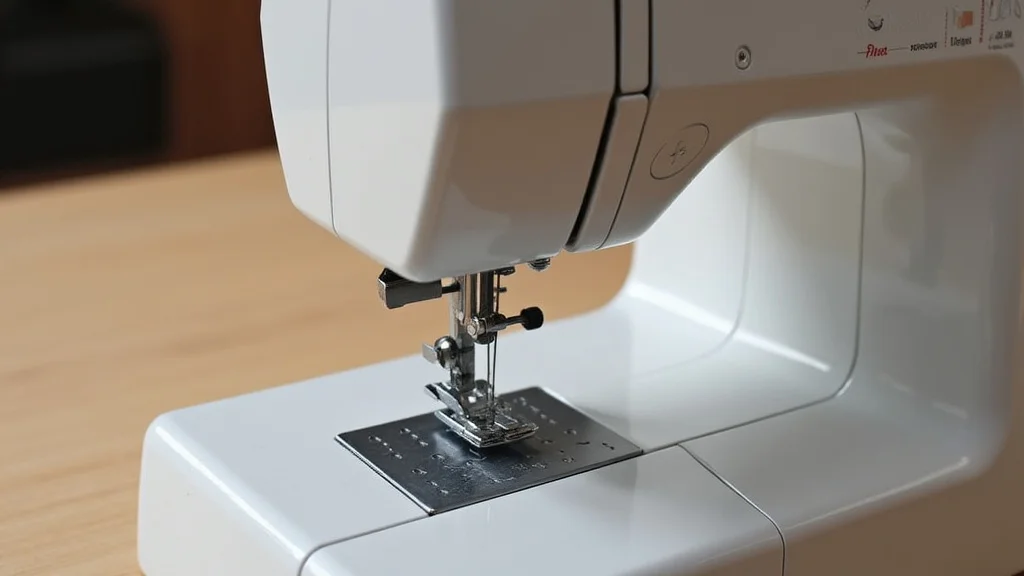
Now, it’s time to stitch the binding to the back of the quilt using your sewing machine. Choose a thread color that matches your binding fabric. Stitch close to the folded edge, catching the binding on the back of the quilt. Use a walking foot if you have one, as this helps feed the multiple layers of fabric evenly. Go slow and ensure your stitching is straight, parallel to the edge. This is the crucial stage for sewing quilt binding by machine.
- Thread Choice: Choose a thread color that blends with your binding fabric. This minimizes the visibility of your stitches.
- Stitching Close to the Edge: Stitch close to the folded edge, but make sure you catch the binding on the back of the quilt.
- Using a Walking Foot: If you have a walking foot, use it. This will help feed the multiple layers of fabric.
Joining the Binding Ends
After stitching around the entire quilt, you’ll need to join the ends of the binding. Trim the excess binding fabric, leaving a few inches extending beyond the quilt’s edge. Fold one end under and the other end over. Overlap and align the folded ends. Pin the overlapped binding in place, making sure the raw edges are tucked neatly inside. Finally, stitch the binding ends closed using a straight stitch, completing the process of sewing quilt binding by machine.
- Trimming Excess: Trim the binding ends, leaving an inch or two extending beyond where they meet.
- Overlapping: Fold one end of the binding under and the other end over to create a neat join.
- Stitching the Overlap: Stitch the overlapped binding securely. This will create a clean and finished edge.
Advanced Techniques and Troubleshooting
Once you are comfortable with the basic techniques, you can explore advanced methods and common troubleshooting tips. These advanced techniques help you further refine your sewing quilt binding by machine skills. These include using decorative stitches, creating continuous binding, or using special tools for improved precision. Knowing these tips can lead to a more professional-looking finish and help you solve any issues you encounter.
Using Decorative Stitches
Adding decorative stitches to your binding can elevate the look of your quilt. Experiment with different stitch patterns on your machine, like a decorative stitch. Choose a stitch that complements your quilt’s design. Use a matching or contrasting thread. Ensure your stitches are evenly spaced and secure. Try a different stitch on each side of the binding for a more custom look.
- Choosing Decorative Stitches: Experiment with various decorative stitch patterns on your machine.
- Thread Selection: Use a thread color that complements your binding fabric or creates contrast.
- Stitch Placement: Make sure your decorative stitches are evenly spaced and secure.
Dealing With Bulk and Thickness
Thick quilts, or those with heavy batting, can be a challenge when sewing quilt binding by machine. Here’s how to handle it. You may need to press the binding more firmly. Reduce the seam allowance when attaching the binding. Consider using a walking foot on your machine, which helps feed multiple layers of fabric evenly. You can use a needle that is suitable for thicker fabrics. Use a hammer to flatten your seams.
- Pressing and Ironing: Press the binding more firmly to flatten the fabric layers and reduce the bulk.
- Reducing Seam Allowance: Consider using a slightly smaller seam allowance when attaching the binding.
- Walking Foot Advantage: Use a walking foot to feed the fabric evenly through your machine.
Troubleshooting Common Issues
Even experienced quilters encounter challenges. If you encounter issues while sewing quilt binding by machine, here’s how to resolve them. If you have puckers, try re-pinning the binding more precisely and adjusting the tension on your machine. For uneven stitching, slow down and focus on guiding the fabric consistently. If the binding doesn’t lie flat, re-press it, or consider using bias binding. By identifying the root cause of these issues, you can implement the appropriate solutions and enhance your machine binding skills.
- Puckers: Re-pin the binding more precisely, and adjust your machine’s tension if necessary.
- Uneven Stitching: Slow down and focus on guiding the fabric smoothly through your machine.
- Binding Not Lying Flat: Re-press the binding and check the bias cut or adjust the tension.
Common Myths Debunked
Myth 1: Machine binding is only for beginners.
This is not true. While machine binding is a great way for beginners to start, it’s a valid method for all levels of quilters. Many experienced quilters choose machine binding for its durability, speed, and versatility. By mastering these techniques, you can achieve beautiful and professional results.
Myth 2: Machine binding looks less professional than hand binding.
False! When done correctly, machine binding looks just as professional as hand binding. The key is in the preparation, accurate stitching, and attention to detail. Machine binding offers more durability.
Myth 3: Machine binding is only suitable for simple quilts.
Absolutely not! Machine binding can be used on any type of quilt, from simple baby quilts to complex, artistic pieces. The method is adaptable, and with practice, you can use it on any project. The success of sewing quilt binding by machine comes from proper preparation and skill, not the complexity of the quilt design.
Myth 4: Machine binding always results in bulky seams.
This isn’t necessarily true. With careful pressing, choosing the right fabrics, and using techniques like mitered corners and a walking foot, you can minimize bulk and achieve a flat, neat finish. The choice of machine and needle also impacts this.
Myth 5: It’s impossible to bind curves well by machine.
False! Using bias binding, and sewing slowly and carefully, you can successfully machine bind curved edges. The stretch of the bias binding helps in smoothing the curves. You may have to be more careful with curves but this is certainly possible to do on the machine.
Frequently Asked Questions
Question: What’s the best thread to use for machine binding?
Answer: Choose a high-quality thread that matches your binding fabric. Cotton or polyester thread is commonly used. Consider using a slightly heavier thread for added durability.
Question: Do I need a special foot for machine binding?
Answer: A walking foot is helpful for feeding multiple layers of fabric evenly. If you don’t have one, you can still achieve great results, but you’ll need to guide the fabric carefully.
Question: How do I handle corners when machine binding?
Answer: Mitered corners are the standard. Stop sewing 1/4 inch from the corner, pivot at a 45-degree angle. This creates a neat corner.
Question: Can I use pre-made binding tape?
Answer: Yes, you can use pre-made binding tape, but be sure to follow the manufacturer’s instructions for attaching it. It can save time.
Question: What if my binding doesn’t lie flat?
Answer: Ensure your binding strips were cut accurately, and press them well. Re-pin, and slow your stitching speed to maintain accuracy. Make sure your tension is correct and that the fabric is fed evenly.
Final Thoughts
Sewing quilt binding by machine can seem daunting, but it’s a skill worth acquiring. With practice and attention to detail, you can master this technique and add the finishing touch to your quilting projects. Remember to prepare your binding carefully, take your time while attaching it, and always check your corners and seams. Don’t be afraid to experiment with different techniques and find what works best for you and your machine. The ability to sew quilt binding by machine opens up a world of possibilities for your quilting, making your projects more durable and giving a professional finish. So, grab your quilt, set up your machine, and start creating beautifully bound quilts today!