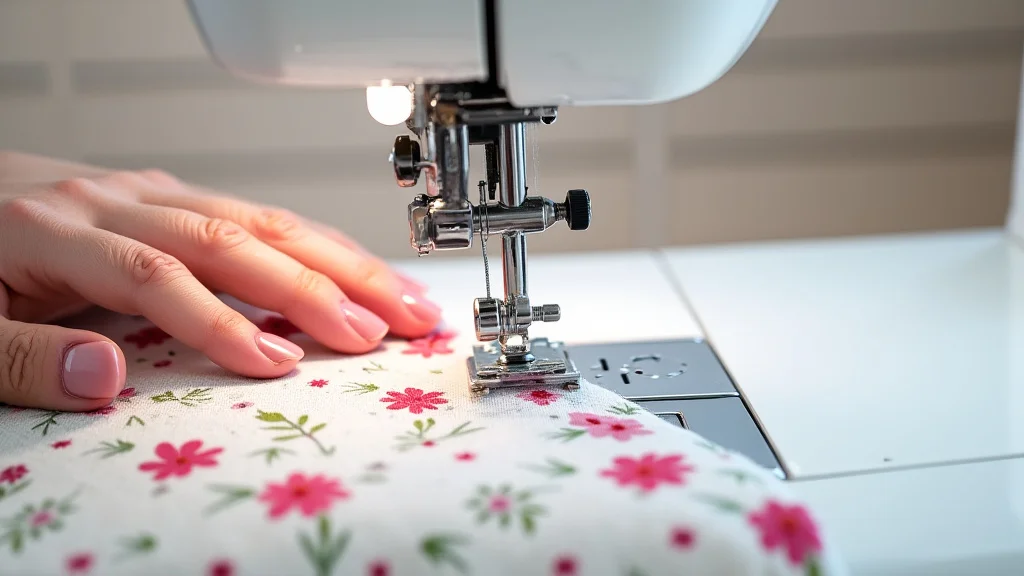
Remember that feeling of wanting to revamp your wardrobe but feeling lost in a sea of patterns and stitches? Maybe you’ve admired a perfectly crafted garment and thought, “I wish I could do that!” Well, you’re not alone. Many people are eager to learn the art of sewing, but aren’t sure where to begin. This guide offers a comprehensive introduction to sewing, perfect for beginners. We’ll explore the basics, including essential tools, fundamental techniques, and how to utilize a sewing 101 pdf to kickstart your creative projects. Get ready to gain the confidence and knowledge to transform your ideas into reality. This guide helps you begin your sewing adventure.
Key Takeaways
- Discover the essential tools and equipment needed to start sewing.
- Learn basic sewing techniques, including different types of stitches and seams.
- Understand how to read and follow sewing patterns.
- Explore how to find and use a helpful sewing 101 pdf guide.
- Practice practical projects to build your skills and confidence.
- Gain tips for troubleshooting common sewing challenges.
Embark on Your Sewing Adventure
Sewing is a rewarding skill that allows you to create unique items, repair clothing, and express your individuality. It’s a skill that combines creativity with practicality, opening doors to a world of possibilities. It’s also a skill you can enjoy at home as a hobby. Many people enjoy sewing, finding it a relaxing activity that also yields useful results. But where to begin? This guide will take you step-by-step through the process, from choosing the right tools to executing basic techniques and exploring beginner-friendly projects. It’s time to transform your passion into action.
Essential Tools for Sewing Beginners
Before you begin, you will need a few essential items. Having the right tools makes the process easier and more enjoyable. These tools are the foundation upon which you’ll build your sewing skills. Quality tools can also last for many years. It is best to take care in choosing what you get and maintaining these tools. Let’s explore the essential tools to get you started on your creative journey. Selecting the best tools may seem hard, but it will come easily with experience.
-
Sewing Machine: A basic, beginner-friendly sewing machine is the cornerstone of any sewing setup. Look for models with straightforward controls and essential stitches like straight stitch and zigzag stitch. Many options exist at different price points. As you become proficient, you might want to upgrade, but it’s best to begin with something basic.
A good sewing machine has the basic features that are needed to create garments or work on other sewing projects. There are many sewing machines on the market, so take time to do research and find a sewing machine that fits your needs. Sewing machines are an investment, and like other tools, they must be maintained to keep them working well for many years.
-
Needles: Sewing machine needles come in various sizes and types, each designed for different fabrics. For beginners, a universal needle is a great starting point. As you work on different projects, you can select needles that are more appropriate for each fabric. Choosing the right needle is an essential consideration for the best results.
Different fabrics require different needles. Using the wrong needle may damage your fabric. Universal needles will work on basic fabrics, and can work on a variety of projects. Consider looking at the label on the needle package to determine what fabrics the needle will work with. Keep a variety of needles on hand to give yourself more options.
-
Scissors and Rotary Cutter: A sharp pair of fabric scissors is crucial for precise cutting. A rotary cutter, combined with a cutting mat, provides even more accuracy, particularly for straight lines. These tools are the secret to ensuring that your project is cut the right size, and cut in a straight line.
Sharp scissors will make your cutting task much simpler and easier. Dull scissors will make cutting more difficult and may cause more mistakes, or damage the fabric. Fabric scissors should be used only for fabric. Other scissors may be used for paper and other crafting tasks. A rotary cutter is a great alternative to scissors.
-
Measuring Tools: A measuring tape and a clear ruler are essential for accurately measuring fabric and patterns. You may also want to use a seam gauge for measuring seam allowances. This will allow you to be as precise as possible.
Accuracy is important in sewing. Measuring the fabric and following the pattern is one of the keys to success. Having accurate measurements allows you to create garments that will fit, or allow you to decorate as desired. Without accurate measurements, your project may be ruined. Careful measuring is a vital step in the sewing process.
-
Pins and Pincushion: Straight pins hold fabric pieces together while you sew. A pincushion keeps your pins organized and accessible. Consider purchasing ball-head pins. These are designed to slide through fabric easily, which will help avoid damaging your fabric.
Pins will hold your project together as you sew. Use enough pins to hold the fabric pieces in place. Straight pins are typically recommended for beginners. You can also purchase special pins for delicate fabric or for specific uses.
-
Thread: All-purpose thread is a versatile option for various sewing projects. Match the thread color to your fabric for a professional finish. Quality thread will ensure your seams stay together. Experimenting with different thread types can improve the appearance of the finish.
Thread is an important part of your project. If the thread breaks during sewing, it can stop your progress, and ruin your work. Select a high-quality thread that matches your fabric and that is strong enough to hold your fabric pieces together. Thread comes in various colors, so find the color that suits your needs.
Setting Up Your Sewing Space
Creating a dedicated sewing space will improve your comfort and enhance your efficiency. The space does not need to be large, but it should be organized and well-lit. Make sure you have enough space to spread out your fabric and patterns. Even a small corner can become your creative haven. Make it comfortable and practical. This will support your development as a seamstress. You should organize the space with easy accessibility in mind, and also keep in mind where you will store your sewing machine and accessories.
-
Choose a Flat Surface: A large, flat table or desk is essential for cutting fabric and laying out patterns. A solid, steady surface will make your work much simpler. Make sure the surface is not damaged or scratched.
A flat surface allows you to lay out your pattern and fabric. This will make cutting and measuring much easier. A large surface will allow you to work on large projects, but even a small space will suffice if you use it efficiently. A flat surface also gives you a place to set your sewing machine.
-
Good Lighting: Adequate lighting is key to prevent eye strain. Natural light is ideal, but a good desk lamp is necessary for evening or overcast days. A good lighting setup will also allow you to see your project better.
Good lighting will make your project much easier to work on. With good lighting, you can see your fabric, the pattern, and other elements of your project. This will help you make better decisions. Make sure you have enough light, and that the lighting is directed towards your project.
-
Storage Solutions: Use drawers, shelves, or containers to keep your supplies organized. Clear containers allow you to see what’s inside at a glance. Organization is key to an efficient workspace. You can purchase specific containers for various sewing accessories.
Storage solutions are vital for keeping your tools and materials in order. You do not want to be searching for tools or other items while you are working. Using labeled containers or drawers, or other methods, will make your job easier. It will also help keep your sewing space neat and tidy.
-
Comfortable Chair: You’ll be spending a lot of time sitting, so invest in a comfortable chair that provides good back support. Sitting in an uncomfortable chair may result in back pain, which can be avoided by getting the right chair. Consider the height of the chair to be sure it matches your sewing table.
A good chair will make your experience more enjoyable. Working for hours on a project requires the right chair to prevent injuries. A good chair will help you avoid problems with your posture. A well-designed chair will reduce fatigue, allowing you to be more productive.
Basic Sewing Techniques to Master
Once you have your tools, it’s time to learn the basic techniques. These are the building blocks of all sewing projects. With practice, these techniques will become second nature. Each stitch and seam serves a specific purpose, and mastering these foundational skills will allow you to take on increasingly complex projects. This is where you will begin learning the art of sewing. This section provides an overview of the fundamentals.
Understanding Different Stitches
A variety of stitches are used in sewing. The stitches you choose will impact the look and durability of your project. Understanding the purpose of each stitch will allow you to use them appropriately, improving your results. There are also many variations of each type of stitch. This section describes some of the most common stitches. These are the core elements of the practice of sewing.
-
Straight Stitch: This is the most common stitch, used for basic seams and construction. It is strong and versatile. Almost every sewing machine comes with a straight stitch. It’s the go-to stitch for sewing two pieces of fabric together.
The straight stitch is useful for many different sewing tasks. You will likely use this stitch more often than any other stitch. It is easy to use, and is also very reliable. Using a straight stitch on the edge of a fabric helps to prevent it from unraveling.
-
Zigzag Stitch: A zigzag stitch provides flexibility and is useful for finishing edges and sewing stretchy fabrics. It prevents fabric from fraying. This stitch is also commonly used to create decorative stitches.
The zigzag stitch allows for movement, making it a good choice for stretchy fabrics. It also helps to prevent fraying on the edges of fabric. There are variations to the zigzag stitch, so practice to find what works best for you. It can be used for many different purposes.
-
Blind Hem Stitch: This stitch is designed to be nearly invisible on the right side of the fabric. It is used to hem garments. It provides a neat and professional finish. This stitch is used when you want a garment hem that appears invisible.
This stitch is usually set up as a function on a sewing machine. The machine will stitch a straight stitch, then will move to the edge of the hem and make a small stitch. It will switch back and forth to create the hem. The machine will automatically handle this process.
-
Overcast Stitch: This stitch secures the fabric’s edges to prevent fraying. It’s especially useful for woven fabrics. This is another method of finishing the raw edges of your project. This will help to keep the project together.
The overcast stitch creates a border that keeps the fabric from fraying. There are variations of the overcast stitch, but they all serve the same purpose. It works by stitching around the edge of the fabric. This adds stability to the project. This stitch is often used on the edges of garments.
Seam Types for Sewing
Choosing the right seam type affects the strength, appearance, and durability of your project. The most suitable seam depends on the fabric and the project’s design. There are also specialized seams for particular uses. It is useful to understand what options are available, so you can select the best seam for your needs. Mastering different seam types will add to your skill. Consider how each seam type works and how it looks. This will help you select the best method for the task.
-
Plain Seam: A plain seam is the simplest, and most commonly used seam. It involves sewing two fabric pieces together with a straight stitch. This is a very common seam type. It is suitable for most types of fabric.
The plain seam is typically the first seam that beginners learn. It is easy to create, and is also versatile. It works well with most types of fabric, so it is often used. It’s a foundational skill for sewing. It is also often used for simple garments.
-
French Seam: This seam encloses the raw edges of the fabric inside the seam. This creates a clean finish, and is ideal for lightweight or sheer fabrics. It can be a little more challenging to create. This is also a good option for garments that may be washed a lot.
The French seam is used to create a tidy finish. You start by sewing the wrong sides of the fabric together, and then trim the seam allowance. Next, you turn the fabric inside out, and sew the right sides of the fabric together. This encases the raw edges.
-
Flat-Felled Seam: This seam is durable and professional-looking. It’s often used in denim and other heavy fabrics. It’s also ideal for items that will get a lot of wear. It is a more complex seam, but the result is a clean finish.
The flat-felled seam is used in areas that will get a lot of wear. It is typically used for jeans. It is very sturdy and provides a professional look. The raw edges of the fabric are encased within the seam. This seam can withstand wear and tear.
-
Welt Seam: A welt seam is similar to a flat-felled seam, but the seam allowance is visible on the outside of the garment. This seam type is both decorative and functional. The seam is used for durability and for the appearance it creates.
The welt seam is a more advanced technique. It is often used on jackets and coats. The raw edges of the fabric are enclosed inside the seam. It’s both functional and stylish. The visible portion of the seam can add to the aesthetics.
Reading and Using Sewing Patterns
Sewing patterns are the blueprints for creating garments and other projects. Learning how to read and use patterns is a crucial skill for any sewer. Patterns come in a variety of types and formats. The ability to interpret the instructions and markings is essential for success. This section provides an introduction to understanding and following patterns. You’ll also learn the basics of using a sewing 101 pdf for pattern resources.
Understanding Pattern Components
Sewing patterns typically come with several components. Understanding these components is the key to successfully creating a sewing project. These components include the pattern pieces, instructions, and pattern markings. Familiarize yourself with these elements before starting your project. Understanding pattern components will save time and frustration.
-
Pattern Envelope: The pattern envelope provides valuable information. It shows the design, fabric suggestions, required notions, and sizing details. It is important to look at the envelope before starting. It is helpful to know what the project will require.
The pattern envelope is the starting point for your project. It includes information about what the finished item will look like, and what you will need to create the project. It also provides information about the skill level required to complete the project, which will allow you to determine if the project is appropriate for you.
-
Pattern Pieces: These are the paper templates you will use to cut the fabric. Each pattern piece corresponds to a specific part of the garment or project. Carefully check the pattern for each piece, and be sure the right pieces are matched to your needs.
Pattern pieces are designed to be laid on the fabric and cut to the correct shape. You will need to select the pieces needed for your project. These pieces are typically labeled with a name. Each piece will indicate how many to cut. Always check the pattern pieces, so you understand what is required.
-
Pattern Markings: Patterns have markings that guide the sewing process. These include notches, fold lines, and grain lines. These markings provide key information about how to align, and sew the fabric pieces together. They also tell you how to place the pattern on the fabric.
Pattern markings provide a guide for aligning and assembling the fabric pieces. Notches help match up the pieces. Grain lines help position the pattern on the fabric. Fold lines show where to fold the fabric. Understanding these markings will improve the quality of your finished project.
-
Instruction Sheet: The instruction sheet contains step-by-step guidance on how to assemble the project. This is a very important part of the project. These instructions include diagrams and clear descriptions. Read the instructions carefully before beginning the project.
The instruction sheet is very important. It tells you exactly how to put the project together. The instructions will provide details about the project, including how to cut the fabric and how to sew the pieces together. The instructions also tell you the order in which to perform the steps.
Pattern Sizing and Layout
Selecting the correct size and correctly laying out the pattern on the fabric are important steps. Selecting the right size ensures that the finished item will fit correctly. Proper pattern layout conserves fabric and minimizes waste. Understanding pattern layout and sizing will have a positive impact on your project. Taking these steps is essential for creating a successful finished product.
-
Taking Measurements: Use a measuring tape to get your body measurements. Compare your measurements to the pattern’s size chart. Consider different size charts. Each brand may have different size charts, so it is important to measure and select the right size.
Measurements are very important to make sure the item fits correctly. Take all the required measurements carefully. Use a measuring tape, and compare your measurements to the pattern size chart. It is useful to note that pattern sizes may not match your usual clothing size, so rely on the measurements.
-
Pattern Layout: The pattern instructions will have a layout guide. This guide shows how to arrange the pattern pieces on the fabric. Following the layout diagram will ensure that you have enough fabric. Consider patterns that fit together well.
The pattern layout diagram is designed to conserve fabric. The diagram will show the best way to place the pattern pieces on the fabric. This will save on fabric, and make the most use of the material. There are options for different fabric widths, which will impact how you lay out the pattern.
-
Fabric Grain: The fabric grain refers to the direction of the threads in the fabric. Align the pattern pieces with the fabric grain lines. This will ensure that the garment hangs correctly. The fabric grain will also impact the way that a project hangs.
The grainline refers to the direction of the threads. Some fabrics have a distinct grain. The pattern instructions will have information on how to best align the pieces with the fabric grain. In general, you will want the grainline parallel to the selvage of the fabric.
-
Cutting the Fabric: Use scissors or a rotary cutter to carefully cut the fabric along the pattern edges. Be precise. Cut accurately along the pattern lines. Make sure that you have the right pieces.
Careful cutting is essential for a good result. Precision is important. Using sharp tools will make it easier to cut the fabric. Carefully cut around the pattern pieces, using the lines as your guide. Keep your scissors or rotary cutter on the table and avoid lifting the fabric during the cutting.
Finding and Using a Sewing 101 PDF
A sewing 101 pdf can be a very helpful resource for beginners. These pdfs offer step-by-step instructions, diagrams, and useful tips. Many of these guides are available online. Using these materials allows you to learn at your own pace. There are different resources available, so it’s a good idea to consider your particular needs. Many of these resources may be used on your phone or tablet.
Where to Find Sewing PDFs
There are many places to find a sewing 101 pdf. These resources vary in content and format. Some resources are free. Others may require a fee. You will find that these resources have various features, such as videos and visual guides. This section presents information about where you can find these valuable guides. Consider the features of each resource, and choose the one that works best for your needs.
-
Online Craft Websites: Many websites offer sewing tutorials, patterns, and guides in PDF format. Websites focused on sewing, such as those from reputable sewing and crafting brands, can be excellent resources. They often offer a wide range of free resources for beginners.
Websites can be a great place to begin looking for sewing resources. Look for websites that have positive reviews from other users. Look for websites with clear instructions and helpful diagrams. Many offer free resources and helpful tips. Some of these websites also offer a paid subscription.
-
E-books and Digital Marketplaces: E-books and digital marketplaces like Etsy offer a large selection of sewing guides in PDF format. You can often find specialized guides here, covering specific techniques or projects. There are many options here, so be sure to carefully review what each resource offers.
Digital marketplaces offer a wide array of sewing guides, sometimes for free, or at a reasonable price. You can find guides on how to make particular items, or guides that cover basic skills. Be sure to check the reviews and compare the different options available.
-
Sewing Blogs and Forums: Sewing blogs and forums often share free tutorials and guides. Many bloggers and forum members offer beginner-friendly resources, and many provide sewing 101 pdf materials. This is an excellent way to learn from those who already sew.
Blogs and forums offer the opportunity to learn from experts and to get feedback. They also offer a wide array of information and different projects. You can also connect with others who sew, and share your experiences. This is an excellent way to learn from the community.
-
Libraries and Educational Institutions: Some libraries offer access to digital resources, including sewing guides. Community colleges and vocational schools may offer free or low-cost sewing classes that may include PDF resources. Check out these resources in your community.
Libraries and schools may offer books, magazines, and other resources to use. Some also offer sewing classes at little or no cost. Check with your local library to see what resources are available. Check the local community colleges and vocational schools for class offerings.
Using a Sewing 101 PDF Guide
Once you have a sewing 101 pdf, it’s important to know how to effectively use it. These resources will improve your success and build your skills. By following the instructions carefully and practicing the techniques, you can start building your sewing skills. Consider the overall structure of the guide, and consider taking your time as you work.
-
Read the Guide Thoroughly: Before beginning any project, read the entire guide. This will help you get a sense of what will be required. This will also help you avoid mistakes. Taking the time to read the guide will assist in the project’s success.
You should review all of the instructions and look at the diagrams. Be sure that you have all the necessary materials and that you understand each of the steps. If anything is unclear, read it again, or ask for help. This step will save you time and potential issues.
-
Gather Your Supplies: Make a list of all the materials and tools you will need. Check the sewing 101 pdf for a list of what you need. Then gather your supplies before starting. This will make the process go more smoothly. It will also help you stay organized.
Gather all of the materials and tools you will need before starting a sewing project. This step will improve your efficiency. It will also allow you to concentrate on the project. It is easy to become distracted if you do not have all of your supplies ready.
-
Follow Instructions Step-by-Step: Sewing guides are usually written in a step-by-step format. Follow the instructions in the order they are presented. Do not skip any steps, even if they seem unnecessary. Following the instructions is important to achieving good results.
Sewing is a step-by-step process. Each step of the process is important. Take your time, and do not rush. Follow the instructions and the diagrams, and perform the steps in the order provided. Skipping steps or deviating from the directions may affect the outcome of your project.
-
Practice and Patience: Sewing requires practice. Don’t be discouraged by mistakes. Many sewing guides include photos. It may be helpful to look at the photos to get a sense of what the project should look like at each step.
Sewing, like any skill, requires practice. Don’t be discouraged by any mistakes. It’s perfectly normal to make mistakes when you’re learning. Keep practicing, and ask for help when needed. Sewing is a fun hobby, and it offers great rewards.
Common Myths Debunked
Myth 1: Sewing is difficult and requires years of training.
The truth is, while sewing can become complex, the basics are fairly simple and can be learned in a short amount of time. Sewing 101 pdf resources and beginner classes focus on these core skills. Practice is key, but you can create simple projects quickly. With patience, anyone can begin sewing.
Myth 2: Sewing machines are too expensive for beginners.
Many beginner-friendly sewing machines are available at affordable prices. It’s often possible to find models with essential features without spending a fortune. As skills improve, one can invest in more advanced machines. A functional machine does not require a large investment.
Myth 3: Sewing is only for making clothes.
Sewing extends far beyond clothing. It can be used for home décor items, such as curtains and pillows. Sewing is used to repair existing clothing, and create bags and accessories. The art of sewing offers a wide range of creative possibilities.
Myth 4: Sewing requires a dedicated sewing room.
While a dedicated space is ideal, it is not essential. A small corner of a room, or even a large table, can serve as a sewing area. The key is to have a well-organized workspace. Proper organization is far more important than a dedicated room.
Myth 5: Sewing is a dying art.
Sewing is alive and thriving. Many people are discovering the joy of sewing, thanks to increased interest in DIY projects and sustainable fashion. The rise of social media platforms has helped revive interest in the art of sewing. It’s a skill that continues to evolve.
Frequently Asked Questions
Question: What’s the best way to get started with sewing?
Answer: Start with the basics. Gather the essential tools, find a sewing 101 pdf guide, and begin with simple projects like straight-line stitching or making a simple pillowcase.
Question: Do I need a serger to start sewing?
Answer: No, a serger is not necessary for beginners. A standard sewing machine with a zigzag stitch is sufficient for many projects. Sergers are used for advanced sewing techniques.
Question: What is the most important skill in sewing?
Answer: The most important skill is patience. Learning to sew takes time and practice. Take your time, and do not get discouraged by mistakes. Also, be sure to carefully read the instructions.
Question: How do I choose the right fabric for my project?
Answer: Consider the project, and the fabric’s properties. For example, quilting cotton is easy to work with for beginners. Lightweight fabrics are good for garments. The pattern often includes fabric recommendations.
Question: Where can I find free sewing patterns?
Answer: Many websites and online resources offer free sewing patterns. Search online for “free sewing patterns” and explore sites. Many sewing blogs and pattern companies offer free options.
Final Thoughts
Sewing is a fun and creative skill that allows you to transform ideas into reality. This guide has presented the essential tools, fundamental techniques, and how to find a helpful sewing 101 pdf. You now possess the basic knowledge to start your sewing adventure. Remember, the journey begins with small steps, and each stitch you take builds your confidence. Embrace the process, don’t be afraid to experiment, and enjoy the satisfaction of creating something with your own hands. Continue your sewing journey with patience. Happy sewing!