The holiday season is approaching, and you’re staring at a pile of fabric, wondering how to make unique presents. You want to give something special this year, something made with love. Rather than buying the same generic gifts, you’re hoping to craft something personal using sewing ideas for Christmas gifts. This guide will help you transform those fabrics into heartfelt presents, showcasing your creativity while providing joy. We’ll explore diverse ideas, from beginner-friendly projects to more advanced creations, ensuring there is a project for every skill level. You will also learn practical tips and techniques to make your gift-making experience both enjoyable and rewarding. Your loved ones will appreciate the effort put into each personalized piece, and you’ll find satisfaction in crafting thoughtful, handmade items. Let’s make this Christmas special with sewing ideas for Christmas gifts!
Key Takeaways
- Discover a variety of sewing projects suitable for all skill levels, from beginners to experienced sewers.
- Learn how to choose the right fabrics and materials for your chosen Christmas gift projects.
- Find inspiration for creating personalized gifts that reflect your loved ones’ interests.
- Gain tips on how to efficiently manage your time and resources when sewing.
- Explore creative embellishment ideas to elevate your handmade presents.
- Understand how to package and present your sewn gifts beautifully.
Embrace the Magic of Handmade Christmas Gifts
The charm of the Christmas season is undeniably heightened by the presence of carefully chosen gifts. Choosing to create these gifts yourself is a way to express your creativity and love. This approach provides a unique opportunity to craft something that perfectly reflects the personality and preferences of the recipient. Forget the same old store-bought items; this year, let’s explore the world of sewing ideas for Christmas gifts. This approach will transform fabric scraps into treasured keepsakes, creating a heartwarming experience for both the giver and the recipient. From simple projects for beginners to more complex creations for experienced sewers, the possibilities are vast. This will not only make the act of giving more special but also create unique holiday decorations or keepsakes.
Selecting the Right Sewing Projects
Choosing the right sewing projects is a critical step in the Christmas gift-making process. The selection process should be guided by the skill level of the sewer, the time available, and the preferences of the recipient. For beginners, simple projects such as fabric coasters, tote bags, or small pouches are excellent starting points. These projects require basic sewing techniques, such as straight stitching and seam allowances, and can be completed relatively quickly. The availability of clear instructions and beginner-friendly patterns is important for these projects. More experienced sewers might consider projects like quilted wall hangings, clothing items, or custom-designed throw pillows. These projects allow for more complex designs and techniques, such as appliqué, embroidery, and advanced pattern-making. Consideration of the time needed to complete each project is important. Complex projects often require more time, and it is important to plan ahead to avoid last-minute stress. Finally, consider the recipient’s interests and style, personalizing the projects to reflect their taste and preferences.
- Skill Level Assessment: Before starting, honestly assess your sewing skills. Choose projects that match your experience to avoid frustration and ensure a successful outcome. Beginners should stick to simpler projects, while experienced sewers can take on more complex challenges.
- Time Management: Plan your projects with a realistic timeline. Determine how long each project will take and allocate sufficient time for cutting, sewing, and finishing. This will help prevent last-minute rushes and allows for a more enjoyable crafting experience.
- Recipient’s Preferences: Tailor your projects to the recipient’s tastes and interests. Consider their favorite colors, patterns, and needs. This thoughtfulness makes the gifts more meaningful and appreciated.
- Availability of Resources: Check to make sure you have all the necessary materials and tools on hand, or easily accessible. This prevents delays and allows for a smoother workflow.
Choosing a sewing project that matches your skills is like selecting the right paintbrush for a painting project. For those new to sewing, a simple project, like a fabric coaster, allows you to practice fundamental skills such as straight stitching without feeling overwhelmed. As your skills advance, you can tackle more challenging projects like a quilted tote bag, which introduces curves and complex patterns. A well-matched project keeps you motivated and ensures a satisfying end product.
When you start your project, create a detailed schedule outlining each step and the estimated time required for each. For example, if you plan to create a small Christmas stocking, allocate an hour for cutting the fabric, two hours for sewing the main pieces, and an additional hour for adding decorations. This strategy allows you to assess your progress and make adjustments. Time management is key when there are deadlines.
You could consider the recipient’s hobbies. For a friend who enjoys gardening, a personalized tool organizer or a set of fabric-covered plant pots would be ideal. Or, perhaps, for a family member who loves to read, a custom book sleeve with their initials embroidered on it. Personalizing the gift to reflect the recipient’s interests shows that you have put thought and care into the present.
Before starting, gather all your supplies. Lay out your sewing machine, fabric, thread, scissors, pins, and any embellishments you plan to use. This way, the creative process is uninterrupted and more efficient. Knowing exactly what supplies you have on hand means you can spend more time actually sewing and less time searching for needed items.
Christmas Gift Inspiration: Beginner-Friendly Projects
For those new to sewing, or those short on time, beginner-friendly projects are a great choice for Christmas gift-giving. These projects are simple, easy to make, and often require only basic sewing skills, such as straight stitching. The simplicity of these projects allows you to practice essential techniques and build confidence. There are many fantastic choices. Consider fabric coasters, which are easy to customize with different fabric patterns and colors. Tote bags are another useful option, offering practicality and an opportunity for personalization through fabric selection or appliqué. Small pouches can serve multiple purposes, from organizing makeup to storing small accessories. With minimal time and material investment, these projects still deliver the heartfelt touch of a handmade gift. These are a good way to gain familiarity with basic sewing skills.
- Fabric Coasters: Fabric coasters are a quick and easy project, perfect for using up fabric scraps. They require minimal cutting and sewing, and can be customized with various patterns and designs.
- Tote Bags: Tote bags are versatile and practical gifts, ideal for carrying groceries, books, or everyday items. They involve basic sewing skills and can be personalized with different fabrics, pockets, and handles.
- Small Pouches: Small pouches are useful for organizing makeup, pens, or small accessories. They’re a good introduction to zippers and can be decorated with embellishments for a personal touch.
To create fabric coasters, you will need fabric scraps, batting for padding, and thread. Start by cutting two squares of fabric and one square of batting per coaster. Layer the fabric and batting, then sew around the edges, leaving a small opening to turn the coaster right-side out. This project takes about 30 minutes per coaster. The process is very accessible to beginners and results in functional and stylish gifts.
To make a tote bag, you’ll need fabric for the main bag, fabric for the lining, and fabric or webbing for the handles. You cut the fabric into the necessary shapes and sew the pieces together, including the handles. This project can be completed in a few hours, depending on the complexity of the design. The result is a reusable, eco-friendly gift that is both useful and stylish.
For a small pouch, you will need fabric for the exterior and lining, a zipper, and optionally, interfacing for added structure. Cut the fabric pieces, attach the zipper, and then sew the exterior and lining together. These pouches can be made in different sizes, shapes, and can be customized. This project can be finished in around an hour, making it great for last-minute gifts.
Creative Sewing Ideas for Christmas Gifts
For more experienced sewers, the range of possible sewing ideas for Christmas gifts broadens significantly. The opportunity arises to explore more complicated patterns, innovative designs, and complex sewing techniques. This opens the door to creating unique and personalized presents that are tailored to the recipient’s interests. This involves utilizing advanced skills such as quilting, embroidery, and pattern alterations. These projects require more time and effort, but they result in high-quality gifts. From quilted wall hangings and custom-made clothing to personalized items, such as embroidered blankets or custom-sized beddings, the choices are endless. The act of creating these presents demonstrates both skill and care, making the Christmas gift even more memorable.
Quilted Projects: Heartfelt Heirlooms
Quilted projects are gifts that become cherished keepsakes, carrying a legacy of warmth and love. The process of quilting combines fabric layers with meticulous stitching, resulting in a beautiful and practical item. This includes items like baby quilts, lap quilts, and wall hangings. Each piece can be completely personalized. For example, a baby quilt can be constructed using soft, colorful fabrics and embroidered with the child’s name and birthdate. A lap quilt can be created using the recipient’s favorite colors or themed fabrics that reflect their hobbies. The process demands more time and skill, but it is deeply satisfying, resulting in high-quality gifts. The intricate patterns and personalized designs demonstrate a level of craftsmanship that makes these gifts truly special.
- Baby Quilts: A baby quilt is a timeless and sentimental gift, perfect for new parents. It can be made using soft, baby-friendly fabrics and personalized with the baby’s name, birthdate, or a custom design.
- Lap Quilts: Lap quilts are an ideal gift for cozy nights. They are the perfect size for snuggling up on the couch or in a favorite reading spot. You can choose fabrics and designs that match the recipient’s style.
- Wall Hangings: Wall hangings can add a personalized touch to any room. These decorative pieces can feature intricate designs, patterns, and embellishments, reflecting the recipient’s interests.
To create a baby quilt, you’ll need cotton fabric, batting, and thread. Cut fabric squares or other shapes to the desired size, and then sew them together to form the quilt top. Layer the top with batting and backing fabric, and then quilt the layers together using a sewing machine or hand quilting. A baby quilt is a practical and cherished gift that will be treasured for years.
For a lap quilt, select fabrics in the recipient’s preferred colors and patterns. The size is often around 40×60 inches. You can use different quilting techniques, such as patchwork, applique, or strip piecing. Add a layer of batting and backing fabric, then quilt the layers together to create a warm and comforting gift.
Start by creating a design, either by choosing a pattern or designing your own. You can use fabric scraps or purchase specific fabrics for the project. The design can be as simple as a geometric pattern or more complex, incorporating appliqué or embroidery. This gift brings character and artistic style to a space.
Apparel: Custom Clothing Creations
Handmade clothing items are unique gifts that express individual style and fit. The process involves selecting fabrics that match the recipient’s style and comfort. Some of these projects might include making custom aprons, personalized pajamas, or simple skirts. The level of customization offers the option to choose from the recipient’s favorite colors and patterns or add unique embellishments such as embroidery or patches. Custom apparel is a way of showing care and demonstrating skill, making a strong emotional connection with the recipient. The result of these projects is a practical item that embodies personal care and creative expression.
- Aprons: A custom apron is a practical and thoughtful gift, especially for those who love to cook or bake. You can choose fabrics that match their kitchen decor or personal style.
- Pajamas: Making pajamas is a comfort-focused gift that will be enjoyed during restful evenings. This project allows you to choose soft, comfortable fabrics and customize the fit for the recipient.
- Simple Skirts: A handmade skirt is a versatile gift, perfect for adding a touch of personality to any wardrobe. You can choose fabrics that match the recipient’s style and add details for a unique look.
Choose a durable, washable fabric, like cotton or linen. Find a simple apron pattern or draft your own. Cut out the fabric pieces and sew them together according to the pattern instructions. Customize it with pockets, ruffles, or embroidered details for a personal touch.
Select soft, comfortable fabrics like flannel or jersey. Find a pajama pattern in the correct size and follow the instructions to cut and sew the pieces together. Customize the pajamas with buttons, ribbons, or personalized embroidery. A gift like this demonstrates care and consideration.
You can draft a simple skirt pattern or use an existing pattern. Choose fabrics that complement the recipient’s style, such as denim, cotton, or lightweight wool. Tailor the fit according to the recipient’s measurements and preferences. A skirt like this will become a cherished piece in their wardrobe.
Embellishments: Personalizing Your Gifts
Embellishing your sewing projects adds a personal touch, transforming them into unique, treasured gifts. By incorporating techniques such as embroidery, appliqué, or adding custom patches, you can create pieces that reflect the recipient’s personality and taste. Embroidery adds intricate designs and lettering, such as names or special dates, to various items. Appliqué allows for the addition of fabric shapes and designs, giving gifts visual interest. Custom patches and trims elevate the visual appeal of a project. Using these embellishments creates a gift that is not just useful but also carries significant meaning. This shows care and shows a commitment to personalization.
- Embroidery: Embroidery adds intricate designs and lettering, making each gift unique. This technique can be applied to many items, such as towels, pillowcases, or bags.
- Appliqué: Appliqué is a technique where fabric shapes are attached to a background fabric, creating a design. This can be used on quilts, clothing, or decorative items.
- Custom Patches and Trims: Patches and trims add a unique finish to any sewing project, transforming simple items into statement pieces. You can create your own patches or purchase pre-made ones.
Embroidery involves using a needle and thread to create patterns on fabric. You can choose from a range of embroidery stitches, such as the back stitch, satin stitch, or French knot, to create your designs. Embroidery adds a personal touch, making each gift unique and memorable.
Appliqué involves cutting fabric shapes and attaching them to a background fabric using either hand or machine stitching. You can create intricate designs. This technique gives your projects visual interest and makes the gifts more personalized.
Sewing on patches and trims adds personality and elevates the overall look of a project. Choose patches that reflect the recipient’s interests or hobbies. Trims can include ribbons, lace, or decorative edging. This final touch makes a gift both stylish and meaningful.
Materials and Tools: The Essentials for Christmas Sewing
Successfully completing sewing ideas for Christmas gifts starts with having the right materials and tools. Choosing the correct fabric, thread, and other supplies is a critical step in your project’s success. This involves selecting materials based on both aesthetics and function. Using the proper tools, such as the sewing machine, scissors, and measuring tools, will simplify the process and improve the final result. Setting up an organized workspace that is well-lit and comfortable is essential. This can reduce stress and increase the enjoyment of your sewing tasks. The right materials and tools will not only improve the quality of your finished products but will also create a more pleasant crafting experience.
Fabric Selection: Choosing the Right Materials
Selecting the right fabric is essential for the success of your Christmas sewing projects. The fabric’s characteristics, such as weight, texture, and care requirements, should match the project. For instance, light cotton fabrics are great for making coasters or tote bags, while heavier fabrics like canvas are better suited for durable items. When picking fabric, think about the recipients’ preferences. Bright colors, patterned fabrics, and novelty prints will add a personal touch. Considering the practicality of the materials is also crucial. Washable and durable fabrics will make the gifts practical. By matching the fabric’s properties with the project’s purpose, you will ensure a satisfying outcome. This selection process plays a major role in the overall quality and enjoyment of the gift-giving experience.
- Fabric Weight: Choose fabrics that are suitable for your project. Light fabrics like cotton are ideal for coasters, while heavier fabrics like denim are better for durable items like tote bags.
- Fabric Texture: The fabric’s texture affects the appearance and feel of the finished item. Consider fabrics with textures that complement the project. Linen, for instance, adds a unique style to decorative items, while soft fleece or flannel adds a cozy touch.
- Fabric Care: Think about how the recipient will be caring for the item when selecting the fabric. Choose fabrics that are easy to care for and maintain. Consider washing and drying instructions for each type of fabric.
Fabric weight refers to how heavy a fabric is. For example, quilting cotton is lightweight and easy to work with. For items like tote bags, consider medium-weight fabrics. The fabric weight affects the drape, durability, and overall feel of the finished product.
The texture of a fabric affects its look and how it feels. Consider the textures that complement your project, and think about the end-user’s preferences. Textured fabrics add visual interest.
When you choose a fabric, think about its care requirements. If the recipient has kids or pets, the fabric has to withstand washing. Cotton and polyester blends are low-maintenance and hold up well to frequent washing.
Essential Sewing Tools and Equipment
Equipping yourself with the right tools and equipment is an essential step in sewing. Having the correct tools will make the process easier. The basic equipment needed includes a sewing machine, scissors, measuring tools, and pins. The quality of your sewing machine impacts the results. High-quality scissors ensure accurate cutting of fabric and other materials. Accurate measuring tools such as tape measures and rulers are also critical. The selection of pins that hold the fabric layers securely also improves the quality of your work. Having these core tools available, combined with a well-organized workspace, will create a more efficient and stress-free environment for sewing. This preparation is a foundational step in your gift-making adventure.
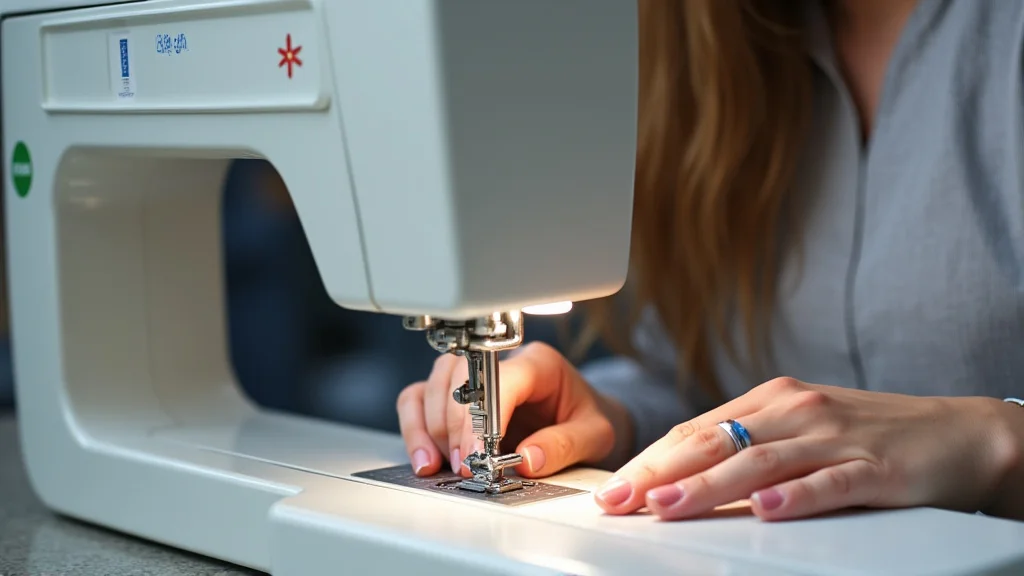
- Sewing Machine: Your sewing machine is the heart of your sewing projects. Invest in a machine that fits your needs and skill level. Consider the range of stitches and features.
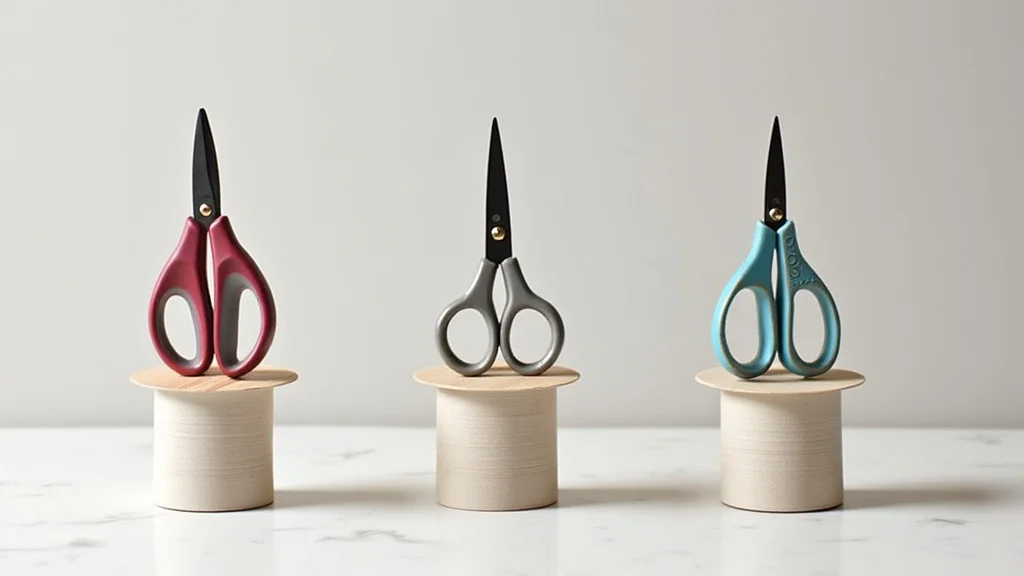
- Scissors and Rotary Cutter: Sharp scissors and rotary cutters are essential for cutting fabric accurately. Use different types of scissors for fabric, paper, and other materials.
- Measuring Tools: Accurate measuring tools are key for precise sewing. Keep a tape measure and a ruler handy, and consider a clear plastic ruler for cutting straight lines.
- Pins and Clips: Pins and clips secure fabric layers before sewing. Pins hold the fabric in place to prevent shifting. Clips are a good choice when working with thicker fabrics or delicate materials.
If you’re new to sewing, a basic sewing machine with a straight stitch and zigzag stitch is enough. For more complex projects, you may want a machine with features like decorative stitches and adjustable presser foot pressure. Keep your machine maintained for the best results.
Invest in high-quality fabric scissors that are only used for fabric. The blade should cut through fabric smoothly and accurately. A rotary cutter is helpful for cutting multiple layers of fabric. It can also be used with a cutting mat for precise cuts.
A flexible tape measure is useful for taking body measurements and measuring curved surfaces. A ruler with clear markings is helpful for straight cuts. Accurate measurements ensure that your projects are the correct size and fit.
Use pins to temporarily hold fabric layers together, or use clips. Keep a selection of pins and clips of different sizes and styles. They prevent the fabric layers from shifting during sewing.
Workspace Organization and Safety
Creating a good workspace is a crucial part of the sewing experience. Set up a dedicated area with sufficient lighting to reduce strain on your eyes. Maintain an organized space to improve efficiency and reduce the risk of accidents. Organize your supplies in drawers, containers, or shelves. Keep frequently used items such as pins, scissors, and rulers close at hand for easy access. Follow safety practices, like always unplugging the sewing machine when not in use. These practices will contribute to both an enjoyable and productive crafting experience. Making sewing a safer activity, as well as a more pleasant one, is very important.
- Lighting: Make sure you have enough light, to protect your eyes. It is helpful to set up a table near a window. Use a desk lamp for more focused light on your sewing projects.
- Organization: Set up an organized workspace to make it easier to find materials and tools. Make sure you keep everything in its place. Use storage containers, shelves, or drawers to store your supplies.
- Safety: Observe safety practices while sewing. Always unplug the sewing machine when not in use. Store sharp tools like scissors and rotary cutters safely.
Good lighting is key to a comfortable and efficient sewing experience. Whether it’s a natural light source or a combination of overhead and task lighting, sufficient light makes it easy to see details and reduces eye strain. Adequate lighting can also help prevent mistakes.
Having an organized sewing space makes the creative process flow smoothly. Consider designating specific spots for fabric, thread, and other supplies. Labeling containers and shelves and organizing your supplies will make it easier to find what you need.
Safety should always be a priority. Store sharp tools, like scissors and rotary cutters, out of reach. Maintain your sewing machine to prevent malfunctions and always unplug it when not in use.
Packaging and Presentation: Finishing Touches for Your Gifts
The final step in your Christmas gift-making experience is packaging and presentation. The way you present your gift enhances the overall experience and shows how much care you have put into your project. Choose packaging materials that enhance the gift. For small items, consider fabric pouches, decorative boxes, or personalized gift tags. For larger items, such as quilts or blankets, consider wrapping them with ribbons, twine, or fabric scraps. Adding a handwritten card to your gift offers a final touch of personality and sentiment. This effort will transform your handmade creation into a unique and heartfelt treasure. Thoughtful presentation amplifies the emotional impact of the gift, making it more memorable and valued.
Gift Wrapping: Enhancing the Presentation
The presentation of the gift makes it special, and proper gift wrapping will transform the sewing projects into a memorable treat. Choose wrapping paper or materials that complement the gift’s style and recipient’s preferences. For a rustic look, use brown paper and twine. For a more elegant effect, consider using fabric scraps, ribbon, or gift bags. The right wrapping materials enhance the overall experience and will create excitement. The presentation reflects your care and consideration for the recipient. Adding a personalized touch to your gift through thoughtful wrapping techniques will increase the joy of receiving the gift.
- Wrapping Paper: Choose wrapping paper in festive colors or patterns. For a more personalized look, use plain paper and decorate it yourself.
- Ribbons and Bows: Ribbons and bows can take the gift to the next level. Use a variety of ribbons and bows to add texture, color, and a sense of elegance.
- Gift Bags and Fabric Pouches: Use gift bags or fabric pouches for irregularly shaped items. These can be pre-made or sewn from fabric scraps.
Selecting wrapping paper is just the start. Consider the recipient’s tastes and the gift’s style. For a traditional look, use Christmas-themed paper. For something unique, consider plain paper that you can customize.
Ribbons and bows add flair. Consider using satin, velvet, or grosgrain ribbons in complementing colors to add an interesting effect to your gifts. Learn to make different types of bows to suit different gifts.
Gift bags and fabric pouches provide flexible gift-wrapping options for different items. Sew reusable fabric pouches from fabric scraps. Pre-made bags are available in many sizes and styles. They can simplify the wrapping process.
Adding Personalized Touches
Adding personalized touches makes a Christmas gift unique and more meaningful. Custom-made gift tags add a special sentiment, with the recipient’s name, a brief message, or the gift giver’s signature. If the item permits, consider adding a custom-made tag using fabric scraps, cardstock, or ribbon. Attach the gift tag using twine, ribbon, or a small decorative pin. This special effort will ensure that the gift is not just a present but a treasured keepsake. Thoughtful, personalized touches transform an ordinary gift into a memorable expression of love and care, creating a deeper connection with the recipient.
- Handwritten Gift Tags: Add a handwritten gift tag with a personalized message. It adds a personal touch and shows thought.
- Embellishments: Consider adding embellishments such as ribbon, buttons, or small charms. These touches add beauty.
- Custom Packaging: Create custom packaging using fabric scraps or decorative boxes. It adds a sense of anticipation.
Handwritten gift tags are an opportunity to express your care. Write a brief message expressing your feelings. You can also include a quote or a memory you share with the recipient.
Embellishments add a special touch to your gifts. Use colorful ribbons to add a pop of color, and choose decorative buttons for a custom touch. Small charms can add a touch of personality.
Custom packaging transforms an ordinary gift into a special item. Sew fabric pouches. Decorate gift boxes with paint, stamps, or stickers.
Incorporating a Handwritten Card
Including a handwritten card with your gift is a special gesture that enhances the emotional connection. The card becomes a lasting keepsake, recording your sentiments for years to come. In your card, express your love and appreciation for the recipient. Share special memories or inside jokes. This level of personalization will transform your gift. By creating this, you give more than a present; you give a piece of your heart. The impact of a heartfelt message will extend far beyond the holiday season, enriching your relationships. The effort shows thoughtfulness, creating a lasting impression on the recipient. Your words, written with sincerity, will resonate in the recipient’s heart long after the Christmas decorations have come down.
- Expressing Your Feelings: Express your love and appreciation for the recipient. Be sincere and genuine in your message.
- Sharing Memories: Include special memories or inside jokes. It will add a personal touch and bring a smile to their face.
- Adding a Personal Touch: Use your handwriting and add a creative element. These details will make it special.
In your card, use heartfelt language to express your sentiments. Write about your appreciation, love, and care. Share how much the recipient means to you.
Share a fond memory or an inside joke you have with the recipient. This touch will show how well you know and value them. These shared experiences will deepen your relationship.
Use your handwriting to make your card feel personal. Add an artistic element like a drawing, a sticker, or washi tape to make the card visually appealing. Your effort makes the message unique.
Common Myths Debunked
Myth 1: Sewing is Only for Experienced Crafters
Many believe that sewing is a hobby reserved only for skilled sewers. However, this is not true. Sewing is a skill that anyone can learn. With easy projects and lots of tutorials, beginners can master fundamental skills. The key is to start with simple projects and gradually work your way up. Sewing can be enjoyed by everyone, regardless of prior experience. It’s a skill that grows with practice and patience.
Myth 2: Sewing Requires Expensive Equipment
A common misconception is that sewing is a costly hobby that requires expensive equipment. This is not entirely accurate. While high-end sewing machines and specialty tools exist, a good-quality, basic sewing machine and a set of essential tools are enough to start with. Many projects can be completed with minimal investment. It’s about getting creative with what you have.
Myth 3: Handmade Gifts Are Always Time-Consuming
Many people think that creating handmade gifts is a time-intensive process. While some projects may require many hours, there are many quick and simple sewing projects. Many require only a few hours to finish. You can make gifts like fabric coasters, tote bags, or small pouches within a few hours. Careful project selection and planning can make your gift-making more time-efficient.
Myth 4: Sewing is Difficult and Complicated
Sewing might seem daunting, especially to those who have never tried it. With the right guidance and simple projects, sewing becomes manageable and enjoyable. You can learn basic stitches and gradually work your way to more advanced techniques. Online tutorials and beginner-friendly patterns make the process of learning even easier. The perceived difficulty can be overcome through consistent practice and learning.
Myth 5: Handmade Gifts Are Not as Good as Store-Bought Items
Some people incorrectly assume that handmade gifts cannot match the quality or appeal of items purchased in stores. In reality, handmade gifts have a special charm. This is because they carry the touch of a person’s hands and the element of personalization that makes them unique. The skill, time, and thought that go into a handmade item make it more valuable. It reflects your feelings and makes a more meaningful gift.
Frequently Asked Questions
Question: What’s the best sewing machine for beginners?
Answer: A basic sewing machine with essential stitches like straight and zigzag is best for beginners. Look for features like adjustable stitch length and width.
Question: How do I choose the right fabric for my project?
Answer: Consider the project’s purpose and the recipient’s needs. Choose fabrics with the right weight, texture, and care requirements.
Question: How can I personalize my sewing projects?
Answer: Use embellishments like embroidery, appliqué, or add custom patches to personalize your gifts. Consider the recipient’s preferences.
Question: What are some simple Christmas sewing gift ideas for beginners?
Answer: Fabric coasters, tote bags, and small pouches are simple projects that are easy to make and require basic sewing skills.
Question: How can I manage my time effectively when sewing Christmas gifts?
Answer: Plan your projects with a timeline. Break down complex tasks into smaller steps, and allocate sufficient time for each step.
Final Thoughts
As you near the end of your sewing journey, remember the true essence of handmade gifts: the love and care you put into each stitch. By embracing sewing ideas for Christmas gifts, you’ve transformed fabric and thread into items of meaning. You have created presents that reflect the recipients’ personalities and interests. Each creation is a testament to your efforts, skill, and the genuine desire to give something special. You now have the skills to create a range of gifts. From quick beginner projects to more intricate designs, you’ve gained the confidence to express your creativity. Whether you’re a seasoned sewist or a beginner, the joy of giving and the satisfaction of crafting something by hand make the Christmas season richer. So, gather your fabrics, prepare your space, and begin your creative adventure. Your handmade gifts will bring smiles and warmth for many Christmases to come. Merry Christmas, and happy sewing!