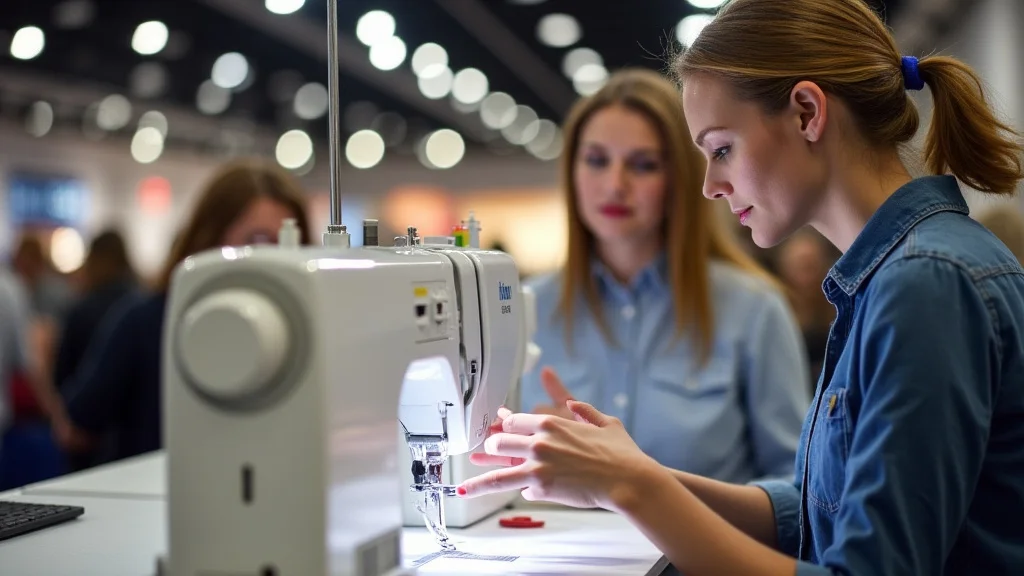
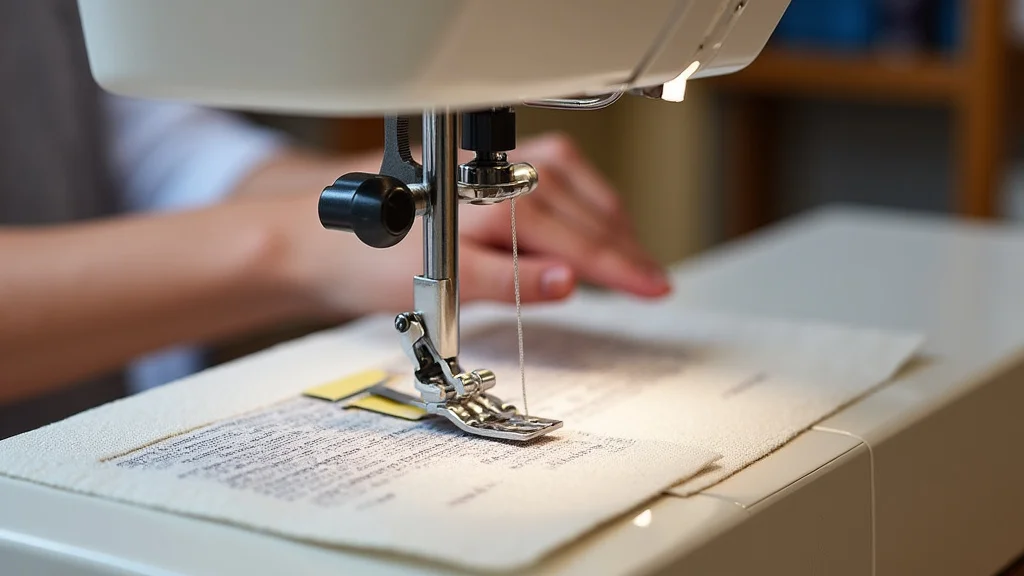
Remember that time you tried to fix your favorite jeans and ended up with a crooked seam? We’ve all been there! The thought of sewing two pieces of fabric together can seem a little intimidating, but it doesn’t have to be. This guide breaks down the process, making it easy for beginners. You’ll learn essential techniques and tips to confidently tackle your own sewing projects. By the end, you’ll be able to create everything from simple repairs to basic clothing alterations. This guide will provide you with the necessary knowledge and skills, improving your sewing skills. Ready to transform your sewing ambitions into reality?
Key Takeaways
- Learn the fundamental techniques for sewing two pieces of fabric together effectively.
- Understand the different types of stitches and their appropriate uses.
- Discover essential tools and materials needed for successful sewing projects.
- Master how to prepare and measure fabric accurately before sewing.
- Gain confidence in tackling basic sewing projects and repairs.
- Find clear instructions on the right way to use a sewing machine.
Getting Started with Sewing 2 Pieces of Fabric Together
The first step in any successful sewing project is preparation. Before you even touch a needle and thread, gather all necessary tools and materials. This might seem like a small detail, but it makes a huge difference in the overall quality and efficiency of your work. Having everything readily available prevents interruptions, reduces frustration, and makes the process more enjoyable. Accurate measuring, cutting, and pinning are crucial. These actions ensure that your fabric pieces align correctly, resulting in neat seams and a professional look. The more time you spend preparing, the better the final result will be.
Essential Tools and Materials
When you start to explore the world of sewing two pieces of fabric together, having the right tools is important. A basic sewing kit should include these items. Choose them carefully. Good quality tools will last longer and make your projects easier. Consider this your toolbox for success.
- Fabric Scissors: Use sharp fabric scissors specifically for cutting fabric. This will ensure clean, precise cuts and prevent fraying. Never use them on paper, which dulls the blades.
- Measuring Tape: A flexible measuring tape is crucial for taking accurate measurements of both your fabric and yourself (if you’re sewing clothing). Look for one that has clear markings in both inches and centimeters.
- Pins: Sewing pins hold fabric pieces together before and during sewing. Choose pins with smooth heads, either glass or plastic, so they slide through fabric easily.
- Needles and Thread: Select needles and thread appropriate for your fabric type. For example, a heavy fabric like denim needs a stronger needle and thread than lightweight cotton.
- Seam Ripper: This tool allows you to undo stitches without damaging your fabric. It is a necessary tool for correcting mistakes.
Fabric scissors are important because they are made with specific blade angles and materials designed to cut through fabric smoothly. Using general-purpose scissors can result in uneven cuts and damage your fabric. Invest in a good pair, and keep them sharp. Regularly sharpen your scissors to maintain their cutting ability.
A good measuring tape is essential for making sure your fabric pieces are the right size. It allows you to measure and transfer those measurements to your fabric precisely. When measuring, keep the tape straight and taut to avoid errors. When dealing with curves, the flexibility of the measuring tape allows it to follow the contours.
Pins are the helpers for every project, from clothing to home decor. They keep fabric layers from shifting. Pinning correctly prevents puckering and ensures that your seams are straight and even. Place the pins perpendicular to the edge of the fabric. This method will allow you to sew close to the pins without snagging them with your needle.
Choosing the correct needle and thread is essential for a good result. Using the wrong ones can cause problems like broken needles or seams that unravel. Different sizes and types of needles exist for various fabrics. Cotton thread is a good general-purpose choice. However, consider polyester or a blend for extra strength or elasticity.
Even experienced sewers make mistakes. A seam ripper is your best friend when you need to undo a seam or remove stitches. It has a sharp, curved blade that slips under the thread. Be careful. Work slowly. Protect the fabric from accidental cuts.
Understanding Fabric Types
Different fabrics behave differently when sewing two pieces of fabric together. Knowing your fabric can determine your success. Understanding fabric types and their properties is essential for choosing the right materials, needles, thread, and techniques. Selecting the right materials from the start can make the process more enjoyable and result in a better outcome.
- Cotton: This is a popular choice for beginners due to its ease of handling and availability. It is breathable, easy to iron, and comes in various weights.
- Polyester: It’s known for its durability, wrinkle resistance, and colorfastness. It is often blended with other fibers for added benefits.
- Linen: Linen is a natural fiber known for its strength, breathability, and luxurious feel. It is prone to wrinkles.
- Silk: This is a luxurious fabric. It is lightweight, drapes beautifully, and has a natural sheen. Silk needs special care.
Cotton is a versatile fabric that is ideal for practice and many types of projects. It is generally easy to sew. It is also absorbent and can be washed and ironed easily. It is excellent for clothing, quilting, and home décor projects. Look for pre-washed cotton to minimize shrinkage.
Polyester is a synthetic fabric that is valued for its durability. It holds its shape well and resists wrinkles. It is a great choice for clothing that needs to withstand frequent use and washing. Polyester is also less likely to shrink or fade. However, it is less breathable than natural fabrics.
Linen is a fantastic fabric for warm weather clothing and home textiles. It is strong, durable, and gets softer with each wash. Linen has a beautiful drape and texture, making it perfect for dresses, skirts, and curtains. It does tend to wrinkle easily. Therefore, you may need to iron it often.
Silk is a beautiful, delicate fabric that requires special attention. Its smooth surface makes it challenging to sew. Silk is often used for formal wear, scarves, and linings. Use a fine needle and silk thread. Avoid pinning directly on silk to prevent holes.
Mastering Sewing Machine Basics
Using a sewing machine properly makes sewing two pieces of fabric together a breeze. Familiarizing yourself with the machine’s components, threading it correctly, and understanding basic settings will enhance your sewing success. Learning to manage the machine and its accessories is essential for producing neat, professional-looking seams. These steps are a cornerstone in your development.
Parts of a Sewing Machine
Understanding the components of a sewing machine is necessary. This will help you use it safely and efficiently. Knowing where each part is located and how it functions will empower you. Start with the basics. It will help you perform any adjustments or troubleshooting.
- Needle: The needle pierces the fabric, carrying the thread through to create the stitch. Choose the right needle type and size for your fabric.
- Bobbin: The bobbin holds the lower thread, which interlocks with the upper thread to form a stitch. Ensure your bobbin is wound correctly and inserted into the bobbin case properly.
- Presser Foot: It holds the fabric in place while sewing. Different presser feet are designed for various sewing techniques, such as zippers or buttonholes.
- Feed Dogs: These small, toothed bars move the fabric under the needle, helping to create the stitch. Make sure your feed dogs are in good working order for the fabric to feed smoothly.
The needle is the most important part of the sewing machine. It must be inserted correctly to function properly. Needles vary in size and shape. Match the needle to your fabric’s weight. Always check the needle before each project to ensure it is not bent or dull, as it may cause skipped stitches or damage the fabric.
The bobbin provides the second thread that works with the needle thread to create a stitch. Winding the bobbin correctly is crucial for smooth stitching. A correctly wound bobbin ensures that the thread feeds evenly. An improperly wound bobbin can cause tension problems and uneven stitches.
The presser foot applies pressure to the fabric against the feed dogs. This process ensures smooth and consistent fabric movement. Different types of presser feet are designed for special tasks. These include zippers, buttonholes, and gathering. Select the right presser foot for your specific project.
The feed dogs play a crucial role in advancing the fabric under the needle. They provide a continuous and even feed, producing accurate seams. Check that the feed dogs are clean and working correctly. If they fail to feed the fabric smoothly, the seam may become uneven.
Threading Your Sewing Machine
Threading your sewing machine might seem complex. However, following the correct steps will help you learn the process. Ensure your machine is threaded correctly to avoid any snags, broken threads, or skipped stitches. Correct threading is essential for the sewing machine to function effectively.
- Upper Thread: The upper thread runs from the spool, through the machine, and down to the needle. The threading path varies from machine to machine. Consult your manual.
- Bobbin Thread: The bobbin thread comes from the bobbin, which is housed in the bobbin case. You’ll need to learn how to wind the bobbin and place it correctly in the machine.
- Needle Threading: Threading the needle involves passing the upper thread through the needle’s eye. Use a needle threader if necessary, especially for smaller needles.
- Test Sewing: After threading, test the machine by sewing a few stitches on a scrap of fabric to ensure the threads are interacting correctly.
The upper thread must follow a specific path. Threading it correctly is essential for forming a stitch. Ensure that the thread goes through the tension discs. Also make sure it goes through the take-up lever. Refer to your sewing machine’s manual for specific instructions.
The bobbin thread interlocks with the upper thread to create a stitch. Make sure the bobbin thread is loaded correctly in the bobbin case. Refer to your sewing machine’s manual. A smoothly functioning bobbin ensures even stitches. Inspecting the bobbin for any thread tangles is vital.
Threading the needle can be challenging. A needle threader can simplify the process. Ensure that the thread is pulled through the eye of the needle from the correct direction. This helps the needle form the stitch correctly.
Before beginning your main project, test sew on a scrap piece of fabric to confirm that the threads interlock correctly. Check for even stitches and proper tension. Make any adjustments needed to avoid uneven or puckered seams.
Essential Stitches for Sewing Two Pieces of Fabric Together
Knowing different stitches gives you flexibility. You will become more proficient in sewing two pieces of fabric together. From basic straight stitches to specialized options, each stitch is designed for various purposes. These stitches are the building blocks of any sewing project. Mastering these stitches will give you a solid basis for creating and repairing clothing and home decor items.
Straight Stitch
The straight stitch is the cornerstone of sewing two pieces of fabric together. It is simple, versatile, and the first stitch most sewers learn. From joining fabric to creating topstitching or simple seams, the straight stitch is a basic technique you will use every time you sew.
- Function: Used for the vast majority of seams, joining fabric pieces, and topstitching.
- Settings: Select the straight stitch setting on your machine. Adjust the stitch length (typically between 2.0mm and 3.0mm) according to the fabric type.
- Technique: Place fabric right sides together, aligning edges. Sew along the seam line, guiding the fabric smoothly. Backstitch at the beginning and end of the seam to secure the stitches.
- Applications: Seams, hems, topstitching, and creating basic shapes.
A straight stitch provides a secure and straightforward way to sew two pieces of fabric together. It’s ideal for creating seams, reinforcing edges, and sewing straight lines.
Adjusting the stitch length controls the distance between stitches. A shorter stitch length creates a tighter, more durable seam, while a longer stitch length is suitable for gathering or basting.
Pin the fabric to hold it in place. Guide the fabric under the needle with your hands. Use the machine’s speed control for more control. Backstitching locks the stitch in place and prevents unraveling.
The straight stitch is useful in almost any sewing project. It’s the most common stitch used for sewing clothing, home decor items, and simple repairs.
Zigzag Stitch
The zigzag stitch is a flexible stitch. It prevents edges from fraying. Using a zigzag stitch, you can secure seams. Also, you can embellish your project with decorative patterns. The zigzag stitch is a fundamental tool for various sewing tasks.
- Function: Used to prevent fraying on raw edges, sew stretchy fabrics, and create decorative effects.
- Settings: Select the zigzag stitch setting on your machine. Adjust the stitch width (how wide the zigzag is) and the stitch length. Experiment with different settings to see what works best for your fabric and project.
- Technique: Sew along the edge of the fabric, ensuring the needle goes just off the edge to catch the fabric and secure it. For stretchy fabrics, use a slightly wider and longer zigzag.
- Applications: Seam finishing, sewing on elastic, decorative stitching, and repairing tears.
The zigzag stitch is used to secure the edges of the fabric and prevent the fabric from fraying. It is also more flexible than the straight stitch, which makes it an excellent choice for stretchy materials.
The stitch width and length vary based on your project. The width of the zigzag controls the overall appearance and is used for specific fabric. Shorter stitch lengths make it tighter and more secure.
The key to a good zigzag is to make sure the needle catches the edge of the fabric. It will prevent fraying. For stretchy fabrics, a wider zigzag stitch is a good idea. This allows the seam to stretch without breaking.
Use this stitch to finish edges of seams. It also sews stretch fabrics, such as knits and jersey. You can also use it for decorative accents, like adding trim.
Other Important Stitches
Other specialized stitches can boost the quality of your work. These stitches provide more ways to strengthen, decorate, or tailor your sewing projects. They can handle a range of needs, from delicate fabrics to heavy-duty seams.
- Overlock Stitch: Mimics the look of a serger stitch. It is used to finish raw edges and prevent fraying.
- Blind Hem Stitch: Creates an invisible hem on fabric. This stitch is used when you want a clean, finished edge.
- Buttonhole Stitch: Used to create buttonholes in a variety of fabrics. The stitch reinforces the edges.
This stitch is perfect for finishing edges, creating clean, professional-looking seams. It’s often used on knit fabrics, offering strength and flexibility.
This stitch gives a clean, invisible hem finish. It is often used for skirts and pants to ensure the hem blends perfectly into the fabric. The result is a clean look.
This is a crucial stitch for adding buttons. It secures the edges of the buttonhole. Buttonhole stitches are made by the sewing machine. Practice this stitch on scraps of fabric. Adjust the settings. This ensures the buttonhole matches the size of your buttons.
Sewing Techniques for Success
Knowing the right techniques when you are sewing two pieces of fabric together will make all the difference. Preparation, accuracy, and practice are the keys to a successful sewing experience. Proper techniques ensure that seams are strong, neat, and the final product is aesthetically pleasing. These essential skills help build your confidence.
Pinning and Measuring
Precise measuring and accurate pinning are important. They will determine the fit and appearance of your project. They are necessary for creating a well-crafted product. These techniques require patience, but they are essential for your work.
- Measuring Fabric: Use a measuring tape to measure your fabric accurately. Double-check your measurements before cutting.
- Cutting Fabric: Use sharp fabric scissors or a rotary cutter to cut the fabric along the measured lines.
- Pinning Fabric: Pin the fabric pieces together along the seam lines. Place the pins perpendicular to the edge of the fabric, about 1-2 inches apart.
- Marking Fabric: Use fabric markers or chalk to transfer pattern markings or seam lines. These markings guide you.
Measure twice, cut once! Precise measurements prevent errors and fabric waste. Lay your fabric on a flat surface. Use a reliable measuring tool. Make sure that the fabric is straight before measuring.
Sharp tools and straight cuts prevent fabric distortion. Place your fabric on a cutting mat. Make sure you use fabric scissors or a rotary cutter. A sharp tool ensures that your cuts are smooth, clean, and accurate. This is essential for preventing fraying and distortion.
Pinning keeps your fabric layers secure. Place the pins at right angles to the edge. Pinning gives you the control you need to create accurate and professional-looking seams. Use enough pins to prevent the fabric from shifting. Remove the pins before the needle gets too close.
Fabric markers and chalk help guide your sewing. Use these tools to mark seam allowances, dart locations, and other pattern features. Test the marking tool on a scrap piece of fabric. Make sure the markings are easy to see and will disappear. Use water or heat to remove the markings after sewing.
Seam Finishes
Seam finishes strengthen and improve the overall appearance. By finishing the edges, you will prevent fraying, enhance durability, and give a professional touch to your work. A professional finish will provide long-lasting quality to your projects.
- Overlocking: Used to encase the raw edges of a seam. Use an overlock stitch on your sewing machine.
- Zigzagging: Sew a zigzag stitch along the raw edges of your fabric. This stitch is a versatile option for preventing fraying.
- Binding: Using bias tape or another binding material to enclose the raw edges. This gives a neat and finished look.
- French Seam: Encasing the raw edges within the seam itself. This is suitable for lightweight fabrics.
Overlocking prevents edges from unraveling. It also gives your seam more elasticity. This stitch is often used on knit fabrics and on garments that will be frequently washed. This is a durable and professional finish.
This is a simple finish that is easy to do. Use it on medium-weight fabrics. It provides a simple edge finish and prevents fraying. Make sure the zigzag catches the edge of the fabric.
Binding provides a neat and professional look and adds decorative detail. It is perfect for curves and edges. Binding adds structure to the seams. It prevents fraying. This is a great choice for garments, quilts, and other projects.
A French seam gives a clean and durable seam finish. It is an excellent choice for sheer fabrics. French seams add a polished look to your projects. They prevent fraying and make the inside of your garment look neat.
Troubleshooting Common Issues
Even skilled sewers run into problems. By knowing how to correct these problems, you can make your work better. Learning these troubleshooting skills will help you identify issues. This will help you resolve them quickly and efficiently. These techniques will boost your sewing success and help you gain confidence.
- Skipped Stitches: The needle fails to catch the bobbin thread, leaving gaps in your stitches.
- Thread Breakage: The thread snaps during sewing.
- Uneven Seams: The seam is not straight, or the fabric puckers or gathers.
- Fabric Puckering: The fabric gathers or bunches up around the seam.
Skipped stitches can occur due to a bent needle, the wrong needle type, incorrect threading, or improper tension. Make sure the needle is inserted correctly, and use the right needle and thread for your fabric. Check your machine’s manual for proper threading. Adjust the tension.
Thread breakage can be caused by the wrong thread, thread getting caught, or tension issues. Make sure the thread is high-quality. Double-check your threading path. Examine your bobbin. Adjust the tension.
Uneven seams can result from uneven feeding, incorrect pinning, or the wrong presser foot. Pin the fabric securely. Guide the fabric slowly and carefully. Use the right presser foot for the seam.
Puckering happens when the tension is too high, the fabric is pulled, or you are sewing too quickly. Adjust the tension. Ease the fabric through the machine. Slow down.
Advanced Techniques and Tips
You can improve your skills as you gain experience with sewing two pieces of fabric together. Here are a few advanced tips. They will help you produce more creative work. Mastering these techniques will bring your projects to the next level. They will also improve your confidence.
Working with Curves
Curves add shape and style to sewing projects. Sewing curves requires more patience and precision than straight lines. With practice, you can easily handle any curve in your projects.
- Clipping and Notching: Make small cuts (clips) along the outer curve and small triangular cuts (notches) along the inner curve. These will help the fabric lie flat.
- Slow Sewing: Sew slowly, pivoting the fabric under the needle. This provides greater control.
- Pinning Strategically: Place pins close together to hold the curve in place. This will give more control.
- Pressing the Seam: Press the seam to set it in place. Then, press the seam allowance open or to one side, depending on the pattern instructions.
Clipping and notching release tension. These actions prevent the fabric from puckering or distorting. Clipping is done on convex curves (outward curves). Notching is done on concave curves (inward curves).
Slowing down gives you precise control over the seam. It also ensures even stitches. Sew slowly. Pivot the fabric slowly as you work.
The more pins you use, the better. Pin every inch or so to secure the curve. The pins will help keep the fabric in place and reduce the risk of puckering.
Pressing is essential. It will set the seam. It will also help the fabric lie flat. Press the seam to one side. Or you can press it open with an iron. Follow your pattern instructions.
Zippers and Buttonholes
Zippers and buttonholes are essential for many sewing projects. Mastering these techniques will make you more versatile. By mastering these techniques, you will add both function and a professional appearance to your work.
- Zipper Installation: Use a zipper foot for precise sewing along the zipper teeth.
- Buttonhole Creation: Use the buttonhole function on your machine. Then, test the buttonhole on a scrap piece of fabric to ensure the right size.
- Hand Sewing Options: Hand-sewing zippers or buttonholes is an option if your machine does not have a specialized setting. Use a needle and thread.
- Practice: Always practice on scrap fabric before sewing on your final project.
A zipper foot makes zipper installation easy. The foot is designed to sew close to the zipper. It will create a neat and professional finish. Install your zippers with care. Pin the zipper in place before sewing.
Your machine’s buttonhole function will help you make buttonholes. Make sure that your buttonhole is the right size for your button. This will ensure that your button secures correctly.
When you use hand-sewing, you are working with more control. This is the case, especially with specialized projects. Hand-sewing skills are useful. They are great for small details and repairs.
Practice is essential. You can hone your skills and avoid making mistakes on your final project. Experiment with different fabrics. Adjust your machine. This helps improve your work.
Creating a Pattern
Creating your own pattern provides unlimited creativity. Pattern design opens up many possibilities. You can develop custom patterns from scratch. The process includes measuring and drafting. You can also customize existing patterns. These skills give you complete control over your sewing projects.
- Taking Measurements: Take accurate measurements of the person or object for which you are creating the pattern.
- Drafting the Pattern: Use pattern paper or muslin to draft the pattern pieces according to your measurements.
- Testing the Pattern: Sew a sample garment or project using the pattern. This lets you assess the fit and make adjustments.
- Modifying Existing Patterns: Learn to alter patterns to fit your needs. Altering existing patterns is a common practice in sewing.
Accurate measurements are the foundation of your pattern. Measure carefully. Double-check your numbers to ensure the pattern is the correct size. Taking accurate measurements is essential for your work.
Drafting involves drawing the pattern pieces on paper. This is done based on your measurements. A clear, accurate pattern is essential for accurate sewing. It is also essential for creating patterns.
Testing your pattern before the final project allows you to make corrections and refinements. Check the fit of the prototype. Make any necessary changes to your pattern. This will ensure a good fit.
Pattern modification helps you adjust patterns. These include adding or removing details and altering the size. Altering existing patterns lets you make the project truly yours. You can customize them to suit your taste.
Common Myths Debunked
Myth 1: Sewing is difficult and only for experts.
In reality, sewing two pieces of fabric together can be easy. With the right guidance and practice, anyone can learn basic sewing skills. Start with simple projects. Build your confidence as you advance. Many online resources and tutorials are available to help beginners get started. Everyone has to start somewhere. With time and effort, you can overcome this initial hurdle.
Myth 2: You need an expensive sewing machine.
A basic, entry-level sewing machine is enough to start. It will allow you to learn fundamental techniques. The features and upgrades available in more advanced machines are nice, but they aren’t essential. As you advance, you can upgrade your tools. You can make quality sewing projects with a basic machine.
Myth 3: Sewing takes too much time.
While some projects are time-consuming, many easy projects can be completed quickly. Simple repairs and small projects can be finished in just a few hours. The time spent depends on the complexity of the project. Sewing is a relaxing and creative hobby, and it does not have to be a race.
Myth 4: Sewing is only for making clothes.
Sewing is useful for making clothing. It can also be used for creating home décor, accessories, and crafts. From creating curtains to fixing a favorite stuffed animal, the applications of sewing are wide. There are endless options for utilizing sewing skills.
Myth 5: You need a lot of space for sewing.
You don’t need a huge sewing room to start sewing. You can easily set up a small sewing station. A table or a corner of a room is sufficient. The most important things are a well-lit space. You will also need a comfortable chair and storage for your supplies.
Frequently Asked Questions
Question: What’s the best type of thread for beginners?
Answer: All-purpose, cotton-wrapped polyester thread is a great choice. It is versatile, strong, and easy to find.
Question: How do I choose the right needle for my fabric?
Answer: Match the needle size and type to the fabric. Lightweight fabrics need smaller, finer needles. Heavier fabrics need larger, stronger needles.
Question: How do I keep my seams straight?
Answer: Use the seam guide on your sewing machine. Also, use pins. These steps will guide the fabric. This will ensure you stay consistent.
Question: What do I do if my machine skips stitches?
Answer: Re-thread your machine, check your needle (replace it if needed), and ensure you are using the correct needle for your fabric. Adjust the tension.
Question: How can I prevent fabric from fraying?
Answer: Use a zigzag stitch or an overlock stitch to finish the edges. You can also use seam binding or a French seam.
Final Thoughts
Congratulations, you now have a foundation to start sewing two pieces of fabric together! Remember to start with simple projects. Practice the basic stitches and techniques. With each project, your confidence and skills will grow. Don’t be afraid to make mistakes. These are learning opportunities. Sewing can be both a practical and creative hobby. With patience and persistence, you’ll be creating your own projects in no time. Explore different fabrics, patterns, and techniques to expand your skills. Most importantly, enjoy the process! Happy sewing!