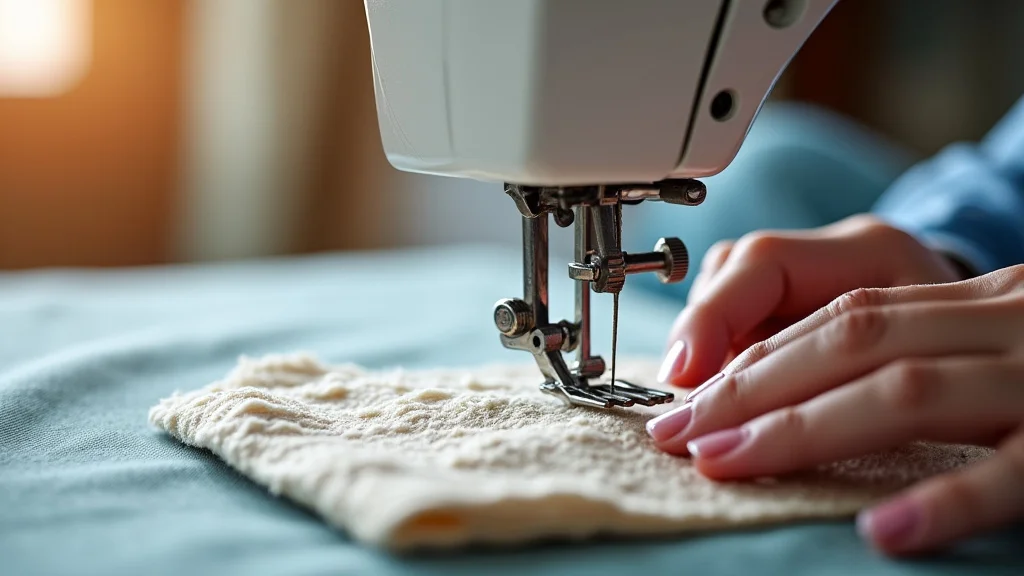
Picture this: you’re in the middle of a sewing project, and your sewing needle keeps slipping out of your grasp. Frustration mounts, and the joy of creating starts to fade. Sound familiar? We’ve all been there. This blog post explores the vital role of sewing needle clamps in making your sewing experience smoother and more enjoyable. You’ll gain practical knowledge about these essential tools and discover how they can elevate your craft. By the end, you’ll be equipped with the information needed to select and use the correct clamps to keep your project running smoothly.
Key Takeaways
- Learn the different types of sewing needle clamps and their uses.
- Discover how to choose the right clamp for your sewing machine and project.
- Understand the importance of proper clamp maintenance for longevity.
- Find out how using a clamp improves accuracy and reduces mistakes.
- Explore troubleshooting tips for common clamp-related issues.
- Gain insights into the benefits of investing in quality needle clamps.
Unlocking the Essentials of Sewing Needle Clamps
Sewing is a craft that requires precision and the right tools. Among these tools, the sewing needle clamp stands out as a small yet significant component. This device secures the needle, ensuring it moves correctly with the sewing machine’s mechanism. Without a reliable clamp, the needle can shift or detach, leading to uneven stitches and potential damage to the fabric or machine. Grasping the functions and importance of these clamps will significantly enhance the quality and ease of your sewing projects. The following sections will guide you through the various aspects of these clamps, offering a clear path to improving your sewing practices.
What Is a Sewing Needle Clamp?
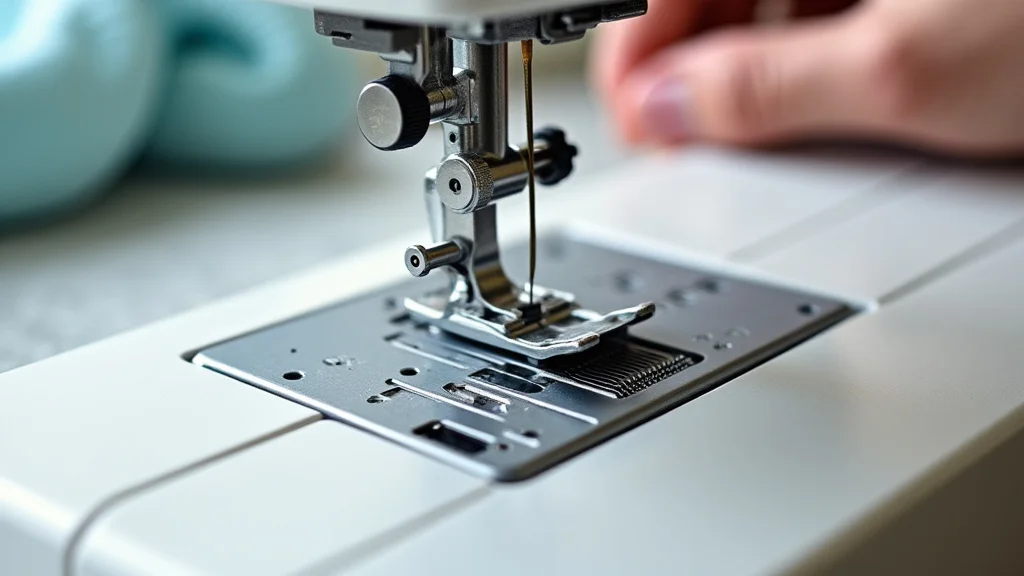
A sewing needle clamp is a small, typically metallic, component found within the sewing machine’s needle bar assembly. Its primary purpose is to hold the needle firmly in place. This secure grip allows the needle to move up and down, piercing the fabric with each stitch. The clamps are designed to withstand the stress and vibration associated with sewing at high speeds. This simple component is key to the correct operation of your machine.
- Function: The main function is to securely hold the needle in a fixed position.
- Material: Clamps are often made from metal like steel or alloys, because they must be durable.
- Design: Different sewing machines use different clamp designs, but the basic function remains the same.
- Importance: A well-functioning clamp is critical to producing high-quality stitches.
Clamps often feature a set screw, a small screw that tightens against the needle to hold it in place. The design varies depending on the sewing machine type, with some machines utilizing a single set screw and others employing multiple screws or specialized locking mechanisms. The construction materials ensure durability and resistance to wear and tear from consistent use. A poorly functioning clamp can lead to missed stitches, needle breakage, and fabric damage.
Different Types of Sewing Needle Clamps
The type of sewing needle clamp varies depending on the sewing machine model and the needle system it uses. Each type has its design and method for securing the needle. Familiarizing yourself with these types can help you identify the appropriate clamp for your machine, ensuring optimal performance. From the basic set screw clamps to more advanced locking mechanisms, the differences are often subtle but important for correct needle placement and sewing precision. This awareness will help you pick the right tool for the job.
- Set Screw Clamps: These are the most common type, featuring a screw to tighten against the needle shaft.
- Lever-Actuated Clamps: These clamps use a lever to lock and unlock the needle, common in industrial machines.
- Cam-Lock Clamps: These clamps use a rotating cam to secure the needle, providing a secure grip.
- Specialty Clamps: Some machines have specialized clamps for specific needle types or applications, such as quilting.
Set screw clamps are widely available and used in home sewing machines. They provide a balance between ease of use and secure needle hold. Lever-actuated clamps are known for their speed and ease of use in industrial settings, allowing for quick needle changes. Cam-lock clamps offer secure grip and are often found in higher-end sewing machines. Specialty clamps, on the other hand, are designed for specialized needles. For instance, those used in quilting require specific clamp designs to ensure fabric does not get damaged during the sewing process.
Choosing the Right Sewing Needle Clamp
Selecting the correct sewing needle clamp for your sewing machine is vital for both its functionality and for the quality of your finished projects. Choosing the right clamp ensures the needle stays securely in place, and reduces the likelihood of needle breakage or poor stitching. The process involves identifying your machine’s model, understanding the needle system it uses, and confirming the clamp specifications. Consider the fabric types you often work with, since certain materials may benefit from specific clamp features. This guidance will help you pick the best needle clamp for your machine and projects.
Identifying Your Sewing Machine’s Clamp Type
Before buying a replacement or upgrade, you must first know the type of clamp that your sewing machine uses. Identifying the clamp is often straightforward; refer to your machine’s manual. The manual should include details about the needle system and the type of sewing needle clamp your machine requires. If the manual is unavailable, you can find the machine’s model number, which may provide the information needed for online research. There are also many websites and forums dedicated to sewing machine maintenance where you might find your machine’s information.
- Consult the Manual: The user manual is the primary source of information, providing precise details about the clamp.
- Locate the Model Number: Knowing your machine’s model allows you to search online for compatible parts.
- Examine the Existing Clamp: Examining the current clamp can reveal its style, the type of set screw, and other details.
- Online Resources: Websites and online forums for sewing machine repair can often offer valuable insights and part listings.
By consulting the manual, you get direct, reliable information that matches your specific sewing machine model. Machine model numbers are usually located on the machine’s body or base. Online resources often include detailed diagrams and part lists that can help you identify the clamp’s specifications. Examining the existing clamp helps because it can reveal clues about the needle’s style, set screw, and the materials used in its construction. This knowledge aids you in picking a replacement that is identical or an upgraded version.
Factors to Consider When Choosing a Clamp
Picking the correct sewing needle clamp involves more than just knowing the type of machine you use; it also involves considering aspects like durability, ease of use, and the type of projects you’ll be undertaking. Durability is key since a sturdy clamp will withstand regular use. Ease of use refers to how easy it is to change the needle. The kind of projects you typically work on will also matter, since some clamps are better suited for specific sewing tasks. The right decisions here will help to guarantee that you pick a clamp that aligns with your needs.
- Durability: Opt for clamps made from high-quality materials to guarantee long-term performance.
- Ease of Use: Choose a clamp that simplifies needle changes, saving you time and effort.
- Needle Compatibility: Ensure the clamp matches your machine’s needle system.
- Project Type: Select clamps that meet the requirements of your typical sewing projects.
Durability can be evaluated by checking the clamp’s materials. Clamps made from steel or hardened alloys are less likely to wear out and maintain a good grip. Ease of use means a clamp that allows for quick needle changes. Needle compatibility is essential; the clamp must fit your machine’s needle system, whether that is a standard, universal, or specialized needle. Project type is key since certain projects will need specific clamp features to work efficiently. For example, quilting may require a clamp capable of handling thick layers of fabric.
Maintaining and Troubleshooting Sewing Needle Clamps
Proper maintenance and an understanding of potential problems will help guarantee the long life and effectiveness of your sewing needle clamps. Regular upkeep can prevent issues like loose needles, poor stitching, and damage to the machine. Addressing issues promptly, instead of waiting, can help avoid disruptions to your sewing projects. Through these maintenance practices, you can ensure that your sewing machine functions correctly.
Regular Maintenance Tips
Maintaining your sewing needle clamp is a simple yet crucial step to ensure the smooth operation of your sewing machine. Consistent checks can prevent various problems. Keep a close eye on the clamp’s condition, routinely clean it to remove any debris, and promptly address any signs of wear. Following these practices helps your machine function for a longer period of time.
- Check for Wear: Regularly inspect the clamp for any signs of damage or wear.
- Keep It Clean: Clean the clamp to eliminate lint, thread, and other debris that can affect performance.
- Tighten Screws: Verify that any set screws are secure to prevent needle slippage.
- Lubricate: Apply a small amount of lubricant if recommended by the machine’s manufacturer.
Regular visual checks can help you identify signs of wear, such as rust or deformation. Cleaning the clamp involves using a soft brush or compressed air to remove debris. If your machine uses a set screw, keep it tight. If a set screw loosens, the needle might shift while sewing, leading to broken needles or skipped stitches. Some machines need lubrication to maintain good performance; be sure to apply lubricant sparingly. These practices contribute to the efficient operation of your sewing machine.
Common Problems and Solutions
Problems related to sewing needle clamps can disrupt your sewing projects, but many are fixable. Common issues include a loose clamp, which can cause the needle to move during sewing; a damaged clamp, which can lead to improper needle placement; and accumulation of debris, which can interfere with the clamp’s function. In this section, we will explore methods to address these issues and maintain the smooth operation of your sewing machine.
- Loose Clamp: Tighten the set screw or replace the clamp if it no longer holds the needle securely.
- Damaged Clamp: Replace the clamp to prevent needle breakage and uneven stitches.
- Debris Buildup: Clean the clamp regularly to remove lint and thread that may affect performance.
- Incorrect Needle Insertion: Ensure the needle is correctly inserted and reaches the required depth.
A loose clamp may lead to the needle shifting during sewing. This can cause skipped stitches, fabric damage, or even needle breakage. If the clamp is damaged, this might cause the needle to be misaligned. In these cases,
The Benefits of Investing in Quality Needle Clamps
Investing in quality sewing needle clamps offers benefits that reach beyond the simple task of securing a needle. Quality clamps offer durability, precision, and efficiency, enhancing the overall sewing experience. Choosing quality components helps to protect your machine, improve the outcomes of your projects, and make the craft more enjoyable. Understanding these advantages will help make informed decisions about your sewing setup.
Enhanced Sewing Precision
One of the primary advantages of quality sewing needle clamps is the improvement in sewing accuracy. Better clamps offer a more secure hold on the needle, minimizing any movement during the sewing process. This stability is critical for achieving consistent stitch length, alignment, and spacing. This precision is essential for professional-looking outcomes.
- Consistent Stitching: High-quality clamps ensure uniform stitch formation.
- Reduced Errors: A secure hold reduces the likelihood of skipped stitches or fabric damage.
- Improved Accuracy: Precise needle placement leads to better alignment.
- Professional Results: Greater accuracy contributes to high-quality outcomes.
Consistent stitching results directly from the secure hold that a quality clamp provides. The risk of skipped stitches is reduced, preventing costly errors. Improved alignment means seams are straight, curves are smooth, and designs are executed as intended. Overall, the precision that comes with a high-quality clamp contributes to professional-looking results that will satisfy your sewing efforts.
Increased Machine Longevity
Investing in superior sewing needle clamps contributes significantly to the durability of your sewing machine. High-quality clamps are built to withstand the constant stress of the sewing process. This robustness reduces wear and tear on other parts of your machine. Regular use of durable components decreases the need for frequent repairs or replacements. Over time, these actions can help you avoid costs and disruptions.
- Reduced Wear: Quality clamps withstand constant use, minimizing wear on other components.
- Fewer Repairs: Durable clamps reduce the risk of mechanical failures, cutting back on maintenance costs.
- Extended Lifespan: Use of high-quality parts can extend the overall lifespan of the sewing machine.
- Cost Savings: Less maintenance and fewer repairs result in significant long-term savings.
Reduced wear on other machine parts ensures they operate longer. This can lessen the frequency of repairs needed, saving both time and money. Because the machine functions more reliably, its lifespan is extended. The overall benefit is a machine that runs smoothly for longer, helping you avoid costs associated with regular maintenance or unforeseen breakdowns. The choice of quality components is a worthwhile investment.
Common Myths Debunked
Myth 1: Any Clamp Will Do the Job
One common misconception is that all sewing needle clamps are made the same, and any clamp will perform the same task. The reality is that there are numerous types of clamps, each crafted for specific sewing machine models, needle systems, and even project requirements. Picking the wrong clamp can result in needle breakage, damage to your fabric, or poor stitch quality.
Myth 2: Cleaning the Clamp Is Unnecessary
Many sewists believe that cleaning the sewing needle clamp is a minor detail. However, this component can collect lint, thread fragments, and other debris that can interfere with its function. Leaving the clamp unclean can lead to skipped stitches, needle misalignment, and issues with the machine’s operation. Regular cleaning and maintenance are essential for ensuring the clamp’s continued effectiveness.
Myth 3: Tightening the Set Screw Too Much Improves Performance
Some believe that the tighter the set screw on the sewing needle clamp, the better the performance. It is important to remember that excessive tightening can damage the needle or the clamp itself. Overtightening can cause the needle to bend or break. Following the manufacturer’s recommendations for tightening can guarantee that the clamp works effectively.
Myth 4: A New Clamp Is Only Needed When It Breaks
Often, sewists wait until the sewing needle clamp malfunctions completely before considering a replacement. Proactive replacement can help avoid sewing issues. Regular inspection for wear and tear is essential. Replacing a clamp when it shows signs of damage or wear, can prevent more significant problems, guaranteeing that your sewing machine functions smoothly.
Myth 5: All Machines Use the Same Type of Clamp
Another misconception is that all sewing machines use the same kind of sewing needle clamp. The truth is that machines come with varied clamp designs. Different machines may require different set screws or locking mechanisms. It is important to confirm the correct clamp type for your machine’s model before buying a replacement. Knowing your machine’s specifications helps you pick the right parts, and keeps the machine working properly.
Frequently Asked Questions
Question: How often should I check my sewing needle clamp?
Answer: It’s best to check your sewing needle clamp before each sewing session. This includes checking for any signs of wear, ensuring the set screw is tight, and removing any accumulated debris.
Question: Can I use any needle with any sewing machine?
Answer: No, not all needles are compatible with all machines. The needle must be the correct type and size for your machine, as specified in your user manual.
Question: What should I do if my needle keeps breaking?
Answer: If your needle keeps breaking, check the clamp to make sure it’s holding the needle correctly. Also, make sure the needle is correctly inserted, and consider adjusting your stitch settings or replacing the needle.
Question: How do I clean my sewing needle clamp?
Answer: Clean your sewing needle clamp with a soft brush or compressed air to remove lint, thread, and debris. Make sure the machine is off and unplugged before cleaning.
Question: Where can I buy a replacement sewing needle clamp?
Answer: You can find replacement sewing needle clamps at sewing supply stores, online retailers specializing in sewing machine parts, and through your sewing machine’s manufacturer.
Final Thoughts
The sewing needle clamp, a small component, is a crucial part of your sewing machine, responsible for holding the needle steady and allowing precise stitching. We’ve explored the different types of clamps, highlighted the importance of picking the appropriate one, and offered guidance on maintenance and troubleshooting. Choosing the correct clamp, maintaining it correctly, and addressing any problems promptly will have a positive effect on your sewing endeavors. Investing in quality clamps guarantees durability and improves the quality of your work. By applying this knowledge, you can enhance your sewing experience.