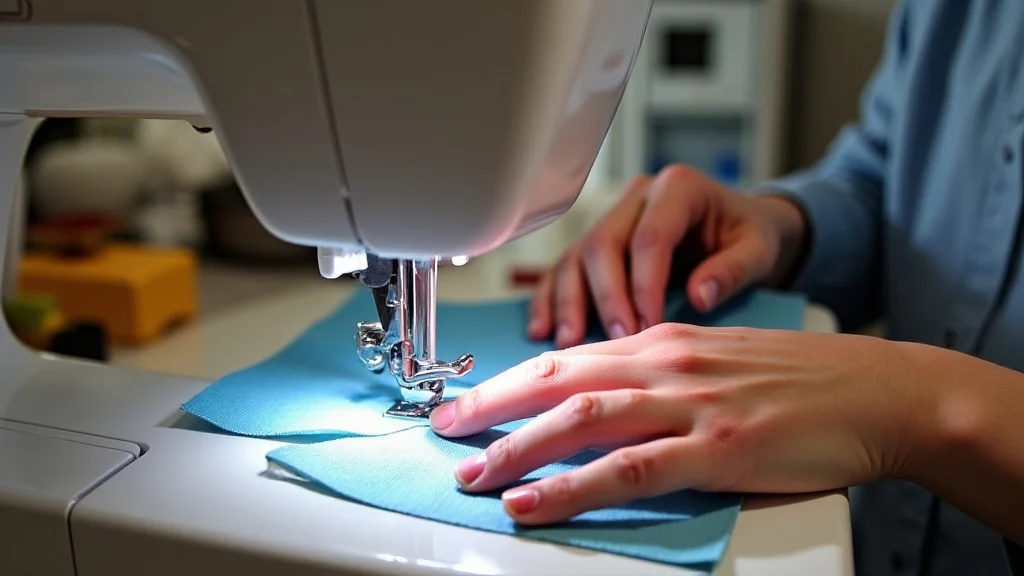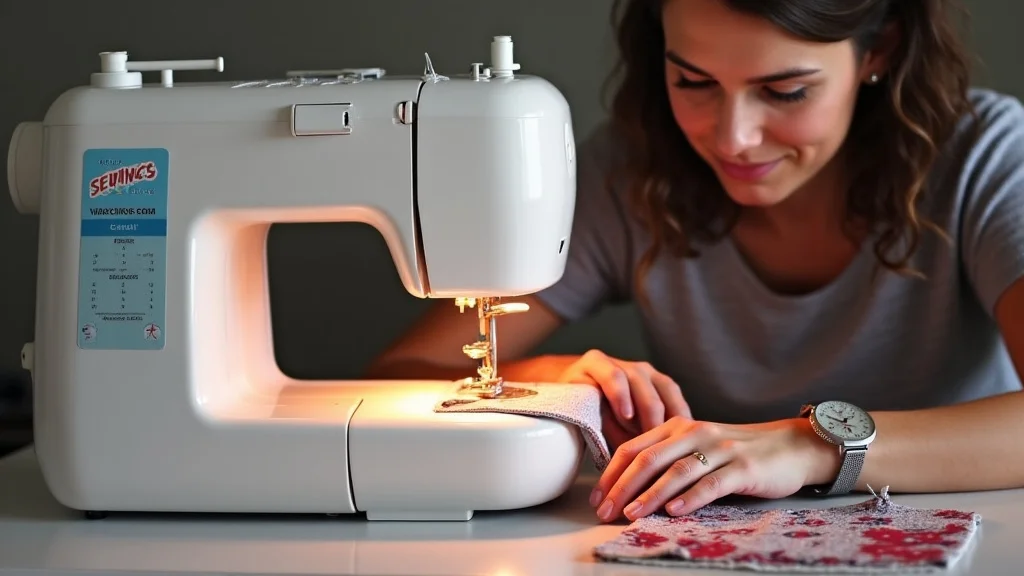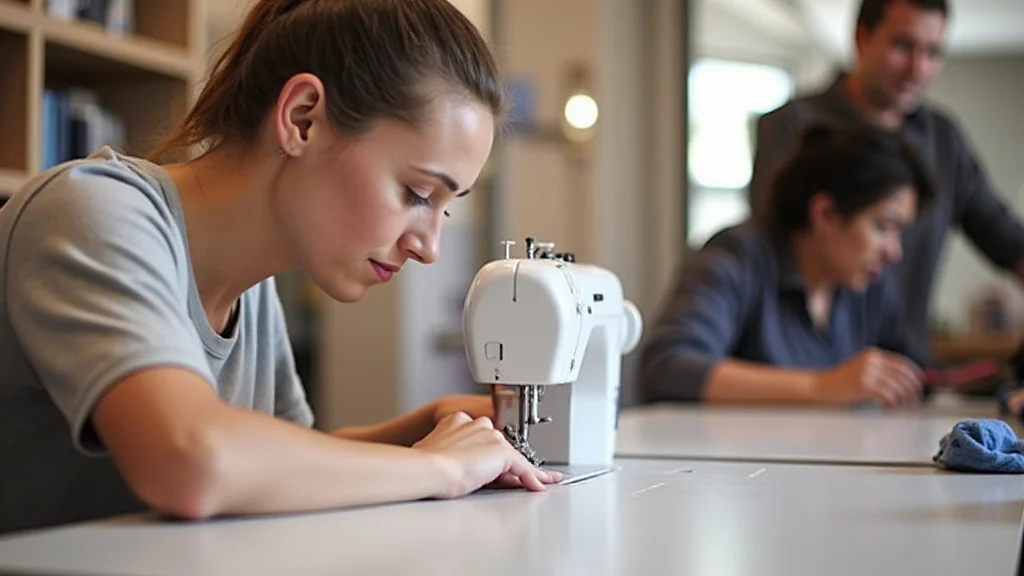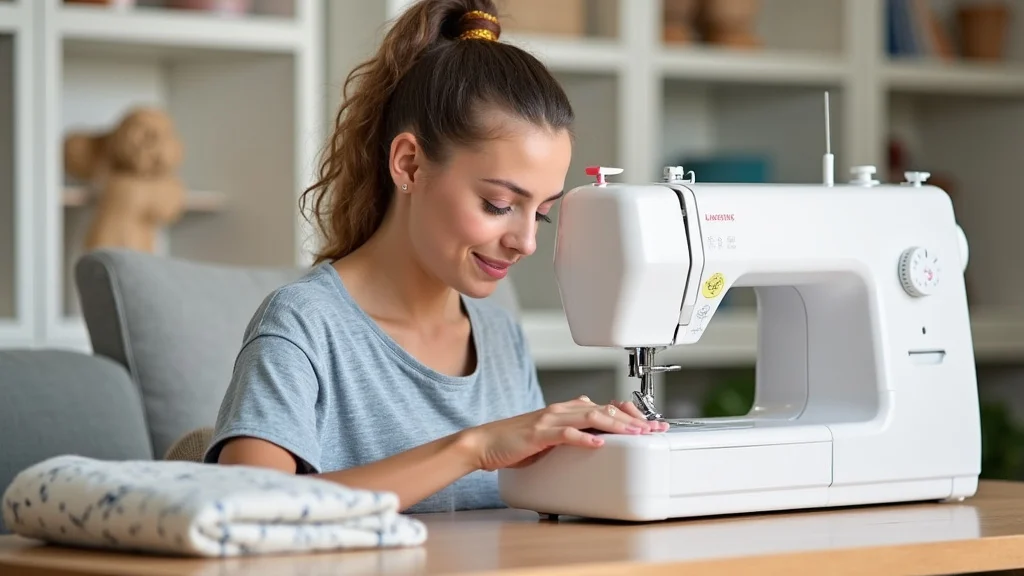
Remember that old, slightly dusty corner in your house? The one you’ve always dreamed of turning into something special? Imagine transforming that space into your very own sewing haven. Many people start sewing without a dedicated area, often sewing at the kitchen table. This post is for you. We’ll explore creating a space that inspires creativity, boosts productivity, and keeps your materials organized. You’ll gain practical tips and ideas for designing the perfect workspace. By the end, you’ll know exactly how to set up your sewing haven, making crafting a joy, not a chore.
Key Takeaways
- Learn how to choose the right location for your sewing area.
- Discover essential elements for organizing your supplies.
- Find out how to design an efficient and comfortable workspace.
- Understand how to maximize storage within your sewing space.
- Explore techniques to promote creativity and inspiration in your haven.
- Get valuable tips on maintaining and optimizing your sewing haven.
Choosing the Perfect Spot for Your Sewing Space
The location of your sewing haven is the foundation of your creativity. The best spot provides a balance of convenience, comfort, and functionality. It should be easily accessible, ideally in a place that allows you to leave projects set up without needing to constantly clear them away. Think about how often you plan to sew, the amount of space you need, and the availability of natural light. These factors will influence your decision significantly. A well-placed sewing area will streamline your workflow and make sewing a more enjoyable and less stressful experience. Consider the time you spend sewing and the demands on your space.
Assessing Your Space Needs
Before you commit to a location, assess the space requirements. Measure your available area and sketch out a basic layout. This helps you visualize how your sewing machine, cutting table, storage, and other essential items will fit. Determine if you can dedicate an entire room, a corner of a room, or just a small area. Consider the size of your projects. Are you primarily working on small items like garments or larger projects like quilts? The size of your projects helps decide the ideal area.
- Dedicated Room: A dedicated sewing room provides the most flexibility. It allows you to keep all your equipment and materials in one place, undisturbed. You’ll enjoy plenty of space for cutting, pressing, and storing fabric and supplies.
- Corner of a Room: A corner setup works well if you don’t have a spare room. This setup, however, requires careful organization to maximize the space. You can use room dividers, screens, or even furniture to create a sense of separation from the rest of the room.
- Multi-Purpose Space: If space is truly at a premium, you might use a multi-purpose area. This could be a guest room or a section of your living room. A folding table or a cabinet that can be closed to hide your sewing supplies can be helpful.
- Consider the lighting: Good lighting is crucial for sewing. If natural light isn’t available, add artificial light sources.
The layout and the choice of location affects your comfort and your enjoyment.
Lighting and Ventilation
Lighting and ventilation are vital for a comfortable and productive sewing environment. Proper lighting reduces eye strain, which lets you sew for longer periods. It also helps you see small details and accurately assess fabric colors. Good ventilation keeps the air fresh. This prevents the buildup of dust, fabric particles, and odors from fabrics. It also helps to regulate temperature and humidity. Ensuring you have good ventilation will help you stay comfortable while working, enhancing both your productivity and your experience.
- Natural Light: Position your sewing area near a window if possible. Natural light provides excellent color rendering and reduces eye strain.
- Task Lighting: Supplement natural light with task lighting, such as a lamp that shines directly onto your sewing machine.
- Overhead Lighting: Provide general overhead lighting to illuminate the entire sewing area.
- Ventilation Options: Ensure good airflow to minimize odors and dust.
Good lighting and ventilation make sewing easier and more enjoyable. They also have an impact on your health, letting you sew for extended periods.
Organizing Your Sewing Supplies
A well-organized sewing haven ensures that your materials are easy to find and use. Organization prevents clutter. It also saves you time and reduces frustration. Setting up a system for storing your fabrics, threads, patterns, and tools allows you to focus on your projects. This will also enhance your overall creative experience. Implementing efficient organizational strategies will make your sewing tasks smoother and more enjoyable.
Fabric Storage Solutions
Fabric storage can quickly become overwhelming without a clear plan. Consider different storage options. This might be a combination of shelves, drawers, and fabric bins. The best solution depends on your fabric collection size and the space you have available. Proper fabric storage also protects your materials from dust, pests, and sunlight. Your goal is to keep your fabrics accessible. This makes it easy to find what you need when you need it.
- Shelving Units: Open shelves provide easy access to folded fabrics. You can label shelves by fabric type, color, or project.
- Clear Bins and Drawers: Store fabrics in clear bins or drawers. This allows you to see the contents at a glance.
- Hanging Storage: Consider using garment racks or hangers for fabrics to prevent wrinkles.
- Rolling Carts: Rolling carts are an excellent choice if you have a limited space. They can be moved and are easy to reach.
With an organized system, your fabrics will remain in excellent condition. This enables you to grab fabrics quickly. This lets you begin your sewing projects without delays.
Thread and Notion Storage
Thread and notions should be organized for easy access. Keeping your threads and sewing notions tidy and within reach simplifies your projects. The tools you need should be easily accessible. Consider the amount of thread and notions you own and your sewing habits. The system you choose should accommodate your specific needs and preferences. With a well-organized system, you’ll be able to work more efficiently and enjoy your sewing experience.
- Thread Racks: Thread racks are designed to hold various spools of thread. This keeps your threads organized by color or type.
- Notion Boxes: Use boxes with compartments. This helps you organize notions like buttons, needles, and pins.
- Drawers and Cabinets: Drawers or cabinets work well for storing larger items, such as scissors, rulers, and rotary cutters.
- Pegboards: Install a pegboard to hang scissors, rulers, and other commonly used tools.
Organizing your threads and notions saves you time. It also prevents tangles and damage, allowing for a better sewing experience.
Creating an Efficient Workspace
The layout of your workspace greatly influences your productivity and comfort. An efficient workspace is thoughtfully designed to optimize your workflow. This involves arranging your sewing machine, cutting table, ironing board, and storage solutions in a way that minimizes movement. It helps to streamline your processes. The goal is to make every tool and material easily accessible. This will allow you to work with ease. This improves your productivity and makes sewing more enjoyable.
Ergonomic Setup
An ergonomic setup is essential for comfort and preventing strain. Your workstation should be configured to suit your body. Place your sewing machine at a comfortable height. Make sure your chair provides good back support. Adjust the lighting to reduce eye strain. This ergonomic setup enables you to work for longer periods without discomfort or fatigue. This improves your sewing experience and overall well-being. A comfortable sewing environment helps prevent injuries.
- Adjustable Height Table: Using a table with an adjustable height lets you work at a level that’s comfortable.
- Ergonomic Chair: Choose a chair with good back support and adjustable features to prevent strain.
- Proper Lighting: Position lights to minimize shadows and glare to reduce eye fatigue.
- Placement of Supplies: Arrange frequently used items within easy reach to minimize stretching and bending.
An ergonomic workspace is designed to work with your body. It reduces strain and makes sewing a more pleasurable experience.
Workspace Layout and Flow
Designing your workspace involves considering the flow of your projects. The flow should guide you from cutting to sewing and finishing. This means placing your cutting table close to your fabric storage. Position your sewing machine near your thread and notions. Place your ironing board within easy reach. These arrangements create an efficient workflow, making your sewing experience easier and more enjoyable. A well-designed workspace saves time and energy. It supports a more productive and enjoyable sewing session.
- Cutting Station: Place your cutting table near fabric storage.
- Sewing Machine Area: Keep your sewing machine close to your thread and notions.
- Ironing Board Placement: Position your ironing board for convenient access during the sewing process.
- Traffic Flow: Make sure you have enough space to move around your workspace comfortably.
A well-planned layout minimizes movement. It makes your workflow more efficient, allowing you to focus on your sewing tasks with greater ease.
Maximizing Storage in Your Sewing Haven
Storage solutions are a crucial component of any sewing space. Careful planning helps you manage all your materials and tools. Choosing the right storage options is important, since they impact your efficiency and how much you enjoy sewing. This will keep your sewing supplies safe and organized. This can make a small space appear larger. It also helps to prevent clutter, allowing you to focus on the creative process. Effective storage solutions maximize space and make your sewing haven a functional and inspiring environment.
Vertical Storage Solutions
Vertical storage utilizes wall space to store items efficiently. This is especially helpful if you’re limited on floor space. Vertical storage options include shelves, wall-mounted racks, pegboards, and hanging organizers. These solutions maximize space. They keep materials off the floor and accessible. Vertical storage is a valuable tool in creating an organized sewing space. It increases both functionality and the visual appeal of your sewing haven.
- Wall Shelves: Install shelves to store fabrics, books, and other supplies.
- Pegboards: Use pegboards to hang scissors, rulers, and other small tools.
- Hanging Organizers: Use hanging organizers to store notions, patterns, and fabric.
- Over-the-Door Storage: Utilize over-the-door organizers to store small items like threads and notions.
Vertical storage utilizes unused space. It helps you keep your sewing haven neat and accessible.
Storage Furniture and Organization
The right furniture choices can dramatically improve your storage capabilities. Tables with built-in drawers, cabinets, and storage ottomans are great choices. Consider your available space and your individual needs. Storage furniture not only provides essential storage but can also improve your overall workflow and creative experience. Make your storage options enhance your workspace’s aesthetics and functionality. They will help you organize and efficiently manage your sewing haven.
- Sewing Tables with Storage: Choose sewing tables that include drawers and shelves for easy access to supplies.
- Storage Cabinets: Use cabinets to store larger items, such as fabric bolts and sewing machines.
- Ottomans with Storage: Use ottomans to store fabric or other supplies.
- Rolling Carts: Rolling carts are an excellent choice if you have a limited space. They can be moved and are easy to reach.
Carefully selected furniture greatly enhances your sewing haven. It helps organize your space.
Fostering Creativity in Your Sewing Haven
To encourage your creativity, create a space that inspires you. Personal touches, inspiring elements, and a comfortable environment all help. Incorporate colors, patterns, and textures that you love. Display your finished projects and gather inspiration from books or images. Ensure that your sewing haven is a place where you feel relaxed and inspired. This will nurture your creativity and make your sewing time more enjoyable. The ambiance of your sewing space can have a big impact.
Inspiration and Decor
Decorating your sewing haven should be an expression of your personality and creativity. Displaying inspirational items can help stimulate your imagination. This can include pictures of your favorite finished projects, vision boards, and quotes. Add colors, patterns, and textures that you love to create an environment that sparks joy. Consider adding natural elements, such as plants. A well-designed, inspirational space can help boost your creativity. It can also enhance your enjoyment of sewing.
- Vision Boards: Create a vision board with images and ideas for your next projects.
- Display Finished Projects: Display your completed projects to showcase your skills and inspire you.
- Inspirational Quotes: Use inspirational quotes to encourage creativity.
- Personal Touches: Add personal items, such as photos, artwork, and collectibles.
Personalizing your sewing space can spark creativity. It encourages you to create and enjoy your craft.
Comfort and Ambiance
Comfort and ambiance are just as important as the practical aspects of your sewing space. Ensure your space is comfortable, well-lit, and well-ventilated. A comfortable chair and good lighting will reduce eye strain and fatigue. Adding music, a diffuser, or scented candles can enhance the ambiance. These details can make your sewing time more enjoyable and relaxing. A sewing space that feels good will encourage longer sewing sessions. It will make the process more pleasurable.
- Comfortable Seating: Invest in an ergonomic chair for back support and comfort.
- Good Lighting: Make sure you have good lighting to reduce eye strain.
- Temperature Control: Keep your sewing area at a comfortable temperature to stay focused.
- Ambiance: Add a diffuser, music, or candles to create a relaxing environment.
Creating a comfortable and inviting atmosphere is important. It helps reduce stress and promotes a positive sewing experience.
Maintaining and Optimizing Your Sewing Haven
Maintaining and regularly optimizing your sewing haven is key. Regular cleaning and organization keeps your space functional. Also, your creative experience will be greatly enhanced. A well-maintained sewing area promotes productivity, minimizes clutter, and prevents frustration. Regularly reviewing and adjusting your space as needed ensures that it stays in sync with your needs and habits. This continual maintenance helps you enjoy your sewing for years.
Regular Cleaning and Maintenance
Regular cleaning is an important part of keeping your sewing space functional. Regularly dusting surfaces and vacuuming or sweeping the floor removes dust, fabric scraps, and threads. Clean your sewing machine and other tools according to the manufacturer’s instructions. Organizing your fabric, threads, and notions regularly helps prevent clutter. These simple steps will help you maintain your space and ensure an enjoyable sewing experience. This will allow you to quickly jump into any project.
- Dust Regularly: Dust surfaces and shelves to remove dust particles.
- Vacuum or Sweep: Vacuum or sweep the floor to remove fabric scraps and threads.
- Clean Your Machine: Clean your sewing machine according to the manufacturer’s instructions.
- Declutter Regularly: Declutter your sewing space to eliminate unnecessary items.
Regular maintenance ensures that your space is clean, functional, and ready for you to enjoy your sewing. It allows you to focus on your creative work.
Adjusting and Improving Your Space
Continuously adjust your sewing space to meet your changing needs. As you grow and explore new projects, you may need to reorganize or adjust your space. Assess your storage, workflow, and layout regularly. Consider what is working well and what could be improved. You might add new storage solutions, rearrange your furniture, or refine your organization system. These continual adjustments help to maximize your productivity. This practice is essential to keep your sewing space tailored to your unique requirements. This helps you to enjoy your creative time.
- Assess Your Storage: Evaluate your storage solutions and make adjustments as needed.
- Evaluate Workflow: Review your workflow. Adjust the layout to improve efficiency.
- Reorganize Regularly: Make adjustments as your needs and habits change.
- Seek Feedback: Ask for feedback from other sewists to improve your sewing space.
Adapting your sewing haven means that it remains suited to your needs. This makes sewing a fun experience. This also improves your creative endeavors.
Common Myths Debunked
Myth 1: You Need a Dedicated Sewing Room
You don’t need a dedicated room for a sewing haven. While a dedicated room is ideal, you can create a functional and inspiring sewing space in a corner of a room, a closet, or even a folding table. The key is to organize the space effectively and create an environment that inspires creativity. Many sewists have thriving workspaces in smaller areas.
Myth 2: Sewing Requires Expensive Equipment
You don’t have to invest in expensive equipment to enjoy sewing. While advanced machines and tools can be helpful, you can start with a basic sewing machine and essential supplies. Many creative sewing projects can be completed with a small budget. Focusing on learning and creativity is far more important than the cost of your equipment.
Myth 3: Sewing Is Too Time-Consuming
Sewing doesn’t have to be a time-consuming activity. The time needed to complete a project depends on the type of project, the sewist’s skills, and available time. Sewing can be a relaxing and rewarding hobby. With proper planning and organization, you can make the most of your sewing time. Even short sessions can produce satisfying results.
Myth 4: Sewing Is Difficult to Learn
Sewing is accessible to all. Learning sewing techniques can be simple, and it can be a rewarding hobby. There are many learning resources, from online tutorials to sewing classes. Starting with basic techniques and gradually increasing your skills will make the experience enjoyable. It’s an accessible craft for everyone.
Myth 5: You Must Have Perfect Skills to Sew
You don’t need to be perfect. Sewing is a skill that improves over time. Even experienced sewists make mistakes. It is a process of learning and refinement. Embrace the learning experience, and focus on the joy of creating. Imperfections are often part of the charm of handmade items.
Frequently Asked Questions
Question: How much space do I need for a sewing haven?
Answer: The space needed depends on your projects and equipment. You can start with a small corner. The key is to organize efficiently, even with minimal space.
Question: What’s the best lighting for sewing?
Answer: Good lighting includes natural light, task lighting, and overhead lighting to reduce eye strain and provide adequate illumination.
Question: How do I organize my fabric?
Answer: You can organize your fabric by type, color, or project. Use shelves, bins, and drawers to keep fabrics accessible and tidy.
Question: Is sewing expensive?
Answer: Sewing can be started with a basic machine and essential supplies. The cost depends on the tools and projects you choose.
Question: How do I maintain my sewing haven?
Answer: Regular cleaning, decluttering, and adjustments to your space will keep it functional. Make sure your sewing space is organized to enjoy the process.
Final Thoughts
Creating your sewing haven is a personal adventure. It is about crafting a place that nurtures creativity, boosts your productivity, and offers a haven for your craft. By selecting the ideal space, organizing your supplies, and setting up an efficient workspace, you’ll craft a retreat that inspires your creativity. With the right ambiance and consistent maintenance, your sewing haven will become a cherished part of your life. This guide will help you set up and maintain a space that works for you. Start today. Transform that corner into your dream sewing haven and enjoy the joy of crafting!