Key Takeaways
- Learn about the various types of sewing pins and their specific uses.
- Discover the best sewing pins for different fabrics and sewing projects.
- Understand the importance of pin quality and how it affects your work.
- Explore safe and effective techniques for pinning fabric.
- Find tips on proper pin storage and maintenance.
- Improve your sewing efficiency and avoid common pinning mistakes.
Pin Types and Their Purposes
The first step in mastering the art of pinning involves knowing the different types of sewing needle pins available. These pins vary in length, thickness, and material, each designed for specific fabrics and tasks. Understanding these differences will improve your efficiency and the quality of your finished projects.
General Purpose Pins
General purpose pins, often made of steel or nickel-plated steel, are the workhorses of any sewing kit. They are typically 1-2 inches long with a round head, designed for holding layers of fabric together temporarily. Their medium thickness makes them suitable for a wide range of fabrics, from cotton and linen to lightweight synthetics. They are the go-to choice for basic sewing tasks, such as pinning patterns to fabric, holding seams in place, and preparing fabric for machine sewing. Always ensure your pins are sharp to prevent snags and damage to your fabric. Also, avoid using them on delicate fabrics. Using the right sewing pins makes all the difference.
- These are your everyday pins for basic sewing projects.
- They have a medium thickness suitable for a variety of fabrics.
- Ensure pins are sharp and in good condition to avoid fabric damage.
Always inspect your pins for any signs of rust or damage before use. Damaged pins can snag fabrics, leaving holes or preventing clean seams. If you notice any issues, discard the pins and
Ballpoint Pins
Ballpoint pins are designed specifically for knit fabrics and delicate materials. Their rounded tips, instead of sharp points, gently push the fabric fibers apart, preventing snags and runs. These pins are essential for working with jerseys, knits, and other stretchy fabrics. Their design minimizes the risk of damaging the fabric, making them a must-have for sewing professionals and enthusiastic hobbyists. They are available in various lengths, typically 1 to 2 inches, allowing you to choose the perfect size for your project. Be sure to replace your ballpoint sewing needle pins regularly to keep them functioning at their best, and your projects looking great.
- These have rounded tips to avoid snagging knit fabrics.
- Ideal for jerseys and stretchy materials.
- Use them when working with delicate fabrics.
Proper use is essential to get the most from ballpoint pins. When pinning, insert the pins perpendicular to the edge of the fabric, ensuring they go through the material smoothly. Avoid pulling the fabric or forcing the pins; the ballpoint design should allow easy insertion. After sewing, carefully remove the pins to avoid pulling the threads. Make sure to keep ballpoint pins separate from other pin types to prevent any mix-ups, which could lead to fabric damage. The correct needle pins will help create seamless, professional results on knit fabrics. Proper needle selection leads to better finished projects.
Silk Pins
Silk pins are very fine and sharp, designed for use with delicate fabrics such as silk, chiffon, and satin. These pins have a fine shaft and a sharp point, minimizing the risk of leaving holes or snags. Their small size makes them ideal for intricate work and precise pinning. Often made of stainless steel, silk pins resist rust and are durable. Their use helps keep the fabric intact during the pinning and sewing process. Having these pins ensures your delicate projects stay beautiful.
- Fine and sharp for use with silk, chiffon, and satin.
- Their small size is perfect for detailed work.
- Made from stainless steel to prevent rust.
Handle silk pins with care to prevent bending or damage. When pinning delicate fabrics, insert the pins at a slight angle to the fabric’s surface, ensuring the sharp point goes through the fabric cleanly. Place pins close together for extra stability. Remove silk pins carefully after sewing to prevent pulling the delicate fibers. A magnetic pin cushion is useful for keeping them organized and easily accessible. Invest in quality silk pins to create flawless results on your most delicate creations. Choosing the right sewing needle pins is essential for delicate fabrics.
Flower Head Pins
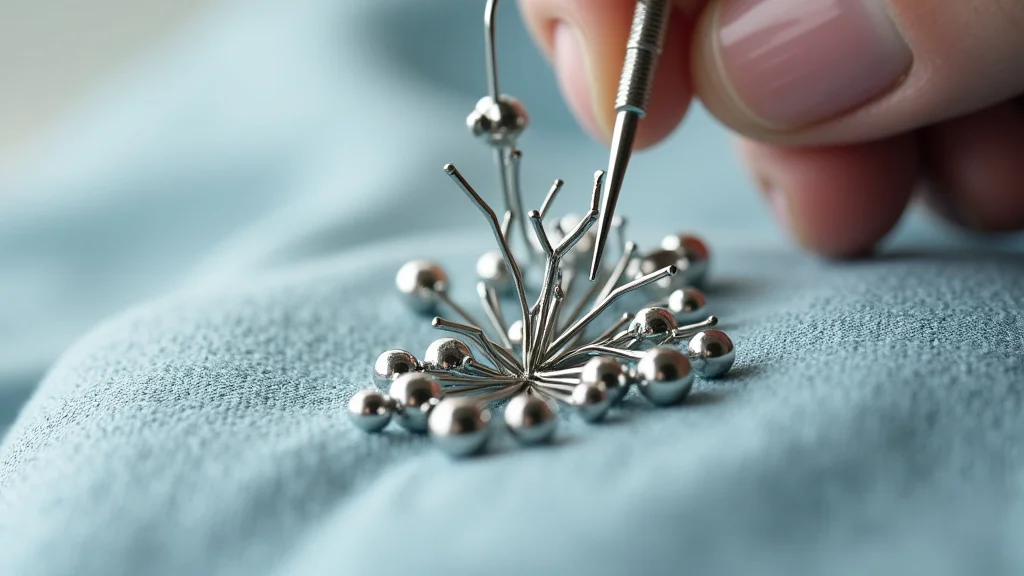
Flower head pins are characterized by their colorful, decorative heads. These heads make the pins easy to see and handle, making them a practical choice for various sewing projects. These pins are often made of steel or nickel-plated steel and are a versatile option for several different fabrics. They’re particularly useful for holding layers of fabric together or marking specific points. The flower head design makes them easy to grip and remove, which improves efficiency. The bright heads can also add a touch of personality to your sewing kit.
- Feature colorful, decorative heads for easy handling.
- They are ideal for general sewing and marking.
- They are available in various lengths.
Flower head pins come in various sizes and colors, which allows you to choose ones that best suit your needs. Their heads make them easily visible and prevent them from getting lost in the fabric. When pinning, make sure to insert the pins perpendicular to the fabric, ensuring they hold the layers firmly. Use the flower head to grip the pin easily when you are removing it. Clean and store your pins in a safe place, like a pin cushion or magnetic holder, to keep them from bending or rusting. Consider flower head pins for any sewing job you are doing.
T-Pins
T-pins are characterized by their T-shaped head, providing an easy grip for handling. Typically made of steel, these pins are longer and thicker than standard sewing pins, making them suitable for holding heavier fabrics, upholstery, or even crafting projects. They are especially useful for securing layers of fabric to a dress form or pinning patterns to the fabric. They are durable, and their design prevents them from sliding out easily. Make sure to pick T-pins for projects that need extra stability. Using the correct sewing needle pins for the job will help your projects.
- The T-shaped head is easy to grip and handle.
- They are longer and thicker, suitable for heavier fabrics.
- Useful for upholstery, dress forms, and crafting.
When using T-pins, insert them perpendicular to the fabric surface to ensure a secure hold. Use the T-head to easily pull the pins out when needed. They are helpful for projects that need extra support or when the fabric is thick and multiple layers need to be held together. Although the T-shape makes them easy to grab, always pay attention when removing them, to prevent injury. Always keep the T-pins in a safe, designated spot when you are not using them. Consider T-pins the next time you need some heavy-duty sewing needle pins.
Choosing the Right Pins for the Fabric
Selecting the correct type of pin for your fabric is key to a smooth and successful sewing experience. The choice of pin depends on the fabric’s weight, weave, and delicacy. Using the wrong pins can lead to fabric damage, snags, and an overall unsatisfactory outcome. Understanding the fabric’s characteristics is crucial to ensure your pins are the correct ones.
Pin Weight vs. Fabric Weight
The weight of the fabric and the corresponding pin thickness are vital considerations. For lightweight fabrics like silk or chiffon, use fine pins such as silk pins to avoid leaving holes or damaging the fabric. Medium-weight fabrics, like cotton or linen, can be handled with general-purpose pins. For heavier fabrics like denim or upholstery materials, use T-pins. The weight of the pin should match the weight of the fabric; this balance will ensure that the pins hold the fabric securely without causing damage. Always choose pins that do not bend or deform under the fabric’s weight.
- Match the pin weight to the fabric weight.
- Use fine pins for lightweight materials.
- General-purpose pins work for medium-weight fabrics.
- T-pins are suitable for heavier materials.
Before pinning, test a pin on a scrap of fabric to ensure it doesn’t leave any marks or damage the material. If you’re working with a delicate fabric, always use the finest pins available. When in doubt, it’s better to choose a pin that’s too fine than one that’s too thick. For heavy-duty projects, make sure your pins can handle the pressure. The correct pairing of pin weight and fabric weight will lead to better results. Make sure that your sewing needle pins are matched to your fabric.
Fabric Type and Pin Selection
Different fabric types require specific pins to avoid damaging the material and to ensure a smooth sewing process. For knit fabrics, ballpoint pins are designed to prevent snags and runs by pushing the fibers apart rather than piercing them. Delicate fabrics like silk and satin need silk pins that are fine and sharp, minimizing the risk of holes. General-purpose pins work well for cotton and linen. Selecting the right pin for each type of fabric is key for a well-made project. The wrong pin choice can result in a damaged garment.
- Ballpoint pins for knit fabrics.
- Silk pins for delicate materials.
- General-purpose pins for cotton and linen.
- T-pins for heavy fabrics like upholstery.
Always inspect the pins before use. Make sure they are not bent, rusty, or dull, as these imperfections can damage the fabric. If you’re uncertain about which pin to use, start with a finer pin and test it on a scrap of the fabric. This will prevent any damage to your main project. When handling your sewing needle pins, always store them in a secure location. Doing so will prolong their useful life, while preventing any accidents.
Effective Pinning Techniques
The method you use to pin your fabric significantly influences the final look of your project. Proper pinning techniques can prevent shifting and distortion, which leads to cleaner seams and better results. Here are some techniques to help improve your pinning. Mastering these techniques will lead to higher-quality sewing.
Pinning Direction
The direction you insert your pins can affect the outcome of your sewing. When pinning, it is best to insert the pins perpendicular to the edge of the fabric or the seamline. This helps to hold the fabric layers in place without causing the fabric to shift or stretch. When sewing, the pins should be parallel to the fabric edge. Pinning perpendicular to the seam line allows the fabric to be guided smoothly. Proper pinning direction makes the sewing process easier and results in a more professional finish. Getting the direction correct makes the job easier.
- Insert pins perpendicular to the fabric edge.
- For seams, pin parallel to the seam line.
- Consistent pinning prevents fabric shifting.
When working with curves or corners, insert pins in close proximity to maintain the fabric’s shape. For straight seams, space the pins evenly. This ensures even distribution of pressure and prevents the fabric from puckering or stretching. Always remove the pins as you approach them while sewing to avoid breaking the needle or damaging the fabric. The right pinning direction makes all the difference. When pinning, always maintain the proper direction, using the best sewing needle pins possible.
Pin Spacing
The space between your pins has a significant impact on your project’s stability and accuracy. Pinning too far apart can lead to fabric shifting and uneven seams, while pinning too closely might make it difficult to sew. The ideal pin spacing will depend on the fabric type, the complexity of the design, and the curve. For fabrics that are delicate or slippery, spacing the pins closer together gives you a better hold. For straight seams, you can space the pins more generously. The distance between pins should be adjusted based on the specific needs of the project to maintain control.
- The correct spacing depends on the fabric and project.
- Close spacing for delicate and slippery fabrics.
- Space pins more apart for straight seams.
If you’re sewing a curved area, use more pins to follow the curve closely and prevent the fabric from shifting. The right spacing maintains the shape of the garment. For beginners, it’s a good idea to start with closer pin spacing until you gain more experience. Always check your pinned fabric before you start sewing, ensuring the layers are aligned and the fabric is secure. Proper pin spacing helps achieve a professional outcome. Using the best sewing needle pins will give you better results.
Pin Placement Strategies
Strategic placement of pins is vital for achieving accurate and professional results in your sewing projects. The goal is to hold the fabric layers together securely while allowing the sewing machine needle to pass smoothly without obstruction. There are strategies for different parts of your garment and types of fabric. Practicing these techniques will save time and improve your finished product.
- Pin close to the seamline, not through it.
- Place pins horizontally for machine sewing.
- Remove pins before they reach the needle.
Pin close to the seamline, and try not to pierce the seam allowance, allowing a clear path for the needle. Make sure you place pins horizontally for machine sewing, perpendicular to the seam. This orientation makes them easier to remove as you approach the needle. As you sew, remove the pins carefully before the needle gets there, to prevent any damage to the fabric and to ensure that the needle doesn’t break. Practice and precision in placement will lead to better results, and you’ll find it gets easier with time. Make sure you use the appropriate sewing needle pins. You will soon have more confidence in your projects.
Pin Care and Maintenance
Proper care and maintenance will keep your sewing needle pins in good condition, extending their life and ensuring they remain effective. Regular cleaning, safe storage, and handling can make a big difference in preventing damage, rust, and frustration. Here is how to take care of your sewing pins. Make sure to choose the right sewing needle pins for your project.
Cleaning and Storage
Keeping your sewing needle pins clean and properly stored will maintain their sharpness and effectiveness. After each sewing session, remove any loose threads or fabric residue. Wipe the pins down with a soft, dry cloth to remove any dirt or oils that could cause corrosion. When you are finished, store your pins in a pin cushion, magnetic holder, or a tightly closed container. Choose a storage location that is dry and away from any moisture that could cause rust. Proper storage extends their life, keeping them sharp and ready for the next project.
- Remove any thread or fabric residue after each use.
- Wipe the pins with a soft, dry cloth.
- Store pins in a pin cushion or a magnetic holder.
A well-maintained pin collection is an asset for any sewer. Clean the storage container regularly. Inspect your pins periodically for rust, bends, or other signs of damage. If you notice any imperfections, discard the pins and replace them. Proper cleaning and storage will keep your pins in top condition and protect your projects. Proper care helps your projects be as beautiful as possible. Keeping your sewing needle pins in good condition is vital.
Safety and Handling
Safe handling of sewing needle pins is essential to prevent injury and damage to your projects. Always store pins safely when you’re not using them, keeping them out of reach of children and pets. Use a pin cushion or magnetic holder to keep them organized and prevent accidental spills. When inserting pins into fabric, point the pins away from you and your body to minimize the risk of accidental pricks. Careful handling is important to keep everyone safe.
- Store pins in a pin cushion or magnetic holder.
- Point pins away from your body when inserting.
- Discard any bent or damaged pins.
When removing pins, pull them straight out, avoiding bending or breaking them. If a pin breaks, be careful when disposing of it to prevent any injuries. Regularly check your pins for damage. The pins are less effective if bent or rusted. Replace damaged pins immediately to avoid any injuries. By following these safety guidelines, you can ensure a safer and more pleasant sewing experience. Always select the proper sewing needle pins for the project.
Common Myths Debunked
Myth 1: All pins are created equal.
Many believe all sewing pins are the same, but that is far from the case. The truth is that different projects need different pins, designed for specific materials. General-purpose pins may work for some materials but may cause damage to others. The correct pin choice is essential for a good outcome.
Myth 2: It doesn’t matter how you pin, as long as the fabric is held together.
While holding fabric together is the primary goal, the pinning technique does matter. The direction of the pins, spacing, and placement play a significant role in the sewing process and the outcome. Poor pinning techniques can lead to puckering and distortion, while correct techniques create professional results.
Myth 3: Ballpoint pins are only for knit fabrics.
While ballpoint pins are perfect for knit fabrics, their rounded tips make them a useful option for other delicate fabrics. The ballpoint design can also work to help prevent damage to fabrics with a tight weave. Ballpoint pins can also be used as a helpful option for various other fabrics.
Myth 4: More pins are always better.
Using a lot of pins can seem like the best approach. However, using too many pins can be as problematic as using too few. Excessive pinning can make it difficult to sew smoothly, and it could lead to distortion if not done carefully. The best approach is to use the right number of pins. That will provide support while allowing for easy sewing.
Myth 5: It is okay to use rusty pins.
Rusty pins are harmful. They may snag fabric and cause damage to your project. The rust can also spread to other fabrics and cause discoloration. Always discard any pins with signs of rust to protect your projects. Make sure you use the appropriate sewing needle pins.
Frequently Asked Questions
Question: What is the best type of pin for beginners?
Answer: General-purpose pins are often the best choice for beginners, as they are versatile and work well with many fabrics. These pins have a medium thickness that helps secure most fabrics.
Question: How do I know if my pins are too thick for the fabric?
Answer: If the pins leave noticeable holes or snags in the fabric, they are likely too thick. Always test the pin on a scrap piece of fabric first to check the results.
Question: What’s the difference between silk pins and dressmaker pins?
Answer: Silk pins are much finer and sharper than dressmaker pins, and designed for delicate fabrics. Dressmaker pins are good for most fabrics. Silk pins are great for fine fabrics.
Question: Can I reuse pins from a previous project?
Answer: Yes, you can reuse pins as long as they are in good condition. Be sure to inspect each pin before using it, and discard any that are bent, dull, or rusty. Replace the old sewing needle pins.
Question: How often should I replace my sewing pins?
Answer: It depends on how often you sew and the condition of the pins. Replace pins when they become dull, bent, rusty, or when the heads become loose. Frequent sewers may need to replace pins more often than occasional sewers.
Final Thoughts
Understanding the different types of sewing needle pins, from general-purpose to ballpoint, is the foundation for successful sewing projects. Choosing the right pins for your fabric, along with proper techniques for pinning and storage, will improve your results. Remember the importance of fabric weight, pin weight, and fabric type when making your selections. By implementing these tips, you’ll be able to sew with increased accuracy and efficiency. Don’t be afraid to experiment with different pin types and techniques to discover what works best for you and your sewing style. Keep your pins in good condition, and always make sure you have the right needle for your project. Pin with confidence, and enjoy the process of creating beautiful and well-made garments and crafts!