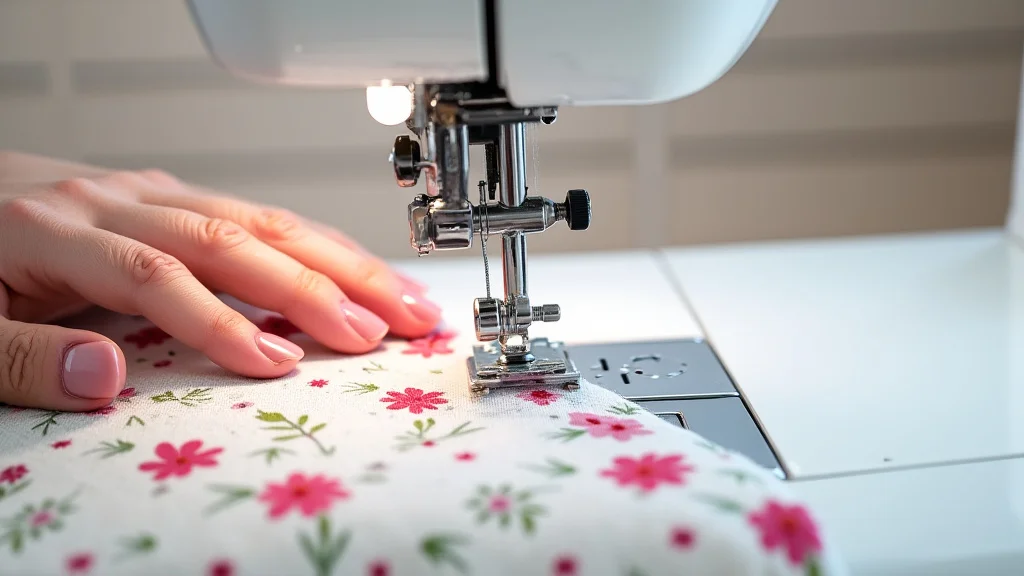
Remember that feeling of accomplishment? Maybe it was after a school project, or perhaps a hand-stitched gift for a loved one. The sewing world is full of opportunities to experience that joy. Imagine crafting clothes that fit perfectly or creating unique home decor. This post will explore the sewing world, from basic techniques to advanced projects. You’ll learn essential skills and discover how to bring your creative ideas to life. You’ll gain a solid foundation to begin your sewing adventure, whether you’re a complete beginner or looking to refine your skills.
Key Takeaways
- Learn about the fundamental tools and materials needed for sewing.
- Understand different sewing techniques, from hand-sewing to machine operation.
- Discover a variety of sewing projects suitable for all skill levels.
- Gain insight into the different types of fabrics and their uses.
- Explore pattern reading and adaptation, improving project customization.
- Get inspired to create personalized items for yourself and others.
Getting Started in the Sewing World
The first steps into the sewing world can be exciting. It can also feel a little overwhelming when you start. Many beginners feel this way. Luckily, getting started doesn’t require complex training. It begins with the basics: gathering essential tools and familiarizing yourself with fundamental techniques. This section lays out a foundation for a successful sewing journey. We’ll explore the tools, materials, and initial techniques, preparing you to explore more advanced projects.
Essential Tools for Beginners
Before beginning any sewing project, gathering the right tools is important. These tools will ease your progress and improve results. The essential items form a basic sewing kit, which can expand as your experience develops. Consider these necessities.
-
Sewing Machine: A sewing machine is the central tool for many sewing projects. It automates much of the process, allowing for fast and accurate stitching. There are many types, from basic mechanical models for beginners to more advanced computerized machines with numerous stitch options. Look for a machine that is simple to operate, with features like a straight stitch, a zigzag stitch, and a buttonhole function. Consider the type of projects you want to make and choose a machine that fits your needs and your budget.
The sewing machine’s invention changed textile production. Before the Industrial Revolution, stitching was done by hand, which was time-consuming. The first functional sewing machine was patented in 1790 by Thomas Saint. It saw many improvements through the years, including the needle and the looper. The sewing machine is a symbol of innovation, and its impact is still seen today.
-
Scissors and Fabric Shears: Quality scissors are vital for cutting fabric. Fabric shears have a long blade and a bent handle. They are designed to cut through fabric smoothly and accurately, without lifting the fabric off the cutting surface. A good pair of shears will have sharp blades and an ergonomic handle that minimizes hand fatigue. You should dedicate a pair of shears solely to fabric. Using them for cutting paper or other materials can dull the blades.
Fabric shears and scissors share a common purpose but are designed differently. Scissors are versatile for general use, while shears are specific to cutting fabric. The difference in their design reflects the specific needs of each task, with shears optimized for clean, precise fabric cuts.
-
Measuring Tape: Accurate measurements are crucial in sewing for ensuring proper fit and proportions. A flexible measuring tape is essential for taking body measurements and measuring fabric. It should be marked in both inches and centimeters, and it should be flexible enough to curve around body parts. When measuring, keep the tape snug but not tight. You should keep a separate tape measure for sewing to prevent stretching.
Measuring tape usage goes beyond body measurement. It is used in drafting patterns and for creating accurate markings on fabric before cutting and sewing. The accuracy of this tool directly influences the final result of any sewing project.
-
Pins and Needles: Pins hold fabric pieces together before sewing, preventing shifting and ensuring accurate alignment. There are many types of pins. Ballpoint pins are great for knit fabrics, while silk pins are suitable for delicate materials. Needles come in a variety of sizes and types. Use the proper needle size and type for your fabric. The right needle will help to make smooth stitches and prevent fabric damage.
Pins and needles have seen many improvements, including special coatings for added smoothness and color-coded heads for different purposes. Choosing the correct pins and needles ensures the quality of the final product and simplifies the sewing process.
Essential Materials and Fabrics
Selecting the correct fabrics and materials is just as important as having the right tools. Different fabrics have unique qualities. These characteristics influence the finished appearance, comfort, and care requirements of a project. This section will guide you through choosing fabrics and essential supplies. Doing this helps set you up for success with your creations.
-
Fabrics: Fabric choice can influence the overall look and feel of your project. Cotton is an excellent choice for beginners because it is easy to handle and sew. Linen is breathable and durable, suitable for clothing and home decor. Silk is luxurious and has a lovely drape, but it requires special care. Wool is warm and wrinkle-resistant.
Fabric composition affects sewing outcomes. Natural fibers like cotton and linen breathe, while synthetic fibers can be more durable and wrinkle-resistant. Each fabric requires different needle types and settings on the sewing machine. Understanding these distinctions ensures better results.
-
Thread: Thread holds fabric pieces together. Choose thread based on the fabric type and the project. All-purpose polyester thread works for most fabrics. Cotton thread is great for sewing with cotton fabrics. Silk thread is strong and used for sewing silk fabrics. When choosing thread, consider its color and weight. Select a thread color that matches your fabric to get the most seamless look.
Thread thickness affects sewing. Fine threads are for delicate fabrics, while thicker threads are used for heavy-duty projects. The quality of thread can also vary. Low-quality thread may break. Choosing high-quality thread is an investment in your project’s longevity.
-
Notions: Notions are any materials that are not fabric or thread but that are used in sewing. These include buttons, zippers, elastic, bias tape, interfacing, and linings. Buttons are used for closures. Zippers are used in various garments. Elastic adds stretch. Bias tape finishes edges. Interfacing gives structure to collars and cuffs. Linings provide comfort and durability.
Knowing which notions to use is key. For example, the type of zipper selected (concealed, invisible, etc.) will impact the look and sewing process. Similarly, interfacing will impact the durability and shape of a garment.
Mastering Sewing Techniques
Once you’ve gathered your tools and materials, it’s time to learn the techniques that form the basis of all sewing. From the simplest stitch to operating the sewing machine, these skills are fundamental to creating anything. These techniques increase your ability and help ensure quality results. Each skill learned builds upon the last. You will be able to make a wide variety of things.
Hand-Sewing Basics
Hand-sewing is a helpful skill. It gives you control over small details and repairs. This skill is helpful when working on projects with delicate fabrics. Even with a sewing machine, hand-sewing helps you to secure loose threads or make final adjustments. Practicing these techniques can improve your overall ability in the sewing world.
-
Thread the Needle: Start by threading the needle. Cut the thread to a convenient length, typically around 18 inches. Wet the end of the thread to make it firm. Pass the thread through the eye of the needle, and pull through. You can tie a knot to secure the thread.
Thread selection affects your outcome. Choosing the right needle size for your thread is key. Make sure the thread passes easily through the needle’s eye. Using the correct size ensures stitches that are both neat and strong.
-
Basic Stitches: A basic running stitch involves you sew a short distance forward, then go back to the starting point. The slip stitch is ideal for joining two folded edges, which creates an invisible seam.
Stitch choice is related to the project. Running stitches work well for gathering fabric or quick seams. Backstitches add strength and are useful for seams that will be stressed. Slip stitches, when used correctly, can create a flawless finish.
-
Knotting: A secure knot finishes a hand-sewn seam. To create a simple knot, wrap the thread around your finger. Then, pull the thread end through the loop. Pull this knot tight against the fabric to secure the stitch. Practice different knots to make sure you use the right one.
Knots should be tied securely. Practice knotting on scrap fabric to get comfortable with the process. The right knot prevents your stitches from unraveling. Knowing how to tie secure knots ensures that your work is both lasting and attractive.
Operating the Sewing Machine
Using a sewing machine takes practice and instruction. Understanding the basic components and controls is key to making beautiful projects. With the right guidance and practice, you will learn to utilize this tool. This will improve your sewing skills. Always start with slow speeds and focus on stitch accuracy to prevent problems.
-
Machine Parts: Become familiar with your machine. The main parts include the needle, presser foot, feed dogs, bobbin, and hand wheel. The needle goes up and down. The presser foot keeps the fabric in place. The feed dogs move the fabric. The bobbin holds the lower thread. The hand wheel moves the needle manually.
Machine component familiarity is vital. Each piece plays a role in the sewing process. Knowing how these parts interact will improve your control. Doing this improves your sewing and helps prevent common issues.
-
Threading the Machine: Threading your sewing machine can be tricky at first. Following your machine’s manual can help. The process involves winding the bobbin, inserting the bobbin into its case, and threading the upper thread. Proper threading is vital for smooth stitching. Otherwise, the thread will tangle.
Proper threading is essential to good stitching. Threading the machine incorrectly can lead to skipped stitches, thread breakage, and other difficulties. Always consult your machine’s manual. Doing this is key to efficient operation.
-
Stitch Selection and Tension: Sewing machines have many stitch options. Experiment to see how they look. Adjust the tension to the fabric type. Too much tension pulls the fabric tight, and too little tension creates loose stitches. Practice making small adjustments to see how they affect your outcome.
Stitch and tension settings can dramatically change the look of your projects. Learn the uses of different stitches and how to adjust tension. This helps you get professional results. Practice stitch and tension on scrap fabric before beginning each project.
Sewing Projects for Every Skill Level
The sewing world is an exciting place to explore your creative abilities. The projects described here provide chances for creative expression. Each project also offers opportunities to learn and refine your skills. Each project has various requirements, so you can build your ability. The following projects cover a wide range of skill levels.
Beginner Projects
For those new to sewing, start with basic projects that build your confidence. These early projects introduce essential techniques. They help you get familiar with the tools and techniques. Starting with simple projects minimizes the learning curve. They make sewing enjoyable.
-
Simple Pillowcases: This is a simple project. You will learn to measure, cut, and sew straight lines. Choose a fun fabric and a simple pattern. Cut two pieces of fabric the same size. Then, sew them together along three sides. Turn the pillowcase right side out and hem the open edge.
Pillowcases are an easy project that involves basic measurements and straight-line sewing. They provide an introduction to working with fabric, cutting, and stitching straight seams. The result is a practical item that is fun to create.
-
Drawstring Bags: These bags are useful for storing things. Cut two pieces of fabric and sew them together on three sides. Fold over the top edge to create a casing. Sew the casing and then thread a drawstring through it. You can embellish the bag with your own embroidery.
Drawstring bags give practice in creating a casing for a drawstring and working with simple patterns. They are a good way to begin using notions, such as drawstrings. The project is an introduction to using simple embellishments to make personalized items.
-
Simple Tote Bags: These bags are helpful for shopping or carrying essentials. Cut two pieces of fabric. Sew the sides and bottom. Make straps and attach them to the bag. You can customize the size. They are practical, sustainable, and a good way to use your creativity.
Tote bags are useful projects. They introduce the basics of working with larger fabric pieces and attaching handles. This project includes simple techniques, such as creating straight seams. It is an ideal way to see how fabrics work together.
Intermediate Projects
After you have the basics down, you are ready to explore more complex projects. These projects involve more advanced techniques. They require pattern reading and precise construction. These intermediate projects will extend your abilities and creativity in the sewing world.
-
A-Line Skirt: This is a classic garment that uses some sewing skills. You will learn to measure, cut, and sew using a simple pattern. Create a waistband, add a zipper, and hem the bottom. Try different fabrics to alter the look.
The A-line skirt project involves more advanced techniques. You will practice pattern reading, cutting, and making a zipper. You will also learn about fitting and making alterations. This project adds to your knowledge of garment construction.
-
Pillow Covers with Zippers: This project includes adding zippers. Cut fabric pieces to fit your pillow form. You will learn how to insert a zipper. Then, sew the pieces together, and add decorative details. Zippers can enhance the look and improve functionality.
Pillow covers with zippers provide practice with more advanced skills, particularly zipper insertion. They involve precise cutting, seam matching, and decorative techniques. It is a good way to extend your ability in tailoring.
-
Simple Button-Down Shirt: This is a challenging garment. You will need a pattern. Then, you will measure, cut, and sew the shirt pieces. Add buttons and buttonholes. This project helps you build your abilities in garment construction.
Sewing a button-down shirt builds on your existing skills. This project offers practice in garment fitting, buttonhole construction, and sewing collars and cuffs. This project will test you, and it will give you more sewing experience.
Choosing and Working With Different Fabrics
Fabric selection greatly impacts the look, feel, and durability of your projects. Each type of fabric has special properties. Knowing these properties helps you choose the correct fabric. It also informs how to work with it. Careful fabric selection and appropriate techniques will ensure your work is attractive and lasting. Understanding these details expands your creative possibilities.
Types of Fabrics
The sewing world presents a huge variety of fabrics. Each fabric is unique. Each requires specific handling and treatment. The following fabrics show the diversity. They also show how each can be used in your creations.
-
Cotton: Cotton is one of the most widely used fabrics. It is soft, breathable, and easy to sew. Cotton comes in many forms, like quilting cotton, broadcloth, and canvas. It is suitable for beginners due to its ease of use. It works well for clothing, home decor, and crafts.
Cotton’s versatility makes it a great choice for beginner projects. It is simple to handle and doesn’t easily slip during cutting or sewing. However, cotton can shrink. Preshrinking your fabric can prevent this.
-
Linen: Linen is a natural fiber from the flax plant. It’s known for its breathability, strength, and elegant drape. Linen is used for clothing, such as summer dresses and blouses, as well as home decor items, like curtains and tablecloths. Linen can wrinkle easily. However, this is one of its most attractive characteristics.
Linen is a bit harder to sew than cotton. It may require a heavier needle and precise stitching. Linen is an excellent choice for those seeking a durable, stylish fabric. It adds a touch of elegance to any project.
-
Silk: Silk is luxurious and has a lovely drape. It’s soft and light. Silk requires careful handling. It is often used for formal wear, blouses, and lingerie. Silk comes in different weights, from lightweight chiffon to heavier silk charmeuse.
Silk is beautiful, but challenging to sew. It needs delicate needles, and precise stitching. Silk also frays easily. Using silk requires additional techniques, such as serging edges and using seam finishes to prevent fraying.
-
Wool: Wool is a natural fiber that is great for cold weather. It’s warm, durable, and resists wrinkles. Wool is used in coats, sweaters, and blankets. Wool comes in different weights and textures, such as tweed, felt, and merino wool.
Wool can be a tricky fabric. It can shrink if not properly cared for. Wool is often best dry-cleaned. Choosing the correct needle and thread is key. You can create comfortable and attractive clothing with wool.
Fabric Care
Proper fabric care is essential for maintaining the appearance and longevity of your creations. Each fabric has its own care instructions. These guidelines help to protect your sewing. Following the recommended care is vital. It makes sure that your work is maintained for years to come.
-
Washing: Check the fabric label for washing instructions. Some fabrics can be machine washed, while others need hand washing or dry cleaning. Always wash fabrics before sewing to avoid shrinkage. Use gentle detergents. Follow these steps to ensure you do not damage your fabrics.
Pre-washing fabrics is key. This helps remove any sizing or finishes. It also helps to prevent shrinkage after the garment or project is complete. Incorrect washing can ruin your project.
-
Drying: Drying methods vary. Some fabrics can be machine dried on low heat. Others must be air-dried to prevent shrinkage. Air drying helps to retain the fabric’s original shape. Consider the fabric’s content and its care label. This will keep it looking its best.
Drying techniques directly affect the look of your projects. Certain fabrics, such as wool or silk, are best air-dried. Following these instructions will prevent damage. You can keep your projects beautiful for a long time.
-
Ironing: Ironing helps to remove wrinkles and give your projects a polished look. Set the iron to the proper setting for your fabric. Cotton and linen can withstand high heat. Silk and synthetics need lower settings. Always iron on the reverse side of the fabric to prevent shine.
Proper ironing is vital to achieve a professional finish. Use a pressing cloth to protect delicate fabrics from scorching. Ironing helps to remove wrinkles and gives a clean, polished appearance.
Understanding and Using Patterns
Patterns are like blueprints. They guide you through the process of creating garments and other projects. Learning how to read and adapt patterns is key to exploring the sewing world. Patterns offer instructions. They have shapes for cutting fabric. They give a clear path to create what you desire. This part will guide you in pattern usage and modification.
Reading Sewing Patterns
Reading a sewing pattern can seem complex. It’s not as hard as it looks. Patterns often provide detailed instructions. They guide you. Learning the symbols and terms is vital to understanding. Practice makes it easier. Familiarize yourself with the basic details. Then, you can use patterns with confidence.
-
Pattern Pieces: Sewing patterns have several pattern pieces. Each one matches a part of your project. Identify each piece. Check the pattern to match each piece to its name and instructions. Knowing how each piece fits with another is crucial.
Each pattern piece is designed to form a portion of the final product. Understanding the shapes of each piece and what it forms will help you better understand the overall design. Label and store the pieces safely.
-
Pattern Markings: Patterns have markings. These show where to cut, sew, and make other important steps. Markings include cutting lines, seam allowances, grain lines, and notches. These markings make sure you cut and sew the fabric correctly.
Pay close attention to all pattern markings. These markings guide cutting and sewing. Missing these can impact the final look. They ensure accurate construction and a beautiful finished product.
-
Pattern Instructions: Patterns include a set of instructions. These instructions guide you in assembling the project. Read through the instructions completely before you start. Use illustrations. Doing this helps you to understand the steps. Always follow these steps to see the best results.
Each pattern offers specific guidance, so read the instructions carefully. Follow all the steps to achieve the desired outcome. The instructions are key to the correct assembly of your project.
Adapting and Customizing Patterns
Once you are comfortable with patterns, you can change them to fit your needs. Modification increases the usefulness of the patterns. This section will guide you through modifications. These skills will help you to personalize your creations.
-
Adjusting Size: Patterns often come in various sizes. Select the size. Take your measurements. Alter the pattern. You may need to add or subtract from your pattern. If you need to make changes, read up on how to do this.
Taking measurements and matching your measurements to the pattern is the first step in sizing. Knowing how to change a pattern is key to creating a perfect fit. Proper size adjustments ensure a good fit.
-
Altering Length: You can change the length of a pattern. Lengthen or shorten sleeves or pant legs. This helps with proper fitting. Altering length involves cutting and extending the pattern pieces. It is a good way to customize a pattern.
Length adjustments are a common modification. Making adjustments helps to make the garment suitable for the wearer’s height. These alterations require only minor adjustments. The process maintains the pattern’s design and proportions.
-
Adding Details: Add features like pockets or embellishments. You can customize the look of your projects. You can add extra features. Look for inspiration. Doing this will improve your creations.
Adding details is a fun way to customize your project. Add pockets, ruffles, or different closures. These details will make your project unique. The options for modifications are extensive.
Common Myths Debunked
Myth 1: Sewing is Only for Older People
Some people think that sewing is an activity only practiced by older generations. The fact is that sewing is a timeless skill. It is enjoyed by people of all ages. Sewing is currently seeing a surge in popularity. This is due to the rising interest in handmade items, the desire to be sustainable, and the many projects available on social media. Sewing offers an outlet for creativity, a practical skill, and a chance to make a lasting impact.
Myth 2: Sewing Requires Lots of Expensive Equipment
Many believe that entering the sewing world needs a large investment in costly tools. You can start with the bare minimum. A basic sewing kit contains scissors, a needle, thread, and fabric. You can start simple. A beginner machine works well. As you gain more experience, you may add accessories. Sewing does not need to be expensive to get started.
Myth 3: Sewing is Too Hard to Learn
Some feel that sewing is a difficult skill. This isn’t true. While sewing involves a learning curve, the basics can be mastered quickly. There are many beginner tutorials and resources. Start with easy projects and build your abilities. Every stitch is a step toward making your creativity real.
Myth 4: Sewing is Not Environmentally Friendly
Some people consider sewing to be a practice that is not environmentally friendly. This does not have to be so. When you create your own items, this creates less waste. Sewing offers the chance to use old materials. You can mend garments. You can make sustainable choices. You can reduce waste. You can positively impact the environment by sewing.
Myth 5: All Sewing Projects Must Be Perfect
Many are afraid to start sewing because they believe that all projects must be flawless. Every sewist makes mistakes, especially when learning. Imperfections do not diminish the value of a project. They make it unique. You can learn from errors. Consider your mistakes part of the experience. They make you improve.
Frequently Asked Questions
Question: What’s the best fabric for beginners?
Answer: Cotton is a great choice because it’s easy to handle and sew.
Question: How do I choose the right needle for my fabric?
Answer: Use a universal needle for woven fabrics. Select a ballpoint needle for knits. Check the needle size recommendation for your fabric.
Question: How do I prevent my fabric from fraying?
Answer: Use a serger, zigzag stitch, or bias tape to finish the raw edges of the fabric.
Question: Can I use my regular scissors to cut fabric?
Answer: It is best to use fabric shears. If you use regular scissors, make sure they are very sharp.
Question: How do I maintain my sewing machine?
Answer: Clean the bobbin area regularly. Oil your machine as directed in the manual.
Final Thoughts
The sewing world is an exciting area of creativity and practicality. From simple projects to complex garments, there is an endless chance for expression. The skills and the joy of creating something by hand is rewarding. It provides the chance to create personalized items. It allows you to transform fabrics into useful and beautiful things. It also encourages a mindset of sustainability and resourcefulness. This post has guided you through the basics. You know the tools and the techniques that are needed. You also understand the different fabrics and patterns. Take the first step. Gather your supplies, and start. Every stitch you make will improve your skills. There is a whole world to explore. Embrace the process and celebrate your achievements.