Remember that time your favorite jeans ripped at the most inconvenient moment? Or that moment when a button popped off your shirt just before a big meeting? A well-stocked sewing kit and tools can be a lifesaver, rescuing your wardrobe from disaster and empowering you to mend, create, and customize your clothing. This post will guide you through the must-have items for any sewing kit, from basic needles and threads to handy tools that simplify your projects. By the end, you’ll know how to choose the right supplies and even learn a few basic techniques to get you started, improving your ability to handle basic repairs and simple sewing tasks.
Key Takeaways
- Learn about the essential tools every sewing kit should contain.
- Discover different types of needles and their specific uses.
- Understand the importance of choosing the correct thread for various fabrics.
- Explore useful tools like seam rippers, measuring tapes, and scissors.
- Gain a better idea of how to care for and store your sewing tools.
- Get some essential tips for starting sewing projects.
Assembling Your Ultimate Sewing Kit and Tools
Building a great sewing kit doesn’t have to be expensive. You can start with the bare necessities and add to it as your skills and interests grow. The core of any good kit centers around the basics: needles, threads, scissors, and a measuring tool. Beyond these, you may want to include a seam ripper and some pins. Think about the types of projects you’ll be working on. Are you primarily focused on mending clothes, or do you want to create more elaborate items? This can help you decide which tools and supplies to get. Remember, a well-organized kit makes the process much more enjoyable.
Essential Sewing Tools: The Basics
Several tools are absolutely essential for any sewing task, whether it is a quick fix or a larger creative endeavor. These items form the backbone of your kit, ensuring you can tackle a wide array of projects. These tools, when properly selected and used, guarantee that any sewing job can be completed with efficiency and precision. Getting these tools is an investment in your sewing future.
- Needles: Various sizes and types for different fabrics and threads.
- Thread: A selection of common colors and materials for versatile use.
- Scissors: Fabric shears for cutting fabric and small scissors for trimming threads.
- Measuring Tape: Flexible tape measure for accurate measurements of both fabric and bodies.
Having the correct sewing tools can make all the difference. Choosing the right needle and thread combination is key to getting good results. Selecting the right scissors is vital for making the right cuts. The right measuring tape can help you avoid errors and ensure your projects are a perfect fit. When you are done sewing, you can put your tools back into their correct place for ease of access next time.
Needles: The Heart of Your Sewing Kit
Needles are the unsung heroes of sewing. They are the instruments that create stitches, holding fabric together and crafting the shape and form of your projects. The proper selection of needles depends on the fabric and the thread being used. There are many different types and sizes, each designed for a specific purpose. Understanding the function of each type of needle is vital for successful sewing. A good assortment allows you to tackle projects of all kinds. From simple mending to ambitious projects, the right needle makes all the difference.
- Hand Sewing Needles: Come in various sizes; Sharps are for general use, and betweens are for quilting.
- Machine Needles: Designed for specific machines and fabrics; the size and type need to correspond to the material you are using.
- Specialty Needles: Include ballpoint needles for knits and leather needles for heavier materials.
The type of needle affects how easily it pierces the fabric and the quality of the stitch. A needle that is too large can leave holes, while one too small may break under strain. When sewing knits, use ballpoint needles to avoid snagging the fabric. For leather and other dense materials, a leather needle is essential. The selection of the right needle ensures that your projects are stitched correctly and the fabric stays intact.
Thread: The Ties That Bind
Thread is the invisible partner to the needle, the connection that keeps everything together. Choosing the correct thread type and color is critical to the finished project. Thread comes in a variety of materials, weights, and colors. The thread you select will impact the durability and appearance of your finished work. Whether you are repairing a seam or creating a new garment, the right thread ensures the strength and aesthetic appeal of your work. Consider the fabric type, the project’s purpose, and the desired visual effect when selecting your thread.
- Cotton Thread: All-purpose, suitable for various fabrics, but can shrink.
- Polyester Thread: Strong, resistant to stretching and shrinking, suitable for synthetic materials.
- Silk Thread: Strong and luxurious; best for fine fabrics and hand sewing.
- Specialty Threads: Include embroidery, metallic, and decorative threads.
The weight of the thread should also match the fabric and the project. Lighter threads are best for lightweight fabrics, while heavier threads work well for more durable materials. Select a color that complements your fabric. Thread that closely matches the fabric will result in less noticeable seams. By having a good selection of thread in your sewing kit, you are prepared for almost any project.
Beyond the Basics: Enhancing Your Sewing Kit and Tools
Once you have the basics, you can enhance your sewing kit to tackle a wide variety of tasks. Some tools may seem specialized at first, but they can significantly improve efficiency and accuracy. By expanding your collection with these additional items, you will find it easier to work on diverse projects. Consider these additions as investments that improve your sewing projects. The extra tools make even the most detailed projects easier and more enjoyable.
Essential Extras: Adding to Your Arsenal
Supplementing the essentials with the right tools can save time and frustration. Some tools make tasks easier. Others can help improve the accuracy of your work. Adding these items to your kit allows you to handle more complex projects. These items include things that simplify sewing, such as pins and tools to help you take measurements accurately. The additional tools will assist you in all your projects.
- Seam Ripper: For quickly removing stitches without damaging the fabric.
- Measuring Tape: Flexible tape measure for accurate measurements.
- Pins and Pin Cushion: To hold fabric pieces in place while sewing.
- Thimble: Protects your finger when hand sewing.
- Rotary Cutter and Cutting Mat: For precise fabric cutting, particularly useful for quilting.
Each tool serves a specific purpose, contributing to the overall ease and quality of your sewing tasks. The seam ripper is a lifesaver when mistakes happen. The pins and pin cushion keep everything in place. A thimble is crucial for hand sewing. A rotary cutter simplifies the cutting of fabric. These additions make a significant difference in how you approach your projects.
Specialized Tools: Leveling Up Your Sewing
As you become more confident in your skills, you can add tools that make your projects easier and more advanced. These items will help you create a broad variety of items, from clothing to home decor. Specialty tools include specific items to streamline specific tasks. These specialized items can add a professional finish to your work. A good sewing kit can adapt to your evolving needs.
- Fabric Markers: For marking patterns and cutting lines.
- Iron and Ironing Board: Essential for pressing seams and achieving a professional finish.
- Buttonhole Maker: Makes creating buttonholes easier.
- Bias Tape Maker: Helps create your own bias tape quickly and easily.
Fabric markers are helpful for marking your patterns and keeping your cuts precise. The iron and ironing board are essential for pressing seams and achieving a professional look. A buttonhole maker and bias tape maker help streamline sewing tasks. The addition of specialized tools enhances your capability and allows you to make more complex projects.
Techniques for Using Sewing Tools
Knowing what tools to have in your kit is the first step. The second is to know how to use them effectively. Proper technique ensures accuracy and safety. Mastering these techniques will lead to higher-quality results and a more enjoyable experience. Take the time to understand the functions of each tool and how to use it safely and effectively. Learning the right techniques protects your work and promotes a better finished product. You can do the most simple repairs and the most complex projects with the right skills.
Mastering Measurement and Cutting
Precise measurements and clean cuts are essential for successful sewing. Measuring properly and cutting accurately can ensure that your projects are a perfect fit. Using the correct tools and methods will ensure that your projects are well-made and aesthetically pleasing. These skills will serve you well in all your sewing endeavors. The more you practice, the more these skills become second nature.
- Measuring with a Tape Measure: Place the end of the tape at the starting point and read the measurement at the desired point.
- Cutting with Scissors or Rotary Cutter: Use fabric shears to cut the fabric, and using a rotary cutter with a cutting mat.
- Accurate Cutting Tips: Always cut on a flat surface; use sharp scissors, and cut along the lines.
Precise measuring is critical to the accuracy of your sewing. Always ensure your tape measure is straight, and mark the measurements with care. Cutting straight lines with fabric shears is a skill that takes practice. With a rotary cutter, take care to press firmly and cut along the blade. Practice these techniques to ensure good results. Practicing these techniques will help with efficiency.
Sewing Techniques: Stitching Your Way to Success
Once the fabric is cut, it is time to stitch the pieces together. The ability to create neat and strong stitches is at the heart of sewing. Knowing how to use hand-sewing techniques and how to use a machine will allow you to make repairs and create new items. You will be able to do simple mending and create detailed designs with the right practice. The better your skills, the more complex the projects you can handle.
- Hand Sewing Techniques: Different stitches, such as running stitch, backstitch, and slip stitch.
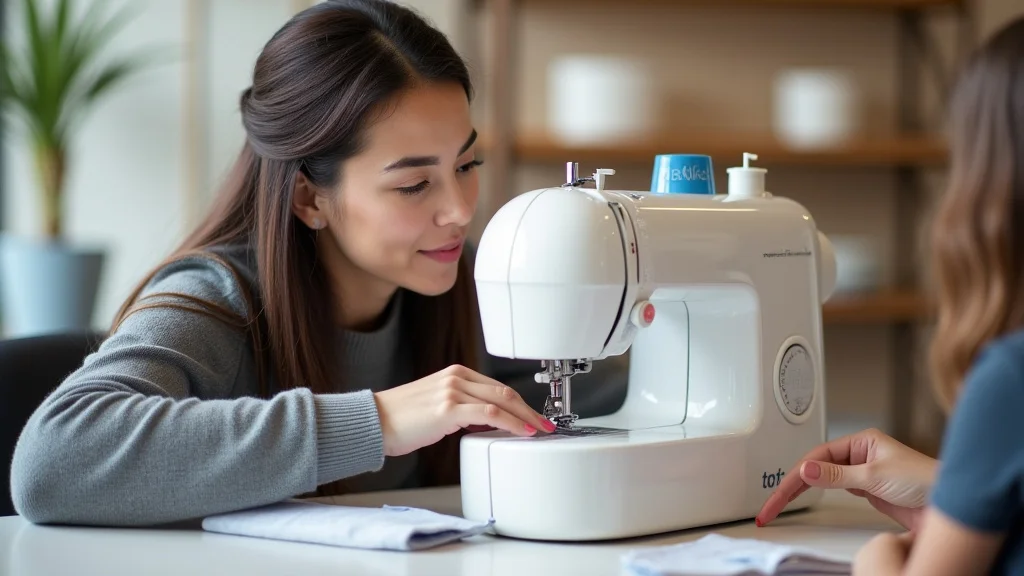
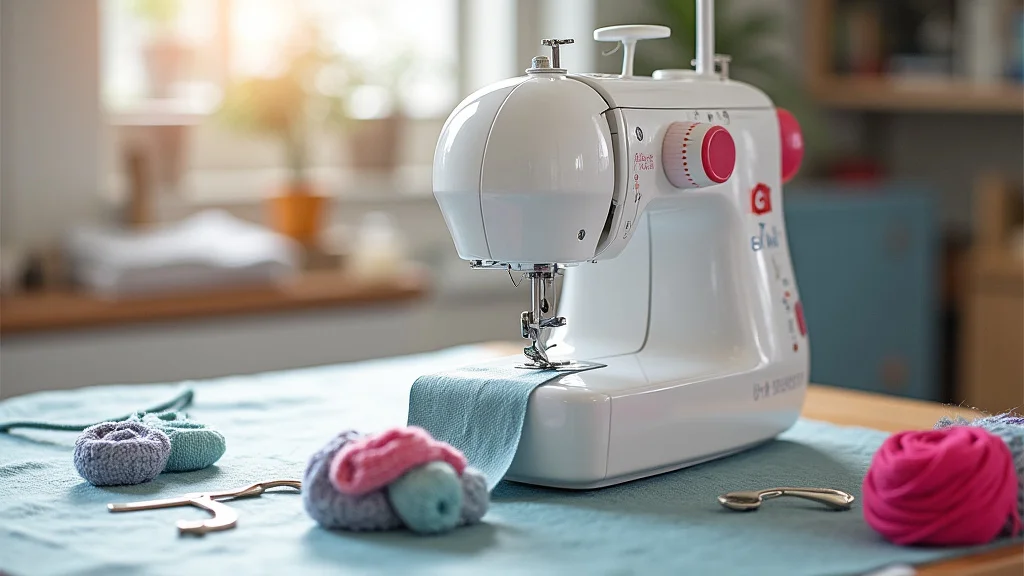
- Using a Sewing Machine: Understanding basic machine functions, such as threading and tension.
- Seam Finishes: Techniques to prevent edges from fraying.
Hand-sewing stitches are useful for mending and creating details. You can create a simple running stitch for seams. A backstitch will create a strong, durable seam. A slip stitch is good for invisible hems. If you use a sewing machine, make sure you know how to thread the machine properly. Maintaining the right tension will ensure the stitches are even and neat. Seam finishes can help keep your fabric from fraying.
Caring for and Storing Your Sewing Kit and Tools
Taking care of your sewing kit and tools is as important as learning how to sew. Proper care ensures they last a long time and keeps them ready to use. This will protect your investment and make sewing much more pleasant. Proper storage will keep everything organized and easy to find. With the right care and storage, your tools will remain in good condition. You will be able to enjoy sewing for many years.
Maintaining Your Tools for Longevity
Keep your sewing tools in good condition by regular maintenance. Regular care can extend their lifespan and ensure they always function as intended. Proper cleaning and storage will help prevent damage and keep them ready for use. Proper care will help protect your tools.
- Cleaning Needles and Scissors: Regularly wipe down tools to remove lint and thread.
- Storing Tools Properly: Keep tools in a designated area, such as a toolbox or sewing box.
- Sharpening and Maintenance: Sharpen scissors and replace needles regularly.
Keeping your needles clean ensures they easily pass through fabric, and that your scissors cut cleanly. Store your tools in a dry area. Keep your scissors sharp, or the fabric will fray when you cut. Replace the needles frequently. This will prevent damage to your projects. Regularly maintaining your tools extends their life.
Storage Solutions: Keeping Your Sewing Kit Organized
An organized sewing kit makes it much easier to start and complete your projects. Proper storage prevents loss of tools and makes everything easier to find. Having a place for each item will improve your workflow and reduce frustration. When you are done sewing, you can easily put your tools back in their place. This will give you peace of mind and help you find things when you need them.
- Sewing Boxes and Toolboxes: Contain compartments to store your supplies neatly.
- Pin Cushions and Needle Holders: Keep needles and pins safe and accessible.
- Thread Organizers: Keep your threads neatly arranged.
Sewing boxes and toolboxes are the classic choice, offering a space to store everything. Use pin cushions and needle holders to keep pins and needles safe and accessible. You can buy thread organizers. Having organized storage helps protect your tools. Organize your sewing kit to streamline your projects.
Real-Life Examples
Here are some examples of using your sewing kit and tools.
- Sarah’s favorite jeans ripped at the knee. Armed with her sewing kit and tools, she carefully used the seam ripper to remove the damaged area, then expertly stitched on a patch, saving her jeans and gaining a new, personalized style.
- Michael noticed the button on his work shirt was dangling precariously. Using his sewing kit, he quickly reattached the button, ensuring he looked presentable for his meetings.
These examples show the practical impact a well-equipped sewing kit can have on daily life, providing the skills to mend clothes and giving you the power to extend the life of your wardrobe.
| Tool | Purpose | Impact |
|---|---|---|
| Scissors | Cutting fabric | Creates straight edges |
| Needle and Thread | Joining Fabric | Allows for repairs |
| Seam Ripper | Taking out stitches | Corrects mistakes |
Common Myths Debunked
Myth 1: Sewing is difficult and only for experienced people.
Many believe that sewing is challenging and requires a lot of prior experience. However, the basics of sewing are accessible to everyone. Starting with simple projects and gradually increasing complexity helps build skills. With patience and practice, anyone can learn to sew.
Myth 2: Sewing machines are essential for basic projects.
While sewing machines are helpful, they are not a must-have for all projects. Hand-sewing techniques, with a needle and thread, are sufficient for many simple repairs and minor alterations. You can accomplish a lot with basic hand-sewing skills.
Myth 3: Expensive tools guarantee better results.
The cost of your tools does not guarantee quality. Although higher-end tools may have certain benefits, the most important thing is to have reliable tools that meet your needs. Basic, good-quality tools are often sufficient for great results.
Myth 4: Sewing is a dying art.
Contrary to the belief that sewing is a dying skill, it is increasingly popular. The rise of DIY projects and sustainable fashion is keeping sewing alive. Sewing offers a creative outlet and a practical means to repair and upcycle clothing.
Myth 5: You must know all the sewing techniques before you start.
It can seem that you must have a perfect understanding of all techniques to sew, but this is not the case. Learning one technique at a time is the best way to develop your skills. You can learn as you go, building confidence. Start with simple projects, and you will learn more each time.
Frequently Asked Questions
Question: What’s the best way to learn how to sew?
Answer: Start with beginner projects like mending clothes or sewing a simple tote bag. Watch tutorials, read instructions, and practice consistently.
Question: How do I choose the correct thread for my project?
Answer: Consider the fabric type and the purpose of the project. Cotton thread suits most fabrics. Polyester thread is good for synthetic materials. Silk thread works well for fine fabrics.
Question: How can I prevent my fabric from fraying?
Answer: Use seam finishes, such as serging or zigzag stitching, to seal the raw edges of your fabric. This keeps the edges from unraveling.
Question: What is the best way to store my sewing supplies?
Answer: Organize your supplies in a sewing box, toolbox, or drawers. Use pin cushions for pins and needles. Thread organizers will help you to keep threads neat.
Question: What do I do if my needle breaks while sewing?
Answer: Immediately stop sewing and replace the broken needle. Always use the right needle type and size for your fabric.
Final Thoughts
Having a well-stocked sewing kit and tools empowers you to address wardrobe malfunctions, create unique items, and express your creativity. From the basic essentials like needles and thread to useful additions such as seam rippers and measuring tapes, the right tools set the stage for success. Proper techniques for measurement, cutting, and stitching ensure your projects are neat, durable, and well-executed. Taking the time to care for and store your tools will extend their life and make sewing more enjoyable. Explore different projects and try new techniques. Embrace the satisfaction of creating and repairing with your own hands. Sewing is a useful skill that provides a means of personal expression. Don’t be hesitant to start; your first stitch is the beginning of a rewarding journey.