Ever had a favorite jacket or skirt rendered unwearable because of a broken zipper? Frustrating, right? Or maybe you’ve dreamed of creating your own custom-made clothing but felt intimidated by sewing zipper attachment? Well, you’re not alone! This guide will break down the process of sewing zipper attachment, making it accessible to beginners and offering helpful tips for experienced sewers. You’ll gain the skills and confidence to tackle any zipper project, from simple
Key Takeaways
- Learn the fundamental techniques for various zipper types.
- Master the essential tools and materials needed for successful zipper installation.
- Discover different methods for sewing zippers, including hand-sewing and machine techniques.
- Understand how to prepare fabric and zippers for proper alignment.
- Find solutions to common challenges and mistakes when working with zippers.
- Enhance your sewing projects with professionally attached zippers, improving their overall look.
Essential Tools and Materials for Sewing Zipper Attachment
Before you begin, gathering the right tools and materials is critical for a smooth and successful sewing zipper attachment process. This will ensure your project goes smoothly and the finished product looks professional. Having the correct supplies at hand saves time and frustration, and results in a better outcome.
Zipper Types and Their Applications
Selecting the correct zipper type is the first step to a flawless finish. Different applications require different kinds of zippers. Choosing the right one guarantees your project’s longevity and aesthetics. The various choices include the standard closed-end zippers, used for pockets and sleeves; open-ended zippers, for jackets and coats; and invisible zippers, creating a sleek appearance.
- Closed-End Zippers: These zippers are designed to fully close at the bottom, making them ideal for pockets, skirts, and the backs of dresses. They prevent items from falling out of pockets and provide a clean, finished look in clothing. The zipper stops at the bottom, creating a secure closure.
- Open-End Zippers: Also known as separating zippers, open-end zippers feature a mechanism at the bottom that allows the two sides to separate completely. These zippers are primarily used in jackets, coats, and other garments where you need the ability to fully open the closure. The slider can be removed from the bottom, and the two sides of the zipper can separate fully.
- Invisible Zippers: As the name suggests, invisible zippers are designed to disappear into the seam. This is achieved through the use of a special zipper tape and a unique construction that hides the zipper teeth when closed. They are often chosen for dresses, skirts, and other garments where you want a clean, uninterrupted seam.
Closed-end zippers are available in a variety of materials, including nylon coil and metal. Metal zippers offer a more durable option for heavy-duty applications. Nylon coil zippers are typically more flexible, making them ideal for curved seams or projects requiring greater ease of movement.
Open-end zippers come in various sizes and materials, including plastic and metal. Metal zippers offer more durability, while plastic zippers are often lighter and more flexible. Consider the weight and application of your project when deciding on an open-end zipper.
These zippers are typically made of nylon and require a special foot on the sewing machine. The foot guides the needle along the zipper teeth, allowing the seam to be sewn very close to the zipper. Because of their subtle appearance, invisible zippers can elevate the look of any garment.
Key Tools and Notions
Besides the right type of zipper, certain tools are essential for the attachment process. These items will help achieve precise placement and a professional finish. It’s always best to have the proper equipment ready before you begin, so you can work efficiently and achieve the best results.
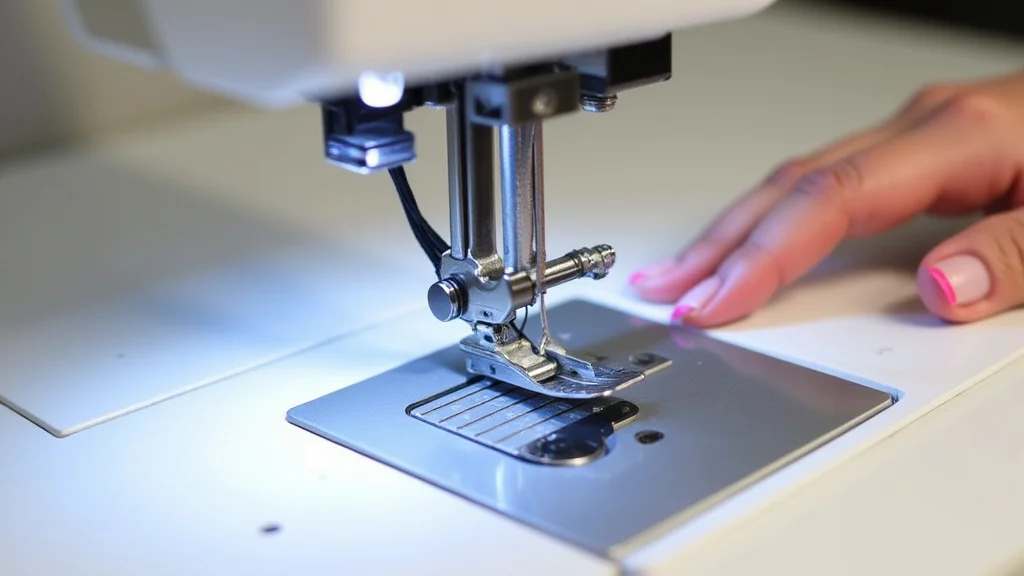
- Sewing Machine with Zipper Foot: A sewing machine is indispensable for attaching zippers quickly and neatly. A zipper foot is a special attachment that allows you to sew very close to the zipper teeth. It can be installed on most sewing machines and is usually included with the machine.
- Hand-Sewing Needles and Thread: Hand-sewing is vital for precise placement and creating neat finishes, especially for delicate fabrics or intricate designs. Using a fine needle helps to prevent fabric damage. The matching thread color is key for seamless results.
- Pins and Clips: Pins and clips secure the zipper to the fabric while sewing, preventing shifting and ensuring proper alignment. They are also useful in holding layers of fabric together. Using the right type of fastener keeps the fabric intact.
- Seam Ripper: Even experienced sewers make mistakes, and a seam ripper is essential for correcting them. It allows you to carefully remove stitches without damaging the fabric or the zipper. Choose a quality seam ripper with a sharp blade for easy use.
- Fabric Marking Tools: Fabric marking tools, such as chalk pencils, fabric markers, or tailor’s tacks, enable precise markings on the fabric. They are necessary to transfer pattern markings, mark seam lines, and indicate zipper placement. Using the correct tools can save you time and energy.
The zipper foot has a narrow design with a slot to accommodate the zipper teeth, allowing you to stitch close to the edge of the zipper. Some zipper feet are adjustable, allowing you to change the position of the needle relative to the zipper teeth. This is particularly useful for invisible zippers.
Choose a needle size suitable for the fabric you are working with. For lightweight fabrics, use a size 70/10 or smaller needle. For medium-weight fabrics, use a size 80/12 needle. For heavier fabrics, use a size 90/14 or larger needle. Thread color should match the fabric and the zipper tape, if possible.
Pins come in various types, including straight pins, ballpoint pins, and silk pins. Straight pins are general-purpose pins suitable for most fabrics. Ballpoint pins have a rounded tip and are ideal for knit fabrics to prevent snagging. Silk pins are fine pins with very sharp points, ideal for delicate fabrics.
When using a seam ripper, insert the tip of the ripper under the stitches and gently slide it along to cut the thread. Be careful not to pull the fabric. To avoid cutting the fabric, gently pull the threads away from the material after snipping them. Work slowly and carefully to avoid accidents.
When selecting a marking tool, make sure the marks will be easily removed or will disappear after washing. Chalk pencils and fabric markers come in various colors and are generally easy to erase. Tailor’s tacks are temporary stitches that can be removed after sewing.
Methods of Sewing Zipper Attachment
There are several methods for sewing zipper attachment, each suited to different situations and zipper types. The chosen method depends on the project’s complexity and the desired outcome. Understanding the different techniques gives you flexibility and control over your sewing projects.
Hand-Sewing vs. Machine Sewing
Both hand-sewing and machine sewing can be used for attaching zippers, each with its advantages. Machine sewing is generally faster and more precise, while hand-sewing offers greater control and flexibility, especially for intricate designs or delicate fabrics. Knowing the differences can influence the best option for your project.
- Machine Sewing: Machine sewing is the most commonly used method for zipper attachment, offering speed and consistency. It uses a sewing machine, specifically a zipper foot, to stitch the zipper to the fabric. Machine sewing is very efficient.
- Hand-Sewing: Hand-sewing offers more control and is ideal for intricate designs or delicate fabrics. It involves using a needle and thread to stitch the zipper to the fabric. Hand-sewing helps to create a seamless finish.
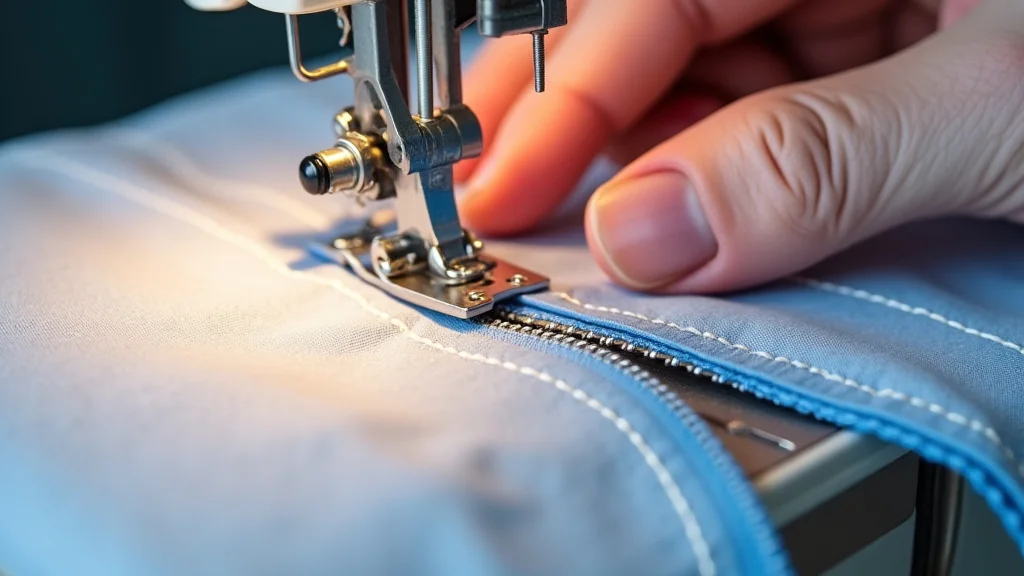
The zipper foot allows you to sew close to the zipper teeth, achieving a professional finish. It can handle all types of zippers, from closed-end to invisible. It is suitable for most fabrics, making it an excellent choice for a wide variety of sewing projects. Use a straight stitch for general applications and a zigzag stitch for extra durability.
You can use a variety of hand stitches for zipper attachment, including the slip stitch and the blind stitch. These stitches create an invisible or nearly invisible seam. This technique is often used for attaching invisible zippers or when working with sheer or delicate fabrics. Hand-sewing also gives you greater control over the placement and tension of the stitches.
Steps for Attaching a Basic Zipper
The process of attaching a basic zipper involves several key steps. Following these steps ensures accurate placement and a neat finish. Taking your time and being mindful of each step helps to avoid mistakes.
- Preparation: Prepare the fabric by cutting the opening for the zipper and stay-stitching the seam allowance. Press the fabric to remove wrinkles and create a smooth surface. Use a fabric marking tool to mark the zipper placement and seam lines.
- Pinning and Basting: Place the zipper face down on the right side of one fabric edge, aligning the zipper tape with the seam allowance. Pin the zipper in place and baste it using long stitches. Basting holds the zipper in place while sewing and prevents shifting during the process.
- Stitching: Using a sewing machine with a zipper foot, sew along the edge of the zipper tape, as close as possible to the zipper teeth. Remove the basting stitches once the zipper is secured. When stitching, guide the fabric carefully to prevent any puckering or distortion.
- Finishing: After sewing the first side, repeat the process on the other side. Once the zipper is attached, check for any gaps or puckering. Trim any excess zipper tape and secure the ends by hand. Finish the seam with a seam finish, such as serging or zig-zag stitching.
Stay-stitching involves sewing a line of stitches along the seam line to prevent stretching or distortion of the fabric. This ensures that the fabric maintains its shape while the zipper is installed. Carefully measure the zipper length against the opening to ensure a good fit.
Basting is a temporary stitching method used to hold fabric layers together. It involves using long, loose stitches that can be easily removed later. When pinning, make sure to place the pins perpendicular to the edge of the zipper. This allows you to remove them easily as you sew.
When sewing around the zipper pull, lower the needle into the fabric and lift the presser foot to pivot the fabric. Sew a straight stitch, backstitching at both ends to secure the stitches. Make sure to choose a stitch length appropriate for the fabric. A shorter stitch length will provide a more secure attachment.
The seam finish prevents the edges of the fabric from fraying and improves the durability of the garment. Press the finished zipper to remove any creases and create a smooth appearance. A properly attached zipper will lie flat and blend seamlessly with the garment.
Troubleshooting Common Zipper Problems
Even with careful planning, things don’t always go smoothly when working with zippers. Being prepared to solve these issues is key to a positive outcome. Knowing what to do can save a project and your sewing time.
Zipper Won’t Open or Close
A zipper that doesn’t open or close can be very frustrating. Multiple causes can contribute to this problem, but most can be fixed. Understanding the possible causes can help you identify and fix the issue.
- Misalignment: Ensure the zipper teeth are properly aligned before zipping. Misalignment often happens if the zipper tape is not positioned correctly. If the teeth are not aligned, the slider may not be able to engage them correctly.
- Obstruction: Check for any obstructions, such as threads or fabric, that may be blocking the slider. Threads can get caught in the teeth or the slider, preventing it from moving. Removing any obstructions will allow the slider to move freely.
- Damage: Inspect the zipper teeth and slider for any damage. Bent or broken teeth can prevent the zipper from functioning properly. A damaged slider may also not engage the teeth correctly. If the zipper is damaged, replacement may be necessary.
Carefully examine the zipper teeth and the surrounding fabric to identify any areas of misalignment. If the teeth are misaligned, gently nudge the slider back and forth to try to realign them. If the fabric is interfering with the zipper, gently adjust it to eliminate any obstruction.
Inspect the zipper teeth and the surrounding area. Remove any loose threads or fabric snags. If the slider is stuck, try gently wiggling it back and forth while pulling it in the opposite direction of the snag. Using tweezers or a seam ripper can help remove stubborn threads.
Look for missing or bent teeth and any signs of damage to the slider. If the teeth are bent, try to carefully straighten them with pliers. If the slider is damaged, you may need to replace the entire zipper. When replacing, choose a zipper of the same type and length for the best results.
Zipper Puckering or Distorting the Fabric
Zipper puckering is a common issue that causes the fabric around the zipper to appear uneven or wrinkled. This happens when the fabric doesn’t lay flat against the zipper. Knowing how to fix this makes your project look better.
- Incorrect Tension: Adjust the sewing machine’s tension to prevent puckering. Too much or too little tension can cause the fabric to bunch up or pull. Proper tension is critical for achieving a smooth, even seam.
- Fabric Preparation: Properly prepare the fabric to prevent puckering. This may include stabilizing the fabric around the zipper or using interfacing. Proper fabric preparation gives the zipper a stable base and helps to prevent distortion.
- Stitching Technique: Use a slow and consistent stitching speed. This allows you to guide the fabric and prevent it from bunching up. A consistent speed ensures that the stitches are evenly spaced and that the fabric is held firmly in place.
Test the tension on a scrap piece of fabric before sewing the zipper. If the tension is too high, the fabric will pucker. If the tension is too low, the stitches may be loose. Adjust the upper and lower thread tensions until the seam is smooth and balanced.
Use interfacing on the fabric to add stability. Cut the interfacing slightly larger than the zipper opening and press it in place. This will provide a firm foundation for the zipper and prevent stretching or pulling. Avoid stretching the fabric while sewing, ensuring an even stitch line.
Sew the zipper slowly, carefully guiding the fabric under the needle. Use your fingers to keep the fabric smooth and flat. Avoid pulling or stretching the fabric as you sew. If you have trouble, use pins or clips to secure the zipper and fabric before sewing.
Advanced Techniques in Sewing Zipper Attachment
Once you’ve mastered the basics, you can explore more advanced techniques to enhance your projects. You will refine your skills and achieve professional results. Advanced methods add a lot of versatility to the skill of sewing zipper attachment.
Inserting an Invisible Zipper
Inserting an invisible zipper creates a clean and seamless look, often used in dresses, skirts, and other garments. It requires a special zipper foot and precise techniques. Careful execution is key to achieving a truly invisible result.
- Preparation: Prepare the fabric by pressing the seam allowance open. Pin the zipper to the fabric, aligning the zipper teeth with the seam line. Ensure the zipper teeth are hidden when the zipper is closed.
- Sewing: Using an invisible zipper foot, sew close to the zipper teeth. Start sewing at the top and work your way down the seam. Ensure the fabric lays flat against the zipper tape. Position the needle to stitch right next to the teeth.
- Finishing: Once you reach the end of the zipper, change to a regular presser foot. Sew across the bottom of the zipper to secure it. Press the seam open and admire your work. A cleanly inserted zipper improves the overall finish.
Use an invisible zipper foot, which has grooves that guide the needle along the zipper teeth. Press the seam allowance open, then center the zipper face down. Pin the zipper tape to the fabric, making sure that the teeth are hidden behind the seam.
Carefully guide the fabric under the presser foot, ensuring the seam is straight and even. Adjust the needle position if needed to stitch as close to the zipper teeth as possible. Sew slowly and carefully to maintain a straight stitch line, removing the pins as you go.
After sewing the zipper, remove any remaining basting stitches and press the seam open. If there is excess zipper tape, trim it. A properly inserted invisible zipper will appear to disappear into the fabric when closed.
Sewing Zippers in Curves
Attaching a zipper to a curved seam presents a unique challenge, which requires specific techniques. This technique is often used in pockets and other design elements, and precision is key to a smooth curve.
- Preparation: Prepare the fabric by stay-stitching the curved seam. This prevents the fabric from stretching. Measure and mark the zipper placement to maintain symmetry and ensure a clean finish.
- Pinning and Sewing: Pin the zipper to the curved seam, starting from one end. Gradually curve the zipper tape to match the fabric. Use a zipper foot, and sew slowly, pivoting the fabric to maintain the curve. Carefully pin the zipper tape along the curve.
- Finishing: Once the zipper is attached, check for any gaps or puckering. Trim any excess zipper tape and secure the ends. Use a seam finish to prevent fraying and create a durable finish. A well-sewn curved zipper will lie flat and maintain the integrity of the design.
Stay-stitching reinforces the seam and provides stability, preventing the fabric from distorting. Mark the zipper placement with pins or fabric chalk to ensure accurate alignment. Cut a small slit at the bottom of the seam to accommodate the zipper pull.
Using a zipper foot allows you to get close to the zipper teeth, which helps to maintain the curve. Sew slowly and carefully, pivoting the fabric to maintain the curve. Adjust the needle position if needed to keep the stitches even.
Press the seam gently to remove any creases or wrinkles. Check the zipper function and make any adjustments as needed. A neat and secure curved zipper will greatly improve the final appearance.
Common Myths Debunked
Myth 1: Zippers Are Difficult to Sew
Some beginners feel that sewing zippers is hard and complex. However, with the right techniques and a little practice, anyone can learn to do it. The perception of difficulty often comes from not knowing the proper methods.
In reality, sewing zipper attachment is a skill that can be developed over time. Starting with simple projects and gradually progressing to more complex ones is key. Following clear instructions and practicing different techniques will help you master the process.
Myth 2: You Need Special Equipment to Sew Zippers
Many believe that special machines or complicated tools are necessary to attach zippers, but this is not entirely true. While specialized tools can be helpful, they are not always essential. The basics can be achieved with standard sewing tools.
A basic sewing machine with a zipper foot and a few essential hand-sewing tools are all you need. While additional attachments like an invisible zipper foot are useful for specific zipper types, the essential tools are sufficient to begin. With some pins, scissors, a needle, and thread, you can get started.
Myth 3: You Can’t Fix a Broken Zipper
It’s often thought that a broken zipper requires replacing the entire garment, but this is not always the case. Many zipper problems can be fixed with some basic knowledge and a few simple steps. Small problems often have easy solutions.
Things like a jammed slider or a few missing teeth can often be addressed. Sometimes, replacing a slider or repairing a few teeth can restore a zipper’s functionality. Replacing the zipper is always a solution, but this often means more work than just a repair.
Myth 4: Invisible Zippers Are Impossible
Some sewers are hesitant to try invisible zippers, believing they are difficult. However, with the right techniques, they are quite achievable. Precise sewing and careful pressing are key, but with practice, anyone can master them.
The secret is in the prep work. Using a special zipper foot and aligning the zipper teeth properly are key. Following the steps, using the right tools, and using clear instructions will make the process easier. With some patience and care, you can sew invisible zippers with great results.
Myth 5: All Zippers Are Created Equal
It is assumed that all zippers are interchangeable and that it doesn’t matter what kind you use. The quality of a zipper can affect the look, feel, and durability of a project. Using the wrong zipper can even make a project impossible.
Zippers come in various materials, sizes, and styles. They are designed for different purposes. Choosing the right zipper for your project is important, as it affects the look and function of the finished item. Good zippers make a big difference in a project’s life.
Frequently Asked Questions
Question: What is a zipper foot, and why is it important?
Answer: A zipper foot is a special sewing machine attachment designed to sew close to the zipper teeth. It is important because it allows you to precisely stitch the zipper to the fabric, resulting in a neat and professional finish.
Question: How do I choose the correct zipper size?
Answer: Measure the length of the opening where the zipper will be placed. You can also measure an existing zipper, and choose a replacement size that matches. Make sure the zipper is long enough to cover the opening.
Question: What do I do if my zipper won’t stay closed?
Answer: Check to make sure there are no obstructions in the teeth or the slider. If the slider is loose, replace the zipper. Using a new slider or a better zipper may fix the problem.
Question: Can I hand-sew a zipper?
Answer: Yes, you can hand-sew a zipper using a slip stitch, blind stitch, or a similar technique. This method is useful for delicate fabrics or intricate designs, and gives you more control.
Question: How do I prevent puckering around a zipper?
Answer: Prepare the fabric with interfacing to add stability and maintain consistent stitching tension. Sew slowly, using a zipper foot, and guide the fabric gently to avoid bunching and achieve a smooth finish.
Final Thoughts
Mastering sewing zipper attachment opens up a world of possibilities for your sewing endeavors. The techniques discussed, from choosing the correct tools to addressing common challenges, provide you with the information to handle any zipper project. Whether it’s replacing a broken zipper on a favorite garment, creating custom-made clothing, or simply adding a professional touch to your creations, the ability to sew zippers is a valuable skill. Remember to start with the basics, practice consistently, and embrace the learning process. With patience and persistence, you’ll be able to expertly attach zippers, elevating your sewing to a new level. Happy sewing, and may your projects always zip smoothly!