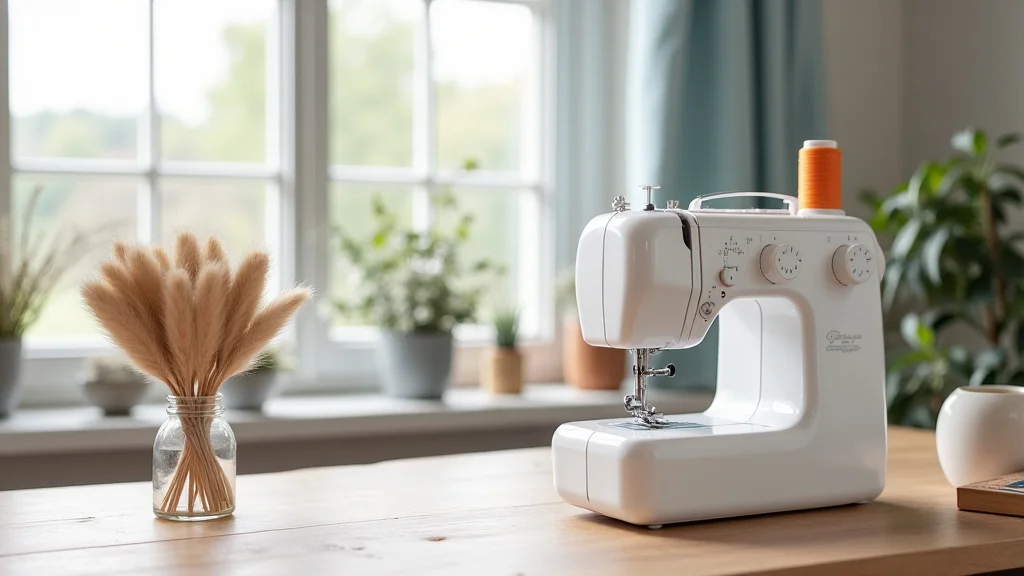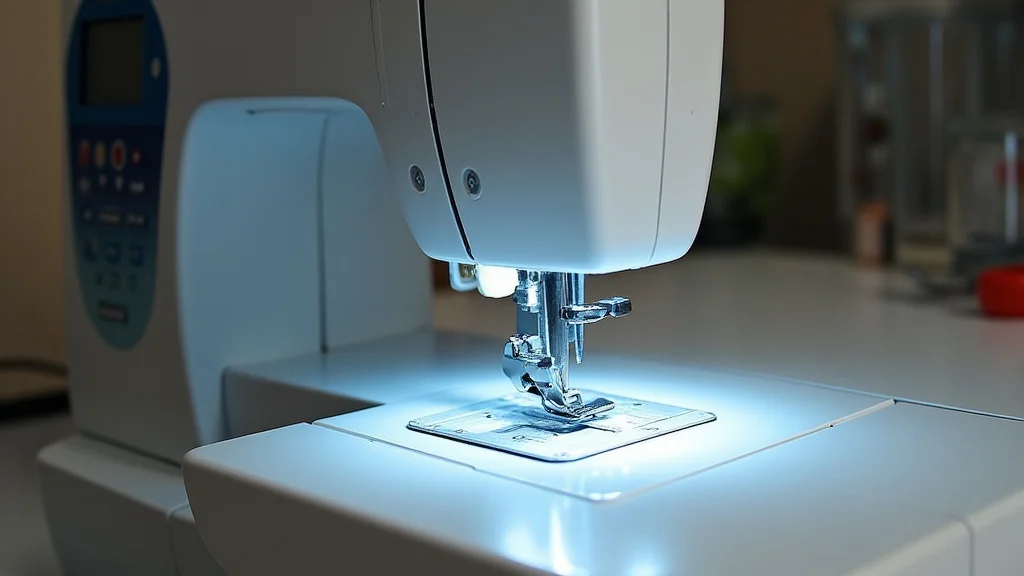
Remember that old quilt your grandmother used to make? The one with all the intricate patterns and perfect stitches? That was probably thanks to a trusty sewing machine. Maybe you’ve always admired those creations and thought, “I’d love to learn how to do that!” This blog post aims to shine a sewing machine spotlight on everything you need to know, from the basics to more advanced techniques. You’ll gain a solid grasp of how these machines work, their different types, and how to choose the right one for your projects, making it easier to start your own creative adventures.
Key Takeaways
- Learn about the different types of sewing machines and their capabilities.
- Discover essential features to consider when selecting a machine.
- Understand the basic mechanics and components of a sewing machine.
- Get tips on choosing the best machine for your budget and needs.
- Explore useful accessories and how they can enhance your sewing.
- Find out how to troubleshoot common issues and maintain your machine.
Unveiling the Essentials Sewing Machine Spotlight
Sewing machines have transformed the way we create clothing, home décor, and countless other items. Initially developed to speed up the process of making clothes, these machines have become an essential tool for both home sewers and professional designers. From simple hand-cranked models to computerized marvels, the evolution of sewing machines has given rise to a diverse range of options, each designed for specific purposes and skill levels. Exploring the different types and features available gives a better appreciation for the incredible ingenuity that goes into each machine. This section will guide you through the core components and offer a comprehensive overview of machine types.
Types of Sewing Machines
The variety of sewing machines can be a bit overwhelming, but each type offers specific advantages. Choosing the right one depends on your needs and skill level. Whether you are a beginner or a seasoned professional, knowing the differences between these types helps you determine the best option for your projects. Basic knowledge of each type helps to narrow your search and ensures you find a machine that suits your creative vision.
- Mechanical Sewing Machines: These machines are a great starting point for beginners.
- Electronic Sewing Machines: They feature electronic controls for more complex stitches.
- Computerized Sewing Machines: The most advanced option, offering a wide array of stitches and features.
- Sergers (Overlock Machines): Special machines used for finishing edges and creating professional seams.
Mechanical sewing machines are the most basic type, offering a straightforward approach to sewing. They rely on manual controls and simple mechanisms, making them easy to learn and operate. They use dials and levers to adjust settings like stitch length and width. Because of their simpler design, they tend to be more affordable and easy to maintain. These machines typically offer a range of basic stitches, making them ideal for beginners and those who need a reliable machine for simple sewing tasks.
Electronic machines use a combination of mechanical parts and electronic controls to provide more features and capabilities than their mechanical counterparts. They typically have a built-in selection of stitches, often including decorative options. Electronic models often have LCD screens to display stitch settings. This type of machine offers greater precision and convenience, making it suitable for intermediate sewers who want more creative options or those who want a more reliable machine than the basic mechanical options.
Computerized sewing machines represent the pinnacle of sewing technology. They have built-in computer systems that control all aspects of the sewing process. They offer a vast selection of stitches, including elaborate decorative patterns, alphabets, and monograms. Many models feature automatic needle threaders, automatic buttonhole creation, and other advanced functions. These machines are perfect for experienced sewers and those seeking maximum creativity and precision in their projects, and can be connected to computers for design uploads.
Sergers, also called overlock machines, are designed specifically for finishing edges of fabric and creating professional-looking seams. Unlike regular sewing machines that use two threads to form a lockstitch, sergers use multiple threads (usually three or four) to trim the fabric and create a neat, secure edge. They are particularly useful for sewing knit fabrics and creating durable seams that won’t fray. Sergers are essential for creating durable seams, adding professional finishes to edges, and are often used in garment construction.
Key Components of a Sewing Machine
Understanding the fundamental parts of a sewing machine is crucial for using it correctly. Familiarizing yourself with these components makes it easier to troubleshoot problems, make adjustments, and get the most out of your machine. Each part contributes to the overall process of sewing, and their combined functions create a seamless fabric joining experience. From the power switch to the bobbin, each part plays a key role.
- Needle: The part that pierces the fabric to create stitches.
- Bobbin: A small spool that holds the lower thread.
- Thread Take-Up Lever: This part moves up and down, pulling thread from the spool.
- Feed Dogs: These small teeth move the fabric under the needle.
The needle is the most important element for the formation of stitches. It’s the sharp, slender tool that pierces the fabric and carries the thread through it. Different types of needles are used for various fabrics and thread types. Selecting the correct needle ensures smooth stitching and prevents damage to the fabric or machine.
The bobbin holds the lower thread that interlocks with the upper thread to form a stitch. Located in the bobbin case, the bobbin is an important part of the tension control system. Proper bobbin winding and thread tension are critical for creating neat and even stitches. Bobbin management includes winding the bobbin correctly, inserting it into the bobbin case properly, and regularly checking and replacing the bobbin.
The thread take-up lever pulls the thread from the spool, feeding it through the machine and controlling the thread tension. It moves up and down in synchronization with the needle, ensuring the correct amount of thread is supplied for each stitch. The lever’s function is key to consistent stitch quality, preventing thread breaks, and allowing for various stitch types. It must be threaded properly.
The feed dogs, located beneath the needle plate, are small, toothed bars that move the fabric forward during sewing. As the needle goes up and down, the feed dogs work in tandem with it to push the fabric through. The feed dogs determine stitch length and help ensure that the fabric is advanced evenly. Regular cleaning of the feed dogs is necessary to remove lint and fabric scraps, which can affect their functionality.
Sewing Machine Spotlight: Finding the Perfect Fit
Choosing the best sewing machine can feel like a big decision. Consider your current sewing experience and the types of projects you plan to undertake. Your budget is also important. Different machines come with different price tags. Understanding these variables lets you focus your search on machines that truly meet your needs. By taking the time to assess your requirements, you can find a machine that fits your budget and inspires your creative endeavors.
Assessing Your Sewing Needs
Before you make a purchase, consider what you’ll be using the sewing machine for. This exploration determines the ideal features and functionalities for your needs. Whether you’re a beginner, an occasional sewer, or a more advanced crafter, identifying your typical projects helps you make a better choice. The types of fabrics you want to work with and the specific techniques you want to learn also shape your machine requirements. This assessment ensures the machine you pick provides the functionality you need and helps improve your enjoyment of sewing.
- Skill Level: Beginners should choose user-friendly machines with essential features.
- Project Types: Consider what you plan to create most often.
- Fabric Types: Be sure the machine can handle your materials.
- Features: Prioritize the features that are most important.
If you’re new to sewing, start with a basic, easy-to-use machine. Look for features like simple stitch selection, automatic needle threaders, and a straightforward interface. These machines typically have fewer advanced settings. These machines make it easier to learn the basics without being overwhelmed by a wide array of options. This also avoids the cost of features you may not yet need.
If you mainly intend to sew clothing, select a machine with a variety of stitches, including stretch stitches for knit fabrics. For quilting, a machine with a wider throat space and quilting stitches is important. Home décor projects may require a machine that can handle thicker fabrics. Considering your primary projects helps you decide on the right machine model.
Different machines are better suited for various fabrics. If you often work with heavy materials like denim or leather, look for a machine with a strong motor and the ability to handle those thicknesses. If you focus on delicate fabrics like silk or chiffon, you’ll need a machine that can sew with precision and control. Make sure your machine is capable of handling the materials you frequently use.
Features like automatic buttonhole creation, adjustable presser foot pressure, and a variety of stitch patterns can greatly enhance your sewing experience. Consider how much automation you want and how important features like a needle up/down button are for your projects. Think about the convenience features that will make your sewing more efficient and enjoyable. Identify which features best align with your sewing style and needs.
Budgeting for a Sewing Machine
Establishing a budget is an essential step in the purchasing process. Sewing machines range in price, so setting a budget helps narrow down your choices and prevents overspending. Consider the features you must have and determine what you can afford. This will help you find the best value for your money. Don’t forget to account for any additional costs, such as accessories or maintenance.
- Entry-Level Machines: These are generally less expensive.
- Mid-Range Machines: These provide a balance of features and cost.
- High-End Machines: These offer advanced features and professional-grade performance.
- Consider Accessories and Additional Costs: Factor in the cost of accessories and maintenance.
Entry-level sewing machines are ideal for beginners or those with basic sewing needs. They typically have essential features and a range of basic stitches. These models are generally more budget-friendly. They offer a great starting point for learning sewing without a huge investment. Entry-level machines are a good choice to start sewing without breaking the bank.
Mid-range sewing machines offer a step up from entry-level models, providing more features, more stitch options, and better build quality. These machines offer advanced functionality without the high price tag of professional models. They are often a good choice for intermediate sewers looking to upgrade their skills or for anyone looking for added convenience and versatility.
High-end sewing machines are designed for experienced sewers and professionals. They feature advanced technology, a wide range of stitches, and robust construction. These models offer additional features like computerized controls and automated functions. High-end machines offer unparalleled precision and performance, though they come at a higher cost. These machines provide the functionality needed for more complex and ambitious sewing projects.
When creating your budget, factor in the cost of accessories, such as bobbins, needles, and specialty presser feet. Think about whether you need an extension table, a carrying case, or other add-ons. You should also consider the cost of future maintenance and repairs. Accounting for accessories and additional costs helps you establish a realistic budget, ensuring you’re prepared for the full cost of your sewing machine and associated expenses.
Mastering Sewing Machine Techniques
Getting the most out of your sewing machine involves more than just knowing its features; it requires mastering the core techniques that deliver beautiful results. From threading the machine correctly to achieving perfect tension and mastering different stitch types, these skills are essential for all sewers. This exploration will provide clear instructions and troubleshooting tips.
Threading and Basic Operation
Threading your machine properly is essential. In the following guide, each step is explained clearly. Improper threading can lead to thread tangles, broken needles, and uneven stitches. This section explains the process for successful results, from the spool to the fabric. Each step should be followed carefully.
- Threading the Upper Thread: Follow the machine’s threading diagram.
- Winding and Inserting the Bobbin: Ensure the bobbin is wound evenly and inserted correctly.
- Bringing Up the Bobbin Thread: Use the handwheel to catch the bobbin thread.
- Starting and Stopping: Use the foot pedal to control the machine’s speed.
Consult your machine’s manual for the threading path. Place the spool on the spool pin, and guide the thread through the specified points, typically including the thread guides, tension discs, and take-up lever. Make sure the thread is correctly seated in the tension discs. Proper threading ensures smooth operation and prevents thread-related issues.
Wind the bobbin evenly using the bobbin winder. Then, insert the bobbin into the bobbin case, following the manufacturer’s instructions. Make sure the bobbin thread feeds correctly through the tension spring. Correct bobbin insertion is key to creating neat and even stitches, and prevents thread jams. Refer to the manual for specific instructions.
Hold the upper thread and turn the handwheel toward you to bring the bobbin thread to the surface of the needle plate. Gently pull up the upper thread to catch the bobbin thread, forming a loop. This process is important to make sure both threads are properly positioned for stitching, and creates the first stitch of a seam.
Use the foot pedal to control the machine’s speed, starting and stopping sewing. Begin slowly and gradually increase the speed. At the end of a seam, raise the needle, lift the presser foot, and gently remove the fabric. Practice makes perfect when it comes to controlling the machine’s speed. Consistent control is key to accuracy and prevents fabric damage.
Stitch Types and Applications
Understanding and applying different stitch types expands your sewing capabilities. Each stitch has a purpose, from basic straight stitches to more complex decorative patterns. Mastering stitch types improves the quality and look of your projects. Exploring different stitches gives you the ability to match stitches to fabric types and purposes.
- Straight Stitch: Used for basic sewing and seams.
- Zigzag Stitch: Ideal for finishing edges and creating decorative patterns.
- Overlock Stitch: Used for professional-looking seams, especially on knit fabrics.
- Decorative Stitches: Expand creative possibilities with various patterns.
A straight stitch is the most basic and versatile stitch, used for creating seams, topstitching, and general sewing. Adjust the stitch length according to the fabric type and project requirements. Use a shorter stitch length for fine fabrics and a longer stitch length for heavier materials. The straight stitch is the cornerstone of sewing, and mastering it gives you the foundation for almost every sewing project.
The zigzag stitch is used for finishing edges to prevent fraying and for creating decorative effects. Adjust the stitch width and length to customize the look. A narrow zigzag stitch is perfect for finishing edges, while a wider stitch is used for decorative applications. The zigzag stitch is a versatile choice for edge finishing and adding creative embellishments.
The overlock stitch, created with an overlock or serger machine, is used for creating seams and finishing edges in a single step. It wraps the thread around the edge of the fabric, preventing fraying. This stitch is particularly good for knit fabrics and offers a durable, professional finish. Overlock stitches are essential for constructing garments, because they improve both durability and appearance.
Computerized and electronic machines offer various decorative stitches, including patterns, alphabets, and symbols. These stitches add design elements to projects, from creating embellishments on garments to personalizing home décor items. To effectively use these stitches, familiarize yourself with your machine’s settings, and experiment with different fabrics and threads. Decorative stitches offer a way to get creative and personalize your sewing.
Common Myths Debunked
Myth 1: Sewing Machines Are Difficult to Learn
In reality, with a little guidance, learning to use a sewing machine is easier than you think. Many modern machines come with user-friendly features, clear instructions, and online tutorials. Start with the basics and gradually explore more complex techniques. Consistency and practice are more important than innate talent.
Myth 2: Expensive Machines Are Always Better
The best sewing machine is the one that best suits your needs, not necessarily the most expensive one. While high-end machines offer advanced features, a budget-friendly machine can be just as effective for beginners or those who primarily focus on basic sewing tasks. Consider the features you need and purchase a machine that fits your budget.
Myth 3: All Threads Work Equally Well
The type of thread you use makes a difference in your sewing. Different fabrics and projects require specific types of thread. Using the wrong thread can lead to breakage, uneven stitches, and weakened seams. For example, use cotton thread for cotton fabrics and polyester thread for synthetic fabrics. Always match the thread to the fabric.
Myth 4: Sewing Machines Require Constant Maintenance
Regular maintenance is not overly complex. Keeping your sewing machine in good condition mostly involves keeping it clean and lubricated. Basic maintenance tasks include cleaning the bobbin area regularly, oiling the machine according to the manufacturer’s instructions, and changing the needle. This is manageable and keeps the machine running smoothly for years.
Myth 5: Sewing is Only for Experienced Tailors
Sewing is a hobby that can be enjoyed by anyone, regardless of their skill level. With the wide range of resources available, including online tutorials, sewing classes, and easy-to-follow patterns, it’s easier than ever to start sewing. Everyone begins as a beginner. With practice and patience, you can master basic skills and create your own projects.
Frequently Asked Questions
Question: How often should I oil my sewing machine?
Answer: Refer to your machine’s manual, but generally, oil your sewing machine every few hours of use or as recommended by the manufacturer.
Question: How do I choose the correct needle size?
Answer: Use a needle size appropriate for the fabric. Lightweight fabrics require smaller needles (60/8 or 70/10), while heavier fabrics need larger ones (90/14 or 100/16).
Question: What’s the best way to clean my sewing machine?
Answer: Remove the bobbin case and needle plate, then use a brush to remove lint and debris. Wipe down the machine exterior with a soft cloth.
Question: How do I fix a thread jam?
Answer: Turn off the machine, remove the fabric, rethread the machine, and make sure the bobbin is inserted correctly. Check for any obstructions.
Question: What kind of fabric is easiest for beginners?
Answer: Cotton fabric is a great choice for beginners because it’s easy to work with and forgiving.
Final Thoughts
The sewing machine spotlight has illuminated the world of sewing machines. You now have a stronger grasp of different types of machines, from basic mechanical models to advanced computerized systems. You have learned how to evaluate your needs, select the right machine, and understand the basic functions. Mastering fundamental techniques is vital for bringing your creative ideas to life. Remember to regularly maintain your machine for long-lasting use. Start with simple projects, and don’t be afraid to experiment. With patience and practice, you can transform your creative vision into reality. So grab your fabric, choose your project, and begin your sewing journey. The possibilities are endless!