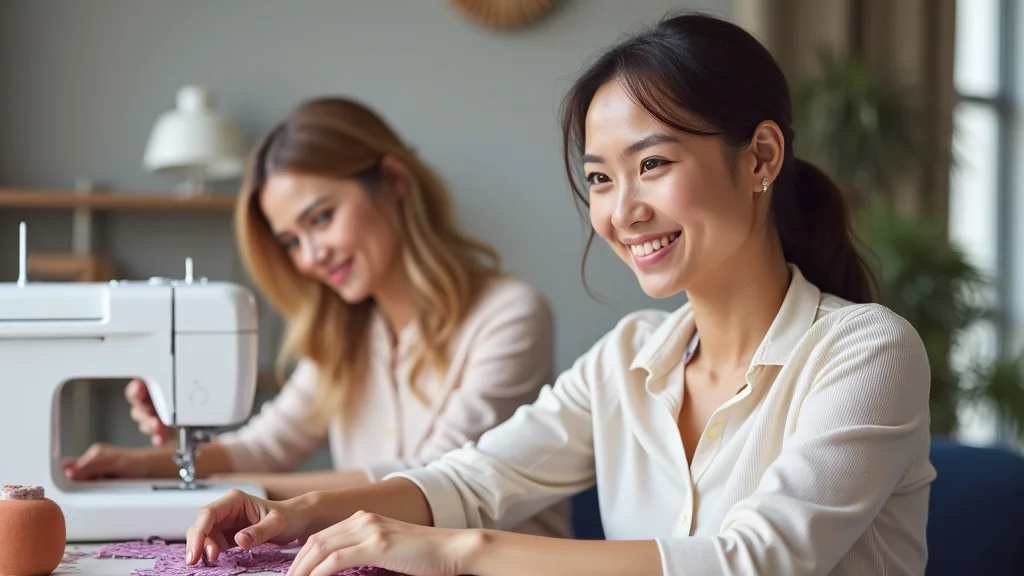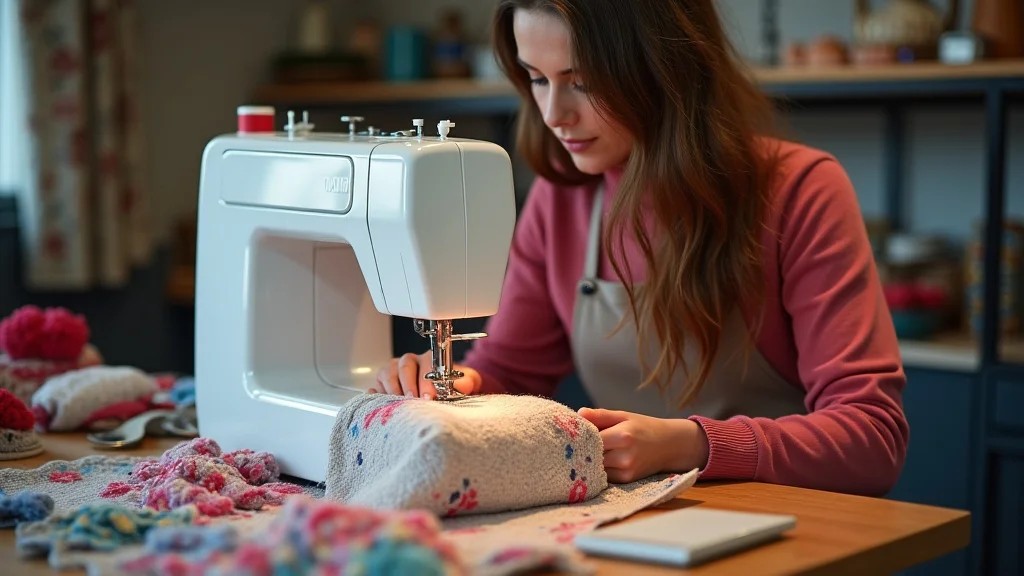
Remember that old dress you loved but it ripped? Or perhaps you have a fantastic idea for a new skirt but don’t know where to begin? Maybe you’ve always wanted to create your own unique clothing and accessories. This post explores the exciting and accessible world of sewing UK, offering practical advice and inspiration for sewers of all levels. From selecting the right tools to mastering basic techniques, this guide will provide you with the knowledge and confidence to start your sewing adventure. You’ll also discover the resources available within the UK’s sewing community, supporting your crafting endeavors. We aim to help you not only learn to sew but to be more confident in the world of DIY fashion, enhancing your skills and boosting your creativity.
Key Takeaways
- Discover the essential tools and equipment needed to start sewing.
- Learn about the different types of fabrics and how to choose the right one for your projects.
- Understand basic sewing techniques like hand stitching and using a sewing machine.
- Explore the thriving sewing UK community and find local resources.
- Gain tips on how to care for and maintain your sewing equipment.
- Get inspired with project ideas for all skill levels.
The Fundamentals of Sewing UK
Before beginning any sewing project, gathering the correct tools and supplies is essential. Having the right equipment can make all the difference, helping you to make sewing easier and more enjoyable. From the basics like needles and thread to specialized tools like seam rippers, having the proper items will support your progress. This section provides a list of important instruments, the role they play, and how to select quality equipment for your sewing projects.
Essential Sewing Tools
- Needles and Pins: These are fundamental for any sewing task. Different types of needles are made for different fabrics. For example, a universal needle will work for most woven fabrics, while a ballpoint needle is suitable for knit fabrics. Pins hold fabric pieces together while stitching. It’s important to use sharp pins to avoid damaging the fabric.
- Scissors and Rotary Cutters: Having sharp, quality scissors is vital for cutting fabric cleanly. Fabric scissors should be used only for cutting fabric, as using them for other materials will dull them. Rotary cutters, often paired with a cutting mat, are excellent for straight cuts and cutting multiple layers of fabric.
- Measuring Tools: Accurate measurements are key to successful sewing. A tape measure is necessary for taking body measurements and measuring fabric. A sewing gauge is useful for measuring small distances, such as seam allowances and hems.
- Thread and Seam Ripper: Choosing the right thread for your project is important. A good quality thread will prevent issues like breakage. A seam ripper is an indispensable tool for removing stitches without damaging the fabric.
Selecting the correct needle size is equally important. Thinner needles are best for lightweight fabrics, while thicker needles are needed for heavier materials. The size is usually printed on the needle package. Similarly, choosing the right pins matters; glass-head pins are preferable because they are heat-resistant and won’t melt if they come into contact with a hot iron. Remember to keep pins in a pin cushion or safe place to avoid losing them or accidents.
Fabric scissors are different from paper scissors, with a unique blade shape for clean cuts. Rotary cutters, which have a circular blade, require a self-healing cutting mat to protect surfaces and the blade. They are especially useful for quilting and cutting multiple fabric layers at once, which is a great time-saver. Always store scissors and rotary cutters safely when not in use.
A tape measure should be flexible yet durable, with both inches and centimeters. A sewing gauge, often with a sliding marker, allows for easy measurement of hems, seam allowances, and buttonhole placement. A clear ruler is also helpful for measuring and marking straight lines. Proper measurement prevents mistakes and guarantees a polished finish to your sewing projects.
The type of thread should match your fabric; all-purpose thread works for many materials, while specialized threads exist for denim, upholstery, and other fabrics. A seam ripper, with its sharp, angled blade, helps in taking out unwanted stitches quickly and easily. Knowing how to use it carefully will save time and protect the fabric. Having these tools will greatly improve your sewing experience.
Selecting the Right Fabric
The choice of fabric significantly impacts the final look and feel of your sewing project. Different fabrics behave differently; some drape beautifully, while others are more structured. This part highlights different fabric categories and how they suit various projects, ensuring you choose the ideal material for your needs.
- Cotton: A versatile choice, cotton is easy to sew, breathable, and available in numerous patterns and weights. It is suitable for a wide range of projects, from clothing to home decor items.
- Linen: Known for its natural look and breathability, linen is a fantastic option for summer clothing and home textiles. It can wrinkle easily, giving it a characteristic texture.
- Polyester: Durable and wrinkle-resistant, polyester is a synthetic fabric often used in clothing and linings. It is often blended with other fibers, such as cotton, to give the benefits of both materials.
- Silk: Luxurious and elegant, silk is a delicate fabric that requires special care. It drapes beautifully and is often used for formal wear and scarves.
Cotton comes in many forms, including quilting cotton, broadcloth, and canvas. Quilting cotton is lightweight and ideal for quilting and patchwork, while broadcloth is a smooth, tightly woven fabric perfect for shirts and dresses. Canvas is a heavier weight, suitable for bags and upholstery. Before beginning a project, it’s wise to pre-wash cotton fabric to prevent shrinkage after the garment is made.
Linen is made from flax fibers and offers a relaxed, slightly textured appearance. It drapes well and is comfortable to wear. Linen’s natural fibers allow air circulation, making it cool. However, linen does wrinkle easily, so it needs to be ironed. It’s often used for blouses, pants, and tablecloths. Similar to cotton, linen should be pre-washed before cutting and sewing.
Polyester resists wrinkles and holds its shape, making it a low-maintenance choice. It’s also resistant to fading. Polyester can be found in a variety of weights and textures. It is used in many applications, from dressmaking to outerwear. When sewing polyester, use a sharp needle and fine thread, and lower the iron temperature to avoid melting the fabric.
Silk is made from the silk moth’s cocoons. It has a beautiful drape and sheen, making it ideal for elegant clothing. Silk comes in different weights, such as charmeuse, which has a glossy surface, and chiffon, which is lightweight and sheer. Because it is delicate, silk needs to be hand-washed or dry-cleaned. Sewing silk can be challenging, requiring sharp needles and extra care to avoid snags.
Basic Sewing Techniques
Mastering fundamental sewing techniques is key to creating a range of projects. From hand stitching to machine sewing, this section offers simple step-by-step instructions. These methods are the foundation for more advanced skills and projects, building your confidence as you progress.
- Hand Sewing Stitches: Hand sewing is a useful skill for mending, adding embellishments, and working on projects where a machine is not practical. Basic stitches include the running stitch, backstitch, slip stitch, and blanket stitch.
- Using a Sewing Machine: A sewing machine simplifies the sewing process. Learn how to thread the machine, choose the correct stitch, and adjust the tension. Practicing on scrap fabric will allow you to control the machine and gain skill.
- Seam Finishes: Seam finishes prevent the edges of fabric from fraying. Common finishes include serging (using an overlock machine), zig-zag stitching, and French seams.
- Hemming: A hem finishes the edge of a garment or item, and prevents fraying. There are several different hemming options, including a simple hem, a blind hem, and a rolled hem.
The running stitch is the simplest, made by passing the needle up and down through the fabric. The backstitch is stronger, creating a line that appears like a machine-stitched seam. The slip stitch is invisible and ideal for closing openings or attaching hems, and the blanket stitch is decorative and often used for edging. Practice these stitches to improve control and accuracy.
Properly threading a sewing machine, understanding stitch selection, and adjusting tension are essential to prevent issues like thread breakage or puckered seams. Practice on scrap fabric to get used to the machine’s speed and control. Use the machine’s pedal to control speed, and guide the fabric slowly. A straight stitch is your foundation; learn to stitch straight lines before exploring different stitch patterns.
Serging or overlocking is the most effective and professional method, trimming and enclosing the fabric edges in a single pass. Zig-zag stitching is another method; this prevents fraying and secures the seam. French seams encase the raw edges within the seam. These finishes not only add durability to your garment but also give it a clean, polished look. Practice each type on scrap fabric to become confident in your finishing techniques.
A simple hem involves folding the fabric twice to enclose the raw edge, then stitching in place. A blind hem is almost invisible from the outside, using a special stitch or technique. A rolled hem creates a narrow, rolled edge. The hem you select depends on the fabric weight and the garment’s design. Use a gauge to ensure a consistent width. Proper hemming can significantly improve the look and longevity of your projects.
The Sewing UK Community and Resources
The UK offers a lively community for those interested in sewing. From local groups to online forums, the resources available are excellent for sewers of all levels. Joining this community supports skill development and fosters a sense of creative connection. This section highlights the resources available to help you expand your knowledge and share your passion.
Local Sewing Groups and Classes
- Local Sewing Circles: These groups offer a welcoming environment for sewers to meet, exchange ideas, and work on projects together. They offer support, advice, and camaraderie.
- Sewing Classes and Workshops: Classes and workshops are available for all skill levels. They offer structured learning, often with professional guidance and the chance to learn new techniques.
- Fabric and Craft Stores: Local stores are important sources of supplies, advice, and inspiration. They often host events and classes.
Sewing circles usually meet at community centers, fabric stores, or homes. They are a great place to start because they offer a sense of belonging and community. You will have access to skilled sewers to assist you, share knowledge, and learn. Participating in a sewing circle lets you expand your skills, make new friends, and share your passion for sewing.
Many fabric stores, community colleges, and craft shops provide classes for basic sewing, pattern making, and advanced techniques. Workshops often focus on specific projects or skills, such as dressmaking or quilting. Classes offer structured learning with expert advice and the opportunity to interact with other sewers. From learning the basics to mastering advanced techniques, classes provide a valuable way to enhance your skills and complete projects under skilled supervision.
Local shops offer a variety of fabrics, notions, and tools, as well as hands-on advice from knowledgeable staff. They frequently host community events, such as workshops and fabric sales. Visiting these stores supports local business, helps build community connections, and allows you to find inspiration from the displays and the ideas of other sewers.
Online Resources and Communities
- Online Sewing Forums: Forums offer a place for sewers to connect, share their projects, ask questions, and offer advice. They provide a lot of information.
- Sewing Blogs and Websites: Many blogs and websites offer free tutorials, patterns, and inspiration. They are great sources for learning new techniques and discovering projects.
- Social Media Groups: Social media platforms host active sewing groups where members share their work, ask questions, and participate in challenges. They provide a quick way to get inspiration and support.
These forums are open to members of all skill levels. You can discuss techniques, request advice on challenging projects, and share your creations. Participation lets you draw from a wealth of experience, solve problems, and stay connected with the sewing community worldwide. Sharing your work and comments offers inspiration to others and boosts your own confidence.
These resources offer a vast amount of free educational information, from beginners’ lessons to advanced tutorials. You can find detailed instructions, pattern downloads, and project inspiration. Blogs and websites often feature reviews of sewing machines, tools, and fabrics. Using these resources can enhance your skills, discover new projects, and stay up to date on the latest trends and techniques.
Facebook, Instagram, and Pinterest provide visual inspiration, with community interaction. By joining these groups, you can get quick feedback on your projects, seek advice, and join challenges. This is a good way to be inspired, learn new techniques, and stay connected with a lively and dynamic community of sewing enthusiasts.
Project Ideas for All Levels
Whether you’re starting out or have been sewing for a while, there’s always a project to stimulate your creativity. This section provides project ideas for different skill levels, from simple beginner projects to advanced designs. These ideas provide inspiration and a practical way to apply the skills you’ve developed.
- Beginner Projects: Simple projects, like tote bags, pillowcases, and scrunchies, are great for beginners. They help build basic skills and confidence.
- Intermediate Projects: As you become comfortable with the basics, consider projects like skirts, simple dresses, and zippered pouches. These projects introduce more advanced techniques.
- Advanced Projects: Complex projects, like tailored jackets, coats, and complex dressmaking, push your skills. They demand advanced fitting, pattern adjustments, and tailoring techniques.
Tote bags are easy to construct and are useful for groceries or carrying sewing projects. Pillowcases offer experience with straight stitching and hem finishing. Scrunchies teach you how to work with elastic and apply different fabrics. Each project focuses on essential sewing skills, building confidence as you progress. Start with simple patterns and focus on accuracy and consistency.
Skirts provide experience with garment construction, pattern matching, and zippers. Simple dresses let you practice fitting, seams, and finishing. Zippered pouches introduce zippers, adding an added challenge to the basics. You will gain experience with more complicated patterns, and a wider range of sewing techniques. These projects offer valuable experience for any advanced sewing.
Tailored jackets and coats require accurate fitting and specialized techniques. Complex dressmaking can include boning, lining, and intricate details. These projects require advanced skills, patience, and meticulous attention to detail. These kinds of projects allow you to use all of your sewing knowledge and offer an opportunity to develop unique and personalized clothing.
Common Myths Debunked
Myth 1: Sewing is difficult and only for experienced people.
In reality, sewing can be learned by anyone with practice and patience. There are several resources available, from beginner classes to online tutorials. Start with simple projects to learn basic skills, then progress to more complex designs as you grow in confidence.
Myth 2: Sewing machines are too expensive to get started.
While high-end sewing machines can be expensive, many great, affordable machines are available for beginners. You can find basic sewing machines at reasonable prices, offering all the features you need to get started.
Myth 3: Sewing is a dying art.
Sewing UK is very active, with a growing community of people interested in crafting their own clothes and other items. Social media, online forums, and local groups help to nurture sewing as a continuing and creative skill.
Myth 4: You need a lot of space to sew.
You don’t need a large room to sew. A small table can work as a sewing station, and supplies can be stored in boxes or drawers. As your projects expand, it is important to be efficient with your space, and find a dedicated area for your work.
Myth 5: Sewing is only about creating clothes.
Sewing covers a lot more than just clothing. You can make household items like cushions and curtains, repair clothing, and take part in quilting and other craft projects. The range of what can be made by sewing is limitless and can be customized to any needs and tastes.
Frequently Asked Questions
Question: What’s the best type of sewing machine for beginners?
Answer: A basic, mechanical sewing machine with essential stitch options is ideal for beginners. Look for features like a straight stitch, a zig-zag stitch, and a buttonhole function.
Question: How do I choose the right needle for my project?
Answer: The needle type depends on the fabric. Universal needles are suitable for most woven fabrics. Ballpoint needles are designed for knits, and a denim needle works best for heavier fabrics like denim.
Question: How do I prevent my fabric from fraying?
Answer: Use seam finishes such as zig-zag stitching, serging, or French seams to prevent fraying. These methods enclose or secure the raw edges of your fabric.
Question: Can I learn to sew without taking classes?
Answer: Absolutely! There are many online resources and tutorials that provide step-by-step instructions. However, classes can provide extra support and direct guidance.
Question: How do I maintain my sewing machine?
Answer: Regularly clean and oil your sewing machine as directed in the manual. Remove lint, lubricate moving parts, and have it serviced by a professional if needed.
Final Thoughts
The world of sewing UK offers a fulfilling creative outlet that’s fun, rewarding, and accessible to everyone. The skills you gain are not just about creating beautiful items, they also bring an increased sense of self-sufficiency and the pleasure of making something with your own hands. Whether your goal is to repair a favorite garment, design your own wardrobe, or make unique gifts, the sewing UK community has something to offer. Embrace the opportunity to learn, explore, and grow as a sewer. Gather your tools, choose your fabric, and start exploring the exciting world of sewing.