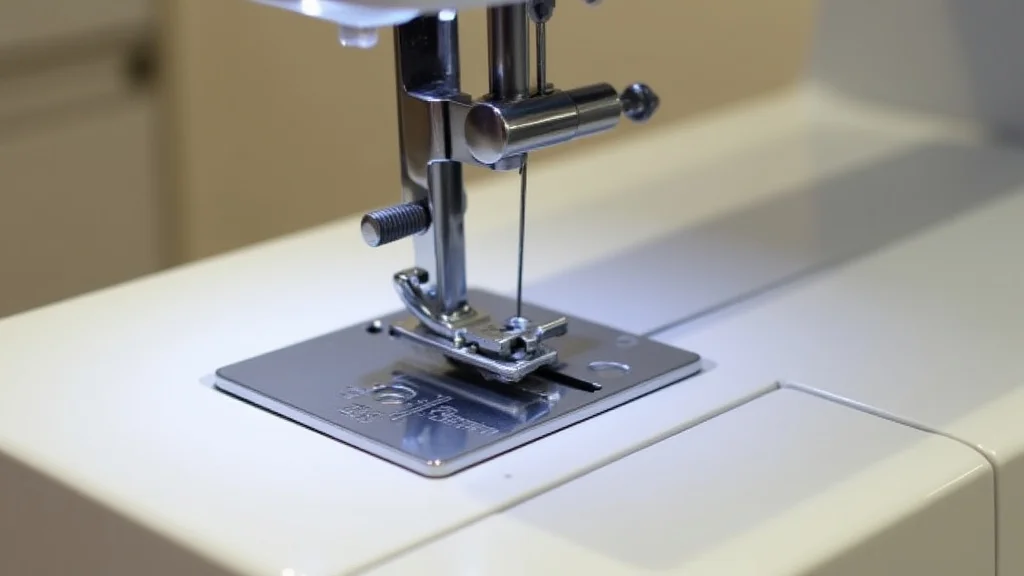
Remember that time your Kenmore sewing machine decided to stop working mid-project? You pressed the sewing kenmore machine foot pedal, but nothing happened. Frustrating, right? Or perhaps the machine ran erratically, making sewing a real struggle. This post aims to guide you through the common issues with your sewing kenmore machine foot pedal, and offer practical solutions so you can get back to stitching without the headache. You’ll gain a solid grasp of how these pedals function, learn how to diagnose and fix problems, and discover some helpful maintenance tips, enhancing your sewing experience and preventing future troubles.
Key Takeaways
- Learn the fundamental workings of a sewing machine foot pedal.
- Identify common problems and their solutions regarding your foot pedal.
- Discover steps to test the functionality of your foot pedal.
- Understand the importance of regular foot pedal maintenance.
- Find out how to choose the correct replacement foot pedal.
- Become more familiar with electrical safety when handling the foot pedal.
Foot Pedals and Kenmore Sewing Machines
The foot pedal is a crucial component of your Kenmore sewing machine. It acts as the speed control, allowing you to regulate the sewing speed with precision. It’s connected to the machine via a cord, sending electrical signals to the motor. The harder you press, the faster the motor runs, and the quicker your needle moves up and down. Understanding how it operates and its connection to the machine is essential for troubleshooting and ensuring smooth sewing. Without it, you would have a rather difficult time controlling the machine, making any sewing task challenging.
How a Sewing Machine Foot Pedal Works
At its core, the foot pedal is a simple device that controls the flow of electricity to your sewing machine’s motor. When you press the pedal, a variable resistor, also known as a potentiometer, changes the resistance in the electrical circuit. This change in resistance affects the current flow. More current translates to a faster motor speed. Less current slows it down. The pedal essentially acts as a switch and a dimmer for the motor, allowing you to fine-tune your sewing speed. The internal components are typically housed in a durable plastic or metal case designed to withstand repeated use.
- Variable Resistor: This component is the heart of the foot pedal’s speed control, changing resistance when you apply pressure.
- Electrical Circuit: The flow of electricity is managed via this, directly impacting the motor’s operation.
- Cord and Connector: The electrical connection allows the pedal to communicate with the sewing machine.
- Housing: Usually made of sturdy plastic, this case protects the internal parts of the pedal from physical damage.
Many modern foot pedals also include features like a non-slip base for stability and a smooth pressing surface for comfort. These features are designed to enhance the overall sewing experience. When troubleshooting problems, it’s very helpful to know the function of each part. Some Kenmore foot pedals may also include a light to indicate when the machine is powered on.
The Importance of a Functional Foot Pedal
A properly functioning foot pedal is essential for a productive and enjoyable sewing experience. It provides the control needed to handle different fabrics, stitch patterns, and detailed work. Without it, your sewing machine is essentially useless. A faulty pedal can lead to uneven stitching, frustrating interruptions, and even damage to your projects. Being able to start and stop your machine easily, along with controlling the speed, are key for achieving professional-looking results. That’s why keeping the pedal in good condition is important.
- Speed Control: Adjust the pace of your sewing.
- Project Precision: Ensures consistent stitch quality.
- Safety: Provides a controlled way to start and stop the machine.
- Fabric Handling: Allows for varied sewing speeds for different fabrics.
Imagine trying to sew a delicate silk scarf at a fixed, high speed. The results would be disastrous. A functioning foot pedal allows you to slow down, control the fabric, and create a beautiful finished product. Regular maintenance and prompt attention to any issues with your sewing kenmore machine foot pedal will help keep things running smoothly. This ultimately saves you time and reduces the risk of errors.
Troubleshooting Your Sewing Kenmore Machine Foot Pedal
When your sewing kenmore machine foot pedal starts acting up, it can be quite a challenge. The most common problems include the machine not turning on, erratic speed control, or the pedal feeling unresponsive. The good news is that these issues are often simple to resolve. Let’s explore the steps you can take to diagnose and repair your foot pedal. This will help you identify the root cause of the issue and get your machine working correctly again.
Common Foot Pedal Issues
Several problems can occur with your foot pedal. Understanding the source of the issue is important before attempting any repairs. Problems usually stem from electrical issues, physical damage, or wear and tear. A machine that won’t start, inconsistent speeds, and a pedal that feels unresponsive are the most prevalent issues. A simple inspection can often reveal the problem, and a quick fix can bring your sewing machine back to life.
- Machine Won’t Turn On: The most straightforward problem. The pedal may not be connected properly, or the internal wiring could be damaged.
- Erratic Speed Control: The speed fluctuates even with steady pressure, indicating an internal resistance issue.
- Unresponsive Pedal: The machine doesn’t react when the pedal is pressed, pointing to a wiring or switch failure.
- Physical Damage: Cracks or wear from overuse can lead to malfunctions or complete failure.
Often, a visual inspection will reveal the issue. Check the cord for any breaks or kinks. Also, check the connection to the machine. These are often the easiest fixes. More complex problems might require a more detailed inspection or replacing internal components. Taking these steps early on can prevent a small issue from becoming a larger problem.
Step-by-Step Troubleshooting Guide
When your foot pedal isn’t working, start with a methodical troubleshooting approach. This way, you can pinpoint the problem efficiently. Begin by examining the cord and connections, then progress to internal components. This process will help you avoid unnecessary repairs. Many simple problems, such as a loose connection, can be easily resolved. By following a clear, structured approach, you can restore your machine to full functionality.
- Visual Inspection: Check the cord for cuts, frays, or damage. Examine the connector that plugs into the sewing machine.
- Connection Check: Ensure the pedal is firmly plugged into the machine and that the wall outlet is working.
- Test the Outlet: Try plugging another device into the same outlet to verify the power supply.
- Pedal Testing (Multimeter): If you have a multimeter, test the continuity of the pedal’s internal components.
- Machine Compatibility: Ensure the foot pedal is compatible with your Kenmore sewing machine model.
A multimeter can be a valuable tool to confirm if the pedal is functioning as it should. If you are not comfortable using a multimeter or working with electrical devices, then it is best to seek assistance from a qualified technician. By carefully checking these items, you can often identify and resolve many foot pedal problems. Taking these steps can save you time and money and bring you back to sewing quickly.
Maintaining and Replacing Your Foot Pedal
Maintaining your sewing kenmore machine foot pedal is vital for its longevity and performance. Just like any other component of your sewing machine, the foot pedal needs regular care to function effectively. Simple maintenance can significantly extend its lifespan and prevent issues. It also allows you to recognize when a replacement is needed. Taking care of your foot pedal is an investment in your sewing endeavors.
Regular Maintenance Tips
Regular maintenance can extend the life of your foot pedal and ensure it performs optimally. Simple steps like cleaning and proper storage can prevent common issues. Maintenance extends beyond just cleaning and includes other practices like cord management and regular inspection. Consistent care reduces the likelihood of malfunctions. The time you spend on maintenance is well worth it, preventing downtime and frustration.
- Dusting and Cleaning: Regularly wipe down the pedal with a soft, dry cloth to remove dust and debris.
- Cord Inspection: Inspect the cord for cracks, wear, or damage, and replace the cord if you see problems.
- Storage: Store the pedal in a clean, dry place to prevent damage.
- Gentle Use: Avoid excessive force or stepping on the pedal with heavy objects.
By regularly cleaning your foot pedal, you can prevent the buildup of dust and debris, which can affect its performance. It’s also important to store the pedal in a safe and dry place. With these simple tips, you can protect your foot pedal. This can extend its lifespan, and ensure it continues to function effectively. Doing so makes your sewing experience more enjoyable and prevents unexpected interruptions.
Choosing a Replacement Foot Pedal
Sometimes, despite your best efforts, a foot pedal needs to be replaced. When selecting a new foot pedal for your Kenmore machine, you need to ensure it is the correct type and model for your sewing machine. Getting the wrong pedal could damage your machine or, at the very least, not function correctly. When you’re looking for a replacement, doing your research helps, and this will guarantee a correct fit and smooth operation.
- Model Compatibility: Confirm the new pedal is compatible with your specific Kenmore model.
- Connector Type: Make sure the connector matches the machine’s port.
- Voltage and Power: Verify the voltage and power ratings of the new pedal align with your machine’s requirements.
- Reviews: Check customer reviews to gauge the pedal’s quality and performance.
The best way to ensure compatibility is to consult your machine’s manual or contact the manufacturer. You can often find the correct part number online. Always check the connector type and voltage specifications. Once you have a suitable replacement, simply plug it in and test to make sure it functions correctly. Using the correct replacement will guarantee your machine will operate at its best. It will also prevent any further damage.
Electrical Safety and Foot Pedal Usage
When working with your sewing kenmore machine foot pedal and any electrical devices, electrical safety is very important. Understanding and following safety guidelines prevents electrical shock. These guidelines are especially relevant when dealing with components that conduct electricity. You must always prioritize safety to avoid accidents. It is vital to take all necessary precautions for yourself and the machine.
Safety Guidelines for Using Your Foot Pedal
Following safety guidelines is very important when using your sewing machine and foot pedal. These steps ensure that you can safely work on your sewing projects. Always ensure the machine is unplugged before performing any repairs. Be aware of the risks involved when working with electricity. Prioritize safety by taking these steps to protect yourself and others.
- Unplug the Machine: Always unplug the sewing machine from the power outlet before inspecting or repairing the foot pedal or the machine itself.
- Dry Hands: Ensure your hands are dry when handling the foot pedal and cord.
- Inspect the Cord: Regularly check the cord for any signs of damage. Replace it if needed.
- Avoid Water: Do not expose the foot pedal or the machine to water or excessive moisture.
Always unplug your machine before performing any maintenance or troubleshooting. This minimizes the risk of electrical shock. By adhering to these guidelines, you can ensure a safe sewing experience and protect your equipment. Safety must always be a top priority. A small amount of care can prevent serious injury.
Understanding Electrical Hazards
Understanding the electrical hazards involved with your sewing machine is vital for your safety. Electrical shocks can be dangerous. Always know the potential risks. Proper knowledge helps you to take the correct precautions and safeguard against them. The more you know, the better prepared you are to deal with potential electrical issues safely.
- Electrical Shock: Contact with live wires can cause electrical shock, leading to injury or even death.
- Short Circuits: Faulty wiring can cause short circuits, which can damage the machine and pose a fire hazard.
- Overheating: Overloaded circuits can lead to overheating, potentially causing damage to the machine.
- Fire Hazards: Faulty electrical components or wiring can cause fire.
Always inspect your foot pedal cord for any wear and tear. If you notice any damage, have it repaired or replaced by a qualified technician. Make sure your hands are dry before you plug in or unplug the foot pedal. By understanding these hazards and taking the necessary precautions, you can create a safer sewing environment. Your safety and the safety of your sewing machine depend on this. Always put safety first.
Common Myths Debunked
There are some common misconceptions about foot pedals and sewing machine troubleshooting. Clearing up these myths helps you take more informed action when you have issues. Knowing the truth will assist you with accurate problem-solving and also give you more confidence when working with your machine.
Myth 1: A Foot Pedal is a Simple On-Off Switch
This is a common misconception. In reality, the sewing kenmore machine foot pedal is more complex than a simple switch. It’s a variable resistor that provides speed control, not just an on-off function. The pressure you apply determines the sewing speed. This nuance is crucial for effective control and precision.
Myth 2: Any Foot Pedal Will Work With Any Sewing Machine
Not all foot pedals are interchangeable. While some may appear similar, each sewing machine model has unique electrical requirements. Using the wrong foot pedal can lead to damage to your machine or inadequate performance. Always check for compatibility before using a replacement pedal to guarantee the correct functionality and safety.
Myth 3: You Can’t Repair a Foot Pedal, You Must Replace It
Many foot pedal issues can be resolved with repairs. Simple problems, like a broken cord or loose wiring, are often easy fixes. Replacing the entire pedal is not always necessary. Sometimes, a simple repair can restore your pedal to full working order. You may be able to save money by addressing the problem through repair rather than replacement.
Myth 4: A Slow Sewing Machine Means the Foot Pedal is Broken
A slow-running sewing machine may indicate other issues, not just the foot pedal. Problems such as incorrect thread tension, a dull needle, or a lack of oiling on the machine could be the reason for slow operation. Ensure the issue lies within the foot pedal before replacing it. Checking the basics first can save you time and the cost of an unnecessary replacement.
Myth 5: Electric Shock is Impossible When Using a Sewing Machine
While modern sewing machines are designed with safety features, electrical hazards still exist. Damaged cords, worn-out wiring, and even moisture can cause electrical shocks. Always follow safety precautions and unplug your machine before doing maintenance. Remember, there’s always a possibility for harm if safety measures are not followed.
Frequently Asked Questions
Question: Why does my sewing machine stop working when I press the foot pedal?
Answer: Several reasons may cause this: a loose connection, a damaged cord, or an issue within the foot pedal’s internal components. Check the cord, connections, and test the pedal with a multimeter if you have one.
Question: Is it possible to repair my Kenmore sewing machine foot pedal?
Answer: Yes, many issues, such as a damaged cord or loose wiring, can be repaired. However, more complex problems may require replacement.
Question: How do I know if the foot pedal is compatible with my sewing machine?
Answer: Check your sewing machine’s manual, or contact the manufacturer to verify compatibility. Consider the model number, connector type, and voltage requirements.
Question: What should I do if my foot pedal gets wet?
Answer: Immediately unplug the machine and allow the foot pedal and machine to dry completely. Do not use the machine until it is fully dried. If damage is visible, seek professional assistance.
Question: Can a faulty foot pedal damage my sewing machine?
Answer: Yes, a faulty foot pedal can cause issues such as short circuits and overloads. This can potentially damage your machine. Inspecting the pedal regularly and replacing it when necessary helps to prevent this from occurring.
Final Thoughts
Your sewing kenmore machine foot pedal is a simple yet essential part of your sewing machine. It is designed to control speed, and is an integral component in your sewing experience. By exploring its inner workings, you can better understand how to identify, address, and prevent issues. Proper maintenance, including regular cleaning and cord inspections, is vital to maintaining the pedal. If you run into problems, remember to begin with a systematic check. Check the connections, test with a multimeter, and be sure your