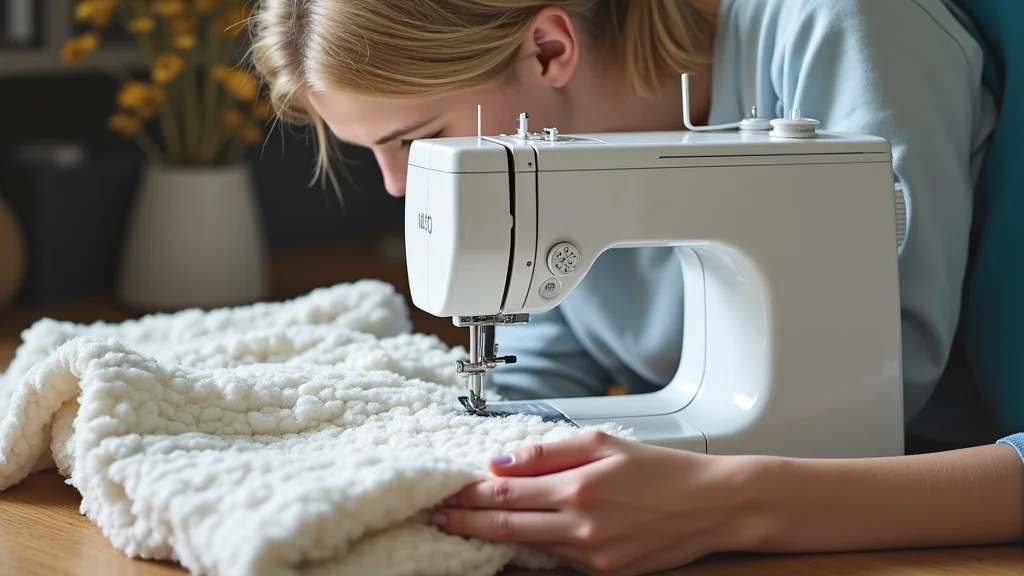
Remember that frustrating project? The one where you needed perfect ruffles, and hand-gathering seemed like a punishment? Well, you’re not alone. Many sewing enthusiasts face this challenge. Thankfully, the sewing ruffler foot is here to help! This guide will transform your sewing experience, turning tedious tasks into quick wins. You’ll learn how this amazing attachment works, its uses, and how to get professional-looking results every time. This post will give you the knowledge to elevate your sewing capabilities, increasing your project satisfaction and inspiring new ideas. By the end, you’ll feel confident using a ruffler foot for a variety of projects.
Key Takeaways
- The sewing ruffler foot creates consistent ruffles and pleats with ease.
- You’ll learn the different settings for various gathering and pleating styles.
- Discover the best fabrics and projects suited for the ruffler foot.
- Master the adjustments needed for accurate ruffle and pleat sizes.
- Find tips for troubleshooting and maintaining your ruffler foot.
- Boost your sewing skills with creative project ideas.
Unlocking the Power of the Sewing Ruffler Foot
The sewing ruffler foot is a specialized attachment designed to gather fabric into ruffles or create evenly spaced pleats. It’s a game-changer for sewing projects that require decorative edges, such as skirts, sleeves, or home décor items. This foot replaces the standard presser foot and uses a unique mechanism to automatically gather or pleat the fabric as you sew. The result is a neat, uniform finish that would take hours to achieve by hand. It’s a fantastic tool that saves time and guarantees consistent results, making your sewing projects look professionally made.
Mechanism and Components
The core of the ruffler foot’s functionality lies in its clever design. It comprises several key parts that work in unison to achieve its purpose. These components include the blade, the fork, and the feed mechanism. The blade is the part that picks up and releases the fabric at regular intervals. The fork helps to create the folds or gathers, and the feed mechanism ensures the smooth movement of the fabric under the needle. When the needle goes down, the ruffler foot does its work and gives you beautiful ruffles.
- The Blade: This thin, metal piece moves back and forth, gathering or pleating the fabric. The blade’s movement is what creates the gathering effect.
- The Fork: The fork’s job is to create even folds or pleats in the fabric.
- Feed Mechanism: This ensures a steady flow of fabric, which ensures consistency in ruffling or pleating.
- Adjustable Settings: The foot often has adjustable settings for pleat depth, frequency, and straight stitch or gathering.
The process of creating ruffles or pleats is fascinating. The blade pushes the fabric under the needle, creating folds. The fork helps in shaping the folds, and the feed mechanism makes sure the fabric moves smoothly. Adjusting the settings will allow you to control the depth and frequency of the ruffles. Whether you want subtle gathers or dramatic pleats, the ruffler foot can accommodate your vision. The device is easy to install on most sewing machines.
Installing and Adjusting the Ruffler Foot
Installing a ruffler foot is generally straightforward. Start by removing the standard presser foot from your sewing machine. Then, attach the ruffler foot to the shank, the part that holds the presser foot. The process may vary slightly depending on your sewing machine’s model, so consult your machine’s manual if needed. Once installed, make sure the needle aligns with the hole in the foot. Before sewing on your main fabric, it’s wise to test the foot on scrap fabric. The adjustment options let you change the pleat depth and frequency. Getting the correct settings will make a huge difference in how your project turns out.
- Attach the Foot: Remove the standard presser foot and attach the ruffler foot. Secure it to the shank.
- Check Needle Alignment: Ensure the needle is aligned with the foot’s hole. This allows the needle to move up and down easily without hitting the foot.
- Choose Your Settings: There is usually a dial or lever to control the pleat frequency (how often the fabric is gathered or pleated). Also, you may change the pleat depth.
- Test on Scrap Fabric: Experiment with different settings on fabric scraps to determine the best ones for your project. This ensures the gathers or pleats will be as desired.
Adjusting the ruffler foot involves choosing the right settings for your desired effect. These settings include the pleat frequency (the number of pleats or gathers per inch) and the pleat depth (the size of each pleat). The foot will usually have a dial or lever to adjust these settings. Experiment with scrap fabric to explore different looks. This will let you find the optimal combination for your project. Practice is important to master the use of the foot and get the results you want. Remember to test before sewing on your final project to avoid issues.
Creative Projects with a Sewing Ruffler Foot
The sewing ruffler foot is an invaluable tool for various sewing projects. It excels in creating perfectly uniform ruffles and pleats, offering opportunities to add decorative flair to garments and home décor items. This versatility opens many creative possibilities, allowing you to easily enhance your designs. Whether you’re making a skirt, embellishing pillowcases, or adding stylish details to curtains, the ruffler foot delivers professional-looking results. Let’s explore several exciting project ideas where this foot truly shines.
Ruffled Skirts and Dresses
Ruffled skirts and dresses are classic, feminine garments that add a touch of whimsy. They have been popular for years and are always in style. Using the ruffler foot makes creating these garments easier. This foot can quickly gather the fabric. This process creates even ruffles along the hemline. You can easily modify the ruffle fullness and depth to achieve the desired aesthetic, from gentle tiers to full, dramatic skirts. This tool makes the design much easier and faster than gathering the fabric by hand. These garments are very popular for all ages.
- Tiered Skirts: Use the ruffler foot to create multiple layers of ruffles for a voluminous look. This technique makes a unique and eye-catching design.
- Dress Hemlines: Add ruffles to the hem of a dress to add visual interest and create a flattering silhouette.
- Cuffs and Sleeves: Use ruffles to decorate the cuffs and sleeves of a dress or blouse.
- Fabric Choice: Lightweight fabrics, such as cotton, linen, or chiffon, work best for ruffles.
To start, measure the hem or area where you want the ruffles. Cut your fabric into strips, keeping in mind the fullness you want. The ruffler foot will then gather these strips into perfect ruffles. Secure the gathered fabric to the skirt or dress, adjusting the ruffling settings as needed. The result is a beautifully ruffled skirt or dress that’s ready to wear. With a bit of practice, you can experiment with different fabrics and ruffle styles to create custom skirts. You can add unique designs to your wardrobe with the ruffler foot.
Home Decor Projects
Beyond clothing, the ruffler foot can transform your home décor projects. Whether you are improving existing pieces or crafting new ones, the foot can add beautiful details. From creating ruffled curtains to adding pleats to pillowcases, the ruffler foot brings an element of elegance and sophistication to any space. It’s an inexpensive way to give your home a fresh, updated look. Its ability to create even and precise ruffles makes it perfect for projects that require a polished look. You can create unique designs that match your personal style and color preferences.
- Curtains: Add ruffles to the edges of curtains or create a tiered look. This can add a luxurious feel to any room.
- Pillowcases and Cushions: Embellish pillowcases and cushions with ruffled trim or pleats to add texture and visual appeal.
- Table Runners and Placemats: Ruffle the edges of table runners and placemats. This adds a charming, decorative touch to your dining setup.
- Bed Skirts: Create elegant bed skirts with ruffled edges using the ruffler foot.
Start by measuring your fabric and determining the desired ruffle size. You’ll need to cut fabric strips and adjust the settings of the ruffler foot to get the desired look. Use your sewing machine to gather the fabric into ruffles, and then attach these ruffles to your project. By choosing appropriate fabrics, such as cotton or linen, you can achieve various styles. Experiment with different colors and patterns to create the perfect look for your home. You can make an amazing difference with the ruffler foot.
Choosing the Right Fabric and Settings
The selection of fabric and the correct settings on your sewing ruffler foot are key to achieving the desired outcome for your projects. Different fabrics will interact with the ruffler foot in different ways, influencing the final appearance of the ruffles or pleats. In addition, changing the settings on the foot lets you change the depth and frequency of the ruffles. Understanding these factors will allow you to optimize your results and avoid frustration. Choosing the right materials and making precise adjustments will bring professional results.
Fabric Selection Guide
Fabric choice greatly affects how your ruffles or pleats turn out. Light to medium-weight fabrics generally work best, as they gather and pleat easily. Heavier fabrics can be challenging to manipulate, while very lightweight fabrics might not hold their shape. When selecting your fabric, consider the project you are working on and the desired visual effect. Experimenting with different fabrics on scrap pieces helps to find the most suitable material for each project.
- Lightweight Fabrics: Cotton, linen, voile, and chiffon work well. These fabrics gather easily, creating soft, flowing ruffles.
- Medium-Weight Fabrics: Broadcloth, poplin, and quilting cotton are excellent. They offer good structure and work well for more defined ruffles.
- Heavier Fabrics: Denim and canvas can be tricky but sometimes yield interesting results. They may require more adjustment and are not the first choice for beginners.
- Avoid Bulky Fabrics: Fabrics such as felt or thick fleece are not suitable for the ruffler foot.
Always test your fabric before starting your main project. This helps determine the correct settings and identify any problems. This also ensures that the ruffles or pleats will look the way you want them to. Consider the project’s overall aesthetic and how the fabric will drape. Choosing the right fabric will lead to professional and satisfying results. Make sure that the fabric moves smoothly under the needle. Fabrics with a lot of bulk are difficult to work with. Choosing the right fabric is critical for a great outcome.
Setting Adjustments for Different Styles
The ruffler foot has several settings that control the look of your ruffles and pleats. These adjustments let you customize the final result to match your project. The most important settings are the pleat frequency and depth, which you can adjust using a dial or lever. Finding the right settings for the project will require some experimentation. With practice, you’ll become more comfortable and know what works best for a particular design. It is easy to modify settings for various effects.
- Pleat Frequency: This setting controls how often the fabric is gathered or pleated. Higher settings will give you more frequent pleats or gathers, making the fabric appear fuller.
- Pleat Depth: Adjust the depth to change the size of each pleat.
- Gathering: Some ruffler feet have a setting for gathering. This setting pulls the fabric together to form soft ruffles.
- Straight Stitch: You can also use the ruffler foot for regular stitching without gathering or pleating.
Experimenting with different settings on scrap fabric is essential to master the ruffler foot. By making changes, you’ll see how different combinations of settings affect the outcome. For example, increase the frequency for a fuller look or adjust the depth for deeper pleats. You can adjust the foot to make soft ruffles or sharp pleats. This lets you match any design. Once you get the settings correct, you can begin the project with confidence. By doing some practice, you can get the exact look you want.
Troubleshooting Common Issues
Even with the best tools, problems can sometimes arise when sewing. Knowing how to troubleshoot and resolve issues is key to a smooth and successful sewing experience. This is especially true when working with a sewing ruffler foot, as its complex mechanism can occasionally lead to unexpected challenges. With some basic troubleshooting techniques, you can overcome common problems. It will help you maintain your foot, and you can solve problems before they impact your work. These tips will help you keep moving forward with your projects.
Fabric Jamming and Skipping Stitches
One common problem is fabric jamming or skipping stitches. This can happen if the fabric does not feed through the foot smoothly or if the needle struggles to penetrate the fabric. It is important to solve these problems right away, or they can hurt your project. Skipping stitches means the machine is not forming stitches correctly. This makes the project look unfinished. Addressing these issues early will help improve the quality of your work.
- Fabric Jams:
- Check Fabric Type: Ensure the fabric is appropriate for the ruffler foot. Avoid heavy or bulky fabrics.
- Needle Quality: Use a new, sharp needle. A dull needle can cause fabric to jam.
- Tension Issues: Adjust your sewing machine’s tension. Incorrect tension can cause the fabric to get caught.
- Skipping Stitches:
- Needle Type and Size: Ensure you’re using the correct needle type and size for your fabric.
- Foot Alignment: Make sure the ruffler foot is properly aligned with the needle.
- Tension: Make sure your sewing machine is set to the right tension.
To avoid jamming, make sure your fabric is straight. Check that the needle goes through the fabric correctly. To fix skipped stitches, check that the needle is set up properly. If you keep having problems, try changing the needle to ensure it is sharp. By taking these steps, you can prevent and fix fabric jamming and skipped stitches. This will ensure your project comes out right.
Inconsistent Ruffles and Pleats
Inconsistent ruffles and pleats are another frequent issue. They can make your work look uneven and less professional. Even ruffles make a project look great. Identifying and fixing the root cause will restore the quality of the project. This problem can be due to various reasons. Understanding and dealing with these issues will improve the outcome of your sewing. This ensures that the ruffles look great.
- Fabric Tension: Make sure the fabric is under the foot correctly.
- Foot Alignment: Check that the ruffler foot is properly installed and aligned. Improper alignment may cause inconsistent results.
- Adjust the Settings: Fine-tune the settings for pleat depth and frequency.
- Slow Down: Sewing too quickly can cause the ruffles to be uneven.
To fix these issues, check the fabric for evenness. Then, make sure the foot is set up properly. Start by making sure your fabric is flat and straight when you sew. Then, double-check that your machine is set to the correct tension. Correctly align your foot and slowly guide the fabric. If these methods do not fix the issue, review the settings for depth and frequency, and make necessary adjustments. By taking these steps, you can create even and consistent ruffles. This will improve the quality of your work.
Maintaining and Caring for Your Ruffler Foot
Taking care of your sewing ruffler foot is essential to ensure that it operates effectively and lasts for many years. Regular maintenance helps prevent issues, ensuring consistent performance. Here are some basic steps that will help you keep your ruffler foot in excellent condition. Regular care will help you have a better sewing experience, leading to more enjoyable projects. This will also guarantee that your work looks great.
Cleaning and Lubrication
Cleaning and lubricating your ruffler foot is essential. It ensures that all moving parts function smoothly. This maintenance will also prevent jams and improve the accuracy of your work. Regular cleaning and lubrication will guarantee the tool’s performance. Also, it will extend its life. Following these steps will help you enjoy smooth and productive sewing experiences.
- Cleaning:
- Remove Lint: Regularly remove lint and fabric scraps that can build up. Use a soft brush or compressed air.
- Wipe Down: Wipe the foot’s surface to get rid of dust and other debris.
- Lubrication:
- Apply Oil: Lubricate moving parts with sewing machine oil. Apply oil to the small mechanical parts.
- Proper Oil: Use sewing machine oil to avoid damaging the foot.
- Frequency: Lubricate your ruffler foot frequently. This will ensure that the parts move easily.
Before you begin cleaning, disconnect your sewing machine from the power source. Remove the foot from your machine and take it apart if your model allows. Use a soft brush to remove dust. Wipe down any surface to get rid of dirt. Then, apply sewing machine oil. This will keep the moving parts operating effectively. Regular maintenance will improve the lifespan of the foot. It will also ensure that your sewing projects come out perfectly. Taking good care of your ruffler foot will allow you to continue creating amazing projects.
Storage and Protection
Proper storage is important to protect your ruffler foot when it’s not in use. It prevents damage, extending its lifespan. Safe storage protects the foot from dust, debris, and physical harm. Following these simple steps will ensure that your foot is ready for the next project. This process will also help to keep your equipment in top shape. Proper storage ensures your foot will be ready for action when you need it.
- Use a Case: Keep the foot in its original case or a dedicated storage container. This protects the foot from dust and damage.
- Clean and Dry: Before storing, clean and dry the ruffler foot. This removes moisture and prevents rust.
- Store in a Dry Place: Store the foot in a cool, dry area. Avoid direct sunlight.
- Check Regularly: Inspect your ruffler foot before each use to make sure it’s in good condition.
Before you store the foot, clean it and dry it. Make sure that it is free of lint and oil. Store it in a case or container to protect it. It is best to keep it in a cool, dry location away from direct sunlight. This will help prevent rust and corrosion. You should also check the foot before each use to make sure it is in good shape. Following these simple steps will extend the life of your ruffler foot. This will keep it in good condition for all your future projects.
Common Myths Debunked
Frequently Asked Questions
Question: Can I use a ruffler foot on any fabric?
Answer: It’s best to use a ruffler foot on medium to lightweight fabrics like cotton, linen, or voile for optimal results.
Question: How do I adjust the pleat size?
Answer: The pleat size can be adjusted using the pleat depth setting on your ruffler foot.
Question: Is it difficult to install a ruffler foot?
Answer: No, installing a ruffler foot is generally straightforward, typically involving removing your standard presser foot and attaching the ruffler foot.
Question: Can I gather without creating pleats?
Answer: Yes, many ruffler feet have a gathering setting to create soft, gathered ruffles without defined pleats.
Question: How do I troubleshoot inconsistent ruffles?
Answer: Check your fabric tension, foot alignment, and slow down your sewing speed to troubleshoot inconsistent ruffles.
Final Thoughts
Mastering the sewing ruffler foot opens up a world of creative possibilities. This attachment transforms how you approach projects that need ruffles or pleats, allowing you to achieve professional results with ease. From understanding the inner workings of the foot to mastering the settings, this guide provides the information and advice needed to enhance your sewing skills. Remember to start by familiarizing yourself with the different components of the foot and the various settings that control your ruffles and pleats. Experiment with different fabric weights and styles to get the desired outcomes. Now it is time to use this new knowledge. Get started, explore new projects, and let your creativity flourish. With this tool in your sewing arsenal, you’ll find that crafting becomes even more enjoyable.