Picture this: you’re craving a cozy new rug for your living room, but store-bought options feel generic and lack that personal touch. What if you could create a stunning, unique rug yourself, using fabric you adore? That’s the magic of sewing jelly roll rugs! This guide will transform your fabric scraps into a functional work of art. You’ll explore the basics, learn helpful tips, and discover how easy it can be to add a custom-made touch to your home. Get ready to learn all about this fun and rewarding craft, and gain the skills to create beautiful, long-lasting rugs. This post will improve your knowledge and inspire you to start your next creative project!
Key Takeaways
- Discover the essential materials needed to begin sewing a jelly roll rug.
- Learn the fundamental techniques for creating the rug’s coiled shape.
- Find out how to choose the right fabric and batting for your project.
- Explore tips for adding unique designs and customizing your rug.
- Understand the steps for finishing and maintaining your handmade rug.
- Gain inspiration and guidance to bring your rug-making vision to life.
Getting Started with Your Sewing Jelly Roll Rug
The allure of creating a sewing jelly roll rug lies in its simplicity and the satisfaction of crafting something beautiful with your own hands. The process is approachable for sewers of all skill levels, from beginners to seasoned veterans. The end result is a durable, stylish rug that adds warmth and personality to any room. Getting started requires a few essential supplies and some basic preparation. Once you gather your materials and familiarize yourself with the initial steps, you will be well on your way to crafting a unique and charming rug.
Materials You Will Need
Before you begin your rug-making adventure, gather all the necessary materials. Having these items ready will streamline the process and allow you to focus on the creative aspects. The selection of these materials also impacts the final look and feel of your rug. Careful choices now will ensure your finished product is both beautiful and functional. Remember that the quality of your materials directly influences the rug’s durability and overall aesthetic.
- Jelly Roll Strips: These are pre-cut fabric strips, usually 2.5 inches wide, and are the foundation of your rug. You can purchase them as bundles, which often contain coordinated fabrics, or cut your own from a variety of fabric scraps. The length of the jelly roll strips will determine the final size of your rug. A larger rug will require more fabric. Choosing fabrics that complement each other will enhance the rug’s visual appeal.
- Cotton Batting: Batting adds structure and cushioning to the rug, making it comfortable underfoot. Choose a batting that is specifically designed for quilting or rug-making. Consider the thickness of the batting – a thicker batting will create a more plush rug, while a thinner batting will be easier to sew. Batting is available in different materials, such as cotton, polyester, or a blend of both.
- Sewing Machine: A sewing machine capable of handling multiple layers of fabric and batting is necessary. While a standard sewing machine will work, a heavy-duty machine is recommended for this project. Ensure your machine is in good working order and has a strong motor. If you are new to sewing, consider using a machine with adjustable speed settings to improve control.
- Thread: Use a strong, all-purpose thread that matches your fabric choices. Consider using a thread color that blends well with the fabric, so any visible stitches are less noticeable. Choose a thread that is durable and designed for machine quilting. Make sure you have plenty of thread on hand, as you will need a significant amount.
- Scissors or Rotary Cutter and Mat: Use these to trim the batting and any excess fabric. A rotary cutter and self-healing mat will offer more precision and speed. The rotary cutter enables the user to trim off excess materials with ease, ensuring clean and accurate edges.
- Pins or Clips: Use pins or clips to secure the jelly roll strips and batting. These hold the layers together before and during sewing. Clips are recommended for thicker layers, as they prevent the layers from shifting during the sewing process.
- Measuring Tape: Measuring tape ensures accurate dimensions for your rug and helps maintain a consistent spiral. Use it to measure the diameter of your rug as you sew and make adjustments as necessary.
Jelly roll strips come in a vast array of colors, patterns, and fabric types. You might choose to mix and match different textures, such as cotton, flannel, or even some specialty fabrics. The fabric’s weight is essential; lighter-weight fabrics will be easier to manage during the sewing process, but you will need to choose the best option for your needs. Always check how many yards of fabric are in the jelly roll package so you know if you have enough for your project.
The batting provides the core of the rug, so its choice directly impacts the final product’s quality and feel. The batting’s density and weight influence the rug’s stability and how it will hold up to wear and tear. Cotton batting is a common choice because it is natural, breathable, and easy to work with. Polyester batting is often chosen for its hypoallergenic properties and resistance to mold and mildew. A blended batting may provide the benefits of both materials. Consider your rug’s intended use and the desired level of cushioning when selecting your batting.
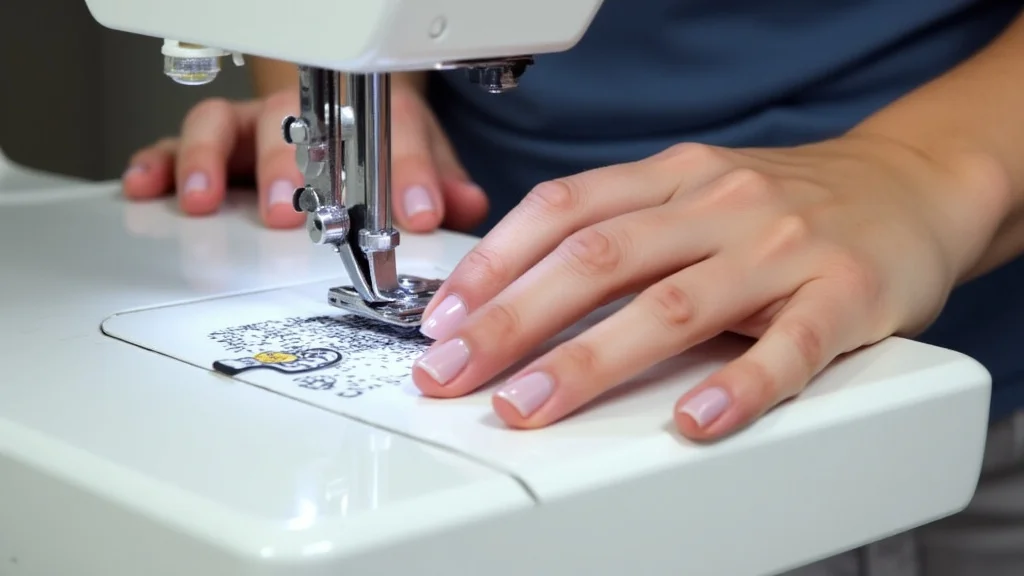
The sewing machine is the primary tool for assembling your rug, so a well-functioning machine is crucial. A machine with a walking foot is highly recommended as it helps feed the layers of fabric and batting evenly through the machine. This helps to prevent shifting and puckering. If your machine does not have a walking foot, use a feed dog that is strong enough to handle thicker materials. Check your machine’s manual and make sure you use the appropriate needles and thread weight for this type of project.
The thread is what holds your rug together. Its quality and strength are crucial for the rug’s long-term durability. Cotton thread is a classic choice and blends well with cotton fabrics. Polyester thread is strong and resistant to breaking, making it ideal for projects that experience heavy use. Consider using a slightly heavier thread weight for extra strength. Be sure that the thread color complements your chosen fabrics, and test it to make sure the stitches will not be too visible.
Cutting tools are essential for preparing and finishing the rug. Sharp scissors are necessary for trimming fabric and batting. A rotary cutter and self-healing mat will streamline the process and make it faster and easier. Make sure you have a cutting surface that is large enough to accommodate the rug’s size. Keep the rotary cutter blades sharp for smooth, accurate cuts. The ability to create neat and tidy edges is important in the finished look.
Pins or clips are essential for ensuring that all layers remain aligned as you sew. This will keep the batting and fabric layers together and create a smooth and even surface. You can use straight pins, safety pins, or fabric clips. Fabric clips are easier to use and will prevent snags. Ensure that your pins or clips are placed close enough together to secure the layers, but not so close that they interfere with your sewing. Using enough pins or clips will prevent the fabric from shifting and will keep your project looking neat.
A measuring tape is essential for achieving the desired size and shape of your rug. It helps you keep track of the rug’s diameter as you add more coils. The ability to monitor progress and adjust the size will help to ensure the final product meets your specifications. Using a measuring tape will also help you create a perfectly round or oval rug. Precise measurements ensure that the rug fits your intended space.
Preparing Your Materials
Before you begin the sewing jelly roll rug, take the time to prepare your materials. Proper preparation will ensure a smoother, more enjoyable experience and a better final result. This stage involves pre-washing your fabric, cutting your batting, and ensuring everything is ready to go. Careful prep prevents problems and streamlines the construction process.
- Pre-wash the fabric: Pre-washing your fabric will prevent shrinkage after the rug is completed. Wash, dry, and iron your jelly roll strips before you begin sewing. Consider the fabric’s care instructions and wash accordingly. Use a mild detergent and avoid fabric softeners, as they can interfere with the sewing process.
- Cut the batting: Cut your batting into strips that are the same width as your jelly roll strips (usually 2.5 inches). You can cut the batting into one long strip or several shorter strips, depending on your preference and the size of your rug. Ensure that the batting is even in width and straight to prevent unevenness in your rug.
- Prepare your sewing machine: Thread your sewing machine with the appropriate thread and select a stitch length suitable for quilting. Check your machine’s needle to ensure it is the correct size and type for the fabric you are using. Make sure your bobbin is full of thread. Test the stitch on a scrap of fabric to adjust the tension if necessary.
Pre-washing your fabric will remove any sizing or finishes that may affect the sewing process. It also helps to prevent the colors from bleeding. Wash your fabric in the washing machine and dry it in the dryer. If your fabric shrinks in the wash, you will want to take that into consideration and size your project accordingly. Make sure to iron the fabric once it is dried.
The batting serves as the core of your rug, and the way you cut it will directly impact the rug’s feel. If you plan to use multiple pieces, make sure they are aligned at the ends. Consider how the batting will be handled as you sew it to your fabric. You may find that it’s easier to manipulate one long piece rather than multiple smaller pieces. The batting needs to be smooth and consistent for the rug to lie flat.
A properly prepared sewing machine will make the sewing process more efficient. A walking foot is highly recommended, as it will help to feed the layers of fabric and batting evenly. Adjust the tension settings for a balanced stitch. The right needle size will depend on your fabric’s weight and the batting. Before sewing on your rug, test on a scrap of material. The aim is to create stitches that are secure and well-aligned.
Constructing Your Sewing Jelly Roll Rug
The construction phase of your sewing jelly roll rug is where the magic happens. This is where you transform the individual strips and batting into a cohesive, functional, and visually appealing rug. The process involves creating a coiled shape by sewing the strips together with batting, and gradually increasing the size. Understanding the basic steps and techniques is key to a successful outcome. With patience and focus, you will soon see your rug take shape before your eyes.
Coiling and Sewing the Center
The center of your rug sets the tone for the entire project. This initial step determines the overall shape and the neatness of your spiral. It requires precise sewing and careful coiling to create a solid foundation. Take your time with this part, ensuring the stitches are secure and the center is neatly formed. The quality of this center section will affect the rug’s structural integrity and its final appearance.
- Fold and Pin: Fold the first jelly roll strip in half lengthwise and insert the batting. Fold the strip over the batting. Pin or clip the edges to keep everything secure. This creates the first coil.
- Sew the Center Coil: Sew a straight stitch along the length of the folded strip, close to the edge. This secures the batting and creates the initial coil. Backstitch at the beginning and end to secure the stitches.
- Coil the Center: Begin coiling the sewn strip tightly, forming the center of the rug. Secure the coil in place by pinning or clipping it. Ensure the coil is tight and neat, as this affects the final appearance.
This initial fold and pin creates a pocket for the batting. Make sure the batting is centered within the fabric. Pin or clip the long edges together and across the ends to create a neat, even structure. Proper folding ensures that the batting remains enclosed throughout the sewing process. Accurate pinning will maintain a consistent shape.
Sewing the first coil requires a steady hand and a consistent stitch line. Place the folded strip under the needle and sew along the edge. The objective is to create a secure seam that holds the batting in place. Backstitching at the beginning and end of your stitch line secures the threads. This ensures that the coil will not unravel with use.
Forming the center coil is the first step in creating your rug. Roll the strip tightly, making a small circle. Use pins or clips to hold the coil together securely. The center coil should be neat and consistent, as it will be visible. The tightness of the coil will impact the rug’s final size and appearance. Be careful to ensure the edges are even and that the coil lies flat.
Adding Strips and Expanding the Rug
Once you have a secure center, you can begin adding more strips and expanding your rug to the desired size. This stage involves continuously sewing the strips together in a spiral, maintaining a consistent width and shape. This is where your rug will start to take its final form. It is necessary to monitor the growth and shape of the rug and make adjustments as needed. This gradual expansion will bring your rug to life.
- Attach the Second Strip: Position the second jelly roll strip, with batting folded inside, next to the first coil. Overlap the end of the first strip by about 1 inch. Secure the overlapping ends with pins or clips, ensuring that the batting is securely enclosed.
- Sewing the Expanding Coils: Sew along the edge of the new strip, stitching through the overlap, and attaching it to the existing coil. Continue sewing, keeping the seam close to the edge to create a secure connection. Make sure to keep the rug flat and the coiling consistent as you add more strips.
- Maintaining Shape and Size: As you sew, measure the diameter of the rug periodically. Adjust your coiling as necessary to maintain a round or oval shape. Trim excess batting or fabric to keep the edges even. If you want to increase the size of the rug, you will need to continue adding strips until you achieve the desired size.
Attaching the second strip starts the expansion process. Place the second strip with the batting inside, against the first coil. Overlap the edges of the first and second strips by about one inch. This overlap will provide a secure seam to keep the rug from unraveling. Make sure that the batting is placed inside the fabric. Once the second strip is secured, you will start the process of creating a larger circle.
This is where you bring the new strip to the existing coil. You will need to sew the strips together while keeping the seam as close to the edge as possible to create a smooth surface. Maintain the flat positioning. Ensure that the coiling is consistent. Keep the tension on your thread even. This process of adding strips and sewing them to the previous coils will allow you to gradually increase the size of your rug.
Maintaining the desired shape and size is a crucial step to ensuring that the rug meets your needs. Frequently measure the rug’s diameter and make adjustments. The shape and appearance depend on maintaining an even curve. If the rug begins to warp, you may need to add additional fabric. By measuring the rug often, you can ensure that it does not become distorted. Trimming away the excess materials will help keep the edges even and smooth. This will also help to maintain the desired shape and size.
Customizing Your Sewing Jelly Roll Rug
One of the most exciting aspects of sewing jelly roll rugs is the ability to personalize them. Customizing your rug allows you to incorporate your favorite colors, patterns, and design elements. Experimenting with different fabrics, adding decorative stitching, and modifying the shape can lead to unique and captivating results. Take the opportunity to create a rug that truly reflects your style and enhances your living space.
Fabric and Color Choices
The fabrics and colors you choose will define the overall look of your rug. The wide array of fabric options allows you to create a rug that complements any interior design style. Take the time to consider how different colors and patterns interact and which fabrics will work together to achieve your design goals. Your fabric selection impacts the mood and aesthetics of the finished product.
- Choosing Fabric: Select fabrics that are visually appealing and coordinate well together. Consider fabrics with different textures and patterns to add visual interest. Pay attention to the fabric’s weight and durability. Choose fabrics that are suitable for use and will withstand foot traffic.
- Color Combinations: Experiment with color combinations to create a rug that suits your aesthetic. Think about using a monochromatic color scheme for a sophisticated look, or a bold mix of colors for a more vibrant, energetic feel. Consider the lighting in the room to determine how colors will appear.
- Pattern Mixing: Mixing patterns can add depth and personality to your rug. Try combining different scales of patterns, such as a large floral print with a smaller geometric design. Make sure that the patterns share a common color or style to maintain a sense of cohesion.
The choice of fabrics will set the tone for your rug’s overall style. You can explore a variety of fabric types, from classic cotton to vibrant prints or elegant textures. Consider the color palettes that complement your interior design. The right fabric choices will create a harmonious balance. Make sure the fabrics you pick are suitable for the environment and the level of foot traffic in your room.
Color choices have a dramatic impact on the final look. A monochromatic scheme offers a refined and cohesive appearance, while a combination of colors can create a sense of flair. Explore different colors to see how they interact, and consider the lighting conditions in your room. Colors that complement each other will generate a pleasant aesthetic. Select colors that complement your living space and create the atmosphere you want.
Mixing patterns can introduce depth and personality to your rug. Consider contrasting patterns in different scales to achieve visual interest. Be sure that the patterns share some common aspects. A cohesive and balanced arrangement of patterns will ensure that the rug looks integrated into your space.
Adding Unique Designs and Embellishments
Beyond fabric choices, you can add further interest and personalization through unique designs and embellishments. These additions will elevate your rug from a simple functional item to a stunning piece of art. Decorative stitching, appliqués, and other elements provide opportunities to express your creativity and create a one-of-a-kind rug. These additions will create a unique and distinctive rug.
- Decorative Stitching: Use decorative stitches on your sewing machine to add visual interest to the rug. Try using a zig-zag stitch, a scallop stitch, or other decorative options along the edges or across the surface. Experiment with different stitch lengths and widths to create different effects.
- Appliqués and Embellishments: Consider adding appliqués or other embellishments to your rug. This is a chance to use your sewing skills to add unique details. Attach fabric shapes, flowers, or other elements using a variety of stitching techniques.
- Shape Variations: Experiment with different shapes for your rug. Instead of a round rug, create an oval, rectangular, or even a freeform shape. Measure the rug as you add the strips and batting to achieve your design goals.
Decorative stitching offers a means to personalize your rug with unique designs. Try using a zig-zag stitch along the edges or across the surface to produce a distinct visual impression. Adjust the stitch length and width to create diverse effects. The decorative stitching enhances the visual appeal of the rug and adds an extra layer of design.
Appliqués and embellishments offer opportunities for personalizing your rug with intricate details. Add fabric shapes, flowers, or other items using a variety of stitching techniques to create unique features. These additions offer another means to personalize your rug with specific patterns. Create a rug that reflects your personality and preferences.
You have the option to step away from traditional rug shapes by using different forms. Rather than a circular shape, explore options such as ovals, rectangles, or free-form forms. By changing the shape, you can achieve a design to match your requirements. These alterations will introduce a distinctive touch to your design.
Finishing and Maintaining Your Sewing Jelly Roll Rug
The final steps in your sewing jelly roll rug project are essential to ensure the rug’s durability and longevity. Proper finishing techniques and ongoing maintenance will help keep your rug looking its best for years. From securing loose threads to implementing regular cleaning routines, this section provides essential advice. These methods will help to ensure that your handmade rug remains a cherished addition to your home for a long time.
Securing and Finishing the Rug
Finishing the rug involves steps to ensure its structural integrity and neat appearance. This includes trimming loose ends, securing the edges, and reinforcing the seams. These finishing touches will enhance the rug’s appearance. Proper finishing is key to a long-lasting and stylish rug.
- Trimming Threads: Once the rug is sewn, trim any loose threads. Use sharp scissors to cut the threads flush with the fabric. Carefully inspect both sides of the rug to ensure that there are no stray threads.
- Securing the Edges: Stitch around the outer edge of the rug to secure the fabric. A straight stitch or a zig-zag stitch can be used to prevent fraying. Ensure that the edges are even and tidy. This is an important step in adding a finished look to the rug.
- Reinforcing the Seams: Consider reinforcing the seams by sewing over them a second time. This adds extra durability, especially in high-traffic areas. Use a straight stitch, matching the color of your thread to the fabric.
Trimming away the loose ends gives a professional look to the rug. Take the time to examine both sides of the rug to discover and eliminate any loose threads. Neatness ensures that your work looks complete and polished.
Securing the edges of your rug will prevent it from unraveling. Use a straight stitch or a zig-zag stitch to prevent fraying and preserve the shape. This step helps to keep the rug looking beautiful, even with frequent use.
Reinforcing the seams is a great idea to extend the rug’s lifespan. By stitching over the seams for a second time, you will provide additional support and ensure long-term durability, especially in areas with heavy foot traffic. Use a matching thread to ensure that the stitching is discreet and the rug has a unified appearance.
Care and Maintenance Tips
Caring for your handmade rug will help to maintain its beauty and durability. Regular maintenance, including vacuuming and spot cleaning, will keep your rug looking fresh and prevent the accumulation of dirt and debris. Proper care and maintenance will ensure that your rug remains a cherished part of your home decor for years to come.
- Regular Vacuuming: Vacuum your rug regularly to remove dirt and dust. Use a vacuum cleaner with a brush attachment to avoid damaging the fabric. Vacuum in the direction of the fabric’s grain. This will help to maintain the rug’s appearance and prolong its life.
- Spot Cleaning: If a spill occurs, clean the spot immediately. Use a mild soap and water solution, and blot the area with a clean cloth. Avoid rubbing, as this can spread the stain. Always test cleaning solutions on a small, inconspicuous area first to ensure they don’t damage the fabric.
- Preventative Measures: Place a rug pad underneath your rug to prevent slipping and to protect your floor. Rotate the rug periodically to ensure even wear. Avoid placing the rug in direct sunlight, which can cause the colors to fade over time.
Regular vacuuming is an easy way to keep your rug looking clean. Vacuum at least once a week, or more often if the rug is in a high-traffic area. Use a vacuum with a brush attachment and go with the fabric’s grain. This helps to prevent dirt and dust buildup. This will maintain the rug’s appearance and extend its life.
When spills occur, rapid spot cleaning is essential to prevent staining. Quickly address any spills by applying mild soap and water to the afflicted area. Carefully dab the area with a clean cloth, avoiding forceful rubbing that could cause the stain to spread or damage the fabric. Before applying any cleaning solution, perform a test in a hidden area to make sure it will not cause any damage or discoloration.
Preventative steps will improve your rug’s longevity and appearance. A rug pad prevents slipping and protects your floor. Rotate the rug to ensure even wear and avoid direct sunlight. Implementing these steps will help to preserve your rug’s beauty for years to come.
Common Myths Debunked
Myth 1: Sewing Jelly Roll Rugs are Difficult for Beginners.
Reality: While it may seem complex, sewing jelly roll rugs are actually beginner-friendly. The process involves basic sewing techniques, such as straight-line sewing and coiling. The use of pre-cut jelly roll strips simplifies fabric preparation. With patience and practice, anyone can master this craft.
Myth 2: Sewing Jelly Roll Rugs Require Expensive Equipment.
Reality: You do not need expensive, specialized equipment. A standard sewing machine with a walking foot is ideal, but not essential. You can start with basic supplies like jelly roll strips, batting, thread, and scissors. The cost is also often less than purchasing a ready-made rug, making it budget-friendly.
Myth 3: Jelly Roll Rugs Are Only for Experienced Quilters.
Reality: Quilting experience is helpful, but not required to sew a jelly roll rug. The techniques are quite different. This craft is less about complicated quilt patterns and more about the simple and repeated action of sewing strips together in a spiral. A good grasp of basic sewing machine operation is sufficient.
Myth 4: The Rugs Are Not Durable.
Reality: When made correctly with quality materials, these rugs are exceptionally durable. The tight coiling and secure stitching result in a sturdy rug. Proper care, including regular vacuuming and spot cleaning, adds to their longevity. These rugs can easily withstand everyday use.
Myth 5: You Can Only Use Jelly Roll Strips for Jelly Roll Rugs.
Reality: While jelly roll strips are the most common, you are not limited to this. You can make strips yourself from fabric scraps or yardage. The key is to cut consistent strips of fabric to achieve the coiled design. This allows for total customization in terms of color, pattern, and fabric choice.
Frequently Asked Questions
Question: How do I know how many jelly roll strips I need for my rug?
Answer: The number of jelly roll strips depends on the desired size of your rug. You can find calculators online or use measuring tape as you sew to determine the size.
Question: What type of thread should I use?
Answer: Use a strong, all-purpose thread that matches your fabric choices, such as polyester or cotton thread. This will ensure durability.
Question: Can I use a regular sewing machine, or do I need a special one?
Answer: A standard sewing machine is sufficient, but a machine with a walking foot is ideal for even fabric feeding.
Question: How do I keep the rug from unraveling?
Answer: Secure the edges and reinforce the seams. Backstitch at the beginning and end of each seam.
Question: How do I wash my jelly roll rug?
Answer: You can spot-clean your rug or use a washing machine on the gentle cycle. Always consult care instructions for your specific fabrics.
Final Thoughts
Creating a sewing jelly roll rug is a fulfilling craft project, blending creativity with practicality. You have explored the fundamental steps from selecting materials to finishing the rug. You have learned how to create a unique and personalized rug for your home. This process is not only satisfying but gives you a stylish and practical addition to any space. The beauty of this craft lies in its simplicity. Remember that the joy is in the process. Take your time, embrace the learning curve, and allow your creativity to flourish. It’s time to gather your supplies, fire up your sewing machine, and embark on this rewarding journey of creating a handcrafted rug that you’ll be proud to showcase.