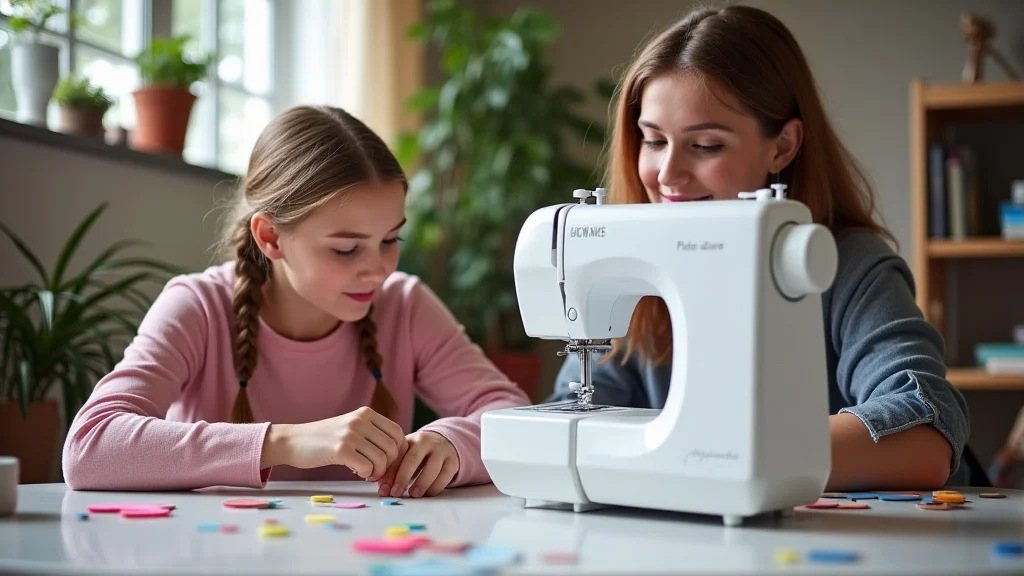
Remember that feeling of excitement when you got your first sewing machine? Maybe it’s still gathering dust! Many beginners feel a little lost when first starting. Don’t worry, sewing 101 videos can be a fantastic resource. This guide is crafted to explore the fundamentals and help you create amazing projects. By exploring these insights, you’ll learn the essential skills and techniques necessary for starting, improving your confidence, and enjoying your new hobby. We’ll go over everything from threading a needle to finishing a seam. Learn at your own pace! You’ll gain a better grasp of sewing basics, and discover how to overcome common beginner challenges.
Key Takeaways
- Learn fundamental sewing techniques essential for beginners.
- Discover how to use a sewing machine effectively.
- Explore different types of fabrics and their properties.
- Grasp essential pattern reading and cutting skills.
- Become more confident to attempt small sewing projects.
- Understand how to troubleshoot common sewing problems.
Getting Started With Sewing
Stepping into the world of sewing can feel overwhelming, but with the right knowledge, it transforms into a rewarding and creative hobby. This section explains the basic equipment needed, the essential parts of a sewing machine, and how to prepare your workspace. We will start with a basic overview of the tools that will become your new best friends. From selecting the right needle to choosing a comfortable chair, this will provide the groundwork for success. Sewing should be fun, so setting up a dedicated space will give you the right mindset. Let’s start this adventure.
Essential Sewing Tools for Beginners
Before you begin, gathering the right tools makes a huge difference. You don’t need to break the bank to start; the basics are very manageable. These tools will enable you to create your initial projects. Having the proper equipment allows you to work more precisely and enjoy the process. Good equipment will prevent frustration and make learning fun. Think of this as your starter kit for stitching success. You will explore a variety of tools, and then you can choose the ones that work best for you.
- Sewing Machine: A basic machine with straight and zigzag stitches is ideal for beginners.
- Needles: A variety of needles for different fabrics, including universal, ballpoint, and denim.
- Scissors and Rotary Cutter: Sharp scissors for fabric and a rotary cutter with a mat for straight cuts.
- Measuring Tools: A tape measure and a clear ruler for accurate measurements.
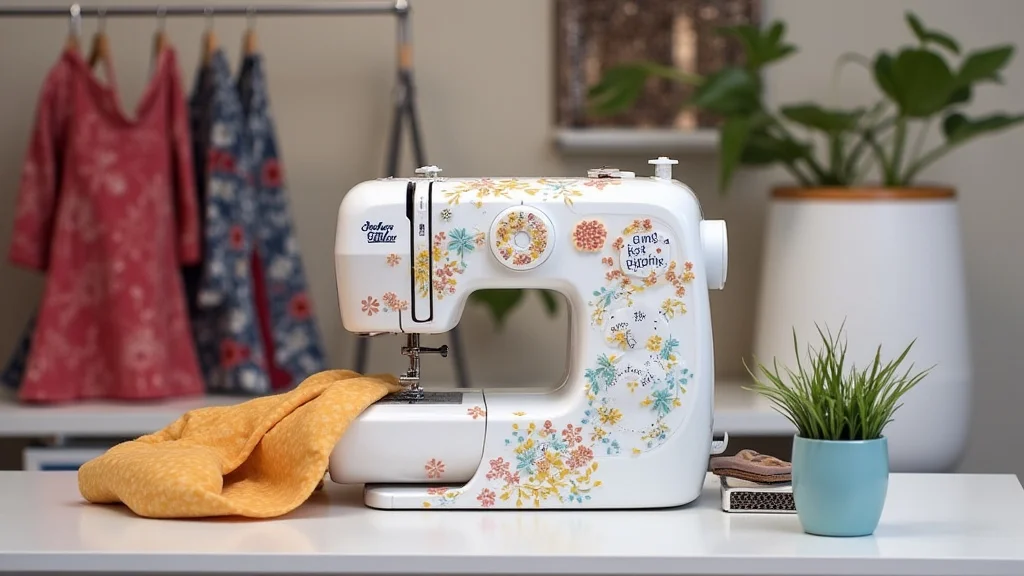
A good, entry-level sewing machine is the cornerstone of your sewing journey. Look for features like adjustable stitch length and width, and a reverse stitch function. You don’t need all the bells and whistles at first. Simple machines are easier to learn on and often more reliable. Familiarize yourself with how to thread it, wind the bobbin, and adjust the tension. Learning the key functions of your machine will allow you to create simple projects. Look for easy-to-use models and review the manual. Read customer reviews before you choose. There are many sewing 101 videos that are dedicated to helping you get to know the machine you choose.
Needles might seem like a small detail, but they are crucial for achieving quality results. Each type of fabric requires a specific needle. Universal needles work well for woven fabrics, ballpoint needles are great for knits, and denim needles can handle thicker materials. Using the correct needle ensures the needle pierces the fabric cleanly without snagging or breaking the threads. Having a selection of needles will allow you to work with a range of fabrics from the start. You’ll quickly learn which needle performs best with your chosen fabric. Changing your needle frequently will also help, since a dull needle can lead to problems.
Sharp scissors or a rotary cutter are essential for accurate cutting. Use fabric scissors only for fabric to keep them sharp; otherwise, they’ll dull quickly. A rotary cutter paired with a self-healing cutting mat is great for cutting long, straight lines and curves, especially for larger projects. They are fantastic for cutting multiple layers of fabric at once. Remember to use a cutting mat to protect your work surface. Safety is very important when using rotary cutters. The right cutting tools will make your prep work faster and more precise. Sharp tools will keep you from getting frustrated. Proper cutting tools can prevent mistakes and wasted fabric.
Precise measurements are the foundation of any successful sewing project. A flexible tape measure is used to measure curves and body dimensions, while a clear ruler or quilting ruler ensures straight lines and accurate pattern pieces. Make sure your tape measure has both inches and centimeters, which is very helpful. Keep your ruler close at hand to make sure your work is as accurate as possible. These tools will prevent mistakes. Accurate measurements will make your project a success. Accurate tools save both time and materials.
Understanding Your Sewing Machine
Once you have your basic tools, familiarizing yourself with your sewing machine is the next step. Every machine has a unique set of controls. The most important components, like the needle, bobbin, and tension control, must be understood before you can start. Spend some time learning how to thread the machine, wind the bobbin, and adjust the settings. Taking the time to master these steps will save you a lot of headache in the long run. Let’s delve into the mechanics that will help you start a project. You can find many sewing 101 videos that specifically show how your machine works.
- Threading the Machine: Learn the correct path for the upper thread through the machine.
- Winding the Bobbin: How to correctly wind a bobbin with thread and insert it into the machine.
- Stitch Selection: Understanding the different stitch types and their uses, such as straight, zigzag, and buttonhole.
- Tension Adjustment: How to adjust the upper and lower thread tension for perfect stitches.
Threading your machine seems hard at first, but it quickly becomes second nature. Consult your machine’s manual or watch a tutorial. The thread typically passes through a series of guides, tension discs, and levers before finally going through the needle. Making sure the thread is properly seated in each guide will prevent thread breakage and ensure a smooth stitch. Proper threading is vital for consistent stitch quality. If your machine’s manual seems confusing, check for sewing 101 videos about your specific model. Always make sure your needle is in the highest position when threading. Threading the needle can also be tricky, so use the needle threader if your machine has one.
The bobbin is crucial because it provides the lower thread that interlocks with the upper thread to create a stitch. To wind it, you’ll need to place the bobbin on the bobbin winder spindle, thread the thread through the tension disc, and start winding. Many machines have an automatic shutoff when the bobbin is full. Inserting the bobbin into the machine correctly is equally important; this process depends on your machine type. Refer to your manual or watch a tutorial to learn the specific steps for your machine. This can affect the stitch quality. Winding your bobbin properly ensures even tension and smooth sewing.
Most basic machines have various stitch options. Straight stitches are used for general sewing. Zigzag stitches are ideal for finishing edges to prevent fraying or for decorative applications. Buttonhole stitches are used to create buttonholes. Some machines also have other decorative stitches. Begin by experimenting with these different stitch types on scrap fabric to get a feel for how they work. Knowing what each stitch is used for helps you create a more professional finish. Choose the correct stitch type for your project. This will improve both the durability and the appearance of your work. Learning these stitches will expand your skills.
Thread tension is the amount of pull on the upper and lower threads as they form a stitch. The right tension produces a balanced stitch where the threads interlock evenly. Incorrect tension can lead to loops, puckering, or thread breakage. Most machines have a tension dial for the upper thread. The bobbin case may have an adjustable screw for the lower thread. When you test a stitch, look at both sides of the fabric. The ideal stitch will be balanced with the threads interlocking in the middle of the fabric layers. Adjust the tension as needed until you achieve that balance. Practice and experimentation will help you get the feel for the settings. Problems with tension are the main reason for mistakes. Proper tension will improve your work and prevent problems.
Sewing Techniques for Beginners
Once you are familiar with your machine, it’s time to learn the techniques that will bring your ideas to life. Sewing involves more than just running fabric under a needle. This section will guide you through the fundamental methods. These are the tools that will shape your future projects. From simple straight seams to more complex maneuvers, this provides a practical foundation. These techniques are essential to producing well-crafted pieces. These techniques will boost your ability to complete all sorts of projects. Let’s get started.
Mastering Basic Stitches
Every sewing project starts with a good understanding of the essential stitches. These stitches are the building blocks that will hold your creations together. Practice is crucial. Work on samples before moving to your actual projects. Start by working on simple projects such as pillows, tote bags, or even a simple dress. This will help you get familiar with your machine. These stitches will become second nature as you work on more projects. Practice will help you master the key components of any project. The goal is to produce stitches that are strong and neat. Many sewing 101 videos will give you tutorials on these basics.
- Straight Stitch: The foundation stitch for most seams.
- Zigzag Stitch: Used for finishing edges and creating decorative designs.
- Backstitch: How to secure stitches at the beginning and end of a seam.
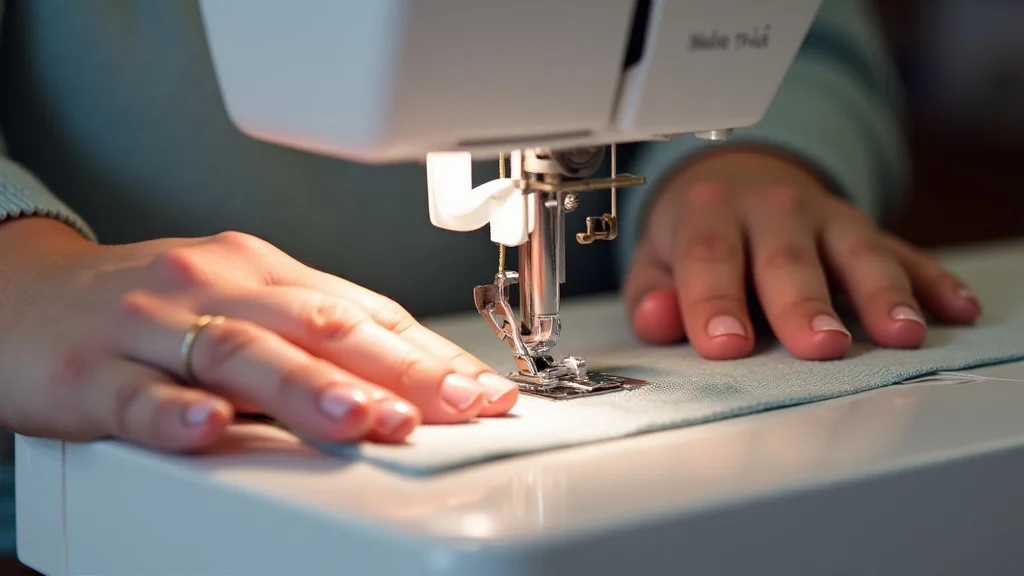
The straight stitch is the workhorse of sewing. This stitch is used to join fabric pieces together, create seams, and construct garments. Set your machine to a straight stitch, and experiment with the stitch length. A shorter length is used for finer fabrics or curves, while a longer length is used for basting (temporary stitching). When sewing, keep the fabric edge aligned with the seam allowance guide on your machine. Sewing straight is the most basic component. Practicing the straight stitch is essential before attempting any more complex projects. Your accuracy will improve with each project. You can also vary the length and width of this stitch.
The zigzag stitch is extremely versatile. It can be used to prevent fabric edges from fraying, to create decorative details, and for sewing stretchy fabrics. The zigzag stitch works by moving the needle back and forth, creating a series of overlapping stitches. You can adjust the width and length of the zigzag to change its appearance and function. A narrow zigzag is great for finishing seams, while a wider zigzag might be used for decorative edging. Practice this stitch to determine how to adjust it to the specific needs of your project. This stitch can do many things. A great stitch will make your creations even better.
Backstitching is essential for securing your seams and preventing them from unraveling. To backstitch, sew backward over the beginning of the seam for a few stitches, then sew forward again. At the end of the seam, repeat the process. Most machines have a reverse button that you can hold down while sewing backward. Backstitching is a must for any project that will experience wear and tear. Always secure your stitches. This is a very helpful technique. Backstitching adds strength and stability.
Seam Finishing and Pressing
After you have mastered the basic stitches, the next step is to understand seam finishing and pressing. Seam finishing prevents the edges of your fabric from fraying and gives a more professional finish. Pressing helps flatten seams, set stitches, and improve the overall appearance of your work. These elements will improve the lifespan and look of your projects. These techniques will create a professional appearance. They are also very important to the finished product. These steps are a must for anyone who wants to sew well.
- Seam Allowance: Understanding and maintaining a consistent seam allowance.
- Pressing Seams: Learning how to press seams open, to the side, or in a specific direction.
A seam allowance is the distance between the fabric edge and the stitching line. Consistent seam allowances are key to achieving accurate results when sewing patterns. The standard seam allowance is often 1/2 inch (1.25 cm), but it can vary depending on the pattern. Your sewing machine’s throat plate typically has markings that can help you guide your fabric and maintain an accurate seam allowance. Use the edge of your presser foot as a guide. Accuracy is important, and learning this will improve your projects. You will learn to use a seam guide to assist you. A well-measured seam allowance is key to a successful project.
Pressing is an essential step in sewing that greatly impacts the finished look of your work. Always press your seams after sewing them. Use an iron on the appropriate setting for the fabric. Press seams open by ironing them flat from the wrong side of the fabric. Press seams to one side by pressing the seam allowance in a single direction. This is often done when the seam is bulky. Pressing can make your projects look more professional. Proper pressing will improve the quality of your finished project. It is easy to improve your work by pressing. Pressing is a must for a professional look.
Fabric Selection and Pattern Reading
Choosing the right fabric and understanding how to read patterns are essential skills for any sewer. Fabric choices will affect your project’s look and feel, and the right fabric can make the project a breeze. Pattern reading allows you to follow instructions accurately. These are the tools that will bring your ideas to life. Let’s look at fabrics, patterns, and how they function together. This will give you confidence in your projects. Here you can start to expand your sewing world.
Fabric Knowledge: Types and Characteristics
The fabric you choose has a major effect on your project’s outcome. Different fabrics have various characteristics, from how they drape to how they behave under the needle. Understanding these properties will allow you to make the right choices for your projects. You’ll learn to identify different materials, and match them with your project. Fabric choice is essential, so this section can get you started on your selection. Fabric choices can make the project go very smoothly. Many sewing 101 videos will also show you how to select fabrics.
- Woven Fabrics: (Cotton, Linen, Denim): Durable and easy to sew.
- Knit Fabrics: (Jersey, Sweatshirt Fleece): Stretchy and more challenging.
- Fabric Care: Washing and prepping your fabric before sewing.
Woven fabrics are created by interlacing two sets of yarns at right angles. These fabrics are generally stable, making them easier for beginners to work with. Cotton is a popular choice because it is versatile, affordable, and comes in various weights and prints. Linen is breathable and has a beautiful drape. Denim is strong and works well for jeans, skirts, and bags. These fabrics are less prone to stretching or shifting during sewing, which makes them a great option for building your skills. Consider cotton or a similar material for your first project. Explore different fabric weights (light, medium, heavy) and the various qualities of these materials. Learn about woven fabrics to improve your skill.
Knit fabrics are made by looping yarns together, giving them flexibility and stretch. These fabrics include jersey, used for t-shirts, and sweatshirt fleece. Jersey is relatively easy to work with. It drapes well, while others stretch considerably, requiring special techniques and needles. The stretchiness means they can be more challenging for beginners because the fabric can stretch or shift during sewing. Use a ballpoint needle, and consider using a walking foot or a stretch stitch. Knit fabrics are fantastic for comfortable clothing. Understanding knit fabrics will broaden the projects you can pursue. These are fun projects that will increase your abilities.
Washing your fabric before sewing, called pre-washing, is very important, because it will shrink after the project is done. Washing removes any sizing or finishes applied during manufacturing, and it helps to prevent any unwanted shrinkage after your project is complete. Different fabrics require different washing methods. Always refer to the fabric care instructions to determine the best method. Pre-washing ensures that your finished project maintains its size and shape after washing. Your projects will look better and last longer if you pre-wash the material. This will make your finished project a success. Pre-washing will keep your project looking its best.
Pattern Reading and Cutting
Reading a sewing pattern is like learning a new language. You’ll need to recognize symbols, understand terminology, and follow instructions. Cutting is the second step, so it has to be done correctly. With a bit of practice, you’ll be able to understand the patterns. Here’s how to decipher the instructions and get ready to cut. Patterns can be tricky at first, but this will become second nature. This skill will make your projects much easier. This will let you expand the types of projects you can complete. Many sewing 101 videos will give you guidance.
- Pattern Symbols: Identifying the different symbols and markings on pattern pieces.
- Pattern Layout: How to correctly lay out pattern pieces on the fabric.
- Cutting Fabric: Cutting pattern pieces accurately along the cutting lines.
Sewing patterns use various symbols and markings to guide the construction of your project. These markings provide useful information to sewers. Understanding these symbols is important to interpret and use a pattern. Some of the most common markings include grain lines, which show how to align your pattern piece with the fabric’s grain, notches, which show how to match pattern pieces together, and darts, which are used to shape the garment. Other markings include button placement and cutting lines. Take your time to carefully study the pattern pieces. Understanding the symbols will make you feel more comfortable. It makes the process much less frustrating.
A pattern layout shows you how to arrange the pattern pieces on your fabric to minimize waste and ensure the pieces are cut correctly. Pattern instructions will often include a layout diagram specific to the size, view, and fabric width. The layout will usually show how to position the pieces, taking into account the grain line and the fabric fold. Always ensure the pattern pieces are facing the right way (usually with the right sides of the fabric facing each other) and that you have enough fabric to cut all the pieces. Carefully following the layout diagram will ensure that you have all the necessary pattern pieces and that your project turns out correctly. A good layout saves time and material. A properly laid-out pattern ensures your project turns out right.
Accurate cutting is the key to a well-fitting finished garment. Use sharp scissors or a rotary cutter. Cut along the cutting lines marked on the pattern pieces. It is useful to use pattern weights to hold the pattern pieces in place. Cutting precisely means the pattern pieces will fit together correctly during sewing. Make sure your fabric is lying flat and that you have a smooth, stable surface. Take your time, and double-check your cuts, especially around curves and corners. This is essential to achieve professional-looking results. Take your time when cutting for best results. This is critical for the finished project.
Common Sewing Problems and Troubleshooting
Even seasoned sewers experience problems. Problems are a natural part of the learning process. This section covers common issues such as thread breakage, uneven stitches, and fabric jams. The key to fixing problems is knowing how to identify them and correct them. Let’s look at solutions to common problems that will arise. The techniques that will allow you to continue working on your project. This will help you resolve the most common issues. These are very helpful for all skill levels.
Troubleshooting Stitching Problems
Every sewist will face problems with their stitches at some point. These might include thread breakage, skipped stitches, and uneven stitching. Understanding the common causes and how to address them can save you time and frustration. Let’s look at methods for troubleshooting. You may be able to easily resolve your problems. Understanding the solution to these issues will reduce frustration. These are all part of the learning process. The ability to handle problems is a key skill.
- Thread Breakage: Identify and resolve issues with thread snapping during sewing.
- Skipped Stitches: Fix the gaps in your stitches.
- Uneven Stitches: How to fix inconsistent stitch length and appearance.
Thread breakage is a common problem that can halt your sewing. The issue might be caused by incorrect threading, a damaged needle, or the wrong type of thread for the fabric. A thread tension that is too tight, or cheap thread might also be a cause. Start by rethreading your machine, checking your needle, and checking the spool of thread for snags. Make sure that the thread is compatible with your needle and fabric. Check the tension to see if it is too tight. Proper threading is a must. If the problem continues, there could be a problem with your machine. Consult your manual. A quick fix will allow you to continue working.
Skipped stitches occur when the upper and lower threads do not interlock, leaving gaps in the stitching line. The most common cause is the wrong needle type for the fabric or a dull or bent needle. It could also be due to tension issues or improperly threaded machine.
Uneven stitches can spoil the appearance of your work and indicate an issue. The problem can be caused by fabric that is not feeding smoothly through the machine. This can occur with fabrics that are too thick, or too thin. In other cases, the tension may be incorrect, or the presser foot pressure might be off. Check your fabric feed dog. Adjust your machine’s tension or use a different presser foot to prevent this. A walking foot is very helpful with multiple layers of fabric. Experiment and test the stitches to get them right. This will improve the quality of your work. Having even stitches will help your project look professional.
Fabric and Machine Issues
Besides issues with stitches, you might face problems with the fabric or with your sewing machine. These problems may include fabric jams and puckering. Knowing how to solve these problems will ensure a better experience. These can cause problems with your project. You can resolve them quickly with a few techniques. Machine problems can be fixed easily. These troubleshooting methods will get you back to sewing quickly.
- Fabric Jams: Preventing and resolving fabric from getting stuck in the machine.
- Puckering: How to prevent fabric from gathering or wrinkling along the seam.
- Needle Issues: Dealing with bent or broken needles.
Fabric jams occur when fabric gets caught in the machine’s mechanism. This is often caused by sewing through too many layers of fabric at once. Other possible causes include pulling the fabric, or using the wrong needle. Remove the fabric carefully, and rethread your machine. If the problem persists, use a different needle, or try a different type of presser foot. Do not force the fabric through. Slow down your sewing speed. Use a walking foot. Fabric jams can cause damage to the machine, so resolving this quickly is critical. This will protect your machine and your work. Take your time, and you can prevent this. Prevention is always the best course.
Puckering happens when the fabric gathers or wrinkles along a seam. This is often caused by the fabric stretching unevenly. This can happen with the wrong type of fabric. Try using a straight stitch instead of a zigzag stitch on the problem fabric. Reduce the stitch length. Always use the right type of needle for the material. If the problem continues, consider using a stabilizer. Experiment with your machine settings. Prevent this by testing on a small area of fabric. Use steam. These are good techniques to solve the problem. Proper preparation will help prevent puckering.
Bent or broken needles are common, and they can cause a number of issues, from skipped stitches to fabric damage. Needles can bend when they hit a seam. Always use the correct needle type. Make sure the needle is properly inserted in your machine. Replace needles regularly. Sewing too fast, and sewing through thick materials, or pins can also bend your needle. Stop immediately if you hear an unusual sound. A bent needle can harm your machine. You can save your work if you take care of this. These precautions will save you both time and material.
Common Myths Debunked
Frequently Asked Questions
Question: Is sewing hard?
Answer: Sewing can be challenging, but it is not difficult. With practice and patience, beginners can master the basic techniques.
Question: What’s the best sewing machine for beginners?
Answer: A basic, mechanical sewing machine with straight and zigzag stitches is ideal. Look for ease of use and features.
Question: What kind of fabric should I start with?
Answer: Cotton or other woven fabrics are best for beginners. They are easier to handle and less likely to stretch.
Question: How can I improve my sewing accuracy?
Answer: Use a seam allowance guide, measure carefully, and press your seams. Take your time, and double-check your work.
Question: What do I do if my thread keeps breaking?
Answer: Check your machine’s threading, use the right type of thread, and make sure your needle is correct.
Final Thoughts
You now have the fundamental knowledge needed to begin your sewing journey. Sewing 101 videos are the starting point for your skills. The journey is not always linear. You’ll encounter challenges, and learn from mistakes. Start with simple projects. These include tote bags or pillowcases. Always remember to practice and be patient. The more you explore, the more your abilities will grow. Do not hesitate to search for additional resources. There is a whole world to learn. With each stitch, you will build confidence and skill. Enjoy the creative process, and celebrate your progress along the way. Your dedication will bring forth beautiful projects.