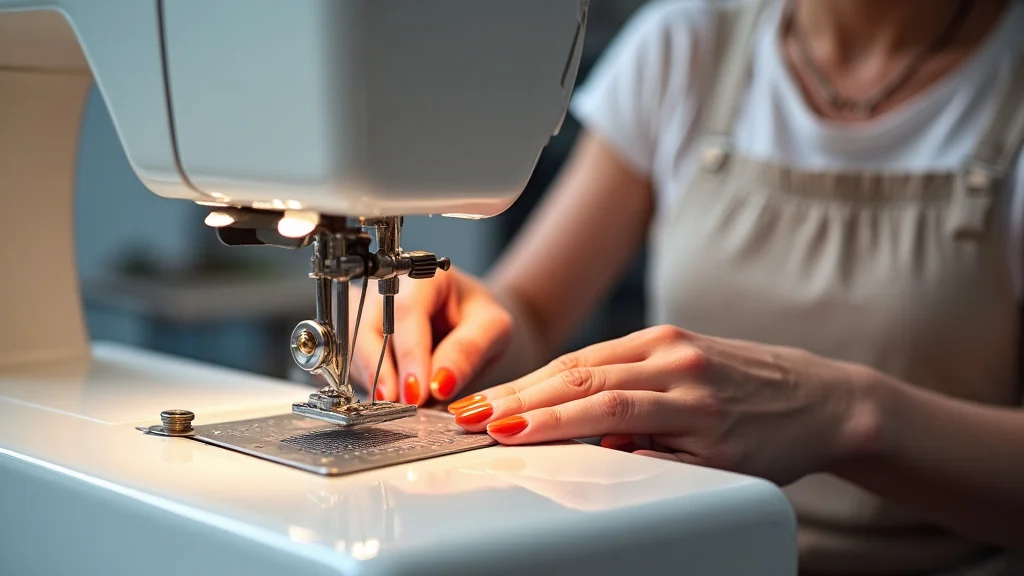
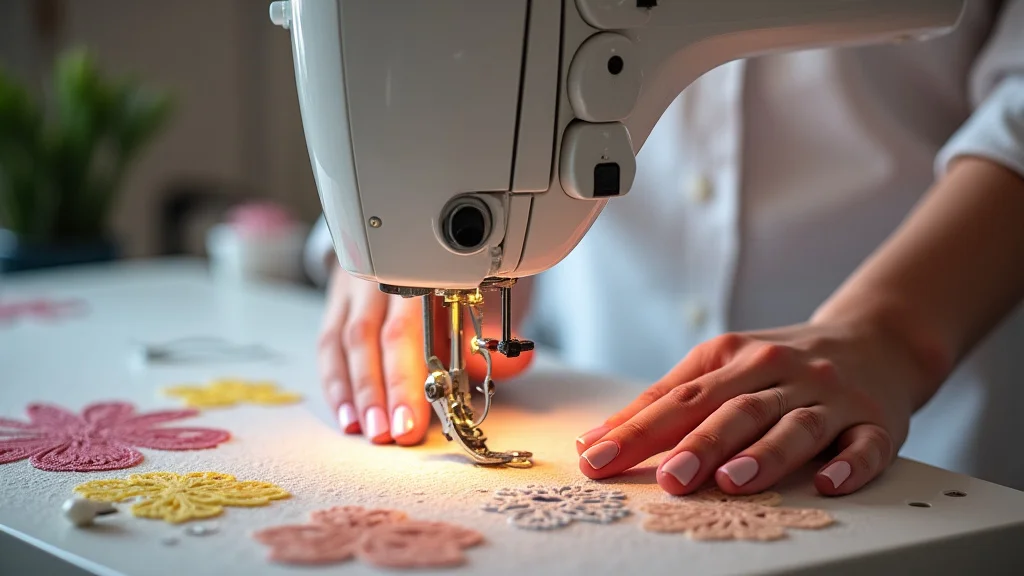
Remember that slightly-too-long dress your grandma made you, the one you loved but it always dragged on the ground? Now imagine making your own clothes, fixing a favorite stuffed animal, or creating unique gifts! Learning to sew can be a fantastic adventure. This guide to sewing 101 for kids will get you started with the basics, teaching you how to use a needle and thread, and even a sewing machine, to bring your creative ideas to life. You’ll explore different stitches, fun projects, and important safety tips. Get ready to transform fabric into something amazing and start building skills you’ll use for years to come.
Key Takeaways
- Learn the fundamental tools and materials needed for sewing.
- Discover basic hand stitches and how to use them effectively.
- Gain confidence in using a sewing machine safely and efficiently.
- Explore a variety of beginner-friendly sewing projects.
- Understand essential sewing safety precautions.
- Develop creativity and fine motor skills.
Getting Started with Stitching: Essentials
Before you begin your sewing 101 for kids adventure, you’ll need the right tools and supplies. Think of them as your secret weapons for crafting. Knowing what you need and how to use it is the first step in creating amazing projects. This section covers the core items required to start, ensuring that you’re well-equipped to begin stitching your first creation. We will look at needles, threads, fabrics, and measuring tools. Understanding the purpose of each item will help build your confidence and make the process more enjoyable.
Needles and Threads: The Dynamic Duo
The needle and thread are your primary instruments in sewing. The needle pierces the fabric, carrying the thread to create stitches. Different needles are made for different fabrics, so you’ll want to choose the right one for your project. The thread holds the fabric together, creating seams and details. Choosing the correct needle and thread is essential. For instance, a thicker needle and thread are often ideal for heavier fabrics, while finer ones work well with lighter materials.
- Needles: These come in various sizes and types, designed for different fabrics. For kids, a blunt-tip needle is a safer option for hand sewing, as it’s less likely to poke you!
- Thread: Cotton thread is a great all-around choice. It’s strong and works well for many different projects.
- Needle Threader: This nifty gadget makes it easy to thread a needle, which can sometimes be tricky!
- Thread Cutter or Scissors: Small, sharp scissors are very useful for cutting threads.
There are different types of needles, each serving a specific purpose. For hand sewing, consider using a crewel needle, which has a larger eye and is easy to thread. For machine sewing, ballpoint needles are great for knit fabrics because they slide between the fibers instead of piercing them. Using the correct type of needle will minimize frustration and improve your sewing outcome.
Threads are constructed from a variety of materials, and some common options include cotton, polyester, and silk. Consider how the thread will interact with the fabric and the project’s purpose when making your selection. Cotton threads are perfect for general-purpose sewing because of their versatility and ease of use. Polyester thread is strong and resistant to shrinkage, making it a good selection for items that need to be durable. Silk thread has a luxurious look and is ideal for fine garments.
A needle threader is a valuable tool, especially for beginners or those with impaired vision. It makes it easy and quick to thread your needle. The tool’s design includes a tiny wire loop that passes through the needle’s eye, enabling you to thread it without straining your eyes or struggling with the thread. Make sure you select a needle threader that is durable and of suitable size. A well-constructed needle threader will save you much time and effort.
A good pair of scissors or a thread cutter is as important to sewing as your needle and thread. Choose a pair of small, sharp scissors designed specifically for fabric. This type of scissors gives you precision when cutting threads and fabric without damaging your project. Make sure that they are always kept sharp so that you get clean cuts, which is important for quality and good results.
Fabric and More: The Building Blocks
The fabric is the canvas for your creations. There are tons of different fabrics, from cotton to fleece to felt. Getting familiar with various fabric types will help you select the best materials for your sewing projects. Besides fabric, you will need other useful tools, such as pins and a measuring tape, which are equally important for accuracy and successful sewing. This section will guide you through choosing fabrics and other important tools.
- Fabric: Start with easy-to-sew fabrics like cotton or fleece. They are easier for beginners to work with.
- Scissors or Rotary Cutter and Mat: These tools are essential for cutting fabric. Make sure to use scissors specifically for fabric to get a clean cut, or consider a rotary cutter with a self-healing mat.
- Pins: These are used to hold fabric pieces together before sewing. They are a must-have!
- Measuring Tape and Ruler: Necessary for taking measurements and marking fabric.
Cotton is a popular choice for beginner projects because it’s easy to sew and comes in many colors and patterns. Fleece is a soft and cozy fabric that doesn’t fray, making it beginner-friendly. Start with small pieces to practice, then explore larger projects as you get more comfortable.
When cutting fabric, use fabric scissors to get the best results. These scissors are specifically crafted to cut fabric accurately. Always keep the scissors flat on the table, and use long, smooth cuts. Using a rotary cutter with a self-healing mat can be very helpful for cutting straight lines. These tools give you the precision you need for your sewing projects.
Use pins to temporarily secure fabric pieces. Place the pins perpendicular to the edge of the fabric to keep the material in place. Removing pins before sewing over them is important to prevent needle breakage and injury. Pinning properly ensures your fabric layers are aligned and ready to be sewn.
Measuring correctly is important for any sewing project. A measuring tape helps you measure curved or straight lines, while a ruler helps you make straight lines. Accuracy at this stage will ensure your sewing project fits well and looks professional. Make sure you use metric and imperial units when measuring to have accurate results.
Basic Stitches: Your Sewing Superpowers
Once you’ve got your materials, it’s time to learn how to stitch! Learning different hand stitches is like learning a new language. Each stitch has a unique look and purpose. This section introduces the main hand stitches that are most helpful when you start learning sewing 101 for kids. We will explore the running stitch, backstitch, slip stitch, and blanket stitch, including how to make each one. These fundamental skills will provide a great foundation to build your sewing skills and creativity.
The Running Stitch: The Speedy Stitch
The running stitch is the most basic hand stitch. It’s used for quickly joining two pieces of fabric together. It’s easy to learn, which is why it is often the first stitch you’ll master. Using this stitch, you will become comfortable with the basic motion of bringing the needle up and down through the fabric. It is perfect for beginner projects such as simple seams, gathering fabric, and doing quick repairs.
- How to do it: Bring the needle up through the fabric, then back down a short distance away. Repeat to create a dashed line.
- Uses: Great for straight seams, gathering fabric, and basting (temporary stitching).
- Tip: Try making several stitches at once by passing your needle through multiple points before pulling the thread through.
Thread your needle and tie a knot at the end of the thread. Push your needle up through the fabric, then make another stitch down and up, creating a series of evenly spaced stitches. Keep your stitches consistent in size and spacing, making sure to avoid pulling the thread too tight, which can cause the fabric to pucker.
The running stitch is a versatile choice for a variety of tasks. Use it to join fabrics, create a straight seam quickly, or hold layers together. It’s also useful for gathering fabric. When used for basting, the running stitch can temporarily hold fabric pieces in place before you make a permanent stitch.
To speed up the process, you can make several stitches at a time by passing the needle through the fabric multiple times before pulling the thread through. This will help you sew faster. To make sure you’re consistent, ensure your stitches are evenly spaced by using a ruler or a seam gauge to help you.
The Backstitch: The Strong Stitch
The backstitch is a strong, secure stitch used for permanent seams. It’s often used where durability is important. This stitch is used when strength and long-lasting seams are required. It’s great for constructing seams that will be subject to wear and tear. You can use it to sew seams on clothes and stuffed animals. It’s more time-consuming than the running stitch, but creates a strong seam.
- How to do it: Bring the needle up through the fabric, then go back down at the beginning of the stitch. Bring the needle up a stitch length ahead, then go back down through the end of the previous stitch.
- Uses: Ideal for strong seams, sewing permanent seams, and creating outlines.
- Tip: For a smoother look, make sure your stitches are all the same length.
Bring your needle up through the fabric and then go back down to the exact spot where the thread first appeared. Then bring the needle up again a short distance forward, creating the next stitch. To secure the stitch, insert the needle back into the fabric at the end of the previous stitch, overlapping the previous one slightly. Repeat this process for a strong, continuous seam.
The backstitch is a great choice for seams that need to be durable, such as on clothing or items that need to withstand frequent use. It’s used to make permanent seams on various projects. This stitch can also be used for creating outlines on designs because of its neat, solid appearance.
For a clean, professional finish, make sure to keep your stitch lengths consistent. Use a ruler or a seam guide to help you keep the stitches uniform. This consistency will make the seam look smooth and tidy. It will also help the project be more durable.
The Slip Stitch: The Invisible Stitch
The slip stitch is used to close openings invisibly. It’s a great stitch for creating a clean, finished look, especially for closing stuffed animals or turning a pillow right-side out. This stitch helps you to hide your work so that you get the best outcome. It is a very helpful technique for making sure that your projects look neat and polished.
- How to do it: Bring the needle up through the fabric on one side, then slip the needle into the folded edge of the fabric on the other side. Repeat, picking up a tiny bit of the fabric each time.
- Uses: Perfect for closing openings, like those on stuffed animals or pillows.
- Tip: Work slowly and carefully to make the stitches as invisible as possible.
Bring the needle up through the fold of the fabric on one side, then move the needle into the folded edge of the fabric on the opposite side. Make sure to pick up only a tiny amount of the fabric to hide the stitches, which will make the stitching nearly invisible. Pull the thread through gently each time, and keep your stitches close together.
Use the slip stitch to close openings on items like stuffed animals and pillows. You can also use this stitch to hem edges of fabric without any visible stitches. The stitch blends with the fabric so that the finished product looks clean and professional.
Take your time and stitch slowly, making sure you catch only a tiny amount of the fabric on each side. Try to match the thread color to the fabric so the stitches blend seamlessly. This will help you achieve a neat and hidden stitch. You will soon have a perfectly closed seam.
The Blanket Stitch: The Decorative Stitch
The blanket stitch is a decorative stitch used around the edges of blankets and other items. It creates a neat edge and adds a decorative element to your project. Its versatility makes it useful for both functional and decorative purposes. This stitch can make edges strong and add visual appeal. The blanket stitch will make any sewing project look more professional.
- How to do it: Bring the needle up through the fabric, then loop the thread over the edge and bring the needle back down. Repeat.
- Uses: Great for edging blankets, appliques, and adding decoration.
- Tip: Keep your stitches evenly spaced and at the same height.
Bring the needle up through the fabric from the back, close to the edge. Then, loop the thread over the edge of the fabric before bringing the needle back down. Repeat this process around the edge, maintaining consistent spacing and tension. This will create a neat, decorative border.
Use the blanket stitch to edge blankets and other items, to add a decorative border. It also helps in attaching appliques. This stitch provides a neat, finished edge and adds a beautiful decorative touch to your work.
Making the stitches the same height and distance apart will make your stitch look neat and professional. Use a ruler or a seam gauge to help maintain consistency. It will give a uniform look to your project.
Sewing Machine Basics: Level Up Your Skills
Once you’ve mastered the hand stitches, you might want to try using a sewing machine. This tool is more powerful and can sew much faster than you can by hand. It can seem daunting at first, but with patience and practice, you can learn to use it safely and effectively. This sewing 101 for kids section will cover how a sewing machine works, basic controls, and safety precautions. You’ll gain the confidence to create your projects with ease and speed. Learning to use a sewing machine can be a great way to advance your stitching skills.
Machine Components and Functions
Before using a sewing machine, you should get familiar with its components. This will help you know the controls and how the machine works. Understanding the different parts of a sewing machine will help you use it safely and effectively. You will also know how to troubleshoot problems that may occur. When you become familiar with the different parts, you will feel more comfortable when using the sewing machine.
- Needle: Goes up and down to sew the fabric together.
- Bobbin: Holds the lower thread.
- Foot Pedal: Controls the speed of the machine.
- Handwheel: Used to raise and lower the needle.
- Stitch Selector: Changes the type of stitch the machine makes.
The needle, which is one of the most important components of the sewing machine, pierces the fabric to create stitches. Make sure you use the correct type and size of needle for your project. This will guarantee smooth operation. It is important to change the needle often to prevent problems like broken threads and skipped stitches.
The bobbin holds the lower thread, which interlocks with the top thread to make a stitch. The bobbin is usually found under the needle. Winding the bobbin correctly and ensuring it is properly installed are key to the correct stitching.
The foot pedal controls the speed of the sewing machine. The harder you press on the foot pedal, the faster the needle goes. Start slowly to maintain control and to avoid sewing too fast. Practice your control over the foot pedal before starting any project.
The handwheel helps you manually move the needle up and down. It can be used to control the needle if you don’t use the foot pedal. Turning the handwheel towards you makes the needle go down, then up. This helps you to manage the movement of the needle, especially in areas where precision is needed.
The stitch selector allows you to select the stitch type the machine will make, like straight stitch or zig-zag stitch. You will find different options on your sewing machine. Experiment with different stitch options, and select the best one for your project. You can improve the look and performance of your projects.
Threading and Operation: Getting Started
Threading a sewing machine can seem challenging at first, but it gets easier with practice. Proper threading is essential for the machine to sew correctly. It involves taking the thread from the spool and through a series of guides to the needle. This is where you will get started. This section will guide you through the threading process, and then tell you how to start sewing.
- Threading the Machine: Follow the diagrams in your machine’s manual.
- Winding and Inserting the Bobbin: The bobbin is crucial for the lower thread.
- Preparing to Sew: Place the fabric under the presser foot.
- Starting to Sew: Slowly press the foot pedal. Guide the fabric along a straight line.
Your sewing machine manual gives specific instructions for threading the upper thread. Place the spool of thread on the spool pin, and then follow the guides marked on the machine. Pass the thread through the guides, the tension discs, and the needle, as directed by the diagram in the manual. Correct threading is essential for the machine to make the stitches correctly.
To wind the bobbin, put the bobbin onto the bobbin winder and thread it. Push the bobbin winder to the right, and press the foot pedal to wind the bobbin. Once the bobbin is full, put it in the bobbin case under the needle. Refer to your machine’s manual for bobbin insertion instructions.
Put the fabric under the presser foot, which holds the fabric in place. Lower the presser foot by pressing the lever, then begin to sew gently by pressing the foot pedal. Guide the fabric carefully, and follow the guidelines to ensure straight seams. Make sure you pull out your fabric when done.
Control the speed by how hard you press the foot pedal. For your first try, start slowly to get familiar with the machine. Make sure to guide the fabric along the edge carefully, making sure the seam remains straight. Remember that the foot pedal controls the speed, so try pressing gently and guiding the fabric slowly.
Safety First: Sewing Machine Precautions
Safety is key when using a sewing machine, particularly for kids. Following safety guidelines prevents injuries and makes your sewing time more enjoyable. This will help you keep safe when working with a sewing machine. Knowing the risks and being careful is important. Keep your focus on these safety tips to keep you safe.
- Always supervise children when using the machine.
- Keep fingers away from the needle.
- Turn off and unplug the machine when not in use.
- Don’t pull or push the fabric while sewing.
Supervision is vital, particularly when children are using the machine. An adult should be present to help, advise, and prevent any accidents. Stay close to the child and give directions. You can help kids to learn to sew with confidence and safely.
Keep your fingers away from the needle when the machine is running. It can move quickly and cause injury. Use a seam ripper to lift the fabric and guide it. Always make sure the needle is in the up position. If your fingers are close to the needle, they may get caught, causing harm.
Turn the machine off and unplug it from the outlet when you’re not using it. This will prevent accidental use and electric shock. When unplugging, be sure to pull on the plug, and not the cord. This will make your machine and everyone around you safer.
Let the machine move the fabric on its own. If you push or pull the fabric, you can break the needle or damage the machine. Guide the fabric gently, and let the machine work. This will give you the best outcomes and avoid safety risks.
Beginner Projects: Time to Get Creative
Now that you know the basics, it’s time to put your skills to work! This section has sewing 101 for kids projects that are designed for beginners. From simple pouches to fun stuffed animals, these projects allow you to practice what you have learned and to build confidence in your sewing ability. You can apply the hand stitches and sewing machine skills. Plus, you will be creating something you can give to others. Make sure to have fun and be creative while you work on these projects.
Simple Pillowcase
Making a pillowcase is a great way to start and is very practical. This project will help you practice sewing straight lines and create something useful. Using the pillowcase, you’ll learn how to hem and sew seams. You can get more comfortable working with the fabric and making projects with the sewing machine. The simple pillowcase project will make your skills better.
- Materials: Fabric (cotton works well), scissors, pins, thread, and a sewing machine.
- Cut the Fabric: Cut two pieces of fabric the size of your pillow plus seam allowances.
- Sew the Seams: Place the fabric right sides together and sew along the edges, leaving one side open.
- Turn and Finish: Turn the pillowcase right-side out and finish the open edge.
Choose fabric that’s easy to sew and can be washed. You will need scissors for cutting fabric, pins to hold fabric together, thread for sewing, and a sewing machine to help complete the project. Having all materials ready to go is important for sewing.
Make sure you cut two pieces of fabric that are the size of your pillow. Always add seam allowances, so you will have enough fabric to fold and sew. Use a measuring tape and ruler to make sure your fabric is cut correctly. Make sure that the edges are even and square.
Place your fabric pieces together, with the patterns facing inward. Sew seams around the sides, leaving one side open. Use a sewing machine or hand-sewing to sew straight lines. Secure the seams by backstitching at the beginning and end of each seam.
Turn the pillowcase right side out. Fold and hem the open edge to create a neat finish. Use a slip stitch, or use the sewing machine to create the seams. You will have a clean edge, which gives a professional look to your pillowcase.
Simple Drawstring Bag
A drawstring bag is a great project that helps you practice the seam and learn how to make a casing for the drawstring. You can use it for various purposes. It is a quick and simple project. It can be made with hand-sewing or a sewing machine. This project helps in gaining experience working with fabric and sewing techniques.
- Materials: Fabric, scissors, pins, thread, drawstring (ribbon or cord), and a sewing machine.
- Cut the Fabric: Cut two rectangles of fabric, and calculate how large you want your bag to be.
- Sew the Seams: Sew the side and bottom seams, and leave the top open.
- Create a Casing: Fold the top edge down to create a casing, and then sew it.
- Add the Drawstring: Thread the drawstring through the casing, and tie the ends together.
Gather your materials to begin your sewing project. You’ll need fabric, scissors, pins, thread, a drawstring, and a sewing machine. Make sure your drawstring is the correct length. Having everything ready saves time and ensures a smooth start.
Cut the fabric for the bag. Cut two rectangles of fabric. Figure out how large you would like the bag to be. Make sure to include seam allowances so that your bag will be the correct size. Make sure you use the measuring tape and ruler to cut the fabric to the correct dimensions.
With the right sides facing together, sew the side seams of the fabric together. Stitch the bottom seams to create the base of the bag. Leave the top open to create a casing for your drawstring.
Fold the top edge of the bag down to create a casing for the drawstring. Sew the folded edge, making sure that you leave a gap for threading the drawstring. This will create a channel for the drawstring.
Use a safety pin or a bodkin to thread the drawstring through the casing. Pull it through so that the ends meet, and then tie them together to close the bag. The drawstring bag is now ready for use!
Basic Stuffed Animal
Making a stuffed animal is a classic sewing project for beginners. It involves simple shapes and stitches. This project helps develop the ability to sew curves and learn how to fill the project with stuffing. It’s a fun and rewarding way to learn about the sewing 101 for kids basics. It creates a personalized stuffed animal, which is great to give as a gift.
- Materials: Fabric (felt or fleece are good choices), scissors, pins, thread, stuffing, and a sewing machine.
- Cut the Shapes: Cut out the animal’s shapes from the fabric, following a simple pattern.
- Sew the Pieces: Sew the pieces together, right sides facing each other, leaving an opening for stuffing.
- Turn and Stuff: Turn the animal right-side out, and fill it with stuffing.
- Close the Opening: Close the opening using a slip stitch.
For your stuffed animal, gather the following materials: fabric, scissors, pins, thread, stuffing, and a sewing machine. Felt or fleece are the best for beginners. When everything is in place, you can quickly move on to the sewing process.
Make sure to cut out the shapes needed to make your animal. Use a simple pattern for guidance. Cut two pieces for the body, and make the arms, legs, ears, and any other design elements. Accuracy in cutting will help to achieve a better result.
Place the fabric pieces facing each other. Sew the pieces along the edges, and leave an opening. Use a sewing machine or hand-sewing. Make sure you use a backstitch to secure the seams. Keep the opening so you can turn the animal right-side out.
Turn the animal right-side out through the opening you have created. Fill it with stuffing to achieve the right shape and firmness. Make sure you distribute the stuffing evenly throughout the animal. Close the opening with a slip stitch or by machine.
Use the slip stitch to close the opening. Stitch the edges together with a hidden stitch. Your stuffed animal is now ready. You now have a custom-made stuffed animal.
Common Myths Debunked
There are some false ideas about sewing that can be confusing, especially if you’re a beginner. Let’s look at and clarify a few common myths about sewing to give you an accurate view of this art. We’re going to examine these misconceptions and provide accurate knowledge. This will ensure that you have the right mindset when beginning the sewing 101 for kids journey. We will look at whether sewing requires special talent.
Myth 1: Sewing Is Only for People Who Are Naturally Talented
Reality: Sewing is a skill that anyone can learn with practice! It’s like riding a bike or playing an instrument. While some people may pick it up faster than others, the most important thing is practice and patience. The more you sew, the better you’ll get. Don’t be afraid to make mistakes – that’s how you learn.
Myth 2: Sewing Machines Are Too Complicated for Beginners
Reality: Modern sewing machines are made with beginners in mind. They often have simple controls and helpful features. With a little practice, you can learn the basics quickly. The instruction manual will guide you, or you can find lots of videos online. Start with the basics and slowly get into more advanced features. You will feel comfortable using a machine.
Myth 3: Sewing Is Too Expensive
Reality: Sewing can be very affordable! You can start with basic materials like cotton fabric, hand needles, and thread. Many inexpensive materials can be used for sewing. You can use scraps. Start small and grow as you get more comfortable. You can make some of your own items without spending too much.
Myth 4: Sewing Is Only for Making Clothes
Reality: Sewing is used for much more than just clothes. You can make accessories, home decor, gifts, and repair items. You can make stuffed animals, bags, or decorate with embroidery. The possibilities are endless. You can explore a variety of ways to use sewing to create many different items.
Myth 5: You Need to Be Perfect to Sew
Reality: No one is perfect. Every sewist makes mistakes, even experts! Mistakes are part of the learning process. Don’t let perfectionism stop you from starting. Focus on learning and enjoying the process. Be patient with yourself, and embrace your creativity. With practice, your skills will get better.
Frequently Asked Questions
Question: What’s the best age to start sewing?
Answer: There is no set age. Many kids begin as young as 6 or 7, with adult guidance. The ability to focus and follow instructions is key.
Question: What do I need to start sewing?
Answer: You’ll need fabric, scissors, thread, needles, pins, and possibly a sewing machine. Start with simple projects.
Question: Is it safe for kids to use a sewing machine?
Answer: Yes, with adult supervision. Always keep fingers away from the needle and follow safety guidelines.
Question: What’s the best fabric for beginners?
Answer: Cotton and fleece are easy to work with because they don’t fray and are easy to cut and sew.
Question: How can I fix mistakes while sewing?
Answer: Use a seam ripper to remove stitches. Practice makes perfect, and mistakes are a normal part of the process!
Final Thoughts
Starting with sewing 101 for kids is a lot of fun. We covered all the fundamentals, from setting up to exploring easy projects. Sewing isn’t just about making clothes; it’s a way to express yourself and improve your fine motor skills. Remember, sewing is a skill that improves over time. Don’t be discouraged by mistakes; they’re an opportunity to learn. The most rewarding thing is creating something you made yourself. Pick a simple project and start working on it, and you’ll find joy in bringing your ideas to life. Keep practicing, try new things, and let your creativity lead you. Happy stitching!