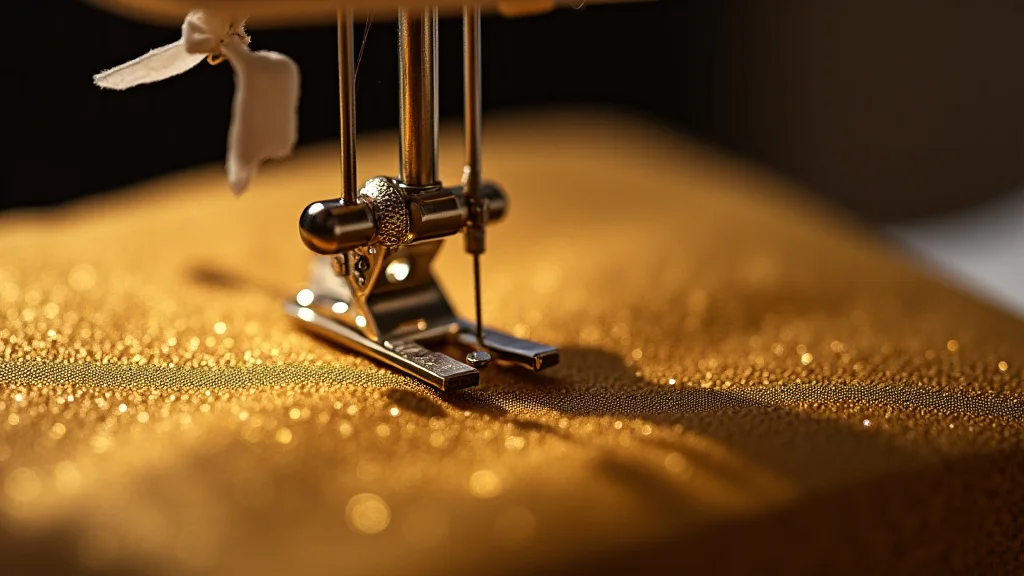
Remember that time you tried to sew a button back on, and the thread just kept snapping? Frustrating, right? Well, imagine trying to sew with something far more precious than cotton: sewing gold. This craft, though seemingly niche, holds a fascinating history and opens up creative possibilities that may surprise you. This guide will provide everything you need to know about the practice of sewing gold and what it takes to excel. By the end, you will grasp the techniques and materials necessary to craft with this luxurious medium, boosting your knowledge and inspiring your creative ventures.
Key Takeaways
- Learn about the different types of gold used in sewing and their unique characteristics.
- Discover the essential tools and equipment needed for gold sewing.
- Explore various sewing techniques, including couching and applique.
- Understand the historical significance and cultural impact of gold thread embroidery.
- Find practical tips for sourcing materials and starting your first project.
- Explore the care and preservation of gold thread embroidered items.
Unveiling the Art of Sewing Gold
Sewing gold, the art of embellishing fabric with precious metal threads, is an exquisite craft that has captivated artisans for centuries. It blends technical skill with artistic vision. It’s not just about attaching threads; it’s about creating intricate designs, adding depth and texture, and elevating textiles to works of art. From the glittering robes of royalty to the delicate details on religious vestments, gold thread has long been a symbol of wealth, status, and reverence. This guide explores the practice of working with gold thread, providing both historical context and practical advice for those seeking to explore this unique skill.
Types of Gold Thread and Their Properties
Gold thread, the primary material in this craft, isn’t always solid gold. Its appearance and properties can vary considerably depending on its construction and the materials used. Knowing the different types of gold thread is key for selecting the right one for your projects. Factors like durability, flexibility, and appearance should be considered for optimal results. Understanding these nuances will allow you to make informed decisions and achieve the desired aesthetic.
- Real Gold Thread: This is the most luxurious form, made with actual gold. It can be a fine wire or a narrow strip of gold wrapped around a core thread (like silk or cotton). The gold content determines its value and brilliance. Real gold thread offers a unique luster and is valued for its lasting beauty, even after many years. Its care should also be done to maintain its value and appearance.
- Metal-Covered Thread: This type consists of a core thread (often silk, cotton, or synthetic) wrapped with a thin metallic film. The “gold” color comes from the metal coating, which can be gold-colored but not solid gold. It’s more affordable than real gold thread but less durable and may tarnish over time.
- Metal-Wrapped Thread: Similar to metal-covered thread, metal-wrapped thread features a core thread with a metal (gold, silver, or other metals) wrapped around it. The metal might be a fine wire or a ribbon-like strip. This construction offers good strength and a metallic sheen.
- Imitation Gold Thread: These threads use synthetic materials to mimic the look of gold. They are budget-friendly options, but the appearance may not be as authentic or long-lasting as threads containing real metal.
Real gold thread is often associated with high-end projects, such as historical reproductions or custom designs. The higher the karat, the softer the gold, and the more delicate the thread becomes, impacting how it handles during sewing.
Metal-covered thread gives the appearance of gold without the high cost. It is an ideal choice for beginner gold sewers as it is more forgiving. This thread is often used for less expensive projects, or for practicing techniques before using higher-value materials.
Metal-wrapped thread blends beauty and functionality, making it suitable for a wide range of projects. It is a good choice for designs requiring detailed work.
Imitation threads are great for learning and for projects where budget is a consideration. It offers a variety of colors and textures that mimic gold, allowing for experimentation and creative design.
Essential Tools and Equipment for Sewing Gold
To embark on your sewing gold journey, you’ll need the correct tools. The right equipment can enhance precision and efficiency, setting the foundation for successful projects. From needles designed to handle delicate threads to specialized frames, investing in quality tools is key. This section will introduce the essentials, helping you build a workspace fit for this craft.
- Needles: Specialized needles are essential for working with gold threads. These include needles with large eyes to accommodate the thickness of the thread and blunt or slightly rounded tips to minimize snagging the fabric.
- Embroidery Frames or Hoops: Embroidery frames or hoops keep the fabric taut, which is especially important for intricate goldwork. Frames offer more stability, while hoops are more portable.
- Scissors: Sharp, fine-tipped scissors are necessary for cutting gold threads accurately. It is important to have clean cuts that prevent fraying.
- Magnifying Glass or Head-Mounted Magnifier: Gold threads are often very fine, making a magnifying glass helpful for detail work. A head-mounted magnifier leaves your hands free.
- Tweezers: Tweezers are useful for handling and positioning gold threads, especially when working on detailed designs or in tight spaces.
The type of needle affects the outcome of the design. A blunt needle is often used to prevent it from splitting or tearing the gold thread. It is designed to glide between the fabric fibers with minimal damage.
A good frame or hoop prevents distortions and allows the gold thread to be applied smoothly. The choice between a frame and a hoop comes down to preference and the complexity of the design.
Scissors can make or break the design. The ability to make clean cuts can help a project look more polished and professional, avoiding any imperfections.
Details are key in this craft. A magnifying glass helps sewers examine the details to make sure all their stitches are perfect. The use of a head-mounted magnifier is preferred as it can give hands-free convenience.
Tweezers provide a way for the sewer to work with precision, especially when handling complex designs and gold thread.
Gold Sewing Techniques and Designs
Mastering gold sewing requires a blend of creativity and technical skill. Several techniques are used to manipulate gold threads, bringing designs to life. From classic methods like couching and applique to innovative contemporary approaches, this section dives into specific techniques. By experimenting with different methods, you can develop your signature style and make unique creations.
Couching: The Foundation of Goldwork
Couching is a fundamental technique, where the gold thread is laid on the surface of the fabric and secured with small stitches. This technique is versatile, used to create a variety of effects, from linear designs to elaborate surface patterns. Knowing the technique well is a good starting point for any beginner. Mastering this method is key for any sewer as it forms the basis for many intricate goldwork designs.
- Straight Couching: The gold thread is laid in straight lines and secured with small stitches, creating a smooth surface.
- S-Couching: This variation uses a curved stitch to secure the gold thread, adding a subtle texture and visual interest.
- Cutwork: In cutwork, excess fabric is cut away, leaving the gold thread to define the design. This technique can create intricate openwork patterns.
Straight couching is the easiest and most basic form of couching. It is excellent for outlining patterns and filling in large areas quickly. The evenness of the stitches and the tension on the gold thread define the quality of the result.
S-Couching is used when creating a more textured and patterned effect. The curve of the stitches adds depth and prevents the flat look sometimes seen with straight couching. S-Couching also gives added dimension and style.
Cutwork adds a level of complexity and sophistication. The fabric is cut and carefully secured with gold threads, creating delicate, open areas. Cutwork is popular for detailed designs and gives a look of elegance.
Applique and Surface Embellishments
Applique, where pieces of gold fabric or trim are attached to the surface of another fabric, is another common technique. This technique is often combined with other forms of embroidery to provide depth, texture, and visual appeal. Embellishments such as beads or sequins can be incorporated to enhance the design. This versatility allows for rich designs that capture light and create depth. The techniques used add to the project’s visual impact.
- Applying Gold Applique: Gold fabric is cut into shapes and sewn onto the base fabric, creating raised designs.
- Adding Beads and Sequins: Beads and sequins are often used to enhance goldwork, adding sparkle and dimension.
- Creating Raised Work: Padding the fabric underneath the gold thread can create a three-dimensional effect, adding depth to the design.
Gold applique brings dimension to projects. It requires accurate cutting and precise sewing to ensure the gold fabric lays flat. Gold applique can be used with a variety of fabrics and designs, allowing for design flexibility.
Incorporating beads and sequins can give a more detailed look to any project. They give added texture and can complement the gold thread, improving the aesthetics. It allows for a more personalized design.
Raised work adds texture and depth to gold embroidery. The padding material is placed under the gold threads, which allows for complex patterns. This approach enhances the visual effect and attracts attention.
Historical Significance and Cultural Impact
The use of gold thread in sewing has a rich history, reflecting the value societies have placed on beauty and craftsmanship. Its use often transcends mere decoration, symbolizing wealth, power, and sacredness. From ancient civilizations to modern fashion houses, this section delves into the rich past of sewing gold, exploring its influence on art, culture, and society. This historical context provides a deeper appreciation for the craft, as it has evolved over time.
Gold Embroidery Through the Ages
The practice of gold embroidery has ancient roots, with evidence of its use found across various cultures. This tradition has been passed down and evolved, reflecting the aesthetics and cultural values of each era. Historical examples showcase the technical skill and artistic expression inherent in the practice. The evolution of gold embroidery techniques and styles mirrors shifts in fashion, religion, and social structures. Looking at the history brings an appreciation of this tradition.
- Ancient Civilizations: Gold embroidery was used in ancient Egypt, Greece, and Rome, often as a symbol of royalty and divinity.
- Medieval Period: Goldwork flourished in the medieval period, particularly in the production of ecclesiastical vestments and heraldic symbols.
- Renaissance and Beyond: The Renaissance saw a resurgence of gold embroidery in fashion and art, with elaborate designs adorning clothing and accessories.
Ancient civilizations used gold embroidery to denote social status and religious importance. The complex designs and skilled craftsmanship showcased the resources and expertise of the time. The survival of these pieces shows the durability and value of the material.
The medieval period saw gold embroidery used to embellish religious clothing. The techniques and motifs reflected the religious and social values of the time. Goldwork enhanced the visual impact and the spiritual experience.
The Renaissance brought new artistic expression, with gold embroidery used on clothing and art. The techniques became more refined, showcasing the skill and creative expression of the artists. It reflected the changing fashion.
Gold Thread in Different Cultures
Gold thread embroidery appears in the traditions of cultures all over the world, but with its own unique styles. Each culture’s artistic practices show its own story. The styles, techniques, and the purposes for the embroidery vary, reflecting the unique traditions and cultural values of each place. Examining how gold embroidery is utilized across the globe shows the practice’s reach and the significance of gold thread in societies.
- Asian Embroidery: Gold embroidery is prominent in Asian cultures, such as in Chinese dragon robes and Japanese kimonos.
- European Traditions: Goldwork has a long history in Europe, seen in religious vestments, royal garments, and decorative pieces.
- Middle Eastern Craftsmanship: Gold thread is a key feature in Middle Eastern textiles, used for intricate patterns on garments and accessories.
Asian embroidery traditions make extensive use of gold thread to symbolize wealth and luck. The designs are often symbolic, conveying messages and celebrating life events. The unique techniques and motifs reflect the local aesthetic.
European traditions feature ornate goldwork, seen in both religious and secular contexts. The intricate designs and detailed craftsmanship showcase the region’s artistic achievements. Goldwork has become a prominent feature.
Middle Eastern craftsmanship employs gold thread to create visually striking patterns on textiles. The designs show the culture’s rich history. It showcases the region’s artistic heritage and contributes to its reputation.
Sourcing Materials and Getting Started
Starting a sewing gold project can seem difficult, but with the right resources, it can be achievable. This section gives practical advice on choosing the appropriate materials, sourcing them, and setting up a workspace. Whether you’re a beginner or an experienced sewer, these tips will help you begin your journey. Following the tips will give you a smooth start in this art.
Where to Find Gold Thread and Fabric
Identifying the appropriate materials is key for any project. Knowing where to get the right supplies helps you start with confidence and ensures that you have everything you need. From specialized shops to online resources, the marketplace offers several options for sourcing gold thread and fabric. Understanding the different options available allows you to make informed decisions and get the products that meet your needs.
- Specialty Embroidery Shops: Specialty stores are a great place to begin. These shops have many threads, tools, and fabrics. Knowledgeable staff can assist you.
- Online Retailers: Online retailers offer a convenient way to purchase materials, with a vast selection of threads, fabrics, and equipment.
- Fabric and Craft Stores: Local fabric and craft stores may provide a selection of gold threads and fabrics, particularly metal-covered threads.
Specialty stores are often the best source for high-quality gold threads and specialized tools. They frequently provide guidance. This is important when getting your start in the craft. The advice will help you with your project.
Online retailers give access to a wide variety of gold threads and fabrics. It helps you find the products you need. They provide product reviews. This helps you get feedback about the quality of the products.
Fabric and craft stores offer a convenient solution for beginners. While the selection may be smaller than in specialty stores, they often carry metal-covered threads. They provide basic tools for starting the practice.
Preparing Your Workspace
Setting up a workspace is important. A functional and comfortable area can improve your efficiency and pleasure in the craft. Whether you have a dedicated room or a small corner, the steps for a well-prepared workspace stay the same. Making these preparations is the first step towards a fun and satisfying experience.
- Ensure Good Lighting: Good lighting is important for this work. Ensure that your work area has good lighting, as it will improve your efficiency.
- Organize Your Tools: Organizing your tools helps make the process easier. Keep all the tools you need within reach and easy to access.
- Choose a Comfortable Surface: Work on a surface that is comfortable and allows you to maintain good posture.
Lighting is important, as it helps you see the details. It helps prevent eye strain. Good lighting will create an environment that encourages detailed work.
Organization helps you avoid wasting time. Keeping your tools in order enables a smooth workflow and prevents any disruptions. It enhances your overall comfort.
A comfortable surface is key to avoiding strain. It encourages hours of enjoyable work. Maintaining the right posture is key to health and comfort.
Caring for and Preserving Gold Thread Embroidery
Once you finish your project, proper care and preservation are necessary to ensure your art’s longevity. Gold thread is sensitive to environmental factors. Regular care and handling are needed to preserve its beauty. Protecting your goldwork investments will keep them valuable for future use. Knowing the best practices helps protect your project.
Cleaning and Maintenance
Maintaining the look of gold thread embroidery is important for keeping it beautiful. Cleaning and maintaining goldwork involves a delicate balance of removing dirt and stains while avoiding damage. Using the correct methods keeps your goldwork in its best shape. Regular care will help to maintain and enhance the beauty of your designs.
- Gentle Cleaning: The best cleaning method is to clean the surface carefully with a soft brush or a dry cloth. Avoid moisture.
- Handling Stains: If you notice stains, handle them gently. Test any cleaning solutions on a hidden area of the project before applying them.
- Professional Cleaning: For valuable or delicate pieces, consider professional cleaning services.
Gentle cleaning removes dust and dirt without harming the gold thread. Soft brushes and cloths are often the best methods. Avoiding moisture prevents damage to both the gold thread and the supporting fabric. This will ensure your project lasts longer.
Immediate action is important when you notice stains. Testing ensures the cleaning method is safe. Gentle, careful action will prevent the damage from spreading, preserving the integrity of the design.
Professional services know the best techniques for delicate items. Professional cleaners will use specialized techniques. Professional cleaning ensures your valuable goldwork is properly maintained.
Storage and Preservation Techniques
How you store and preserve your gold thread embroidery affects its lifespan. Appropriate storage protects your work from environmental factors, such as light, moisture, and pests. Applying these techniques will keep your artwork safe for a long time. These practices help retain the beauty and value of your creations.
- Proper Storage: Store goldwork pieces in a cool, dry place. Avoid direct sunlight.
- Use Acid-Free Materials: Use acid-free paper or boxes to store goldwork. This prevents yellowing and damage.
- Protect from Pests: Protect your work by using pest control. Consider sealing the storage area to prevent insect damage.
Cool, dry places prevent the growth of mold and mildew. Sunlight may fade colors. Proper storage protects against all of these things. It also preserves the beauty of the design.
Acid-free materials safeguard the fabric and thread. This helps protect the project for future use. The materials’ stability is important for long-term storage.
Pests can destroy fabrics and threads. Proper storage is crucial in protecting your work. Implementing these measures helps protect your projects and ensures their beauty remains.
Common Myths Debunked
Myth 1: Gold thread embroidery is only for professionals.
In reality, with the right resources and practice, anyone can learn to do gold thread embroidery. While it may seem complicated, basic techniques are easy to learn. There are multiple online tutorials and courses for the practice. Many beginners have created beautiful works. Practice and patience are the most important elements.
Myth 2: Gold thread is always expensive.
Not always. While solid gold thread is costly, many affordable alternatives are available, like metal-covered or imitation threads. These options let you learn the techniques without a significant financial commitment. The cost varies based on the type of material. You can start with more affordable options.
Myth 3: Goldwork is difficult to maintain.
Although goldwork requires some care, it is easy to maintain. Gentle cleaning, proper storage, and appropriate handling are normally enough. Follow these simple steps to keep your goldwork looking great. You don’t need specialized equipment for maintaining goldwork.
Myth 4: It’s necessary to have a dedicated studio to begin.
You can start your gold embroidery journey with a small space at home. A clean work area with good lighting and the right tools is often enough. A dedicated studio can enhance the experience. The space’s size is not critical. The essential thing is to have a comfortable area.
Myth 5: All gold thread embroidery must be historical.
Modern goldwork is a growing practice. Contemporary artists use gold thread in many ways. It is a tool for modern textiles, fashion, and art. They continue to blend traditional techniques with innovative concepts. This creates a wide variety of gold embroidery.
Frequently Asked Questions
Question: What is the best type of gold thread for beginners?
Answer: Metal-covered threads or metal-wrapped threads are ideal for beginners because they are more affordable and easier to handle than real gold threads.
Question: Can I wash gold thread embroidery?
Answer: It is generally best to avoid washing gold thread embroidery. Spot cleaning with a damp cloth or professional cleaning is recommended.
Question: Where can I find patterns for goldwork?
Answer: There are many resources for patterns, including books, online tutorials, and specialist craft shops that provide patterns.
Question: What fabrics are best for gold thread embroidery?
Answer: Fabrics like silk, linen, and velvet are often used. These fabrics have the right look and the texture for the thread. The fabric should also be able to handle the embroidery. The right fabric choice will improve the look of the project.
Question: How do I choose the correct needle size for gold thread?
Answer: Select a needle with a large eye to accommodate the thickness of the gold thread. It should be large enough to thread easily, but small enough to avoid damaging the fabric.
Final Thoughts
Sewing gold is more than just a craft; it’s a practice that blends art with history. From choosing the correct thread to mastering the various techniques, this guide provides a starting point for your creative journey. The world of gold embroidery is waiting to be explored. You now understand the materials, techniques, and historical context of this art form. With the right tools and a little practice, anyone can start their path in this luxurious craft. Try out different techniques and get inspiration. Embrace the chance to make something amazing. Your creations can bring you satisfaction and beauty.