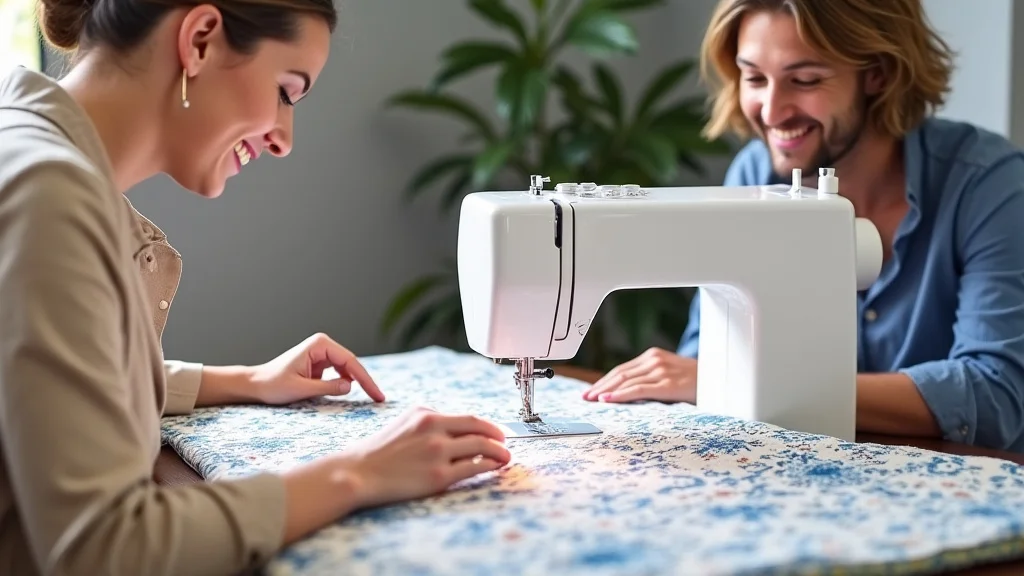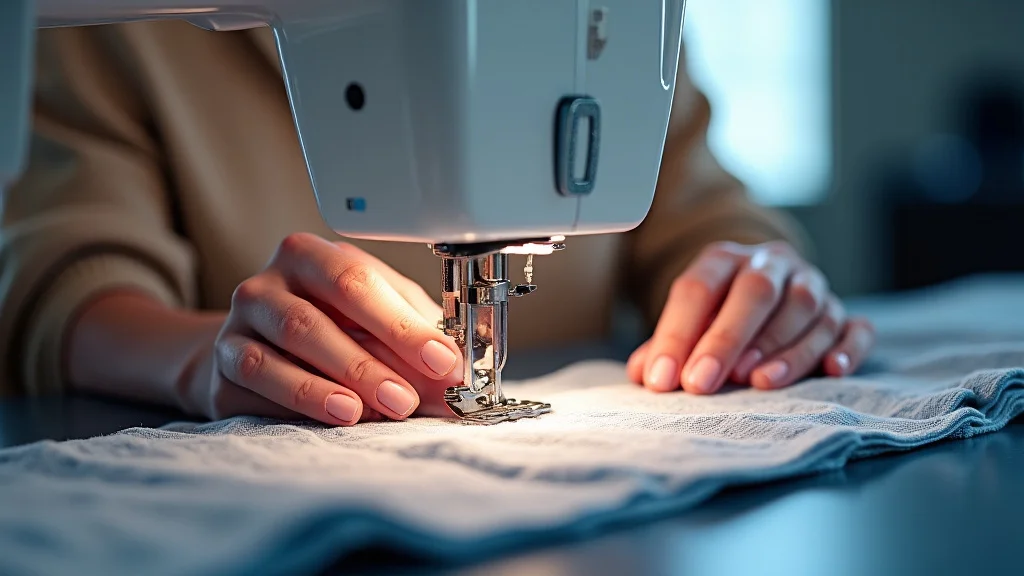
Remember that old box of fabric scraps gathering dust in the attic? Or the dream of finally learning to sew that perfect dress? You’re not alone. Many people share a passion for the craft, but finding the right space to nurture that creativity can be tricky. This post explores the exciting prospect of setting up a sewing studio, whether it’s a dedicated room or a cozy corner. We’ll explore essential equipment, organization tips, and how to create an environment that inspires your inner designer. By the end, you’ll feel equipped to transform any space into your own haven for creativity and learn how a sewing studio can benefit you.
Key Takeaways
- Learn the essential equipment needed to set up a functional sewing space.
- Discover practical organization tips for managing fabric, patterns, and tools.
- Explore how to select the ideal space for a sewing studio.
- Understand the importance of good lighting and ergonomics for comfortable sewing.
- Get ideas on how to personalize your sewing studio to inspire creativity.
- Gain insights on how a sewing studio can boost your productivity and enjoyment of sewing.
Designing Your Personal Creative Sewing Space
Transforming a spare room, a corner of your home, or even a small closet into a functional sewing studio might feel overwhelming, but it doesn’t have to be. With careful planning and the right resources, you can craft a space that fuels your creativity and provides a comfortable environment for your sewing projects. The first step involves assessing your available space and identifying your needs. Consider the size of your projects, the amount of storage required, and your budget for equipment and furniture.
Selecting the Perfect Location for Your Sewing Studio
The choice of location significantly impacts the comfort and functionality of your sewing space. Ideally, the area should be well-lit, have ample room for movement, and be free from distractions. A dedicated room, if available, offers the most significant advantages, providing a permanent setup and space to leave projects in progress. However, a spare bedroom, guest room, or even a section of a larger room can also work well. Before committing to a location, assess the natural light, the availability of electrical outlets, and any potential noise issues.
- Dedicated Room Advantages: A dedicated room allows you to keep all your sewing equipment and supplies in one place, minimizing setup and takedown time. You can leave projects in progress without disruption, making it easier to return to them later. Additionally, a dedicated room helps create a sense of separation between your work and home life, enabling a more productive and focused environment.
- Multipurpose Space Considerations: If a dedicated room is unavailable, consider using a corner of a guest room, living room, or even a closet. The key is to organize the space effectively with storage solutions. Utilize multi-purpose furniture, such as a sewing table that folds away. Make sure your sewing area is accessible and can be quickly transformed back into its original purpose when needed.
- Lighting and Ventilation: Regardless of location, proper lighting and ventilation are essential. Ensure the area has access to natural light and supplement it with task lighting like a desk lamp. Good ventilation helps prevent the build-up of dust and fibers, maintaining a healthy workspace.
- Noise and Distractions: Choose a location away from high-traffic areas and potential sources of noise, such as the television or areas frequented by children or pets. Noise-canceling headphones can be helpful if you want to eliminate distractions.
Essential Equipment for Your Sewing Studio
Equipping your sewing studio with the right tools significantly impacts productivity and the overall joy of sewing. While the specific equipment needed varies based on the type of sewing you plan to do, some items are critical. A sewing machine is the heart of any studio. You’ll also need a cutting surface, an iron and ironing board, and plenty of storage. Consider purchasing each piece of equipment thoughtfully and invest in quality where possible, as these tools will accompany you throughout your sewing journey.
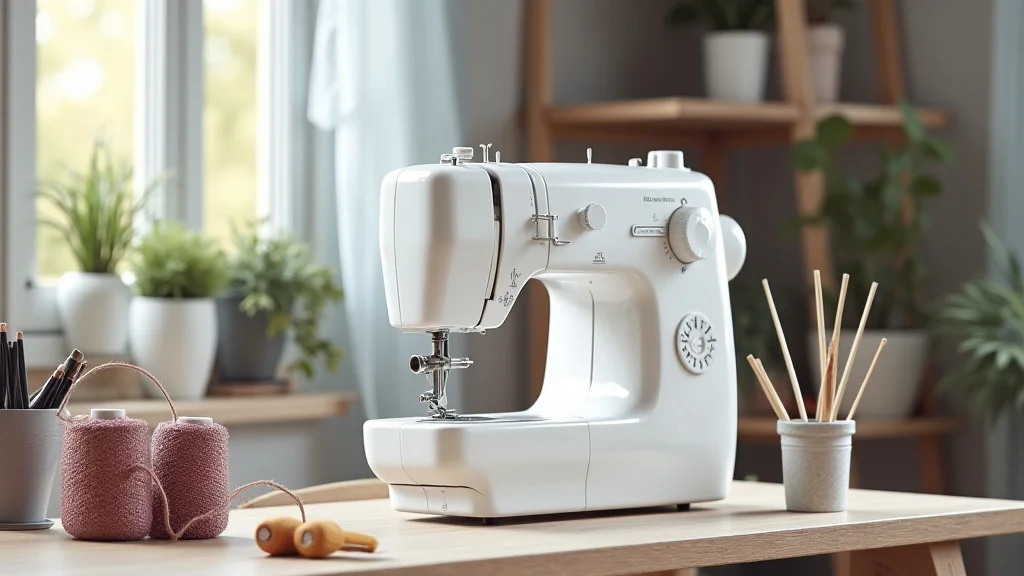
- Sewing Machine: This is arguably the most critical piece of equipment. If you’re new to sewing, start with a basic, user-friendly model that offers essential stitches. As your skills advance, you can invest in a more advanced machine with specialized features.
- Cutting Surface: A large cutting mat or a dedicated cutting table provides a safe surface for cutting fabric. These surfaces protect your work from damage and ensure accurate measurements.
- Iron and Ironing Board: Ironing is a crucial part of sewing, ensuring your fabric lays flat and your seams are crisp. Choose an iron with adjustable temperature settings and a sturdy ironing board.
- Storage Solutions: Adequate storage keeps your studio organized. Consider using drawers, shelves, and storage containers to store fabric, patterns, threads, and other sewing notions.
- Measuring Tools: A measuring tape, a clear ruler, and a seam gauge are essential for accurate measurements. These tools help ensure your projects fit correctly and look professional.
Organizing Your Sewing Supplies
Keeping your sewing supplies organized prevents frustration and wasted time. The key is to establish a system that allows you to quickly locate what you need. Consider your sewing style, the amount of fabric and notions you own, and the space available. Using clear containers, labeled shelves, and designated areas for different types of supplies allows you to easily find your tools.
- Fabric Storage: Store your fabric in a manner that protects it from dust, sunlight, and moisture. Consider folding or rolling fabrics and storing them on shelves or in clear plastic bins. Label the bins with the fabric type, color, and any special care instructions.
- Pattern Storage: Organize your sewing patterns by size, pattern type, or manufacturer. Use filing cabinets, hanging files, or pattern organizers to keep them neat and accessible. Consider using plastic sleeves to protect the patterns from wear and tear.
- Thread Organization: Keep your thread organized by color or type using thread racks, spools, or thread boxes. This allows you to easily find the correct thread when you need it.
- Notions and Tools: Store small items like needles, pins, scissors, and marking tools in drawers, trays, or caddies. This helps you keep these items organized and within easy reach.
- Clear Labeling: Label all your storage containers and shelves to quickly identify the contents. This helps you maintain organization and easily find what you need.
Maximizing Your Sewing Studio’s Efficiency
Once your sewing studio is set up with the essential equipment and organization systems, the focus shifts to maximizing its efficiency. Several strategies can help streamline your workflow, making your sewing experience more enjoyable and productive. From using efficient workspace layouts to incorporating time-saving techniques, you can transform your studio into a creative haven. Proper lighting and an ergonomic setup are crucial for the health of your eyes and body.
Creating an Efficient Workspace Layout
The layout of your studio significantly impacts your workflow. Consider how you move around the space while sewing and arrange your equipment accordingly. A well-designed workspace layout minimizes unnecessary movement, allowing you to focus on your projects. Think about the order in which you use your equipment and place it within easy reach. The optimal layout minimizes fatigue and maximizes productivity.
- The Triangle Method: Place the sewing machine, cutting surface, and ironing board within a triangle to create an efficient work area. This allows you to easily move between these three essential elements.
- Ergonomics: Ensure your workspace is set up ergonomically. Position your chair at the correct height for your sewing machine and cutting surface to avoid strain. Consider using a footrest to support your feet.
- Accessibility: Arrange your storage solutions within easy reach. Store frequently used items, like scissors and marking tools, close to your sewing machine.
- Workspace Zones: Define different zones within your studio for various tasks, such as cutting, sewing, and pressing. This helps separate tasks and keeps your workspace organized.
Incorporating Time-Saving Sewing Techniques
Implementing efficient sewing techniques saves time and improves the quality of your projects. Prepping your fabric before you begin sewing and using shortcuts where appropriate can streamline your workflow and reduce the time spent on a project. Taking these actions allows more time to focus on the creative aspects of sewing. Experiment with different strategies to find those that best suit your sewing style and project types.
- Pre-Washing Fabric: Washing and drying your fabric before sewing prevents shrinkage after your project is complete. This helps ensure that the finished product fits properly and maintains its shape.
- Chain Piecing: Chain piecing is a technique where you sew multiple pieces of fabric together without cutting the thread between them. This is an efficient method for assembling long runs of seams.
- Batching Tasks: Batch tasks such as cutting, pressing, and trimming seams. This minimizes setup and takedown time, allowing you to focus on one activity at a time.
- Using Pattern Notches: Transfer pattern notches to the fabric with a snip or marking tool to help you align pieces accurately. This allows for increased precision.
Ensuring Proper Lighting and Ergonomics
Adequate lighting and an ergonomic setup are vital for a comfortable and enjoyable sewing experience. Poor lighting can lead to eye strain and headaches, while an incorrect posture can cause back pain and fatigue. The right setup supports productivity and, more importantly, protects your well-being. Prioritizing these elements is an investment in your health and your ability to enjoy sewing over time.
- Natural and Task Lighting: Maximize natural light in your studio by positioning your sewing area near a window. Supplement this with task lighting, such as a desk lamp, that shines directly on your work. This ensures good visibility and reduces eye strain.
- Chair Height and Posture: Select a chair with adjustable height to ensure that you are sitting at the correct level relative to your sewing machine and cutting surface. Maintain good posture and take breaks to avoid back strain.
- Ergonomic Accessories: Consider using ergonomic accessories like a footrest, a wrist rest, and a magnifying glass to reduce strain. These tools can make sewing more comfortable, particularly for extended periods.
- Minimize Glare: Position your light sources to avoid glare on your work surface. Diffuse the light if possible, using lampshades or frosted bulbs.
Personalizing Your Sewing Studio
Transforming your sewing studio into a space that reflects your personality and inspires creativity is an exciting step. The aesthetics of your work environment affect your mood and motivation, so making it unique to your style can elevate your sewing experience. Personalization can involve adding color, incorporating inspiring elements, and showcasing your past projects. The goal is to create a space you love, a place where you’re motivated to create.
Adding Color and Inspiration
Adding color and inspirational elements to your sewing studio can have a profound impact on your creativity and motivation. Colors affect your mood, so selecting hues you enjoy creates a more pleasant working environment. Incorporating imagery and objects that inspire you further enhances the creative process. This customization transforms your studio into a place that sparks your imagination and drives your sewing projects.
- Choose Colors You Love: Select a color palette for your studio that reflects your personality and preferences. Consider painting the walls, adding colorful furniture, or incorporating decorative accents.
- Create an Inspiration Board: Design an inspiration board featuring fabric swatches, sketches, photographs, and other items that spark your imagination. This can serve as a constant source of creative ideas.
- Display Your Favorite Projects: Showcase your finished sewing projects on display shelves, walls, or dress forms. This provides a sense of accomplishment and inspires you to continue sewing.
- Incorporate Nature: Introduce plants into your studio to create a sense of calm and bring the outdoors inside. The green color will refresh your view.
Showcasing Your Sewing Projects
Displaying your sewing projects provides a sense of accomplishment and helps inspire future creations. It also serves as a source of pride, showcasing your skills and celebrating your work. Whether it’s displaying finished garments, quilts, or home decor items, the presentation can be both practical and aesthetically pleasing. Displaying your items can elevate your experience of sewing and your space.
- Display Shelves: Use display shelves to showcase finished garments, accessories, or home decor items. Arrange the items creatively to create visual interest.
- Wall Displays: Hang quilts, artwork, or other items on the walls to add color and texture to your studio. Use a variety of frames or styles to create a customized look.
- Dress Forms: Use dress forms to display completed garments. The dresses will enhance your studio aesthetics.
- Photo Albums or Scrapbooks: Create photo albums or scrapbooks to document your projects. This allows you to track your progress and reflect on your sewing journey.
Creating a Functional and Beautiful Space
The goal is to design a space that combines functionality and beauty. By blending organization, comfort, and personal touches, you can create a sewing studio that is both practical and inspiring. The right environment fosters creativity, making your sewing experience more enjoyable and productive. Your studio should be a place where you are excited to be.
Common Myths Debunked
Myth 1: You Need a Huge Space for a Sewing Studio
The reality is that you can have a functional and enjoyable sewing space in various settings, including small apartments or even a closet. The key is to prioritize organization and efficient use of the space. Consider using multipurpose furniture, such as a sewing table that folds away, or utilize vertical storage solutions to maximize the space.
Myth 2: Sewing is an Expensive Hobby
While costs can add up, sewing can be budget-friendly. It is possible to sew without spending a fortune. Start with basic tools, purchase fabric on sale, and upcycle materials from old clothes. The key is to start small, build your collection gradually, and focus on your needs.
Myth 3: Sewing is Hard and Only for Experts
Sewing is a skill that anyone can learn with patience and practice. There is a learning curve, but many online tutorials, classes, and books help you start. Start with basic projects, master the fundamentals, and gradually work your way up to more complex designs. The joy of sewing is in the process.
Myth 4: You Need a Lot of Expensive Equipment to Start Sewing
You do not need many tools to start sewing. You can begin with a basic sewing machine, a pair of scissors, a measuring tape, and a few needles. You can always add to your collection as you progress and determine what tools best support your needs. Simple is best, to get started.
Myth 5: All Sewing Studios Need to Be Perfectly Tidy
Although it is good to have a sewing space that is organized, it does not always need to be perfectly neat. It is okay if you have a current project that you are working on, that has fabrics out and pins sticking out. The real aim is to have a space that is functional and inspires you to create.
Frequently Asked Questions
Question: What is the best type of sewing machine for beginners?
Answer: For beginners, a simple, user-friendly sewing machine with basic stitches is a good choice. Look for features like an automatic needle threader, adjustable stitch length, and a reverse button.
Question: How do I store fabric to prevent wrinkles and damage?
Answer: Store fabric by folding or rolling it and keeping it away from sunlight, moisture, and dust. Label the fabric with its type and color.
Question: How can I keep my sewing studio organized?
Answer: Use storage solutions, label shelves and containers, and establish a system for organizing fabric, patterns, and notions.
Question: How do I choose the right sewing table?
Answer: Consider the size and shape of your space, as well as the amount of storage you need. Choose a sewing table with an adjustable height to ensure you are comfortable. A table that folds up is also an option.
Question: How can I create good lighting in my sewing studio?
Answer: Make the most of natural light and use task lighting like a desk lamp to illuminate your work. Position the light sources to minimize glare and ensure good visibility.
Final Thoughts
Creating your own sewing studio opens up a world of creativity and fulfillment. It is more than just a place to sew; it’s a sanctuary where ideas come to life and passions are pursued. By carefully considering your space, equipment, organization, and personal touches, you can design a studio that inspires you and supports your sewing endeavors. Remember, the journey begins with a vision and the desire to create. Embrace the process, experiment with different ideas, and don’t be afraid to personalize your space. A well-designed sewing studio is an investment in your creativity, offering a haven where you can unwind, learn, and create beautiful things.