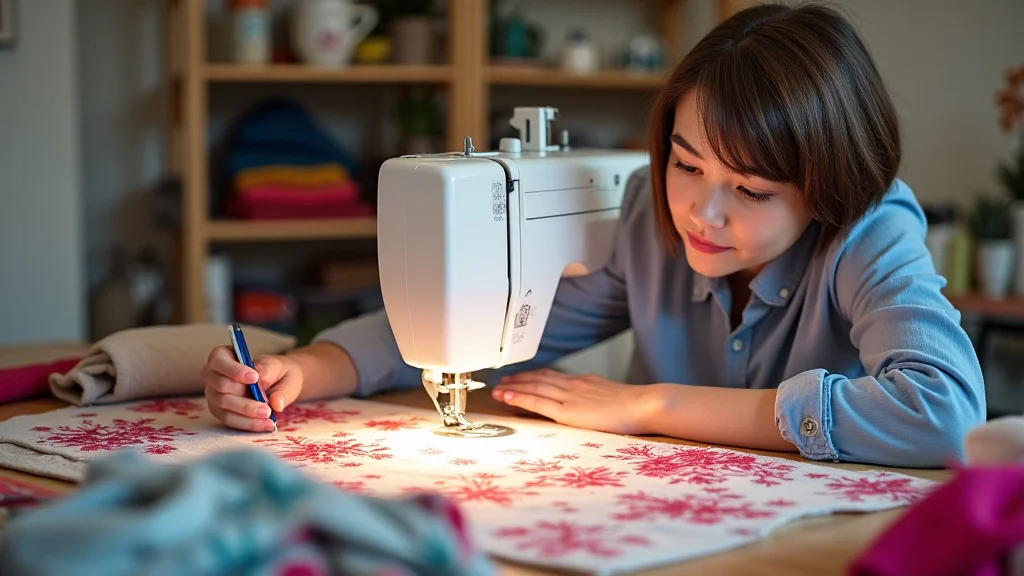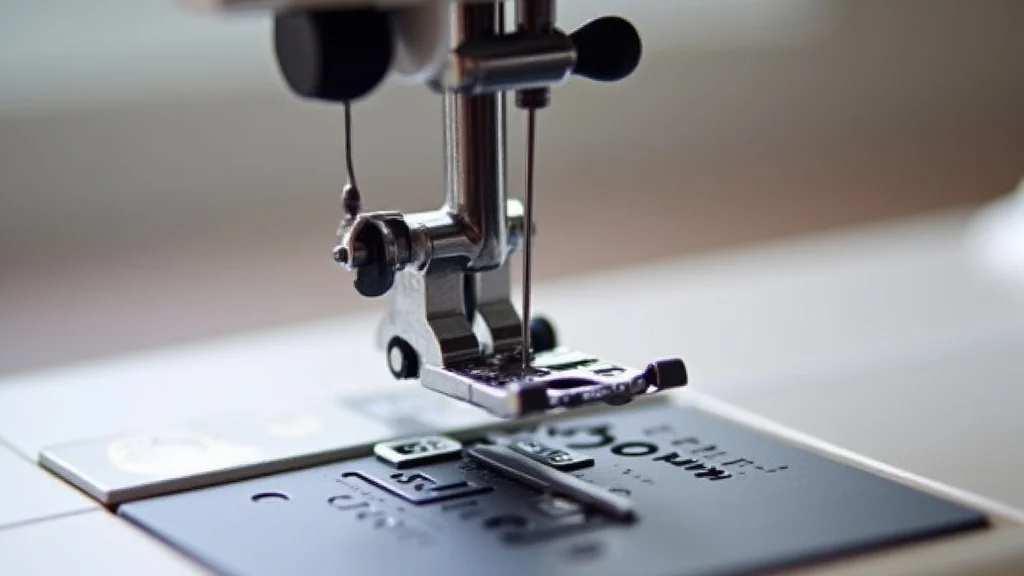
Remember that time you tried sewing a delicate fabric and ended up with a tangled mess? Or maybe you wanted to add a decorative stitch, but the machine just wouldn’t cooperate? Many of us have been there! The secret to successful sewing often lies in the right sewing foot universal. This guide will help you understand the different types, how they work, and how to choose the perfect one for your project. By the end, you’ll be selecting feet like a pro, improving your sewing results, and saving valuable time.
Key Takeaways
- Discover the different types of sewing foot universal available.
- Learn how various feet affect your sewing results.
- Find out how to choose the right foot for specific fabrics and projects.
- Get tips for installing and using different sewing feet.
- Explore troubleshooting tips for common foot-related issues.
- Gain confidence in tackling more complex sewing tasks.
Unlocking the Potential of the Sewing Foot Universal
The sewing foot universal, a seemingly small component, is a foundational part of any sewing machine. It’s the part that holds the fabric in place as the needle moves up and down. While many machines come with a basic foot, different tasks demand different specialized feet. Selecting the correct foot for your project is important. This choice affects the stitch quality, fabric handling, and ultimately, the finished look of your creation. This guide breaks down the different types, their specific uses, and how they enhance your sewing experience.
Types of Sewing Feet and Their Uses
There is a vast range of sewing feet designed for various purposes. Knowing the different kinds and what they do is key to a sewing foot selection. From basic feet to specialized options, each foot is designed to address a particular sewing challenge or enhance a specific technique. Familiarizing yourself with these options opens doors to many creative sewing possibilities. Let’s explore some of the most common types.
- All-Purpose Foot: This foot comes with most sewing machines. It’s designed for general sewing tasks like straight stitching and basic zig-zag stitches on woven fabrics. The flat bottom and small opening for the needle provide stability for a wide variety of sewing projects.
- Zipper Foot: Designed to sew close to zippers, the zipper foot has the needle’s position that can be adjusted to the right or left. This allows you to stitch directly along the zipper teeth without the needle hitting the zipper itself. This foot is an essential tool for creating professional-looking zippers in clothing and accessories.
- Buttonhole Foot: A buttonhole foot automatically sews buttonholes in one or more steps, depending on your sewing machine. It typically measures the button’s size and creates a buttonhole to fit. This foot is essential for quickly and consistently creating buttonholes in various sizes and shapes.
- Overedge Foot: Also known as an overlock foot, this foot prevents fabric edges from fraying. It includes a guide that aligns the fabric edge, while the wide opening allows for overedge stitches that wrap around the edge, preventing it from unraveling. This foot is an alternative to a serger.
The all-purpose foot is your go-to for basic sewing needs. It’s perfect for simple seams and the general construction of garments. It’s simple to use and works well with many types of fabric. Make sure the needle is centered and appropriate for the fabric. The foot’s adaptability makes it a staple for any sewist, beginners and experienced alike.
Using a zipper foot allows you to sew zippers with precision. It is designed to accommodate the bulk of the zipper tape. The adjustable needle position is vital for sewing as close as possible without damaging the needle. This close proximity ensures a secure and clean finish, making it a critical tool for those working with zippers.
The buttonhole foot automates a task that was once time-consuming. It’s an easy-to-use foot that makes buttonholes uniform. It is important to adjust the machine settings to match the fabric and button size. Having a good buttonhole foot will speed up your garment construction and improve its look.
The overedge foot is a great tool for finishing fabric edges. It wraps the thread around the edge to prevent fraying and adds durability. It is perfect for both woven and knit fabrics. While not a complete
How to Install and Use Sewing Feet
Installing a sewing foot universal is usually a simple process. However, different machines may have slight variations in how this works. Properly attaching and using your chosen foot is essential for getting the best results. Incorrect installation can lead to broken needles, uneven stitches, or damage to your machine. Learning the right steps ensures your feet work efficiently. Here’s a quick guide to make the process easier.
- Preparing the Machine: First, turn off your sewing machine and unplug it from the power source. This is a safety measure to avoid accidental activation. Raise the needle to its highest position.
- Removing the Current Foot: Most machines have a lever or button to release the existing foot. Depending on the machine model, this lever may be at the back of the foot holder or on the side. Gently press the lever and the foot will detach.
- Attaching the New Foot: Position the new foot under the foot holder. Align the shank (the part that attaches to the machine) with the foot holder. Some machines use a snap-on mechanism, while others require you to secure it with a screw.
- Testing the Foot: Once the foot is attached, lower the needle manually using the hand wheel to ensure the needle clears the foot. You should sew a small test piece of fabric to check the stitch quality and ensure the foot is correctly aligned and functioning well.
Safety is the first step. Make sure the needle is up to get easy access. A clean and clear work area prevents accidents. Always check the machine’s manual for specific instructions if you are unsure.
Familiarize yourself with your machine’s release mechanism. Be gentle when removing the foot to avoid damaging any parts. Keep the original foot in a safe place for future use. Different machines have different removal mechanisms, so consult the user manual if necessary.
Carefully align the new foot. Ensure it is securely attached. If using a screw, tighten it just enough to keep the foot in place. Check the alignment of the needle hole. Correct placement prevents needle breakage and ensures a smooth sewing experience.
Before you begin your project, always test. Test stitching on the same fabric you will be using. A quick test will catch issues early. Fine-tune your machine settings as needed for the desired stitch type. You can avoid problems by taking the time to test.
Choosing the Right Sewing Foot for Your Project
Picking the correct sewing foot universal is essential for getting great results. Different fabrics, stitch types, and techniques require their own specialized feet. The right choice affects your stitch quality, the fabric’s behavior, and how easy the sewing process is. It can also save you time and prevent issues such as puckering or skipped stitches. Let’s look at how to select the best foot for your project, considering factors like fabric, stitch type, and specific sewing techniques.
Matching the Foot to the Fabric
The type of fabric you are using plays a big role in deciding which sewing foot to use. Lightweight fabrics, such as silk or chiffon, will act differently when sewing than thick fabrics like denim or canvas. Selecting the right foot prevents issues like fabric shifting, skipped stitches, and uneven feeding. Knowing which foot matches the fabric helps you to sew smoothly and get professional-looking results. Here are some guidelines for fabric and foot pairings.
- Lightweight Fabrics (Silk, Chiffon, Voile): Use a straight stitch foot or a walking foot. These feet help to prevent the fabric from shifting. A walking foot is best. It feeds the fabric layers evenly, which helps with smooth seams.
- Medium-Weight Fabrics (Cotton, Linen, Poplin): An all-purpose foot is usually fine. For more complicated projects, such as quilting or multiple layers, a walking foot is helpful. For knits, a stretch needle and appropriate foot are often recommended.
- Heavy-Weight Fabrics (Denim, Canvas, Upholstery Fabrics): A walking foot or a denim foot is ideal. These feet are built to handle thick fabrics. A denim foot is usually a heavy-duty foot designed to stitch through several layers.
- Knit Fabrics (Jersey, Interlock, Sweatshirt Fleece): Use a stretch or walking foot. Knit fabrics stretch. Stretch feet and appropriate needles ensure the seams don’t break. A walking foot can also prevent fabric stretching.
Delicate fabrics call for special care. A walking foot’s even feeding is perfect for preventing puckering. Adjust your stitch length and tension for smooth seams. The goal is to sew without damaging the fabric or the seams.
All-purpose feet will often work. If you are sewing thicker materials, use a walking foot. It’s also important to use the correct needle type. Matching the needle to the fabric ensures high-quality seams. Always test before you start your project.
Thick fabrics need strong feet. A walking foot makes it easier to sew multiple layers. Test the settings to make sure your machine has enough power to stitch through the fabric. Choosing the right foot makes the sewing process much easier.
Knit fabrics stretch. Use a special stretch needle and a stretch foot or a walking foot. These tools prevent the fabric from being stretched out of shape while stitching. This results in comfortable and long-lasting garments.
Matching the Foot to the Stitch
The type of stitch you want to use is another key factor when choosing a sewing foot. Different feet are designed for specific stitches, each creating a unique look and function. Using the wrong foot can make stitches look irregular, uneven, or even damage your machine. By matching the foot to the stitch, you ensure that you achieve the desired outcome. Let’s see how different feet help various stitches.
- Straight Stitch: A general-purpose foot or straight stitch foot is used. These feet provide stability and precision when sewing straight lines. A straight stitch foot usually has a small needle opening to prevent the fabric from being pushed down into the needle plate.
- Zig-Zag Stitch: An all-purpose foot works for zig-zag stitches. This foot has a wider opening that allows the needle to move side-to-side. It is a key stitch for finishing seams and sewing stretchy fabrics.
- Buttonholes: A buttonhole foot is needed. This foot automates the buttonhole process. It usually measures the button size and creates a buttonhole to fit. This makes it quick to create uniform buttonholes.
- Decorative Stitches: Decorative feet include satin stitch, applique, or embroidery feet. They have a larger opening. These feet allow various decorative stitches to be sewn. They often have a non-stick coating for smooth fabric feeding.
Straight stitches are the building blocks of most projects. Ensure a smooth and precise stitch. Using the correct foot improves seam quality. If you want neat edges, a straight stitch foot is a great choice.
Zig-zag stitches are versatile. They prevent fraying and sew stretchy fabrics. An all-purpose foot will work. The wide needle opening supports the zig-zag motion. It is good for many kinds of projects.
Buttonholes are a time-consuming part of garment construction. The buttonhole foot makes them uniform and efficient. Set the machine to the correct settings to match the fabric. This foot makes buttonholes simple.
These feet are designed to help you create designs. These feet will let you add detailed decorations to your sewing projects. Test different stitches on scrap fabric. Fine-tune your machine settings as needed for the desired result.
Common Sewing Foot Issues and Troubleshooting
Even with the right foot, problems can happen when sewing. Stitches might skip, fabric might bunch up, or the needle may break. Knowing how to troubleshoot these problems helps you to keep working smoothly and solve the issue before it gets worse. Here’s a look at common issues and how to fix them.
Skipped Stitches
Skipped stitches are when the machine misses the bobbin thread, leaving gaps in your seam. This can make the seam weak or make it come undone. Many factors can cause skipped stitches. Fixing this will improve the quality of your sewing. This includes understanding the potential causes and how to fix them.
- Needle Issues: The needle might be bent, blunt, or the wrong type for the fabric. Always use the recommended needle type and replace needles regularly.
- Tension Problems: Incorrect tension can prevent the threads from interlinking properly. Adjust the tension according to your machine’s manual. Test your stitches on a scrap piece of fabric to ensure a balanced stitch.
- Foot and Fabric Compatibility: Sometimes, the foot may not be ideal for the fabric. The needle may not be able to get through the fabric, or the fabric may be too thin, causing the needle to deflect. Match the foot to the fabric. Use the right needle.
A blunt or damaged needle will not catch the bobbin thread. Change the needle frequently and use the right type. Check the needle for any bends and replace if needed.
Incorrect tension can cause skipped stitches. Adjust the tension on the upper thread and the bobbin thread to find the correct balance. Tension problems are often the cause of stitch issues.
Using the right foot and the correct needle are essential. Use a walking foot or a specialized foot for tricky fabrics. Make adjustments to prevent the needle from deflecting.
Fabric Puckering
Puckering happens when the fabric gathers or wrinkles along the seamline. This issue can make your project look bad. Multiple factors such as fabric type, tension, and feed dog settings can cause fabric to pucker. Knowing the causes and how to adjust them will improve your sewing results.
- Fabric Type: Using the wrong foot or settings for the fabric can cause puckering. This is common with lightweight or stretchy fabrics. Use the proper foot for the fabric.
- Tension Problems: Too much tension can pull the fabric and cause it to pucker. Try adjusting the upper and bobbin thread tensions to the recommended settings for your fabric.
- Feed Dog Issues: The feed dogs may not feed the fabric evenly, causing it to bunch. Make sure the feed dogs are functioning. If needed, lower the presser foot pressure.
Lightweight or stretchy fabrics tend to pucker more easily. Try using a walking foot or a specialized foot for those fabrics. Consider a lower tension setting or a longer stitch length.
The tension can pull the fabric together. Adjust the tension settings. Test your stitches on a scrap piece of fabric and fine-tune the tension settings to get smooth, flat seams.
The feed dogs must pull the fabric evenly. Check the feed dog settings. If the pressure is too high, the fabric will bunch. Adjust the pressure and test your stitches.
Needle Breakage
Broken needles are a common sewing problem. This is a safety issue. Broken needles can happen for multiple reasons, which can include machine issues or using the wrong foot or needle. Understanding these issues will help you to prevent them and keep your sewing machine running smoothly.
- Incorrect Needle Type or Size: Using the wrong needle for the fabric can cause it to break. Make sure the needle is the correct size and type. Always use the right needle.
- Sewing Over Pins: Sewing over pins can break the needle. Pins should always be removed. Place pins parallel to the seam. Remove them before they reach the needle.
- Foot Issues: Using the wrong foot or a misaligned foot can cause the needle to hit the foot. The foot could be loose, or the needle position could be wrong. Always make sure the foot is correctly installed and aligned.
Different fabrics need different needles. If the needle is too thin for the fabric, it can bend or break. Check the needle type and size. Choose the best one for your project.
Sewing over pins is a big no-no. It can break the needle. Avoid sewing over pins. If you need to stop, carefully remove the pins. Taking your time will prevent problems.
The foot must be properly installed. A loose or misaligned foot can cause the needle to hit it and break. Before sewing, check the foot and its alignment.
Sewing Foot Universal Innovations
The sewing foot universal has changed a lot in recent times. They are created to make sewing easier, more accurate, and more enjoyable. These developments focus on user convenience, performance, and improving the sewing process. Technological advances have expanded the range of options. They have also improved the capabilities of these tools. Let’s look at recent innovations that will impact how you sew.
Advanced Foot Designs
New designs are improving sewing capabilities. These improvements assist in different sewing techniques. These innovations are designed to improve efficiency, accuracy, and overall sewing quality. Let’s explore some key advancements.
- Dual Feed System Integration: Some machines now integrate the walking foot function into the machine, which eliminates the need to attach a separate walking foot. The built-in system ensures even fabric feeding.
- Specialized Feet with LED Lights: Certain feet come with built-in LED lights. These lights illuminate the needle and sewing area. This is very helpful when sewing. The lighting provides better visibility.
- Feet with Non-Stick Coatings: Some feet have non-stick coatings, which helps for fabrics that stick. These coatings allow the fabric to glide smoothly. The feet with coatings are a tool for precision.
The dual feed system is a great way to improve feeding. This integration is designed for even fabric feeding, which is useful when sewing multiple layers or tricky fabrics. You’ll get better results.
Built-in LED lighting improves visibility, especially in low-light conditions. Better lighting helps with precision and minimizes eye strain. This enhances the sewing experience. It makes it easier to work on detailed projects.
Non-stick coatings on the feet improve fabric handling. This feature is especially useful for vinyl or leather. The results will be more consistent. These feet prevent fabric from sticking, which helps when sewing.
Smart Technology Integration
Technology is changing the way we sew, including the smart integration in sewing feet. These innovations connect the sewing machine to digital technologies. These features add new dimensions. They make sewing more efficient and user-friendly. Here’s a look at some of the key integrations.
- Machine-Specific Feet with Automatic Settings: Smart feet communicate with the sewing machine. The machine adapts its settings based on the foot attached. This simplifies the process. The machine adjusts the settings.
- Feet with Built-in Sensors for Fabric Thickness: Smart feet can sense the fabric thickness. The machine will adjust the pressure automatically. This will help make sewing easier. The machine adjusts the settings.
- Connectivity with Sewing Apps: Some advanced feet work with sewing apps. These apps give users access to digital tutorials. It also allows for custom stitch settings. This promotes creativity.
These feet are designed to automatically adjust settings. They make sewing simpler and more accurate. This feature saves time. It also improves stitch quality. You get better results.
Smart sensors improve the sewing process. They help to prevent issues. These sensors are a great tool for beginners. The automatic adjustments lead to more consistent results.
The integration of smart technology is growing. This increases the machine’s functionality. This makes the sewing process more interactive. Sewing apps provide additional resources. They are great tools.
Common Myths Debunked
Myth 1: All Sewing Feet Are Interchangeable
Answer: Not all sewing foot universal are compatible with all machines. While many feet share a similar shank design, the fit depends on the machine’s brand and model. Some machines require specialized feet or adapter systems. Always check your machine’s manual for foot compatibility. Purchasing the wrong foot can lead to stitching problems or damage to the machine.
Myth 2: You Only Need the Basic Foot
Answer: While the basic foot is useful, it’s not enough for all projects. Specialized feet improve your results. They also add new sewing techniques. Different projects need different feet. Using the right foot can enhance the quality and range of what you can do. Expanding your selection will improve your sewing skills.
Myth 3: The Higher the Price, the Better the Foot
Answer: A higher price doesn’t always equal better quality. The best foot depends on your needs. The features and build quality are important. Price can depend on the brand, features, and materials used. The ideal sewing foot universal is the one that best suits your project. Choose a foot based on its functionality. Then consider your budget.
Myth 4: Sewing Machine Tension Problems Are Always Due to the Foot
Answer: The foot can influence tension, but other factors are often involved. Issues with the thread, the bobbin, or the machine settings can affect tension. While the foot is important, tension is often a system-wide issue. Checking all of these components is helpful. That includes the needle, thread, and machine settings. By addressing them, you will improve your sewing results.
Myth 5: All Feet Are Made of Metal
Answer: While metal feet are common, some feet are made of plastic or other materials. These materials can be useful for certain tasks. They may have specific advantages. For example, plastic feet might be less likely to scratch delicate fabrics. Feet can be designed using various materials. Each offers unique characteristics that improve sewing.
Frequently Asked Questions
Question: What is a shank, and why is it important?
Answer: The shank is the part of the foot that attaches to the machine. It is important because the shank design must match your machine’s foot holder. Without the correct shank, the foot will not fit. This is the connector that ensures the foot fits your machine and works properly.
Question: Can I use any needle with any sewing foot?
Answer: No, the needle type and size should match the fabric and the stitch you are using. The needle must go through the hole in the foot. Use the proper needle to prevent issues like skipped stitches or damage to the foot or machine.
Question: How often should I replace my sewing feet?
Answer: Sewing feet usually last a long time. They may need to be replaced if they are damaged or worn. If the foot is scratched or worn, it can affect your sewing. Inspect the foot regularly and replace it as needed. Ensure good sewing results.
Question: Are specialty sewing feet hard to use?
Answer: Specialty feet can seem complicated at first. With practice, you can get used to these feet. The instructions and tutorials will help. Take it slow and test on scrap fabric. This approach makes learning easier.
Question: Where can I find information about sewing feet?
Answer: Your sewing machine’s manual is a good place to start. Many online resources offer guides and tutorials about sewing feet. These resources often include images and videos that explain how to use different feet. Local sewing shops can provide useful advice and assistance.
Final Thoughts
The sewing foot universal is an important part of your sewing toolkit. It can dramatically impact the outcome of your projects. Choosing the right foot for the job ensures smooth, accurate stitches and a professional finish. Explore different foot types and experiment with new techniques. This will open doors to more creative possibilities. You’ll gain a deeper appreciation for this useful tool. With each project, your skills will grow. You’ll be well on your way to sewing with confidence and precision. So, take your time, and enjoy the process. Happy sewing!