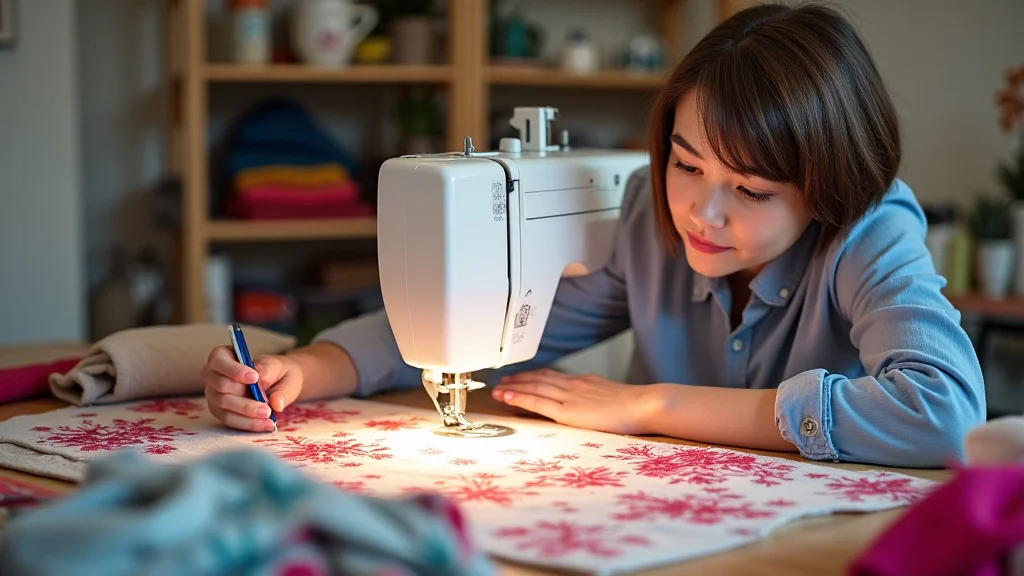
Picture this: you’re finally tackling that DIY project, a cute skirt you’ve wanted to make for ages. You get your sewing machine set up, thread the needle, and. the fabric bunches up, the stitches are uneven, and frustration quickly sets in. This is where a sewing foot presser can change everything! This guide will help you explore the different types of sewing foot pressers, what they do, and how to pick the right ones for your projects. You’ll gain a better grasp of which foot is ideal for specific materials and techniques, helping you create beautiful, professional-looking results. Get ready to transform your sewing experience and create with confidence!
Key Takeaways
- Learn about the different types of sewing foot pressers and their specific functions.
- Discover which presser feet are best for various fabric types and sewing techniques.
- Understand how to install and use different presser feet on your sewing machine.
- Improve your sewing accuracy and the quality of your finished projects.
- Explore how to troubleshoot common sewing issues related to presser feet.
- Gain confidence in selecting the perfect sewing foot presser for any project.
Unlocking the Power of Your Sewing Foot Presser
The humble sewing machine sewing foot presser is a powerhouse of potential, often overlooked yet central to sewing success. It’s the small attachment that presses the fabric against the feed dogs, which move the fabric under the needle. Without a well-functioning presser foot, your stitches would be uneven, your fabric might bunch or stretch, and your sewing projects would likely become a source of frustration. This section will introduce the fundamental mechanics, emphasizing how various types of presser feet greatly improve different sewing tasks and project outcomes.
The Basic Functions of a Sewing Foot
At its core, the primary job of a sewing foot presser is to apply consistent pressure to the fabric. This ensures the fabric feeds evenly through the machine, preventing issues like puckering, stretching, or skipped stitches. It also helps to control the fabric’s movement, especially when sewing curves or intricate designs. The type of pressure applied by the presser foot can vary, with some feet offering more flexibility than others, depending on the fabric and the task. This basic principle can create a huge impact. Different types of presser feet are built to accommodate various sewing tasks, making them very effective.
- Even Fabric Feeding: A good presser foot will ensure both layers of fabric feed smoothly and at the same rate. This is critical for keeping seams straight and prevent shifting.
- Stitch Formation: It works with the needle and the feed dogs to form stitches, ensuring they are even and properly spaced. The correct foot will improve the stitch quality greatly.
- Fabric Control: Allows the user to maneuver the fabric with ease, particularly when sewing curves, corners, or details.
- Material Compatibility: Different feet are designed for specific fabric types, such as knits, leather, or delicate fabrics, to optimize results.
Types of Sewing Foot Pressers: A Comprehensive Overview
The variety of presser feet available is impressive, each designed to make specific sewing tasks easier and more professional. From standard feet for general sewing to specialized feet for zippers, buttonholes, and quilting, there’s a foot for nearly every task you could imagine. This can initially be overwhelming, but recognizing the role of each type of foot will unlock new levels of precision and quality in your sewing. This list is a helpful starting point to familiarize yourself with the range of options.
- Standard Presser Foot: This is the most common foot, included with most machines. It’s great for general sewing, straight stitches, and basic tasks.
- Zipper Foot: Has a design that allows the needle to sew very close to a zipper’s teeth, making zipper insertion easier and more precise.
- Buttonhole Foot: This foot automatically sews buttonholes in a variety of sizes, depending on your machine’s settings.
- Button Sewing Foot: Designed to securely sew buttons onto fabric. It holds the button in place while the machine creates the stitches.
- Overcasting Foot: Helps to prevent fabric edges from fraying. It has a guide that works with the needle to create a neat edge.
- Rolled Hem Foot: Creates narrow, rolled hems on lightweight fabrics, providing a clean and professional finish.
How to Attach and Use Sewing Foot Pressers
Attaching and using the right presser foot is simple, but the process may vary slightly depending on your sewing machine model. The basic steps, however, remain consistent. Proper attachment ensures the foot functions correctly and gives the best results. Familiarizing yourself with these steps will let you quickly adapt to each different foot you might need. Understanding this process, along with the safety guidelines, is crucial for improving your sewing skills.
- Prepare the Machine: Turn off the sewing machine and raise the needle to its highest position. Lift the presser foot lever to raise the current foot.
- Remove the Old Foot: Locate the lever or button that releases the current presser foot. Usually, it’s a small lever on the back of the foot holder. Press it to detach the foot.
- Attach the New Foot: Align the new sewing foot presser under the foot holder. Some machines have a snap-on mechanism. Others require you to lower the foot holder arm, positioning the foot’s pin.
- Test the Settings: Lower the needle and ensure it passes through the hole in the presser foot without hitting it. Test the stitch on a scrap of fabric to check that it works.
Choosing the Right Sewing Foot Presser for Your Project
Selecting the right presser foot can significantly impact the final quality and ease of your project. This choice should be based on factors like fabric type, sewing technique, and desired outcome. Learning to match the correct foot with the task at hand will elevate the look of your projects. Taking the time to consider these aspects, from material thickness to specific stitches, is very helpful. By making informed decisions, your sewing will become more enjoyable and the results more satisfying.
Choosing the Correct Foot for Different Fabrics
Different fabrics require different presser feet for optimal results. Selecting the correct foot prevents common issues such as fabric bunching, stretching, or skipped stitches. The appropriate foot will allow you to work efficiently and achieve a higher level of accuracy. By understanding these pairings, you will work with a wider range of materials, improving the overall quality of your projects.
- For Lightweight Fabrics (Silk, Chiffon): Use a straight-stitch foot or a narrow hem foot. These prevent the fabric from being pulled into the needle plate.
- For Knitted Fabrics (Jersey, T-shirt material): A walking foot or a dual-feed foot is best to feed the fabric evenly. This avoids stretching or puckering.
- For Heavy Fabrics (Denim, Canvas): Use a standard foot or a Teflon foot, which allows the fabric to glide smoothly under the needle.
- For Leather and Vinyl: Use a Teflon foot or a roller foot. These feet reduce friction and prevent the fabric from sticking.
- For Quilting: A quarter-inch foot is very helpful for precise seam allowances.
Matching Feet to Sewing Techniques
Certain presser feet are designed to excel in specific sewing techniques. Using the correct foot improves precision, efficiency, and appearance of seams, hems, and details. Understanding the capabilities of each specialized foot can expand the techniques you can employ and the results you’ll achieve. This knowledge allows you to push the boundaries of what you can accomplish with your sewing machine.
- For Zippers: A zipper foot, positioned to the right or left of the needle, allows for sewing close to the zipper teeth.
- For Buttonholes: An automatic buttonhole foot creates consistent and professional-looking buttonholes. Some machines have a buttonhole feature that uses the same foot.
- For Blind Hems: A blind hem foot helps to create an invisible hem by folding the fabric in a precise way to catch the edge of the fabric.
- For Quilting: A walking foot or a free-motion quilting foot is a great choice. These provide even feed and allow for creative quilting designs.
- For Gathering Fabric: A gathering foot helps to gather fabric evenly, useful for ruffles or decorative details.
Examples of Presser Feet in Action
Real-life examples can better illustrate how different presser feet are used. By seeing how various feet are implemented in practical sewing situations, you can better grasp the benefits of each foot. This also emphasizes the versatility of these sewing tools and how you can combine these in your work. It also helps to see practical results of each presser foot.
- Scenario 1: Sewing a Zipper into a Skirt: Using a zipper foot, position the needle to the left of the foot, sewing as close as possible to the zipper teeth, achieving a professional finish.
- Scenario 2: Creating a Buttonhole: An automatic buttonhole foot measures the button and creates a buttonhole in the perfect size.
- Scenario 3: Quilting a Layered Blanket: A walking foot moves all layers of the quilt evenly, preventing shifting and puckering.
Mastering the Sewing Foot Presser for Different Tasks
Different tasks and styles of sewing call for different approaches to make your work better. From basic stitches to advanced detailing, selecting and using the correct foot can vastly improve your results. This section gives you an in-depth view into using different feet for different tasks. This will help you achieve clean, professional-looking seams, create stunning decorative effects, and sew with improved control and accuracy.
Sewing Straight Seams: The Foundation of Good Sewing
Straight seams are a staple of sewing, and using the right presser foot is crucial for achieving consistent and accurate results. The standard foot is generally suitable, but for specific materials or requirements, other foot types can improve the outcome. Proper technique, combined with the right foot, will create straight seams. These techniques will not only make your projects look better but also build a solid base for complex designs.
- Standard Foot for General Sewing: The standard foot is excellent for most straight-seam sewing tasks. It provides general pressure to hold fabric flat against the feed dogs, resulting in consistent seams.
- Seam Allowance Guides: Many presser feet have markings that help to keep a consistent seam allowance. Using this feature helps keep a steady line.
- Use a Straight Stitch Plate: When working with lightweight fabrics or sewing delicate projects, consider using a straight stitch needle plate to prevent the fabric from being pulled down into the needle hole.
- Practice on Scrap Fabric: Before sewing your actual project, test your stitch and seam on a scrap of material. This will help you get the settings correct.
Sewing Curves and Corners: Precision and Control
Sewing curves and corners can be a challenge. With the right techniques and a well-chosen presser foot, you can easily conquer these more complex elements in your projects. By slowing down and using precision, you can achieve smooth curves and sharp corners. These tips can help you create professional-looking garments and projects. Practicing these techniques will help build confidence.
- Pivot at Corners: When approaching a corner, stop with the needle down in the fabric, lift the presser foot, rotate the fabric, and lower the foot to continue sewing.
- Use a Quarter-Inch Foot for Curves: For sharper curves, a quarter-inch foot can help you maintain the right seam allowance.
- Slow Down the Speed: Reduce your sewing machine’s speed when sewing curves to give you more control over the fabric’s movement.
- Snip the Seam Allowance (Inside Curves): Before turning a garment inside out, snip the seam allowance near the curve. This will release tension and give you a smooth, rounded edge.
Decorative Stitches and Special Effects
Beyond the basics, you can use specialized feet and techniques to create many different decorative effects. Many sewing machines offer a wide variety of decorative stitches, and the right foot can greatly enhance these effects. This expands your creative options and allows you to add a unique, handmade touch to your sewing. This helps you elevate simple projects.
- Satin Stitch Feet: Use a satin stitch foot with a broader, open base for dense, decorative satin stitches.
- Embroidery Feet: For free-motion embroidery, an open-toe embroidery foot provides better visibility and control.
- Decorative Stitch Settings: Experiment with different stitch lengths, widths, and tensions to adjust the appearance of your decorative stitches.
- Quilting and Appliqué: Use a free-motion foot or a darning foot for quilting and appliqué work. These feet allow you to move the fabric freely under the needle.
Practical Tips for Troubleshooting Issues
Even with the correct sewing foot presser, problems can arise. Understanding how to solve these problems will help you to get back on track. Being able to quickly diagnose and resolve these issues will allow you to maintain sewing momentum. These tips will give you the skills to solve minor problems without frustration.
- Skipped Stitches: Check the needle, thread, and tension. Ensure the needle is the right size and type for your fabric.
- Fabric Bunching: Adjust the presser foot pressure, or use a walking foot or dual-feed foot for better fabric feed.
- Uneven Feeding: Check the feed dogs for debris, make sure the fabric is properly aligned, and consider using a walking foot.
- Broken Needles: Ensure the needle is straight, the fabric is properly supported, and you are not sewing too fast.
Common Myths Debunked
Myth 1: All Sewing Foot Pressers Are the Same
In reality, there’s a wide variety of presser feet, each designed for specific purposes, fabrics, and techniques. From standard feet to specialty feet for zippers, buttonholes, or quilting, the selection is diverse. Understanding the differences among these feet will help you achieve the best results.
Myth 2: You Only Need the Standard Foot
While the standard foot is useful for general sewing, using specialized feet opens up a world of possibilities. Zipper feet, buttonhole feet, and walking feet are examples of tools that will help you accomplish a range of professional-looking tasks. These feet can make difficult sewing tasks much easier.
Myth 3: More Expensive Presser Feet Always Mean Better Results
The cost of a presser foot doesn’t always guarantee superior results. The best choice depends on the material, the stitch, and your skill. Choosing the right foot for the job is much more important than the price tag.
Myth 4: Presser Foot Pressure Doesn’t Affect Stitch Quality
Presser foot pressure has a significant impact on stitch quality. Proper pressure ensures that the fabric feeds evenly, leading to consistent stitch formation. Adjusting the pressure based on the fabric’s thickness is helpful for the best results.
Myth 5: It’s Difficult to Change Presser Feet
Most modern sewing machines make it easy to change presser feet. Standard snap-on feet, and quick-change systems make the process simple. Following your machine’s instructions will get you sewing in no time.
Frequently Asked Questions
Question: What is a walking foot?
Answer: A walking foot (also called an even-feed foot) has feed dogs that work in conjunction with the machine’s feed dogs, ensuring all layers of fabric are fed evenly through the machine.
Question: How do I know which presser foot to use?
Answer: Consider the fabric type and the desired sewing technique. Refer to your sewing machine’s manual or online resources for guidance.
Question: Can I use any presser foot on my sewing machine?
Answer: Ensure that the presser foot is compatible with your sewing machine’s brand and model. Some machines use a standard shank while others use a low-shank system.
Question: How do I clean my presser feet?
Answer: Use a soft brush or a cloth to remove lint and debris from the presser foot. Avoid using harsh chemicals.
Question: Where can I buy presser feet?
Answer: You can find presser feet at sewing machine stores, fabric stores, and online retailers that specialize in sewing supplies.
Final Thoughts
The sewing foot presser is more than just a component; it is a key element of sewing that offers control and precision, greatly influencing the final outcome of your projects. By familiarizing yourself with the different types, learning their respective functions, and understanding the significance of pairing the right foot with the right fabric and technique, you’ll be on your way to elevated sewing outcomes. The effort you put into selecting and using the correct foot will be reflected in the professional quality of your creations, from garment sewing to quilting. Embrace the versatility of each foot, experiment with different options, and see how you can upgrade your sewing potential. Take the time to study your sewing machine’s manual, explore new sewing techniques, and let the sewing foot presser become your trusted sewing companion. Start sewing and enjoy the journey!