Remember that adorable stuffed animal your best friend had when you were kids? The one you spent hours playing with? Well, now you can learn how to create your own cuddly companions! This guide is all about sewing felt animals, a fun and rewarding craft perfect for all ages and skill levels. Whether you’re a seasoned crafter or a complete beginner, you’ll discover the joy of bringing cute creatures to life. Get ready to explore the basics, learn useful techniques, and discover how to design your own adorable felt friends. By the end, you’ll have the skills and inspiration to create charming sewing felt animals for yourself or to give as gifts.
Key Takeaways
- Learn the essential tools and materials needed for felt animal crafting.
- Master basic sewing stitches, perfect for beginners.
- Discover how to design simple felt animal patterns.
- Gain tips for cutting felt accurately and efficiently.
- Explore different stuffing options for your creations.
- Find inspiration for various felt animal designs and projects.
Getting Started with Sewing Felt Animals
Embarking on the adventure of sewing felt animals is an incredibly fun and accessible activity. Before you begin, gather the right materials to ensure a smooth and enjoyable experience. The beauty of this craft lies in its simplicity. You don’t need a lot of fancy equipment to get started. With a few key supplies and a little bit of time, you can create the cutest felt critters.
Essential Tools and Materials
The right tools can significantly affect your crafting experience. Having the correct supplies can make your project a whole lot easier. When getting started with sewing felt animals, keep the following items at hand. Consider this your crafting starter kit.
- Felt Sheets: Choose a variety of colors and thicknesses. Wool felt is a premium choice, offering durability and a beautiful finish. Acrylic felt is more budget-friendly. Both are great for sewing felt animals.
- Scissors: Sharp fabric scissors are vital for accurate cutting. A smaller pair of embroidery scissors can help with detailed work.
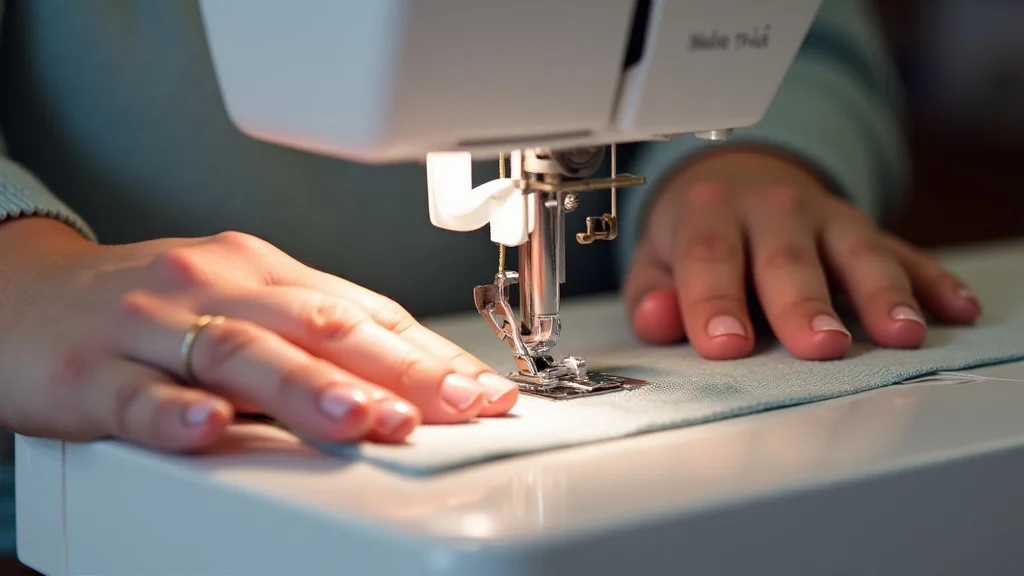
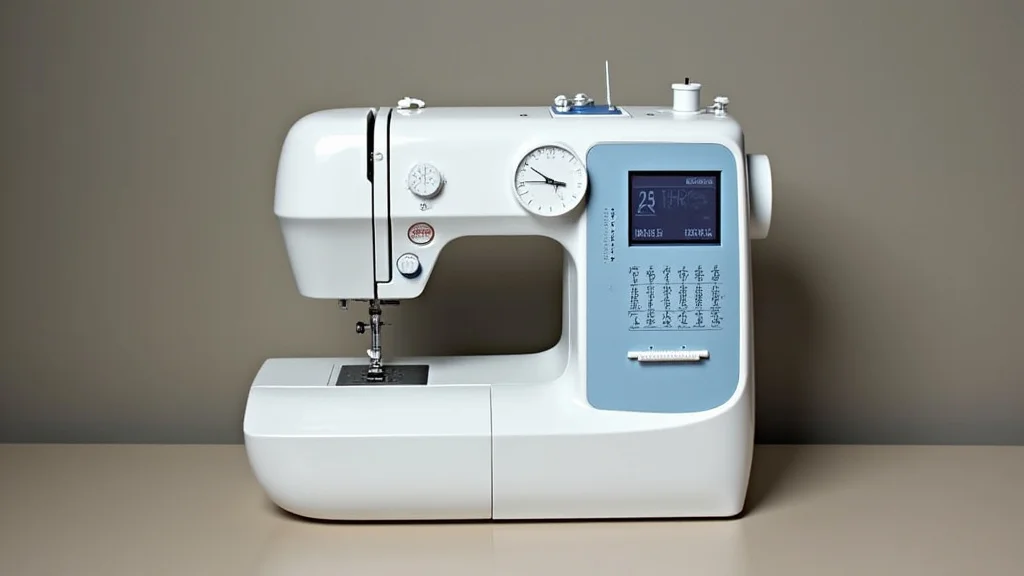
- Needles: Hand-sewing needles in various sizes are a must-have. You can also use a sewing machine if you have one.
- Thread: Choose embroidery floss or all-purpose sewing thread in colors that match your felt.
- Stuffing: Polyester fiberfill is a common choice for filling your animals. Consider using cotton balls or eco-friendly alternatives.
- Pins: Pins are useful for holding felt pieces in place while sewing.
- Pencil or Fabric Marker: For transferring patterns onto the felt.
Felt is a non-woven fabric, created by matting, condensing, and pressing fibers together. This process makes it ideal for crafting because it doesn’t fray easily, simplifying the sewing process. There are many different types of felt available. Wool felt, crafted from natural wool fibers, is known for its softness, durability, and a slight elasticity. This makes it an excellent choice for a professional look. Acrylic felt, on the other hand, is made from synthetic materials, making it more affordable and easy to find. It’s available in a huge range of colors, making it a great option when starting out.
Using the right scissors is vital when creating any sewing project. Fabric scissors are specially designed for cutting fabric cleanly and precisely. Their blades are usually long and sharp, allowing you to cut through layers of felt with ease. A good pair of fabric scissors will cut felt smoothly, avoiding snags and uneven edges. Embroidery scissors are smaller scissors with pointed blades. They are perfect for cutting out small details or intricate shapes in your felt animal project. With sharp scissors, you can make clean cuts, resulting in a cleaner and more professional finish for your felt creatures. Make sure to use fabric scissors only for fabric to preserve their sharpness.
The right needle will improve your sewing experience. When selecting needles for your project, choose sharp, fine needles. These will easily penetrate the felt without creating large holes. Different sizes of needles come in handy. Small needles work best for intricate details, while larger needles can be used for basic seams. Needle choice also depends on the thickness of your felt. Use a smaller needle for thinner felt to avoid making large holes. As your skill develops, you might want to try different needle types to find the ones that work best for your unique projects. Needles are available at most craft or sewing supply stores.
Thread choice plays a huge role in the final look of your creation. Embroidery floss, with its vibrant colors and slightly thicker texture, is a perfect choice for visible seams and decorative details. It adds a lovely touch of personality. All-purpose sewing thread, on the other hand, is suitable for invisible stitches. It blends seamlessly with the felt, creating a clean finish. Consider using a thread color that matches your felt to get a more unified look. Experiment with different thread weights and colors to find the right blend for your individual style and your creative vision for your sewing felt animals.
Stuffing material is the heart of your felt animal, giving it its shape and personality. Polyester fiberfill is a common choice. It’s soft, easy to work with, and readily available. You can also use cotton balls, but they might not provide as much structure. Eco-friendly stuffing materials, such as kapok fiber or recycled materials, are perfect if you are looking for a more sustainable option. The amount of stuffing you use will determine how firm or cuddly your animal is. This adds to the character of your design. Make sure to pack the stuffing evenly throughout the body, ensuring a smooth and consistent shape for a lovely finish.
Pins are important for accurate alignment when creating your felt creatures. They are small but powerful helpers, preventing the felt pieces from moving. Using pins correctly will greatly improve the quality of your finished project. Place pins perpendicular to the seam, going through all the layers. This helps keep the edges lined up and prevents shifting during sewing. Pins also allow you to see how your project will look before you actually sew. You can easily adjust the pattern or position of different parts. Consider using glass-head pins. These are easy to see and work well with felt. Pins also make sewing and assembly a more precise and pleasurable process.
A pencil or fabric marker helps with transferring patterns to the felt. This step is important for getting the right shape for your design. Pencils can be used for light-colored felts. However, a fabric marker, often with erasable ink, is a better choice for darker felts. When tracing your pattern, use a fine tip for detail. This will help you get accurate shapes and a clean finish. Ensure your markings are clear and easily visible. Trace along the pattern lines precisely. Taking time with this step will help the sewing process. Accurate patterns will result in a more professional-looking final product. Always test the marker on a scrap of felt first to ensure the ink is easy to remove without leaving stains.
Basic Sewing Stitches for Beginners
Mastering a few basic stitches will allow you to bring your felt animals to life. You don’t need to be a sewing expert to create amazing things. These simple stitches will provide you with a solid foundation for your sewing felt animals.
- Running Stitch: This is the most basic stitch. Simply thread your needle and pass it in and out of the felt, creating a dotted line.
- Whipstitch: Bring the needle up through the fabric, then around the edge, and back down through the fabric. This creates a neat edge finish.
- Blanket Stitch: This stitch is similar to the whipstitch, but it creates a decorative border. Bring the needle up, loop the thread over the edge, and then pass the needle back through the loop.
The running stitch, or the ‘straight stitch’, is your go-to for many sewing projects. It involves passing the needle in and out of the felt. This creates a dotted line of stitches that’s easy and versatile. The running stitch is ideal for basic seams, gathering fabric, and adding decorative details. For beginners, it’s a great starting point for sewing felt animals. Keep your stitches evenly spaced and of a consistent length to get a professional look. The running stitch is a fundamental skill. It is one of the easiest stitches to learn, and is perfect for various sewing needs.
The whipstitch is a simple hand-sewing technique that is widely used for securing two pieces of felt together. You begin by bringing the needle up through the edge of the felt and looping it over and around the edge, repeating this action until the seam is complete. The whipstitch creates a tight, secure seam. It prevents fraying and provides a neat finish. This technique is especially useful for attaching the different parts of felt animals. It is also suitable for edge finishing, giving a polished look to your creations. Keep the stitches evenly spaced and not too tight to get the best results. The whipstitch is an excellent choice for a variety of projects.
The blanket stitch is a decorative stitch that adds both function and aesthetics to your sewing felt animals. It gives a clean finish to the edges, and it also adds a design element. The blanket stitch works by creating a series of vertical stitches that are anchored to the edge. This provides a strong, durable seam. It’s often used for finishing edges or creating decorative borders. It’s perfect for creating a clean and finished edge on your felt projects. This technique is often used around the edges of felt pieces, creating a decorative edge. Practicing the blanket stitch can enhance your skills and your project’s overall look. To get the best results, keep your stitches consistent in size and spacing.
Designing Simple Felt Animal Patterns
Creating your own felt animal patterns can be a gratifying experience. This gives you the freedom to bring your unique ideas to life. Start with simple shapes and gradually get into more detailed designs. Here’s a brief guide to help you design your own patterns for sewing felt animals.
- Start with Simple Shapes: Begin with basic shapes like circles, ovals, and triangles. These are easier to cut and sew.
- Sketch Your Design: Draw your animal on paper first to visualize the final product.
- Create Templates: Transfer your design onto paper and create separate templates for each piece of the animal.
- Assemble the Pieces: Use your templates to cut out the felt pieces and sew them together.
When starting, simple is key! Begin by using basic geometric shapes like circles, ovals, and triangles. These forms serve as the foundation of your animal design. Circles can form the head or body of a small animal. Ovals can be used for the bodies of elongated creatures. Triangles can create ears, tails, and other details. Simplify the process by avoiding complex shapes. This approach reduces the chances of errors and speeds up the construction. As you become more confident, you can explore more intricate shapes. Starting with basic shapes is the first step in designing your own unique felt friends.
Before you get started with the felt, sketch your design on paper. This helps you to visualize the finished animal. Sketching allows you to experiment with different poses, shapes, and sizes. Add details like eyes, ears, and limbs. This step can save time and materials, as you can adjust your design before cutting the felt. When creating your sketch, consider the simplicity of your design. The fewer pieces you have, the easier it will be to assemble. Once you’re satisfied with your sketch, create separate templates for each body part. Use these as your guide when cutting out the felt pieces. Sketching gives you a roadmap for your creation.
Once you have your sketch, create templates to trace onto your felt. This ensures that all pieces of your felt animal are uniform. The templates can be made from paper, cardboard, or any flexible material. Trace each body part from your sketch onto the template. Label each part to avoid confusion during the sewing process. This will help you keep track of all the different pieces. Creating templates makes the cutting process easier. It also makes your sewing felt animals look more professional. The process of creating templates is a significant step in the crafting of felt animals.
Once your templates are ready, it’s time to create your felt animal. Place your templates on the felt and cut out each piece. Use fabric scissors for clean cuts. Once you have all the parts, begin assembling your animal by pinning the edges together. Sew the pieces using the stitches discussed above. Ensure the pieces align properly to get a smooth, finished look. Sew slowly and carefully. This reduces errors and leads to a more professional outcome. When you’re ready, you can add stuffing to give your animal its shape. Follow these steps, and you’ll be well on your way to creating your own collection of felt animals.
Advanced Techniques in Felt Animal Creation
After you have mastered the basics, you can explore more advanced techniques to enhance your skills. These methods can help you create more elaborate and visually interesting felt animals. They include more complex cutting techniques, embellishments, and special finishing touches.
Improving Cutting Accuracy and Efficiency
Precise cutting is vital to creating professional-looking felt animals. These tips and tricks will help you cut felt more accurately and efficiently. This will improve the quality of your finished projects.
- Use Sharp Scissors: Sharp scissors are crucial for clean cuts. Replace your scissors when they become dull.
- Cut with Consistent Pressure: Apply steady, even pressure while cutting. This ensures straight lines and smooth curves.
- Use Rotary Cutters (Optional): Rotary cutters are great for straight lines. Use with a cutting mat and ruler.
- Layer and Cut: Stack multiple layers of felt and cut them together to save time.
Using sharp scissors is very important. Dull scissors can snag and distort the felt, leading to uneven edges. Sharp scissors make a clean cut that will improve the look of your creation. Replace your scissors when they’re no longer performing well. If you often create projects, you may want to invest in professional-grade scissors. Using sharp scissors ensures a professional finish for your sewing felt animals.
Maintain consistent pressure when cutting felt. Uneven pressure can lead to jagged edges. Steady pressure results in more accurate cuts. Use your non-dominant hand to hold the felt in place while your dominant hand moves the scissors. Practicing with consistent pressure can significantly improve your ability to create felt animal designs. Make sure your grip is comfortable and doesn’t cause fatigue. This technique is important for crafting.
A rotary cutter is a spinning blade that makes very precise cuts on fabrics. This tool is best for creating straight lines and can speed up the cutting process. Place your felt on a self-healing cutting mat. Use a ruler to guide the rotary cutter along straight edges. Rotary cutters are perfect for creating long, straight lines and precise shapes. While the rotary cutter is an option, it is a very valuable tool. It can improve the cutting accuracy of your sewing felt animals.
Cutting multiple layers of felt together can increase your efficiency. Stack several felt sheets on top of each other. Use pins to secure them, and then cut through the layers with your scissors or rotary cutter. Make sure the edges of the felt are aligned before cutting. Ensure all layers are the same. This method will speed up the process. This technique is especially useful for creating multiple identical pieces for several felt animals. However, be cautious when doing this to prevent the felt layers from shifting. This method can save you valuable time. Using this method is a great way to increase efficiency when crafting.
Embellishments and Finishing Touches
Enhance the appeal of your felt animals with these embellishments and finishing touches. These small details can add lots of character to your designs.
- Add Embroidered Details: Use embroidery floss to create facial features, patterns, or textures.
- Attach Buttons, Beads, and Sequins: Use buttons for eyes, beads for accents, or sequins for sparkle.
- Create Fabric Accessories: Make tiny hats, scarves, or other accessories from felt or other fabrics.
- Use Fabric Paints or Markers: Add details like stripes, spots, or patterns with fabric paint or markers.
Embroidery is a great way to add detail and personality to your felt animals. Use embroidery floss to create eyes, mouths, and other features. This will give your animal a unique character. You can experiment with different embroidery stitches to add texture and detail. The French knot, for example, is great for creating eyes. The chain stitch can outline details. The added embroidery will truly give your sewing felt animals a polished look. Adding these embroidered details will really bring your designs to life.
Buttons, beads, and sequins can add a lot of visual interest to your felt animals. Use buttons for eyes, giving a charming and classic touch. Sew them securely. Beads can be used as accents on clothing or as decorative details. Sequins can add shimmer. Ensure that all the attachments are well-secured. These decorative elements can elevate your animal designs and provide a unique look. Be careful about using small parts if the animals are for small children. These are elements that can add personality and make your creations stand out.
Accessories can add more character to your felt animals. Create miniature hats, scarves, and other clothes from felt or other fabrics. These small additions can change the animal’s look. Experiment with different fabrics and colors to coordinate with your felt animals. Consider making themed outfits to complement the animal’s personality. These accessories show your creativity. They will give your felt animals a unique look. The accessories will bring your sewing felt animals to life.
Fabric paints and markers let you customize your designs. Use them to create stripes, spots, or other patterns on your felt animals. Choose paints or markers made for fabric. These will ensure they bond correctly with the felt. You can create intricate patterns or simple designs. Let the paint or marker dry completely before handling the animal. This is a simple way to add unique details to your creations, giving them personality. These simple tools will bring your sewing felt animals to life.
Choosing the Right Stuffing Materials
The choice of stuffing material can impact the feel and appearance of your felt animals. Explore these alternatives and find the best fit for your creations.
- Polyester Fiberfill: A common and affordable choice. Provides a soft and fluffy feel.
- Cotton Balls: Offer a natural alternative. May not hold shape as well as fiberfill.
- Wool Roving: Offers a luxurious feel. Can be used for a more natural look and feel.
- Eco-Friendly Options: Consider using kapok fiber, buckwheat hulls, or recycled materials.
Polyester fiberfill is the most widely used material. It is a good choice because it is soft, lightweight, and easy to work with. It’s affordable and widely available at most craft stores. Polyester fiberfill will give your sewing felt animals a cuddly feel. However, be careful not to overstuff your animals. This may make them hard and misshapen. Proper stuffing can give your felt animal the best shape and feel.
Cotton balls are a more natural option for stuffing felt animals. They are biodegradable and easy to find. Cotton can give your creations a more firm feeling compared to the fiberfill. They might not hold the shape as well over time. Cotton is a good choice for smaller animals or for adding a bit of weight. Proper use of cotton can give your animal a more firm feeling. Consider the desired texture and shape when deciding between cotton and fiberfill.
Wool roving is an excellent choice for a natural feel. It is very soft and creates a luxurious feel. Wool roving is often used in needle felting and can add a special touch to your creations. It will give your creations a more organic feel. Wool roving can be a bit more expensive than fiberfill. It is a great option if you want to elevate the quality of your felt animals. Using wool roving is a great way to improve the value of your sewing felt animals.
If you’re seeking to be environmentally conscious, consider eco-friendly stuffing options. Kapok fiber is a natural and sustainable option that’s lightweight and soft. Buckwheat hulls offer a firm feel. Recycled materials are a perfect way to reduce waste. These options will give your felt animals a more sustainable feel. These choices are a great way to do a little more to help the planet. Using these options can enhance your crafting experience.
Common Myths Debunked
Myth 1: Sewing Felt Animals Is Only for Experienced Crafters
Reality: Sewing felt animals is a simple activity, perfect for beginners. The basic stitches are easy to learn, and felt is a forgiving material. You can start with basic shapes and simple patterns, gradually building your skills as you gain experience.
Myth 2: Felt Animals Require Expensive Sewing Machines
Reality: You can make amazing felt animals with only a needle and thread. While sewing machines can speed up the process, they are not necessary. Hand sewing allows you to control every stitch and gives your projects a unique, handmade touch.
Myth 3: All Felt Is the Same
Reality: There are several types of felt. Acrylic felt is budget-friendly and comes in various colors, while wool felt is more durable and provides a higher-quality finish. The type of felt you choose impacts the look and feel of your finished project, so it is important to consider the benefits of each.
Myth 4: Felt Animals Are Difficult to Design
Reality: Designing felt animals can be simple. Start by sketching your ideas, creating templates from paper, and then tracing the templates onto felt. You can create different patterns, changing the sizes and shapes to make something unique. Felt animals are perfect for beginners.
Myth 5: Felt Animals Cannot Be Washed
Reality: Some felt animals can be gently hand-washed. Always check the care instructions for the type of felt and embellishments used. Avoid hot water and harsh detergents. Allow your creation to air dry. This will help preserve the shape of your felt animals.
Frequently Asked Questions
Question: What’s the best type of felt for beginners?
Answer: Acrylic felt is a great starting point because it is affordable, comes in many colors, and is easy to work with.
Question: Can I use a sewing machine for felt animals?
Answer: Yes, you can use a sewing machine. However, hand-sewing is also an option, and the best choice for beginners.
Question: Where can I find felt animal patterns?
Answer: There are many online resources where you can find free and paid patterns, including craft blogs, Etsy shops, and sewing websites.
Question: What’s the best way to attach small parts to my animal?
Answer: Use small pins to hold the parts in place, and then secure them with small, neat stitches. Choose a thread color that blends with the felt.
Question: How do I prevent my felt animal from getting lumpy?
Answer: Stuff your animal gradually, using small amounts of filling at a time. Distribute the filling evenly, and make sure that it gets into all the corners.
Final Thoughts
Sewing felt animals is an enjoyable way to express your creativity. It is a hobby that anyone can begin. We explored everything from gathering supplies and mastering basic stitches to designing your own patterns and adding unique details. Remember, the journey of crafting felt animals is all about enjoying the process. Don’t be afraid to experiment with different colors, shapes, and embellishments to bring your creations to life. Each animal you make is a chance to grow your skills. Let your imagination run wild, and enjoy the satisfaction of creating something charming with your own hands. Now, grab your felt and needles. It is time to make something wonderful!