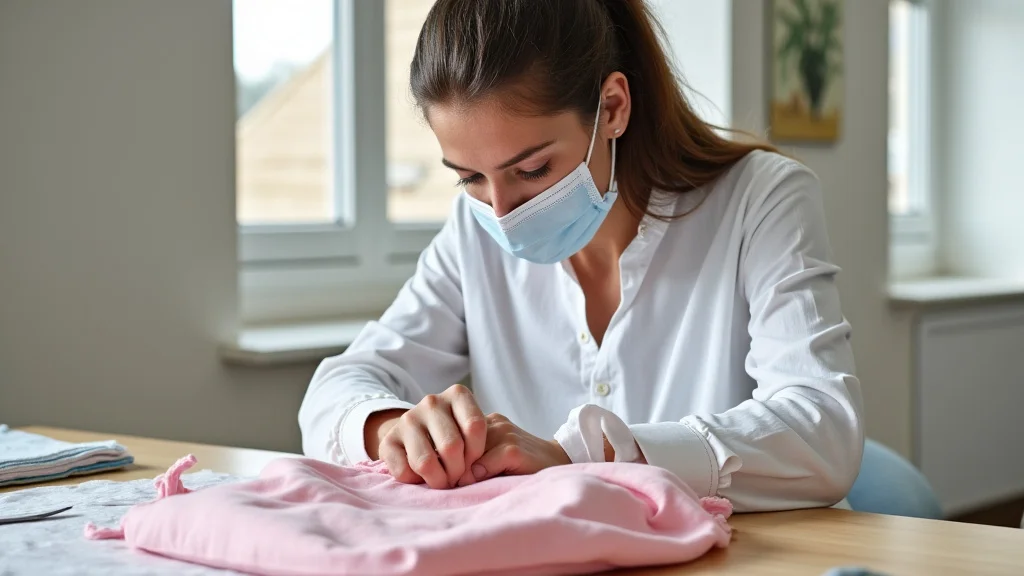
Remember that time when you went to the store and realized face masks were sold out? The feeling of needing one but not being able to find it? Well, you’re not alone! Many people found themselves in a similar situation, seeking a solution. That’s where the idea of sewing a face mask at home came to the rescue. This guide offers a simple, accessible way for you to gain a practical skill while creating a helpful item. By the end, you’ll be able to create your own masks, understanding the process and gaining confidence in your sewing abilities. We’ll cover everything you need, from materials to the final stitch. Get ready to learn and create!
Key Takeaways
- Learn the essential materials needed to begin sewing a face mask at home.
- Discover step-by-step instructions for creating a comfortable and effective mask.
- Understand different mask designs and the benefits of each style.
- Explore tips for choosing the best fabrics for your face mask.
- Find out how to measure and cut fabric accurately for a perfect fit.
- Learn about mask maintenance and how to keep your mask clean.
Getting Started Sewing a Face Mask at Home: Essential Supplies
Before you begin the sewing a face mask at home process, gather your supplies. Think of it like a chef preparing to cook; having everything ready makes the process easier and more enjoyable. From fabric to elastic, each item plays a key role. Don’t worry if you don’t have everything; we’ll discuss alternatives. This section helps you understand what’s needed for the project, setting you up for success. We’ll explore the basics and some options, so you can tailor your choices to your needs and preferences. This preparation step sets the foundation for a smooth and satisfying experience.
Fabric Selection: Choosing the Right Materials
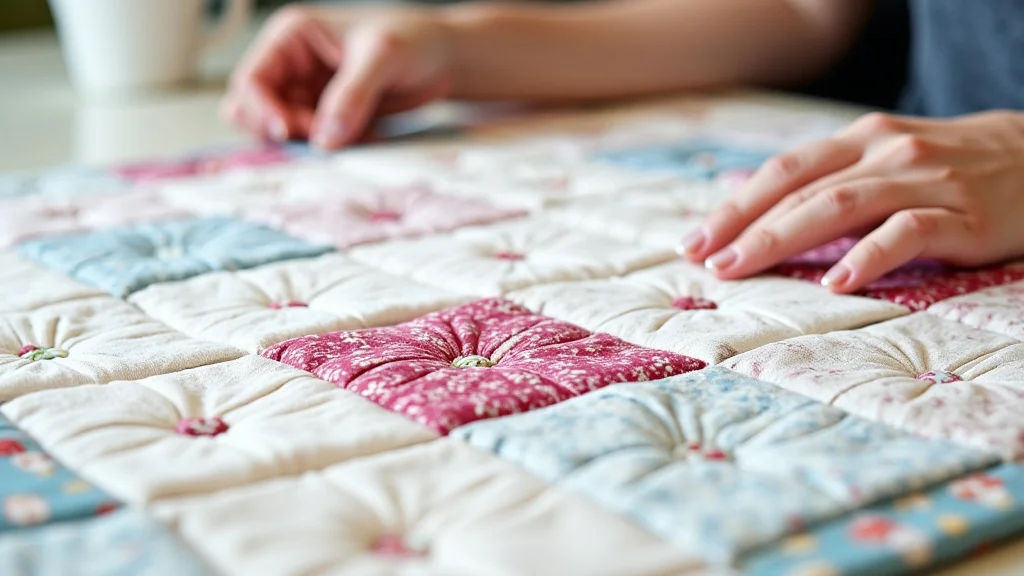
The fabric you select is important. The best choices offer a balance of protection, breathability, and comfort. Consider tightly woven cotton fabrics as a solid choice. Other popular choices include quilting cotton or linen. These materials are generally available and provide good protection. Look for fabrics that are washable and can withstand regular use. Remember, the goal is to create a mask that’s both effective and pleasant to wear. Avoid fabrics like fleece, which can be too thick and make breathing difficult. By carefully selecting your fabric, you improve your mask’s comfort and functionality.
- Cotton: This is a popular choice for masks. It’s breathable, washable, and readily available. Look for tightly woven cotton for better protection.
- Linen: Linen is another good option; it’s lightweight and breathable. It also washes well and becomes softer with each wash.
- Silk: Silk offers a luxurious feel and is naturally breathable. However, it requires careful washing and maintenance.
- Polyester blends: Some polyester blends can be used, but choose ones that are breathable. These can be more durable and can resist shrinking.
Fabric testing can also be valuable. Before beginning, wash your fabric to shrink it. After washing, test its light transmission. Hold it up to a light source. If you can see light easily through the fabric, it might not be the best choice for mask protection. Consider layering different fabrics to improve filtration, for example, using a cotton layer inside and a more durable fabric outside. By considering the fabric’s properties and potential use, you ensure your mask performs well.
Elastic or Straps: Securing Your Mask
The method you use to secure your mask influences its comfort and effectiveness. Elastic bands are the most common choice. They’re easy to find and come in various sizes and thicknesses. Make sure the elastic is comfortable around your ears or head. Another choice is fabric straps, which can be tied or looped around the head. These can be gentler on the ears, but require more precise measuring and fitting. Consider your personal preferences when making your selection. This step allows you to customize the mask and make it suitable for prolonged wear.
- Elastic Bands: These are standard and come in different widths. Measure carefully for a comfortable fit around your ears.
- Fabric Straps: Make straps from fabric strips. They tie behind the head or can be made adjustable.
- Cord Locks: These are small pieces that secure the elastic and allow for adjustment. They are a good choice if you want to make masks that can fit multiple people.
Consider the placement and type of attachment. Elastic bands are attached to the mask’s sides. Fabric straps can be attached to the sides or top and bottom of the mask. The choice here influences how the mask fits your face. When selecting elastic, ensure it is the right size, usually between 1/8 to 1/4 inch wide. The comfort of the elastic matters for masks worn for extended periods. Fabric straps provide a customizable option, and are particularly comfortable for individuals who are sensitive to ear irritation. Selecting the right straps provides a mask that feels right for you.
Essential Sewing Tools and Accessories
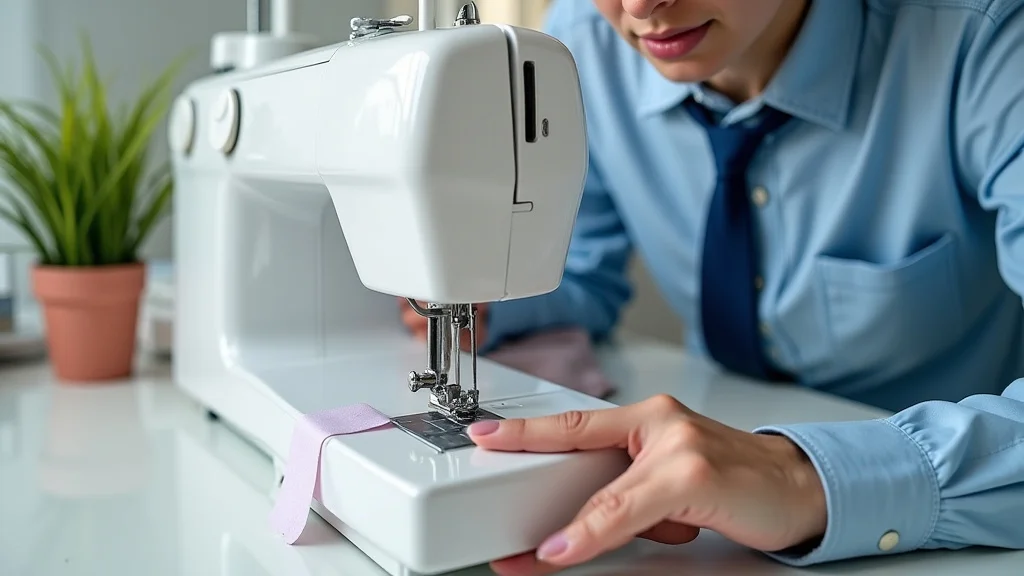
Having the right tools is critical to the sewing a face mask at home project. This set includes items to measure, cut, and secure the fabric. A sewing machine speeds up the process, but hand sewing is also possible, particularly for simple designs. These accessories make the process easier and improve the mask’s quality. The right tools ensure a cleaner, more professional finish, and make the whole experience more enjoyable. They enable you to work efficiently, which is important when creating multiple masks.
- Sewing Machine or Needle and Thread: A sewing machine speeds up the process. Hand sewing is an option for simpler mask designs.
- Scissors or Rotary Cutter: Sharp scissors or a rotary cutter are needed to cut the fabric precisely.
- Pins or Clips: These hold the fabric pieces together before sewing, preventing them from shifting.
- Measuring Tape or Ruler: Needed to measure fabric accurately.
- Iron and Ironing Board: Ironing the fabric helps create sharp edges and a polished look.
- Fabric Marker or Pencil: Used to mark cutting lines or sewing guidelines on the fabric.
Ensure your sewing machine is in good working order. If hand sewing, have a comfortable needle. Pins or clips must hold the fabric layers securely, preventing shifting. A good ironing board is important to press seams and create a cleaner final product. Ensure your measuring tools are reliable. Proper tools will not only enhance the visual appeal of your mask but also make it more comfortable to wear. Having all the essentials prepared minimizes interruptions. This preparation makes sewing easier and helps achieve a better result.
Creating Your First Mask: Step-by-Step Guide
Now, let’s explore the process of sewing a face mask at home. Following instructions, you’ll go from fabric to a finished mask. We will be focused on a basic design that’s easy to make, and we’ll guide you through each step. Remember, the initial goal is to create a well-fitted, protective mask, which you can personalize to fit your unique shape. Each step is broken down, ensuring the process is clear and achievable, even if you are a beginner. This detailed breakdown ensures you create a mask successfully and gain valuable sewing skills.
Step 1: Measuring and Cutting the Fabric
Precise measurements are fundamental to the success of your mask. You will need to determine the required size. Begin by measuring the face. Measure from the bridge of the nose to under your chin. Add an inch to each measurement to account for seam allowances. The next step is to prepare your fabric. Using the measured dimensions, cut two identical fabric pieces. Remember to account for a hem. Accurate cutting guarantees a proper fit, resulting in a mask that is comfortable and effective.
- Measure: Measure from the bridge of your nose to under your chin. Also, measure from ear to ear.
- Cut: Using your measurements, cut two identical pieces of fabric. Remember to add extra fabric for seams and hems.
- Shape: Round off the corners of the fabric pieces to make the mask more comfortable and appealing.
Precision is key when cutting the fabric. Use a ruler and fabric marker. Place the fabric on a flat surface, making sure it’s smooth. Ensure the cutting surface is clean and free of distractions. Pin the pattern to the fabric to avoid mistakes. Make sure the fabric is flat and free of wrinkles. After cutting, double-check your measurements to confirm the pieces are uniform in size. Accurate cutting leads to a well-fitted mask, which is more pleasant to wear and offers better protection. A well-cut mask feels comfortable and stays in place securely.
Step 2: Sewing the Mask Layers Together
Sewing the fabric pieces is the next step. With the right sides of the fabric together, align the edges and secure them with pins or clips. The edges must be aligned to ensure a clean finish. Sew around the perimeter of the mask, leaving a small opening for turning. This opening is important. After sewing, you turn the mask inside out, hiding the seams. The correct stitching prevents fraying and strengthens the mask. This technique creates a clean, professional look.
- Pin/Clip the Layers: Place the two fabric pieces with right sides together. Use pins or clips to hold the edges together.
- Sew Around the Edges: Sew along the edges, leaving a small opening (about 2-3 inches) to turn the mask inside out. Use a seam allowance of around 1/4 inch.
- Turn the Mask Right Side Out: Use the opening to turn the mask right side out, concealing the seams.
Before sewing, use pins or clips to hold the fabric layers in place. Ensure the pins are evenly spaced to avoid uneven stitching. A 1/4-inch seam allowance is adequate for a strong seam. When turning the mask right side out, gently push out the corners. Press the seams with an iron. This step makes the mask look neat and helps eliminate wrinkles. It is important to close the opening with a topstitch. This will hold the seam in place. This sewing step significantly affects both the look and durability of your mask. Take your time, and enjoy the process.
Step 3: Creating the Filter Pocket (Optional)
A filter pocket adds an extra layer of protection, which is very useful. It is a simple alteration that significantly enhances your mask’s usefulness. Cut a rectangular piece of fabric and sew it to the inside of one of the mask layers. This fabric should be the size of the inside. Leave an opening at the top or bottom for inserting a filter. This pocket enables the use of filters like non-woven interfacing or filter paper. The filter pocket provides an additional layer of protection, improving the mask’s effectiveness. This is a simple measure that makes your mask more versatile.
- Cut the Pocket Fabric: Cut a rectangle of fabric, sized to fit inside your mask.
- Attach the Pocket: Sew the rectangle to the inside layer of the mask, leaving an opening for a filter.
- Insert Filter: Once the mask is finished, insert a filter into the pocket.
The filter pocket enhances your mask’s capabilities. Consider using non-woven interfacing, which is breathable and provides additional filtration. Position the pocket carefully to avoid interfering with the comfort. To avoid bunching, use a lighter fabric for the pocket. Make sure the opening is large enough for the filter, but not too big that the filter will fall out. Remember, the filter adds an extra layer of protection. This feature makes it easy to replace and clean the filter and greatly extends the mask’s usefulness. This addition greatly increases its usefulness.
Step 4: Adding Elastic or Straps
Securing the mask is an important step. This ensures it stays on your face. Measure and cut the elastic or fabric straps to the necessary length. The method you use influences the mask’s overall comfort. The straps or elastic must hold the mask securely. Properly attached elastic makes the mask easier to put on and take off. This step is about customizing the fit for maximum comfort and effectiveness. Taking care with this step ensures the mask is secure and convenient.
- Measure the Elastic or Straps: Measure the distance from the top of the ear to the bottom of the ear. Cut two pieces.
- Attach the Elastic or Straps: Sew the elastic or straps to the sides of the mask.
- Reinforce the Attachment: Sew back and forth across the elastic attachments to reinforce them.
Measure the right length. The elastic must be comfortable but secure. If using elastic, fold the edges of the mask and sew the elastic in place. Be sure to reinforce the stitching to prevent the elastic from pulling out. Ensure the straps are properly placed. If you’re using fabric straps, sew them to the mask’s sides. Try on the mask and adjust the elastic or straps as needed. This customization step makes the mask both safe and comfortable. The right fit is key to making the mask effective and enjoyable to wear.
Step 5: Final Touches and Finishing
Finishing touches refine the mask and increase its durability. Press the mask with an iron to eliminate wrinkles and create crisp edges. This step makes the mask look professional and also enhances comfort. Any loose threads should be trimmed carefully. The final inspection will confirm that the mask is properly finished. These actions contribute to the mask’s visual appeal. The attention to detail ensures your mask will last. It transforms a functional object into something you’ll be proud to wear.
- Press the Mask: Iron the mask to remove wrinkles and give it a polished appearance.
- Trim Loose Threads: Carefully trim any loose threads to avoid tangling.
- Double Check: Inspect the mask for any gaps or flaws.
Use a medium heat setting on your iron. Ironing along the edges improves the mask’s shape and structure. Trimming loose threads prevents them from unraveling. During the inspection, make sure all seams are secure. Check the elastic or straps for firmness. Verify the filter pocket is fully closed. These details make the mask safe to use. Performing these tasks improves both the look and longevity of your mask. It also makes your mask more comfortable. By paying attention to these finishing details, you achieve a professional-looking, durable face mask.
Advanced Techniques and Designs
Once you are confident with the basics of sewing a face mask at home, you can explore designs and methods. Experimenting with patterns and different features will allow you to create masks that better fit your needs and preferences. These techniques can improve protection, comfort, and style. These methods are designed to inspire your sewing journey. They help you to develop your skills, leading to a satisfying experience. These approaches show that the possibilities are many.
Variations in Mask Styles
There are many styles of face masks. Each has unique attributes, ranging from breathability to effectiveness. Explore these different mask patterns and techniques. The style affects how the mask fits and functions. Considering the variations allows you to customize the mask and to suit your requirements. These methods show the versatility available to you.
- Pleated Masks: Easy to make and provide extra coverage.
- Contoured Masks: Designed to fit closely to the face.
- N95-Style Masks: Replicate the shape of professional masks.
- Surgical Masks: Simple and efficient.
Consider the benefits and drawbacks of each design. Pleated masks allow for expansion and are easy to fold when not in use. Contoured masks fit closely to the face, reducing gaps. N95-style masks feature a more ergonomic design. Surgical masks are generally simple and effective. You can find detailed patterns and instructions for each design online. Experimenting with different styles allows you to choose what works best for you. Making variations will help you to hone your skills. Remember, the style will affect comfort and the mask’s effectiveness.
Adding a Nose Wire for a Better Fit
A nose wire is an enhancement that helps your mask better fit the shape of your face. It helps prevent air leakage at the top of the mask. This feature improves the mask’s comfort and effectiveness. It will make the mask sit more securely on the face. Adding a nose wire is a simple change. This small addition makes a big difference in both comfort and protection. This technique is simple to implement but significantly improves your mask’s usefulness.
- Choose the Right Wire: Use a flexible, bendable wire, like a pipe cleaner or floral wire.
- Create a Pocket: Sew a small pocket at the top of the mask.
- Insert the Wire: Insert the wire into the pocket.
- Secure the Ends: Close the pocket to keep the wire in place.
The wire should be flexible enough to conform to your nose. You can cut the wire and make a small pocket for it. Be careful, and avoid wires with sharp edges. The nose wire can improve mask protection by providing a close fit. Experiment with different types of wire to find one you find most comfortable. This technique enhances comfort and reduces gaps, improving the mask’s effectiveness. The simple addition makes a noticeable improvement to the mask’s comfort and performance.
Incorporating Adjustable Straps and Closures
Adjustable straps provide a customizable fit, making the mask more comfortable. Various adjustable closures, like sliders or elastic with beads, are available. These additions allow you to adjust the mask for a secure fit. Adjustable straps increase comfort. The right straps make the mask a good fit. These methods make your masks more useful. By including the right features, you improve the mask’s usefulness and effectiveness.
- Elastic with Sliders: Use adjustable sliders to adjust the elastic.
- Beaded Straps: Use beads to adjust and secure the straps.
- Fabric Ties: Make fabric ties adjustable with knots.
Elastic with sliders is a popular choice for adjusting the mask. Beads or cord locks can also be used to adjust the straps. Consider the overall look. Make sure the adjusters are comfortable and don’t dig into the skin. Try different types and choose the ones that are most suitable for you. These adjustments ensure the mask fits everyone. These features enhance comfort, and make your masks much more useful. They also offer a more customizable, personalized solution.
Maintaining and Cleaning Your Handmade Mask
After you have learned the art of sewing a face mask at home, proper maintenance and cleaning are critical. Regular cleaning protects you and ensures the mask’s longevity. This section details best practices to preserve and maintain your mask. Correct cleaning maximizes your protection and makes sure the mask lasts. Taking care of your mask is key to its performance. The following steps should become part of your daily practices.
Washing and Drying Your Mask Properly
Washing your mask is essential to remove germs and contaminants. Wash the mask after each use. The correct washing procedure is vital. It is essential to choose the proper cleaning methods. Following these steps helps keep your mask clean. The correct cleaning method makes sure the mask provides the best protection.
- Machine Wash: Use warm water and laundry detergent.
- Hand Wash: Wash with soap and hot water.
- Drying: Air dry or tumble dry on low heat.
- Frequency: Wash after each use.
Use hot water to remove any lingering germs. Choose a gentle detergent to prevent damage. You can wash your mask in a washing machine or by hand. Air drying is preferable, but tumble drying on low heat can also work. Wash your mask after each use. This cleaning process gets rid of germs. The frequency and the methods will guarantee your mask provides optimum protection. Proper care ensures the mask remains effective and comfortable.
Storage and Care Tips
Proper storage is important in keeping your mask clean and safe. When the mask is not in use, you should store it properly. This will avoid any contamination. The storage procedure is simple and will extend the useful life of the mask. These steps will make sure your mask stays clean. The right storage method protects the mask and makes it easy to find. This practice supports your routine and protects the mask.
- Store in a Clean Place: Keep the mask in a clean, dry place.
- Avoid Contamination: Don’t put the mask in pockets or other unsanitary places.
- Have Multiple Masks: Rotate between different masks.
Choose a clean place for storage. This can be a sealed bag or drawer. The mask must be kept away from contaminants. Have a few masks and rotate between them. Doing this ensures you always have a clean mask available. By taking care to store your mask properly, you protect it and yourself. This ensures the mask is always ready to use. This action protects the mask and ensures it is easy to find when you need it.
Recognizing When to Replace Your Mask
Your mask needs to be replaced. Wearing a worn or damaged mask offers reduced protection. You need to know when to replace it. A good mask can protect, but eventually, it will need to be replaced. Proper replacement practices make certain that your mask continues to provide good protection. These methods will help you to know when it is time to replace your mask.
- Damage: Replace if the mask is damaged or has holes.
- Fit: If the mask doesn’t fit well, replace it.
- Wear and Tear: Replace after frequent use or several washes.
Inspect the mask frequently for any damage. Holes or tears can reduce its effectiveness. If the mask’s fit changes or becomes loose, consider replacing it. Replace your mask after a certain number of washes. When in doubt, replace the mask. Replace it when its protection is compromised. These habits maintain your safety and make certain that your mask is doing its job. By following these steps, you will know when to get rid of your mask. It is a very important part of good practice.
Common Myths Debunked
Myth 1: Handmade Masks Are Ineffective
There is a widespread idea that homemade masks aren’t effective. It is generally thought that these masks don’t offer the protection needed. The reality is that handmade masks, when made with the right materials and properly fitted, can be very effective. Although they may not offer the same protection as medical-grade masks, they can still provide a useful layer of protection against larger droplets and particles. By choosing the right fabrics and fitting the mask to your face, you can boost its efficiency. Proper construction, combined with proper maintenance, can greatly increase the mask’s usefulness.
Myth 2: Any Fabric Is Suitable for a Mask
It is often believed that you can use any fabric to create a face mask. However, this is not the case. Some fabrics are much better suited for masks than others. The effectiveness of a mask depends on the fabric and its ability to filter particles. Some fabrics like fleece are too thick. They can make breathing hard. The finest option is a tightly woven cotton or a blend of fabrics. Selecting the proper fabric is critical for both the mask’s efficiency and user comfort. Proper selection ensures your mask performs as intended.
Myth 3: Washing Masks Ruins Them
Some people think that washing a mask frequently will ruin its effectiveness. This is generally not accurate. Routine cleaning is essential to remove any harmful contaminants. Washing a mask in hot water with soap will remove germs. The mask must be washed regularly to maintain its usefulness. Properly washing and drying your mask is a must to keep it safe. In fact, routine washing will extend the useful life of your mask. You must clean your mask often to ensure you stay protected.
Myth 4: A Mask Only Protects the Wearer
Some believe that a mask is designed to protect just the wearer. However, masks are designed for both protection. Masks prevent the spread of germs to others and also provide a degree of protection for the wearer. The mask’s primary function is to block large droplets. The mask can assist in reducing transmission from one person to another. It helps to protect both the wearer and the surrounding people. Masks serve a dual function. They help to prevent the spread of illnesses in both directions. This dual protection is important to know.
Myth 5: Masks Are Only for Medical Professionals
It is a common mistake to think masks are only for medical personnel. Masks serve a valuable function in various contexts. In the medical field, masks provide a barrier against pathogens. Yet, masks also help in crowded public settings to reduce germ spread. Masks help in settings where there is risk of exposure. Masks have a range of functions. Masks have a broader usefulness. The proper use of masks is valuable for many situations.
Frequently Asked Questions
Question: What’s the best fabric for a face mask?
Answer: Tightly woven cotton is a great choice. Linen and silk are also good options. Ensure the fabric is breathable and washable.
Question: How do I measure for a face mask?
Answer: Measure from the bridge of your nose to under your chin. Add an inch to each measurement for seam allowances.
Question: How often should I wash my mask?
Answer: Wash your mask after each use, or at least daily if used for extended periods.
Question: Can I use a filter in my handmade mask?
Answer: Yes, you can add a filter pocket to your mask. You can then insert a filter, like non-woven interfacing.
Question: How do I make the mask more comfortable?
Answer: Choose comfortable fabrics and use adjustable straps. Consider adding a nose wire for a better fit.
Final Thoughts
Sewing a face mask at home provides a useful skill that also helps meet a community need. The process is approachable and allows for customization and creativity. From choosing the correct fabric to mastering the art of the stitch, you’ve now explored the essential steps. You can create masks that fit perfectly and provide needed protection. Remember to maintain and clean your masks. The process is not just about making a mask but about gaining confidence in your ability to craft and solve problems. Start today, and create masks for yourself, your friends, and your family. Enjoy the process of learning and creating!