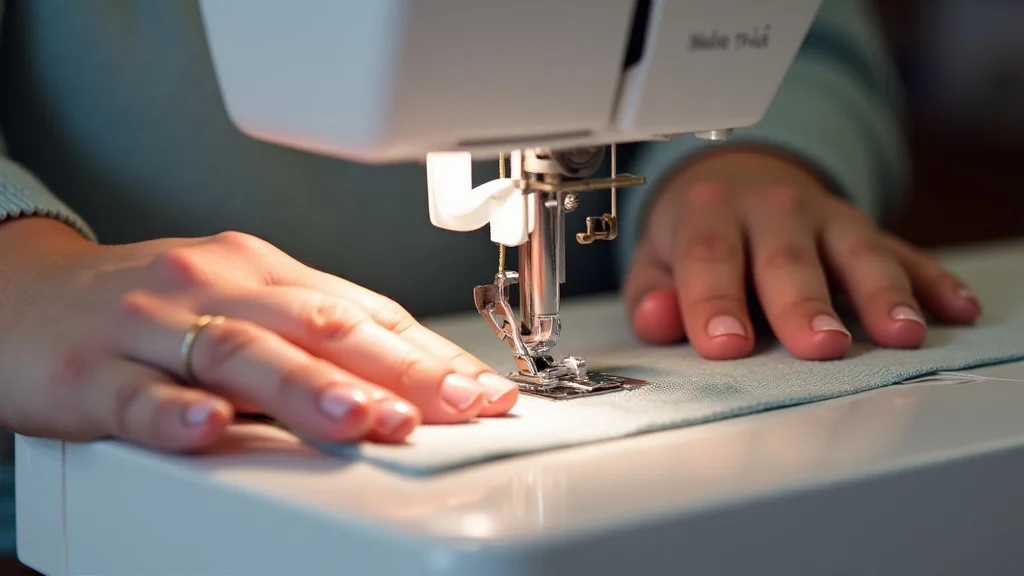
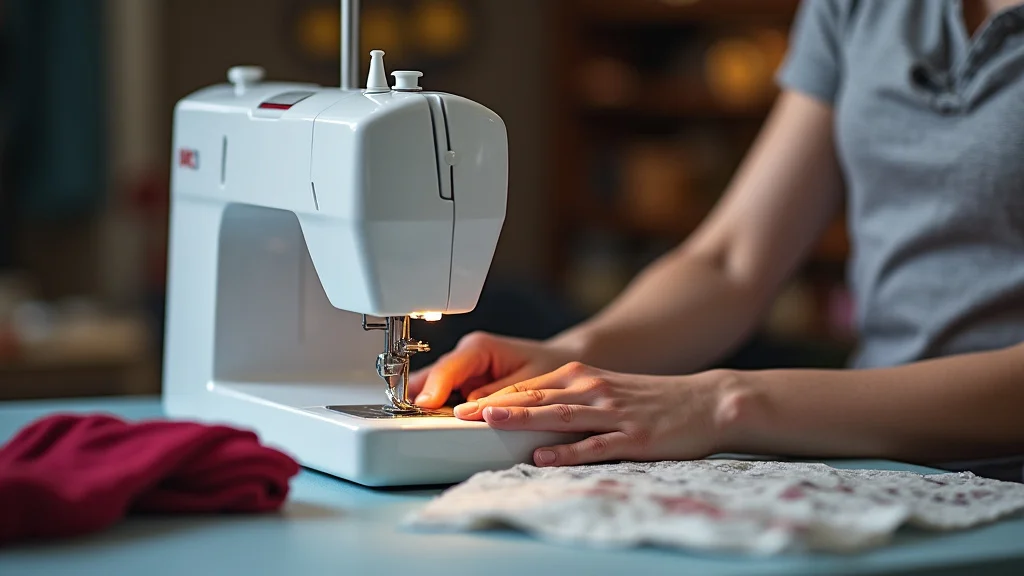
Remember that time your child, eyes wide with excitement, begged for a creative outlet? You probably thought about art supplies or maybe even a musical instrument. But have you considered a sewing machine for kids? It might seem a little advanced, but trust me, it’s a fantastic way to spark creativity and develop valuable skills. This guide will walk you through everything you need to know, from the different types of machines to safety features and what projects are perfect for budding young seamstresses and tailors. You’ll learn how to pick the right sewing machine to support your child’s crafting adventures. Get ready to discover the world of stitching and crafting together.
Key Takeaways
- Learn about the different types of sewing machines available for children.
- Discover essential safety features to consider when choosing a machine.
- Find out which projects are ideal for beginners, fostering creativity.
- Understand the importance of parental supervision and guidance.
- Explore the benefits of sewing for kids, including skill development.
- Gain tips on how to introduce sewing to your child and make it fun.
Embarking on the Sewing Adventure: Choosing a Sewing Machine for Kids
The first step in introducing a child to the joys of sewing is selecting the right machine. The market offers a range of options, from simplified, beginner-friendly models to machines with more advanced features. This selection should be based on your child’s age, skill level, and interests. It’s best to start with a machine that is easy to operate, promoting a positive and frustration-free experience. Avoid machines that are too complex. The initial focus should be on building basic skills and confidence. This way, your child can develop a passion for sewing without being overwhelmed.
Types of Sewing Machines for Young Tailors
The world of sewing machines for kids isn’t a one-size-fits-all situation. Several different types exist, each with its unique advantages. Understanding these differences can help you make an informed decision and select a machine suitable for your child. The key is to find something that matches their skill level and interests. Consider the following types:
- Mechanical Sewing Machines: These are the classic sewing machines, usually operated via a foot pedal and hand wheel. They tend to be more straightforward, which is ideal for children just starting out. Many mechanical models have limited features, so they are simple to use. Their durability makes them a long-term option as skills develop.
- Electronic Sewing Machines: These machines incorporate digital features, such as automatic needle threading and stitch selection buttons. This type usually offers a range of stitch options and settings that can make sewing easier and faster. They may have a small display screen and push-button controls.
- Mini Sewing Machines: These compact sewing machines are specially designed for kids. They are often lightweight, easy to store, and simple to operate. They typically feature basic functions like straight stitch, making them ideal for simple projects. These machines are a great introduction to sewing because of their ease of use.
- Sewing Machines with Built-in Safety Features: Prioritizing safety is vital when selecting a sewing machine for kids. Look for machines with specific safety elements like finger guards to protect from accidental needle pricks, and a speed control feature to limit the speed, preventing the machine from operating too fast, especially for beginners. The automatic needle threader feature also helps avoid the need to handle the needle directly.
Mechanical machines typically have fewer electronic components, which can mean they are more resilient to wear and tear. This is a plus, especially if your child is still learning and may be rougher with the equipment. It’s a good place to start, providing a fundamental understanding of how sewing works. These machines often require more manual effort, which can help your child appreciate the process.
Electronic machines usually have more features. This offers more creative possibilities, which can encourage children to explore different projects. The automation also assists children, especially beginners, as some tasks are performed automatically. This can speed up the learning curve and keep them engaged. They are usually more expensive, so ensure this type fits your budget.
The small size of mini sewing machines makes them user-friendly for young children. They also usually have a safety focus, with protective features to reduce the risk of accidents. Mini sewing machines may only offer a limited range of features. This simplicity can keep children focused on learning the essentials. While these machines can be great for beginners, they might have limitations for advanced projects.
Safety features are essential to protect children from potential hazards while they learn to sew. Finger guards create a physical barrier around the needle, reducing the chance of injury. Speed control lets parents and children adjust the machine’s pace to match their comfort level. A slower speed allows more precision, while a faster pace can be used when skills improve.
Factors to Consider When Choosing a Sewing Machine
Once you understand the basic types, you can look at other crucial factors. Assessing the overall design, included features, and your child’s interests helps to narrow down the options. The ideal machine supports their learning and keeps them excited. Several things need to be considered when choosing the perfect machine, including safety features, ease of use, durability, and the kinds of projects your child wants to make.
- Age and Skill Level: The child’s age and sewing experience are very important. Younger children or beginners should start with simpler machines that are easy to operate. Older children or those with some experience can use machines with more features, such as different stitch patterns.
- Ease of Use: The sewing machine should be simple for a child to use. Look for machines with user-friendly features, like automatic needle threading, easy stitch selection, and clear instructions. A machine that is easy to set up and operate will encourage your child to start using it.
- Safety Features: Safety is paramount. Always choose a machine with safety features. Look for finger guards, speed control, and needle protectors. These features will protect your child from accidental injury. They should also be stable and not prone to tipping.
- Durability: Look for a machine that is durable and can withstand regular use. Children might not always treat equipment gently, so a sturdy machine will last longer. Consider machines made from robust materials.
- Stitch Options and Features: Different projects will need different stitch options. Consider the features of the machine. Basic machines usually offer straight stitches. More advanced machines have a range of stitches, which include zigzag stitches, buttonhole functions, and decorative stitches.
Tailoring the machine to their skill level helps avoid frustration and builds confidence. Children who are just starting should use machines with few controls and automatic settings. Those with experience may be ready to tackle advanced features. Match the machine’s features to the child’s capabilities for a great learning experience.
Ease of use reduces frustration and allows a child to focus on the creative process. Look for clear, well-labeled controls, easy-to-understand manuals, and helpful tutorials or videos. If a machine is hard to understand, your child may lose interest. A simple machine helps them concentrate on the fun aspects of sewing.
Safety features offer essential protection when children are working with sharp needles. Finger guards prevent fingers from getting too close to the needle. Speed control prevents the machine from operating too quickly. Stable, well-designed machines decrease the chance of accidents. The goal is to keep your child safe so that they can concentrate on sewing.
Durable machines are better at withstanding wear and tear. A sturdy construction will also withstand accidents, like dropping the machine. Well-built machines will ensure the machine remains functional and will provide a better investment. It helps your child be able to focus on projects rather than worrying about damaging the equipment.
The available stitches determine the types of projects your child can create. Basic straight stitch is suitable for beginners. More features let children explore different sewing techniques. A good machine lets them create various items and use different skills as their talent improves. It broadens their creativity.
Unleashing Creativity: Projects Suitable for a Sewing Machine for Kids
Once you’ve selected the right machine, the real fun begins: projects! The projects your child undertakes should be age-appropriate and fun to encourage learning. Start with simple projects that build confidence. As skills improve, move on to more challenging items. Remember that the goal is to make sewing enjoyable. The projects will also help develop practical skills. Here are several age-appropriate sewing project ideas that are perfect for beginners.
Beginner-Friendly Sewing Project Ideas
Beginners need projects that are simple and do not require many steps or advanced techniques. These will build their confidence. These initial projects should be manageable and use basic stitches. They will teach the fundamentals of sewing. Simple projects will introduce the child to the basics of fabric handling, needle use, and stitch formation. The initial experience will teach the basics needed for future challenges. Here are a few great ideas:
- Simple Bookmarks: Easy to make and great for practicing straight stitches. Use felt or fabric scraps. Cut the fabric into the desired size and shape. Then, let the child decorate with fabric markers. This project helps with practicing stitching along straight lines and develops hand-eye coordination.
- Pillowcases: A beginner project that teaches basic seam construction. Choose simple fabrics, like cotton. Cut the fabric into rectangles. Sew the pieces together. Pillowcases are practical, functional items, which makes them appealing to children.
- Simple Tote Bags: These are easy to sew and can be made from various fabrics, which lets children create practical and useful items. Cut the fabric into two large rectangles for the bag’s body. Then, cut straps and attach them. It helps children learn about fabric selection and seam construction.
- Felt Food: Children can sew felt pieces to create their own play food. This is suitable for beginners because felt is easy to work with and doesn’t fray. Cut out felt shapes, such as fruits, vegetables, or snacks. Then, stitch the edges together.
Bookmarks are small, making them manageable. This allows children to get immediate results. It lets them see their progress quickly. These projects can be customized. This helps with practicing straight lines, which will be the basis for more advanced projects. Simple bookmarks give children a sense of accomplishment.
Making pillowcases teaches fundamental sewing skills. This includes measuring, cutting, and stitching straight seams. The project offers a practical end product. This lets children feel that their sewing efforts have a purpose. The project also provides experience, which boosts confidence as skills improve.
Tote bags are useful items. This increases the child’s interest in the project. The project is good for practicing making straight seams. It is a good way to introduce the concept of measuring and cutting fabric. A finished tote bag provides a sense of achievement and practicality.
Felt food projects allow for creativity. Children can select colors and shapes and customize their creations. Felt is perfect for sewing, making the project easy and stress-free. It can teach children basic sewing skills and develop creativity. This provides experience and is an enjoyable project.
Intermediate Sewing Projects for Developing Skills
Once a child masters the basics, they can move to more challenging projects. These require more complex techniques. Intermediate projects improve a child’s skills and offer new creative possibilities. Encourage them to explore new stitches, patterns, and techniques. It will increase their confidence and enthusiasm for sewing. Here are some intermediate sewing ideas:
- Simple Appliqué Projects: This technique involves sewing fabric shapes onto a base fabric. It helps children practice accuracy and design skills. Use fabric scraps. Then, cut out simple shapes and sew them onto a piece of fabric. Create a pillow or a wall hanging.
- Basic Clothing Items: Once children gain confidence, they can try to make simple clothing items. This requires measuring and cutting skills. Start with easy projects like a simple skirt or shorts. These projects let children create clothing that they can use and wear.
- Quilting Small Items: Quilting involves sewing together fabric pieces. This project can be expanded as skills improve. It can start with simple projects such as a small quilt or a quilted pillow. The project lets children practice measuring and cutting fabrics.
- Customizing and Altering Clothes: This gives children the chance to personalize their existing clothes. It introduces them to different techniques such as sewing on patches, altering hems, and adding embellishments. Start with easy projects and slowly increase complexity.
Appliqué projects teach precision. The work develops hand-eye coordination. Children will learn to use different stitch types. This helps develop design skills. It introduces them to the concept of layering fabric. This makes the projects visually appealing and encourages artistic creativity.
Making clothes helps children understand how garments are constructed. It lets them develop more advanced sewing skills. The results are useful items that build confidence. It can also help children develop a sense of self-expression. Sewing their own clothes lets them make items that fit their styles.
Quilting is an advanced skill that builds patience. The process of quilting allows children to work with a range of fabrics and patterns. It introduces the basics of design. Children can create items that show off their skills. It provides them with a sense of achievement.
These projects teach skills. They allow for creativity and self-expression. They can learn to appreciate the process of making things. This reduces waste by repairing and upcycling clothing. This allows children to personalize their belongings. It boosts their confidence.
The Benefits of Learning to Sew for Kids
Learning to sew offers many benefits that extend far beyond simply creating items. Sewing is a creative outlet and a tool for developing crucial skills. Sewing provides several advantages, including creativity, problem-solving abilities, and even essential life skills. Sewing also increases fine motor skills and hand-eye coordination, making it a valuable activity for children.
Skills Developed through Sewing
Sewing boosts a variety of skills, including cognitive, fine motor, and even interpersonal abilities. It enhances problem-solving, creativity, and hand-eye coordination. As they sew, children learn practical skills, build confidence, and grow a sense of accomplishment. Sewing is an investment in their development. It gives children the tools they need for life. The practice will continue to benefit them.
- Fine Motor Skills: Sewing needs small, precise hand movements, which improves fine motor skills. It helps children enhance their hand and finger control. The ability to manipulate needles, thread, and fabric builds their dexterity.
- Hand-Eye Coordination: Sewing requires coordinating what the eyes see with the hands’ actions. This helps children strengthen their hand-eye coordination. It enhances their ability to perform tasks. This skill is critical for many aspects of daily life.
- Creativity and Design Skills: Sewing fosters creative thinking and design skills. Children can experiment with colors, fabrics, and patterns. This promotes imagination and self-expression. They also learn how to plan and design their own projects.
- Problem-Solving: Sewing is an excellent way to teach problem-solving skills. Children face challenges such as tangled threads or incorrect stitch placement. They will learn to approach each challenge. These experiences help them build resilience.
- Patience and Focus: Sewing demands patience and focus. It requires careful attention to detail. Children learn to focus on the task. They will have to sit and concentrate, which is a valuable life skill.
Improved fine motor skills are useful across many activities, such as writing and drawing. They are beneficial for any activity involving hand movements. Sewing helps refine muscle control. This will also help children with other tasks.
Well-developed hand-eye coordination helps children in a range of activities. This includes sports and artistic endeavors. It’s also crucial for everyday tasks such as tying shoelaces. This skill also enhances their performance in other activities.
Sewing allows children to create unique items, helping them express their personal style. It helps them solve problems creatively. It develops their artistic skills. This will also enable them to express themselves. The opportunity to experiment increases their self-esteem.
Sewing helps build resilience. Children learn how to persevere. They will learn to look for solutions and take pride in overcoming these challenges. The process teaches them to solve challenges. This skill is useful in other situations.
Sewing enhances children’s ability to maintain focus. They learn to be patient while working. These skills are very helpful for their academic work and other tasks. The ability to focus helps develop a child’s cognitive abilities.
The Educational Value of Sewing
Sewing is an educational activity. It introduces math concepts such as measurements and geometry. It fosters an appreciation for history, as well as understanding how clothes and other items are made. Sewing can be used in many subjects. It is a powerful way to enhance learning. This is very beneficial for children.
- Mathematics: Sewing introduces concepts like measuring, calculating, and geometry. They will be required to measure fabric and calculate seam allowances. These experiences help them grasp mathematical concepts.
- History and Culture: Sewing connects children to history and culture. Sewing traditions vary across cultures. They can explore the history of clothing. They will understand how clothes were made in different times.
- Practical Life Skills: Sewing teaches life skills that are useful in everyday life. Sewing lets children mend clothes and make alterations. It helps them take care of their belongings. They will be prepared for the future.
Measuring fabric involves using rulers, which helps children understand units of measurement. Calculating seam allowances introduces them to addition and subtraction. Geometry is useful when working with patterns. These math skills are essential for sewing.
Learning about the history of clothing, the evolution of sewing machines, and cultural traditions enriches a child’s experience. They will see the impact of sewing on the world. This broadens their understanding and appreciation of history and culture.
The ability to repair and alter clothing saves money. It helps them be more self-sufficient. These skills can prevent clothes from being discarded. This increases their awareness of sustainability.
Setting Up Your Child for Success: Tips and Guidance
Introducing a child to sewing should be a positive experience. Prepare the workspace, gather supplies, and teach basic safety rules. It will improve their learning experience. Setting up the sewing area in a safe and comfortable space is essential. Make sure it is well-lit and that your child has a comfortable chair. Keep all necessary items within easy reach. Then, show them how to use the equipment properly. The correct setup can make the difference.
Creating a Safe and Inspiring Workspace
A well-prepared sewing area supports a child’s learning. A dedicated space with good lighting encourages productivity and safety. Proper setup will also reduce frustration and promote the development of their skills. Proper safety measures are an essential part of the process. This also creates a positive atmosphere and promotes enjoyment.
- Dedicated Space: Setting up a dedicated sewing area offers a space for work. This space should be tidy and well-organized. It allows the child to focus and be more creative.
- Adequate Lighting: Good lighting will improve the child’s vision. This helps prevent eye strain. Good lighting will reduce the chance of accidents. The space should be naturally lit or well-lit by artificial lights.
- Comfortable Seating: Using a chair that is the correct height will allow them to sit and sew. Proper posture will enhance comfort. Encourage the child to take breaks if needed to prevent fatigue.
- Organized Supplies: Keeping all supplies organized and easily accessible is essential. Use storage containers for threads, needles, and fabric scraps. This allows your child to focus on sewing. The right storage can reduce the time spent searching for equipment.
The space should be quiet and free from distractions. A dedicated work area will set the right mood. This will increase their willingness to sew. The child will associate the space with creativity and learning.
Good lighting allows children to see needles, thread, and fabric clearly. It will let them work longer without tiring their eyes. Good lighting will promote their safety. It’s especially useful when working with small items and complex patterns.
Comfortable seating helps the child focus without distractions. Proper posture reduces the chance of back pain. Regular breaks can help maintain a positive attitude. This is beneficial for both their physical and mental well-being.
Organized supplies improve efficiency and reduce frustration. Knowing where items are will save time. The neatness encourages a tidy work area, and the child can focus on the project. It also fosters responsibility and good habits.
Supervision, Teaching, and Encouragement
Parental supervision and guidance are very important, especially when the child is just starting. Teach children the basics. It will ensure their safety and build their confidence. Show them how to use the equipment. It will help them solve problems. Positive encouragement and praise will keep them motivated. Your guidance can lead to a great experience.
- Initial Supervision: Always supervise a child when they are sewing. Pay special attention to their technique and safety practices. Start the child with a simple project to develop their abilities.
- Teaching Basics: Introduce the child to the basics. Teach them how to thread the machine, choose stitches, and use the foot pedal. Explain the correct posture. Proper preparation will ensure a smooth start.
- Patience and Encouragement: Encourage your child. Praise their effort and offer gentle advice. Encourage patience. It’s common to make mistakes when starting. Celebrate their small accomplishments.
- Hands-On Assistance: Provide hands-on assistance. Step in when your child faces a challenge. Don’t hesitate to show them the steps. Guide them through the process.
Supervision will ensure your child’s safety. It lets you monitor their progress. It will provide the support when they need it. The early stage is the most important for safety and skill development.
A strong foundation will improve their ability to sew. This will give them a thorough understanding of the equipment. Children will develop a strong sense of self-assurance. This lets them concentrate on their projects.
Positive reinforcement will increase their confidence. Celebrate their efforts to keep them motivated. Patience helps them learn from mistakes. The positive attitude encourages them to keep trying new techniques.
Providing help lets them feel supported. It gives them the right tools to solve the problem. Showing them the way can increase their ability to manage situations. The child will feel comfortable trying new things.
Common Myths Debunked
Myth 1: Sewing Machines Are Too Dangerous for Kids
Many people believe sewing machines are too dangerous. This is a common misconception. Modern sewing machines, particularly those designed for children, are actually very safe. They usually have built-in safety features like finger guards, speed control, and needle protectors. These features help to prevent accidents. With proper supervision and teaching, children can safely operate a sewing machine. They can create fantastic projects while building valuable skills.
Myth 2: Sewing Is Only for Girls
Sewing is often thought of as a hobby solely for girls. This is not true. Sewing is a creative and useful skill for anyone who wants to learn. Boys also will benefit from the many educational and developmental advantages sewing offers. Sewing is a great activity for both genders. Children can express their creativity and explore various projects, like designing their clothes. Gender should never be a factor in who sews.
Myth 3: Sewing Is Too Difficult for Children to Learn
Many think sewing is too complex for kids to learn. Sewing machines for children are made to be user-friendly. These machines come with simple controls and easy-to-follow instructions. They will get support. The learning process should begin with simple projects. Kids can start with straight stitches. With practice, children quickly gain confidence and improve their skills. It’s all about starting with the basics and letting them explore at their own pace.
Myth 4: Sewing Machines Are Expensive
People often assume that sewing machines are expensive. They can be found at different price points. There are affordable options created specifically for children. Mini sewing machines and those with fewer features are less expensive. They will also meet basic requirements. It is best to match the machine to your budget. It’s a great hobby that doesn’t require a big investment.
Myth 5: Sewing Is a Waste of Time
Some people view sewing as a waste of time. However, this hobby offers many benefits. It helps to develop creativity, fine motor skills, and hand-eye coordination. It is an outlet for self-expression. It encourages kids to be creative. Sewing also teaches valuable life skills. These include problem-solving and patience. This can also lead to a love of design. Sewing has many advantages. It is a productive and rewarding activity.
Frequently Asked Questions
Question: What age is best to start sewing?
Answer: Children aged six and older, with adult supervision, can begin learning to sew. Consider the child’s individual maturity level and fine motor skills.
Question: What are the essential supplies needed for sewing?
Answer: The basic supplies include fabric, thread, scissors, pins, a sewing machine, and a measuring tape.
Question: How can I make sewing fun for my child?
Answer: Start with simple, age-appropriate projects, let them choose their fabrics, and offer praise and encouragement.
Question: What safety precautions should I follow when sewing with my child?
Answer: Always supervise your child, use a machine with safety features, and teach them about needle safety.
Question: What if my child loses interest in sewing?
Answer: Don’t pressure them. Make it an enjoyable experience, and let them revisit it when they’re ready. Also, try different types of projects.
Final Thoughts
Introducing your child to the world of sewing opens doors to creativity, skill development, and endless fun. From selecting the right sewing machine for kids to choosing age-appropriate projects, this guide has covered everything you need to start your child’s sewing adventure. Remember to focus on safety, provide encouragement, and let them explore their creativity at their own pace. Witnessing your child’s creations will be rewarding. Sewing builds problem-solving skills, and enhances their hand-eye coordination. It also teaches patience and attention to detail. So, grab some fabric, thread, and get ready to stitch together a world of possibilities with your budding young seamstress or tailor. The most important thing is to enjoy the journey together!