Remember that time you tried to make a card and the paper just wouldn’t cooperate? It crumpled, tore, and the glue was a disaster. Well, what if you could actually sew on paper to create beautiful art, cards, or even small projects? This post will show you how to do just that, step by step. We’ll explore different techniques, materials, and ideas to spark your creativity. You’ll gain practical skills and find inspiration to start your own sewing on paper projects, improving your crafting abilities and boosting your creative confidence.
Key Takeaways
- Learn the basic tools and materials needed for sewing on paper.
- Discover various stitching techniques suitable for paper crafts.
- Explore different types of paper and how they behave when sewn.
- Find inspiration for various projects you can create by sewing on paper.
- Understand how to troubleshoot common challenges when sewing on paper.
- Improve your crafting skills and create unique art projects.
Getting Started with Sewing on Paper
Embarking on the adventure of sewing on paper is a straightforward endeavor, requiring a few essential tools and materials. Having the right supplies at hand is the first step. Think of it as preparing your canvas, ensuring everything is ready before you start creating your artwork. The right materials will make your experience more enjoyable and successful, leading to a satisfying crafting experience.
Essential Tools and Materials
When you start to sew on paper, you need to gather specific items. These tools are the foundation of your creative practice. Each item plays a specific role, contributing to the overall quality and aesthetics of your finished pieces. Ensure you have these items ready before beginning your paper sewing project.
- Needles: Select needles designed for hand sewing. The needle size should be appropriate for the paper’s thickness. For example, a finer needle is more suitable for delicate paper.
- Thread: Choose embroidery floss, sewing thread, or other types of thread appropriate for your project. Consider thread color, weight, and material.
- Paper: Experiment with different types of paper, such as cardstock, patterned paper, watercolor paper, and even tissue paper. The paper type will influence the overall look of your project.
- Scissors or Craft Knife: Use these to cut and prepare paper, and trim loose threads. A sharp, precise cut is vital for a clean finish.
- Ruler and Pencil: These are very useful for measuring, marking guidelines, and planning your design.
- Awl or Piercing Tool: An awl or piercing tool creates small holes in the paper to guide your needle, making the sewing process easier.
The choice of needles can dramatically affect the outcome of your project. The correct needle will glide smoothly through the paper, minimizing the chance of tearing or damage. Different needle types offer varied benefits; experiment to find the best fit for your projects.
Thread choice adds texture and visual interest to your artwork. The thread’s color and thickness can greatly affect the final appearance of your piece. Try different materials like cotton, silk, or metallic threads to add variation.
The type of paper determines the project’s feel, appearance, and ease of use. Thicker paper offers more stability, while thinner paper can bring a delicate touch. Understanding how different papers react to sewing is important.
Precise cutting tools are important for preparing your paper. They are helpful for cutting the paper to size, trimming threads, and removing unwanted paper parts. Make sure you use the appropriate tool for your project.
Measuring tools will help ensure the accuracy of your design and project. Precise measurements avoid mistakes and ensure a professional finish. Clear markings can guide your sewing and improve your project’s overall look.
Using an awl is particularly helpful for thicker papers that may be more difficult to puncture. It prevents tearing and makes the needle’s movement smoother. These tools are very useful for even spacing and precise stitching.
Preparing Your Paper
Preparation is key. Before starting, carefully consider your design. Using these steps will ensure your sewing on paper project goes smoothly and gives the best results. A well-prepared project is far more enjoyable and leads to a higher quality outcome. Consider these points when preparing your paper.
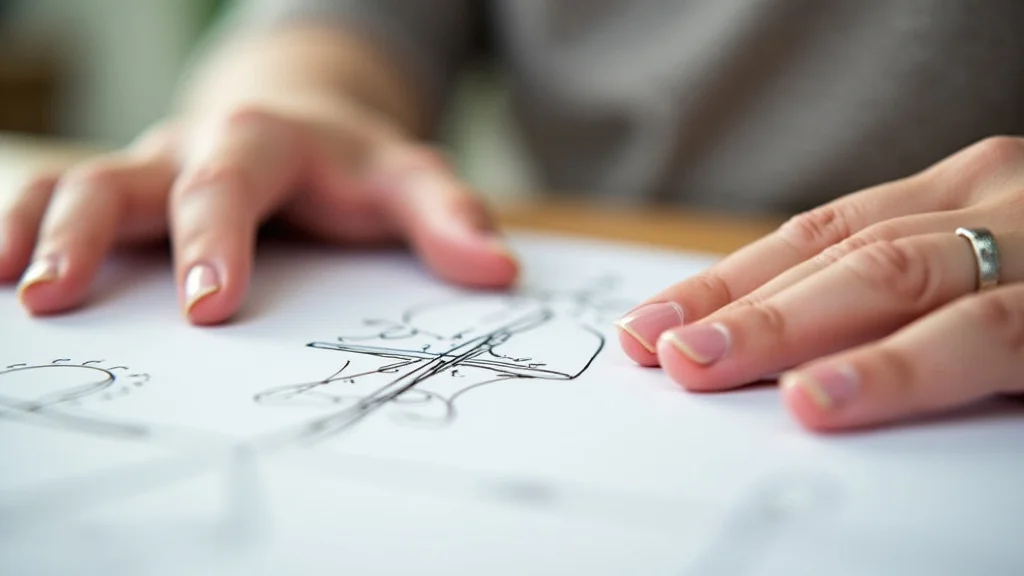
- Planning Your Design: Sketch your design first. This helps determine stitch placement and the overall look of your project.
- Cutting and Shaping: Cut your paper to the size and shape needed for your project. Be precise in your cuts to maintain sharp edges and a clean finish.
- Marking Stitching Lines: Using a ruler and pencil, lightly mark the stitching lines. This helps guide your sewing and keep stitches consistent.
- Pre-Punching Holes (If Needed): For thicker paper or intricate designs, use an awl or piercing tool to pre-punch holes along your marked lines. This will help make the sewing simpler.
Sketching allows you to visualize the finished piece, making it easier to arrange the sewing stitches. Planning your stitches beforehand avoids mistakes and aids in creating a neat appearance.
Accurate cutting is vital for a project’s aesthetics and structural integrity. A neat cut will prevent fraying, giving the paper a more polished appearance. Also, neat cuts set the stage for your design.
Marking the stitching lines is like creating a roadmap for your needle. It guarantees consistency in the spacing and arrangement of your stitches. This step helps maintain a professional finish.
Pre-punching holes creates an easier path for your needle, which reduces the possibility of tearing the paper. It ensures your stitches will be positioned precisely, especially useful for intricate designs.
Basic Sewing Techniques for Paper
Many stitching techniques are available when it comes to sewing on paper. From simple straight stitches to intricate decorative patterns, the possibilities are diverse. With a little practice, you can transform ordinary paper into works of art. Understanding these techniques will improve your crafting skills and allow you to make more elaborate projects.
Straight Stitch and Running Stitch
The straight stitch is the most basic. This stitch is ideal for creating lines, borders, or joining two pieces of paper. It offers simplicity and speed while providing a structured aesthetic. This is the first stitch you should master.
- Straight Stitch: Insert the needle through the paper from the front to the back, then bring it back up a short distance away. Repeat this process to create a continuous line.
- Running Stitch: This is a variation of the straight stitch where the needle goes in and out of the paper in a continuous motion. This will create a dashed line effect.
- Spacing and Tension: Try to keep the spacing and tension of your stitches consistent for a more polished look.
A straight stitch provides a neat, linear appearance that can frame a design or emphasize a particular area. It is best used for basic projects or when seeking a simple aesthetic. The spacing can be adjusted to alter the stitch’s appearance.
A running stitch is faster than a straight stitch, which makes it perfect for quick projects or when you want to make a dotted line effect. The running stitch is also very useful for outlining shapes or adding a playful element to your design.
Maintaining consistent spacing and tension across your stitching is vital for a professional look. Regularly check your work to make sure your stitches are uniform and your thread isn’t pulling the paper too tightly or becoming too loose.
Back Stitch and Decorative Stitches
Enhance your paper crafting with the back stitch and a collection of decorative stitches. The back stitch is stronger and more durable, making it good for outlining or creating solid lines. Decorative stitches bring a special touch, allowing you to create patterns, textures, and details that make your projects unique. Each stitch offers a chance to explore your creativity and create visually stunning artwork.
- Back Stitch: the needle came out. Repeat this by bringing the needle back through the previous hole. This creates a solid, durable line.
- Chain Stitch: Create loops of thread on the surface of the paper. This adds a textured appearance.
- French Knot: A small, raised knot that can be used to add detail and texture.
The back stitch is a robust option that produces a firm, solid line. It’s especially useful for outlining shapes, creating lettering, or adding a detailed touch to your designs. The back stitch is ideal for projects that demand durability and precision.
The chain stitch is a creative option that can add a unique and tactile element to your work. This creates a textured look that can be used for borders, fillings, or adding highlights to your designs. With this technique, you can create a beautiful visual effect.
French knots add a three-dimensional element to your paper creations. This small detail adds texture and visual intrigue, making your designs more striking. Try experimenting with different knot sizes to achieve various effects.
Exploring Different Paper Types
Different paper types offer unique creative possibilities. The behavior of paper during sewing on paper depends on its weight, texture, and how it is made. Learning about different paper types will help you create a broad range of crafts and artworks. By experimenting with various paper types, you can see how each interacts with your stitches. This also allows you to make your craft skills even better.
Cardstock and Heavy Paper
Cardstock and heavy paper are excellent choices for projects that need durability and structure. Their thickness enables them to withstand more manipulation. They are perfect for card-making, scrapbooking, and other projects where stability is key. With these paper options, you can realize complex designs with ease.
- Durability and Stability: The thickness of cardstock and heavy paper makes them sturdy and less prone to tearing or wrinkling during sewing.
- Best for: Cards, invitations, scrapbooking, and projects that will be handled frequently.
- Challenges: You may need to use an awl or a heavier needle to punch holes without tearing the paper.
The strength of these paper types is important for projects requiring robust construction. This durability is especially important for items like cards and decorative pieces that will be handled regularly. The stability reduces the possibility of damage.
They are the perfect choice for projects where longevity and the ability to withstand regular use are important. Their weight gives them a professional appearance, making them ideal for cards, scrapbooks, and other pieces.
Due to the thickness of these paper types, an awl or heavier needle is often needed to pre-punch holes. This makes it easier for the needle to pass through without tearing the paper. This preparation will help preserve the paper and help you finish your project.
Lightweight and Delicate Paper
Lightweight and delicate papers, such as tissue paper and vellum, introduce a unique level of subtlety and beauty. Their transparency and fragility allow for innovative designs and creative effects. The lightness also allows for creative texture and a delicate touch. These paper types inspire delicate crafts. They are great for adding a transparent touch.
- Transparency and Texture: These papers can create see-through designs and add a fragile quality to your artwork.
- Best for: Layering effects, translucent designs, and adding an elegant touch to your artwork.
- Challenges: Handle them with care. Use a fine needle and avoid pulling the thread too tight to prevent tearing.
These papers’ translucent nature allows for interesting layers and visual effects. The textures of these papers add a unique element to any project. Using these papers can enhance the aesthetic value of your project.
They are excellent for adding layers to your projects or creating delicate designs. Their use gives your crafts a distinctive and sophisticated touch, making them perfect for elegant decor.
These fragile papers require delicate handling and fine tools to prevent tearing. Using a small needle and maintaining a light tension on the thread helps keep the paper intact. The right approach is important when working with these materials.
Project Ideas and Inspirations
Ready to get creative? Sewing on paper unlocks a world of artistic possibilities, from personalized cards to decorative elements. These projects highlight the versatility of the method. Experiment with these ideas, and you can create pieces that are visually appealing and showcase your unique creativity. Your imagination is the only limit.
Cards and Stationery
Personalized cards and stationery are a perfect way to express yourself and show your creativity. Sewing on paper adds a handcrafted element to your greetings, allowing you to produce unique cards for any event. This also gives a personal touch to your projects, making them even more meaningful. From simple designs to elaborate patterns, these projects are great for people of all levels.
- Handmade Greeting Cards: Use decorative stitches, such as back stitch or chain stitch, to create designs on cardstock. Add a personal touch to birthdays, holidays, or any other occasion.
- Embellished Stationery: Sew designs onto envelopes, notepaper, or bookmarks. Add embroidery to create customized stationery sets, making your work supplies a little more stylish.
- Technique: Experiment with different types of thread and stitches for unique effects.
Creating handmade greeting cards allows you to design greetings tailored to each recipient. Adding stitches adds texture and visual appeal to your cards. Personalizing your cards with handmade stitches adds a special element of thoughtfulness.
Enhancing stationery with stitched designs turns ordinary paper into functional works of art. These small details add a sense of luxury to everyday objects. Personalized stationery sets are also a fantastic gift idea.
Experimenting with different threads and stitches will take your stationery to a whole new level. These creative choices can generate textured designs that are visually appealing. It will help you develop your own personal style.
Wall Art and Home Decor
Turn your sewing on paper into beautiful decorations for your home. These projects combine art and craft, enabling you to create unique pieces to adorn your walls or add personalized touches to your space. Whether it is a framed piece of art or a decorative accent, sewing on paper gives you a chance to make items that are as beautiful as they are practical. You can showcase your artistic talent.
- Framed Paper Art: Stitch designs onto textured paper and frame them to create artwork. Experiment with patterns, colors, and textures.
- Decorative Accents: Create paper banners, garlands, or decorative elements to embellish your space. Sew the paper with bold threads.
- Technique: Use contrasting thread colors and bold stitches to make your art pop.
Framed paper art offers a method to display your crafting skills in your home. Experimenting with different textures will produce visually appealing artworks. This lets you make custom decor pieces for your home.
Decorative accents bring a handmade touch to your home decor, offering a feeling of warmth and personality. Sewing gives you the ability to customize any space to suit your taste. These projects are an excellent way to use your creativity.
Experimenting with bold thread colors can bring attention to your creations. Varying the stitch types and thread colors will add visual interest. This technique provides a way to make distinctive and attractive pieces for your home.
Troubleshooting Common Issues
As you begin sewing on paper, you may face a few challenges. Here are some of the most common issues. Knowing how to resolve these issues will improve your crafting skills and allow you to finish your projects with success. Understanding the best methods to solve these problems will ensure a better overall experience.
Tearing the Paper
Tearing the paper is one of the most common problems. It can happen for several reasons. Understanding the causes and implementing the proper techniques can reduce the chance of tearing and save your project. Careful management of your tools and techniques is important.
- Cause: Using a needle that is too thick for the paper, pulling the thread too tightly, or not pre-punching holes in the paper.
- Solution: Use a fine needle, avoid pulling the thread too tightly, or pre-punch holes with an awl.
- Prevention: Always test your stitching on a scrap piece of paper first.
Using a needle that is too thick forces the paper to tear as the needle moves through the surface. Pulling the thread too tightly puts tension on the paper, resulting in tearing. Always pre-punch holes in heavier paper.
Select a needle that matches the paper thickness. This ensures a smooth passage of the needle without damaging the paper. Also, adjust the tension to avoid excessive strain. Pre-punching creates guide holes for your needle, which reduces the chance of tearing.
Testing your stitching helps you check your technique and make sure your settings are appropriate for your project. This preventive measure will help you prevent mistakes and save both time and paper.
Thread Issues
Thread issues are another frequent problem, ranging from tangles to thread breaking. Correctly handling thread can prevent the frustration and problems that can happen during sewing on paper. These tips can help you work smoothly, resulting in a cleaner and more appealing finish.
- Cause: Using poor-quality thread, pulling the thread too fast, or threading the needle incorrectly.
- Solution: Use good-quality thread, sew at a steady pace, and re-thread the needle if needed.
- Prevention: Ensure the thread is smooth and tangle-free before sewing.
Cheap threads are more prone to breaking and fraying. Pulling the thread too quickly can cause tangling. Incorrectly threading the needle can lead to problems during sewing. You should keep these factors in mind for a better outcome.
Selecting good-quality thread is very important for the appearance and durability of your project. Sewing at a constant pace helps prevent tangling and provides a smooth workflow. If you have any problems, it is usually best to re-thread the needle and begin again.
Prepping your thread ensures that the sewing process goes smoothly, reducing the possibility of tangles and breaks. This is an essential step to achieve a smooth appearance.
Common Myths Debunked
Frequently Asked Questions
Question: Is sewing on paper hard?
Answer: No, sewing on paper can be simple, especially for basic projects. It just requires practice and the correct tools.
Question: What is the best type of thread for sewing on paper?
Answer: Embroidery floss, sewing thread, and specialty threads work well. It’s best to choose the thread based on the look you want.
Question: Can I use a sewing machine to sew on paper?
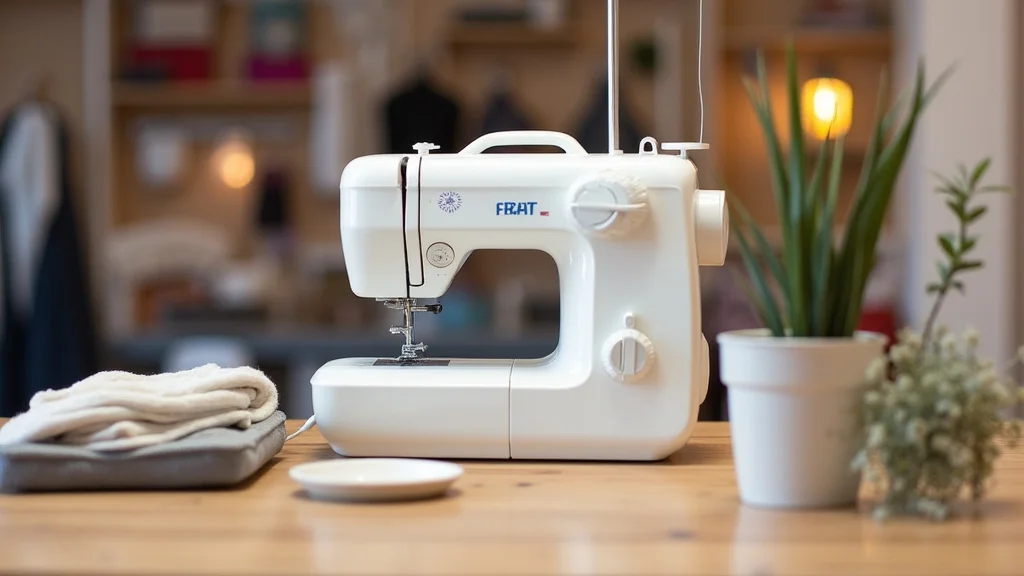
Answer: You can use a sewing machine on paper, but only with thin paper and with some adjustments. It’s often easier to sew by hand.
Question: How do I make holes in the paper for sewing?
Answer: You can use an awl, a piercing tool, or a needle to create holes, depending on the paper’s thickness.
Question: What can I make by sewing on paper?
Answer: You can create handmade cards, decorative wall art, unique stationery, and much more!
Final Thoughts
You now possess the foundational knowledge and inspiration to begin your adventure in sewing on paper. From understanding the right tools and techniques to finding ideas for your projects, you’re well-equipped to use paper as your canvas. Experiment with various paper types and stitches to develop your own personal style, and do not be afraid to create art. Embrace the creative freedom and start making projects today. You’re now ready to craft beautiful, stitched creations.