Picture this: you’ve just finished printing a fantastic 3D model, maybe a cool cosplay accessory or a personalized gadget holder. But then, you realize it needs a little something extra, perhaps some fabric integration or a way to connect different printed pieces. This is where sewing 3D prints enters the picture. This guide will show you how to seamlessly combine the world of 3D printing with the traditional art of sewing, opening up new possibilities for your projects. You’ll learn the techniques, materials, and tools you need to create amazing hybrid designs, boosting your skills and expanding your creative horizons. Prepare to explore a world where plastic and cloth become best friends!
Key Takeaways
- Learn the fundamental techniques for attaching fabric to 3D-printed parts.
- Discover the best types of fabrics and threads for hybrid projects.
- Master the tools and equipment needed for successful sewing integration.
- Explore design considerations for integrating fabric and 3D prints.
- Find useful methods to reinforce and stabilize fabric-printed projects.
- Explore useful examples of projects that combine sewing 3d prints.
Getting Started With Sewing 3D Prints
The convergence of 3D printing and sewing is a relatively new frontier, offering creators a plethora of new design capabilities. It allows you to produce items that combine the durability and precision of 3D prints with the flexibility and aesthetics of fabric. Whether it’s adding cloth elements to a costume, integrating pockets into a 3D-printed bag, or creating interactive soft components for a printed toy, this process can elevate your projects. This section outlines the initial steps, tools, and materials needed to start mixing these two worlds.
Choosing the Right Materials
The materials you select are critical for the success of your project. Several factors impact the results, including the compatibility between the print material and the fabric, the fabric’s characteristics, and the thread used for sewing. Understanding these components will help you make decisions that ensure the durability and visual appeal of your final piece. Proper selection reduces the chance of wear and failure over time, creating a product that lasts a long time.
- 3D Print Materials: The most common plastic used is PLA (Polylactic Acid). It’s generally a great option for its ease of printing and biodegradability. However, ABS (Acrylonitrile Butadiene Styrene) is often preferred for its resistance to heat and impact. PETG (Polyethylene Terephthalate Glycol) also offers a good balance of strength and flexibility. Consider the project’s use case to select the best filament.
- Fabric Choices: Lightweight fabrics like cotton, linen, and silk are excellent for many applications. They’re easy to manipulate and provide a nice aesthetic. For projects needing more strength or weather resistance, consider nylon, canvas, or even neoprene. These fabrics are more durable but can be more complicated to work with.
- Thread Selection: The thread must be strong enough to hold the fabric and the plastic together. Polyester thread is a good all-around choice for its strength and resistance to stretching. Nylon thread is stronger and can be helpful for heavier fabrics or where the stitching will get a lot of stress. Cotton thread is great for its natural look, though it is not as strong.
Essential Tools and Equipment
Having the correct tools makes the process smoother and more enjoyable. These tools will enable you to accurately measure, cut, and join the components for a functional and visually appealing finish. This section guides you through the necessary tools, including their uses and the role they play in completing hybrid creations. Having the right tools will make your projects less frustrating.
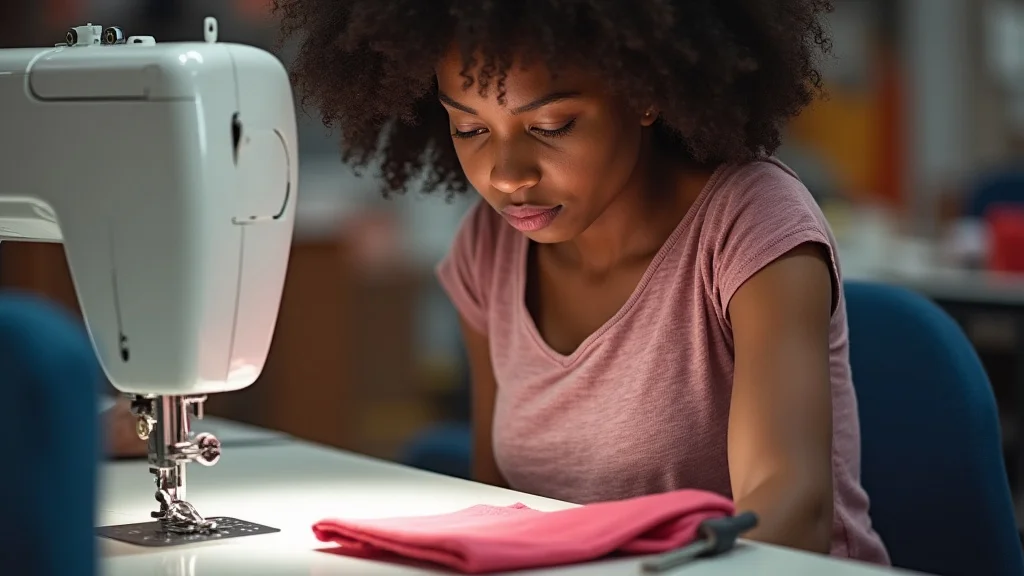
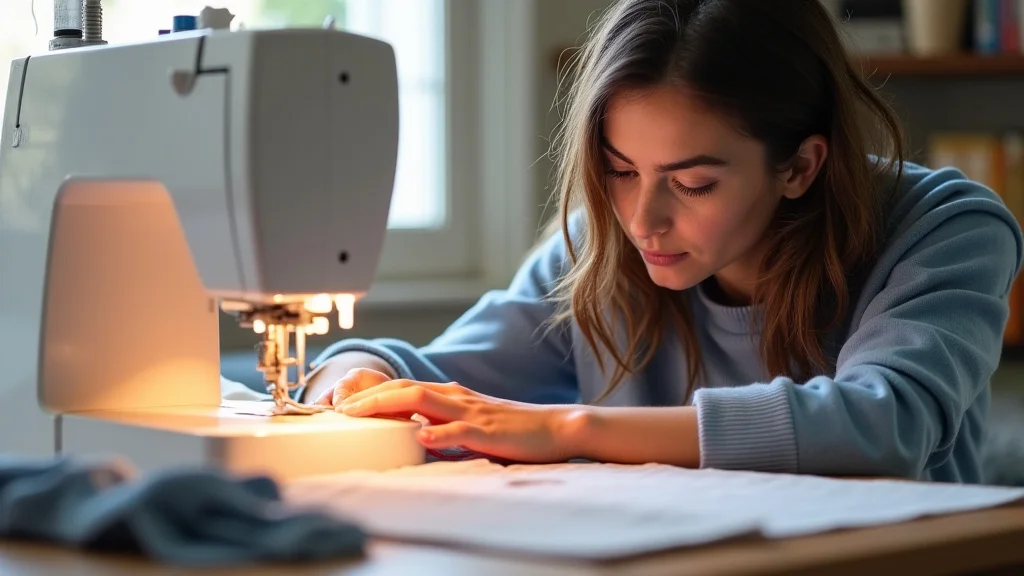
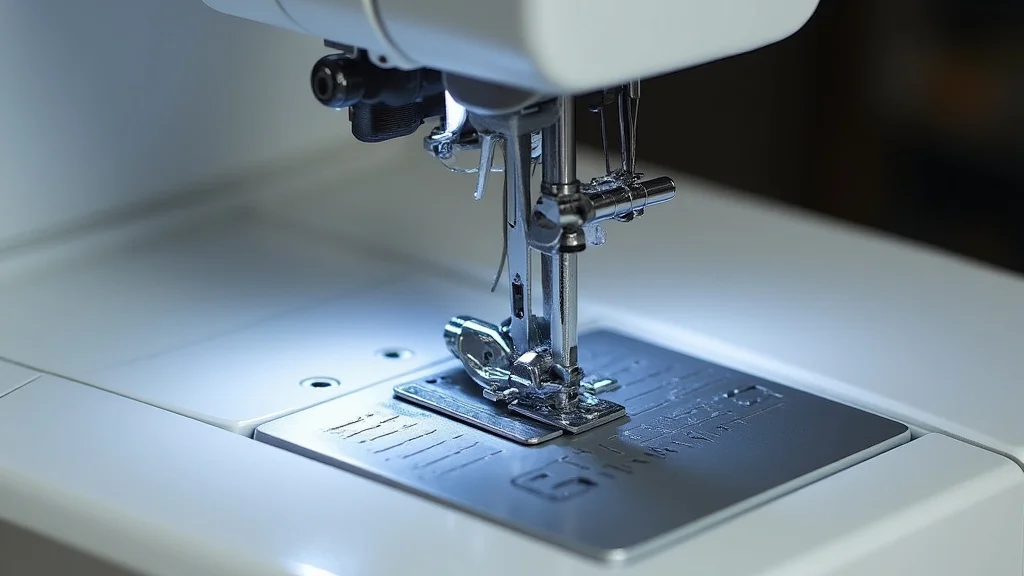
- Sewing Machine: A sewing machine is the core tool for attaching fabric to 3D prints. Choose one with adjustable settings for stitch length and tension. Many basic home machines work well, but a machine with a powerful motor can handle heavier fabrics.
- Needles: Select needles that are appropriate for both the fabric and the type of thread used. For example, a universal needle works fine for cotton, while a denim needle is necessary for heavier fabrics. Always use a needle that can pierce through the materials without breaking or bending.
- Scissors/Rotary Cutter: These are essential for cutting fabric. Rotary cutters provide accurate cuts. Scissors are good for trimming and more detailed work. Invest in good-quality tools to ensure clean cuts.
- Measuring Tools: A measuring tape and ruler will help you measure accurately, ensuring the proper fit between the fabric and the print. These are critical for consistent results.
- Seam Ripper: This is a must-have for removing stitches. It’s an important tool for correcting mistakes and refining the finish.
Preparing 3D Prints for Sewing
Before sewing, you must prepare the 3D-printed parts. This preparation includes cleaning, smoothing, and adding any necessary structures to facilitate the sewing process. Proper preparation helps increase the chances that the sewing will last and look beautiful. The sections below outline key steps.
- Cleaning: First, remove any supports or excess material from the print. Use a utility knife to clear away any unwanted pieces. Clean the surface to remove any oils or imperfections. This ensures that the sewing will adhere smoothly.
- Smoothing: Sand down any rough edges or surfaces. This will prevent the fabric from snagging or becoming damaged during the sewing process. Using various grit sandpaper will help to achieve a smooth finish.
- Adding Attachment Points: You might need to add attachment points like holes, loops, or channels to the 3D-printed parts. These will serve as anchors for the needle and thread, allowing the fabric to be securely attached to the print. This can be done by designing these components within your 3D model or drilling after printing.
Sewing Techniques for 3D Prints
This part focuses on the best sewing techniques for joining fabric and 3D prints. These techniques will improve the durability and appearance of your projects. The details of these methods will guide you through the process, helping you to achieve professional-looking results. Mastering these methods will expand your creative abilities.
Hand Sewing vs. Machine Sewing
Both hand sewing and machine sewing can be used for sewing 3D prints. The right one depends on the nature of the project and the level of detail required. Hand sewing offers greater control and is best for small or complicated parts. A machine is better for quicker production and projects that require a lot of stitching.
- Hand Sewing: This is useful for intricate work, small details, or when a machine is not practical. Use a needle and thread to carefully stitch the fabric to the 3D print. Running stitch, backstitch, and saddle stitch are useful stitches to master.
- Machine Sewing: Machines are best for larger projects that require long lines of stitching. The machine ensures consistent stitching and makes production faster. Adjust the machine settings to fit the fabric and thread.
- Technique Selection: Consider the complexity of your project, the fabric type, and the amount of detail. If the detail is important and the quantity of the item is small, hand sewing might be a better choice. When you need to create a lot of items and the detail is not critical, use a sewing machine.
Types of Stitches for Hybrid Projects
The choice of stitch type influences the durability and appearance of the project. Different stitches work best for different applications. This section reviews common stitch types and their applications. Correctly applying the proper stitches ensures that the fabric is securely attached to the 3D print and that the final look meets expectations.
- Straight Stitch: This is the most basic and frequently used stitch. It’s great for straight seams and attaching fabric edges to 3D-printed parts. Use it to connect fabric panels.
- Zigzag Stitch: This stitch is excellent for its flexibility and resistance to fraying. It’s useful for attaching fabric edges, especially those that need to stretch. Use it for reinforcing seams or for attaching elastic.
- Overlock Stitch: This stitch, often done on a serger machine, is useful for finishing edges and preventing fraying. It’s a professional finish for sewn projects, giving a neat edge.
- Decorative Stitches: Use decorative stitches for a creative touch. These stitches can add a custom look. They can be found on most home sewing machines.
Attaching Fabric to 3D Prints
This process requires precision and care to ensure the two materials merge seamlessly. A number of techniques can be used, with each providing distinct benefits. The details below provide comprehensive instructions on the most effective methods to achieve a professional result.
- Sewing Through Pre-Designed Holes: Design holes into your 3D print and sew the fabric directly through them. This gives a strong mechanical connection. This is a common and reliable method.
- Sewing Along Edges: Sew the fabric to the edge of the 3D print. This is helpful when the print has a lip or a flat surface that you can sew to. The straight or zigzag stitch is used to make the attachment.
- Using Fabric Strips or Tabs: Attach fabric strips or tabs to the 3D print. Then, sew the main fabric to these tabs. This is useful for complicated designs or when you want to avoid sewing directly into the main print.
- Creating a Pocket or Sleeve: Design a pocket or sleeve to hold the 3D print. Sew the pocket or sleeve to the fabric to enclose the 3D-printed component. This creates a secure and enclosed space.
Design Considerations
To successfully combine 3D printing and sewing, it is helpful to design the items to work together from the start. This involves planning how the parts will attach and how the fabric will integrate with the 3D print. Careful design can simplify the sewing and improve the finished product. This section provides key design recommendations.
Integrating Fabric into Your 3D Model
Successful integration begins with planning. It’s useful to consider the role of the fabric and how it will interact with the 3D-printed parts. These design considerations guarantee that all parts fit, function, and give the visual result that you want. By adding the fabric into your model, you can streamline the process and improve its performance.
- Planning the Seams: Think about where the seams will be in your project. Strategically plan how the fabric will connect to the 3D print. Consider the shape and the best ways to connect the two materials.
- Creating Attachment Points: Include holes, slots, or channels in your 3D model to attach the fabric. These points offer a sturdy spot for the thread to go through, which gives a strong, long-lasting connection.
- Designing for Flexibility: When fabric is used, think about how the design must adapt to be flexible. Add features that can bend or move with the fabric. The design must accommodate the movement.
- Using Overlap and Alignment: Plan for overlap where the fabric meets the 3D print. This provides a clean look and a more secure attachment. Include guides or alignment features in your model to aid in the assembly.
Choosing the Right Fabric Placement
How you place the fabric can significantly affect the function and look of your item. Carefully think about where the fabric will be, how it interacts with the 3D print, and what effect you wish to achieve. From covering the whole print to adding smaller details, these methods help you use the materials to their maximum benefit.
- Partial Covering: Cover only parts of the 3D print. This preserves some of the print’s details while adding fabric elements. This approach can be applied for accents.
- Full Covering: Encase the entire 3D print. This allows for total fabric integration, providing a seamless, soft texture. This can be used for costumes.
- Incorporating Pockets and Panels: Add pockets or panels using fabric to the print. These details can give function and a unique appearance. Use the different materials to create a functional item.
- Creating Structural Elements: Use fabric for structural parts. Fabric can add support or function. Think about using fabric to make hinges, joints, or other flexible connections.
3D Printing Considerations for Sewing
The 3D printing process affects the sewing process. Print settings, orientation, and post-processing can make sewing easier. Taking time with these details will improve the success of sewing. You will reduce difficulties when the print is ready to be sewn. These ideas help to adjust the prints for easy sewing.
- Print Orientation: Orient the print to put the necessary points in the correct places. If you want to use the edges for sewing, make sure these edges are in an easily accessible location during printing.
- Support Structures: Correctly use support structures. Supports might be required for overhanging elements, but they must be removed without damaging the 3D print. If supports have to be used, position them to reduce any extra cleanup needed after printing.
- Infill and Layer Height: The choice of infill density and layer height affects the print’s strength and sewing capabilities. A higher infill provides more stability for sewing, while finer layer heights make smoother surfaces.
- Post-Processing: Smoothening the 3D print surface to reduce friction and improve the quality of sewing. Properly prepared surfaces allow for better stitch and attachment.
Reinforcement and Stabilization Techniques
When combining 3D prints and fabric, you often need to improve the durability and stability of the result. Reinforcement methods can prevent wear and tear, and stabilization techniques can assist in maintaining shape and functionality. This part covers practical methods to improve your creations.
Using Interfacing and Stabilizers
Interfacing and stabilizers are key components that give added structure and durability. They can be added to the fabric, the 3D print, or both. Knowing how to use these materials will improve the longevity of your projects.
- Interfacing: This material gives structure and body to fabric. It can be fusible or sew-in and is perfect for adding firmness to fabric sections before sewing to a 3D print. Use interfacing to prevent stretching or distorting during the sewing process.
- Stabilizers: These materials, like embroidery stabilizers, prevent the fabric from moving during sewing. They’re excellent for designs with high stitch counts or for preventing puckering on lightweight materials. Choose stabilizers suitable for the fabric and design.
- Applying Interfacing: Fuse interfacing to the back of the fabric. Sew-in interfacing is secured with stitches. Ensure that the interfacing does not change the fabric’s properties.
- Using Stabilizers: Place the stabilizer beneath the fabric while sewing. After sewing, remove the excess stabilizer. Select the proper stabilizer according to the fabric and design.
Reinforcing Seams and Joints
Reinforcing seams and joints is critical for the long-term integrity of your hybrid projects. These methods involve making your seams stronger and more resistant to stress. With these techniques, you can ensure that the items you make can endure everyday use.
- Double Stitching: Re-stitch seams for strength. This is especially good for high-stress zones or spots that will undergo regular tension. This process gives extra durability and stops the seams from splitting.
- Bar Tacks: Use bar tacks at points of strain, such as seams. This is a small, closely stitched reinforcement that stops the fabric from ripping.
- Reinforcement Strips: Sew strips of fabric or other materials to reinforce joins or the backs of seams. These strips add additional structure to high-stress locations. This offers additional stability to the seams.
- Rivets and Eyelets: Add rivets or eyelets to strengthen specific spots on your hybrid print. These fasteners can add strength and give a different aesthetic look.
Choosing the Right Fasteners
Fasteners like zippers, buttons, and hook-and-loop closures play a key part in the utility and design of your projects. Choosing the correct type and correctly applying these fasteners can improve the user experience and the overall aesthetics. These methods add a professional finish to the mixed creations.
- Zippers: Zippers enable an easy way to open and close parts. Sew the zipper to the fabric sections or straight onto the 3D print for a secure closure. Zippers give an easy way to access the item’s contents.
- Buttons: Buttons are a classic closure method. Sew the buttons to the fabric and create buttonholes. Buttons are great for a decorative finish.
- Hook-and-Loop (Velcro): This closure is good for projects where fast access is required. Attach the hook and loop pieces to fabric or directly to the 3D print. Velcro is ideal for parts that open and close frequently.
- Snaps: Snaps add a secure closure. Attach snaps to fabric and the 3D-printed parts. Snaps offer a simple but secure closure.
Examples and Case Studies
Real-world examples demonstrate the potential of mixing 3D printing and sewing. These use cases show how to blend these technologies into something special. These are practical projects and a creative mix of 3D printing with sewing.
Costume Design and Cosplay
Cosplay and costume design profit hugely from combining 3D printing and sewing. You can design complicated, custom outfits. You may make strong body armor or flexible fabric elements using the methods listed earlier. These techniques enable creators to create unique, realistic, and visually spectacular costumes.
- Armor Pieces with Fabric Details: 3D print armor parts and then incorporate fabric elements for comfort and looks. For example, a helmet can have fabric padding for a cozy fit or cloth straps for adjustment.
- Hybrid Weaponry: Combine a 3D-printed weapon core with fabric features. You can add fabric grips or decorative parts for extra appeal. This adds detail to the item.
- Fabric-Integrated Clothing: Mix 3D-printed parts with tailored clothing, such as 3D-printed accessories. You may add details such as a 3D-printed collar.
Bags and Accessories
The method is ideal for creating custom bags and accessories. You can produce functional bags that also look attractive. By incorporating both fabrics and 3D printing, you can create new designs for your everyday carry.
- Custom Handbags: Design a 3D-printed framework for a handbag, then add fabric panels. The result is a unique, long-lasting bag. Add pockets for features or decorative sections using both materials.
- Wallet and Card Holders: Mix 3D-printed frames with sewn fabric components. This combines rigidity with a soft, usable finish.
- 3D-Printed Backpacks with Fabric Pockets: Design a backpack with a printed frame and add fabric pockets. The combination of materials results in a rugged and well-made bag.
Interactive Toys and Props
For toy production, blending 3D printing and sewing allows the production of engaging and interactive items. Use these techniques to create toys with movable parts, fabric accents, and improved functions. These hybrid designs improve playtime.
- Plush Toys with 3D-Printed Elements: Make plush toys and add 3D-printed parts. Add printed arms or features to the cuddly items.
- Interactive Puppets: Create puppets with 3D-printed components. Attach fabric to the moving features for articulation.
- 3D-Printed Plushies: Make plushies with printed details. Add sewn fabric for more flexibility and a cuddly look.
Common Myths Debunked
Myth 1: Sewing 3D Prints Is Too Difficult
In reality, mixing 3D printing and sewing is easy with practice. Although it could seem complex at first, the methods are straightforward. Begin with easy projects and progressively increase complexity as you master the different strategies. Many online resources and courses can assist you in learning this skill.
Myth 2: 3D Prints and Fabric Won’t Last
If you choose the correct materials, the prints and fabric can last a long time. The durability depends on the materials and how they’re combined. Using strong filament, durable fabric, and reinforcing seams will increase the durability of your creations. With careful design and build, you can make pieces that can withstand regular wear and tear.
Myth 3: You Need Special Machines
While specialist tools improve your outcomes, you don’t require them to get started. You may begin with a standard sewing machine, basic sewing equipment, and basic 3D printing setup. Advanced equipment, such as a serger or embroidery machine, will expand your skill set. However, a regular setup can create amazing, detailed designs.
Myth 4: Only Experts Can Do It
This skill is achievable for people of every skill level, from beginners to experts. Start with basic designs, and progressively increase the complexity. Practice and willingness to learn are more essential than skill. Online guides, classes, and communities are available to help you along the way.
Myth 5: It’s Expensive
It’s not. The costs are comparable to traditional sewing or 3D printing. The price is dependent on the materials selected. PLA filament and common fabrics are often economical options. Over time, as you create projects, your costs will be lower. The value comes in the ability to create customized creations.
Frequently Asked Questions
Question: What’s the best 3D printing material for sewing projects?
Answer: PLA is great for beginners due to its ease of use. However, for more durable projects, ABS or PETG are preferred because they are stronger and more temperature resistant. The best choice is based on the demands of the project.
Question: Which type of thread is best for sewing 3D prints?
Answer: Polyester thread is a good all-around solution since it is sturdy and stretches less than cotton. Nylon thread is excellent for tougher jobs, and cotton thread is good for projects where aesthetics are essential.
Question: How do I ensure my stitches stay in place?
Answer: Use a zigzag stitch to reinforce seams. Ensure the thread tension is correct and the needle is compatible with the fabric. Use reinforcement methods to make your seams stronger.
Question: Can I use a regular sewing machine?
Answer: Absolutely! Most basic home sewing machines are ideal for starting. It’s useful to have features for adjusting the stitch length and tension.
Question: How do I attach fabric to a curved 3D-printed surface?
Answer: Employ patterns and design the 3D print to have sewing channels. This makes it simpler to attach the fabric by sewing it into the channels. You may cut the fabric to fit the curves.
Final Thoughts
Sewing 3D prints opens up a world of possibilities for creators, combining the accuracy of 3D printing with the versatility of fabric. It is a fusion that enables the making of personalized, functional, and aesthetically beautiful items. When you start, remember to start with simple projects. From costumes and accessories to toys and props, the creative scope is limitless. As you learn the basics, experiment with various materials and techniques. Seek inspiration from other crafters, join online groups, and don’t be afraid to try new concepts. With patience and persistence, you’ll be able to create stunning hybrid items that blend structure and softness. The abilities you acquire will improve your design skills and provide a way to express your creativity. Happy making!