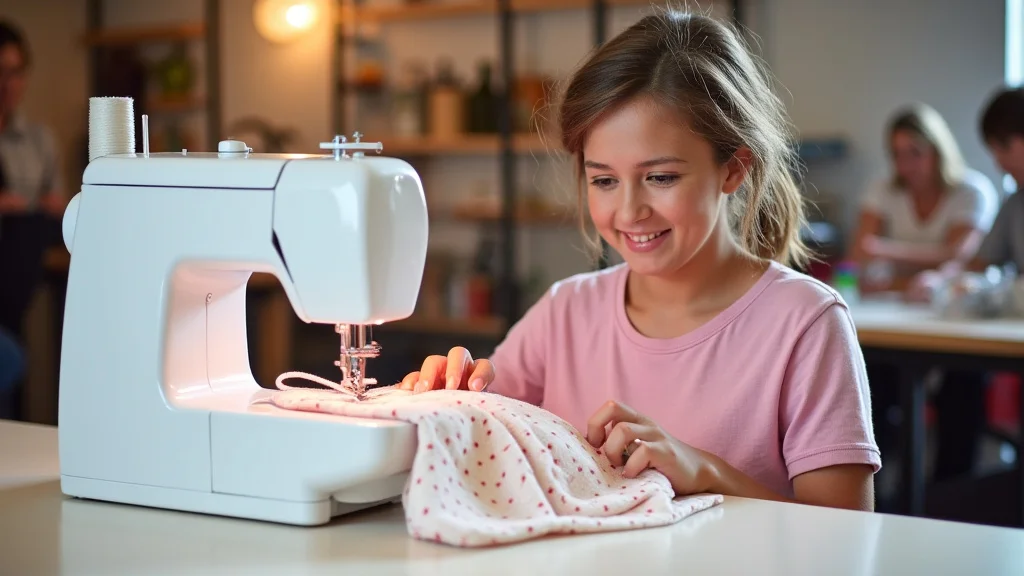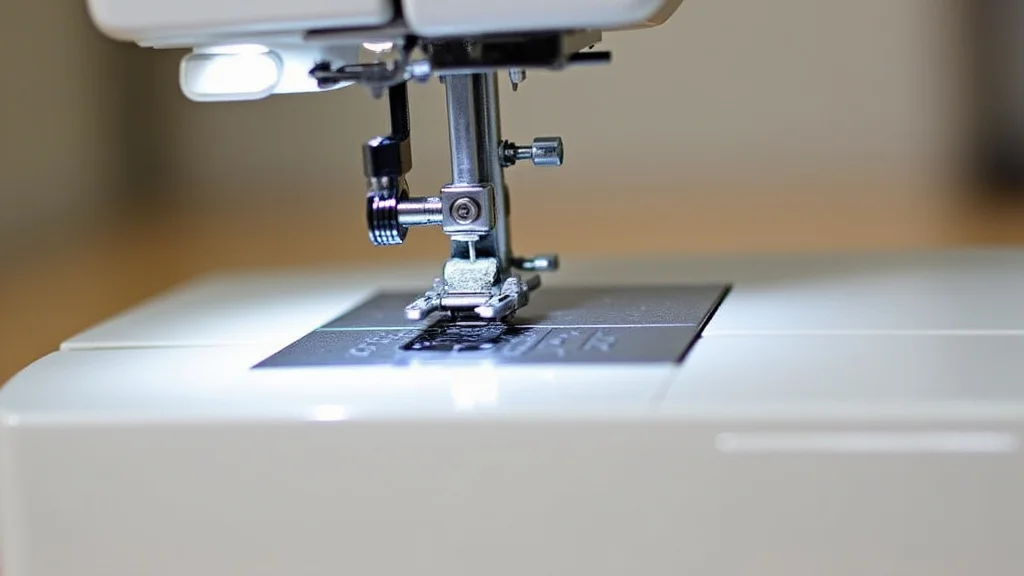
Ever tried to neatly trim multiple fabric layers while sewing, only to end up with a wonky edge and frayed threads? I’ve been there! It’s frustrating, especially when you’re aiming for that professional finish. This guide is your personal assistant, designed to help you master the sewing knife presser foot and achieve clean, precise edges on various projects. You’ll gain a thorough grasp of how it functions, the various types available, and the best practices for use. By the end, you’ll be confident in using the sewing knife presser foot to elevate your sewing skills and achieve flawless results every time.
Key Takeaways
- Learn what a sewing knife presser foot is and what it does.
- Discover the advantages of using a sewing knife presser foot in your sewing projects.
- Identify the different types of sewing knife presser feet available.
- Find out how to choose the right sewing knife presser foot for your needs.
- Understand the proper techniques for using a sewing knife presser foot.
- Explore tips for maintaining and troubleshooting your sewing knife presser foot.
Unveiling the Sewing Knife Presser Foot’s Purpose
The sewing knife presser foot is a specialized attachment for sewing machines, and it’s a real time-saver. This amazing tool is fitted with a small, sharp knife that trims the fabric edges as you sew. This means that as your fabric moves under the needle, the knife neatly slices off any excess material, creating a clean and professional finish. Think of it as a built-in fabric cutter, keeping your seams tidy and preventing fraying. Using this foot gives your projects a polished look, perfect for a variety of fabrics and sewing tasks. It’s a must-have for anyone serious about elevating their sewing game.
What is a Sewing Knife Presser Foot?
The sewing knife presser foot is more than just a presser foot; it’s a fabric-trimming and edge-finishing machine in one. It attaches to your sewing machine in place of a standard presser foot. This specialized foot includes a tiny, sharp blade, similar to a rotary cutter, that is strategically positioned to trim the fabric’s edge. As you sew, the knife cuts away the excess fabric, and the needle creates a neat seam. This results in a cleaner, more professional edge. It prevents fraying and keeps your seams precise, which is especially beneficial when working with multiple fabric layers or delicate materials.
- Blade Mechanism: The key part is the blade, usually made of hardened steel, which is designed to slice through fabric cleanly.
- Fabric Guide: Many designs include a guide to assist in maintaining a consistent seam allowance.
- Feed Dog Compatibility: It works in harmony with the machine’s feed dogs, which move the fabric under the needle.
- Applications: Excellent for seam finishing, overlocking edges, and creating clean lines in garment construction.
The design of the sewing knife presser foot includes a blade that cuts the edge of the fabric as you sew. This blade is often made of hardened steel for durability and sharpness, and it’s positioned to ensure a clean cut. The fabric guide helps maintain a consistent seam allowance, allowing you to sew accurately. This foot is very handy in garment construction, making seam finishing and overlocking much easier. It also creates clean lines when working with different fabric types. This foot simplifies sewing by combining trimming and sewing operations into one, saving time and ensuring a polished final result.
The Benefits of Using a Sewing Knife Presser Foot
Using a sewing knife presser foot offers numerous benefits, making it a favorite for both beginners and experienced sewists. It improves the look and durability of your projects. You can say goodbye to messy edges and frayed seams. This foot provides a much smoother sewing experience and increases accuracy. These perks contribute to your sewing projects’ long-lasting quality and aesthetics, adding value to your work.
- Clean Edges: The primary advantage is creating clean, finished edges that prevent fraying.
- Accuracy: It helps maintain a consistent seam allowance, ensuring your projects are precise.
- Efficiency: It combines trimming and sewing in one step, saving time and effort.
- Professional Finish: Gives your projects a professional look, suitable for garments and crafts.
- Versatility: Works with a variety of fabrics, from lightweight to medium weight materials.
A major benefit is the clean edges it produces. This saves the need for edge finishing after sewing, such as serging or zig-zag stitching. It also helps to maintain a consistent seam allowance, boosting accuracy in your projects. The knife foot simplifies the sewing process by combining trimming and sewing into one easy step. This saves time and effort. The result is a professional appearance, making your creations ideal for garments and crafts. It works on a variety of fabrics, from lightweight to medium weight materials, making it a versatile tool for various sewing tasks.
Types of Sewing Knife Presser Feet
There are different types of sewing knife presser feet available to accommodate various sewing needs and machine types. While the core function remains the same, the design and features vary. Knowing the types available helps you select the best one for your projects, ensuring your sewing machine and desired outcome are compatible. Different styles are made for different purposes, giving sewists more choices. This allows you to select the perfect tool that makes sewing projects much more simple.
- Standard Knife Foot: This is a basic model, ideal for general sewing and edge finishing.
- Overlock Knife Foot: Designed to mimic the finish of an overlock or serger machine.
- Adjustable Knife Foot: Features an adjustable blade for customizing the cutting width.
- Blind Hem Knife Foot: Specifically used for creating blind hems with a clean, cut edge.
The standard knife foot is a simple and effective design for everyday sewing projects and edge finishing. The overlock knife foot is made to create a finish like an overlock machine or serger, making the seams sturdy and professional. Adjustable knife feet give you control over the cutting width, so you can adapt to different fabric weights and project requirements. The blind hem knife foot is perfect for creating invisible hems with a neat, cut edge, often used on skirts and trousers. Choosing the right foot depends on the project and the level of edge finish needed.
Mastering the Sewing Knife Presser Foot Technique
Using a sewing knife presser foot effectively is all about the correct setup and technique. It may seem intimidating at first, but with practice, you will discover that it is a tool that produces amazing results. Learning the correct steps and how to adapt them to different projects will improve your skills. Here, we’ll go through the basic steps, the critical fabric and stitch adjustments, and how to avoid potential problems. Once you understand the fundamentals, you’ll find that it becomes much easier, allowing you to improve your precision and produce top-quality results with every project.
Setting Up Your Machine
Preparing your machine properly is essential before using your sewing knife presser foot. It starts with selecting and fitting the correct foot and fine-tuning the settings on your machine. Proper setup ensures the knife operates correctly. It helps to keep your cuts neat, improve the look of the seams, and prevent problems while you are sewing.
- Attach the Foot: Securely attach the sewing knife presser foot to your machine, following the instructions.
- Needle Position: Ensure the needle is correctly aligned with the blade for a clean cut.
- Thread Tension: Adjust the thread tension for the best stitch quality, preventing puckering.
- Stitch Selection: Choose a straight stitch or a suitable stitch for the desired seam finish.
To begin, fit the sewing knife presser foot securely to your sewing machine, consulting your machine’s manual for guidance. Check the needle position to ensure it is correctly aligned with the blade to produce a clean cut. Correct thread tension is vital to avoid puckering and ensure the seams lay flat. Select a straight stitch or a specific stitch type, such as a three-thread overlock stitch, depending on your project. Taking these steps will ensure optimal functionality and help you to get started without difficulty.
Fabric and Stitch Adjustments
Adjusting the fabric and stitch settings to match the fabric type and the finish you want is vital for perfect results with a sewing knife presser foot. Learning these settings will help ensure your stitches are effective and professional. These adjustments help you control the process, letting you handle anything from lightweight silks to heavier denims with ease. Making the proper adjustments will ensure your project comes out perfectly every time.
- Fabric Type: For lightweight fabrics, use a narrower seam allowance and slower speed.
- Seam Allowance: Adjust the seam allowance based on your pattern requirements.
- Stitch Length: Shorter stitch lengths are ideal for curves and finer fabrics.
- Stitch Width: The stitch width affects how the knife trims the fabric, so adjust accordingly.
If you’re sewing on lightweight fabrics, select a narrower seam allowance and reduce the sewing speed to ensure a smooth cut and avoid puckering. Adjust the seam allowance according to the pattern requirements, making it larger or smaller as needed. Shorter stitch lengths work well for sewing curves and fine fabrics, as they provide a more stable seam and prevent fraying. Change the stitch width, particularly when using an overlock stitch, to affect how the knife trims the fabric and achieves the look you want. These changes allow you to adjust the foot for the fabric type and achieve the best possible result.
Preventing and Resolving Issues
Even with careful planning, it is normal to run into problems when using a sewing knife presser foot. Identifying these problems and understanding how to fix them will help you improve your skills and keep your projects running smoothly. Here, you’ll find common issues and effective solutions to keep your projects on track.
- Blade Dullness: If the blade is dull, it may not cut smoothly; replace it.
- Skipped Stitches: Check needle and thread, and adjust tension.
- Fabric Jamming: Check the feed dogs and clear any fabric buildup.
- Uneven Cutting: Make sure the foot and needle are properly aligned.
A dull blade can lead to uneven cuts and damaged fabric; regular replacement is essential. If you experience skipped stitches, inspect the needle and thread, and adjust the tension settings on the machine. If the fabric jams, inspect and clean the feed dogs, as well as the area surrounding the blade. If you observe uneven cutting, confirm that the foot and needle are properly aligned and that the settings are matched to your fabric type. Fixing these issues will keep your projects on schedule.
Choosing the Right Sewing Knife Presser Foot
Selecting the proper sewing knife presser foot is essential for getting the best results. The right foot makes a difference in your sewing success. Your choice depends on the type of projects you undertake and the materials you often use. Here’s a breakdown of the various types and their intended applications to help you make the best choice. This will enhance your sewing projects and increase the quality of your finished work.
Factors to Consider
Choosing the right sewing knife presser foot involves more than just selecting a random attachment; it involves considering your sewing projects and the materials you frequently use. The sewing experience is improved by knowing the details of the foot’s features. Knowing the specifications and capabilities of these feet will allow you to make the ideal selection to match the project’s details and fabrics. This will boost the precision and quality of your sewing.
- Fabric Types: Consider the fabrics you frequently work with (e.g., lightweight, heavy).
- Project Needs: Choose a foot that suits your project requirements (e.g., straight seams, curves).
- Machine Compatibility: Make sure the foot is compatible with your sewing machine model.
- Seam Finish: Think about the desired seam finish (e.g., overlock, straight stitch).
Think about the types of fabrics you often sew: lightweight or heavy fabrics. For example, if you typically work with delicate silks, a foot suitable for those fabrics will be necessary. Select a foot based on your project requirements, like straight seams or curves. Consider your sewing machine model, since the foot needs to be fully compatible with your machine. Consider the seam finish you want, such as an overlock or straight stitch finish, to select the best type of foot for that purpose.
Types and Applications
Each type of sewing knife presser foot is intended to meet particular sewing needs and fabric types. Understanding these styles and their applications helps you choose the perfect foot. This allows you to improve your precision and efficiently accomplish your desired sewing outcomes. By picking the best foot for your project, you ensure that each seam is perfect.
- Standard Knife Foot: Best for general sewing and edge finishing with various fabrics.
- Overlock Knife Foot: Ideal for mimicking an overlock stitch, suitable for knit and woven fabrics.
- Adjustable Knife Foot: Great for projects requiring custom seam allowances and trimming widths.
- Blind Hem Knife Foot: Designed for creating blind hems with cut edges on skirts or pants.
The standard knife foot is perfect for general sewing tasks and edge finishing, working well with various fabrics. The overlock knife foot is ideal for simulating an overlock stitch on knits and wovens. This foot helps prevent fraying, giving the seams a finished look. An adjustable knife foot provides versatility when custom seam allowances or trimming widths are necessary. It is especially useful for handling thicker materials or intricate designs. The blind hem knife foot is perfect for creating blind hems with cut edges on skirts and trousers, giving a clean and professional look.
Finding the Right Foot for Your Machine
To successfully use a sewing knife presser foot, ensure the foot works well with your sewing machine. Getting the correct foot involves reading the machine manual and knowing the different attachment designs. Matching the foot’s specifications to your machine will ensure optimal results and increase the foot’s life. Here’s how to guarantee that the foot is a good match for your machine model.
- Read Your Manual: Refer to your sewing machine’s manual for compatible attachments.
- Check the Shank Type: Ensure the foot matches your machine’s shank type (low, high, slant).
- Measure the Foot: Verify the foot fits within the space available on your machine.
- Consult Reviews: Read product reviews from other users of your machine model.
First, always refer to your sewing machine’s manual for a list of compatible presser feet. Then, confirm the shank type (low, high, or slant) of your machine, and buy a foot that matches it. Measure the foot to confirm it fits within the area on your machine where it will be used. Reading product reviews of sewing knife presser feet from other users of your machine model can offer insights into the foot’s fit and function.
Maintaining and Troubleshooting Your Sewing Knife Presser Foot
Proper maintenance and troubleshooting are essential to keep your sewing knife presser foot functioning well and extending its life. Following these recommendations helps guarantee continuous top performance. Regular maintenance also helps in identifying and resolving potential problems before they seriously affect the quality of your work. By following these suggestions, you’ll be able to keep your foot in top shape, which enables you to sew seamlessly for years.
Cleaning and Care
Regular maintenance is essential to ensure your sewing knife presser foot keeps cutting well and functioning efficiently. Cleaning and care help prevent accumulation of fabric debris, rust, and dull blades. Cleaning after each use makes a big difference in the tool’s long-term performance. It guarantees that the knife continues to function as designed, saving you time and effort.
- After Each Use: Remove fabric scraps and lint from the blade and foot.
- Use a Brush: Use a small brush to clean hard-to-reach areas.
- Lubricate Sparingly: Apply a small amount of oil to the blade mechanism occasionally.
- Inspect Regularly: Check for any damage or dullness of the blade.
After each use, remove fabric scraps and lint that accumulate around the blade and foot. This stops fabric from piling up and reduces the risk of cutting problems. Use a small brush to clean hard-to-reach areas, ensuring that the knife continues to operate properly. Apply a small amount of oil to the blade mechanism occasionally to keep it moving smoothly. Inspect the blade regularly for any damage or dullness, and replace it as necessary. This upkeep will maintain the quality of the cut.
Troubleshooting Common Issues
Even with careful maintenance, you may encounter issues with your sewing knife presser foot. Learning how to troubleshoot these problems can save you time and frustration. By knowing the most common issues and how to resolve them, you’ll be equipped to diagnose and repair problems yourself. This means you can keep your projects running smoothly and avoid downtime.
- Dull Blade: Replace a dull blade immediately to ensure clean cuts.
- Skipped Stitches: Check your needle, thread tension, and stitch settings.
- Fabric Jams: Clear the area around the blade and check the feed dogs.
- Uneven Cutting: Make sure the foot is correctly aligned with the needle.
If the blade is dull,
Common Myths Debunked
Myth 1: Sewing Knife Presser Feet Are Only for Professionals
Many sewists believe that sewing knife presser feet are only for experienced seamstresses, thinking the tools are too complicated for beginners. However, with their straightforward design and the instructions available, these feet are very simple to learn and use. They are designed for accuracy, saving time, and simplifying edge finishing, making them perfect for both beginner and advanced users. Learning how to use them enhances the sewing process for everyone.
Myth 2: These Feet Only Work on Specific Fabrics
A common misconception is that sewing knife presser feet only work on certain fabrics, such as cotton or linen. In reality, these feet are made to be versatile, so they can handle various materials. They may be adapted for use on lightweight silks and heavier denims. Adjusting the settings will allow you to obtain precise cuts and neat edges, no matter the fabric type. These tools offer versatility to a range of materials.
Myth 3: The Blade Will Always Damage Delicate Fabrics
Some sewists are concerned that the blade in the sewing knife presser foot may damage fragile fabrics such as silk or chiffon. The foot can be adjusted and fine-tuned for a range of fabric weights. Proper settings like the correct stitch length and seam allowance help protect delicate materials. Using it correctly helps the blade provide a clean cut without damaging the fabric. The key is in using the correct settings, ensuring a professional finish.
Myth 4: They Are Hard to Adjust and Use
Some believe that sewing knife presser feet are too difficult to set up and use. Even though the foot looks technical, the setup and use are quite simple. The instructions on the machine manual explain how to properly place and align the foot. Fine-tuning the tension and seam allowance is not challenging, and it allows for a clean and accurate cut. Sewing machines are created with user-friendly instructions, allowing sewists of all skill levels to feel confident.
Myth 5: You Always Need a Serger with This Foot
A frequent myth is that you must have a serger to make the sewing knife presser foot useful. This is not true. These feet are a good solution for neat edges, and they are excellent for those without sergers. The foot is made to trim edges while you are sewing. It provides a professional, finished edge by itself. It enables you to make a range of projects without using a serger. With this tool, you can get high-quality finishes easily.
Frequently Asked Questions
Question: Can I use a sewing knife presser foot with any sewing machine?
Answer: Not necessarily. You must ensure the foot is compatible with your sewing machine model and shank type.
Question: What fabrics are best suited for use with a sewing knife presser foot?
Answer: This foot works on many fabrics, but you might need to adjust settings for different materials.
Question: How do I adjust the seam allowance?
Answer: The seam allowance will depend on your pattern specifications.
Question: How often should I replace the blade?
Answer: It depends on usage, but replace it when it becomes dull.
Question: What is the benefit of a sewing knife presser foot?
Answer: It trims fabric edges as you sew, offering a clean, finished look and preventing fraying.
Final Thoughts
The sewing knife presser foot is a great tool for anyone interested in enhancing their sewing skills. Whether you’re a beginner or have years of experience, this versatile attachment brings several benefits. It offers clean, accurate edges, helps you save time, and gives your projects a professional look. We’ve explored the different types of feet, how to properly use them, and the steps to maintain them. Using a sewing knife presser foot is simple with practice. Take the time to get familiar with it and experiment on different fabric scraps. By learning to master this useful tool, you’ll easily take your sewing from basic to professional. Start sewing, and watch your projects go to the next level.