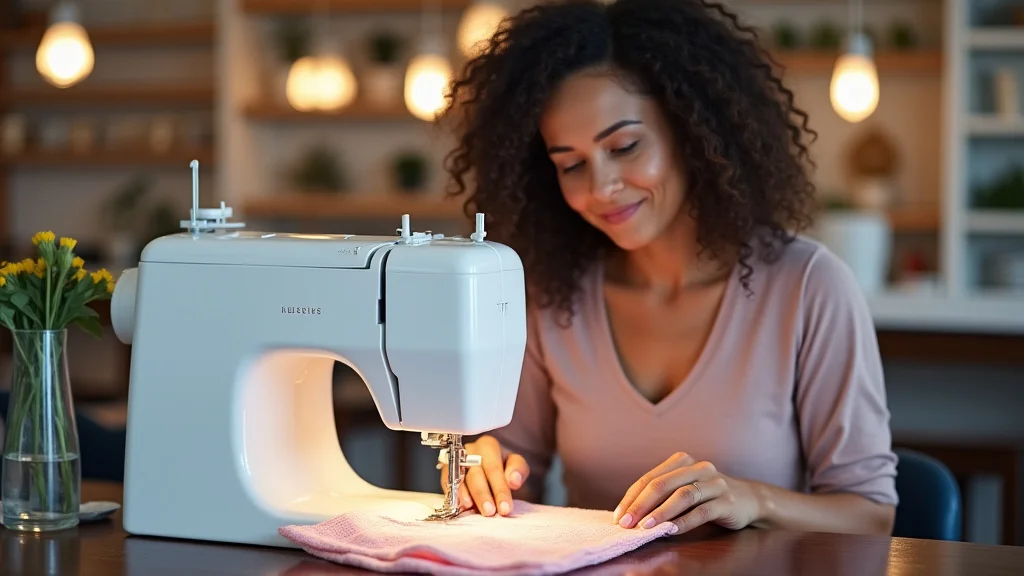
I remember my first attempt at making a quilt. I decided to start with a pattern that featured sewing 60 degree triangles for quilts. Little did I know, it would be a bit of a challenge. I made several mistakes that created wonky seams and mismatched points. It’s a common struggle for beginners! This guide is here to help you avoid those pitfalls and create beautiful quilt blocks using 60-degree triangles. You’ll learn the techniques for accurate cutting, precise piecing, and overall how to approach this classic quilting technique with confidence. Get ready to gain the skills and confidence to begin your next quilting project.
Key Takeaways
- Learn the proper tools and materials needed for sewing 60 degree triangles for quilts.
- Discover accurate cutting techniques to ensure your triangles fit perfectly.
- Master the best piecing methods to achieve sharp points and consistent seams.
- Find out how to manage fabric grain for stable quilt blocks.
- Explore different layout options for your 60-degree triangle quilt designs.
- Gain tips for pressing your quilt blocks for a professional finish.
Getting Started with 60 Degree Triangles
Before you begin the exciting project of sewing 60 degree triangles for quilts, gathering the correct tools and materials is critical to your success. Having the right tools makes the process easier and helps you achieve more accurate results. You’ll also want to choose your fabrics wisely, considering both the aesthetic and the practical aspects of your project. This section will walk you through the essential tools and fabric selection, preparing you for a smooth and rewarding quilting experience.
Essential Tools and Supplies
The right tools make all the difference when you’re sewing 60 degree triangles for quilts. Having these items on hand will greatly improve the accuracy and ease of your project. Each tool plays a crucial role in creating precise triangles and seamlessly joining them together. Investing in these tools, even as a beginner, will save you time and frustration down the line.
- Rotary Cutter: This is a must-have tool for quickly and accurately cutting fabric. It is especially useful for quickly cutting straight lines and even quickly cutting multiple layers. Select a rotary cutter with a sharp blade of at least 45mm to easily cut through multiple layers of fabric.
- Self-Healing Cutting Mat: Protect your work surface with a large self-healing cutting mat. This provides a stable base and keeps your blade sharp for longer. Look for a mat with clear grid lines to help with precise measuring and cutting.
- 60-Degree Triangle Ruler: A specialized ruler designed specifically for cutting 60-degree triangles. These rulers come in various sizes and are marked with clear lines that will guide you in accurately cutting your triangles. Select a ruler size that complements your desired triangle size.
- Sewing Machine: A well-functioning sewing machine is vital for joining your triangles. Ensure your machine is set up correctly with a straight stitch and that the needle is appropriate for your fabric type.
- Thread: Choose a high-quality thread in a neutral color or one that complements your fabrics. Cotton thread is a popular choice for quilting. Make sure that you are using thread that won’t fray easily.
- Iron and Ironing Board: Essential for pressing your seams and achieving flat, crisp quilt blocks. A steam iron will help remove any creases and set your seams nicely.
- Pins and/or Clips: Use pins or clips to hold your fabric pieces together while sewing. Fine quilting pins are ideal because they don’t leave holes and don’t get in the way as you sew.
Fabric Selection and Preparation
The choice of fabric significantly affects the overall look and feel of your quilt. The fabrics you choose must be compatible with each other and suitable for the design you have in mind. Consider the colors, prints, and the weight of the fabric you are using. The fabric choice must reflect the purpose of your quilt.
- Fabric Types: Choose quilting-weight cotton fabrics, which are easy to work with and come in a wide variety of colors and patterns. You can also experiment with other types of fabrics, such as linen or flannel, but they may require more care and attention.
- Fabric Amounts: Determine how much fabric you’ll need based on your quilt size and the size of your triangles. Calculate this amount by accounting for any waste that occurs during cutting.
- Pre-Washing: Preshrinking your fabric before you start sewing 60 degree triangles for quilts is a good idea. This prevents any shrinkage or bleeding after the quilt is finished and washed.
- Cutting Fabric: Wash and dry your fabric. It is important to press your fabric to ensure it is nice and flat to avoid issues when you are cutting.
Cutting 60 Degree Triangles with Precision
Accurate cutting is the cornerstone of successful quilting. When sewing 60 degree triangles for quilts, precision is even more critical because the angles and points of the triangles must align perfectly to create the desired patterns and designs. This section covers the fundamental techniques for cutting 60-degree triangles using a rotary cutter and a specialized ruler. Careful cutting will save you time later, and it will also result in a quilt that is neat and precise.
Using the 60-Degree Ruler
The 60-degree triangle ruler is the secret weapon for quick and accurate cutting. It helps you maintain the correct angles and ensures that your triangles are consistent in size. There are various brands and styles, but the basic principle remains the same. Understanding the markings and how to align the ruler with your fabric will save time and improve the final result of your quilting project.
- Fabric Prep: Begin with your fabric pressed flat. Fold the fabric, ensuring that the selvages are aligned. Consider how you want your pattern to flow before you begin to cut.
- Ruler Alignment: Place your 60-degree triangle ruler on the fabric, aligning the edge of the fabric with the bottom edge of the ruler. Position the ruler’s point at the top of the fabric so that the ruler’s edges align with the straight edge of your fabric. This placement assures you can cut straight triangles.
- Cutting with the Rotary Cutter: Using your rotary cutter, carefully cut along both edges of the ruler. Your cuts should be clean and precise, to avoid errors.
- Triangle Retrieval: Once you have completed the first cut, you’ll need to use the ruler to cut the rest of the triangles. Use the ruler and repeat the process to cut more triangles.
- Cutting Multiple Layers: To save time, you can stack several layers of fabric on top of each other and cut them at once. However, make sure that all the layers are precisely aligned and that you are using a sharp rotary cutter blade.
Efficient Cutting Techniques
Cutting efficiency can significantly speed up your quilting process, especially when dealing with multiple triangles. Strategic planning can minimize waste and maximize your fabric usage. This will allow you to quickly and accurately cut your triangles.
- Cutting Strips First: Some quilters find it easier to cut strips of fabric first, then use the ruler to cut triangles from the strips. This method can save time and make the cutting process more organized.
- Wasting Less Fabric: When cutting triangles, pay close attention to the direction of the fabric grain. Plan your cuts to minimize fabric waste, and make sure that you cut the triangles in a way that the grain is consistent to avoid distortion.
- Maintaining a Sharp Blade: A sharp rotary cutter blade is essential for clean and accurate cuts. Change your blade regularly to prevent frayed edges and ensure that your triangles are precise.
- Using Templates: Consider using templates, or pre-cut triangles, to save time if you are sewing a large quilt that requires many 60 degree triangles.
Piecing Your 60 Degree Triangles Together
Piecing your triangles together is where your quilt blocks begin to take shape. This requires precision in seam allowances and careful alignment of your triangles. Mastering this technique is crucial for achieving the neat points and accurate shapes that make up a beautiful quilt. This section provides detailed guidance on the seam allowances and the process of joining the triangles to create a professional finish.
Seam Allowance and Stitching
The seam allowance is the distance between the edge of the fabric and the line of stitching. When sewing 60 degree triangles for quilts, a consistent seam allowance is vital for the accuracy of your quilt. It is also important to maintain the right seam allowance for your fabrics to fit together properly. It is the key to creating precise, well-aligned triangles. Using a consistent seam allowance allows the points of your triangles to meet perfectly.
- Standard Seam Allowance: Use a 1/4-inch seam allowance for most quilting projects. This is standard in the quilting world.
- Stitching Straight Lines: Use a straight stitch on your sewing machine. Make sure that you are sewing straight lines, which is essential to keep the triangles correctly aligned.
- Pinning or Clipping: Pins or clips help to keep the fabric together and to prevent movement during sewing. Pins should be placed perpendicular to the seam line.
- Slow and Steady: Stitch slowly and carefully to maintain a consistent seam allowance and ensure that the points of your triangles align.
- Accuracy is Important: Take your time when sewing 60 degree triangles for quilts to prevent mistakes, and to ensure that the seam allowance is precise.
Joining the Triangles
Joining the triangles is a critical part of the process, bringing the quilt top together. You’ll carefully align the edges and stitch them together to form rows and ultimately, quilt blocks. With each seam sewn, your quilt will start to come to life. Precision, a bit of patience, and a steady hand will lead to a beautiful finished quilt top.
- Pairing Triangles: Pair the triangles, placing the right sides together, and align the edges carefully.
- Pinning: Pin or clip the edges together, paying close attention to the points of the triangles.
- Stitching: Stitch along the edge with a 1/4-inch seam allowance, using a straight stitch.
- Pressing: Press the seam open or to one side, using your iron.
- Creating Rows: Continue adding triangles and pressing the seams until you have rows of triangles that are the right size for your quilt.
Designing with 60 Degree Triangles
The beauty of 60-degree triangles lies in their versatility. They offer a multitude of design options. With this shape, you can create intricate patterns, such as stars, diamonds, and many more geometric compositions. Exploring different layouts and designs allows you to make unique and striking quilts. You’ll find inspiration and start to plan for your next project, as you look through the different ways to use 60-degree triangles.
Common Quilt Block Designs
60-degree triangles are used to form an array of quilt blocks. By varying the colors and orientations of the triangles, you can create many different patterns, each with its own charm and appeal. With a good understanding of these classic blocks, you’ll feel confident in making your own variations.
- Honeycomb: One of the most common and classic designs. This is created by arranging triangles in rows. When you stitch the rows together, you form hexagons, creating a beautiful honeycomb pattern.
- Stars: Triangles can be used to create starburst patterns. Stars can be pieced together from triangles arranged around a central point, making an eye-catching focal point.
- Diamonds: By joining triangles together in specific arrangements, you can create diamond shapes of different sizes. These diamonds can be joined to form various geometric designs.
- Kaleidoscope: This design involves arranging triangles to create a kaleidoscopic effect. It is a striking visual pattern that makes use of symmetry and repetition.
- Pinwheel: The pinwheel pattern creates a sense of movement and visual interest.
Layout and Arrangement Ideas
The way you arrange your blocks or triangles will drastically change the final look of your quilt. The arrangement of the blocks also affects the feel of your quilt. Your creativity is the limit here. You can make an interesting design with triangles. Exploring these creative arrangements will help you make a unique quilt.
- Horizontal Rows: Arrange your quilt blocks in horizontal rows for a classic look. This is a simple and straightforward arrangement that works for many designs.
- Vertical Columns: Organize your quilt blocks into vertical columns, creating a modern and structured design. This can be great for showcasing unique block patterns.
- On-Point Settings: Place your blocks on point, angled like a diamond. This arrangement creates a dynamic look and can give the quilt a contemporary feel.
- Random Arrangement: Mix up the blocks randomly for a more eclectic and free-spirited look. This allows you to showcase different block patterns and fabrics.
Pressing and Finishing Your Quilt Blocks
The pressing and finishing of your quilt blocks are as important as the sewing. Proper pressing sets the seams and ensures that your blocks are flat and accurate. The final steps, such as squaring up your blocks and adding borders, are essential for a professional finish. Mastering these techniques transforms the pieced quilt blocks into a ready-to-quilt masterpiece.
Pressing Techniques
Pressing sets the seams and ensures that the blocks are flat and square. Good pressing techniques are critical for a professional finish. They contribute to a clean, accurate, and visually pleasing final product. They also prevent puckering and distortion.
- Pressing vs. Ironing: Pressing involves gently setting the iron down onto the fabric and lifting it up, without sliding. Ironing is moving the iron back and forth, which can distort your fabric.
- Pressing Seams Open: Pressing the seams open distributes the bulk evenly and reduces thickness, which is important for pieced blocks.
- Pressing Seams to One Side: Pressing the seams to one side helps to nest the seams, which makes the quilt smoother. This technique is often used when joining rows or blocks.
- Using a Pressing Cloth: Using a pressing cloth can protect your fabrics, preventing scorching. This is especially helpful when working with delicate fabrics or those with a high-shine finish.
Squaring Up and Adding Borders
Squaring up your blocks and adding borders are the finishing touches that complete the quilt top. Squaring up ensures that the blocks are the correct size and the quilt top is even. Adding borders frames the quilt and gives it a finished look. These steps can make all the difference in the final appearance of your work.
- Squaring Up Blocks: Before adding borders, square up your blocks. Use a square ruler and rotary cutter to trim any uneven edges, ensuring that all blocks are the same size.
- Measuring and Cutting Borders: Measure the sides of your quilt top and cut your borders accordingly. Measure carefully and accurately, cutting the border strips to the correct length.
- Attaching Borders: Pin your border strips to the edges of the quilt top and sew them on using a 1/4-inch seam allowance. Make sure that the edges of your border strips are aligned with the edges of your quilt top.
- Pressing Borders: Press the seams towards the border, creating a clean, professional finish.
Common Myths Debunked
Myth 1: 60-degree triangles are too hard for beginners.
In reality, with the right tools, careful cutting, and precise piecing techniques, sewing 60 degree triangles for quilts can be very accessible for beginners. The key is to start small, take your time, and follow the instructions carefully. There are many simple 60-degree triangle patterns available, and plenty of resources to help you along the way.
Myth 2: You need a fancy sewing machine to sew accurate triangles.
While a fancy machine may have extra features, any basic sewing machine with a straight stitch is perfectly adequate for sewing 60 degree triangles for quilts. The most important thing is that the machine is set up correctly with a sharp needle and that you are maintaining a consistent seam allowance.
Myth 3: You have to use special templates to cut triangles.
Specialized rulers designed for 60-degree triangles are a great option for accurate cutting. However, paper templates can also be used. You can make templates yourself. This will ensure that you have accurate shapes to work with. These will provide you with a cutting guide and allow you to make the triangles you want.
Myth 4: Pre-cutting fabric is the only way to quickly sew 60 degree triangles.
Pre-cut fabric can save time, but it’s not the only way. Using a rotary cutter and a 60-degree ruler is a faster approach. Cutting your own fabric allows you to choose fabrics and create triangles of various sizes. You also have the flexibility to adjust your pattern.
Myth 5: It’s impossible to make a perfect point when sewing triangles.
While achieving perfect points takes practice, it is entirely possible with accurate cutting, careful piecing, and attention to your seam allowance. The key is to take your time, check your seam allowance, and press your seams correctly. There are lots of resources with additional tips available.
Frequently Asked Questions
Question: What’s the best fabric for sewing 60 degree triangles for quilts?
Answer: Quilting-weight cotton is the most popular choice because it’s easy to work with and comes in various colors and patterns. However, you can use other fabric types, such as linen or flannel, though they may require more care.
Question: Do I need a special ruler for cutting 60-degree triangles?
Answer: Yes, a 60-degree triangle ruler is highly recommended. It makes cutting accurate triangles much easier, which saves you time and ensures precision.
Question: How do I ensure my points match up when sewing 60 degree triangles for quilts?
Answer: Precise cutting, an accurate 1/4-inch seam allowance, and careful pinning or clipping before you sew are critical. Take your time, and double-check your alignment before stitching.
Question: Can I use pre-cut fabric for 60-degree triangles?
Answer: Yes, pre-cut fabric can save time, but it limits your fabric selection and design flexibility. Cutting your own fabric allows for more control and customization of your quilt.
Question: What’s the secret to a perfectly flat quilt block?
Answer: Proper pressing techniques are essential. Pressing your seams open or to one side and using a pressing cloth can help achieve flat and accurate quilt blocks.
Final Thoughts
Congratulations, you are now equipped with the knowledge and skills to begin sewing 60 degree triangles for quilts! You’ve explored the essential tools, learned precise cutting techniques, and mastered the art of piecing your triangles together. This foundation empowers you to explore the endless design possibilities that 60-degree triangles offer. As you embark on your quilting projects, remember the value of precision, the importance of consistent seam allowances, and the creative potential that lies within each triangle. Don’t hesitate to experiment with different patterns, colors, and layouts. Enjoy the process of creating beautiful and unique quilts, one triangle at a time. The most important tip is to practice and be patient with yourself!