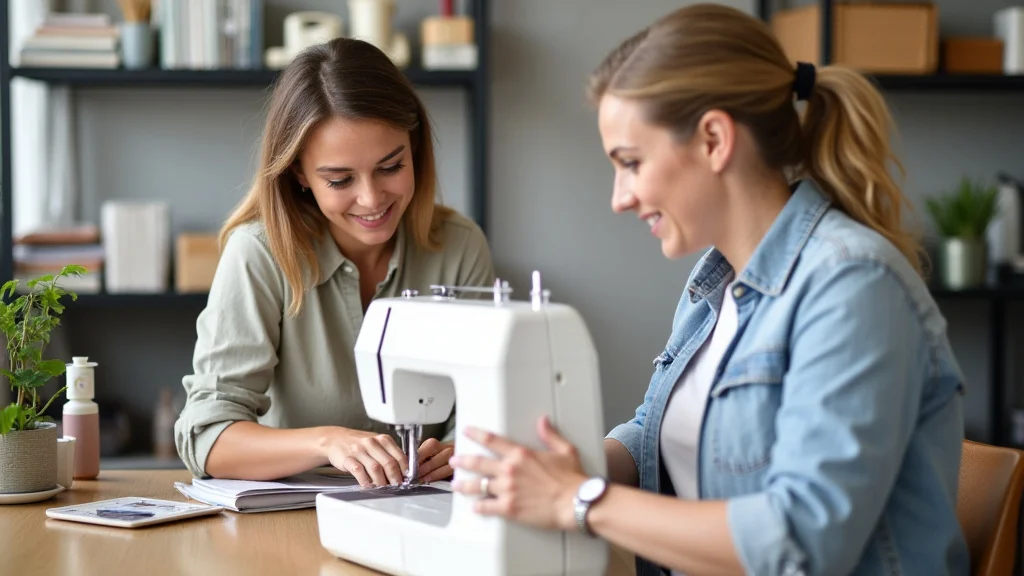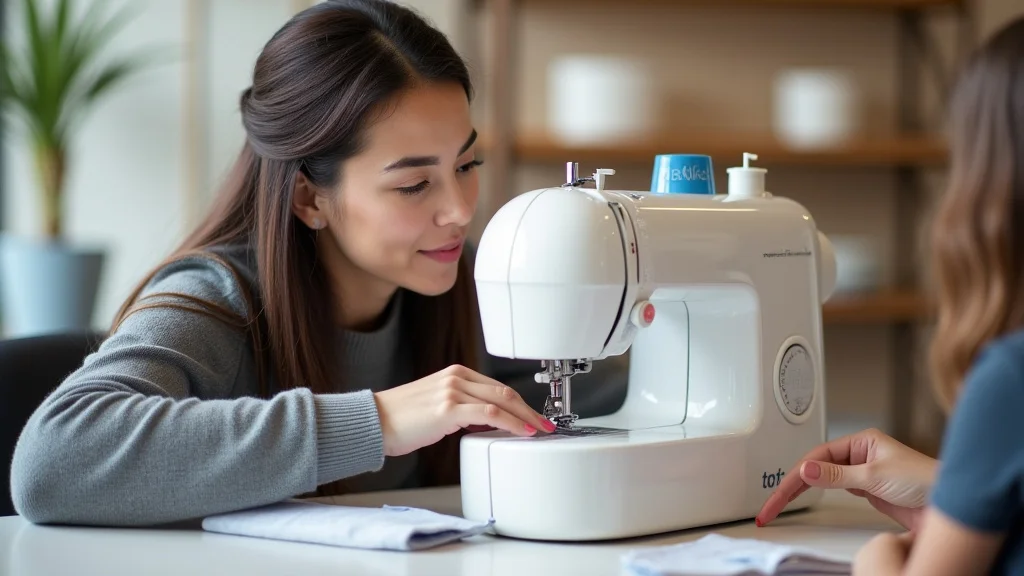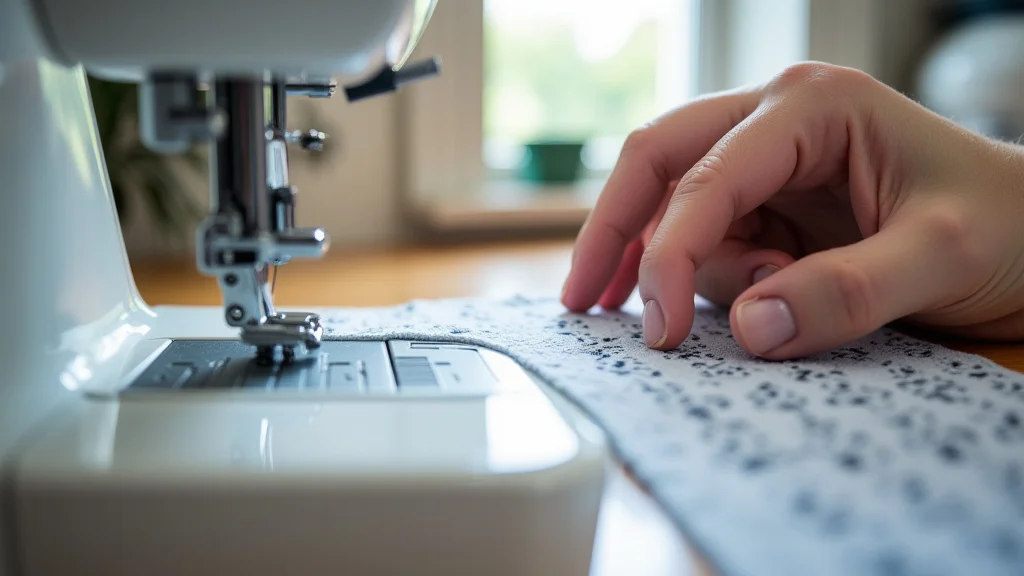
Picture this: a Saturday morning, a sewing project on your mind, and a layer of dust bunnies conspiring against your clean space. Sound familiar? We’ve all been there! Finding the right tools and knowing how to maintain them can feel like a chore. This blog post explores the ins and outs of both sewing and vacuuming, establishing you as a true sewing & vacuum authority. You’ll gain valuable insights, practical tips, and knowledge to boost your productivity and ensure your equipment’s longevity, improving your crafting and cleaning experience. This will allow you to confidently tackle any sewing or cleaning task.
Key Takeaways
- Learn the fundamental principles of sewing machine maintenance for optimal performance.
- Discover essential vacuum cleaner cleaning practices that extend their lifespan and efficiency.
- Gain expertise in selecting the correct sewing and vacuuming accessories.
- Master the art of troubleshooting common sewing and vacuuming issues.
- Understand the relationship between proper tools and improved project outcomes.
- Explore the various tools and their respective applications within the crafting and cleaning workflows.
Mastering Sewing Machine Maintenance
Keeping your sewing machine running smoothly is key to successful sewing projects. Regular upkeep prevents problems and extends the life of your machine. Regular maintenance is necessary to keep your sewing & vacuum authority skills sharp.
Essential Cleaning and Lubrication
Dust, thread remnants, and fabric scraps are the common enemies of a sewing machine. Cleaning these away from the machine is critical. This helps prevent jams and ensures smooth operation. Most machines come with a small brush to help in cleaning the bobbin area and around the feed dogs. You should lubricate your machine according to the manufacturer’s instructions. This usually involves applying a few drops of sewing machine oil to specific points.
- Cleaning the Bobbin Area: Remove the bobbin case and clean out any lint or thread build-up. A small brush or even a can of compressed air can be helpful.
- Dusting the Machine: Wipe down the exterior of the machine with a soft cloth to remove dust. A clean machine is a happy machine.
- Lubricating Moving Parts: Refer to your machine’s manual for specific lubrication points. Usually, a drop of oil is all it takes to keep things running smoothly. Be careful not to over-oil, which can attract more dust.
- Needle Replacement: Replace the needle regularly. A dull or bent needle can cause skipped stitches and damage your fabric.
Identifying and Troubleshooting Common Problems
Even with proper maintenance, problems can arise. Recognizing the signs of a problem early can save you time and frustration. Learning to troubleshoot these issues will solidify your status as a sewing & vacuum authority.
- Skipped Stitches: Common causes include a bent needle, incorrect thread tension, or improper needle size for the fabric.
- Thread Breakage: This can be caused by a variety of issues, including poor thread quality, incorrect threading, or tension problems.
- Fabric Jams: Fabric getting caught under the needle can indicate a timing issue or the wrong presser foot for the fabric type.
- Uneven Stitching: Uneven stitches can be traced to tension issues or problems with the feed dogs.
Choosing the Right Needle and Thread
Selecting the correct needle and thread for your fabric and project is important for successful sewing. The right choices can make all the difference in your results.
- Needle Types: There are many needle types, including universal, ballpoint, and denim needles. The choice depends on the type of fabric.
- Thread Weight: Choose thread weight suitable for the project. Heavier threads are used on thicker fabrics.
- Thread Material: Consider the thread material (cotton, polyester, silk, etc.) and match it to the fabric.
- Needle Size Matters: Use the needle size that matches the thread weight and fabric type.
Vacuum Cleaner Expertise: Cleaning and Care
Vacuum cleaners are essential for a clean home and workshop. Proper care and understanding how they function are vital to making the most of these appliances.
Understanding Different Vacuum Types
There are several types of vacuum cleaners available, each with its strengths and weaknesses. Selecting the right type depends on your cleaning needs and preferences.
- Upright Vacuums: Ideal for carpeted floors, upright vacuums provide powerful suction.
- Canister Vacuums: Canister vacuums are often preferred for their maneuverability and ability to clean a wider range of surfaces, including hard floors and upholstery.
- Stick Vacuums: Lightweight and cordless, stick vacuums are convenient for quick clean-ups.
- Handheld Vacuums: Perfect for small areas and hard-to-reach places, handheld vacuums are versatile tools.
Vacuum Cleaner Maintenance and Cleaning
Regular maintenance is key to the longevity and performance of your vacuum cleaner. This includes everything from emptying the dustbin to cleaning the filters.
- Emptying the Dustbin or Replacing the Bag: Regularly empty the dustbin or replace the bag before it becomes full.
- Cleaning Filters: Clean or replace the filters according to the manufacturer’s instructions. Clogged filters restrict airflow and reduce suction.
- Checking the Brush Roll: Remove any tangled hair or debris from the brush roll to ensure it spins freely.
- Inspecting the Hose and Attachments: Check the hose and attachments for blockages.
Identifying and Solving Vacuum Cleaner Problems
Like any appliance, vacuum cleaners can experience issues. Knowing how to identify and troubleshoot common problems can help you keep your vacuum in good working order.
- Loss of Suction: Clogged filters, a full dustbin, or a blockage in the hose can cause loss of suction.
- Unusual Noises: Unusual noises can indicate a problem with the motor, brush roll, or a blockage.
- Reduced Performance: If the vacuum isn’t picking up dirt as effectively as it used to, check for blockages or filter issues.
- Overheating: If the vacuum overheats, turn it off and let it cool down. Overheating can be caused by a blocked filter or motor problems.
Essential Accessories for Sewing and Vacuuming
Having the right accessories can make sewing and vacuuming easier and more effective. You can become a sewing & vacuum authority with the proper tools.
Sewing Accessories: Tools of the Trade
From cutting tools to presser feet, the right sewing accessories can significantly improve your sewing experience.
- Scissors and Rotary Cutters: Sharp scissors and rotary cutters are essential for accurately cutting fabric.
- Measuring Tools: Measuring tapes, rulers, and seam gauges are necessary for precise measurements.
- Presser Feet: Different presser feet are designed for specific tasks, such as zippers, buttonholes, and quilting.
- Needle Threaders and Seam Rippers: These tools make sewing easier and less frustrating.
Vacuuming Accessories: Enhancing Cleaning
Vacuuming attachments and accessories can help you clean various surfaces and hard-to-reach areas.
- Crevice Tool: Ideal for cleaning narrow spaces, like edges of walls and tight corners.
- Upholstery Brush: Used to clean upholstery and other delicate surfaces.
- Dusting Brush: Perfect for cleaning blinds, lampshades, and other surfaces that collect dust.
- Extension Wand: Extends the reach of your vacuum for cleaning ceilings and other high areas.
Advanced Techniques and Practices
Taking your skills to the next level requires more than just basic knowledge. It is essential to develop your skills as a sewing & vacuum authority.
Sewing: Tips and Tricks
Improve your sewing skills with these advanced tips and tricks.
- Stitch Selection: Experiment with different stitch types to achieve the best results.
- Fabric Preparation: Properly pre-washing and ironing fabric prevents shrinkage and makes it easier to work with.
- Seam Finishes: Learn different seam finishes to prevent fraying and improve durability.
- Pattern Adjustments: Learn to make adjustments to patterns to ensure a perfect fit.
Vacuuming: Advanced Cleaning Methods
Take your vacuuming skills to the next level with these advanced methods.
- Deep Carpet Cleaning: Deep-clean your carpets with specialized attachments.
- Upholstery Cleaning: Clean your upholstery with the right attachments and cleaning solutions.
- Hard Floor Cleaning: Choose the right vacuum for hard floors and use appropriate attachments.
- Air Filtration: Use a vacuum with a HEPA filter to remove allergens and improve air quality.
Common Myths Debunked
Myth 1: Sewing Machines Are Complicated and Difficult to Use
Many people think that sewing machines are complicated, but modern machines are actually user-friendly. Most sewing machines come with easy-to-follow instructions, and many tutorials are available online. Basic sewing skills can be learned quickly, and more advanced techniques can be learned over time.
Myth 2: All Vacuum Cleaners are the Same
This isn’t true. Vacuum cleaners come in many types, each designed for different tasks and surfaces. Upright vacuums are ideal for carpets, while canister vacuums offer more maneuverability. Stick vacuums are great for quick clean-ups, while handheld vacuums work well in tight spaces. Choosing the correct type depends on the cleaning needs.
Myth 3: Sewing is Only for Experienced Professionals
While experienced sewers exist, sewing is a skill anyone can learn. With practice and persistence, even beginners can create simple projects. Numerous online resources and classes are available to help people of all skill levels learn and improve their skills.
Myth 4: Expensive Vacuums Always Offer the Best Cleaning
While expensive vacuums often have more features and stronger motors, they do not always provide the best cleaning. The performance of a vacuum cleaner depends more on factors such as suction power, filtration, and the types of surfaces it is cleaning. Cheaper vacuums can also perform very well.
Myth 5: You Can’t Fix a Sewing Machine Yourself
While major repairs might require a professional, many common sewing machine problems can be addressed with basic maintenance and troubleshooting. Things such as cleaning the bobbin area, replacing a needle, or adjusting thread tension are tasks that most sewers can do themselves, saving time and money.
Frequently Asked Questions
Question: How often should I lubricate my sewing machine?
Answer: Refer to your machine’s manual, but generally, lubricate your machine after every 8-10 hours of use or as needed.
Question: What is the best way to remove pet hair from carpets?
Answer: Use a vacuum cleaner with a rotating brush roll or a specialized pet hair attachment.
Question: How do I know if my vacuum bag needs to be replaced?
Answer: If your vacuum cleaner has a bag indicator, replace the bag when the indicator shows it is full or close to full.
Question: What’s the best way to get wrinkles out of fabric before sewing?
Answer: Press the fabric with a hot iron, using the appropriate setting for the fabric type.
Question: What should I do if my vacuum cleaner is making a strange noise?
Answer: Turn off the vacuum cleaner and check for any blockages, such as tangled hair or debris in the hose or brush roll. Also, check the filter.
Final Thoughts
Becoming a sewing & vacuum authority is about embracing a combination of knowledge, practical skills, and consistent maintenance. You now possess the fundamental information to keep your sewing machine in top condition and your home spotless. Remember that regular cleaning, appropriate accessory use, and troubleshooting common problems are the cornerstones of successful sewing and effective vacuuming. By implementing the suggestions outlined, you can improve your projects and enhance your cleaning routine. Embrace these techniques, and you will find your experiences more effective and enjoyable.