Remember that time you started a sewing project, got stuck, and wished you had someone to ask for help? Or maybe you just wanted to share your love of fabric and patterns with other people who “get it.” Well, you’re not alone! Many people share this passion, and finding sewing groups near me is easier than you might think. This guide will help you discover local groups, learn what they offer, and find the perfect one for your needs. We’ll explore where to look, what to expect, and the benefits of joining a community of fellow stitchers. Get ready to connect with like-minded individuals and elevate your sewing skills!
Key Takeaways
- Discover the various resources for finding local sewing groups near me.
- Learn about the different types of sewing groups and their activities.
- Understand the benefits of joining a sewing community, from skill-sharing to friendship.
- Get tips on choosing the right sewing group for your experience level and interests.
- Find out what to expect when you attend your first sewing group meeting.
- Find out how to start your own sewing group if you don’t find the perfect fit.
Uncovering Local Sewing Group Locations
The first step in finding the perfect sewing group involves research. Several avenues lead to these hidden treasures of creativity and support. Some of the most effective methods involve a blend of online and offline searches. This allows you to explore the variety of groups in your local area, from small circles of friends to large, established guilds. Your research will determine what activities, skill levels, and personalities best fit your needs.
Online Directories and Social Media Search
The internet is your best friend when searching for sewing groups near me. Websites dedicated to hobbies, crafts, and local events often have listings. Social media platforms like Facebook, Instagram, and Meetup host numerous sewing groups. Use relevant keywords like “sewing group,” “quilting club,” or “sewing circle” along with your city or zip code in your search. Check the group’s activity level and the kind of work the members do. Read reviews to learn how welcoming and supportive a group is.
- Facebook Groups: Many local sewing groups have a Facebook presence. Search for groups in your area and request to join. These groups often post meeting times, project updates, and member interactions.
- Meetup: Meetup.com hosts a variety of groups, including sewing groups. You can search by location and find groups with different focuses. This is useful for finding groups that match your specific interests, such as quilting or garment construction.
- Craigslist or Local Classifieds: These platforms may contain announcements for local sewing groups, particularly smaller, informal gatherings. Check for classified ads that advertise sewing circles or workshops.
- Online Forums: Sewing-related online forums may have sub-forums dedicated to local group listings. This can be a very helpful resource for discovering groups that others have recommended.
Libraries, Community Centers, and Local Businesses
Besides online platforms, don’t overlook physical locations. Libraries and community centers often host craft groups, including sewing circles. Local fabric stores, quilt shops, and craft supply stores are also great places to find information. These businesses often have bulletin boards where groups post meeting announcements. Talking to the staff can also provide recommendations and help you uncover hidden gems.
- Libraries: Libraries often host free sewing workshops or provide space for sewing groups to meet. This can be a great place to start, especially if you’re on a budget or looking for a low-key setting.
- Community Centers: Check your local community center’s activity listings. They frequently organize a wide range of clubs and classes, including sewing. These locations often offer classes for varying skill levels.
- Local Fabric and Craft Stores: Visit local fabric stores and quilt shops. They often host their own sewing groups or can provide information about groups in the area. Look for announcements or ask staff for recommendations.
- Community Bulletin Boards: Local grocery stores, cafes, and other community spaces may have bulletin boards. Search for flyers advertising sewing circles.
Word-of-Mouth and Networking
Don’t underestimate the power of your network. Ask friends, family, and acquaintances if they know of any sewing groups. A personal recommendation can be invaluable. If you already take classes at a local craft store, ask your instructor or fellow students. This can uncover groups that might not be widely advertised. Sometimes the best resources are found by simply starting a conversation.
- Ask Friends and Family: Speak to people who share your interest in sewing to see if they know of any local groups. They may already be members of a group or know someone who is.
- Reach Out to Instructors: If you’re taking sewing lessons, ask your instructor for information about local sewing circles. They often know about groups that cater to various skill levels.
- Attend Craft Fairs and Shows: Local craft fairs and shows are excellent places to connect with sewing enthusiasts. You may find information about groups and workshops.
- Network with Other Crafters: Talk to people at craft stores or other crafting events. They might know about sewing groups.
Different Types of Sewing Groups and Activities
Not all sewing groups are the same. Each group may have a different focus, from quilting to garment construction, or even a mixed interest group. You must consider what appeals to you. Thinking about the group’s atmosphere, skill level, and activities will help you make the right choice.
Quilting Guilds
Quilting guilds are often focused on the art and craft of quilting. These groups host workshops, classes, and retreats. They will often have a wealth of knowledge and experience in quilting techniques. Guilds often organize quilting bees and community service projects. These groups typically involve more structured activities and may be ideal for those passionate about quilting.
- Workshops: Quilting guilds frequently offer workshops taught by experienced quilters, covering a variety of techniques.
- Quilting Bees: Members often participate in quilting bees, where they work together on projects. This fosters a sense of community.
- Community Projects: Guilds often support charitable causes by creating quilts for those in need.
- Competitions and Shows: Guilds hold quilt shows and competitions, providing opportunities to showcase their work and learn from others.
Sewing Circles and Informal Groups
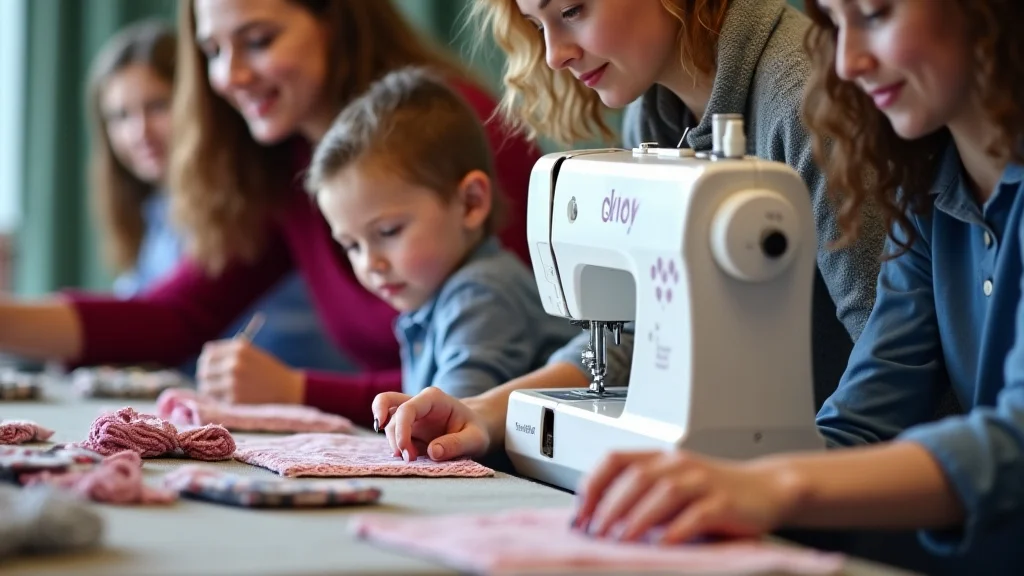
Sewing circles tend to be more informal and relaxed. These groups meet regularly to socialize, share tips, and work on their projects. The focus is usually on collaboration and camaraderie. They are suitable for those who want a casual, low-pressure environment to sew and socialize. These groups might meet in homes, coffee shops, or other comfortable settings.
- Socializing and Support: Sewing circles prioritize social interaction and mutual support. Members often share sewing tips and creative inspiration.
- Project Sharing: Members bring their current sewing projects and work on them while chatting and socializing.
- Potlucks and Events: Some sewing circles organize potlucks, outings, or themed sewing events.
- Beginner-Friendly: Sewing circles are generally welcoming to people of all skill levels, from beginners to experts.
Specialty Sewing Groups
These groups focus on a particular type of sewing, like garment construction, costume making, or historical sewing. The projects and discussions are specific. They are an excellent option for those who have a particular interest. Whether your aim is to delve deep into one aspect of sewing or explore the history of fashion, these groups can offer an ideal environment.
- Garment Construction Groups: These groups are focused on creating clothing. They’ll explore patterns, fitting, and advanced techniques.
- Costume Making Clubs: These groups explore the art of creating costumes. They may focus on historical costumes or theatrical pieces.
- Historical Sewing Societies: These groups focus on recreating historical garments. They study historical sewing techniques and styles.
- Machine Embroidery Groups: These groups focus on machine embroidery projects. They will share tips, techniques, and machine settings.
The Benefits of Joining a Sewing Community
Joining a sewing group offers many benefits beyond just improving your sewing skills. The social aspect is a great advantage. These groups can be a source of friendship, inspiration, and personal growth.
Skill Sharing and Learning
Sewing groups are excellent places to learn new skills and improve existing ones. Members often share their knowledge. This ranges from basic sewing techniques to advanced patternmaking. This collaborative environment supports learning and boosts your capabilities. This can be especially helpful for those who may lack access to formal training.
- Knowledge Exchange: Sewing groups facilitate the sharing of knowledge. Members share tips, tricks, and methods with each other.
- Tutorials and Workshops: Many groups organize tutorials and workshops led by experienced members. These cover various skills.
- Problem-Solving Support: Group members can assist you when you get stuck on a project.
- Exposure to Different Techniques: Members may introduce you to new techniques and styles that you have not encountered before.
Social Connections and Friendship
Sewing groups provide opportunities for social interaction and building friendships. They are environments where you meet people with similar interests. These connections can lead to strong, supportive relationships. The social element enhances the overall experience and makes sewing more enjoyable.
- Shared Interests: Bonding over a common love of sewing is a strong foundation for friendships.
- Regular Social Events: Many groups arrange social events, which further strengthen relationships.
- Sense of Community: Members support one another through encouragement and shared projects.
- Support and Encouragement: Sewing groups provide a supportive environment for personal and creative growth.
Inspiration and Motivation
Being part of a sewing community provides inspiration. Witnessing the projects of others can ignite your creativity. Seeing other members’ success can give you the push you need to start new projects. This encouragement is great for staying motivated and consistent in your sewing pursuits.
- Exposure to New Ideas: Seeing the work of other members introduces you to new design concepts and techniques.
- Project Show and Tell: Sharing your projects can boost your confidence and receive valuable feedback.
- Encouragement and Support: Members encourage each other and help each other overcome challenges.
- Keeping Up with Trends: Groups often discuss current trends and techniques, which can inspire your work.
Choosing the Right Sewing Group for You
Choosing the right group involves thinking about your sewing experience and interests. Consider what you want to achieve through your group. This will ensure you find a group that meets your specific needs. Asking the right questions and observing group dynamics will help you make a good choice.
Assessing Your Sewing Experience
The skill level of a group should match your own. If you are a beginner, look for a group that welcomes newcomers. On the other hand, if you are more experienced, seek a group that can offer advanced techniques. Understanding your abilities will help you find a group where you can grow and learn comfortably.
- Beginner-Friendly: These groups offer basic instruction and support for beginners.
- Intermediate Groups: These groups cater to those with some experience.
- Advanced Groups: These groups focus on advanced techniques and challenging projects.
- Mixed-Level Groups: These groups accommodate all skill levels. They can offer a broad range of experience.
Identifying Your Interests and Goals
Think about what you want to get from a sewing group. Do you have a specific type of sewing in mind? Do you need a social outlet, or do you seek to improve your skills? Consider your goals. This will help you find a group that suits your interests.
- Project Focus: Do you want to work on garments, quilts, or other types of projects?
- Skill Development: Are you looking to expand your sewing knowledge?
- Social Interaction: Do you value socializing and friendship?
- Community Involvement: Are you interested in participating in group projects or volunteering?
Attending a Meeting and Evaluating Group Dynamics
Attend a meeting. This is a crucial step in assessing whether a group is the right fit. Observe the group’s atmosphere, how members interact, and the types of projects they do. This will give you a sense of whether the group meets your needs.
- Group Atmosphere: Does the group seem welcoming and supportive?
- Member Interactions: Observe how members communicate and interact with each other.
- Project Variety: Do the projects align with your interests?
- Communication Style: Note how the group organizes meetings and shares information.
What to Expect at Your First Sewing Group Meeting
Attending your first meeting can feel intimidating, but being prepared can ease your nerves. You’ll want to know what to bring, what activities to expect, and how to make a good first impression. Remember that the goal is to enjoy the process and connect with other sewing enthusiasts.
What to Bring
Find out what the group typically requires you to bring. This could be your sewing machine, a current project, or specific supplies. Being prepared shows your eagerness to participate and eases your integration into the group. Always check with the group organizer beforehand. This helps avoid any surprises.
- Sewing Machine: Many groups expect you to bring your own.
- Basic Supplies: Include thread, scissors, pins, and a seam ripper.
- Current Project: Bring a project to work on during the meeting.
- Notebook and Pen: Have a notebook to take notes on tips or techniques.
Meeting Activities and Structure
Familiarize yourself with the typical activities. Many groups start with introductions and announcements. They might then move on to a show-and-tell. Then, they will get to work on individual projects. Knowing the schedule lets you know what to expect. Prepare yourself for the kind of meeting that will ensure you have the best experience.
- Introductions and Greetings: Expect an ice-breaker session where members introduce themselves.
- Show and Tell: Members may share their latest projects and receive feedback.
- Skill Sharing and Tutorials: Some meetings include tutorials or skill-sharing sessions.
- Work Time: Time is allotted for working on personal sewing projects.
Making a Good Impression and Building Rapport
Be friendly, open, and engaged. Introduce yourself to other members. Participate in discussions. Ask questions. Offer to help. This kind of attitude will help you build relationships and feel comfortable in the group. These efforts ensure a positive, lasting impression.
- Introduce Yourself: Be proactive and introduce yourself to other members.
- Participate in Discussions: Share your experiences and ask questions.
- Offer Help: If someone needs help, be willing to offer assistance.
- Be Positive: Bring a positive attitude to foster a welcoming environment.
Starting Your Own Sewing Group
If you don’t find a sewing group near you that meets your needs, consider starting your own. It takes effort and commitment. This will bring together like-minded people. It offers you the chance to customize the group’s activities. It’s a rewarding experience to build a community and share your passion for sewing. Here are the steps to get you started.
Identifying Your Target Audience
Consider the type of people you want to attract. Decide on the skills, interests, and experience levels you want to welcome. Understanding your target audience will let you shape the group’s activities and culture. This helps you build a community and keeps everyone happy.
- Skill Level: Will you focus on beginners, intermediate sewers, or advanced?
- Interests: Will the group focus on quilting, garment making, or other specialties?
- Age and Demographics: Consider the age range and demographics you want to attract.
- Community Goals: What type of sewing and activities would you like to focus on?
Planning the Group Structure and Activities
Plan out the meeting format. Decide on meeting frequency, location, and a list of activities. Will you have structured workshops, free-sewing time, or themed events? Planning will help create a welcoming and engaging experience for all members.
- Meeting Frequency: How often will you meet (weekly, monthly, etc.)?
- Meeting Location: Will you meet at a home, library, or public space?
- Activities: What activities will the group focus on (tutorials, project sharing, etc.)?
- Membership Rules: Create clear membership guidelines, guidelines, and expectations.
Promoting and Organizing Your Group
Promote your group. Use online platforms, community bulletin boards, and word-of-mouth. Once you have a core group of members, establish communication channels. Consider setting up a newsletter or social media page. This is a very effective way to share announcements, and organize events.
- Online Platforms: List your group on Facebook, Meetup, and other local event sites.
- Community Outreach: Post flyers at local craft stores and community centers.
- Word-of-Mouth: Ask your friends, family, and other acquaintances to spread the word.
- Communication Channels: Establish email lists or social media pages to keep members informed.
Common Myths Debunked
Myth 1: Sewing groups are only for experienced sewers.
Many sewing groups are open to people of all skill levels, from beginners to experts. These groups provide a supportive environment for learning and improving your skills, so don’t be discouraged if you’re new to sewing. They provide opportunities for you to grow as a craftsperson.
Myth 2: Sewing groups are exclusive and cliquey.
While some groups may be more established, most sewing groups are welcoming and inclusive. The goal is to share a common interest. Many members are happy to share their knowledge and passion with newcomers. You’ll quickly find a supportive community ready to embrace you.
Myth 3: Sewing groups only focus on quilting.
Although quilting is a common activity, many groups focus on other types of sewing, such as garment construction, crafting, and general sewing projects. This gives you many options. You can find a group that caters to a wide range of interests and specialities. There is a group out there for almost every interest.
Myth 4: Sewing groups are expensive to join.
While some groups may have membership fees, many are free or have nominal charges to cover costs like meeting space or materials. This ensures accessibility for everyone. You can easily find affordable or even free options, making sewing accessible to all.
Myth 5: Sewing groups are only for women.
Sewing groups are open to everyone, regardless of gender. The sewing community has become more diverse. You will find that these groups welcome all. Both men and women can join. Sewing is a versatile and creative skill that everyone can enjoy.
Frequently Asked Questions
Question: How do I find out the skill level of a sewing group?
Answer: Check the group’s description on their website or social media page. You can also contact the group organizer. They are the best source of information about the skill levels.
Question: Can I bring my own projects to work on at a meeting?
Answer: Most sewing groups encourage members to bring their current projects. It is a great way to participate and exchange ideas with other members.
Question: What if I don’t own a sewing machine?
Answer: Some groups may have extra machines or allow you to borrow one for the meeting. Many groups have members who may offer assistance or advice.
Question: How do I handle disagreements or conflicts in a group?
Answer: If you have a disagreement, address it respectfully. Try to discuss the issue directly with the person involved. If needed, bring the issue to the group organizer.
Question: What if I have to miss a meeting?
Answer: Contact the group organizer or a member to inform them that you cannot attend. Check for updates or information you may have missed. If you cannot attend, ask a friend to help you.
Final Thoughts
Discovering sewing groups near me opens a world of opportunities. From learning new skills to making new friends, these groups provide many benefits. The path to finding the perfect group begins with research. Use online directories, community resources, and your own network to explore your options. Consider the group’s focus, activities, and skill levels to find one that matches your interests. Remember, attending a meeting and observing group dynamics is essential for finding the right fit. If the perfect group is still not there, you can explore starting your own group. Embrace the supportive environment, share your love of sewing, and watch your skills and community grow. So, gather your supplies, take the plunge, and explore the joy and companionship that come with sewing together!