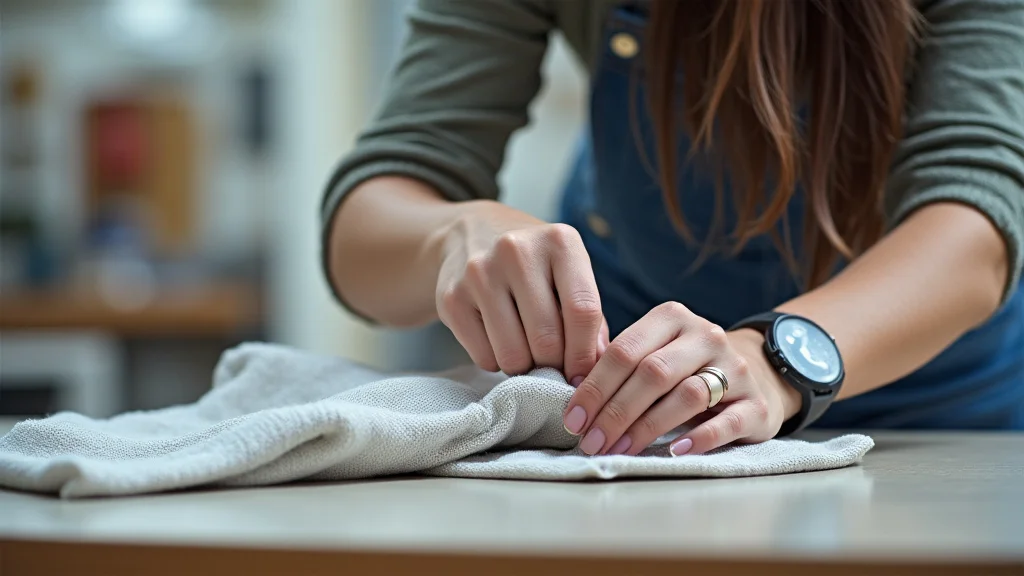
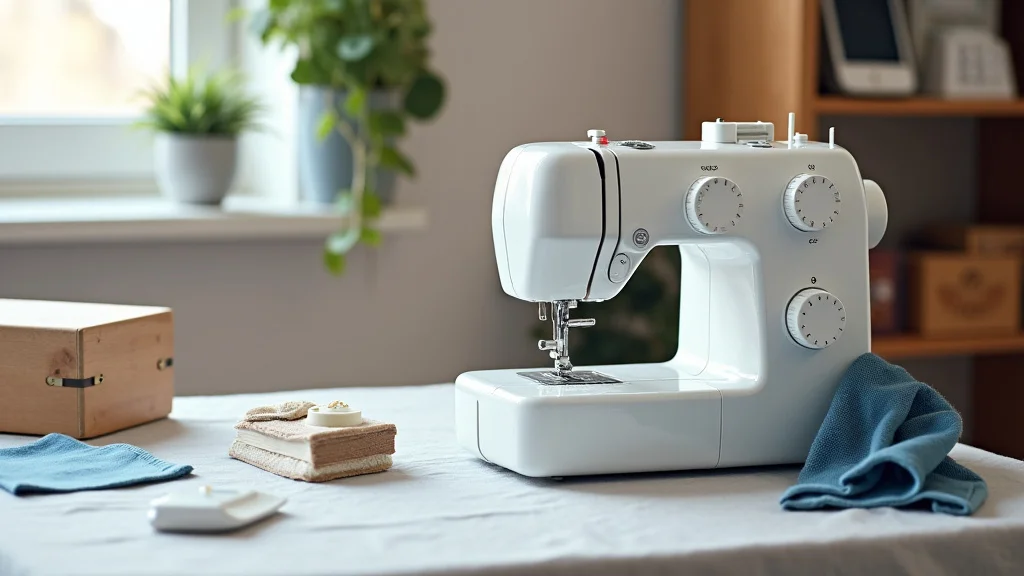
Remember that slightly-too-big, slightly-too-bright, yet utterly beloved pillow you made in year 5? It probably looks a little different now, doesn’t it? Well, imagine all the cool things you’ll create in sewing year 6! This year is all about stepping up your game. We’re talking more advanced stitches, cooler projects, and maybe even designing your own clothes. This guide will show you exactly what to expect. Get ready to boost your skills and confidence. You’ll explore fun projects and learn everything you need to know about the amazing world of sewing year 6.
Key Takeaways
- Discover exciting projects perfect for sewing year 6 students.
- Master more advanced sewing techniques.
- Learn how to choose the right fabrics for your creations.
- Explore the basics of pattern reading and adaptation.
- Gain confidence in your sewing abilities.
- Understand how to troubleshoot common sewing issues.
Sewing Skills to Level Up
Year 6 is a big leap forward. You’re not just sewing straight lines anymore! You’re building upon the basics you know and adding a bunch of new techniques to your toolkit. Think of it like leveling up in your favorite game. You’ve got your basic stitches down, now it’s time to unlock some advanced skills.
Advanced Stitches and Techniques
This year, you’ll be adding some more advanced techniques to your repertoire. These aren’t just about making things look pretty; they’re about building strength and durability into your projects. Think about the seams on your favorite jeans. They’re built to last, right? That’s what we are aiming for. Here’s a closer look at some techniques you will practice.
- French Seams: These are the go-to when you need a neat, clean finish, especially for delicate fabrics. They encase the raw edges of the fabric within the seam, preventing fraying.
- Flat Felled Seams: These create a super-durable seam, often used in jeans and other items that take a beating. They involve folding the raw edges and stitching them down.
- Gathering: This technique creates fullness in a fabric, perfect for skirts and sleeves. It involves sewing a series of long, loose stitches and then pulling the thread to bunch the fabric.
- Zipper Installation: This is a game-changer! Learning to install zippers opens up a world of possibilities for garments and bags.
French seams are not just about aesthetics; they are all about durability. They involve sewing the fabric pieces together with wrong sides facing, trimming the seam allowance, turning the fabric right side out, and sewing again. The raw edges are tucked inside. This creates a clean and strong seam that will last much longer than a standard seam, especially for lightweight or see-through fabrics. They are ideal for projects like blouses or skirts.
Flat felled seams, on the other hand, are the workhorses of the sewing world. Think of the seams on your jeans or a sturdy shirt. Flat felled seams are sewn in two steps, folding the raw edges to the inside and then stitching them down. This method creates a strong and durable seam that won’t fray. It’s a great option for projects where longevity is a priority. Flat felled seams are the masters of durability and are built to handle lots of wear and tear.
Gathering is like adding a little puff of magic to your creations. You sew a line of stitches along the edge of the fabric, then gently pull the thread to create soft folds. This technique adds fullness and shape. It’s perfect for adding volume to skirts, sleeves, or any project where you want a little extra flair. Gathering is about creating pretty, stylish details.
Zipper installation is a key skill. Learning how to put a zipper in the right way is a great skill to develop, opening the door to a world of new projects, from skirts and trousers to bags and pouches. There are different techniques, like invisible zippers and exposed zippers. Getting a clean zipper installation will make your projects much more polished.
Fabric and Material Know-How
Knowing your fabrics is crucial. Different fabrics behave differently under the needle, and choosing the right one can make or break a project. You wouldn’t use a thick canvas for a delicate blouse, would you? So, let’s explore this!
- Fabric Types: Explore different fabrics like cotton, linen, and fleece. Each has its own properties (stretch, drape, durability).
- Fabric Weight: Understand how fabric weight affects your project. Light fabrics drape well, while heavier fabrics are better for structured items.
- Pre-Washing Fabrics: Always wash your fabric before sewing to prevent shrinking later.
- Choosing the Right Needles and Threads: Match your needle and thread to the fabric you’re using.
The fabric is the heart of any sewing project. Cotton is popular because it’s easy to work with and available in loads of patterns and colors. Linen is a natural fiber known for its breathability, perfect for summer clothing. Fleece is cozy and warm, perfect for blankets and winter gear. Understanding the different characteristics of these fabrics helps you choose the correct one for your project. Consider stretch, drape, and how much it might shrink when choosing fabric.
The weight of the fabric is about more than just feel. It greatly impacts the finished product. Light fabrics, like voile or chiffon, have a lovely drape and are ideal for flowing garments. Heavier fabrics, like denim or canvas, hold their shape and are perfect for structured items like bags or jackets. Think about what you want to create and choose the fabric weight that fits the bill. If you’re not sure, ask for help at the fabric store.
One of the most important things to do before you start is to pre-wash your fabric. This step gets rid of any shrinking that might happen. Imagine spending hours on a project only to have it shrink after the first wash! Pre-washing prevents this. It’s also a good idea to wash the fabric in the same way you’ll wash the finished garment, to get a better idea of how it will behave over time.
Make sure you use the right needle and thread for the job. A universal needle can be used for most woven fabrics. Thicker fabrics require a needle that is strong, while delicate fabrics need a fine needle. Matching your thread type to your fabric ensures your stitches will hold and look good. Cotton thread for cotton fabric, polyester thread for polyester fabric. This attention to detail will help you make a better project.
Embark on Exciting Sewing Projects
Ready to put your new skills to the test? Here are some great projects to explore, designed to build your skills while creating something you’ll love.
Project Ideas
- Pencil Skirt: A classic project to practice basic garment construction and zipper insertion.
- Simple Tote Bag: Practice straight seams, topstitching, and reinforce stress points.
- Quilted Pillow: Develop your precision and explore different fabric combinations.
- Simple Dress: Practice pattern reading and basic garment construction.
A pencil skirt is a great way to put your skills to the test. It gives you practice with things like taking measurements, cutting fabric accurately, and sewing straight seams. The zipper is a key feature in this project, so you will improve that important skill. You can choose different fabrics to make your skirt your own. This project provides a wearable end result that’s both fashionable and a testament to your sewing skills.
A tote bag is a practical project. It’s great for beginners and for practicing key skills. You’ll work on making straight seams, which will improve your precision. You can also get creative with the design. Pick fun fabrics, experiment with different handles, and add pockets. This project is useful, fun, and gives you a chance to develop your design skills.
A quilted pillow combines design and technique. You’ll learn the art of patchwork, sewing together small fabric pieces to create a larger design. This project focuses on precision and planning, as you lay out your design and cut each piece. It’s a great opportunity to explore colors and patterns, and the result is a unique and decorative item for your home.
A simple dress is a great project that can be made in different ways. You’ll get practice with pattern reading, a key skill for more advanced sewing. Choose a pattern with simple lines, maybe an A-line or a shift dress. This helps you get used to putting pieces together and fitting them to your body. As you create the dress, you’ll improve your techniques in a way that feels rewarding.
Project Planning
Planning is everything. Before you even touch your fabric, take some time to plan. Good planning makes for happy sewing.
- Choosing a Pattern: Start with simple patterns designed for beginners.
- Taking Measurements: Learn to measure accurately to ensure a good fit.
- Cutting Fabric Accurately: Use sharp scissors and follow pattern pieces carefully.
- Staying Organized: Keep pattern pieces and fabric neatly organized to prevent mistakes.
Choosing the correct pattern is the first step toward a successful sewing project. Look for patterns marked as “beginner-friendly.” These patterns typically have simple shapes, clear instructions, and fewer pieces. This takes the pressure off and makes your sewing time more enjoyable. Look at the difficulty level and skill requirements. Choosing the right pattern is about enjoying the creative process and seeing your creation come to life.
Knowing how to measure yourself is super important to get a good fit! Use a flexible tape measure. Write down your bust, waist, and hip measurements. When picking a pattern, compare your measurements with the sizing chart to select the right size. Accuracy will guarantee that the garment you make fits you well, whether you’re sewing a dress, pants, or a simple top. Accurate measurements are key!
Use sharp fabric scissors. Lay your fabric flat and pin your pattern pieces. Cut along the lines. Take your time, and make each cut as precise as you can. Accurate cutting affects how well your project comes together. By using sharp scissors and taking your time, you’ll be able to create a professional look. It improves your chances for success.
A tidy workspace is a happy workspace. Keep your pattern pieces and fabric organized so you don’t lose anything. You can use pins to hold the pattern pieces on the fabric. Clear labels will help you stay on track, especially when working on a complicated project. Being organized means you make fewer mistakes. This also helps you enjoy the process.
Understanding Sewing Patterns and Adaptations
Sewing patterns are your roadmap. They provide the instructions and templates to create your projects. Understanding how to read and use patterns unlocks a lot more possibilities.
Pattern Basics
- Reading a Pattern: Learn to identify pattern pieces, markings, and symbols.
- Understanding Pattern Instructions: Follow the steps carefully to assemble your project.
- Choosing the Right Size: Use the measurement chart on the pattern to select the right size.
- Pattern Symbols and Markings: Recognize and understand the purpose of notches, darts, and grainlines.
Pattern reading can seem tough at first, but with practice, it becomes straightforward. Patterns have different pieces, each with symbols and markings. These indicate where to place the pieces, how to cut them, and how to assemble them. Key markings tell you things like grain lines (to line up with the fabric’s weave), cutting lines, seam allowances, and where to place darts or pleats. The more you use patterns, the better you’ll get at understanding the symbols and making sense of the instructions.
The instructions are your guide. Read the instructions carefully before you start sewing. They guide you through the process, step by step. Sewing projects often require different steps, like cutting, assembling, and adding details. Take your time, and refer back to the instructions as you go. Sewing instructions might include diagrams or illustrations to clarify each step.
The sizing chart is a useful resource. Most patterns will have a chart that tells you what measurements are correct for each size. Compare your measurements to the chart and choose the size closest to your measurements. Remember, everyone’s body is different. You might need to adjust the pattern slightly to get the perfect fit. Taking accurate measurements and using the chart helps you make a garment that fits.
Patterns have symbols and markings. Notches are small triangles or lines that are used to match pieces together. Darts are triangular folds that shape the fabric, giving a garment its form. Grainlines help you align the pattern piece with the fabric’s weave, which makes a big difference in how your project looks and fits. When you learn what these symbols mean, you will be able to follow the pattern with confidence.
Pattern Adjustments
One of the best things about sewing is the ability to adapt patterns to fit your needs. Knowing how to change a pattern opens the door to creativity.
- Altering Size: Learn how to adjust a pattern for a better fit.
- Adding or Removing Length: Lengthen or shorten pattern pieces to suit your height.
- Changing the Style: Modify the design by adding details or changing the shape.
- Creating Custom Designs: Begin to develop your own unique creations.
Sometimes a pattern won’t be a perfect fit right off the bat, so adjusting the size is often needed. Learn to make small adjustments to the pattern, such as lengthening or shortening a bodice or pants. You might need to add or remove fabric. Understanding how to make these adjustments lets you create clothing that fits you well and expresses your personal style. It’s all about making the pattern work for you.
One of the most common pattern adjustments is changing the length of a garment. Whether it is a skirt, a pair of pants, or a sleeve. You’ll make sure the garment fits your height. You can lengthen or shorten the pattern pieces, usually by adding or removing length at designated “lengthen or shorten” lines. This helps you get a custom fit and wear clothing with confidence.
Once you are comfortable with the basic adjustments, you can begin to customize your designs. Experiment with changing necklines, adding pockets, or modifying sleeve styles. These small changes can make a big difference in how a garment looks and feels. Learn how to change the shape, add your own creative touches, and let your personality shine.
Once you have mastered pattern adjustments and feel confident in your sewing skills, you can start designing your own creations. This is where your creativity can run wild. Start with a basic pattern and change it to fit your ideas. With a bit of practice and effort, you can translate your design ideas into something you can wear.
Troubleshooting Common Issues
Even the best sewers run into problems. Knowing how to troubleshoot helps you solve issues and keep your projects on track.
Common Problems and Solutions
- Needle Breaking: Use the right needle for your fabric and ensure the needle is properly inserted.
- Skipped Stitches: Check your thread, needle, and tension; adjust as needed.
- Uneven Seams: Pin or baste your fabric together to keep layers aligned.
- Fabric Puckering: Adjust your tension and/or use a stabilizer if needed.
Broken needles can be frustrating, but they’re often easily fixed. One of the main reasons a needle breaks is using the wrong needle type for the fabric. Make sure the needle is properly inserted into the machine. Double-check that your fabric isn’t too thick or dense for your needle. Slow down if you’re sewing through thick layers. Checking your tension is also important. Following these steps helps prevent breakage.
Skipped stitches mean that your sewing machine is missing stitches. This can be caused by various things. Check that your needle is not bent, which might be skipping stitches. Replace the needle. Make sure you are using the right thread type and that your machine is threaded correctly. Sometimes, all it takes is a simple adjustment to get those stitches perfect. If it doesn’t solve it, get a sewing machine technician.
Uneven seams happen, especially when you are working with slippery or delicate fabrics. Make sure you are using enough pins to hold the fabric layers together. Basting, or using a long stitch to temporarily sew the layers, can also help to ensure the layers stay aligned. Check that you are guiding the fabric evenly as you sew. Careful pinning, basting, and attention will ensure the seams are accurate and even.
Puckering happens when the fabric gathers around the seam. This can be caused by your thread tension being too tight. You can also try adjusting the tension settings on your sewing machine. Sometimes, the fabric itself is the problem. Using a stabilizer, like interfacing or tissue paper, can help to keep the fabric stable as you sew. Understanding the cause of puckering will ensure that the seams lie flat and look smooth.
Common Myths Debunked
Myth 1: Sewing is Only for Older People
In the past, sewing was done because it was needed. These days, sewing is for everyone. Young people all over the globe are discovering the fun, satisfaction, and creativity of sewing. It’s a skill you can learn at any age, and it’s a useful way to make your own things.
Myth 2: Sewing is Too Difficult to Learn
Sewing may seem hard, but it’s not. With patience, practice, and the right resources, anyone can pick it up. Start with the basics, follow easy patterns, and gradually develop your skills. There are plenty of online tutorials, classes, and friendly sewing communities where you can learn and get support. With a bit of effort, you’ll be able to create beautiful things.
Myth 3: Sewing Requires a Lot of Expensive Equipment
While having a fancy sewing machine is cool, you don’t need one to get started. You can begin with a basic sewing machine. Fabric scissors, pins, and needles are also key. As your skills develop and your projects get bigger, you can add more equipment. The key is to start small and develop your skills and passion for sewing.
Myth 4: Sewing is a Waste of Time
Sewing is much more than just a hobby. It’s a creative outlet, a useful skill, and a way to practice mindfulness. It helps you slow down, express your creativity, and make items to show your style. Sewing is a great way to reduce waste by repairing or upcycling old clothing, and it can be a relaxing and rewarding activity.
Myth 5: Sewing Projects Always Look Homemade
The myth that sewing projects always look amateurish is simply untrue. With skills and practice, you can produce professional-looking results. The key is in the details: taking your time, using quality materials, and learning good techniques. From simple alterations to custom garments, with dedication and practice, your projects can look polished and well-made.
Frequently Asked Questions
Question: What’s the best way to get started with sewing?
Answer: Start with the basics. Get a beginner-friendly sewing machine and learn how to thread it. Practice simple stitches and straight lines on scrap fabric. Choose easy patterns and take your time. There are plenty of resources online to help you learn.
Question: What sewing machine is best for a beginner?
Answer: Look for a machine that is simple and has basic features like straight stitch, zigzag stitch, and buttonhole function. You can also look for a machine that has automatic needle threaders and automatic tension. There are many great machines for beginners.
Question: What are the most important tools for a beginner?
Answer: A good pair of fabric scissors, pins, a measuring tape, seam ripper, needles, and threads. A seam gauge and a small ruler can also be useful. Make sure to choose high-quality tools that are designed to last.
Question: How do I choose the right fabric for my project?
Answer: Consider the fabric weight, drape, and the intended use of the finished product. Lighter fabrics are good for flowy items, while heavier ones are better for structured garments. Research different fabrics. If you’re unsure, ask for help at the fabric store.
Question: What should I do if my sewing machine is acting up?
Answer: First, rethread the machine and check the bobbin. Ensure the needle is inserted correctly. Clean and oil the machine according to the manufacturer’s instructions. If the problem continues, consult your sewing machine’s manual or take it to a professional technician for service.
Final Thoughts
So, there you have it – a look at what you’ll be exploring in sewing year 6! You are gaining exciting new skills and working on really creative projects. This year is about taking what you’ve learned and putting it into action. It’s about experimenting with different fabrics, trying new techniques, and maybe even sketching out some of your design ideas. Don’t be afraid to try new things and make mistakes. That’s how you learn and grow. Enjoy the process of creating things yourself. Keep practicing, keep experimenting, and most importantly, keep enjoying the amazing world of sewing! Your sewing journey is only just beginning, so get ready to create amazing projects.