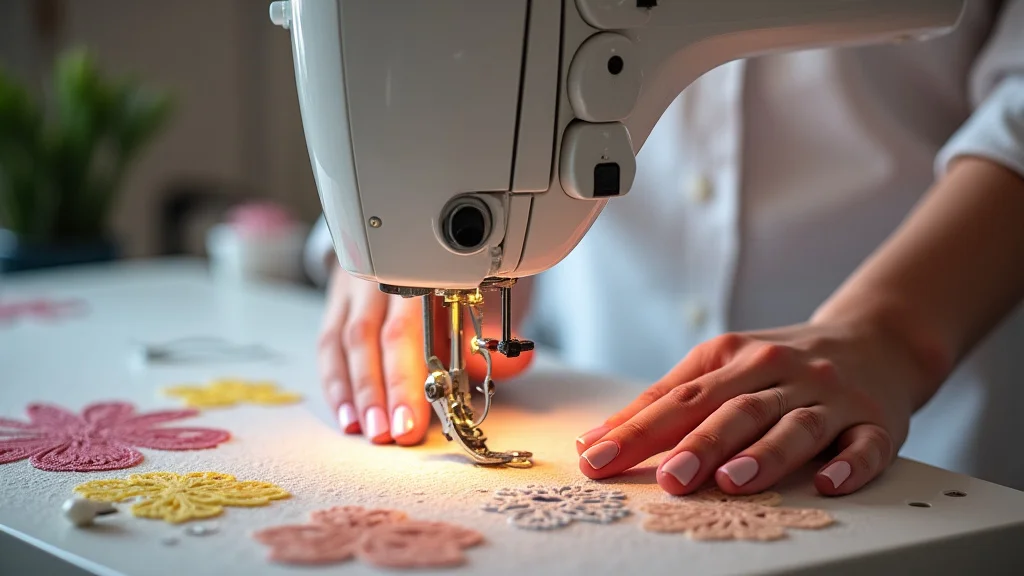
Picture this: you’re planning a beautiful garden, envisioning rows of vibrant flowers. Then, you realize you’re actually holding a needle and thread, ready to stitch a gorgeous quilt! That’s a classic mix-up of two distinct, yet equally fulfilling, crafts. This post clarifies the difference between sewing and sowing, ensuring you never again confuse your seedlings with your seams. You’ll gain a clear view of each activity, from tools to techniques. Plus, you’ll know how to differentiate them. This helps make the right choice when engaging with these crafts, improving your overall project results.
Key Takeaways
- Sewing involves using needle and thread to join fabrics, while sowing involves planting seeds.
- The tools and techniques for sewing and sowing are completely different.
- Knowing the differences ensures the correct materials are selected for each activity.
- Both sewing and sowing offer creative outlets and practical benefits.
- Confusion between the two is common, making this knowledge extremely useful.
- The benefits of each craft extend beyond a specific hobby.
Unraveling the Art of Sewing
Sewing is the craft of joining materials using a needle and thread. It’s a foundational skill dating back thousands of years. From the earliest human attempts at clothing to the modern creation of intricate garments and home décor, sewing has been and continues to be an essential and versatile skill. The core purpose is to connect pieces of fabric, leather, or other pliable materials. This can create everything from a simple seam to complex, sculpted designs.
Essential Tools and Equipment for Sewing
The tools of sewing are as varied as the projects themselves. A basic kit starts with a needle, thread, scissors, and fabric. Beyond this, the tools widen depending on your objectives. Many different types of needles and threads are available, with each serving a specific purpose. Scissors are also critical, whether for cutting fabric or trimming threads. A sewing machine can greatly accelerate the process.
- Needles: These come in a variety of sizes and types. Sharps are suitable for general sewing. Ballpoint needles are designed for knit fabrics. Embroidery needles feature a larger eye for easier threading of specialty threads. The specific needle chosen depends on the fabric and thread.
- Thread: Like needles, thread types vary greatly. Cotton thread is a good all-around choice. Polyester thread offers strength and durability. Silk thread is preferred for fine garments. The thread’s thickness also matters. The best thread is matched to the fabric to ensure strong, lasting seams.
- Scissors and Rotary Cutters: The selection of cutting tools depends on personal preference and project requirements. Scissors are essential for cutting fabric. Rotary cutters offer speed and precision.
- Sewing Machine: A sewing machine is a significant investment but it vastly speeds up the sewing process. Different models offer various features, from basic straight-stitch capabilities to more advanced functions.
Understanding needle size is also important. This is typically indicated by a number: the higher the number, the thicker the needle. Selecting the correct needle prevents fabric damage and ensures smooth stitching. For example, when sewing delicate silks, a fine needle is preferable to avoid snags.
Thread quality is a key consideration. Poor-quality thread can break during sewing. This frustrates the process. Thread quality affects the final appearance and durability of a project. Using high-quality thread may cost more up front, but it will save time and yield better results.
Scissors must be sharp for clean cuts. Dull scissors may lead to uneven edges and frayed fabric. Rotary cutters, often used with a cutting mat, offer excellent control for precise curves and straight lines. Choose a tool that is appropriate to the fabric you are working with.
Understanding the features of a sewing machine is helpful. These features include stitch selection, speed control, and automatic needle threading. Learning to thread and use a sewing machine takes practice. However, the investment in time and money is worth it for efficiency and the range of options.
Techniques and Methods in Sewing
Sewing employs a range of techniques. Each contributes to different seam types and project results. Hand-sewing, still valued, provides flexibility and detailed work. Machine-sewing, conversely, allows for high productivity and repeatable results. Knowing both methods extends the scope of potential projects.
- Hand-Sewing: Hand-sewing offers precision and control. Basic stitches like running stitch, backstitch, and slip stitch serve many purposes.
- Machine-Sewing: Machine-sewing makes quick work of large projects. Straight stitching is a workhorse, suitable for many tasks. Zigzag stitches are used to finish edges and create decorative designs.
- Seam Finishes: Seam finishes prevent edges from fraying. Overcasting, serging, and binding methods reinforce the fabric and extend the life of a garment.
Hand-sewing permits a level of detail difficult to achieve with a machine. It is ideal for mending, adding embellishments, and working with difficult fabrics. Learning to hand-sew stitches opens up design options. The careful hand-sewing of a garment may last longer than the same item crafted on a machine.
Becoming familiar with the settings and features on your sewing machine is key. Practice with scraps of fabric is a good idea. Consider the tension setting on the machine and how that affects your stitches. Regular maintenance, such as cleaning and oiling, helps the machine last longer.
The choice of seam finish depends on the fabric type and intended use of the item. Serging creates a clean edge and prevents fraying. Binding provides a decorative edge on hems. Correct seam finishes make projects last longer. Seam finishes contribute to the professional look of finished products.
The Versatility of Sewing
Sewing is used in many industries and hobbies. It enables creative expression through clothing and crafts. It offers practical advantages in home decor and repair. Whether you are creating a dress or mending a favorite pair of jeans, sewing always provides a sense of accomplishment. It is a creative outlet and a useful skill for a wide range of applications.
- Fashion Design and Garment Construction: Designers use sewing skills to create patterns and prototype garments. Skilled craftspeople can turn sketches into wearable art.
- Home Décor and Craft Projects: Sewing contributes to a comfortable and personalized home environment. Projects include curtains, pillows, quilts, and other home goods.
- Repair and Alterations: Sewing is invaluable for extending the life of clothes and household items. The ability to mend tears and perform alterations can save money and reduce waste.
Fashion design allows personal expression. The ability to sew opens doors to custom fitting and unique styles. Tailoring and alterations help extend the life of purchased garments, saving money and reducing waste.
Home décor projects offer personal touches. The ability to sew can transform a house into a home. Craft projects can provide stress relief. These projects also help in developing creative skills.
Knowing how to mend clothing can minimize your carbon footprint. Alterations allow garments to fit properly. Small adjustments in hems or waistbands can significantly improve a garment’s appearance.
Exploring the World of Sowing
Sowing is the practice of planting seeds in the soil. It is the beginning of the agricultural cycle. It is also an activity that many people find rewarding. From the simple joys of growing a few herbs to the larger undertaking of a productive garden, sowing provides food and beauty. It is the core of sustainable practices.
Necessary Equipment for Sowing
The tools for sowing are varied. They range from basic hand tools to specialized agricultural equipment. Proper preparation of the soil, care of the seeds, and maintenance of the growing plants are all aspects of successful sowing. Learning and using the right tools can make all the difference.
- Soil Preparation Tools: Preparation is critical for good seed germination. These tools help create the correct environment for seeds. They include shovels, hoes, rakes, and trowels.
- Planting Tools: These tools aid in planting seeds at the right depth and spacing. They include seed packets, dibbers, seeders, and measuring tools.
- Watering and Irrigation Tools: Water is essential for seed germination and plant growth. Essential tools include watering cans, hoses, and irrigation systems.
- Protective Gear: Protection from the elements and pests helps to protect plants. This includes gloves, hats, and protective netting.
Preparing the soil involves several steps. The soil should be loose and well-draining. Remove any weeds or rocks. Amending the soil with compost or fertilizer helps increase nutrients. A well-prepared seedbed encourages healthy growth and development.
Following the instructions on seed packets is useful. They give guidance on depth and spacing. A dibber makes holes at the correct depth. Seeders can help to distribute seeds evenly. Accurate planting ensures that seeds have adequate space and sunlight.
Watering methods depend on the scale of the garden. A watering can is fine for smaller plots. Larger gardens may use sprinkler systems or drip irrigation. Watering at the right time is important. Morning watering reduces water loss and helps prevent disease.
Gloves protect hands from soil and thorns. A wide-brimmed hat protects from sun. Protective netting or row covers can safeguard against pests. Protecting plants can ensure healthy growth and better yields.
Techniques and Methods in Sowing
There are several techniques. These techniques provide a guide for ensuring proper seed placement, spacing, and care. Different methods are used depending on the crop and local environment. Understanding these techniques helps ensure that seeds thrive.
- Direct Sowing: Direct sowing involves planting seeds directly into the ground. It is appropriate for crops such as beans, carrots, and radishes.
- Seed Starting Indoors: Starting seeds indoors allows for a longer growing season. This is helpful in colder climates or for crops with long growing periods, like tomatoes or peppers.
- Transplanting: Transplanting moves seedlings grown indoors to their final growing location. The timing of transplanting is critical, considering weather conditions and plant needs.
- Spacing and Depth: Proper spacing and planting depth are important for healthy plant development. Each seed type requires a specific spacing and depth.
Direct sowing is easier for some plants. It avoids the need for transplanting. Proper spacing is key for avoiding overcrowding. This is achieved by following planting guides.
Starting seeds indoors provides a head start. It allows you to control the environment. Seed trays or pots are filled with seed-starting mix. The seeds are watered regularly and kept in a warm, sunny location.
Transplanting gives plants a better chance to thrive. It requires care to avoid damaging the roots. The plants should be hardened off, or gradually exposed to outdoor conditions, before transplanting. Providing adequate water and support helps the plants adjust.
Following the spacing and depth instructions on the seed packet is important. The right spacing prevents overcrowding. Proper depth allows roots to grow properly. This practice influences plant growth and the quality of the harvest.
The Benefits of Sowing
Sowing brings many benefits. It provides access to fresh, healthy produce, along with the pleasure of being close to nature. Gardening contributes to a sustainable lifestyle. It also offers a source of physical activity and relaxation.
- Food Production: Growing your own food provides access to fresh, healthy produce. It reduces reliance on the grocery store. This also allows for the control of pesticides and fertilizers used.
- Environmental Benefits: Gardening can promote sustainable practices. It also supports biodiversity and reduces the carbon footprint.
- Mental and Physical Health: Gardening provides a form of exercise and reduces stress. It is a relaxing pastime that can reduce tension. It increases feelings of well-being.
The ability to grow your own food can lead to significant savings. It is a way to eat more organically. It is a fun way to try new varieties of plants that are not commonly found in stores.
Gardening practices can include composting, mulching, and using organic fertilizers. These practices can improve soil health and water conservation. It can also encourage beneficial insects and pollinators.
Gardening can provide moderate physical activity. It encourages time outdoors and exposure to sunlight. The enjoyment of growing plants boosts mental health.
Sewing vs Sowing: Contrasting the Crafts
The differences between sewing and sowing are distinct. Both crafts offer rewarding experiences. They are vastly different in their tools, methods, and results. This contrast underlines their unique value. The contrast makes it easy to differentiate them.
| Feature | Sewing | Sowing |
|---|---|---|
| Purpose | Joining fabric to create garments or other items. | Planting seeds in the soil to grow plants. |
| Tools | Needles, thread, scissors, sewing machine. | Shovels, hoes, watering cans, seed packets. |
| Materials | Fabric, thread, buttons, zippers. | Seeds, soil, water, fertilizer. |
| Techniques | Stitching, hemming, pattern making, tailoring. | Planting, watering, weeding, fertilizing. |
| Output | Clothing, home décor, accessories. | Fruits, vegetables, flowers, herbs. |
The chart offers a clear comparison. It lists tools, techniques, and final products for both sewing and sowing. This comparison removes confusion. It also enables understanding of each craft.
Comparing Tools and Materials
Tools and materials differ drastically. Sewing relies on needles, thread, and fabrics of all kinds. Sowing uses tools and materials for ground preparation, planting, and nurturing growth. Each requires a specific set of tools for maximum effect.
- Needles versus Seeds: The needle is to the sewer what the seed is to the grower. Each is a starting point for crafting results.
- Fabric versus Soil: Fabric provides a base for sewing projects. Soil is the foundation for plants to thrive.
- Scissors versus a Trowel: Scissors are used to cut fabric. A trowel is used to plant and prepare soil. They are two tools designed for very different purposes.
A sewing needle is used to manipulate threads. It creates seams and shapes fabric. A seed is a vessel for life. It is planted in soil to start a plant.
Fabric comes in many textures, patterns, and compositions. It determines the look and feel of a product. Soil supports the plants. It provides the nutrients needed to produce vegetables.
Scissors must cut accurately. A trowel must create holes and move soil. Each performs a specialized function in its craft.
Comparing Processes and Outcomes
The processes differ. Sewing involves stitching fabric. Sowing involves placing seeds in the ground and encouraging growth. The final outcomes vary. One produces clothing or home goods. The other produces produce or plants.
- Stitching versus Planting: The act of stitching fabric is different from planting seeds in the soil.
- Creating a Garment versus Growing a Plant: The results of each process are very different. One provides clothing, the other creates crops.
- Pattern Making versus Garden Planning: Both crafts require planning. Sewing demands pattern creation. Sowing requires garden design.
Stitching is the fundamental process of sewing. The process unites pieces of fabric. Planting is the core of sowing. It begins the life cycle.
Sewing makes functional or decorative items. Sowing yields fresh produce or flowers. The finished products are tailored to individual needs.
Pattern making is an important step in garment design. Garden planning involves selecting plants. The objective is to achieve the greatest yields.
Understanding the Key Differences
The key differences are in the objectives and methods. Sewing is about construction. Sowing is about cultivation. Knowing the key differences helps people engage with each activity with confidence.
- Focus on Construction versus Cultivation: Sewing concentrates on assembling things. Sowing focuses on nurturing plants.
- Immediate Results versus Time and Patience: Sewing frequently offers immediate gratification. Sowing demands patience. It is designed to yield a harvest later.
- Creative Design versus Biological Processes: Sewing is a design-focused craft. Sowing includes working with natural growth cycles.
Sewing involves fabric manipulation. The goal is to build something useful. Sowing entails supporting natural processes. The goal is to make plants grow.
Sewing projects can be completed quickly. Sowing is a longer process. It requires daily care over several months.
Sewers use design to create projects. Gardeners must recognize the needs of their plants. Both require creativity, but the areas where they are expressed differ.
Common Myths Debunked
Myth 1: Sewing is Only for Making Clothes
Many think sewing is exclusively for creating garments. Sewing’s reach is much wider than fashion. It includes home décor, repairs, and crafts.
Sewing is important for home décor. It makes curtains, pillows, and quilts. Repairing is another area. Many people mend their clothes and fix other household items.
Myth 2: Sowing Is Only for Farmers
Sowing is often seen as the domain of agriculture. You can sow seeds on a small scale in your yard, or even in pots.
Urban gardens, balcony gardens, and even indoor herb gardens provide fresh produce. Sowing is available to people in all locations. It is a healthy hobby for any home.
Myth 3: Sewing Requires Expensive Equipment
Some people think sewing needs expensive equipment. Though advanced machines exist, you can create pieces with a needle and thread.
Basic sewing supplies are affordable. You can start with a basic sewing kit. Hand-sewing is also an accessible option. Sewing can be cost-effective for repairs.
Myth 4: Sowing Is Difficult
Some people assume sowing is a difficult craft. It is possible to succeed with a little research and practice.
Start with easy-to-grow plants. Observe what works and what doesn’t. You can learn gardening skills quickly. Also, seek the help of online resources.
Myth 5: You Have to Be Artistic to Sew or Sow
Creativity is helpful for both crafts, but it is not essential. Technical skills can be just as valuable.
Following patterns and instructions allows anyone to sew successfully. Sowing benefits from following planting guides. Practice and patience are more critical than natural artistic talent.
Frequently Asked Questions
Question: What’s the main purpose of sewing?
Answer: Sewing joins fabric pieces with a needle and thread, usually to create clothing, home décor items, or repair damaged textiles.
Question: How is sowing different from planting?
Answer: Sowing is the act of planting seeds. Planting can also refer to transplanting seedlings or mature plants.
Question: What is a running stitch?
Answer: A simple hand-sewing stitch where the needle goes in and out of the fabric in a continuous line.
Question: What do you need to start a small garden?
Answer: You need seeds, soil, a container or garden space, water, and sunlight.
Question: Can I learn to sew or sow without lessons?
Answer: Absolutely! There are many free online resources and beginner-friendly tutorials available for both sewing and sowing.
Final Thoughts
The skills of sewing and sowing, while distinct, both offer rewarding avenues for creativity and practicality. Sewing provides the means to fashion and mend, bringing a personalized touch to clothing and home. Sowing cultivates beauty and sustenance, bringing the pleasure of growing your own food. While the tools and techniques differ dramatically, both crafts cultivate patience, precision, and a connection to the material world. Now that you have a clear grasp of their differences, go ahead and explore your interest. Start with a simple project, embrace the learning process, and enjoy the rewards that come with each stitch or seed planted. The world of crafting and gardening awaits your exploration.