Remember that old, slightly worn, but oh-so-comfortable shirt you absolutely adore? The one you wouldn’t dream of throwing away, even though a seam has come undone? Well, fixing that, or even creating your own clothes from scratch, often involves the sewing verb. This blog post will explore everything about the word, from its basic forms to its different applications in the world of fashion and beyond. You will also learn about its variations and usage. By the end, you will have a better grasp of the sewing verb itself.
Key Takeaways
- Identify the various forms of the sewing verb and how to use them.
- Explore different types of stitches and their applications.
- Discover the impact of the sewing verb in the fashion industry and crafts.
- Understand the importance of the sewing verb for garment care and repair.
- Learn how the sewing verb connects to sustainability and DIY projects.
- Improve your ability to follow instructions related to sewing.
Unpacking the Sewing Verb: Its Essence and Forms
The core concept of the sewing verb revolves around joining two or more pieces of material together, typically fabric, using a needle and thread. It’s an action that spans from basic repairs to intricate designs. This action is crucial for a variety of tasks, like creating clothing, mending tears, or constructing items for the home. The forms of the verb change depending on the tense, but the fundamental idea of creating a connection or a construction remains constant. This action is a fundamental skill in many fields, requiring precision, attention, and a certain degree of artistry. The verb helps bring visions and ideas to life through tangible creations.
The Basic Forms of “Sew”
The verb “sew” changes form based on the tense used. Recognizing these forms is important for clear communication. It helps you understand instructions, follow patterns, and describe your actions accurately. Here’s a rundown of the key forms:
- Infinitive: “To sew” – This is the base form, often used after “to” (e.g., “I plan to sew a new dress”).
- Present Simple: “Sews” (for third-person singular) – Used when describing a present action by someone (e.g., “She sews quickly”).
- Present Participle: “Sewing” – Used in continuous tenses (e.g., “I am sewing a quilt”).
- Past Simple: “Sewed” – Used to describe a completed action in the past (e.g., “Yesterday, she sewed a button on her coat”).
- Past Participle: “Sewn” – Used with auxiliary verbs like “have” or “had” (e.g., “I have sewn many dresses”).
Understanding these forms will improve your ability to talk about and engage in projects that use the sewing verb.
Common Sewing Terminology
Learning the right terms allows for clear communication. When you understand the terms, the process is much easier to describe and implement.
- Seam: The line where two pieces of fabric are joined.
- Stitch: The fundamental unit of sewing, created by passing a thread through the fabric.
- Hem: The finished edge of a garment, usually folded and sewn.
- Baste: A temporary stitch used to hold fabric pieces together before permanent sewing.
- Appliqué: Applying a small piece of fabric onto a larger one, often for decoration.
- Dart: A fold stitched into the fabric to shape a garment.
This is just a small sample of the vocabulary used. As you progress, you will learn even more terms.
The Sewing Verb in Action: Techniques and Stitches
The method of the sewing verb can range from simple hand-sewing to complicated machine-sewing. It also involves a range of techniques, from creating basic stitches to intricate embroidery. The techniques chosen often depend on the project’s purpose, design, and materials used. The different techniques and stitches are like having a range of tools. Knowing how to use them can allow you to bring your own ideas to life.
Hand Sewing Techniques
Hand-sewing might seem basic, but it is useful for various tasks. It does not require any specialized equipment, just a needle, thread, and fabric. Here are some key hand sewing techniques:
- Running Stitch: This is the most basic stitch, used for simple seams or gathering fabric. It involves passing the needle in and out of the fabric in a straight line.
- Back Stitch: This strong stitch is used for permanent seams. You bring the needle up, then back, creating a solid, secure line.
- Slip Stitch: This nearly invisible stitch is used for hems and attaching linings. It involves picking up a tiny thread on the fabric and then slipping the needle through the fold.
- Whipstitch: Used for finishing edges, the whipstitch wraps the thread around the edge of the fabric.
A running stitch is achieved by consistently passing the needle through the fabric, alternating between the top and bottom layers to create a continuous line of stitches. This is ideal for quick seams, gathering, or simple repairs. The simplicity of the running stitch makes it an excellent choice for beginners, as it does not demand any specialized skills or equipment. The stitch’s straightforward nature allows for flexibility, letting you adjust the stitch length and spacing according to your needs. This is helpful when you need a quick way to hold items together, or prepare items for a more permanent form of sewing.
The back stitch is a robust and dependable hand sewing technique, perfect for creating durable seams and ensuring that fabric pieces are securely joined. The method involves bringing the needle up through the fabric, taking a short stitch forward, and then bringing the needle back to the end of the previous stitch. This overlap creates a strong line. This technique creates a lock with each stitch, making it the right choice for high-stress areas. The back stitch is frequently applied in areas that will experience stress, such as seams, or where a strong hold is required.
The slip stitch is a discreet and effective hand-sewing method, perfect for creating invisible seams, especially for hems or attaching linings, to enhance a professional appearance. The goal of a slip stitch is to hide the stitching. The technique involves picking up a small thread of the fabric, then slipping the needle into the fold, producing almost invisible stitches. The careful and deliberate nature of the slip stitch makes it well-suited for fine fabrics, allowing the garment to maintain a neat appearance. The technique needs precision to make the stitch invisible.
Whipstitching is a fundamental hand-sewing method utilized for finishing edges or attaching appliques, guaranteeing that the fabric edges remain smooth and prevent fraying. The technique involves taking the needle from the front to the back of the fabric, wrapping the thread around the edge. This encircling motion seals the edge and can be used on a variety of materials. Because of its nature, whipstitching is often chosen for blankets, craft projects, or any project needing a neat and secure edge. Because of its flexibility, it can accommodate different kinds of fabrics and thicknesses, making it a great technique.
Machine Sewing Techniques
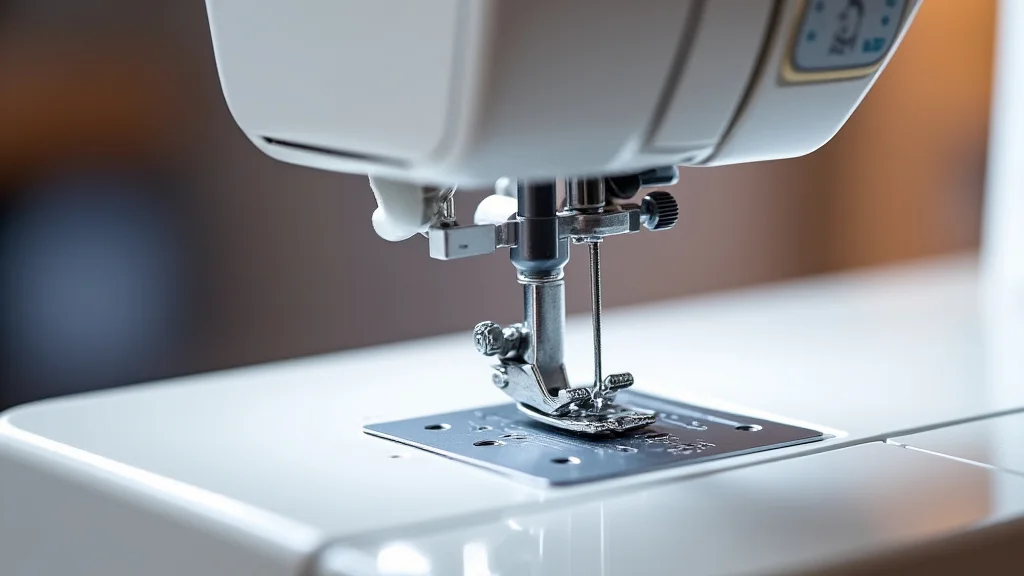
Machine sewing dramatically speeds up the process. Sewing machines handle complex stitches. Many types of projects are easier to do with a machine. Here’s a brief look:
- Straight Stitch: The most basic stitch on a machine, used for most seams.
- Zigzag Stitch: A versatile stitch, great for finishing edges, attaching elastic, and decorative touches.
- Buttonhole Stitch: Used to create buttonholes.
- Overlock Stitch: This is also known as a serger, it trims, sews, and finishes the edge of the fabric.
The straight stitch is the cornerstone of machine sewing, used for various projects. It involves creating a straight, continuous line with the needle moving consistently through the fabric. This method is used in constructing seams, hemming, and basic construction tasks. A straight stitch is known for its versatility. The needle always pierces the fabric at a constant distance from the edge, ensuring accurate and stable seams. This is a crucial stitch for all projects. The stitch is the foundation for much of what can be done.
The zigzag stitch is a flexible stitch available on most sewing machines. It is used to finish fabric edges to prevent fraying, attach elastic, and add decorative details. The zigzag stitch is achieved by moving the needle sideways, creating a zig-zag pattern. This method’s structure allows it to expand or contract. This stitch is important for edge finishing, making it a valuable tool in sewing. Because of its adaptability, the zigzag stitch can be applied on numerous fabrics. The tension can be adjusted.
The buttonhole stitch is an essential stitch for creating buttonholes. It involves forming a dense, reinforced stitch around the buttonhole edge. This technique keeps the hole from fraying. This stitch is often done with a specialized buttonhole foot. The machine works by moving the fabric. With this, you can create a strong, polished buttonhole. Because of its effectiveness, the buttonhole stitch is used in all clothing items. Precision is key to this technique. Because the buttonhole is so important, it is well worth mastering this stitch.
The overlock stitch, generally applied by a serger machine, simultaneously trims, sews, and finishes the edge of fabric in one action. This stitch creates strong, clean seams, helping avoid fraying, while also providing a professional finish. It typically involves two to three threads and two loopers to make an interlocking stitch around the fabric’s edge. The overlock stitch is frequently used in sewing projects that need durable seams, such as knitwear. The result is a clean, finished edge. This method is important for making clothing.
Different Types of Stitches
There are many more stitches used. The choice of stitch depends on the project. Each stitch gives different results:
- Decorative Stitches: Used for embellishment. These include satin stitches, embroidery stitches, and others.
- Stretch Stitches: Designed to stretch with the fabric, ideal for knits and activewear.
- Specialty Stitches: Used for specific purposes, such as blind hems and overcasting.
Decorative stitches are added to improve a sewing project’s appearance by creating visual patterns and textures. These stitches may be used for embellishment or to customize apparel. Satin stitches create solid, smooth shapes, while embroidery stitches add details, designs, and textures. Using decorative stitches is a great way to show off your creativity. To make the most of decorative stitches, experiment with threads.
Stretch stitches are specifically designed to be flexible with the fabric, perfect for knit and activewear materials. These stitches help the garment to stretch and return to its original form, preventing seams from splitting or tearing. Techniques like the three-step zigzag are well-suited for stretch fabrics. When sewing stretch stitches, it is important to choose the right needle and thread for the fabric to get the best outcomes. The goal is to retain the flexibility of the stretch material.
Specialty stitches are designed for specialized sewing needs, providing unique features that meet a range of project requirements. These stitches vary from blind hem stitches to those for overcasting. Blind hem stitches create virtually invisible hems, while overcasting prevents fraying. Knowing how to use specialty stitches enhances the versatility of your sewing skills. To achieve the best outcome, it is important to follow the directions. From home décor to garment construction, specialty stitches help.
The Sewing Verb in Industry: Fashion, Crafts, and Garment Care
The sewing verb is essential across various industries. From the fashion industry to home crafts and garment care, the skill underpins design, production, and repair. It is a fundamental part of the creation and upkeep of items. Its scope is wide.
Sewing in the Fashion Industry
The fashion industry would not be the same without sewing. It is essential in all phases of the creation and production of clothing. From the initial design process to final production, sewing ensures that ideas become tangible garments.
- Design and Prototyping: Designers use the sewing verb to make prototypes, which are the first physical form of designs.
- Pattern Making: Accurate patterns are created. These are used to guide the cutting and sewing of garments.
- Production Sewing: Large-scale garment production relies on efficient sewing techniques and machines.
The design and prototyping phase are where ideas are brought into reality by turning sketches and concepts into tangible garments. Designers utilize the sewing verb in this phase to construct prototypes. These early samples are critical to evaluate fit, design, and functionality. By sewing these samples, designers can spot problems. Prototyping allows for experimentation with fabrics and construction techniques.
Pattern making is the crucial step in the fashion industry where fabric pieces are created. These pieces are then used to build garments that adhere to a designer’s specifications. The method entails taking body measurements and utilizing them to make patterns. A good pattern will guarantee fit and design correctness, thus making sewing much easier and resulting in a well-fitting finished product.
Large-scale garment production depends on efficient sewing methods and equipment to create apparel. This typically involves numerous workers. They work in a continuous line to assemble clothes. The production relies on specialized equipment and repetitive tasks. Each worker completes a specific sewing task. Effective production is important for the fashion industry.
Sewing for Crafts and DIY Projects
The sewing verb is an important skill in crafts and DIY. It allows individuals to express creativity and craft unique items. From simple repairs to advanced projects, sewing skills offer a way to create and customize items.
- Creating Items: This allows you to design and create a wide variety of items.
- Customization: Altering and customizing existing items.
- Repair and Upcycling: Repairing damaged items and upcycling materials.
The sewing verb is the foundation of creating various crafts and DIY projects, giving individuals the power to bring their concepts to life. You can make accessories, home decor, and gifts. Sewing provides a means of personal expression and craftsmanship. Through sewing, craft enthusiasts may explore textiles and methods.
The ability to alter and customize items using the sewing verb allows people to personalize their belongings, adding personal touches to existing items. This might include adjusting the length of pants, adding patches, or adding embroidery. This skill provides a means of giving older items new life. It can also help individuals express their unique style. This is a cost-effective alternative to purchasing new items.
Repairing damaged items and upcycling materials is a valuable facet of DIY, letting individuals extend the life of their possessions and promoting sustainability by using the sewing verb. This includes sewing holes, mending seams, and creatively repurposing old clothing or fabric. By using this approach, people can reduce waste and promote eco-friendly behaviors. Repairs and upcycling demonstrate the sewing verb’s role in sustainability. This approach has financial and environmental advantages.
Garment Care and Repair
Knowing how to apply the sewing verb can save you time and money. It also allows you to keep clothing and other textile items in good condition. Taking care of your items makes them last much longer. Here’s why it is so important:
- Mending and Repairs: Fixing tears, holes, and loose seams to extend the life of garments.
- Alterations and Adjustments: Making garments fit better.
- Preventative Care: Reinforcing weak areas.
Knowing how to use the sewing verb to mend tears, holes, and loose seams extends the life of garments. These repairs can range from mending a simple tear to resewing a detached seam. Taking action when damage is small can stop it from becoming a bigger problem. A few stitches can bring your items back to wearable condition. This ability means clothes are preserved, and helps avoid the need to buy new items.
Making alterations and adjustments to clothing using the sewing verb improves the fit of garments. This might include shortening pants, taking in a waistline, or altering the sleeves on a shirt. Getting the right fit is important for comfort and aesthetics. Alterations help customize garments to match individual preferences. Adjustments also help clothing last. The ability to make such alterations improves clothing usage.
Using the sewing verb for preventive maintenance is a proactive technique for strengthening weak spots. Examples include reinforcing seams, attaching buttons, or adding patches to high-wear regions. Early intervention can prevent minor problems from turning into bigger, more costly repairs. This helps items maintain their look and utility. Using preventative care can extend the useful life of clothing.
In fact, statistics show that Americans throw away an average of 81 pounds of clothing each year per person. Learning how to sew and repair items could reduce this number and save money. Also, by repairing clothing you have, you help reduce the environmental impact of textile waste. These facts underscore the significance of the sewing verb as a practical skill.
Myth Debunking
Myth 1: Sewing Is Only for Older People
It’s a common misconception that sewing is an activity that appeals only to older people. The truth is, people of all ages enjoy sewing, especially with the surge in DIY and sustainable practices. The craft is popular across generations.
Myth 2: Sewing Is Too Difficult to Learn
Many people think that learning to sew is hard. But the truth is that with a bit of practice and basic instruction, anyone can learn to sew. There are many learning resources, from online tutorials to community classes. It’s a skill that can be developed over time.
Myth 3: Sewing Requires Expensive Equipment
While professional sewing can need advanced tools, you can start with basic supplies. A needle, thread, and some fabric are all that’s needed to start. A basic machine is also an affordable option.
Myth 4: Sewing is Only for Making Clothes
Many people incorrectly assume that the sewing verb is only related to clothes. But sewing can be used for various crafts, home decor projects, and repairs. From quilting to creating accessories, sewing provides countless creative outlets.
Myth 5: All Sewing Needs to Be Perfect
A lot of people feel that sewing has to be flawless. It’s important to remember that sewing is a craft. Perfection can come with practice. Small imperfections are common. Don’t be afraid to try, experiment, and learn. The value is in creating something.
Frequently Asked Questions
Question: What do I need to start sewing?
Answer: You will need a needle, thread, fabric, scissors, pins, and possibly a sewing machine. You may also want a measuring tape.
Question: What’s the best way to learn how to sew?
Answer: Start with simple projects, follow tutorials, and practice regularly. Classes or sewing groups can help too.
Question: What kind of fabric is best for beginners?
Answer: Cotton is a great fabric for beginners because it’s easy to work with. It’s also easy to pin and see your stitches. It’s a great choice for projects.
Question: How do I choose the right needle and thread?
Answer: The needle and thread should match the fabric weight. Use a thinner needle and thread for lighter fabrics, and a thicker needle and thread for heavier fabrics. This is important to consider when you apply the sewing verb.
Question: How can I prevent the fabric from fraying?
Answer: You can use a zigzag stitch, serger, or fabric sealant to keep fabric from fraying. This is an important step when you apply the sewing verb.
Final Thoughts
The sewing verb is a versatile skill that can open up a world of creativity, practicality, and sustainability. It’s a means of bringing ideas to life, from crafting unique clothing to repairing beloved items. From simple hand stitches to the use of a machine, it provides a means to express yourself and create. You’ll gain a deeper appreciation for the work of others who use the verb. Whether you’re interested in fashion, crafts, or simply wanting to care for your belongings, the sewing verb is important. Start with a simple project, embrace the learning process, and enjoy the satisfaction of creating. Try a simple project like a pillowcase or a simple tote bag. The possibilities are endless when you use the sewing verb.