Key Takeaways
- Discover your current level of expertise with a comprehensive sewing quiz.
- Learn about various sewing techniques and tools used in garment creation.
- Identify areas where you can improve your sewing knowledge and skills.
- Explore different fabric types and their unique characteristics for projects.
- Gain a better sense of how to approach sewing projects with confidence.
Embark on a Sewing Quiz Adventure
Do you love the feel of fabric between your fingers and the satisfying snip of scissors? Perhaps you’ve always admired those who can create beautiful garments, or maybe you’re just starting your sewing adventure. Wherever you are on your sewing path, a fun sewing quiz can be a fantastic way to assess your skills and learn more about this rewarding craft. This post offers a quiz that will help you gauge your expertise and provide valuable insights into enhancing your sewing prowess, and gain confidence for your next sewing project.
This quiz isn’t just about answering questions; it’s a way to explore the wonderful world of sewing, from the basic stitches to the more advanced techniques. You’ll gain a clearer view of your strengths and identify areas where you can expand your knowledge. Get ready to explore different types of fabric, the perfect tools, and the methods used to put it all together to create amazing designs. This exploration will show you the key elements that will sharpen your skills.
Understanding Sewing Fundamentals
Sewing is more than just running a needle and thread through fabric; it involves a whole system of methods, materials, and processes. It can seem like a lot to take in at first, but with a solid base, you can build your abilities step by step. This foundational section addresses the fundamental elements that build your skills.
Basic Sewing Tools
Before beginning any sewing project, knowing the proper tools is important. From measuring to cutting and stitching, having the right equipment ensures your work is neat, accurate, and enjoyable. Think of your toolbox as your partner in creativity; the better the gear, the more you can bring your ideas to life.
- Measuring Tools: A tape measure is vital for accurately measuring fabric and patterns. Rulers, especially clear acrylic rulers, help with precise cutting and marking.
- Cutting Tools: Sharp scissors, or shears, are a necessity. Rotary cutters, with their rotating blades, are suitable for cutting straight lines. Seam rippers are used to undo mistakes.
- Marking Tools: Tailor’s chalk, fabric markers, and water-soluble pens are for transferring pattern markings onto the fabric.
- Needles and Threads: A variety of needles are suitable for sewing machines and hand sewing. The thread should match the fabric and the needle.
A good example is using the right needle for your fabric. A universal needle handles most fabrics, while a ballpoint needle is suitable for knit fabrics. Using the wrong needle can damage the fabric and cause the thread to break. Always use pins to keep fabric layers aligned for accurate cutting and stitching.
Essential Sewing Stitches
Stitches are the building blocks of any sewing project. Mastering them is essential for creating durable, professional-looking garments and crafts. There are many different stitches that you can perform, all serving a unique purpose. Whether you are sewing by hand or machine, knowing the basic stitches is very important.
- Running Stitch: This is the most basic stitch, used for hand sewing. It’s done by passing the needle up and down through the fabric in a continuous motion.
- Back Stitch: A stronger stitch, where the needle goes backward after each stitch, providing durability. It is like the machine stitch, but handmade.
- Slip Stitch: An almost invisible stitch, perfect for joining fabric layers where the stitches shouldn’t be seen.
- Machine Stitches: The straight stitch is the most common, used for general sewing, the zigzag stitch helps finish edges and the overlock stitch, which is done on a serger, and is perfect for knitted fabrics to provide stretch without the seams breaking.
Choosing the correct stitch can change the result of your project. For instance, using a zigzag stitch along raw edges prevents fraying and keeps your fabrics together, whereas a straight stitch is suitable for constructing seams and attaching items.
Pattern Reading
Understanding sewing patterns is very important. They act as blueprints that guide you through creating a garment or craft item. Learning to read and follow a pattern will help you be successful in your projects. Here are the main elements of a pattern, and how to utilize them.
- Pattern Symbols: These marks are all over the paper pattern, and they indicate cutting lines, stitching lines, and placement of details.
- Notches: These small marks on pattern pieces help align the pieces correctly during assembly.
- Grainline: An arrow marked on the pattern, that must align with the fabric’s grain.
- Seam Allowance: The distance from the cut edge of the fabric to the stitch line. This is also usually included on the pattern piece.
Consider a simple garment. The pattern will have pieces for the front, back, and sleeves. Each piece will have notches to match up seams. Following the correct grainline is important so that the fabric drapes as intended. Also, matching notches is important, so all your pieces are attached to one another at the correct spots. When you master these elements, you will be on your way to more complex projects.
Sewing Quiz Questions
Ready to try out your skills with a sewing quiz? This is a great way to put your knowledge to the test. Answer these questions and see how your skills stack up. This test will help you identify areas for growth as you continue to improve your sewing abilities. Good luck!
Question 1: Measuring and Cutting
What tool is essential for accurately measuring fabric when preparing a sewing project?
- A ruler
- A tape measure
- A pair of scissors
- A seam ripper
Explanation: The correct answer is (2). A tape measure is flexible and will easily measure curves, and flat surfaces, which is very helpful when measuring fabric. Rulers are useful for straight lines, and the other tools are used for cutting and undoing errors.
Question 2: Fabric Types
Which fabric is best for beginners to work with due to its ease of use?
- Silk
- Cotton
- Linen
- Chiffon
Explanation: The best answer is (2). Cotton is a great fabric for beginners due to its ease of use and its ability to withstand mistakes. It is easy to iron and cut, which is not true for other fabrics, like silk, which can be difficult to work with.
Question 3: Stitching Techniques
Which stitch is ideal for finishing raw edges to prevent fraying on fabric?
- Running stitch
- Back stitch
- Zigzag stitch
- Slip stitch
Explanation: The right answer is (3). The zigzag stitch secures the raw edges, preventing them from unraveling. While other stitches have different uses, the zigzag is specifically for edge finishing. This is a very common technique to secure edges.
Question 4: Sewing Machine Basics
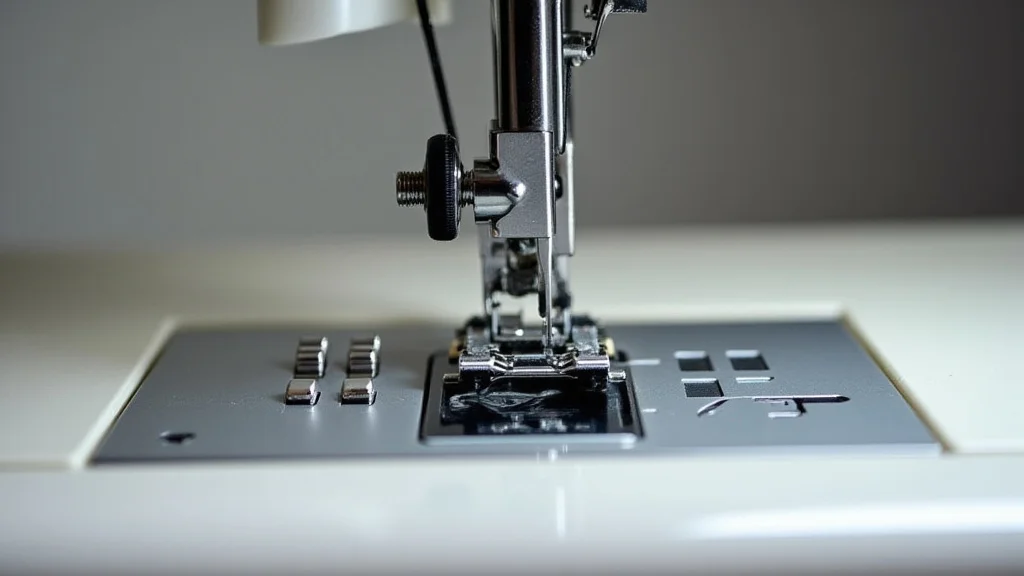
What is the primary function of the feed dogs on a sewing machine?
- To control the speed of the needle
- To guide the fabric under the needle
- To hold the bobbin thread
- To cut the thread after sewing
Explanation: The correct answer is (2). Feed dogs pull the fabric evenly through the machine, making sure the seam is even, without bunching or stretching. This feature is crucial for a consistent stitch length and smooth sewing.
Question 5: Pattern Reading
What do notches on a sewing pattern indicate?
- Cutting lines
- Stitching lines
- Placement of details
- Matching points for seams
Explanation: The answer is (4). Notches on a pattern align the edges of different pattern pieces. They ensure that the pattern pieces will fit together correctly during sewing.
Exploring Fabric Options
The type of fabric you select has a big effect on your sewing project, since it changes the final look, feel, and the amount of skill that is required. Whether you are sewing a garment, home decor items, or crafts, it is good to know the characteristics of the different types of fabrics that are available. Here are some of the most popular fabric types.
Cotton Fabrics
Cotton is a popular choice for all levels of sewers. It is a natural fiber that comes from the cotton plant. There is a wide variety of cotton fabrics, from sturdy canvas to fine batiste. Cotton’s versatility and ease of use make it a great selection for beginners. It is easy to cut and sew, which is why it is often chosen for beginners. It is also available in different weights and prints.
- Characteristics: Breathable, absorbent, easy to care for, and comes in various weights.
- Uses: Clothing, quilting, home décor, and crafts.
- Examples: Broadcloth, muslin, denim, and flannel.
- Care: Usually machine washable and can handle moderate heat.
For example, cotton is ideal for making summer dresses because it is comfortable to wear in warm weather. You can create a quilt with many different types of cotton fabric to make a colorful piece that is functional and beautiful.
Linen Fabrics
Linen, made from the flax plant, is a strong fabric with a nice texture. It is a durable fabric known for its natural luster and breathability. It’s the fabric of choice for warm weather apparel because of its quality. Although it wrinkles easily, that is part of its charm. Linen is a great choice for those who are a bit more experienced with sewing.
- Characteristics: Strong, breathable, wrinkles easily, and has a nice drape.
- Uses: Clothing, home textiles, and upholstery.
- Examples: Irish linen, handkerchief linen, and damask linen.
- Care: Can be machine washed, but it’s best to dry flat to prevent excessive shrinking. Ironing while damp can minimize wrinkles.
Linen is great for creating beautiful curtains, with its elegant look. It is also good for a lightweight summer dress or a tailored jacket. For anyone looking for a natural, high-quality fabric, linen is a perfect option.
Silk Fabrics
Silk is a beautiful, luxurious fabric known for its smooth texture and sheen. It is made from the fibers produced by silkworms. Silk is often used for special occasion wear and delicate items. It is a fabric that requires great care when sewing, so this material is for the experienced sewer. Different weights and weaves, such as charmeuse and chiffon, will create unique effects.
- Characteristics: Soft, lustrous, drapes well, and can be delicate.
- Uses: Formal wear, scarves, linings, and high-end apparel.
- Examples: Charmeuse, chiffon, silk satin, and crepe de Chine.
- Care: Dry cleaning is usually recommended. Gentle hand washing is possible, but care is needed to avoid damage.
Silk is the perfect fabric for evening gowns, wedding dresses, and elegant scarves. Silk can be used as a lining material in jackets, which adds both luxury and comfort.
Skill Level Assessment
Assessing your skills is important for growth and improving your knowledge. This will help you know what to work on. It will also help you create projects that are at the right level for you. The more you work at improving, the more you will learn.
Beginner
Beginner sewists are new to the craft. They are still learning the basics of sewing machines and hand stitches. Beginner projects must be simple, with basic construction techniques. At this level, they’ll learn the fundamentals, such as straight seams and hemming.
- Key Skills: Understanding basic sewing machine functions, using a straight stitch, and working with easy fabrics.
- Common Challenges: Keeping seams straight, learning how to thread the machine, and understanding patterns.
- Projects: Simple tote bags, pillowcases, and basic skirts.
- Focus: Practice, following instructions, and building confidence.
Start with simple tasks like stitching two pieces of fabric together to learn how to keep a straight line. The goal is to build your confidence and learn to thread the needle. There are many simple projects for you to start on.
Intermediate
Intermediate sewists have a solid understanding of the basics. They are ready to tackle more complex projects and techniques. This level requires some experience with patterns, and you can handle more complicated constructions. The main goal here is to grow and gain more skills.
- Key Skills: Reading patterns, using different stitch types, and working with a variety of fabrics.
- Common Challenges: Fitting garments, working with delicate fabrics, and detailed finishing techniques.
- Projects: Garments with more structure, such as blouses, simple jackets, and quilts.
- Focus: Refining techniques, mastering new skills, and expanding your knowledge.
Consider sewing a shirt with set-in sleeves or a quilt with a variety of patterns. The emphasis here is on accuracy and attention to detail. This is when the skill level starts to grow.
Advanced
Advanced sewists are skilled and have a comprehensive view of sewing techniques. They can tackle difficult projects, including complex garments and advanced techniques. At this level, you can handle difficult projects, adjust patterns, and experiment with different methods.
- Key Skills: Altering patterns, creating custom designs, and professional finishing techniques.
- Common Challenges: Complex design execution, working with challenging materials, and advanced fitting.
- Projects: Tailored garments, couture sewing, and complex projects.
- Focus: Expertise, creativity, and refining the art of sewing.
Sewing a tailored coat, a bridal gown, or creating your clothing line are excellent ways to test your skill level. The aim is to create designs, refine your talents, and push your sewing creativity.
Common Myths Debunked
The world of sewing is filled with myths. Understanding these is key to improving your skills. Let’s dispel some common myths and
Myth 1: Sewing is difficult and only for experienced people.
Reality: Sewing can be learned by anyone, at any age. With the many resources now available, from online tutorials to sewing classes, starting is easier than ever. Start with simple projects to build confidence.
Myth 2: You need to buy expensive equipment to sew well.
Reality: While high-quality machines and tools can be helpful, the cost doesn’t equate to quality. Start with the basics and upgrade as you grow. A beginner can get by with a simple machine and essential tools.
Myth 3: Sewing machines are hard to use.
Reality: Modern sewing machines are user-friendly, with many features designed to simplify the process. Many machines have automatic functions, like needle threading, which makes it easier for you to learn.
Myth 4: Perfect sewing is a must for all projects.
Reality: Imperfection is natural, especially as you learn. Focus on progress, not perfection. Each project offers the opportunity to improve. Every mistake is a learning moment.
Myth 5: Sewing is an outdated hobby.
Reality: Sewing is still relevant. It is a creative outlet and a means to express yourself. It also promotes eco-conscious practices and allows you to customize and repair your clothing. Modern technology and design are used in sewing as well.
Frequently Asked Questions
Question: What’s the best sewing machine for beginners?
Answer: A basic, straightforward sewing machine with essential features like a straight stitch and zigzag stitch is perfect for beginners. Look for something easy to thread and use.
Question: How do I choose the correct thread?
Answer: The thread should match the fabric weight and color. For general sewing, all-purpose polyester or cotton thread is good. For heavier fabrics, use a stronger thread.
Question: What is seam allowance, and why is it important?
Answer: Seam allowance is the width between the edge of the fabric and the stitching line. It is important to know the measurements, because it keeps the seams consistent and strong.
Question: How can I prevent fabric from fraying?
Answer: Use a zigzag stitch or serger to finish the raw edges of the fabric. You can also use special fabric glue or edge finish products.
Question: How often should I clean and maintain my sewing machine?
Answer: Clean your sewing machine after each project, and oil it regularly. The frequency depends on how much you sew. Following the user manual for proper care is a must.
Final Thoughts
Completing a sewing quiz is a great way to take stock of your skills, recognize what you already know, and identify what you can work on. This is not about the score, but how much you understand about sewing, and the level that you are at in the moment. Remember that sewing is about the process of learning and creating. Embrace the challenges that appear, and celebrate your progress.
Think about beginning a new project. Look at some fabrics and patterns, and choose something that you can learn from. The best thing is to keep practicing and learning. The more time you put in, the better you will become. Keep sewing, keep improving, and enjoy the craft.