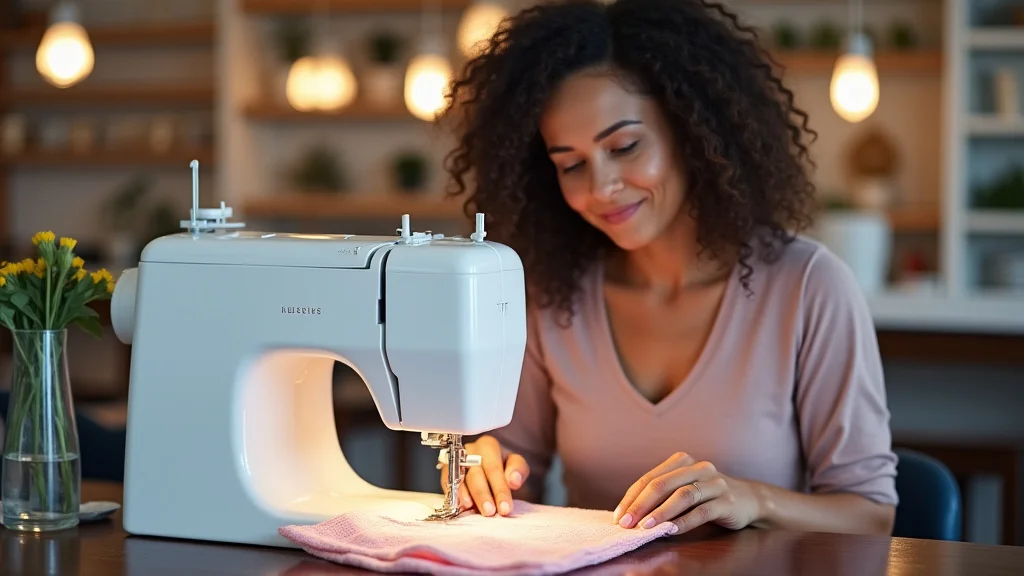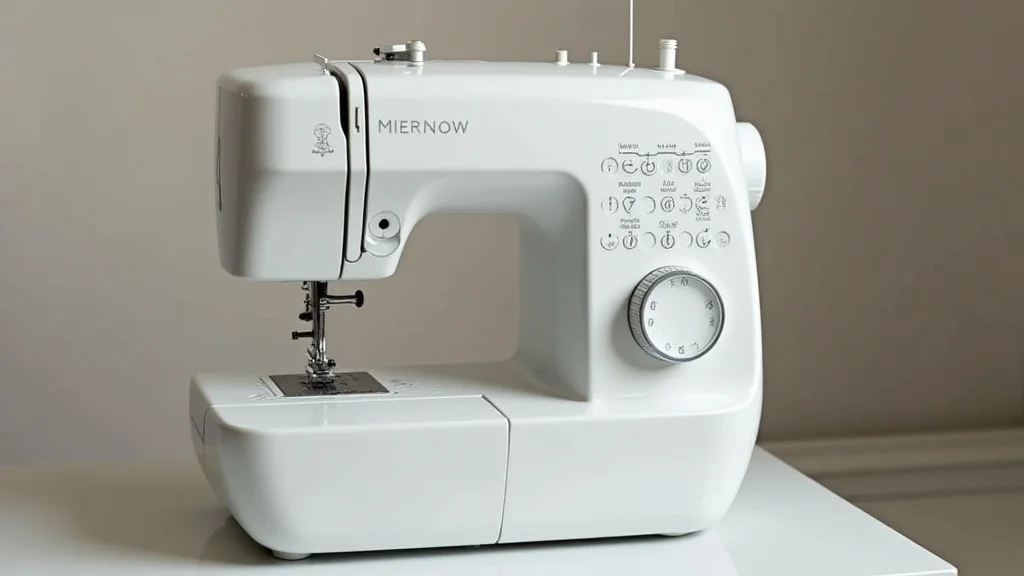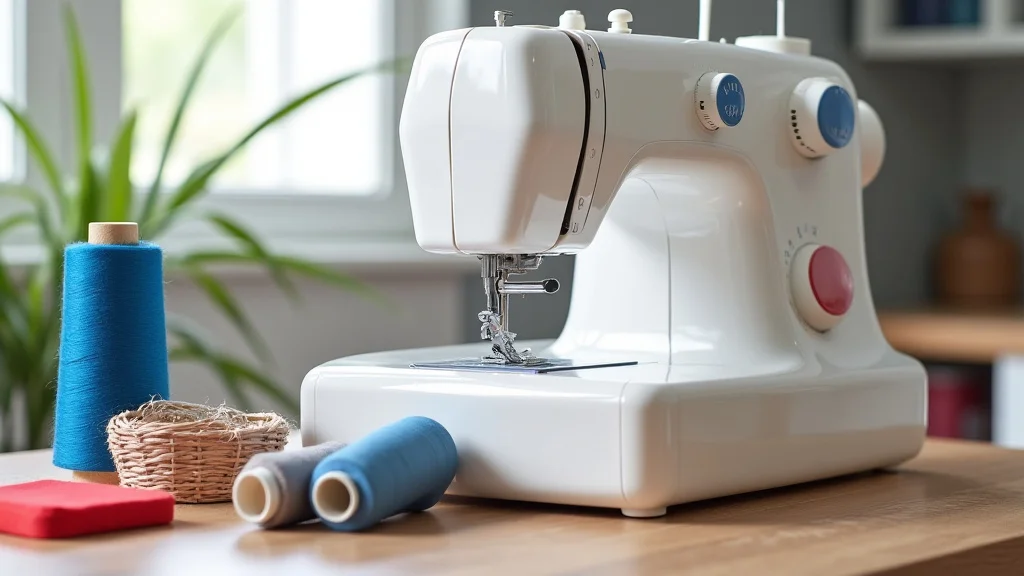
Do you ever feel like your sewing space is more of a sewing explosion? Fabrics overflowing, threads tangled, and needles mysteriously disappearing into the abyss? You are not alone! Many sewers struggle with keeping their sewing supplies organized, which can lead to frustration and wasted time. This post will transform your chaotic crafting corner into a haven of creativity. You’ll gain practical strategies to find what you need quickly, maximizing your sewing enjoyment and efficiency. We’ll explore various sewing organizer options, helping you select the perfect system for your space and needs. Get ready to reclaim your sewing room and rediscover the joy of creating!
Key Takeaways
- Learn how to choose the right sewing organizer to fit your space and needs.
- Discover practical tips for organizing different sewing supplies, from fabric to notions.
- Understand the benefits of an organized sewing space for efficiency and creativity.
- Explore different storage solutions, including drawers, bins, and wall-mounted options.
- Find out how to maintain your organized system over time.
- Gain inspiration and ideas to create a sewing space that works for you.
Choosing the Perfect Sewing Organizer
Selecting the ideal sewing organizer for sewing supplies is the first step toward a more enjoyable and efficient sewing experience. This involves evaluating your current workspace, assessing the quantity of your supplies, and considering your personal preferences for organization. There is no one-size-fits-all solution, as the best organizer depends on your individual needs and the space available. Careful planning now will save you time and frustration later. Consider the types of projects you typically undertake, the size of your fabric stash, and the tools you use most frequently.
Assessing Your Needs
Before buying anything, take inventory. Gather all your sewing supplies and sort them into categories: fabrics, threads, needles, scissors, patterns, and so on. This will give you a clear picture of what you own and what kind of storage space you need. Next, evaluate your sewing area. Is it a dedicated room, a corner of a guest room, or a portable setup? The size and layout of your space will significantly impact your storage choices. Measure the available area to determine the dimensions of the organizers you can use. Note any existing furniture or shelves you can incorporate.
- Categorize Your Supplies: Sort items into groups such as fabric, threads, needles, patterns, notions, etc. This simplifies the process of determining storage requirements.
- Measure Your Space: Accurately measure the area available for storage to determine the size of organizers that fit. Consider the height, width, and depth available.
- Estimate Volume: Calculate the approximate volume of each category of supplies. How much fabric do you have? How many spools of thread? This estimation informs the size of the organizer.
- Assess Accessibility: Consider the frequency of use for each type of supply. Frequently used items should be easily accessible, while less-used items can be stored less conveniently.
Types of Sewing Organizers
The market offers a wide variety of sewing organizers, each with its advantages and disadvantages. From basic bins to specialized cabinets, exploring these options will help you determine what works best for your setup. Consider the specific items you need to store and the amount of space you have. Some people prefer clear containers so they can see their supplies, while others prefer drawers or cabinets to hide their clutter. The key is to select organizers that suit your lifestyle and make sewing easier.
- Storage Bins and Baskets: These are versatile and affordable, ideal for fabric scraps, notions, and other items. They can be placed on shelves or under tables.
- Drawers and Cabinets: Offering enclosed storage, these protect supplies from dust and light. They come in various sizes and can be tailored to fit specific sewing needs.
- Rolling Carts: Portable and convenient, rolling carts are perfect for sewers who need to move their supplies between rooms or have limited space.
- Wall-Mounted Organizers: Utilizing vertical space, these solutions, such as pegboards or shelving units, are great for small spaces. They can be customized to hang tools or store supplies.
- Specialty Sewing Boxes: Specifically designed for sewing, these boxes often have compartments for threads, needles, and other essential tools.
Storage Considerations
When selecting your sewing organizer, keep several factors in mind. Consider the materials used, the durability, and the overall aesthetic. Choose organizers that complement your sewing area and reflect your personal style. Also, think about the future. Will your collection of sewing supplies grow? If so, select organizers that offer room for expansion or can be easily supplemented with additional storage solutions. Prioritize functionality to ensure the chosen organizer contributes to a better sewing experience.
- Material: Consider materials such as wood, plastic, fabric, or metal. Each has pros and cons regarding durability, cost, and aesthetics.
- Durability: Choose organizers built to withstand frequent use and the weight of your supplies.
- Size and Capacity: Ensure the organizer offers enough space for your current collection with room to grow.
- Accessibility: The design should facilitate easy access to frequently used items.
- Aesthetics: Select organizers that you find visually appealing and that complement your sewing space.
Organizing Your Sewing Supplies by Category
Once you’ve chosen your sewing organizer for sewing supplies, the next step is organizing your items efficiently. This involves categorizing, labeling, and placing items in your chosen containers. The goal is to create a system that lets you find what you need quickly, reduces clutter, and promotes an enjoyable sewing experience. Whether you’re organizing fabric, threads, or notions, setting up a logical structure will save time and boost productivity.
Fabric Organization
Proper fabric organization keeps your stash accessible and prevents damage. Consider how you will store different types and sizes of fabric. Flat storage is generally preferred for preserving fabric quality and preventing wrinkles. Group fabrics by type, color, or project. Using clear plastic bins, shelving units, or fabric racks is great for keeping your fabric neat and easy to access. Fabric can take up a lot of space, so choosing efficient storage methods is key.
- Folding: Fold fabrics neatly to fit your storage method, whether it’s shelves, drawers, or bins. Consider the size of the fabric pieces when folding.
- Rolling: Roll larger pieces of fabric to prevent creasing. This is particularly useful for delicate or bulky fabrics.
- Categorization: Sort fabrics by type (cotton, wool, silk), color, or project. This simplifies the retrieval process.
- Labeling: Clearly label each storage container with the type and size of fabric inside.
- Storage Method: Decide between using shelves, drawers, fabric racks, or clear bins based on your space and fabric volume.
Thread and Bobbin Organization
Tangled threads and missing bobbins are common sewing frustrations. A dedicated organization system for threads and bobbins can save time and prevent costly material waste. Use thread racks, bobbin holders, and clear containers to keep everything in its place. Consider organizing threads by color, weight, or type to further enhance your workflow. The key here is to keep the threads from tangling and to be able to readily access the colors you need for each project.
- Thread Racks: These racks display threads and keep them accessible. Choose a size that suits your thread collection.
- Bobbin Storage: Use bobbin boxes, organizers, or cases to prevent bobbins from becoming lost or tangled.
- Color Coding: Organize threads by color to easily locate the shade you need.
- Thread Type Grouping: Separate threads by type (e.g., embroidery, quilting, serger) for easier identification.
- Bobbin Identification: Label each bobbin with the corresponding thread color or type for simple matching.
Notions and Tools Organization
Keeping notions and tools organized is crucial for a smooth sewing process. This includes items such as needles, pins, scissors, measuring tapes, and marking tools. Use drawers, boxes, or pegboards to keep these smaller items organized and within easy reach. The best way to organize these items is by frequency of use. Frequently used items, such as scissors and measuring tapes, should be readily accessible. Less frequently used items can be stored in drawers or bins.
- Pin Cushions: Keep pins and needles safely stored and easily accessible.
- Scissors and Rotary Cutters: Use tool caddies or drawer inserts to keep cutting tools organized and safe.
- Measuring Tools: Store measuring tapes, rulers, and gauges in designated areas for quick access.
- Marking Tools: Organize marking pencils, chalk, and pens in separate containers for neatness.
- Small Notions Boxes: Utilize small boxes or trays for buttons, snaps, zippers, and other small notions.
Maintaining Your Organized Sewing Space
Organizing your sewing supplies is only the beginning. Maintaining your organized space is important for reaping the benefits of your work. This involves developing habits and routines to prevent clutter and keep everything in its place. Regular maintenance will preserve the functionality of your organization system and maximize your sewing efficiency. Consistency is the secret to making this a long-term benefit.
Developing Good Habits
Good habits are key to maintaining an organized sewing space. After each sewing session, take a few minutes to put away your supplies. Return tools to their designated spots, fold and store fabric, and put away loose threads. This prevents clutter from accumulating. Try to put things away immediately after use. This will keep your sewing area tidy and efficient. Establish a regular cleaning schedule to ensure your sewing space is always ready for use.
- Put Items Away Immediately: Return tools, fabric, and other supplies to their storage locations after use.
- Fold and Store Fabric Promptly: Avoid letting fabric pile up. Fold and store it as soon as you finish a project.
- Clear the Workspace Regularly: Remove scraps and threads from your work surface after each sewing session.
- Establish a Cleaning Schedule: Set aside time each week or month for a more thorough cleaning of your sewing area.
- Regular Inventory: Check your supplies periodically to take stock and identify items needing replacement or relocation.
Regular Decluttering
Decluttering is an essential part of maintaining a well-organized sewing space. Over time, sewing supplies can accumulate, and it’s essential to remove items you no longer use or need. This ensures that you have space for the supplies you regularly use. Assess your supplies regularly, getting rid of fabric scraps you do not plan to use, unused patterns, and any tools that are broken or redundant. Donate or discard these items to prevent clutter. Decluttering is also an excellent chance to re-evaluate your organization system.
- Unused Fabric: Discard or donate fabric scraps that are too small or not suited for any projects.
- Unused Patterns: Sort through your patterns and get rid of those you will never use.
- Excess Tools: Remove broken, duplicate, or underutilized tools.
- Expired Supplies: Dispose of old or unusable items, such as dried-out markers or rusty pins.
- Regular Assessment: Evaluate your storage systems and adjust as needed to accommodate changing needs and preferences.
Adapting to Changing Needs
Your needs will change over time as you grow as a sewer. Be ready to change your storage setup to accommodate these changes. Maybe you start doing more quilting or get into garment making. You’ll need to adapt to the new needs. Review your current system and make changes as needed. Purchase new organizers or adjust the placement of existing ones to accommodate any new projects. Flexibility and willingness to adjust will help you maintain an efficient and enjoyable sewing space.
- Re-evaluate Your System: Periodically assess your current organizational methods to identify any areas needing improvement.
- Add New Organizers: As your collection grows, add storage solutions as needed.
- Rearrange Your Space: Adjust the layout of your sewing area as your projects and needs evolve.
- Experiment with New Techniques: Try out different organization techniques to determine what works best for you.
- Don’t Be Afraid to Change: Be flexible and willing to adjust your system. Your perfect setup may take time.
Common Myths Debunked
There are many misconceptions about organizing sewing supplies. Addressing these myths can help you avoid common pitfalls and create a more effective sewing space. It is important to know that organizing doesn’t have to be perfect from the start. You can learn as you go.
Myth 1: Organization Is Too Time-Consuming
Many people believe that organizing sewing supplies takes too much time. However, the initial investment in organization saves time in the long run. By creating a well-organized space, you will spend less time searching for items and more time sewing. While the first organization session might take a bit of time, the long-term benefits of efficiency and ease of use far outweigh the initial time investment.
Myth 2: You Need Expensive Organizers
There is a belief that expensive, specialized organizers are necessary to create an organized sewing space. While some specialty organizers can be helpful, you can achieve excellent results with affordable solutions. Bins, baskets, repurposed items, and DIY options can be just as effective as expensive store-bought organizers. Your organizational system should reflect your budget and sewing needs, not necessarily the cost of your storage solutions.
Myth 3: You Have to Be a Perfectionist
Some sewers assume that a perfectly organized space is the only option. It’s important to know that perfection isn’t required for successful organization. Start with simple steps, such as sorting your fabric by color or type, and gradually expand your organizational system. The goal is to create a functional and enjoyable space that suits your needs, not to achieve a magazine-worthy aesthetic from the beginning. Continuous improvement is important.
Myth 4: It Will Take Up Too Much Space
Some people think that organizing sewing supplies will take up too much of their limited space. However, smart organization can actually free up space by utilizing vertical space, repurposing existing furniture, and storing supplies efficiently. Wall-mounted organizers, drawer dividers, and clear storage containers can help to maximize space while keeping your supplies accessible and neatly arranged. The objective is to make better use of the existing space rather than taking up additional room.
Myth 5: It’s Only for Beginners
Many sewers think that organization is only something beginners need to concern themselves with. However, organization benefits sewers of all levels. Even seasoned sewers can gain from an organized space. As your collection grows, and the range of projects you undertake expands, an efficient organizational system can save time and reduce stress, no matter your experience level. It’s a continuous process that benefits everyone.
Frequently Asked Questions
Question: How often should I clean and reorganize my sewing space?
Answer: It’s beneficial to do a quick tidy-up after each sewing session. Aim for a more thorough cleaning and reorganization every few months or as needed.
Question: Can I use repurposed items for organization?
Answer: Absolutely! Repurposed items like shoe boxes, jars, and kitchen containers can be excellent and cost-effective sewing organizers.
Question: What if I don’t have a dedicated sewing room?
Answer: Utilize storage solutions that fit your space, such as rolling carts, wall-mounted organizers, or compact sewing boxes that can be easily moved.
Question: How do I handle fabric scraps?
Answer: Store fabric scraps in clear bins or boxes, sorting them by size, color, or type. Regularly discard scraps that are too small or not usable.
Question: What’s the best way to label my storage containers?
Answer: Use clear labels with descriptions of the items inside. Consider using a label maker for a professional look, or simply write on adhesive labels.
Final Thoughts
Creating an organized sewing organizer for sewing supplies is a step toward an easier, more enjoyable, and productive creative process. From choosing the right organizers to categorizing and storing your materials, the strategies in this post provide you with a framework to build a functional sewing space. Remember, organization is an ongoing process, not a one-time project. It’s about building a space that works for you, adapting it as your needs evolve, and maintaining good habits to keep your supplies in order. Embrace the journey of organization and watch as your sewing projects become more enjoyable and stress-free. So, clear off your cutting table, gather your supplies, and start making your crafting dreams a reality!