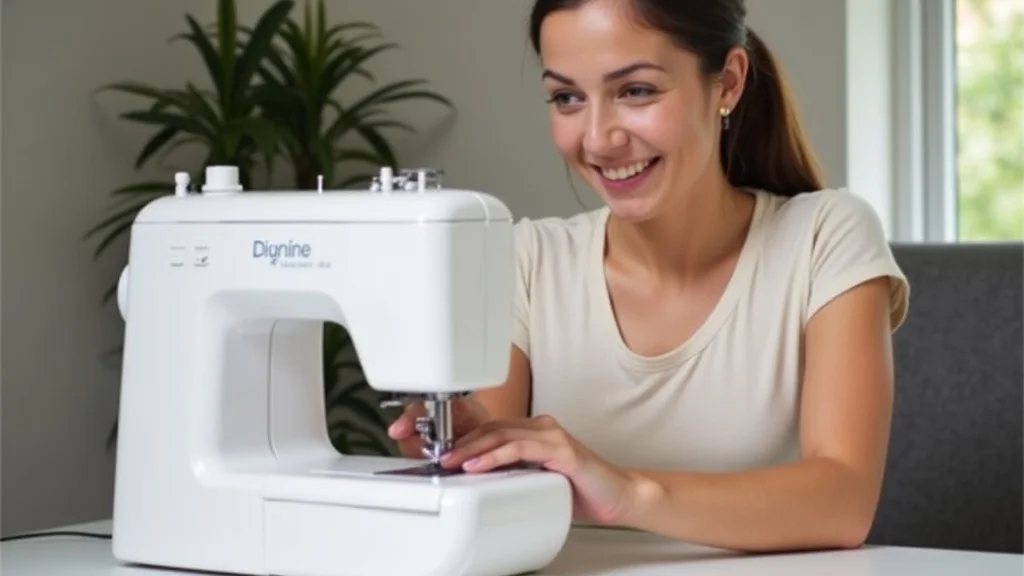
Picture this: you’re walking through a bustling clothing factory, the rhythmic whir of sewing machines filling the air. You notice a sewing operator skillfully guiding fabric, transforming flat pieces into wearable art. Maybe you’ve always admired the craftsmanship behind your favorite outfits or perhaps you are seeking a career change. This post explores the world of a sewing operator, detailing what they do, the skills they need, and the opportunities available. You’ll gain a thorough look at the craft, expanding your knowledge, and discover if this is the right path for you, all while ensuring a deeper understanding to make informed decisions.
Key Takeaways
- Discover the core responsibilities of a sewing operator and their daily tasks.
- Explore the diverse types of sewing machines and equipment used in the industry.
- Learn the essential skills and qualifications needed to become a successful sewing operator.
- Examine the various career paths and opportunities available for sewing operators.
- Gain insights into the job market, salary expectations, and potential for growth.
- Obtain valuable tips for those wanting to pursue a career in this field.
The Role of a Sewing Operator
A sewing operator is a skilled professional crucial to the garment and textile industries. They operate sewing machines to assemble, repair, and alter clothing, textiles, and other fabric-based items. They are the hands that bring designs to life, transforming patterns and materials into the finished products we use daily. This role demands precision, attention to detail, and a good understanding of fabrics, machine operation, and design principles. They work in various settings, from small tailoring shops to large-scale factories, each presenting unique challenges and opportunities.
Daily Tasks and Responsibilities
The daily tasks of a sewing operator are varied and depend on the specific work environment. They typically involve operating one or more industrial sewing machines to stitch fabric components together. They might be working on different sections of a garment, such as sleeves, collars, or pockets. They may also be responsible for tasks like preparing materials, trimming threads, and inspecting finished products for quality. Sewing operators need to follow patterns and instructions meticulously, ensuring each piece meets the required standards. It’s a role that combines skill with repetitive actions.
- Operating Sewing Machines: This includes setting up, adjusting, and maintaining the sewing machines to ensure they function correctly and produce high-quality stitches. Machines vary depending on the type of fabric and garment. This can include learning and working with overlock machines, coverstitch machines, and more specialized equipment.
- Following Patterns and Instructions: Sewing operators must follow patterns, blueprints, and design specifications to accurately assemble and construct garments or other textile products. This includes understanding the various markings and symbols.
- Preparing Materials: This involves cutting, measuring, and arranging fabric pieces according to the patterns. It also includes preparing other materials, like zippers, buttons, and linings, before sewing. They may also be responsible for pre-treating fabrics or removing any imperfections.
- Quality Control and Inspection: A key aspect of the role is inspecting sewn items to ensure they meet quality standards. This involves checking for any stitching errors, misalignments, or other defects. Operators must correct any issues or report them to supervisors.
- Maintaining Equipment: Sewing operators often perform basic maintenance on their machines, like oiling and cleaning, to keep them running smoothly. They may also be responsible for replacing needles and other components.
Sewing operators are trained on a specific machine or a group of related machine types. These operators must understand how each machine functions. This often involves detailed training on its capabilities, limitations, and maintenance procedures. Daily operation often includes routine adjustments like tension settings, needle replacements, and oiling parts. The aim is to ensure the machine functions properly and minimizes production downtime.
Patterns and design specifications act as a manual or guide for garment construction. A sewing operator must understand each element of these directions. This may require them to read and interpret technical diagrams, measurements, and cutting layouts, guaranteeing that each piece is cut, sewn, and assembled to the design’s requirements. Attention to detail is crucial. Errors in this stage can lead to incorrect sizes, mismatched parts, and compromised product integrity.
Material preparation is a vital first step in ensuring a high-quality finished product. Sewing operators often receive fabric in large rolls or sheets. They must measure, cut, and arrange the fabric pieces per the pattern guidelines. They must also check for flaws or variations in color or texture. Correct preparation results in consistency in the final product. Neglecting this stage may lead to inconsistencies in the garment’s appearance or functionality.
A sewing operator plays a crucial role in maintaining quality throughout the sewing process. They are expected to check the work as it is completed. Inspection can include checking the alignment of seams, ensuring that stitches are secure, and that the product meets the specifications. If any defects are found, it is crucial to rectify them before the item moves to the next stage of the production. This may include unpicking stitches, re-sewing, or reporting issues to supervisors.
Proper care of sewing machines will extend the life of the equipment and ensure reliable operation. Routine maintenance tasks performed by a sewing operator might include cleaning the machine’s body and removing dust and lint. They might also need to replace needles when they become blunt or damaged. Regular maintenance checks and the swift fixing of minor issues are critical to preventing more serious problems that could halt production.
Work Environments
Sewing operators can find employment in diverse settings. The environment impacts the specific tasks and the tools used. Each setting also brings its own set of advantages and challenges. From quiet tailor shops to bustling factories, understanding the setting helps the sewing operator tailor their skills and expectations.
- Clothing Factories: Large-scale factories use specialized machinery and assembly lines. Operators often focus on a single task, creating efficiency. The pace can be fast, with high production volumes and strict deadlines.
- Tailoring Shops: Small businesses offer a more personalized environment, often with a wider range of tasks, from alterations to custom designs. Operators work on a variety of garments and styles and interact directly with customers.
- Textile Manufacturing: These plants focus on producing various textiles. Sewing operators work with different materials, creating products like bedding, upholstery, and industrial fabrics. The work may involve large-scale projects and industrial-grade equipment.
- Design Studios: Working in design studios often involves making prototypes, samples, and one-of-a-kind pieces. Operators collaborate directly with designers, bringing creative concepts to life, often involving specialized techniques and high-end materials.
Clothing factories often involve high-volume production, where sewing operators work in specialized roles. They may focus on specific parts of the garments or perform a repetitive task along an assembly line. These settings often prioritize speed and efficiency. The environment can be loud and fast-paced, with strict targets and deadlines. Operators must adhere to safety guidelines and quality control protocols.
Tailoring shops provide a more personal and versatile work environment. Sewing operators may work on various projects. They are involved in many stages of the garment-making process. They often have direct interaction with customers, taking measurements, offering styling advice, and ensuring customer satisfaction. These settings give the operator a higher level of control and engagement in each project.
Textile manufacturing facilities use various fabrics, ranging from simple cotton to complex technical materials. Sewing operators here will operate diverse types of machinery, which will vary based on the item being produced. The work might involve large-scale projects like the creation of tents, industrial fabrics, or specialized protective gear. The work environment in these factories might involve operating heavy machinery and require expertise in different sewing techniques.
In design studios, sewing operators have the opportunity to work closely with fashion designers, pattern makers, and other creative professionals. They may be involved in creating prototypes and samples. This requires a strong understanding of design principles and the ability to interpret and execute the designer’s vision. The pace can be more relaxed than in factory settings. This allows for experimentation and creativity in the sewing process.
Equipment and Tools
A sewing operator uses a variety of tools and equipment. These tools are key to the role, with each one serving a specific purpose. Knowing how to use and maintain the equipment is essential for producing high-quality work. Regular maintenance and proper use ensure longevity and efficiency. From basic hand tools to complex industrial machines, the sewing operator must understand them all.
- Sewing Machines: Various types are available. These include straight stitch machines for basic seams, overlock (serger) machines for neatening edges, and coverstitch machines for hems. Industrial machines are designed for high-volume production.
- Needles and Thread: A wide range of needles and threads is used. The operator must choose the correct type and size for the fabric. Needles are selected based on the fabric. Thread strength and color are chosen to match the design.
- Cutting Tools: Scissors, rotary cutters, and fabric shears are used to cut fabric. These tools must be sharp and appropriate for the fabric type. They are essential for accurate cutting. Proper use prevents damage to the fabric.
- Measuring Tools: Tape measures, rulers, and gauges are essential for accurate measurement and marking. These tools are used to measure fabric, patterns, and garments. Consistent measurements are vital for accuracy.
- Pressing Equipment: Irons and ironing boards are used to press fabric. Pressing the fabric flattens seams, sets stitches, and creates a professional finish. Temperature settings must be adjusted according to fabric type.
The type of sewing machine needed depends on the project and the setting. Straight stitch machines are the most common and versatile. Overlock machines are crucial for finishing raw edges. Coverstitch machines are used for hems and decorative stitches. Industrial sewing machines are powerful, built for durability, and designed to handle large quantities of fabric quickly.
Choosing the correct needle and thread is essential for quality stitching and to prevent damage to the fabric. Needle selection depends on the fabric’s weight and type. Thicker fabrics require sturdier needles. Threads also vary in thickness and material. Cotton, polyester, and nylon threads are common. Operators must also consider the color, choosing threads that match the fabric or provide a decorative effect.
Precise cutting is vital for accurate sewing. Fabric shears are used for general cutting. Rotary cutters offer a more efficient way to cut long, straight lines. Scissors are used for detailed cuts. Shears should be sharp to cut through multiple layers of fabric. The right choice of cutting tools helps the operator to cut fabric quickly and accurately, speeding up the sewing process while preserving fabric.
Accurate measurement is the foundation of precise sewing. Tape measures are used to measure fabric and garments, ensuring the dimensions match the specifications. Rulers and gauges help in making straight lines, marking seam allowances, and measuring small distances. Proper use and checking of these tools prevent errors. This ensures each garment is correctly sized and assembled.
Pressing is a critical step in the sewing process. It impacts the final look. Irons are used to flatten seams, set stitches, and give shape to the garment. Using the correct temperature is important to prevent damage to the fabric. Proper pressing removes wrinkles, makes the garment appear neat, and enhances its appearance. It is an important detail.
Skills and Qualifications for Sewing Operators
Becoming a successful sewing operator requires a blend of technical skills, knowledge, and personal qualities. While formal education may not always be mandatory, specific skills and qualifications will give you an advantage. The ability to sew is the foundation, but other skills are equally important. These skills will determine your success in this field.
Technical Skills
Technical skills are the core of a sewing operator’s ability to perform. These skills dictate how efficiently and accurately the operator performs their tasks. Developing these skills will allow them to create high-quality products.
- Machine Operation: This includes setting up, operating, and maintaining various sewing machines. Proficiency requires a deep understanding of each machine’s features and limitations.
- Sewing Techniques: Knowledge of different sewing techniques, such as straight stitching, overlocking, and coverstitching, is essential. Understanding how to create seams, hems, and other finishes is vital.
- Pattern Reading: The ability to read and interpret patterns, blueprints, and design specifications is important. This includes understanding symbols, markings, and measurements.
- Fabric Knowledge: A good understanding of different fabrics, including their properties, characteristics, and care requirements, is essential. This includes knowing how different fabrics behave under the needle.
- Quality Control: The ability to inspect sewn items for defects and maintain quality standards is important. This involves identifying and correcting stitching errors, misalignments, and other issues.
Machine operation is a crucial part of the job. Operators must be adept at setting up and adjusting various sewing machines, each designed for different tasks and fabric types. The ability to troubleshoot common machine problems, like thread breaks or tension issues, is also important. Knowing the functions of the machine and the different settings helps improve speed, accuracy, and quality. Training programs and hands-on practice are crucial for proficiency.
Different sewing techniques are used for different parts of a garment or textile product. Straight stitching is the most basic. Overlocking is used for finishing raw edges to prevent fraying. Coverstitching is used for hemming knit fabrics. A skilled operator has a wide range of sewing techniques. This allows them to produce professional-quality garments and products. Hands-on experience and training programs are essential to improve these skills.
Being able to read and understand patterns is important to translating designs into reality. Patterns often use technical drawings, symbols, and measurements. Sewing operators must understand this language. The ability to interpret these instructions ensures that the fabric is cut, assembled, and sewn according to the designer’s intent. This results in the final product matching the design.
Each fabric behaves differently during the sewing process. Understanding the properties of different fabrics is important to ensure the correct techniques and machine settings. For example, delicate fabrics require a fine needle and gentle handling. Heavy fabrics may require heavy-duty machines and stronger threads. The operator’s understanding of different fabric types results in better-quality sewing and prevents mistakes. Proper fabric care also affects the garment’s appearance and longevity.
Quality control is a critical aspect of a sewing operator’s job. They are responsible for inspecting the sewn items to ensure they meet the quality standards of the industry. This requires a keen eye for detail. They must look for stitching errors, misalignments, and other flaws. Correcting errors before the final product is a necessary step. It ensures that the product meets the requirements for appearance, fit, and durability. This protects the company’s reputation and customer satisfaction.
Essential Qualifications
While formal qualifications may not always be necessary, the qualifications are useful. Employers often look for candidates with certain attributes, skills, and experience. These qualifications may improve job prospects.
- Education and Training: While a high school diploma is often required, vocational training programs in sewing and garment making can be helpful. These programs offer hands-on experience and industry-specific skills.
- Experience: Previous experience in sewing, even if not in a professional setting, is an asset. Experience can be gained through personal projects or volunteer work. This will demonstrate practical skills.
- Skills: You should possess the ability to use various sewing machines. A keen eye for detail is important, along with good hand-eye coordination. This helps ensure accuracy in stitching and assembly.
- Certifications: Certain certifications might improve your credentials. Industry-specific certifications can demonstrate a commitment to professional development. These may improve your job prospects.
- Portfolio: Creating a portfolio is not a necessity, but it can show your skills. You can showcase a range of projects to potential employers, including examples of your work. The range shows your skills.
Formal education is not always required to become a sewing operator. A high school diploma or equivalent is a common requirement. Vocational programs and courses in sewing and garment making will provide specific skills. They offer practical hands-on experience and detailed knowledge of sewing techniques. These programs may also include a certificate of completion that employers may consider when hiring.
Prior experience will often improve your chances in the industry. Experience can be gained through various activities, such as personal sewing projects, alterations, or working in a small tailor shop. This proves practical skills and an understanding of garment construction. Potential employers may find experience beneficial.
Practical skills and talents are essential for success. This includes operating and maintaining diverse sewing machines and tools. A keen eye for detail is important for detecting flaws. Good hand-eye coordination is necessary for accurate stitching. These abilities combined produce high-quality work. This helps meet production targets.
Industry-specific certifications are offered by various organizations. These certifications demonstrate that the individual has a good level of knowledge and skill. Certifications may include advanced sewing techniques and specialized equipment operation. Having certifications can improve job prospects and demonstrate a commitment to professional development. The pursuit of certifications can show a commitment to skills and industry trends.
A portfolio allows you to show your skills and talent to potential employers. The portfolio may contain photos or samples of your previous work. It demonstrates your ability to apply your skills in different projects and settings. This will provide insight into your technical abilities. The portfolio can include different styles, fabrics, and techniques, showcasing your versatility and expertise.
Personal Attributes
Besides technical skills, certain personality traits and characteristics will help you succeed. These will impact your work performance. Sewing is a role that requires a blend of skill and personality.
- Attention to Detail: Sewing requires precision. You should be meticulous in measuring, cutting, and stitching. Attention to detail reduces mistakes.
- Patience and Perseverance: Sewing can be repetitive. You should have the ability to focus and maintain quality over extended periods. This involves working through complex or challenging tasks.
- Hand-Eye Coordination: Sewing requires precise hand movements and good hand-eye coordination. This is important when guiding fabric, operating machines, and controlling stitching.
- Problem-Solving Skills: You should be able to identify and troubleshoot issues with the sewing machine. The ability to find solutions to common problems can increase efficiency.
- Time Management: You should be capable of managing your time and meeting deadlines. This includes managing multiple projects. This is important in a fast-paced work environment.
Precise work is crucial in the sewing industry. Small errors can ruin an entire garment or product. Attention to detail means carefully following patterns. It means measuring accurately. It also involves inspecting the work at each step. This attention means that the final product meets the design requirements. This also ensures customer satisfaction.
The ability to stay focused and consistent, even during repetitive tasks, is important. You should be able to maintain your concentration for extended periods. Patience is important when facing difficult projects. You should be able to work through any issues to ensure the product meets the quality standards. Perseverance will allow the sewing operator to continue working.
Hand-eye coordination is necessary for the accurate operation of sewing machines and tools. This skill will allow you to guide the fabric correctly under the needle. Good coordination reduces mistakes. It also speeds up the process. Improvement can be achieved through practice.
Being able to identify and fix issues with sewing machines is a valuable skill. Being able to address common issues can minimize downtime. The ability to identify the cause of problems and find quick solutions is important. This saves time and ensures production continues smoothly. Problem-solving skills help the sewing operator to maintain productivity and quality.
Time management is a necessary skill, especially when working in high-volume production environments. You must be able to plan your tasks. This will allow you to complete projects on time. The ability to manage multiple projects at once helps meet production schedules. Efficient time management is important to productivity and will ensure deadlines are met.
Career Paths for Sewing Operators
A career as a sewing operator can lead to diverse opportunities and growth. Starting with entry-level positions, you can build experience and move up the ladder. You can specialize or take on different roles. Each path will offer its unique challenges and rewards.
Entry-Level Positions
Entry-level positions provide a starting point. They let you learn the basics. These positions help you understand the daily tasks and learn to use equipment.
- Apprentice/Trainee: These positions offer on-the-job training. You gain hands-on experience. This lets you learn basic sewing skills and machine operation.
- Production Assistant: You support more experienced operators in the production process. You perform tasks such as preparing materials, trimming threads, and inspecting products.
- Seamstress/Tailor’s Assistant: In a tailoring shop, you might assist with alterations and repairs. This involves learning about different garment construction. You will be able to learn the tailoring techniques used.
As an apprentice or trainee, you will learn the fundamentals. You will start with simple tasks and gradually gain more responsibility. This will allow you to become skilled at various aspects of the sewing process. You work with a mentor who will guide you and provide feedback. This will allow you to practice and develop your skills and prepare you for the challenges.
Production assistants are responsible for helping experienced operators. You may be involved in preparing materials or inspecting finished products. Your role is to ensure efficiency. This position allows you to learn the entire production process. You will observe how experienced professionals work. You will learn the different stages of the process.
Working in a tailoring shop allows you to learn a broader range of skills. You will work on various types of garments. You will learn about garment construction, alteration, and repair. This is an environment where you can interact directly with customers. You will have a close working relationship with the tailor. This allows you to learn from their experience and develop your skills.
Career Advancement
After gaining experience, you can seek career advancement. These steps will move you towards higher-level positions. This will also allow you to develop advanced skills.
- Experienced Sewing Operator: With experience, you can take on more complex projects. You can master advanced sewing techniques. You also may oversee other operators.
- Specialized Sewing Operator: Specialization in a specific area, such as working with a particular fabric or machine, can improve your marketability. You can become an expert in your niche.
- Supervisor/Team Lead: Leading a team of sewing operators requires strong leadership and management skills. You will be responsible for overseeing production. This will include ensuring quality and meeting deadlines.
- Quality Control Inspector: Inspecting finished products for defects can be a rewarding and important role. This is crucial for maintaining the quality of the products.
With experience, you will take on projects with more complex designs and techniques. Your skills will increase. You will be able to work more efficiently and accurately. You may become a team leader. You will be able to guide the work and mentor new operators.
Focusing on a specific area, such as working with leather, denim, or embroidery machines, helps you become an expert. You will master specific skills. This can increase your value and create more opportunities. Specialization will improve your understanding of different fabrics and the processes needed to work with them.
Supervising a team allows you to use your experience to guide others. You will be responsible for overseeing production. You must manage projects, maintain quality, and meet deadlines. This role requires strong communication and leadership skills. This path involves problem-solving. It also involves training and motivating team members. This is a path to a career in management.
Quality control inspectors ensure that finished products meet quality standards. They are responsible for inspecting products for any defects, errors, or inconsistencies. This position requires attention to detail. This role is a key position. It helps to ensure that all products meet the required quality standards before they go to the customer.
Entrepreneurial Opportunities
With the right skills and experience, you can become self-employed. These include tailoring shops, custom design services, and online businesses.
- Opening a Tailoring Shop: This involves offering alteration and repair services to the public. You can become the owner of your shop and build customer relationships.
- Starting a Custom Design Service: You can create unique garments or textile products. You can design, create, and sell custom products.
- Selling Products Online: You can sell handmade items through online platforms. You can reach a wide audience. This allows you to focus on selling.
Opening your own tailoring shop allows you to be your own boss. You will handle all aspects of the business. You will be able to offer services such as alterations, repairs, and custom design to the public. This offers you the freedom to set your own hours and build relationships with your customers. You will use your technical expertise and entrepreneurial skills.
Starting a custom design service lets you use your skills in a creative way. You will design and create unique garments. This allows you to create custom products and sell your creations online or in local markets. You have the opportunity to express your creativity. You can build a brand that reflects your style. This opportunity allows you to start your business and pursue your passion.
Selling handmade items through platforms, such as Etsy or Shopify, will allow you to reach a wider audience. You can showcase and sell your unique products. You will handle all aspects of the business. You will be able to use your creativity to start and grow a business. This path allows you to create and market your products.
Job Market and Salary Expectations
The sewing operator job market can fluctuate depending on several factors, including the state of the economy. Demand is often linked to consumer spending on clothing and textiles. Understanding market trends and salary expectations is important for those exploring this career. This section will give you insights into the job market, demand, and potential earnings.
Job Market Overview
The job market for sewing operators has seen changes. Demand varies due to factors like automation, globalization, and consumer trends. The industry has seen changes, with shifts in the job market, creating new challenges and opportunities.
- Industry Trends: The job market is influenced by fashion trends, the rise of fast fashion, and consumer demand. These trends can affect job demand.
- Automation: The implementation of automated sewing machines and technologies can influence job roles. This can influence the demand for certain skills.
- Geographical Variations: Job availability can vary based on the location. Locations with a high concentration of textile manufacturing or design studios offer more opportunities.
- Skills in Demand: The demand for skilled operators who can work with modern sewing equipment and specialize in different techniques remains high. Adaptability is important.
The fashion industry has had a significant impact on the demand for sewing operators. Fast fashion trends that quickly change can create demand. The rise of online retail can also impact the demand. Understanding these trends will allow the operator to adapt to changes. They can identify opportunities for growth and specialization.
Automation has affected the textile industry. It has resulted in changes to the role of sewing operators. While automated machines may handle certain tasks, skilled operators are still needed to oversee these machines. Operators must be able to work with automated equipment. They must be prepared to learn new skills. This includes programming and troubleshooting these technologies.
The availability of jobs for sewing operators varies based on location. Areas with a strong textile manufacturing presence or a thriving fashion industry have more opportunities. Moving to different locations, like metropolitan cities, may provide greater prospects. Consider the needs of the area.
Demand for skilled sewing operators remains steady. Those with expertise in using modern sewing equipment and specialized techniques have the best opportunities. Being adaptable and willing to learn new skills helps you remain relevant in this environment. Specialized skills, such as knowledge of specific fabrics or advanced sewing methods, can also enhance the demand.
Salary Expectations
Pay rates for sewing operators will vary based on several factors. These include experience, skills, and geographic location. Knowing the average earnings helps you understand the industry standards. Your earnings will reflect your experience and expertise.
- Average Salary: The average yearly salary can vary. The salary can be affected by experience, skills, and geographic location.
- Experience Level: Entry-level positions start with a lower salary. More experienced operators with specialized skills can earn more. Years of experience can directly affect pay.
- Location: Salaries can also be influenced by the cost of living in that area. Metropolitan areas and regions with a high cost of living usually pay more.
- Benefits: Many employers offer benefits packages. These can include health insurance, paid time off, and retirement plans. These benefits add value to your compensation.
- Earning Potential: The ability to increase your earning potential depends on skills, experience, and the role you perform. Specialization and additional skills can increase your earning potential.
Several factors will impact the salary of a sewing operator. Entry-level positions typically have lower salaries than those with more experience. Certifications, specializations, and the location of employment also influence the pay scale. The average salary will also change. It will be helpful to research local market rates. This will also give you an idea of expected compensation.
Salary increases based on years of experience. Entry-level positions will have a starting salary. Experienced operators with specialized skills or those who have experience with a range of techniques can command higher salaries. The more experience you have, the higher your earnings will be. Senior operators will often have management responsibilities.
Pay rates also vary based on the location of the employment. Metropolitan areas or those with a higher cost of living may provide a higher pay. Researching the local market rates helps. This information will give you an idea of the compensation expectations for your area. The region’s economic conditions and the local demand for skilled workers can also affect the pay scale.
Many employers offer benefits packages, which will add value to the compensation. Benefits may include health insurance. Paid time off and retirement plans are a factor. These are benefits. You should discuss the complete package during the negotiation. This is helpful to understand the full value of your employment.
The ability to increase earning potential will depend on your skills, experience, and the role you perform. Those who become experts in their field, acquire advanced skills, or seek leadership roles may have greater earnings. Consider earning certifications and continuous learning for a professional edge.
Statistics
Here are some statistics that will give you more insight into the industry:
| Statistic | Details |
|---|---|
| Average Hourly Wage | The average hourly wage for sewing operators in the U.S. is approximately $15-$20. |
| Projected Job Growth | Job growth for sewing operators is expected to remain stable, with some areas experiencing growth. |
Tips for Aspiring Sewing Operators
If you’re interested in becoming a sewing operator, several steps can help you succeed. Developing skills, gaining experience, and staying up-to-date with industry trends are crucial for a successful career. Preparing for a career in this field can improve your success.
Developing Your Skills
Improving your skills and abilities is essential for success. This will increase your productivity. You can also explore different paths. Consider these tips for developing your skills.
- Take Courses: Enroll in sewing classes, workshops, or vocational programs. Courses will help you develop your skills and learn new techniques.
- Practice Regularly: Dedicate time to practice sewing. Practice different projects to enhance your skills and build confidence.
- Experiment: Explore different sewing techniques, styles, and projects. Experimenting with different approaches will widen your knowledge. You can find your area of expertise.
- Learn from Others: Observe skilled sewing operators. You can seek guidance from experienced professionals. Seek advice to improve and learn new techniques.
Enrolling in courses or workshops can provide you with knowledge and practical experience. These programs will provide a foundation in sewing techniques. They can help you improve machine operation and learn about different fabrics. These courses will help you learn the fundamentals. This training will help you understand the core techniques and the details of different stitches.
Regular practice is essential to hone your skills. Practice with various fabrics and projects to improve your speed and accuracy. Working on different types of garments and products will improve your versatility. Regular practice will help you to learn and grow your abilities.
Experimentation allows you to explore different techniques. You may discover new ways of working and learn to solve new challenges. This exploration will allow you to find your niche in the field. This may allow you to develop a specialty. Experimentation allows you to grow.
Learning from skilled professionals will allow you to understand more about the job. You can learn from their experiences. You can seek advice from experienced operators to improve and learn new techniques. This is important to your professional development.
Gaining Experience
Obtaining practical experience in the industry is essential for building a career. Work experience will expose you to real-world scenarios. It will allow you to expand your network.
- Volunteer: Volunteer to help with sewing projects for local organizations or community groups. Volunteering provides you with experience.
- Seek an Internship: Pursue internships with clothing factories, tailoring shops, or design studios. Internships will give you experience in a professional setting.
- Freelance: Offer your sewing skills for alterations or custom projects. Freelance work can help you gain experience and build a portfolio.
- Network: Attend industry events and connect with other professionals. Networking can lead to job opportunities and valuable insights.
Volunteering is a chance to use your sewing skills. You can work on various projects for local organizations or community groups. This experience will allow you to develop practical skills. Volunteering gives you an opportunity to build your skills and network with others.
Internships will allow you to learn in a professional environment. You can get hands-on experience, learn about the workflow, and learn about the industry. An internship can allow you to work with professionals. This will give you experience in different types of sewing. This will allow you to learn many skills.
Freelancing will allow you to develop the ability to handle various projects. You can build your client base. This experience will allow you to showcase your skills and abilities. Freelancing will allow you to build relationships with your clients. Freelancing can also improve your skills.
Networking is an essential part of career development. By networking, you can learn about job opportunities. You can gain valuable insights from other professionals. You can seek advice or mentorship. Networking will allow you to create connections within the industry.
Staying Up-to-Date
Keeping up-to-date with industry trends is vital. This knowledge can enhance your skills. It will also improve your career prospects.
- Research New Technologies: Stay informed about advancements in sewing machines. Understanding new technology will enhance your skills.
- Follow Industry Trends: Keep up with fashion trends and changes in the textile industry. You must understand industry changes.
- Join Professional Organizations: Membership in professional organizations can provide access to resources. You may gain networking opportunities. You can also gain access to training programs.
The sewing industry uses technology. It is important to know about new machines and methods. You can learn about automated sewing and new techniques. This allows you to improve your skills. You may become better at your job.
You should understand fashion trends. You should understand the textile industry. You can learn about consumer preferences and understand your role. This will provide you with knowledge. This allows you to stay ahead in the field.
Joining organizations will help you improve your skills