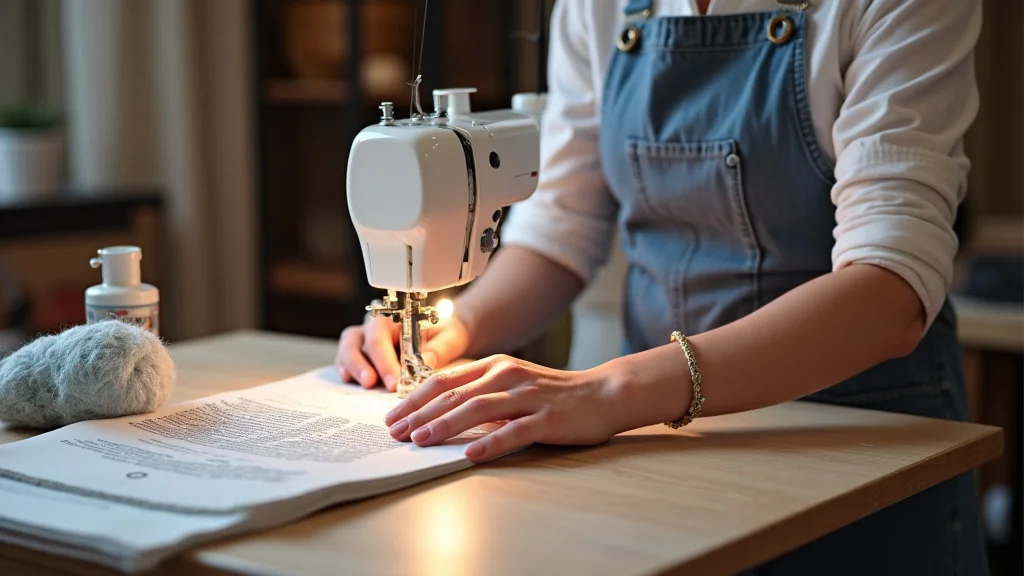
Remember that time you tried to follow a YouTube tutorial, only to realize it was all in Spanish? Frustrating, right? Or perhaps you’ve been dreaming of learning to sew in Spanish but felt overwhelmed by the thought of translation and cultural differences. This guide is crafted to eliminate those hurdles. We’ll explore the vocabulary, resources, and cultural nuances of sewing in Spanish, equipping you with the skills to confidently create your own projects. You’ll gain practical knowledge to understand patterns, communicate with Spanish-speaking tailors, and expand your creative horizons, ultimately turning those sewing dreams into reality. Get ready to embark on a journey that combines linguistic and craft skills.
Key Takeaways
- You will learn essential Spanish vocabulary related to sewing.
- You’ll discover resources like tutorials and patterns in Spanish.
- You can gain insight into the cultural context of sewing in Spanish-speaking regions.
- You’ll learn to confidently decipher sewing instructions in Spanish.
- You will enhance your skills to communicate with Spanish-speaking professionals in the area.
- You will be equipped with essential tools to start and enhance your sewing endeavors.
Embarking on the Sewing Adventure: Basic Spanish Vocabulary
Embarking on any new skill requires a solid foundation, and when it comes to sewing in Spanish, that foundation is vocabulary. Think of it as your toolbox – each word is a tool that allows you to build your sewing projects. The following sections explore the building blocks of communication.
Essential Sewing Tools in Spanish
First things first, let’s look at the basic equipment. Knowing the Spanish names for your sewing tools helps you follow instructions, shop for supplies, and communicate with other sewers. From your needles to your measuring tape, each tool has a corresponding Spanish word, and mastering these is key. This knowledge empowers you to confidently navigate sewing circles and online communities. It bridges the communication gap, allowing you to connect with a wider range of sewing enthusiasts and gain invaluable insights.
- Aguja (Needle): The very first item you’ll need. These come in various types and sizes (agujas de coser a mano, agujas de máquina)
- Tijeras (Scissors): Crucial for cutting fabric. Make sure to differentiate between scissors for fabric (tijeras para tela) and those for paper (tijeras para papel).
- Alfileres (Pins): Used to hold fabric pieces together. Spanish speakers often say “poner los alfileres” (to put the pins).
- Cinta métrica (Measuring tape): Essential for accurate measurements.
- Máquina de coser (Sewing machine): This is the main sewing device.
- Dedal (Thimble): Protects your fingers while sewing by hand.
Consider this real-life scenario: you’re watching a Spanish sewing tutorial. The instructor says, “Toma la aguja y enhebra el hilo.” (Take the needle and thread the thread). Without knowing the words, you’d be lost. The key is to start small and gradually build your vocabulary. A small vocabulary enables you to understand directions when sewing in Spanish.
Understanding Fabrics in Spanish
Fabrics are the heart of any sewing project. Knowing the names of various materials opens the door to a world of creative possibilities. From the soft drape of cotton to the structured elegance of linen, each fabric has its unique characteristics, and, of course, the Spanish word for it. Each one has its own specific texture and drape, and knowing their names allows you to communicate your project ideas clearly. The fabrics are very important to pick the right one. It also helps you understand pattern instructions.
- Algodón (Cotton): A widely used, versatile, and breathable fabric.
- Lino (Linen): Known for its durability and natural texture.
- Seda (Silk): A luxurious fabric with a smooth feel.
- Lana (Wool): Offers warmth and often used for sweaters or coats.
- Poliéster (Polyester): A synthetic fabric that is resistant to wrinkles and wear.
- Vaquero (Denim): Used for jeans and jackets.
Imagine you are chatting with a Spanish-speaking tailor, “Quiero un vestido de seda” (I want a silk dress). Understanding the fabric names is fundamental to express your ideas. Another example: a sewing pattern describes the requirements as “tela de algodón” (cotton fabric). These words are the basic building blocks.
Essential Sewing Actions and Terms in Spanish
Sewing involves specific actions. Learning the verb for these actions will help understand instructions. To take your sewing skills to the next level, you must know those words. This list covers basic actions, enabling you to follow tutorials and understand conversations about sewing.
- Coser (To sew): The main verb for the entire activity.
- Cortar (To cut): Essential for preparing the fabric.
- Medir (To measure): Crucial for accuracy.
- Planchar (To iron): Helps prepare the fabric and set the seams.
- Enhebrar (To thread): Threading a needle or a sewing machine.
- Descoser (To unpick): To remove stitches.
Consider this example: you are reading a pattern that says, “Corta la tela siguiendo el patrón” (Cut the fabric following the pattern). This understanding of sewing actions empowers you. You will also feel more confident. Knowing these core verbs allows you to comprehend and communicate the process of sewing in Spanish more effectively.
Navigating Spanish Sewing Resources and Patterns
Once you have a grasp of the vocabulary, the next step is finding resources. Sewing in a new language is also about discovering new patterns. The next section explores the ways in which you can find helpful patterns. This opens up a world of creativity and sewing projects.
Finding Online Sewing Tutorials in Spanish
The internet is a vast resource for sewing tutorials. Platforms like YouTube and specialized sewing blogs offer a wealth of content. The availability of tutorials in Spanish provides a great learning environment. Understanding instructions and techniques is key. Accessing these tutorials can help you learn new sewing techniques. It also provides a diverse range of projects to attempt. Use these resources to watch and follow the instructions.
- YouTube Channels: Search for channels like “Costura Fácil” or “Patrones de Costura.”
- Blogs: Look for sewing blogs written by Spanish-speaking sewers.
- Online Sewing Schools: Some platforms provide structured courses with video lessons.
- Social Media: Instagram and Pinterest are great for finding inspiration.
- Specific terms: Use search terms like “tutoriales de costura” (sewing tutorials) and include specific techniques you wish to learn.
- Video Quality: Choose high-quality videos with good audio for a better learning experience.
For example, you could start with a simple project like a tote bag. By following a Spanish tutorial, you can practice both your sewing skills and language skills. Another useful option is online sewing lessons and courses. They are another avenue for learning sewing in Spanish.
Unlocking Spanish Sewing Pattern Resources
Sewing patterns are essential to creating projects. Knowing where to find Spanish patterns expands your creative possibilities. These resources will enable you to explore new designs. Understanding these patterns will ensure successful sewing projects. Each pattern is a blueprint for your projects, and knowing where to access them allows you to be creative.
- Pattern Websites: Websites like “Burda Style” and “Patrones de Costura” offer a variety of patterns in Spanish.
- E-commerce Platforms: Platforms such as Etsy have many independent pattern designers that sell patterns in Spanish.
- Sewing Magazines: Subscribe to sewing magazines.
- Local Stores: Visit craft stores and fabric shops.
- Pattern Translation: Some websites offer pattern translation services.
Consider looking for patterns that fit your skill level, whether you are a beginner or advanced. Searching for “patrón de costura” (sewing pattern) will yield many options. Reading the instructions is key. By locating Spanish patterns, you get new projects. Sewing is a great craft for sewing in Spanish. Each project will improve your language skills.
Understanding the Cultural Context of Sewing
Sewing in Spanish is more than just learning a language and sewing techniques; it is also about appreciating the cultural aspects. Sewing traditions often vary from one region to another. Understanding these differences adds a richer experience to your learning.
Sewing Traditions in Spanish-Speaking Countries
Sewing is also a way of life, and the culture shapes the sewing traditions. From vibrant textiles to traditional techniques, these traditions offer unique insights. It is a way of seeing the world. The knowledge helps you understand the projects. The patterns reflect those cultures.
- Spain: Known for detailed embroidery, lace-making, and high fashion.
- Mexico: Features intricate hand-sewing, often using vibrant colors and folk motifs.
- Colombia: Boasts a vibrant textile industry with emphasis on innovative designs.
- Argentina: Celebrates traditional gaucho clothing.
- Peru: Famous for its use of alpaca wool and traditional weaving techniques.
Consider researching a specific country’s sewing traditions. Understanding these traditions will enhance your appreciation of sewing. This cultural background will give you insight. It is an important part of sewing in Spanish.
Exploring the Social Aspects of Sewing
Sewing is not merely a solitary pursuit; it is also a way to connect. Sewing circles and community workshops are common in Spanish-speaking communities. Understanding these social contexts enhances the learning process.
- Sewing Circles (Círculos de Costura): These groups provide opportunities to share skills and socialize.
- Workshops: They often focus on a specific technique or project.
- Online Sewing Communities: Join online forums.
- Local Events: Attend sewing exhibitions.
Example: If you visit a sewing circle in Spain, you will learn new skills. You will also improve your language skills. This will give you confidence when sewing in Spanish. Each gathering offers an opportunity to learn.
Deciphering Sewing Instructions in Spanish
The ability to read and understand instructions is crucial for sewing. This is also applicable when you are working in a new language. The following section will help you decipher those instructions. It provides practical tips to simplify the process. This will ensure that you have successful sewing projects.
Breaking Down Sewing Pattern Instructions
Sewing patterns often include a list of words. The process starts with identifying the pattern’s key features. Breaking down the instructions is essential to translate into your own language. Learning the key phrases will help you. With these phrases, you will gain the confidence to begin your sewing projects.
- Look for familiar words: Many technical terms are similar to English.
- Use a dictionary: Look up the words you don’t recognize.
- Focus on verbs: Identify the actions required.
- Read the instructions step by step: Break it down into small steps.
- Refer to diagrams: Illustrations often provide visual support.
Example: if the instructions say, “Doblar la tela por la mitad” (Fold the fabric in half). Then use the illustration, which gives visual clues. This step-by-step process is crucial. Each pattern provides steps for sewing in Spanish.
Essential Phrases for Understanding Sewing Instructions
Certain phrases are central to the sewing process. Knowing these will enhance your pattern comprehension. They also guide you through the process, providing a smooth experience. These phrases will improve your sewing skills.
- “Cortar” (To cut): Often used in the context of cutting the fabric.
- “Coser” (To sew): Used for the sewing process.
- “Doblar” (To fold): Used for folding the fabric.
- “Medir” (To measure): When describing the measurements.
- “Hilvanar” (To baste): Used for basting stitches.
- “Rematar” (To finish/secure): Essential for finishing the seams.
Example: “Coser a lo largo de la línea” (Sew along the line). Identifying these phrases allows you to work through each pattern step. The confidence to use those phrases is very important when sewing in Spanish. The use of these words also makes your sewing more successful.
Communicating with Spanish-Speaking Professionals
At some point, you might want to reach out to a professional. This section provides tips to communicate with Spanish-speaking tailors. It also helps you clarify any doubts. It increases confidence while you are talking about sewing projects.
Useful Phrases for Tailors and Seamstresses
When you are talking to a tailor, using the correct phrases is key. Learning the essential phrases ensures effective communication. They also help describe your sewing projects. The knowledge helps you communicate the details for your projects.
- “Necesito que me arregles.” (I need you to fix/alter.)
- “¿Cuánto cuesta?” (How much does it cost?)
- “¿Puedes ajustar esto?” (Can you adjust this?)
- “Me gustaría que fuera.” (I would like it to be.)
- “¿Está listo para.?” (Is it ready for.?)
Scenario: you need your pants hemmed. Using “Necesito que me arregles los pantalones” (I need you to fix my pants) makes the task easier. It helps you get what you need. These are the important phrases when sewing in Spanish. They make the communication clearer.
Describing Sewing Projects to Others
Communicating your ideas is essential. Being able to describe your project ensures the success of your plans. This gives a clear picture to tailors or sewing friends. It enables them to visualize your project. Then, they will offer recommendations. This ensures a great final result.
- Use descriptive adjectives: Describe the fabric, style, and fit.
- Show pictures or samples: Visual aids are helpful.
- Be specific about measurements: Provide accurate details.
- Ask questions: Don’t hesitate to ask for clarification.
- Use simple language: It helps make your ideas clear.
For example, “Quiero un vestido largo de algodón, con mangas cortas” (I want a long cotton dress with short sleeves). Using those clear descriptions, you can convey what you would like to do. Being clear will always ensure success. The project is an experience when you are sewing in Spanish.
Common Myths Debunked
Myth 1: Sewing in Spanish Is Too Difficult to Learn
Many believe that learning to sew and learning a new language are too difficult. The truth is learning both can be simplified. Using basic vocabulary and gradual learning will enable you to sew, improving both skills. Small projects and tutorials will improve your skills. Then, your sewing skill will increase. The key is to start small and be patient with yourself.
Myth 2: You Need to Be Fluent to Sew
Some feel fluent Spanish is a must to sew successfully. The truth is fluency is not a requirement to start sewing in Spanish. Focus on sewing-specific vocabulary. Use online translators for complex instructions. Then, enjoy the process of learning. Many sewing tutorials are easy to follow. Each project helps improve your skills.
Myth 3: All Spanish Patterns Are Complicated
Many think all Spanish patterns are overly complex. In reality, patterns vary in difficulty, just like in any language. There are beginner-friendly patterns. Start with simple projects. Look for patterns with clear instructions. Then, each project will improve your skills. There are plenty of resources for sewing in Spanish.
Myth 4: You Can’t Find Good Resources Online
It’s a misconception that resources are limited. The internet offers vast tutorials, patterns, and forums in Spanish. Look at YouTube channels, blogs, and online courses. Start by searching for “tutoriales de costura.” Then, search for your level of experience. The resources are there. They will provide information and inspiration.
Myth 5: Cultural Differences Make It Hard to Understand
It is true that sewing traditions vary. However, understanding cultural differences is not an obstacle. It is an opportunity. It enriches the experience of sewing in Spanish. Embrace the diversity. Learn about different styles. Then, you will experience the joy of sewing in a new context.
Frequently Asked Questions
Question: Where can I find Spanish sewing patterns for beginners?
Answer: You can find beginner-friendly patterns on websites like “Burda Style” and “Patrones de Costura”, or Etsy.
Question: How do I improve my Spanish sewing vocabulary?
Answer: Start with basic tool and fabric terms. Watch tutorials and make flashcards. Use online dictionaries to enhance your skills.
Question: Are there any online forums to connect with other sewers in Spanish?
Answer: Yes, you can find active groups on Facebook and Instagram and search for sewing communities.
Question: How can I understand complicated instructions?
Answer: Break down the instructions step by step. Use a dictionary. Focus on the verbs and refer to illustrations.
Question: What’s the best way to get started sewing in Spanish?
Answer: Start with basic vocabulary and easy projects. Watch Spanish tutorials. Practice with simple patterns.
Final Thoughts
Sewing in Spanish isn’t just about crafting; it’s a doorway to new cultures and experiences. You have now learned the fundamentals, from the Spanish names for your sewing tools to the secrets of understanding pattern instructions. You have also found the resources to enhance your skills. Now, it is time to put your skills to the test. Remember to start with simple projects. Don’t hesitate to ask questions. Each stitch brings you closer to fluency in both language and sewing skills. So, embrace the adventure, have fun, and enjoy the journey of sewing with a Spanish twist.