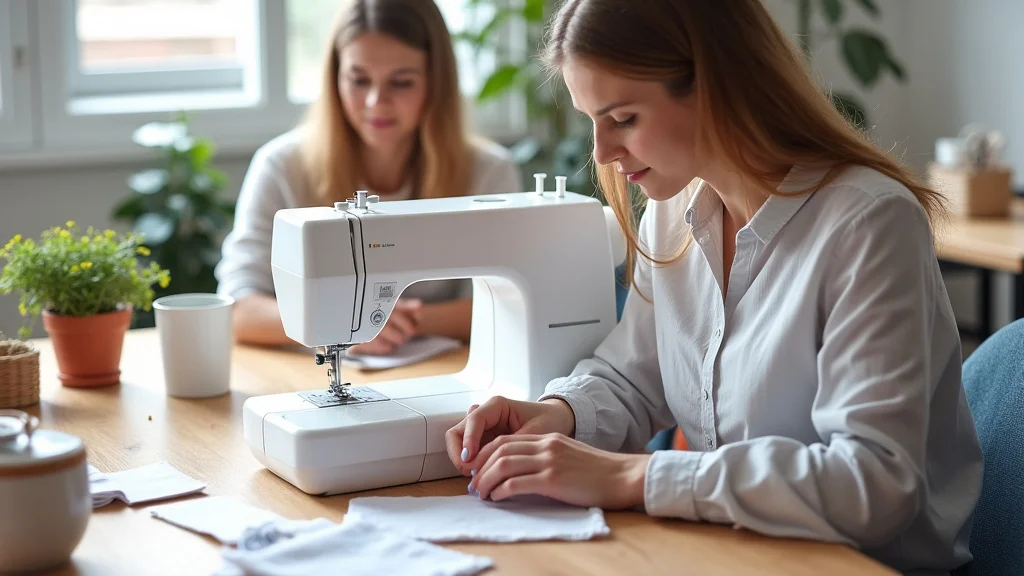
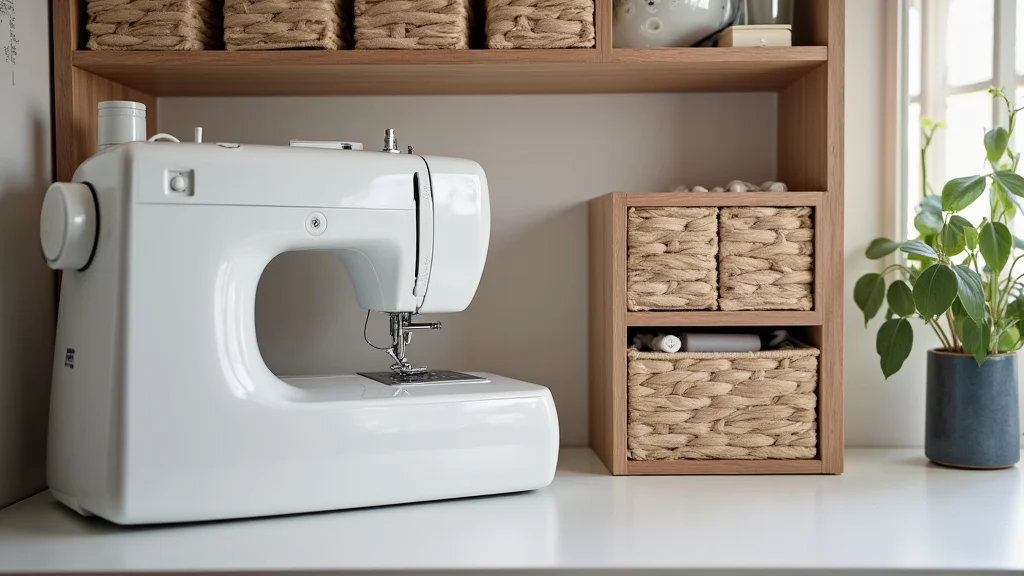
Remember that amazing handbag you saw at the market last weekend? The one you couldn’t stop admiring? Wouldn’t it be fantastic to create something similar yourself? This post is your starting point! We’ll explore the wonderful world of sewing handbags, guiding you through the process step-by-step. Get ready to learn about the different types of bags you can sew, essential materials, and techniques. You’ll gain the skills to create your own stylish accessories. By the end, you’ll be able to confidently start your own sewing handbags tutorial videos adventure. You’ll gain the knowledge and inspiration to transform fabrics into fabulous creations.
Key Takeaways
- Discover essential materials and tools for sewing handbags.
- Learn various sewing techniques, including seam types and closures.
- Explore different handbag styles and how to construct them.
- Find resources for sourcing fabric, patterns, and hardware.
- Understand the basics of creating your own sewing handbags tutorial videos.
- Gain confidence to design and sew your own unique handbags.
Embark on Your Sewing Journey: Introduction to Handbag Creation
The allure of a beautifully crafted handbag is undeniable. Whether it’s a sleek clutch for an evening out or a sturdy tote for everyday use, a well-made bag speaks volumes about style and practicality. Did you know that you can learn to create your own stunning handbags from scratch? The process may seem like a challenge at first, but with the right guidance, it can be a fulfilling and rewarding hobby or even a creative business opportunity. From selecting the perfect fabrics to mastering the intricacies of seams and closures, this guide will provide you with a comprehensive overview of sewing handbags.
Essential Tools for Handbag Sewing
Before you begin, gather the necessary tools. A good sewing machine is vital for accurate and efficient stitching. Scissors are for cutting fabric, while a rotary cutter with a self-healing mat offers precision. Pins and clips secure fabric layers before stitching, and a seam ripper allows you to correct mistakes. Measuring tools like a ruler or tape measure ensure precise dimensions. Finally, marking tools like chalk or a fabric pen are essential for transferring patterns to the fabric. Investing in quality tools will make the sewing process easier and more enjoyable.
- Sewing Machine: A reliable sewing machine is the heart of your project, essential for all your stitching needs. Consider features like adjustable stitch length and width.
- Scissors/Rotary Cutter: Precision cutting is key to a well-made handbag, so choose sharp cutting tools. Scissors are for cutting patterns, and a rotary cutter with a self-healing mat will give you precision.
- Pins and Clips: These tools secure fabric layers before sewing, holding them in place for accurate stitching.
- Measuring Tools: Accurate measurements are crucial. Use a ruler or a tape measure to ensure your bag dimensions are accurate.
- Marking Tools: Fabric markers or chalk are used to transfer pattern markings onto fabric.
Different types of sewing machines cater to diverse needs. A basic, mechanical machine is suitable for beginners, offering ease of use and fundamental stitches. Computerized machines provide a wider selection of stitches and automated functions like needle up/down and automatic buttonholes. Industrial machines are designed for heavy-duty use, ideal for thick materials or mass production. Choose a machine that aligns with your experience level, budget, and project requirements. Investing in a quality machine will ensure consistent, neat seams and prolong the life of your equipment.
Scissors are essential tools for a sewing handbags project, used for cutting fabric, paper patterns, and trimming threads. The quality of your scissors impacts the accuracy and efficiency of your work. Fabric scissors, often with a bent handle, are specifically for cutting fabric, which will help avoid damaging the blades. Consider rotary cutters for a faster, more precise cutting method. These tools have a rotating blade that cuts through multiple layers of fabric efficiently, making them ideal for cutting straight lines and curves. Always use a cutting mat to protect your work surface.
Pins and clips are vital for holding fabric pieces together before and during sewing. They prevent shifting and ensure that seams are aligned correctly. There are two main types: pins and clips. Pins come in various lengths and head styles, and are ideal for delicate fabrics. Sewing clips are a great alternative, particularly for thicker materials or projects where pins may leave holes. Choose pins that are fine enough not to damage your fabric. Regardless of your chosen method, using these tools will help make your sewing more accurate and professional.
Accurate measurements are the foundation of any successful sewing project. Having a ruler, measuring tape, and other measuring tools are key. For straight measurements, a clear ruler is ideal. A flexible measuring tape is essential for curves and irregular shapes. Make sure to double-check all measurements before cutting and sewing. Using these tools to accurately measure and mark your fabric will help you achieve the intended shape and size of your handbag.
Marking tools, such as fabric markers or chalk, help transfer pattern markings onto your fabric. These markings guide you through the sewing process, indicating where to cut, sew, and make other adjustments. Choose marking tools that are suitable for your fabric type. Chalk is good for most materials and brushes off easily. Fabric markers are available in permanent or washable ink. Always test your marking tool on a scrap piece of fabric to ensure it doesn’t bleed or leave permanent marks. Clear and accurate markings will help with the accuracy of your sewing, and ensure your final product looks as intended.
Fabric Choices for Handbags
The fabric you choose sets the stage for your handbag’s look and durability. Consider the bag’s intended use when making your fabric selection. For a casual tote, canvas or denim could be a great choice. For a more sophisticated look, consider leather, suede, or faux leather. Lining fabrics like cotton or silk add a refined touch. Ensure your chosen fabric has sufficient weight and durability for the bag style. Understanding the characteristics of different fabrics will enable you to create durable and stylish handbags.
- Canvas: A sturdy and versatile choice for totes and everyday bags.
- Denim: Perfect for a casual, stylish, and long-lasting bag.
- Leather/Faux Leather: Offers a sophisticated and luxurious look.
- Cotton: A great choice for lining or lighter bags, providing softness and a wide range of patterns.
- Lining Fabrics: Fabrics like silk or satin add an elegant touch to your bag’s interior.
Canvas is a heavy-duty fabric ideal for handbags that need to withstand wear and tear. It’s woven from cotton, linen, or synthetic fibers. Available in various weights, canvas is known for its durability, making it suitable for bags that carry heavy items. It’s often used for totes, shopping bags, and backpacks. Canvas can be dyed, painted, or printed, giving you lots of creative options. Remember to pre-wash canvas before cutting and sewing, as it may shrink. This ensures your final product will retain its size and shape after washing.
Denim, a sturdy fabric woven from cotton, is a classic choice for handbags. Its inherent durability makes it well-suited for everyday bags. Denim is available in various weights and washes, from light chambray to heavy-duty styles. These options allow for a wide range of designs. It’s easy to sew and can be embellished with patches, embroidery, or other details, increasing its visual appeal. Denim can fade with washing and wear, giving your handbag a unique, vintage look. Pre-washing the denim is important to prevent shrinkage.
Leather and faux leather provide a touch of elegance, making them suitable for clutches, shoulder bags, and designer purses. Leather offers durability, luxurious textures, and rich colors. Faux leather provides a similar aesthetic with added ease of care. When using leather, special needles and techniques, such as hand-sewing, might be necessary. Faux leather is generally easier to sew and can often be worked with using a standard sewing machine. Both leather and faux leather require careful handling. This will ensure you avoid damaging the material and achieve a professional finish.
Cotton is a versatile fabric suitable for a variety of handbag projects. Its soft texture makes it ideal for lining bags, providing a comfortable feel. Cotton fabrics are available in a huge assortment of colors, prints, and weights, allowing for creative designs. Consider using quilting cotton for its durability and design options, or linen cotton for a more natural look. Cotton is breathable and easy to care for, making it ideal for bags that get regular use. Pre-washing your cotton fabric will help ensure that it doesn’t shrink during washing.
Lining fabrics add a polished finish to your handbag’s interior, while also protecting the exterior fabric and improving durability. Silk and satin offer a luxurious feel and a smooth surface. Cotton is a practical and easy-to-sew choice. The lining material should be lightweight yet durable. Choose a lining that complements the exterior fabric in terms of color and texture. Always pre-wash lining fabrics. This will ensure that your bag retains its shape. Consider features like pockets or compartments. This will help make your bag both beautiful and practical.
Handbag Pattern Selection and Pattern Reading
Choosing the right pattern is important for the success of your project. Begin with easy patterns that are beginner-friendly. Review the pattern instructions carefully before you cut the fabric. Then, cut out all the pieces according to the pattern. Familiarize yourself with pattern markings, such as notches, grainlines, and seam allowances, to ensure accurate construction. A detailed plan makes sewing easier and helps achieve a professional result.
- Pattern Types: Explore different pattern options, from printed patterns to digital downloads.
- Pattern Instructions: Carefully read and understand the pattern instructions.
- Pattern Markings: Understand the meaning of pattern markings (notches, grainlines, etc.)
- Pattern Alterations: Learn how to adjust patterns to fit your needs.
You can find handbag patterns in various formats to suit your needs and preferences. Printed patterns are available in many craft stores, offering the convenience of a physical copy and clearly labeled pieces. Digital downloads are a great option, providing immediate access after purchasing, saving you both space and money. These digital patterns can be printed at home, or at a copy shop. Some patterns are designed as PDF files, which are easy to print and use. The option you choose depends on your preferences and the complexity of your project. Consider the size of the patterns, instructions, and your own comfort level.
Before you begin sewing handbags, carefully review the pattern instructions. This is a vital step in ensuring your project’s success. Pattern instructions typically provide a step-by-step guide, including measurements, cutting layouts, and stitching techniques. Pay close attention to all the details, including seam allowances, fabric selection, and hardware requirements. When reading, use a highlighter to mark important steps. It’s often helpful to refer to diagrams and illustrations for clarity. If any step is unclear, consult online tutorials or seek help from experienced sewers.
Pattern markings provide important information for accurate cutting, sewing, and assembly. Notches are small triangles or lines that align fabric pieces. Grainlines indicate the direction of the fabric’s grain, ensuring the pieces are cut correctly. Dots and circles represent points of reference for seams or other details, and arrows show the direction. Seam allowances are specified on the pattern, and must be followed. Understanding these markings will increase the precision of your project. Before you cut your fabric, take the time to study these markings. This ensures all pieces are correctly aligned and ready for sewing.
Being able to adjust patterns is a valuable skill in the world of sewing handbags. The ability to modify a pattern ensures that the final result fits your style and preferences. Common adjustments include resizing the pattern, lengthening or shortening straps, and changing the shape of the bag. You can make adjustments to the pattern before you cut your fabric. This can be done by tracing the original pattern and making changes on the new pattern. Measure yourself and the bag to make the best adjustments. Careful pattern alterations ensure that your finished bag will fit your specifications.
Constructing the Bag: Sewing Techniques and Steps
With your pattern and materials ready, you can start the construction process. Follow the pattern instructions carefully. Precise cutting, accurate stitching, and neat finishing are the keys to a professional-looking result. Don’t rush; take your time. Remember to press seams as you go for a neat finish. Practice different techniques like topstitching and edge finishing. The more you sew, the more you will improve and develop your skills. This detailed process is the backbone of your handbag project.
Seam Types for Handbags
The type of seam you choose will impact your bag’s appearance and durability. A straight seam is the most common, while a French seam encases raw edges for a clean finish. The type of seam you use will depend on your fabric and design. For a professional finish, you can also use techniques like topstitching. Experiment with various techniques. This will allow you to select the best one for your project. Your selection of seam type will contribute to your bag’s functionality, and contribute to the final look.
- Straight Seam: The most common seam for joining fabric pieces.
- French Seam: Encapsulates raw edges for a clean and durable finish.
- Topstitching: Decorative and functional, enhancing the bag’s appearance and strength.
- Edge Finishing: Techniques like zigzag stitches or binding to prevent fraying and add durability.
The straight seam is a fundamental sewing technique, ideal for joining fabric pieces together. It’s the most common seam used in sewing. The process is simple: place the fabric pieces together with right sides facing, pin or clip them in place, and sew along the seamline. Using a standard stitch length, make sure to follow the seam allowance specified in your pattern. Straight seams are suitable for various fabrics and bag designs. For a stronger seam, use a backstitch at the beginning and end. This will help secure the seam.
French seams are essential for creating durable and clean seams, especially in lightweight and delicate fabrics. Unlike regular seams, which expose raw edges, a French seam encases the raw edges, preventing fraying. To sew a French seam, place the fabric pieces together with wrong sides facing, stitch along the seamline, and trim the seam allowance. Then, turn the fabric pieces right sides together, and stitch a second time to enclose the raw edges. This creates a neat, professional-looking seam that is strong and long-lasting. French seams improve the quality of your finished bags.
Topstitching is a valuable technique for adding both decorative appeal and durability to your handbag. It’s done by sewing a line of stitches on the outside of the bag, close to the seam. This process not only reinforces the seams, but also adds a polished finish and visual interest. Use a contrasting thread to highlight the topstitching. This will create a striking effect. When topstitching, use a slightly longer stitch length and a slightly wider stitch width to ensure that your seams look neat and uniform.
Edge finishing techniques prevent the raw edges of your fabric from fraying. This is key for creating long-lasting handbags. Several methods are available. Zigzag stitches, sewn along the raw edges, offer a simple and effective solution. Overlock stitches, performed with a serger, are ideal for a professional-looking finish. Binding involves wrapping the raw edges with bias tape. Edge finishing adds durability and visual appeal, and contributes to the overall quality of your project. Choosing the right method depends on the fabric and design.
Adding Straps, Pockets, and Closures
These elements bring functionality and personality to your bags. Carefully attach straps with reinforced stitching, using a sturdy material. Add pockets to improve functionality, and include different types of closures like zippers, snaps, or magnetic clasps. These features are the finishing touches that set your creation apart. The details make your handbag both useful and beautiful. Your creativity will define your finished project.
- Straps: How to create, attach, and reinforce straps for durability.
- Pockets: Different types of pockets and how to integrate them into your designs.
- Closures: Techniques for installing zippers, snaps, and magnetic clasps.
Adding straps is an essential part of the sewing handbags process. The straps give a bag its functionality. You can create straps from the bag’s main fabric, webbing, or leather. Make sure to use quality materials, and carefully attach them to the bag. Stitching techniques, such as bartacking or box stitching, reinforce the straps. Reinforce the attachment points to withstand the weight of the bag’s contents. You should also consider the length and width of the straps to ensure that the bag is comfortable to carry. Well-constructed straps increase the lifespan of your handbag.
Pockets improve functionality and enhance the design of your handbag. Add interior and exterior pockets to help with organization. There are different types of pockets. Patch pockets are sewn onto the surface of the bag, while inset pockets are integrated into the seams. Zipped pockets provide a secure storage option. Consider the size, location, and type of pocket that fits your design. You can also vary the shapes, sizes, and placements of your pockets. This can add a personalized touch to your handbag. Adding pockets allows for improved functionality.
The closure on your bag keeps your belongings safe and gives the bag style. Zippers, snaps, and magnetic clasps are common choices. Zippers provide a secure seal and can be used in the main compartment or in pockets. Snaps are easy to install and offer a quick closure. Magnetic clasps are a practical and stylish option, which add convenience. When installing closures, be precise. Follow the manufacturer’s instructions to ensure proper function. Use the right tools, and carefully align all the components for a clean, professional finish. The closure will improve the bag’s overall functionality.
Advanced Techniques and Design Ideas
Once you are comfortable with the basics, explore advanced techniques to take your creations to the next level. Learn about quilting, adding embellishments, and working with specialized materials. Experiment with different shapes, sizes, and design elements to create unique handbags. These techniques allow you to design professional bags and make them your own. As you gain skill, you’ll be able to create stunning and eye-catching accessories.
Quilting and Embellishments
Quilting adds texture and visual appeal to your handbags. Add decorative stitching, embroidery, or other embellishments to add personality and style. Experiment with different materials, such as beads, sequins, or appliqués to create unique and eye-catching designs. The techniques allow you to create beautiful and professional-looking bags. These finishing touches contribute to your bag’s overall appeal and design.
- Quilting: Techniques for adding texture and visual appeal to your bag.
- Embellishments: Decorative details like beads, sequins, and embroidery.
- Appliqué: Using fabric shapes to add design elements.
- Embroidery: Adding intricate designs through hand or machine stitching.
Quilting adds texture and a visual appeal to your handbags, turning a simple design into a beautiful creation. Quilting involves stitching together multiple layers of fabric, creating a padded effect. You can use different quilting patterns to add various textures and designs. You can also experiment with different thread colors and stitch types to enhance the look. Before quilting, you should create a quilt sandwich. The sandwich consists of a top fabric, batting (the middle layer), and a backing fabric. When quilting, stitch through all the layers. This will create a textured, durable surface. Quilting is a key technique for anyone creating handmade bags.
Embellishments can add personality and charm to any handbag, making it a unique accessory. From beads and sequins to embroidery, these details can transform the look of your bag. Try different materials and techniques to achieve the desired effect. Be careful when working with embellishments. Stitch them securely to prevent them from falling off. Embroidery can be added by hand or machine. You can also use other embellishments, such as fabric paint, appliqués, or charms. Adding embellishments allows for endless creative options.
Appliqué involves attaching fabric shapes to a base fabric to create detailed designs on your handbag. You can use this technique to add flowers, animals, or other fun elements. First, cut out the shapes from your chosen fabric, then use fusible interfacing. This will allow you to press the shapes onto your base fabric. Sew around the edges using a variety of stitches. This will ensure that the appliqué is secure and visually appealing. Appliqué is a simple yet effective way to add character to your handbag designs.
Embroidery is a great way to add detail and personality to your bags, and is a detailed art in itself. You can use hand embroidery with needles and thread or with embroidery machines. Hand embroidery allows for a lot of creative freedom, letting you customize your design with stitches. Machine embroidery lets you create designs by loading pre-designed patterns into the machine. No matter your method, experiment with different stitch types, thread colors, and patterns. Embroidery adds sophistication to the final look of your handbag.
Experimenting with Different Styles and Shapes
Once you’ve mastered the basic skills, it’s time to create different bag styles. Explore clutches, totes, shoulder bags, and cross-body bags. Experiment with different shapes and sizes to find what you enjoy. By playing with different forms and styles, you can create a handbag that matches your unique vision. This part of the journey allows you to explore endless creative possibilities.
- Clutches: Sleek and elegant, perfect for evening events.
- Totes: Functional and versatile, ideal for everyday use.
- Shoulder Bags: Combining style and convenience, easy to carry.
- Cross-Body Bags: Hands-free convenience, ideal for travel and active lifestyles.
Clutches are compact, often designed for special occasions. These bags are stylish and practical for carrying essentials. Because of their small size, clutches are a great project for beginners. Choose luxurious fabrics, like silk, satin, or velvet. Add embellishments like beads or sequins. Experiment with a variety of closures. Clutches come in different shapes, so explore your options! You can also add pockets to keep your items organized. Adding a clutch to your collection is a wonderful experience.
Totes are large, open-top bags, designed for everyday use. They offer ample space for carrying your essentials. Totes are great for those needing a bag to transport books, groceries, or work supplies. Canvas and denim are popular materials, because they are strong and long-lasting. You can customize your tote with pockets, zippers, and decorative straps. The simplicity of a tote makes it the perfect design for beginner sewers. Start with a basic design, and then explore different styles.
Shoulder bags offer the perfect combination of style and convenience, and are the perfect solution for daily wear. Their design makes them easy to carry. The style comes in various sizes and shapes, with long straps that sit comfortably on the shoulder. Use a wide range of materials, from leather to fabric, for your project. Adding pockets can improve the bag’s functionality. Make sure the strap is the right length for comfortable use. The design makes the bag fashionable and convenient.
Cross-body bags offer hands-free convenience, making them ideal for travel, and for active lifestyles. The adjustable strap allows you to wear the bag across your body, and the size makes it easy to carry. From small satchels to larger messenger bags, this style comes in multiple options. Experiment with different materials, closures, and pockets. The style is adaptable to a wide range of uses, from daily use to traveling abroad. This style is useful and attractive.
Sourcing Materials and Resources
Find the best sources for materials. You can source fabrics, patterns, hardware, and other supplies at your local craft store or online retailers. Research resources for inspiration and learning. Explore online tutorials, blogs, and workshops to improve your skills. Building your knowledge is important for all sewing handbags projects. With the right resources, you can have everything you need.
Finding Fabrics and Patterns
Locate the fabric and patterns you need for your project. Consider local craft stores, fabric shops, and online retailers. Explore a wide variety of fabrics and patterns. Select stores with a wide variety of fabrics, styles, and a reasonable cost. Comparing options will provide you with the best experience. Choosing the perfect materials will help you on your sewing handbags journey.
- Local Craft Stores: Explore your local options.
- Online Retailers: Discover a vast selection of fabrics and patterns.
- Fabric Shops: Specializing in fabric, these shops offer a range of unique choices.
- Pattern Resources: Where to find patterns, from printed to digital.
Your local craft stores offer the convenience of browsing fabrics and patterns in person, along with a chance to get helpful advice from staff. These stores often provide a wide range of materials, including various fabrics, patterns, and sewing supplies. You can feel the fabric and assess its quality. You can also view the colors, textures, and patterns up close. Local stores provide a sense of community, and offer many resources for any sewer. Visiting your local craft store is often an enjoyable and educational experience.
Online retailers provide a wide selection of fabrics, patterns, and sewing supplies. Online stores provide a wide variety of options, all in one place. You can browse from the comfort of your home, and easily compare different products. Many online retailers offer customer reviews, product details, and high-quality images. The convenience of shopping online, and receiving your materials delivered to your door, makes the experience easy. Make sure to check shipping costs, and read reviews to ensure quality and customer satisfaction.
Fabric shops often have an extensive selection of high-quality fabrics and sewing supplies. These specialty shops can provide you with knowledge and a personal touch. Knowledgeable staff members can provide advice on fabric choices. They also offer patterns, notions, and tools. When selecting a fabric shop, consider its location, product selection, and customer reviews. This will give you the most satisfying experience. Fabric shops cater to all types of sewers.
There are many options for finding patterns. Printed patterns are available at fabric stores and online retailers. Digital downloads offer the ability to access patterns immediately after purchase, giving you both speed and variety. You can also find free patterns and tutorials online. You can choose the format that suits your needs. Consider the pattern’s style, complexity, and the level of instructions. You can browse different options to find the best match. This is the first step toward getting started with your sewing project.
Hardware and Notions
Hardware and notions are important for sewing handbags. The hardware includes zippers, snaps, and buckles, and the notions include interfacing, linings, and threads. Purchasing the correct accessories is just as important as the fabric selection. The choices determine the final look and how well your bags will perform. These elements add to your bag’s functionality, and contribute to its final style.
- Zippers: Different types of zippers for various bag styles.
- Snaps and Closures: Snaps, magnetic clasps, and other closure options.
- Interfacing: Adds structure and stability.
- Linings and Threads: Selecting the right linings and threads for your project.
Zippers add both functionality and style to a handbag. Zippers come in various types, including nylon coil, metal, and invisible zippers. Choose the correct type and size for your project. Coil zippers are flexible and easy to sew, while metal zippers offer durability and a classic look. Invisible zippers provide a clean, modern finish. When selecting your zipper, consider the bag’s design, fabric weight, and desired aesthetic. Match the zipper’s color with the fabric. Always make sure to test the zipper before attaching it to the bag.
Snaps, magnetic clasps, and other closure options add convenience and style to your handbag projects. Snaps come in various sizes and styles, and are easy to install. Magnetic clasps are a simple way to secure the bag’s closure, and add to the bag’s charm. Choose the correct closure type based on the bag’s design and fabric. Metal or plastic snaps provide durability, while magnetic clasps offer convenience. Follow the instructions for installing your closure correctly. Properly installed closures add to the bag’s functionality, and improve its overall appearance.
Interfacing is a critical component in handbag construction, providing structure and stability. Interfacing comes in different weights, and is available as woven, non-woven, or fusible. Woven interfacing is stable and drapes well. Non-woven is more affordable, but may not have the same shape. Fusible interfacing bonds to the fabric with heat. Choose the correct interfacing type for your fabric and project. Apply the interfacing to the fabric. This provides shape to the bag. Adding interfacing results in a more professional finish.
Choosing the right linings and threads contributes to the quality and appearance of your sewing handbags project. The lining adds comfort and durability, and it often has pockets. Threads come in various types. Thread should match your fabric. Choose a good-quality thread. Good-quality thread is strong and doesn’t break easily. Experiment with different colors and textures to complement your exterior fabric. The correct thread and linings add to the bag’s overall durability and design.
Resources for Inspiration and Learning
You can improve your skills and find inspiration from different sources. Online tutorials, blogs, and workshops offer valuable lessons. The learning opportunities are endless, and you can keep improving your skills. This is the way to create amazing handbags.
- Online Tutorials: Step-by-step video guides.
- Sewing Blogs: Find inspiration, patterns, and tips from experienced sewers.
- Workshops and Classes: Hands-on learning and personalized instruction.
- Sewing Communities: Share projects and connect with fellow enthusiasts.
Online tutorials, including sewing handbags tutorial videos, offer a great way to learn and improve your skills. They walk you through the process step-by-step. They cover basic techniques. Many videos provide visual examples and instruction. You can watch the videos at your own pace, and rewatch sections. You can find tutorials for all skill levels. They provide inspiration and practical advice.
Sewing blogs are a valuable source of information and inspiration for sewers of all levels. Blogs offer tutorials, patterns, reviews, and tips, all from experienced sewers. The blogs often cover different styles, and levels of experience. They provide inspiration for new projects. You can ask questions. Sewing blogs offer creative inspiration and a chance to improve your skills.
Workshops and classes offer a hands-on experience, providing personalized instruction. You can learn from experienced professionals. You can improve your skills, and get direct feedback on your work. This is a great way to meet fellow sewers. You also gain hands-on practice, and learn new techniques. The classes often cover different styles. The classes can be a useful tool for learning how to sew, and building a professional finish.
Sewing communities, both online and in person, provide a supportive environment to share your projects and connect with other enthusiasts. Online communities are good for inspiration. You can learn tips and advice from different sewers. In-person meetups offer a chance to connect face-to-face. Sharing your work and participating in discussions encourages creativity and learning. Sewing communities provide inspiration. They can also help increase your skills.
Common Myths Debunked
Myth 1: Sewing handbags is only for experts.
In reality, with access to sewing handbags tutorial videos and a bit of determination, anyone can learn to sew handbags. Start with simple projects and gradually progress to more complex designs. Beginners can find patterns and tutorials designed for all skill levels.
Myth 2: Handbags must be sewn using expensive equipment.
While a high-end sewing machine might have features that make sewing easier, it is not required. You can start with a basic sewing machine. Investing in good-quality tools and materials is more important than expensive equipment.
Myth 3: Sewing handbags requires a huge amount of time.
The time needed depends on the project’s complexity and your experience. Simple bags can be completed in a few hours. With practice and skill, you’ll become more efficient. Learning techniques helps with time management.
Myth 4: Perfect results are always the goal.
Every sewist makes mistakes. Embrace them as part of the learning process. Over time, you’ll improve your skills and find ways to correct errors. It’s about enjoying the creative process and the ability to learn and adapt.
Myth 5: You need special skills to sell handmade handbags.
Selling your creations requires more than technical skills. You can market and sell your bags online. You can also sell at craft fairs and local markets. With an online store, or local presence, you can turn your hobby into a business. Skills, such as photography and marketing, can help you find success.
Frequently Asked Questions
Question: What’s the best fabric for a beginner to use when sewing handbags?
Answer: For beginners, sturdy cotton fabrics like quilting cotton or canvas are excellent choices. They’re easy to work with and come in a variety of patterns.
Question: How do I know how much fabric to buy for a handbag project?
Answer: The fabric requirement is usually listed on the pattern. Before purchasing, measure the pieces required for your project, plus a little extra for mistakes.
Question: Can I use a regular sewing machine to sew leather?
Answer: A regular sewing machine can sew thin leather or faux leather. However, you’ll need a leather needle, and you might need to adjust the machine settings.
Question: How do I prevent my seams from fraying?
Answer: Use appropriate seam finishes like French seams, serging, or zigzag stitches to prevent fraying.
Question: What’s the best way to attach a zipper to a handbag?
Answer: The pattern instructions will typically show how to attach a zipper. You might need to use a zipper foot on your sewing machine. Using clips can help stabilize the fabric while you sew.
Final Thoughts
You now have the knowledge and inspiration to explore the wonderful world of sewing handbags tutorial videos. Remember, starting your own handbag creation is achievable with the correct tools, materials, and a commitment to learn. By following the tips and techniques covered in this guide, you can start with easy projects and develop your skills. Fabric selection, understanding pattern markings, mastering various sewing techniques, and finding the right resources will empower you to create beautiful and functional handbags. Practice consistently, experiment with different styles and designs, and don’t be afraid to try new things. Start with a simple tote bag or clutch. Once you find that the project is complete, you will have the confidence and capability to create stylish and personalized accessories. Let your creativity flourish and enjoy the rewarding experience of creating your own handbags.