Remember that favorite pair of jeans? The ones that fit perfectly, until suddenly they didn’t? Maybe the hem frayed, a seam split, or you just want to update the style. Dealing with denim can seem tricky, but with some clever sewing hacks for jeans, you can breathe new life into your wardrobe. This post will show you how to tackle common denim problems, from fixing a ripped seam to customizing your fit. You’ll gain practical skills and confidence to alter, repair, and revamp your jeans, saving money and the environment. Prepare to learn easy sewing hacks for jeans and transform your denim game!
Key Takeaways
- Learn how to mend rips and tears in your jeans effectively.
- Discover simple techniques for adjusting the fit of your jeans.
- Explore creative ways to personalize your denim with patches and embellishments.
- Understand how to hem your jeans to the perfect length without a sewing machine.
- Find out how to repair a broken zipper in your jeans.
- Gain tips on how to care for your jeans to extend their lifespan.
Repairing Rips and Tears in Your Denim
Accidents happen. Your favorite jeans might snag on something, suffer a tumble, or simply wear down over time. Don’t toss them! Knowing how to repair rips and tears is a crucial skill. It can save you from buying new jeans and prevents perfectly good denim from ending up in a landfill. The types of repairs you might need range from a simple hand-stitched patch to reinforcing a larger tear. Learning these sewing hacks for jeans empowers you to fix most denim damage quickly. The key is to address the issue promptly and choose a repair method that matches the size and location of the damage.
Assessing the Damage: Identify the Problem
Before you start sewing, inspect the damage carefully. Is it a small tear at the seam, a larger rip in the knee, or frayed edges? The size and location will determine the best repair method. For example, a seam separation only needs a quick reinforcement, while a knee rip may need a patch. Also, consider the wear and tear of the jeans. Are the fabric threads thin and weakened, suggesting a more comprehensive repair? Take a photo of the damage. This aids in memory and provides a quick visual reference while you shop for needed materials. This way, you won’t forget what you needed to address while browsing in a fabric store.
- Small Tears: These often occur along seams or in areas with less stress. Hand-stitching is usually sufficient.
- Medium Tears: Tears in higher-stress areas, like knees or back pockets, may need patching or reinforcement.
- Large Rips: Consider a more durable patch or a decorative approach if the rip is large.
- Frayed Edges: These can be secured with a zig-zag stitch or a narrow hem.
Consider the color and weight of the denim. You want the repair to blend with the original fabric as much as possible, or at least be a complementing element. Choosing the right thread is important as well. The best color is the shade closest to your jean fabric. Heavy-duty thread is needed for patches to ensure the repair lasts. By correctly assessing the damage and having the right tools on hand, you are well on your way to a successful repair. These initial steps are vital for successful mending and customizing.
Simple Stitching Techniques for Jeans
Hand-stitching is one of the most accessible sewing hacks for jeans. It requires minimal equipment and can fix minor tears quickly. Several stitches are used, including the running stitch, the back stitch, and the whip stitch. Each stitch is helpful for certain applications. For example, the running stitch is perfect for seams and hems. The back stitch is stronger and is suitable for areas that experience more stress. The whip stitch is for holding edges together. Knowing these stitches will provide a foundation for denim repair.
- Running Stitch: A basic stitch that involves passing the needle in and out of the fabric repeatedly. Good for quick mends.
- Back Stitch: A stronger stitch that creates a continuous line, ideal for seams and areas that need more support.
- Whip Stitch: Used to secure edges, like patching a tear or hemming.
- Ladder Stitch (Invisible Stitch): Great for closing seams or patching tears invisibly.
Practice these techniques on a scrap of denim before attempting to fix your jeans. This will ensure you are comfortable with the stitching. For a professional finish, match the thread color to your jeans. Consider using a thimble to protect your finger while pushing the needle through thick denim. Make sure to knot your thread securely at the beginning and end of each stitch. Learning to sew by hand unlocks many options for DIY repairs and alterations.
Patching and Reinforcement Strategies
Larger tears require patching. This involves placing a piece of fabric behind the tear and securing it with stitching. The patch can be the same denim as the jeans, or a contrasting fabric. The method you select will depend on your style and level of experience. Consider the placement of the patch, and whether you want it to be noticeable or blend in. The patch adds durability to a repair, preventing the tear from spreading. Applying the patch correctly ensures your jeans will last.
- Choosing the Patch Fabric: Match the fabric weight and color as closely as possible to your jeans.
- Cutting the Patch: Cut the patch slightly larger than the tear, extending beyond the edges by at least half an inch.
- Positioning the Patch: Place the patch behind the tear, ensuring the edges are even and smooth. Pin it in place.
- Securing the Patch: Stitch around the edges of the patch using a strong stitch like the back stitch or a zigzag stitch.
If you prefer a more decorative approach, choose a fabric with a unique pattern or texture. You can create a patch with various shapes, such as a star, heart, or geometric design. These are sewing hacks for jeans that can add a personalized touch to your denim. Adding a fabric backing behind a patched area can provide extra strength. This step will prevent the tear from reopening, and provide a stable base for the stitches.
Adjusting the Fit of Your Jeans
Over time, bodies change and so do fashion preferences. The ability to alter the fit of your jeans can avoid the need to buy new pairs. Whether you want to make your jeans tighter, looser, or just adjust the length, there are several sewing hacks for jeans for achieving the perfect fit. Altering your jeans is a great way to save money and ensure your clothes flatter your figure. Whether it’s taking in the waist or shortening the length, these skills will make your denim wardrobe more versatile.
Taking in the Waist: A Detailed Guide
Jeans that are too loose in the waist can be easily adjusted. There are several ways to take in the waist, depending on how much adjustment is needed and your sewing skills. The most common method involves removing excess fabric from the back seam. This creates a more tailored fit. This method is effective, but it does require some basic sewing experience. However, there are simpler methods, such as using the side seams. These are good options for minor adjustments.
- Marking the Adjustment: Try on the jeans inside out and pinch the excess fabric at the back seam to determine how much you need to take in. Use pins to mark the new seam line.
- Unpicking the Seam: Carefully unpick the existing back seam using a seam ripper.
- Sewing the New Seam: Sew a new seam along the pinned line, tapering the new seam to maintain the shape of the jeans. Use a straight stitch.
- Finishing the Seam: Trim the excess fabric close to the new seam. Serge or zig-zag the raw edges to prevent fraying.
If you are not comfortable unpicking the entire back seam, you can take in the waist from the side seams. This is an easier method for minor adjustments. Make sure you taper the new seams to maintain the original shape of the jeans. You can also add darts to the back of the waistband for a more fitted look. Adding these darts will pull in the excess fabric and create a tailored fit. Practice these steps on a practice piece before modifying your favorite jeans.
Altering the Length of Your Jeans
Jeans often need hemming. Whether your jeans are too long or you just want to update the style, knowing how to hem is an essential skill. You can shorten your jeans by hand or with a sewing machine. The steps will vary depending on the method you select, but the main goal is to create a clean, durable finish. This skill can transform your jeans from ill-fitting to perfect in length. You have several options when it comes to hemming the length of your jeans.
- Measuring and Marking: Try on the jeans and determine the desired length. Use pins to mark the new hemline, adding an inch or two for the hem allowance.
- Cutting the Excess Fabric: Fold the jeans along the hemline. Cut away the excess fabric, leaving the hem allowance.
- Hemming the Jeans by Hand: Fold the raw edge of the fabric towards the wrong side of the jeans. Secure this fold with a whip stitch or a blind stitch.
- Hemming with a Sewing Machine: Fold the fabric to create a hem. Sew along the folded edge with a straight stitch.
For a traditional hem, use a double fold. Fold the raw edge in, and then fold again to create a clean finish. This hides the raw edge and adds durability. Another alternative is the original hem. This is the hem that came with the jeans. It involves carefully removing the original hem and reattaching it at the desired length. This retains the original look of your jeans. Before you trim the hem allowance, make sure the length is exactly where you want it. This way, you won’t need to repeat the process. Proper hemming can take years off the look of your jeans.
Adjusting the Thighs and Legs
Sometimes, the waist and length fit perfectly, but the thighs or legs need adjustments. Fortunately, you can alter the fit of these areas to achieve the perfect silhouette. This might involve tapering the legs to create a more streamlined look or loosening the thighs for a more relaxed fit. Adjusting the thighs and legs is a bit more advanced than adjusting the waist or hem, but with practice, it is entirely possible. Your comfort and the appearance of the jeans will both be improved.
- Tapering the Legs: Mark the desired new seam line along the inseam and the outseam of each leg. Gradually taper from the knee or thigh to the ankle.
- Sewing the New Seam: Using a straight stitch, sew along the new seam lines, cutting away the excess fabric.
- Loosening the Thighs: If the thighs are too tight, you can let out the existing seams by unpicking them and sewing a new seam closer to the original edge.
- Reinforcing the Seams: After making the adjustments, reinforce the seams with a zig-zag stitch or serging to prevent fraying.
When tapering the legs, be sure to maintain the original shape of the jeans. Follow the existing seams as a guide and taper the new seams gradually. Loosening the thighs may also require adding a gusset of fabric. This would be necessary if the original seams cannot be let out enough to achieve the desired fit. Regardless, consider the overall balance and proportion of the jeans when making alterations. These adjustments can enhance the shape of your jeans.
Customizing Your Jeans with Creative Flourishes
Beyond repairs and adjustments, you can use sewing hacks for jeans to add a personal touch to your denim. This involves patches, embellishments, and other creative techniques to personalize your jeans. Adding character to your jeans is an excellent way to express your style. These customization options allow you to transform a basic pair of jeans into something truly unique. From simple patches to intricate embroidery, the possibilities are endless.
Adding Patches and Embellishments
Patches are one of the easiest ways to add personality to your jeans. You can add patches to cover up a tear, or add a decorative element. Patches come in many different shapes, sizes, and designs. Iron-on patches are available. For a more permanent option, stitch the patches in place. Embellishments such as beads, sequins, and embroidery can take your customizations even further. This added detail will make your jeans stand out.
- Iron-On Patches: Place the patch on the desired spot. Apply heat with an iron according to the patch instructions.
- Sew-On Patches: Place the patch and secure it with pins. Stitch around the edges using a straight stitch, a zigzag stitch, or decorative stitches.
- Adding Beads and Sequins: Use a needle and thread to individually stitch beads or sequins onto your jeans. Secure the ends of the thread.
- Embroidery: Use embroidery floss and a needle to create designs on your jeans. Experiment with different stitches and patterns.
When selecting patches, consider the overall look of your jeans. Select the style of patch that you like. Choose patches that complement the color and style of your jeans. The color and texture of the denim fabric should also be considered. For instance, a distressed pair of jeans could be paired with a vintage patch, while a more modern pair might be updated with geometric patches. Before you permanently attach the patch, experiment with the placement. This will ensure you’re happy with the final result. Consider using fabric glue to hold the patch in place before you stitch it.
DIY Distressing and Bleaching Techniques
Distressed jeans are always stylish, and you can create the look yourself. Distressing can involve fraying the edges, adding rips and tears, or fading the fabric. Use sandpaper, scissors, or a seam ripper to create realistic distress. Then, carefully cut and fray the fabric for a well-worn appearance. Bleaching is another way to customize the look of your jeans. Bleaching allows you to add unique patterns and add a faded look. When doing these projects, always wear protective eyewear and gloves.
- Sanding: Use sandpaper to wear down the fabric on the knees, pockets, or hem.
- Scissors and Seam Rippers: Carefully cut or snag the fabric to create rips and tears.
- Bleaching: Use bleach and water to create faded areas or patterns. Sponge or brush the bleach on.
- Fabric Markers: Use fabric markers to add designs or write on your jeans.
When distressing your jeans, start small. You can always add more distress, but it’s hard to remove it. Consider the wear patterns of the jeans. This can give you an idea of where the wear is supposed to be. For bleaching, use caution. Use the proper dilution of bleach and water, and test it on a hidden area of the jeans first. Consider using stencils or resist techniques to create unique patterns. Using bleach on denim can create a customized design. You can also experiment with different bleach strengths to achieve a range of effects. Remember to wash your jeans after distressing or bleaching to remove any excess chemicals.
Creative Upcycling and Repurposing Ideas
Sewing hacks for jeans offer opportunities for upcycling and repurposing. Transform old jeans into skirts, bags, or other garments. Upcycling not only reduces waste but allows you to create unique and sustainable pieces. The possibilities are vast, limited only by your imagination. The options are endless, and you can get creative and eco-friendly at the same time.
- Jeans to Skirts: Cut off the legs of the jeans and modify the waistband to create a skirt.
- Jeans to Bags: Use the denim fabric to create tote bags, backpacks, or pouches.
- Patchwork Projects: Use scraps of denim to create quilts, coasters, or other patchwork items.
- Altering Existing Garments: Add denim patches to other clothing items, such as jackets or dresses, for a unique look.
Consider the structure of the jeans when upcycling them. Using the existing pockets and seams can save time and effort. Also, consider the style and fit of the original jeans. If you plan to make a skirt, choose jeans with a waistband that is the right size and style. When making bags or pouches, think about the lining and hardware you will need. Explore online resources for upcycling inspiration and tutorials. This is a creative and eco-friendly way to give new life to old denim. Through upcycling, you can create one-of-a-kind items.
Common Myths Debunked
Myth 1: You need a sewing machine to repair jeans.
Many repairs can be done by hand. Simple stitches like the running stitch, back stitch, and whip stitch are enough to mend tears, reinforce seams, and attach patches. Hand-sewing is a convenient option and requires minimal equipment. Knowing how to do a few basic stitches is enough to complete many repairs.
Myth 2: Denim is difficult to sew and requires special needles.
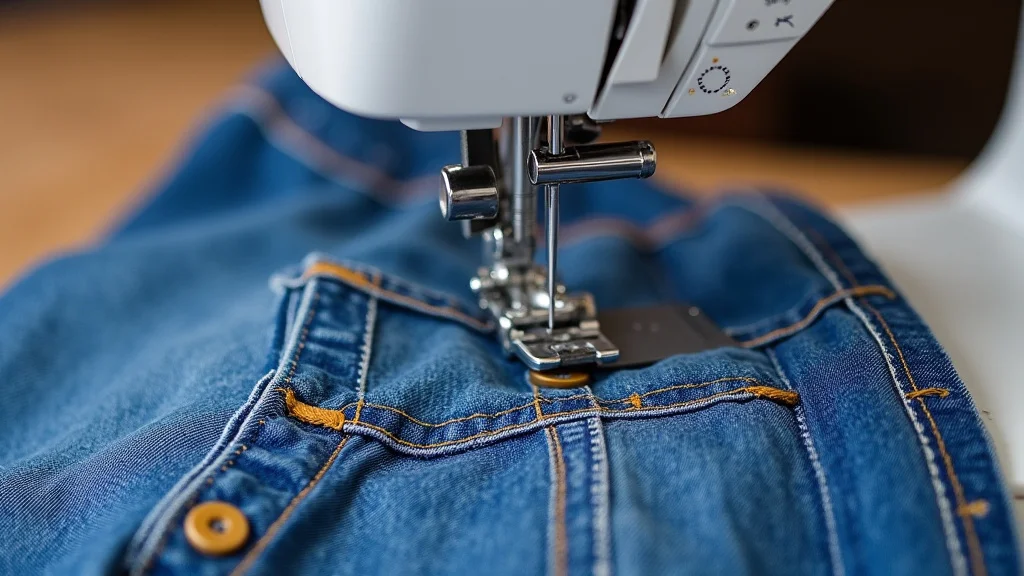
While denim is a durable fabric, it’s not impossible to sew by hand or machine. Use a heavier-weight needle designed for denim. This will prevent breakage and make the sewing process easier. When sewing by hand, use a thimble. This can make the process easier and less frustrating.
Myth 3: You can’t alter the fit of your jeans at home.
You can adjust the fit of your jeans, including the waist, length, thighs, and legs. This can be done by hand or with a sewing machine. Marking the desired alterations carefully, removing and re-stitching seams, and hemming are all doable at home.
Myth 4: Rips and tears always ruin jeans.
Rips and tears don’t necessarily mean the end of your jeans. With some simple repair techniques and sewing hacks for jeans, you can fix most damage. Patches, hand-stitching, and decorative techniques can turn a damaged pair into a unique and stylish item.
Myth 5: All DIY denim repairs will look unprofessional.
With careful attention to detail and a few basic sewing skills, you can achieve professional-looking results. Take your time, use appropriate thread colors, and practice your stitches before working on your jeans. Following these tips will help improve your finished product.
Frequently Asked Questions
Question: What type of needle should I use for sewing jeans?
Answer: Use a heavy-duty needle designed for denim. This has a sharp point and can easily penetrate the thick fabric without breaking.
Question: Can I hem my jeans without a sewing machine?
Answer: Yes, you can hem your jeans by hand. Use a whip stitch or a blind stitch to secure the hem. There are lots of tutorials available online.
Question: How do I prevent fraying when cutting denim?
Answer: You can prevent fraying by using a zigzag stitch along the raw edges or by applying fabric glue. This will create a secure edge.
Question: How can I remove a stain from my jeans?
Answer: Try blotting the stain with a clean cloth. You can also try using a stain remover. Test the product on a hidden area of the jeans first to ensure it won’t damage the fabric.
Question: What’s the best way to patch a ripped knee?
Answer: Cut a patch slightly larger than the rip. Place the patch behind the tear and sew around the edges using a back stitch or a zigzag stitch.
Final Thoughts
These sewing hacks for jeans provide practical solutions for every denim dilemma. You can extend the life of your jeans by repairing damage, adjusting the fit, and adding creative embellishments. By mastering these skills, you’re not just saving money; you’re also taking control of your wardrobe. Whether you’re a beginner or have basic sewing experience, these techniques offer a rewarding way to express your personal style. Grab your jeans, your needle, and some thread. The possibilities for customizing your denim are endless. Start sewing, experimenting, and transforming your jeans today, and enjoy a sustainable way of looking stylish.