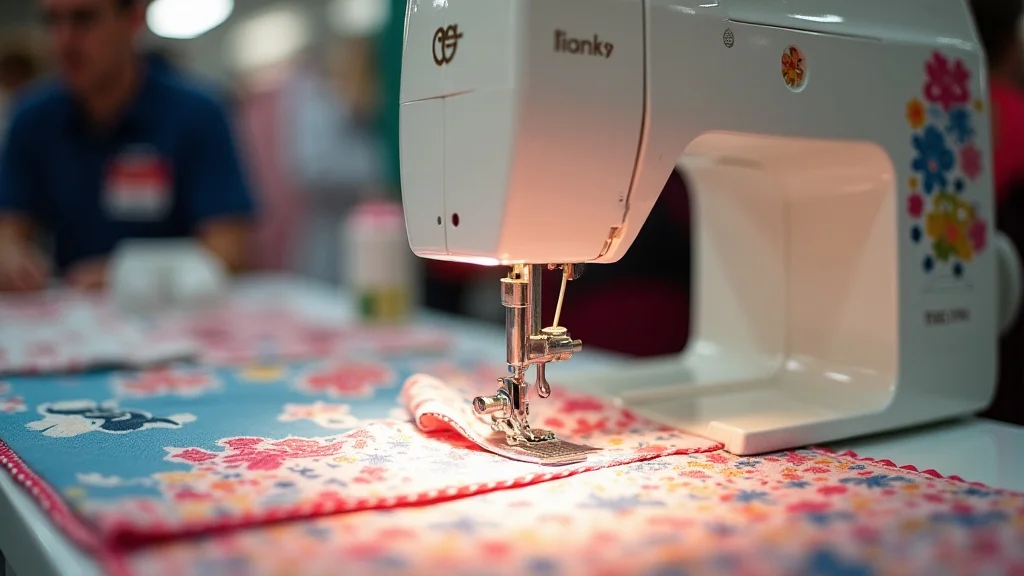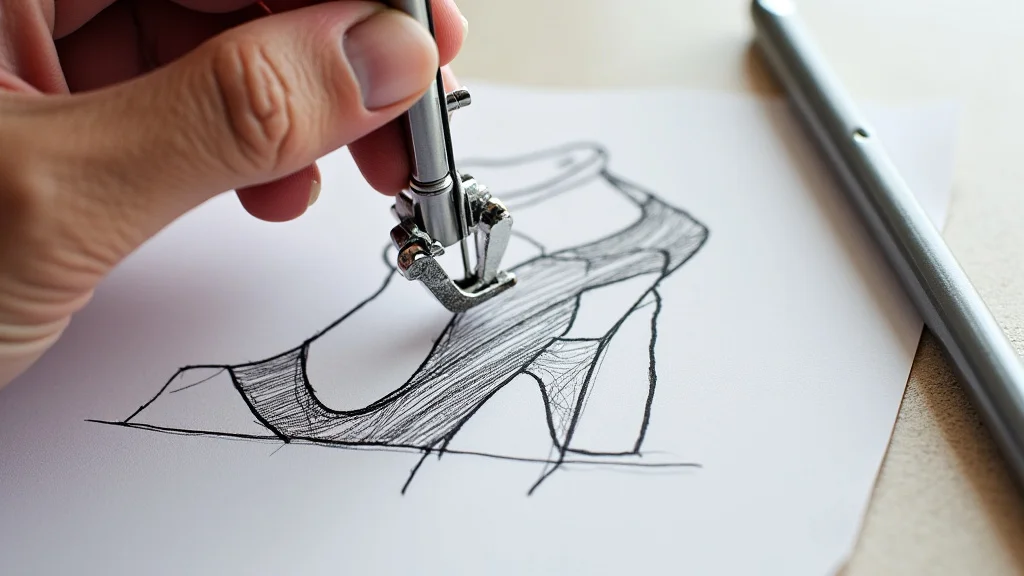
Ever found yourself staring at a blank page, dreaming of a perfect stitch, but struggling to capture your vision? It happens to the best of us! Whether you’re a seasoned designer or just starting out, being able to accurately represent your sewing accessory ideas through sewing accessory drawing is a vital skill. This post will guide you through the process, providing practical techniques to help you bring your designs to life on paper. You’ll gain a deeper appreciation for the art of sewing accessory drawing, learning techniques that improve your design process and communication skills. You’ll see how easy it is to refine your designs and bring them to life. Get ready to transform your ideas into tangible representations, ultimately improving your design efficiency and sparking more creative ideas.
Key Takeaways
- Learn essential tools and materials for effective sewing accessory drawing.
- Understand the fundamentals of perspective and proportion in design.
- Master techniques for representing various textures and materials in your drawings.
- Explore methods for creating accurate technical drawings to communicate designs.
- Discover how to use shading and highlighting to add depth and realism.
- Develop your ability to communicate your fashion designs effectively.
Essential Tools and Materials for Sewing Accessory Drawing
The right tools can significantly boost your sewing accessory drawing skills. Having the proper equipment doesn’t just make the process easier; it also improves the quality and accuracy of your designs. This section will guide you through the essential tools and materials needed to get started, ensuring you’re well-equipped to bring your creative visions to life. From the type of pencils you use to the paper’s texture, each choice affects the final appearance of your drawings.
Pencils and Lead Grades
Pencils are the foundation of any sewing accessory drawing. The hardness of a pencil lead determines the darkness and precision of your lines. A range of lead grades allows you to create different effects, from light sketches to deep shadows. Understanding these grades is key to controlling the visual weight of your drawings. Pencils are graded on a scale, typically from 9H (hardest, lightest) to 9B (softest, darkest). For drawing accessories, a variety is the best approach.
- HB Pencils: HB pencils offer a balance between hardness and softness, making them useful for sketching. They’re good for initial outlines and general drawing.
- 2H Pencils: These are harder and produce light lines, useful for construction lines that will be erased. They’re also great for creating fine details without smudging.
- 2B Pencils: Softer than HB, 2B pencils are good for creating darker lines and shading. Use them for adding depth and dimension.
- 4B Pencils: These are even softer and produce very dark lines, excellent for shadows and rich textures. Perfect for creating the illusion of texture on materials like leather or velvet.
- Mechanical Pencils: Mechanical pencils with varying lead sizes, such as 0.5mm or 0.7mm, are great for precise work. They maintain a consistent line width without sharpening.
Consider the desired style and the intended use of the drawing when selecting your pencil grade. For precise technical drawings, harder leads are preferable. For more expressive sketches, softer leads provide more flexibility. Experimenting with different grades is the best way to determine your preferred tools.
Paper Selection
The type of paper you use has a significant influence on your sewing accessory drawing. Different papers offer varying textures and properties, affecting how your pencil lines appear and how easily you can blend and erase. The best paper depends on your style and project requirements. Paper also comes in weights, measured in pounds (lbs) or grams per square meter (gsm). A higher weight generally means a thicker paper, better suited for multiple layers and techniques.
- Sketchbook Paper: Sketchbooks are great for practice. Look for paper with a medium texture that can handle both pencils and light markers. The weight of the paper should be around 70-100 gsm.
- Drawing Paper: Heavier drawing paper (around 100-150 gsm) is ideal for more finished drawings. It withstands erasures and blending without damage. This is a versatile choice for many projects.
- Bristol Paper: Bristol paper comes in two surfaces: smooth and vellum. Smooth Bristol is perfect for detailed work, while vellum offers a slight texture. Bristol paper is known for its durability and is ideal for final renderings.
- Tracing Paper: Tracing paper allows you to copy and refine your drawings. It’s useful for making changes and experimenting with variations. Available in various weights, choose a weight that suits your needs.
Paper selection should align with the desired artistic result. If detailed work is important, select a smoother paper. If you prefer a more textured look, experiment with vellum or textured drawing paper. Testing different papers with your preferred pencils is important to understand their interactions.
Erasers, Rulers, and Other Useful Tools
Alongside pencils and paper, various additional tools make your sewing accessory drawing process more efficient and accurate. These tools help create clean lines, accurate measurements, and refine details. From erasers that prevent smudges to rulers that keep lines straight, the right tools help you achieve professional results.
- Erasers: A good eraser is indispensable. A kneaded eraser is moldable and can lift graphite without damaging the paper. A vinyl eraser provides a clean erasure for precision work.
- Rulers: Rulers are key for straight lines and accurate measurements. A metal ruler is durable and provides a clean edge for drawing.
- French Curves: These templates help create curved lines. They are especially helpful when drawing accessory features.
- Templates: Various templates, such as ellipse templates, can simplify the drawing of specific shapes. These are helpful for drawing zippers or buckles.
- Sharpener: A quality pencil sharpener is essential for keeping pencils sharp. A mechanical pencil sharpener ensures a consistent point.
- Blending Stumps: Blending stumps are cylindrical tools made of tightly rolled paper that help blend pencil marks. Use them for smoother shading effects.
These supplementary tools are valuable in refining your skills. The combination of the right equipment and techniques sets a strong basis for sewing accessory drawing.
Fundamentals of Perspective and Proportion
Mastering perspective and proportion is key to creating realistic and appealing sewing accessory drawing. Perspective gives your drawings depth and realism, making them look three-dimensional. Proportion ensures that each element is accurately sized relative to the others, maintaining the overall design’s harmony. This section guides you through the fundamental concepts of perspective and proportion, with instructions on how to put them into practice in your drawings.
Understanding Perspective
Perspective makes flat drawings seem three-dimensional. This is achieved by creating the illusion of depth by making objects appear smaller as they move farther away. There are three primary types of perspective used in drawing: one-point, two-point, and three-point perspective. Each type suits different design styles. Using perspective correctly enhances the realism and visual impact of your drawings.
- One-Point Perspective: This is used when the front of the object is facing the viewer. All lines converge at a single vanishing point on the horizon line.
- Two-Point Perspective: This is used when the corner of an object is facing the viewer. Two vanishing points are used on the horizon line.
- Three-Point Perspective: This is used when viewing an object from above or below, like looking up at a skyscraper. Three vanishing points are used.
- Horizon Line: The horizon line represents eye level. All vanishing points are located on the horizon line.
- Vanishing Point: The point where all lines converge, creating the illusion of depth.
To use perspective, start by setting a horizon line and placing vanishing points. Then, draw the basic shape of the accessory, using lines that converge toward the vanishing points. Remember to keep the proportions consistent, even as the object recedes into the distance. Consistent practice with each type of perspective will significantly improve the depth and realism of your sewing accessory drawing.
Proportion and Measurement
Accurate proportion is important for realistic and balanced drawings. It involves correctly sizing each element of your accessory relative to others and the overall design. Incorrect proportions make the accessory look out of balance or unrealistic. Applying proper measurement techniques and understanding the human form are key to achieving accurate proportions.
- Relative Size: Compare the sizes of different parts of the accessory to each other. For example, compare the length of a zipper to the size of the bag.
- Observation: Study reference images of accessories and pay attention to their proportions. Note how different parts relate to each other in size and shape.
- Measurement Tools: Use rulers and proportional dividers to ensure accuracy. These tools help maintain the correct size relationship between elements.
- Grid Method: This involves creating a grid over your reference image and then recreating the image on your drawing. This helps to maintain proportion when copying.
- Human Form Reference: When drawing accessories that will be worn, consider the human form. Make sure the accessory is the right size in relation to a hand or body.
The best way to develop your sense of proportion is through practice and observation. Regularly drawing from real objects or reference photos helps you improve your ability to assess and replicate accurate proportions. Accurate proportions are key for creating visually appealing and practical sewing accessory drawing.
Drawing in Three Dimensions
Making your sewing accessory drawing look three-dimensional is more about the correct use of perspective, proportion, and shading techniques. By combining these three elements, you can create the illusion of depth, volume, and texture, making your drawings more realistic and appealing. These techniques, when correctly applied, transform a two-dimensional drawing into a realistic representation of your vision.
- Understanding Shape: Begin by recognizing that all objects are based on basic geometric shapes. Accessories have simple forms, such as boxes, cylinders, and spheres.
- Drawing Simple Forms: Practice drawing these simple geometric forms in perspective. This helps understand how shapes change in space.
- Adding Surface Details: Once you have the basic forms, add surface details like zippers, straps, and pockets. Make sure these details follow the perspective of the main form.
- Shading Techniques: Use shading to indicate the form and the light source. Experiment with different shading methods.
- Highlighting: Add highlights to create the illusion of light reflecting off the surface of the accessory. Place highlights strategically to show volume.
Always build your drawing from basic shapes and add details carefully to achieve a three-dimensional effect. Consistent practice and paying attention to light and shadow are key to improving your ability to draw in three dimensions.
Representing Textures and Materials in Sewing Accessory Drawing
A key aspect of bringing your sewing accessory drawing to life is representing textures and materials convincingly. This section will guide you through the techniques for depicting diverse textures such as leather, fabric, metal, and plastic. From the subtle nuances of fabric folds to the smooth sheen of leather, learning these techniques helps your designs look more realistic and inviting.
Fabric Textures
Fabric textures are represented through the way the material interacts with light and shadow. The appearance of fabric depends on its weave, weight, and the way it hangs. Achieving this level of realism is key to bringing your designs to life. Understanding how different fabrics behave and learning the correct techniques will help you depict various textures accurately.
- Light Fabrics (Silk, Chiffon): These materials have fluid folds and translucency. Use soft shading and light lines. Make the shadows subtle and the highlights bright.
- Heavy Fabrics (Denim, Velvet): These fabrics have more defined folds and deeper shadows. Use stronger shading and bolder lines. The texture of velvet can be achieved through soft blending.
- Knit Fabrics (Jersey, Sweater): Knit materials have a visible texture. Use small, closely spaced lines or dots to represent the knit structure. Vary the spacing and density to indicate light and shadow.
- Fabric Folds: Study how the fabric folds and drapes. Indicate the folds by carefully drawing curved lines and shadows. The way the folds interact with light is a crucial detail.
- Weave Patterns: Consider the weave pattern of the fabric. Use small, intersecting lines or dots to represent the weave. Varying the density of these marks creates visual interest.
The key to drawing fabric textures lies in observation and practice. Study real fabrics and how they drape and reflect light. Experiment with different shading and line techniques. This approach helps you communicate your designs with accuracy and realism.
Leather and Metal Textures
Representing leather and metal textures involves understanding how these materials reflect light and their surface characteristics. Leather has a slight sheen and a visible grain, while metal surfaces often have a smooth, reflective quality. These elements are key to creating the visual depth and realism needed for your sewing accessory drawing.
- Leather: Leather has a distinct grain and a slight sheen. Use smooth shading to capture the sheen. Add subtle highlights. Use small, irregular lines or dots to represent the grain.
- Metal: Metal surfaces are often shiny and reflective. Use hard shading and sharp highlights. Note the reflections of the environment on the metal.
- Hardware Details: When drawing accessories like zippers or buckles, pay attention to the metal’s texture. Use precise lines and shading to represent their form.
- Surface Treatments: Consider whether the leather is smooth, textured, or embossed. Use lines and shading to represent the surface.
- Aging and Wear: Add signs of wear to leather and metal to create a more realistic effect. Indicate scratches and wear using appropriate marks.
Careful observation is important. Study reference photos of leather and metal accessories. Pay attention to how light interacts with the materials, and practice using different shading techniques. This improves the visual impact of your sewing accessory drawing.
Other Materials
In addition to fabric, leather, and metal, sewing accessories often include a variety of other materials, each with unique textures and properties. By applying these methods, you can depict a range of materials, including plastic, rubber, and wood, adding more depth and realism to your drawings. The process relies on studying the material’s properties and applying the right techniques.
- Plastic: Plastic often has a smooth, shiny surface. Use smooth shading and sharp highlights. Consider how the surface reflects light.
- Rubber: Rubber tends to have a matte finish, with some sheen. Use soft shading and subtle highlights. Indicate any textures.
- Wood: Wood has a grain and texture that depend on the type. Use lines and shading to capture the grain. Vary the darkness of the lines to indicate the surface.
- Transparent Materials: For clear plastic or glass, use light shading to indicate the shape. Add reflections to show the object’s transparency.
- Combining Materials: Remember that many accessories combine different materials. Combine the techniques for each material to create a cohesive drawing.
The ability to depict diverse materials enhances your ability to communicate your design ideas. Experimenting with different techniques and studying reference materials helps improve your ability to represent the wide array of materials. These skills allow you to communicate your design intent to others accurately, which makes your sewing accessory drawing more effective.
Creating Accurate Technical Drawings
Technical drawings are essential for fashion designers, as they provide detailed specifications that manufacturers and pattern makers can use to create the final product. Technical drawings must be accurate, clear, and easy to understand. This section covers the key elements of producing precise technical drawings for sewing accessory drawing. These drawings show measurements, construction details, and material specifications, which are key for production.
Understanding Technical Drawings
Technical drawings, also known as flats, provide essential information needed for creating a finished garment or accessory. They are a precise representation of the design, detailing all the important aspects of its construction. These are a standardized method of communication in the fashion industry.
- Front and Back Views: Technical drawings typically include a front and back view of the accessory, showing all design details. These views should be symmetrical unless the design is asymmetrical.
- Measurement and Scale: Include accurate measurements and dimensions. Using a scale can help maintain proportions and accuracy.
- Construction Details: Illustrate construction details such as seams, closures, and pockets. Clearly show how the pieces are assembled.
- Material Specifications: Include information about the materials. Note the type of fabric, color, and any special treatments.
- Callouts and Annotations: Use callouts and annotations to label specific details. Provide any extra information needed to help the manufacturers.
Technical drawings should be clear, concise, and easy to understand. Make sure to adhere to the standards. Consistent practice in this field will help you improve your design skills and create better drawings.
Drawing Different Views
Different views are necessary to showcase all aspects of the accessory design. Drawing front, back, side, and even top views ensures all details are clearly represented. This is key to ensuring that the design intent is correctly understood.
- Front View: The front view is the main view, showing the primary design elements. It provides the overall look of the accessory.
- Back View: The back view displays the design details on the back of the accessory. These are important, especially for bags and backpacks.
- Side View: Side views are useful for showing the depth and shape of the accessory. They also reveal construction details that might not be visible from the front or back.
- Top View: A top view is useful for showing the shape of the accessory. It is great for bags and wallets.
- Detailed Views: Include close-up views of specific parts of the accessory to show details like closures or decorative elements.
Practice drawing each view until you become comfortable with the different perspectives. This practice improves your ability to communicate your designs.
Adding Dimensions and Callouts
Adding dimensions and callouts is key to conveying the precise specifications of your design. Accurate measurements and clear annotations are essential for manufacturers. Dimensions define the size of each element, while callouts explain the details.
- Dimension Lines: Use dimension lines with arrows to indicate measurements. Position the dimension lines to clearly show the sizes.
- Measurement Units: Always include measurement units. Use inches or centimeters.
- Angles: Indicate angles when appropriate, particularly for details. Show angles with angle symbols and degree measurements.
- Callouts: Use callouts with arrows to label key details. Annotations should describe the material, construction, or any special instructions.
- Standards: Always follow standard practices for dimensioning and annotation to keep the process consistent and professional.
Practicing dimensioning and callouts regularly improves your ability to provide clear and accurate information. This helps ensure that the finished product precisely matches your design concept.
Shading and Highlighting Techniques
Shading and highlighting techniques bring your sewing accessory drawing to life. By manipulating light and shadow, you can make your drawings look three-dimensional. These techniques add volume, texture, and realism to your designs, making them visually appealing. Understanding the placement of light and shadow is key to effective shading.
Understanding Light and Shadow
Understanding light and shadow is fundamental to creating the illusion of depth in your drawings. The way light interacts with a surface defines the shape and texture of an object. Careful control of light and shadow transforms flat drawings into three-dimensional representations. Understanding these elements is essential for all drawing types.
- Light Source: Identify the primary light source in your drawing. The direction of the light will dictate where shadows are cast.
- Highlights: Highlights are areas where light hits the surface of the accessory directly. These areas appear the brightest.
- Shadows: Shadows are areas where light is blocked. The darkest shadows indicate the absence of light.
- Mid-tones: Mid-tones are the areas that are neither in direct light nor in deep shadow. They provide the transition between highlights and shadows.
- Reflected Light: Reflected light is light that bounces off nearby surfaces. It can add subtle brightness to shadowed areas.
Understanding the interplay of light and shadow is crucial for realistic drawings. Imagine your light source and how it affects the object. Practice with different light angles. This creates drawings with a greater sense of depth.
Shading Techniques
Various shading techniques can create different effects. These techniques include hatching, cross-hatching, stippling, and blending. Each technique offers a way to manipulate the values of light and shadow, increasing the depth and visual interest in your drawings.
- Hatching: Hatching involves drawing parallel lines to create shadows. The density of the lines determines the darkness of the shadow.
- Cross-Hatching: Cross-hatching involves layering lines at different angles to create darker shadows. This technique offers more control over shading.
- Stippling: Stippling involves using small dots to create shading. The density of the dots determines the darkness.
- Blending: Blending involves smudging and smoothing the graphite to create a softer shadow. Use a blending stump or your finger.
- Contour Lines: Using contour lines can create form. Follow the shape of the object.
Experiment with each technique to see how they affect the texture and appearance of your sewing accessory drawing. This experimentation helps you find the methods that suit your style. Combining different techniques can also produce unique and interesting visual effects.
Highlighting Techniques
Highlighting techniques are used to add shine and create the illusion of light. Highlights are usually the lightest areas of a drawing. The placement of highlights helps define the form and texture of the object. This is essential for achieving a realistic look.
- Eraser Technique: Use a kneaded eraser to lift graphite and create highlights. Shape the eraser to create specific highlight areas.
- Layering: Build up the shading around the highlight to make it stand out. Use gradual shading to create a smooth transition.
- Masking Fluid: Masking fluid can be used to protect specific areas of the paper from the graphite. Apply the masking fluid before drawing.
- White Pencil or Pen: Use a white pencil or pen to add highlights. These can be used to enhance the shine.
- Careful Observation: Observe how light interacts with the material. Consider the location and size of the highlights to make the appearance correct.
The correct placement of highlights is key for creating a sense of volume and realism. Experiment with these methods. This will improve your ability to capture the light and detail in your sewing accessory drawing.
Common Myths Debunked
Myth 1: You Need to Be a Natural Artist
Many believe that great artistic ability is inborn. This is not true. Drawing, including sewing accessory drawing, is a skill. It can be developed through practice, patience, and learning from your mistakes. With each sketch, you enhance your skills and gain a deeper grasp of perspective, proportion, and shading.
Myth 2: Only Expensive Equipment Produces Good Results
The belief that expensive tools are essential for quality drawings is not true. While quality equipment can improve the drawing experience, the core of good sewing accessory drawing lies in your technique, observation skills, and understanding of the principles of design. Start with basic tools and upgrade as needed.
Myth 3: Erasers Are Only for Mistakes
Many believe that the main function of an eraser is to correct errors. In sewing accessory drawing, the eraser is an active tool. It can be used to create highlights, shape shadows, and soften lines. A kneaded eraser is especially helpful for this, allowing you to manipulate the graphite on your paper.
Myth 4: Perfect Drawings Come Quickly
Many people anticipate that they can achieve perfection immediately. Creating detailed drawings of accessories is a process, and it takes time and persistence. Practice is key, and each drawing is an opportunity to learn and develop your skills. Embrace the learning process.
Myth 5: Technical Drawings Are Boring
Some view technical drawings as simple and uninteresting. However, the creation of accurate technical drawings is key. These drawings require a keen eye for detail, accurate measurements, and a clear understanding of design principles. They are the essential link between a designer’s vision and the final product.
Frequently Asked Questions
Question: What’s the best way to get started with sewing accessory drawing?
Answer: Start with the basics. Gather pencils, paper, and a good eraser. Practice simple shapes and shading techniques. Work to improve your drawing ability.
Question: How can I improve my perspective skills?
Answer: Study the basics of perspective. Draw objects using one-, two-, and three-point perspective. Practice drawing from photographs or real objects.
Question: What paper is best for beginners?
Answer: Use drawing paper with a medium texture, around 100-150 gsm. This is versatile for pencils. It also works well with erasers.
Question: How important is shading in sewing accessory drawing?
Answer: Shading is important. It adds depth and realism to your drawings. Learn and practice different shading techniques.
Question: Where can I find good reference images?
Answer: Search online. Look at fashion blogs, magazines, and product listings. Real-life accessories also make good references.
Final Thoughts
Mastering sewing accessory drawing opens the door to expressing your creative vision with greater precision and clarity. The journey begins with understanding the essential tools and materials, which is crucial for setting up your creative space. We have learned how to use pencils, paper, and tools to create accurate and detailed drawings. From the fundamentals of perspective to the art of representing textures and materials, this post shows you how to bring your ideas to life. Remember that technical drawings are not only essential for communication, but also a chance to refine your design sense. Practicing shading and highlighting will add depth and realism to your designs, and these skills are developed over time. So, get your pencils ready, find some inspiration, and start sketching! Your next brilliant design is just a drawing away.